
Wellness Management Apps Market Overview
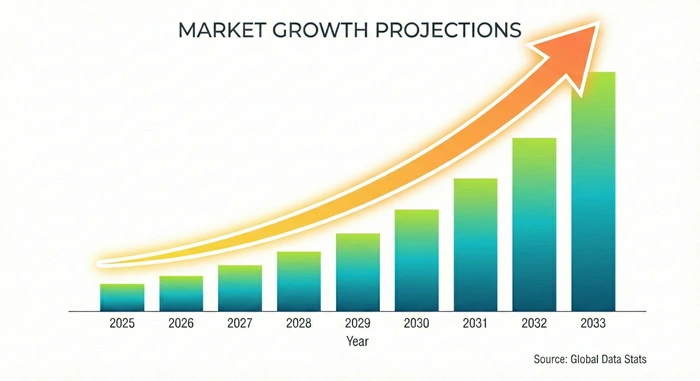
The global wellness management apps market size is valued at USD 24.96 billion in 2025 and is predicted to increase from USD 27.67 billion in 2026 to approximately USD 61.27 billion by 2033, growing at a CAGR of 11.74% from 2026 to 2033.
Wellness management apps represent sophisticated mobile and web-based digital platforms enabling individuals to monitor, manage, and optimize personal health through comprehensive tracking of physical activity, nutrition intake, sleep patterns, mental wellness, chronic condition management, and preventive healthcare behaviors. These applications integrate seamlessly with wearable devices, smartphones, and healthcare systems to provide real-time data insights, personalized recommendations, goal-setting frameworks, and progress monitoring supporting holistic wellness journeys. Healthcare consumers, corporate wellness programs, insurance providers, and medical professionals increasingly adopt these digital solutions as essential tools promoting healthy lifestyle choices, preventing disease progression, and reducing long-term healthcare costs through proactive health management approaches.

AI Impact on the Wellness Management Apps Industry
Revolutionizing Personalized Health Guidance Through Machine Learning and Predictive Analytics Capabilities
Artificial intelligence transforms the wellness management apps market by introducing sophisticated personalization engines that analyze individual health data including biometric measurements, activity patterns, dietary preferences, sleep quality, stress indicators, and genetic predispositions to generate highly customized wellness recommendations addressing specific user needs and goals. Machine learning algorithms process millions of user interactions, outcome data points, and behavioral patterns to identify successful intervention strategies, optimal engagement timing, and effective motivational approaches maximizing long-term adherence and measurable health improvements. AI-powered chatbots provide instant responses to health queries, offer motivational coaching during challenging moments, suggest alternative activities when users deviate from planned routines, and deliver contextually relevant educational content supporting informed decision-making throughout wellness journeys. These technological innovations enable wellness apps to function as virtual health coaches providing 24/7 guidance, support, and accountability previously available only through expensive human coaching services accessible to limited populations.
Predictive analytics leveraging artificial intelligence identify early warning signs of potential health deterioration through subtle changes in tracked metrics including resting heart rate variability, sleep disruption patterns, activity level decreases, and mood fluctuations, alerting users to implement preventive interventions before conditions worsen significantly. The wellness management apps market benefits from natural language processing technologies enabling voice-activated health logging, conversational interaction interfaces, and sentiment analysis detecting user emotional states requiring mental health support or motivational encouragement. Computer vision capabilities analyze uploaded food photographs to estimate nutritional content, portion sizes, and caloric values, simplifying dietary tracking while improving accuracy compared to manual entry methods prone to user estimation errors. Integration with Internet of Things ecosystems including smart scales, blood pressure monitors, continuous glucose sensors, and environmental quality detectors creates comprehensive health data streams feeding AI systems generating holistic wellness insights considering multiple interconnected health dimensions simultaneously rather than isolated metrics viewed in singular contexts.
Growth Factors
Rising Chronic Disease Prevalence and Preventive Healthcare Emphasis Drive Robust Wellness Management Apps Market Expansion
The wellness management apps market experiences accelerated growth propelled by alarming increases in lifestyle-related chronic diseases including obesity, type 2 diabetes, cardiovascular conditions, and mental health disorders affecting hundreds of millions globally, creating urgent needs for scalable prevention and management solutions beyond traditional healthcare system capacities. Healthcare organizations recognize that reactive treatment approaches cannot sustainably address chronic disease burdens, shifting emphasis toward preventive care models where wellness apps serve as critical engagement tools promoting healthy behaviors, medication adherence, symptom monitoring, and early intervention capabilities. Corporate wellness programs proliferate as employers recognize substantial returns on investment through reduced insurance premiums, decreased absenteeism, improved productivity, and enhanced employee satisfaction when organizations provide subsidized or fully-funded wellness app subscriptions supporting workforce health optimization.
Smartphone penetration exceeding 6.8 billion users worldwide creates unprecedented technological accessibility enabling wellness app adoption across diverse demographic segments, geographic regions, and socioeconomic groups previously excluded from digital health solutions. The wellness management apps market gains tremendous momentum from wearable device integration including fitness trackers, smartwatches, and health monitoring sensors providing continuous data streams enhancing app functionality, engagement quality, and outcome measurement accuracy through objective metrics rather than subjective self-reporting alone. Pandemic-driven telehealth normalization fundamentally shifted consumer attitudes toward digital health tools, establishing wellness apps as legitimate healthcare complements rather than optional lifestyle accessories, while accelerating investment in digital health infrastructure, regulatory frameworks, and reimbursement models supporting sustainable market growth. Consumer expectations evolve toward personalized wellness experiences rather than generic one-size-fits-all approaches, creating competitive advantages for apps delivering sophisticated customization through AI-driven insights, adaptive content delivery, and individualized goal-setting frameworks addressing unique user circumstances, preferences, and health conditions.
Market Outlook
Strategic Innovation and Healthcare Integration Shape Promising Wellness Management Apps Market Trajectory
The wellness management apps market outlook reflects optimistic projections supported by continuing technology advancement, expanding healthcare system integration, and evolving consumer wellness priorities transcending traditional fitness tracking toward comprehensive wellbeing management. Developers invest substantially in research activities exploring novel engagement mechanisms including gamification elements, social connectivity features, virtual reality experiences, and blockchain-based incentive systems rewarding healthy behaviors through tokenized rewards exchangeable for health products, insurance discounts, or charitable contributions. Market dynamics increasingly favor subscription-based business models generating predictable recurring revenue while incentivizing continuous feature enhancement, content updates, and user experience optimization compared to one-time purchase apps lacking sustainable development funding.
The industry witnesses consolidation trends as larger digital health platforms acquire specialized wellness apps integrating diverse functionalities into comprehensive ecosystems managing multiple health dimensions through unified interfaces, shared data repositories, and coordinated intervention strategies. The wellness management apps market adapts to evolving privacy regulations including GDPR, HIPAA, and regional data protection frameworks requiring sophisticated consent management, transparent data usage policies, and robust security architectures protecting sensitive health information from breaches while enabling appropriate sharing with healthcare providers and insurance organizations. Artificial intelligence advancement enables increasingly sophisticated predictive capabilities identifying optimal intervention timing, personalized content sequencing, and adaptive difficulty progression maintaining user engagement throughout long-term wellness journeys prone to abandonment when approaches feel too demanding or insufficiently challenging. Healthcare system integration deepens as apps establish interoperability with electronic health records, clinical decision support systems, and population health management platforms transforming isolated consumer wellness tools into integral components of coordinated care delivery models addressing prevention, chronic disease management, and patient engagement simultaneously across clinical and daily living contexts.
Expert Speaks
-
James Park, Co-founder and CEO of Fitbit (Google), emphasized that working with Google Cloud Healthcare API provides opportunities to transform how the company scales its business, allowing Fitbit to reach more people around the world faster while enhancing the experience offered to users and the healthcare system, stating that this collaboration will accelerate innovation pace defining the next generation of healthcare and wearables through advanced AI capabilities and seamless device integration.
-
Dr. Gregory Moore, Vice President of Healthcare at Google Cloud, highlighted that Google's vision centers on transforming how health information is organized and made useful, explaining that enabling platforms like Fitbit to connect and manage key health and fitness data using Google Cloud Healthcare API represents significant progress toward delivering up-to-date information to providers, enhancing their ability to follow patient health, manage conditions effectively, and guide treatment decisions through comprehensive data insights.
-
Tim Cook, CEO of Apple Inc., noted during earnings calls that Apple believes its greatest contribution to mankind will be related to health, emphasizing the company's commitment to developing health capabilities across its ecosystem including Apple Watch, HealthKit integration, and health research initiatives, while acknowledging that healthcare represents complex challenges requiring sustained innovation, strong privacy protections, and collaborative partnerships with medical community stakeholders advancing preventive care and personalized medicine.
Key Report Takeaways
-
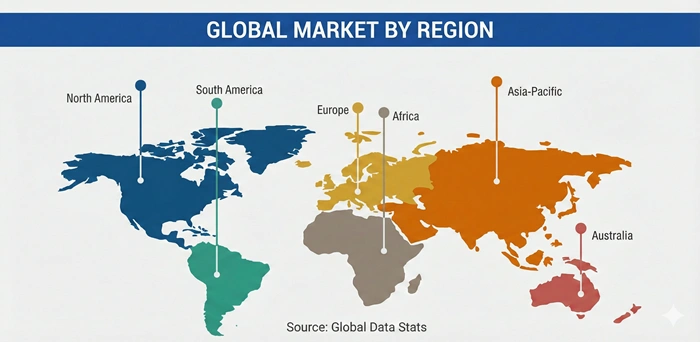
North America leads the wellness management apps market with approximately 44 percent regional share, driven by high smartphone penetration, widespread wearable device adoption, strong consumer health awareness, corporate wellness program proliferation, advanced digital health infrastructure, and established reimbursement mechanisms supporting app-based interventions integrated within preventive care strategies and chronic disease management protocols.
-
Asia-Pacific demonstrates the fastest growth trajectory in the wellness management apps market, expanding at a CAGR of approximately 13.9 percent, propelled by massive population bases, rapidly increasing smartphone accessibility, growing middle-class populations with disposable income for health investments, rising lifestyle disease prevalence, and government initiatives promoting digital health adoption throughout China, India, Southeast Asian nations, and developing economies.
-
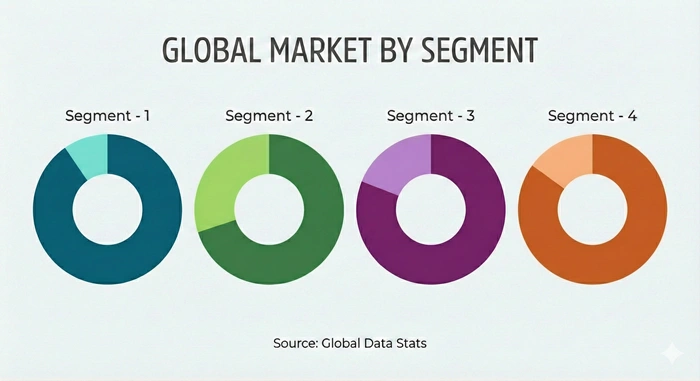
Fitness and activity tracking apps represent the largest application segment consuming wellness management apps market with approximately 37 percent market share, as these platforms attract broad user bases seeking basic health monitoring, daily step counting, calorie expenditure tracking, and exercise logging capabilities integrated with popular wearable devices supporting active lifestyle goals and general wellness maintenance.
-
Individual consumers contribute the most substantial end-user segment share at approximately 58 percent, driven by personal health consciousness, self-directed wellness journeys, convenient smartphone accessibility enabling anytime-anywhere health management, and subscription model affordability compared to traditional personal training, nutrition counseling, or therapy services requiring scheduled appointments and higher per-session costs.
-
Subscription-based deployment models dominate revenue preferences as the most popular monetization approach, accounting for approximately 52 percent market share, based on predictable recurring income supporting continuous app development, regular content updates, premium feature access, personalized coaching services, and ad-free experiences attracting committed users willing to invest in comprehensive wellness support tools.
-
Mental wellness and meditation apps will experience rapid future growth through 2033, expanding at a CAGR of approximately 15.8 percent and capturing increasing market share percentage as growing populations recognize mental health importance, stress management needs, mindfulness practice benefits, and digital therapy accessibility addressing anxiety, depression, sleep disorders, and emotional wellbeing alongside physical health dimensions.
Market Scope
| Report Coverage Details | |
|---|---|
| Market Size by 2033 | USD 61.27 Billion |
| Market Size by 2025 | USD 24.96 Billion |
| Market Size by 2026 | USD 27.67 Billion |
| Market Growth Rate from 2026 to 2033 | CAGR of 11.74% |
| Dominating Region | North America |
| Fastest Growing Region | Asia-Pacific |
| Base Year | 2025 |
| Forecast Period | 2026 to 2033 |
| Segments Covered | By App Type, By Platform, By Deployment Model, By End-User, By Region |
| Regions Covered | North America, Europe, Asia-Pacific, Latin America, Middle East & Africa |
Market Dynamics
Drivers Impact Analysis
Escalating Chronic Disease Burden and Corporate Wellness Investment Propel Sustained Wellness Management Apps Market Momentum
The wellness management apps market benefits tremendously from unprecedented chronic disease prevalence affecting global populations, with International Diabetes Federation documenting over 537 million adults living with diabetes, World Health Organization reporting over 1 billion people with hypertension, and mental health conditions including anxiety and depression affecting hundreds of millions requiring accessible management tools beyond overwhelmed healthcare systems. Lifestyle-related conditions including obesity, cardiovascular disease, metabolic syndrome, and stress-related disorders demonstrate strong responsiveness to behavioral interventions including physical activity increases, dietary improvements, stress management practices, and sleep optimization strategies effectively delivered through engaging wellness app experiences providing education, tracking, motivation, and accountability supporting sustainable behavior change. Healthcare cost containment pressures drive payers, providers, and employers toward preventive care models where relatively inexpensive wellness app subscriptions costing USD 10 to 50 monthly deliver substantial returns through disease prevention, early intervention, hospitalization avoidance, and productivity maintenance compared to expensive reactive treatment approaches.
Corporate wellness program expansion creates institutional demand as organizations recognize that employee health directly impacts business performance through absenteeism costs, presenteeism productivity losses, healthcare insurance premiums, disability claims, and worker retention challenges. The wellness management apps market gains momentum as employers implement digital wellness platforms supporting remote and hybrid workforces requiring scalable engagement tools reaching dispersed employees without geographical proximity to onsite fitness facilities, health screenings, or wellness seminars previously characterizing corporate health initiatives. Technology companies including Apple, Google, Samsung, and numerous startups continuously innovate introducing advanced sensors, improved battery life, sophisticated algorithms, and enhanced user interfaces supporting seamless wellness tracking integrated naturally into daily routines rather than requiring dedicated effort creating friction reducing long-term adherence. Insurance provider partnerships increasingly subsidize or fully fund wellness app subscriptions for policyholders, recognizing that promoting healthy behaviors through digital tools reduces claim costs while improving customer satisfaction and retention, creating aligned incentives supporting market expansion through reduced consumer out-of-pocket expenses eliminating price barriers limiting adoption.
| Driver Factor | ≈ Impact on CAGR Forecast | Geographic Relevance | Impact Timeline |
|---|---|---|---|
| Rising chronic disease prevalence and prevention emphasis | +2.8% to +3.4% | Global, particularly strong in developed and emerging markets | Immediate and ongoing |
| Corporate wellness program adoption and employer subsidies | +2.2% to +2.8% | Primarily North America, Europe, developed Asia-Pacific | Immediate and ongoing |
| Wearable device integration and sensor technology advancement | +1.6% to +2.2% | Global with concentration in tech-enabled markets | Immediate and medium-term |
| Healthcare system integration and insurance reimbursement | +1.2% to +1.6% | Developed healthcare markets with digital infrastructure | Short to medium-term |
Restraints Impact Analysis
Data Privacy Concerns and Engagement Retention Challenges Moderate Wellness Management Apps Market Growth Expectations
The wellness management apps market confronts significant challenges from consumer data privacy concerns following high-profile breaches, unauthorized data sharing scandals, and growing awareness regarding personal health information sensitivity creating hesitation toward sharing intimate health details through commercial applications lacking clear data protection commitments. Regulatory compliance requirements including HIPAA in United States, GDPR in Europe, and various national data protection frameworks impose substantial technical infrastructure costs, legal expertise needs, and operational complexity burdens particularly challenging for smaller app developers lacking resources implementing enterprise-grade security architectures, comprehensive audit trails, and transparent consent management systems. User engagement attrition represents persistent challenge as studies document that majority of wellness app users abandon applications within three months following download, with retention rates dropping below 25 percent after six months despite initial enthusiasm, creating business model sustainability concerns for subscription services requiring long-term active users generating predictable revenue.
Market saturation in mature segments creates intense competition among thousands of wellness apps offering similar basic functionality including step tracking, calorie counting, and workout logging, making differentiation difficult and user acquisition costs prohibitively expensive without clear competitive advantages. The wellness management apps market faces skepticism from healthcare professionals questioning clinical evidence supporting app effectiveness, concerned about data accuracy reliability, and uncertain regarding appropriate integration within traditional care delivery models, limiting referral recommendations that could accelerate adoption among patients seeking physician-endorsed health management tools. Digital divide considerations affect market penetration as vulnerable populations including elderly individuals, lower socioeconomic groups, and rural communities experience barriers accessing smartphones, reliable internet connectivity, and digital literacy skills required effectively utilizing sophisticated wellness applications, potentially widening health equity gaps rather than democratizing wellness support. Behavioral change sustainability remains elusive challenge as temporary motivation spurts driven by app novelty frequently fade without addressing underlying psychological barriers, social environment obstacles, and structural factors influencing health behaviors, leading users to conclude that apps alone cannot deliver promised outcomes without broader lifestyle modifications and support systems.
| Restraint Factor | ≈ Impact on CAGR Forecast | Geographic Relevance | Impact Timeline |
|---|---|---|---|
| Data privacy concerns and regulatory compliance burdens | -1.4% to -1.9% | Global with particular intensity in regulated markets | Immediate and ongoing |
| User engagement attrition and retention challenges | -1.2% to -1.6% | Global impact across all market segments | Immediate and ongoing |
| Market saturation and intense competition in core segments | -0.8% to -1.2% | Primarily developed markets with mature app ecosystems | Immediate to medium-term |
| Healthcare provider skepticism and integration barriers | -0.6% to -0.9% | Particularly relevant in conservative healthcare systems | Medium to long-term |
Opportunities Impact Analysis
Mental Health Focus and AI-Powered Personalization Create Substantial Wellness Management Apps Market Expansion Potential
The wellness management apps market presents compelling opportunities through mental wellness application development addressing growing recognition that psychological health fundamentally interconnects with physical wellbeing, creating demand for meditation apps, stress management tools, therapy platforms, sleep optimization programs, and mindfulness training addressing anxiety, depression, burnout, and emotional regulation challenges affecting populations worldwide. Telehealth integration enables wellness apps connecting users directly with licensed therapists, certified health coaches, registered dietitians, and medical professionals through video consultations, messaging features, and care coordination platforms transforming standalone tracking tools into comprehensive care delivery channels supporting diagnosed conditions requiring professional guidance supplementing self-management capabilities. Corporate mental health initiatives responding to workplace stress epidemic, pandemic-related isolation effects, and employee wellbeing priorities create institutional demand for apps providing stress reduction resources, resilience training, emotional support, and work-life balance guidance demonstrating measurable impacts on productivity, engagement, and organizational health culture.
Artificial intelligence advancement enables increasingly sophisticated personalization creating differentiated user experiences adapting real-time to changing circumstances, learning individual preferences, optimizing content timing, and predicting future needs supporting proactive intervention rather than reactive responses. The wellness management apps market benefits from blockchain technology exploration enabling decentralized health data ownership, tokenized incentive systems rewarding healthy behaviors through cryptocurrency rewards, and transparent data sharing frameworks where users control precisely what information gets shared with whom under what circumstances, addressing privacy concerns while enabling valuable health data research contributions. Emerging market penetration represents substantial growth opportunity as smartphone adoption accelerates throughout Asia-Pacific, Latin America, Africa, and Middle Eastern regions where growing middle-class populations, increasing health awareness, and limited traditional healthcare access create favorable conditions for digital wellness solution adoption leapfrogging developed market evolution patterns. Strategic partnerships between wellness app developers, wearable device manufacturers, pharmaceutical companies, healthcare providers, and insurance organizations create ecosystem synergies expanding distribution channels, enhancing feature integration, generating revenue diversification, and establishing comprehensive wellness platforms addressing multiple health dimensions through coordinated interventions rather than fragmented point solutions.
| Opportunity Factor | ≈ Impact on CAGR Forecast | Geographic Relevance | Impact Timeline |
|---|---|---|---|
| Mental wellness app development and therapy integration | +2.0% to +2.6% | Global, particularly strong in stress-affected populations | Short to medium-term |
| AI-powered personalization and predictive health insights | +1.6% to +2.1% | Technology-enabled developed markets initially expanding globally | Short to medium-term |
| Emerging market smartphone penetration and adoption | +1.2% to +1.7% | Asia-Pacific, Latin America, Middle East, Africa | Medium to long-term |
| Strategic partnerships and healthcare ecosystem integration | +0.9% to +1.3% | Global with emphasis on coordinated care markets | Short to medium-term |
Segment Analysis
By App Type - Fitness and Activity Tracking Apps
Broad User Appeal and Wearable Device Integration Establish Fitness Tracking as Dominant Wellness Management Apps Market Segment
Fitness and activity tracking apps command approximately 37 percent of the wellness management apps market share, expanding at a steady CAGR of 11.5 percent throughout the forecast period as these platforms deliver fundamental health monitoring capabilities including daily step counting, distance traveled, calories burned, heart rate monitoring, and workout logging appealing to broad user demographics from casual wellness enthusiasts to dedicated athletes. Healthcare professionals increasingly recommend activity tracking as evidence-based intervention supporting cardiovascular health, weight management, diabetes prevention, and mental wellbeing through endorphin release and stress reduction mechanisms associated with regular physical activity. The segment benefits from seamless wearable device integration including fitness bands, smartwatches, and smartphone sensors automatically capturing movement data without requiring manual input, eliminating friction points causing abandonment of apps demanding consistent user effort for data entry. Popular applications including MyFitnessPal, Strava, Nike Training Club, and Fitbit companion apps demonstrate strong user retention through social features enabling friend challenges, achievement sharing, community support, and competitive leaderboards leveraging social motivation maintaining long-term engagement beyond initial novelty periods.
North America maintains dominant fitness app consumption within the wellness management apps market, supported by established fitness culture, high wearable device penetration exceeding 30 percent of population, corporate wellness program emphasis on physical activity metrics, and insurance incentive programs rewarding documented exercise participation. Asia-Pacific demonstrates the fastest regional growth for fitness tracking applications, driven by rapidly expanding smartphone accessibility throughout China, India, Southeast Asian nations, and increasing health consciousness among urbanizing populations adopting Western wellness practices including gym memberships, recreational running, and organized fitness activities. Leading companies serving the fitness tracking segment include Apple Inc. through comprehensive Health app and Apple Watch ecosystem, Google through Fitbit acquisition and integration with Android devices, Samsung Electronics offering Galaxy Watch and Samsung Health platforms, Garmin Ltd. providing specialized devices for serious athletes, and Under Armour through MyFitnessPal and MapMyRun applications. The segment benefits from continuous innovation introducing advanced metrics including VO2 max estimation, recovery time recommendations, training load management, and performance analytics previously available only through professional athletic equipment, democratizing sophisticated fitness insights supporting optimal training approaches across user skill levels and fitness goals.
By End-User - Individual Consumers
Personal Health Ownership and Direct-to-Consumer Accessibility Position Individual Users as Primary Wellness Management Apps Market Consumer
Individual consumers account for approximately 58 percent of the wellness management apps market consumption, growing at a CAGR of 11.9 percent as personal health consciousness rises globally with populations recognizing that lifestyle choices profoundly impact long-term wellbeing, disease risk, quality of life, and healthcare costs motivating proactive wellness management. Direct-to-consumer distribution through app stores eliminates traditional healthcare gatekeepers enabling immediate access to wellness tools without requiring physician prescriptions, insurance approvals, or institutional sponsorship, democratizing health management capabilities previously restricted to those with healthcare access or financial resources affording professional coaching services. The segment encompasses diverse user motivations including fitness enthusiasts tracking athletic performance, individuals managing chronic conditions monitoring symptoms and medications, weight loss seekers logging dietary intake and exercise, mental wellness practitioners utilizing meditation and therapy apps, and general health maintainers optimizing sleep, stress management, and preventive behaviors.
North America maintains the largest individual consumer segment share for the wellness management apps market, supported by sophisticated digital health infrastructure, strong consumer purchasing power enabling premium subscription adoption, cultural emphasis on personal responsibility for health outcomes, and established patterns of self-directed wellness behaviors including gym memberships, nutritional supplement use, and preventive health screenings. Europe demonstrates substantial individual user adoption with particularly strong engagement in Nordic countries, United Kingdom, and Germany where populations balance social healthcare systems with personal wellness investments pursuing optimal health outcomes. Major wellness app providers targeting individual consumers include Calm and Headspace leading meditation and mental wellness categories, MyFitnessPal dominating nutrition tracking, Noom offering psychology-based weight loss programs, Peloton extending beyond equipment into comprehensive digital fitness subscriptions, and Apple Fitness Plus leveraging device ecosystem creating seamless workout experiences. The segment benefits from subscription model affordability typically ranging USD 5 to 30 monthly representing fraction of personal training costs, therapy session fees, or gym memberships while providing comprehensive wellness support accessible conveniently through smartphones carried constantly enabling immediate assistance during moments when health decisions occur rather than requiring scheduled appointments at specific locations.
Regional Insights
North America
Advanced Digital Infrastructure and Corporate Wellness Culture Establish North America as Dominant Wellness Management Apps Market Leader
North America commands approximately 44 percent of the global wellness management apps market share, expanding at a CAGR of 11.5 percent from 2026 to 2033, driven by sophisticated digital health infrastructure, widespread smartphone penetration exceeding 85 percent of population, high wearable device adoption, and established corporate wellness culture where employers routinely invest in employee health programs including subsidized app subscriptions. The region benefits from strong consumer health awareness, cultural emphasis on fitness and preventive care, substantial disposable incomes supporting discretionary wellness spending, and advanced healthcare systems increasingly integrating digital tools within care delivery models recognizing value in patient engagement technologies supporting chronic disease management and prevention strategies. United States represents the dominant country market within North America, consuming significant wellness app subscriptions through approximately 330 million population including 236 million smartphone users, extensive corporate wellness programs covering over 80 percent of large employers, and insurance incentive structures rewarding healthy behaviors documented through app engagement.
The North American wellness management apps market features leading technology companies including Apple Inc. operating comprehensive health ecosystem through iOS devices and Apple Watch integration, Google through Fitbit acquisition and Android Health integration, numerous specialized providers including Noom, Calm, Headspace, MyFitnessPal, and Peloton commanding substantial user bases and premium subscription revenues. Healthcare integration advances through partnerships with electronic health record systems, clinical decision support platforms, and population health management programs enabling bidirectional data flows between consumer wellness apps and professional care settings supporting coordinated interventions. The region demonstrates strong investment activity with venture capital funding exceeding billions annually flowing into digital health startups, merger and acquisition activity consolidating market participants, and strategic partnerships between technology companies, pharmaceutical firms, healthcare providers, and insurance organizations creating integrated wellness ecosystems. Market dynamics reflect sophisticated consumer preferences demanding evidence-based interventions, clinical validation, data privacy protections, and seamless user experiences, creating competitive pressures driving continuous innovation in features, personalization capabilities, and outcome measurement demonstrating tangible health improvements justifying subscription investments.
Asia-Pacific
Massive Population Scale and Rapid Smartphone Adoption Position Asia-Pacific as Fastest Growing Wellness Management Apps Market
Asia-Pacific demonstrates the fastest wellness management apps market growth trajectory, expanding at a CAGR of 13.9 percent from 2026 to 2033, propelled by enormous population bases exceeding 4.5 billion people, rapidly increasing smartphone penetration approaching 3 billion users, rising middle-class populations with discretionary income for health investments, and growing lifestyle disease prevalence creating urgent needs for scalable wellness solutions. The region experiences fundamental lifestyle transitions as urbanization, sedentary occupations, Western dietary pattern adoption, and stress-intensive work cultures contribute to alarming chronic disease increases including diabetes, obesity, cardiovascular conditions, and mental health disorders affecting hundreds of millions requiring accessible management approaches beyond overwhelmed traditional healthcare systems. China represents the largest individual market opportunity based on population scale exceeding 1.4 billion, rapidly advancing digital infrastructure, extensive mobile payment adoption facilitating app subscriptions, and government health initiatives promoting preventive care and digital health technology deployment throughout national healthcare modernization programs.
The Asia-Pacific wellness management apps market features diverse competitive dynamics combining global technology leaders including Apple, Google, and Samsung establishing regional presence alongside domestic innovators including Tencent Health in China, Keep fitness platform, Huawei Health ecosystem, and numerous country-specific applications addressing local language needs, cultural preferences, and regulatory requirements. India demonstrates tremendous growth potential with over 1.4 billion population, rapidly expanding smartphone adoption exceeding 750 million users, young demographics embracing digital technologies, and increasing health awareness driven by rising diabetes prevalence, cardiovascular disease risks, and mental health recognition among urban professionals. Regional market characteristics include preference for freemium business models over premium subscriptions due to price sensitivity, strong social feature emphasis reflecting collectivist cultural values, and mobile-first design approaches recognizing that smartphones rather than computers serve as primary internet access points throughout developing economies. The region's market outlook remains exceptionally favorable based on continuing economic development, healthcare expenditure increases, expanding digital payment infrastructure supporting subscription commerce, and growing recognition that preventive wellness investments deliver substantial returns through disease avoidance, productivity maintenance, and quality of life improvements throughout life spans.
Top Key Players
-
Apple Inc. (United States)
-
Google LLC / Fitbit (United States)
-
Samsung Electronics Co. Ltd. (South Korea)
-
MyFitnessPal Inc. (United States)
-
Noom Inc. (United States)
-
Calm.com Inc. (United States)
-
Headspace Inc. (United States)
-
Peloton Interactive Inc. (United States)
-
Garmin Ltd. (United States)
-
Under Armour Inc. (United States)
-
Strava Inc. (United States)
-
Flo Health Inc. (United Kingdom)
-
Nike Inc. (United States)
-
Withings (France)
-
Lifesum AB (Sweden)
Recent Developments
-
Google / Fitbit - 2025: Launched AI-powered personal health coach integrated within Fitbit ecosystem and Pixel Watch 4, leveraging Google's Gemini AI assistant to provide highly personalized workout recommendations, adaptive exercise regimens tailored to individual needs and goals, and comprehensive health insights based on continuous data monitoring, representing significant advancement in intelligent wellness guidance moving beyond generic fitness advice toward truly individualized health coaching experiences.
-
Lifesum - 2024: Acquired LYKON, Germany's premier biomarker-driven personalized nutrition company, in strategic move revolutionizing personalized wellness throughout Europe by combining Lifesum's established nutrition tracking platform with LYKON's advanced biomarker testing and analysis capabilities, enabling users to receive nutrition recommendations based on objective biological measurements rather than self-reported preferences alone, advancing precision nutrition applications within consumer wellness market.
-
Teladoc Health - 2025: Announced planned acquisition of Catapult Health, provider of at-home diagnostic testing and virtual consultations, expanding Teladoc's comprehensive virtual care platform into preventive wellness and population health management domains, demonstrating convergence between telehealth services and wellness management as companies recognize value in integrated offerings addressing reactive treatment needs alongside proactive wellness support through digital engagement tools and remote monitoring capabilities.
-
Apple Inc. - 2025: Continued expanding health capabilities across iOS and watchOS ecosystems through enhanced mental health features, advanced sleep tracking, medication management tools, and deeper healthcare system integration via HealthKit APIs enabling bidirectional data exchange with electronic health records, while maintaining industry-leading privacy protections and user control over health data sharing, reinforcing Apple's strategic commitment to health as central differentiation within competitive consumer technology landscape.
-
Calm - 2024: Expanded corporate wellness offerings through strategic partnerships with major employers and health insurance providers, developing enterprise versions of meditation and mental wellness platform tailored specifically for workplace stress management, employee assistance programs, and organizational wellbeing initiatives, recognizing that institutional wellness programs represent substantial growth opportunity beyond individual consumer subscriptions as companies increasingly prioritize mental health support within comprehensive employee benefit packages.
Market Trends
Mental Health Integration and Holistic Wellness Approaches Define Contemporary Wellness Management Apps Market Evolution
The wellness management apps market increasingly emphasizes mental health capabilities recognizing that psychological wellbeing fundamentally interconnects with physical health, with leading platforms incorporating meditation guidance, stress management techniques, mood tracking, cognitive behavioral therapy exercises, and sleep optimization features addressing anxiety, depression, burnout, and emotional regulation challenges affecting populations worldwide. Holistic wellness perspectives replace narrow fitness-focused approaches as applications address multiple health dimensions simultaneously including nutrition, movement, sleep, stress, social connection, and purpose, reflecting scientific understanding that these elements interact synergistically influencing overall wellbeing outcomes more effectively than isolated interventions targeting single health aspects. The market witnesses proliferation of specialized mental wellness applications including Calm, Headspace, BetterHelp, and Talkspace experiencing explosive growth as stigma reduction, pandemic-related mental health challenges, and workforce stress epidemic create mainstream acceptance of digital therapy tools, guided meditation practices, and accessible psychological support previously restricted to those willing and able to attend traditional face-to-face counseling sessions.
Artificial intelligence advancement enables increasingly sophisticated personalization moving beyond basic demographic segmentation toward truly individualized experiences adapting dynamically to user preferences, engagement patterns, progress trajectories, and real-time contextual factors including location, time of day, recent activity, and detected stress levels. The wellness management apps market embraces community features recognizing that social support, peer accountability, friendly competition, and shared experiences significantly enhance motivation and long-term adherence compared to solitary self-improvement efforts lacking external encouragement during inevitable challenges, setbacks, and plateaus characterizing behavior change journeys. Gamification elements including points, badges, streaks, levels, and rewards leverage behavioral psychology principles making wellness activities more engaging, creating positive reinforcement loops, and triggering dopamine responses associated with achievement and progress, though developers balance entertainment aspects with substantive health impact ensuring platforms deliver genuine wellbeing improvements rather than mere addictive engagement lacking meaningful outcomes. Integration with healthcare systems deepens as apps establish interoperability enabling data sharing with physicians, care coordination with chronic disease management programs, and remote patient monitoring supporting clinical decisions, transforming consumer wellness tools into legitimate healthcare intervention channels recognized by providers, payers, and regulators as valuable components within comprehensive care delivery ecosystems addressing prevention, engagement, and population health management simultaneously.
Segments Covered in the Report
By App Type
-
Fitness and Activity Tracking Apps
-
Nutrition and Diet Apps
-
Mental Wellness and Meditation Apps
-
Sleep Tracking Apps
-
Chronic Condition Management Apps
-
Others
By Platform
-
iOS
-
Android
-
Web-Based
By Deployment Model
-
Subscription-Based
-
Freemium
-
Paid Apps (One-Time Purchase)
By End-User
-
Individual Consumers
-
Corporate Wellness Programs
-
Healthcare Providers
-
Insurance Companies
By Region
-
North America (United States, Canada, Mexico)
-
Europe (Germany, United Kingdom, France, Italy, Spain, Rest of Europe)
-
Asia-Pacific (China, India, Japan, South Korea, Australia, Southeast Asia, Rest of Asia-Pacific)
-
Latin America (Brazil, Argentina, Rest of Latin America)
-
Middle East & Africa (Saudi Arabia, UAE, South Africa, Rest of MEA)
Frequently Asked Questions
Question 1: What is the expected wellness management apps market size by 2033?
Answer: The global wellness management apps market is projected to reach approximately USD 61.27 billion by 2033, growing from USD 27.67 billion in 2026. This substantial expansion reflects increasing consumer health consciousness, rising chronic disease prevalence, corporate wellness program adoption, wearable device integration, and artificial intelligence advancement enabling personalized wellness guidance.
Question 2: Which region dominates the wellness management apps market currently?
Answer: North America dominates the wellness management apps market with approximately 44 percent share, driven by advanced digital infrastructure and corporate wellness culture. The region benefits from high smartphone penetration, widespread wearable device adoption, strong consumer health awareness, established employer wellness programs, and healthcare system integration supporting digital wellness tool adoption.
Question 3: What factors drive wellness management apps market growth during the forecast period?
Answer: Rising chronic disease prevalence, corporate wellness investment, wearable device integration, and healthcare system partnerships drive wellness management apps market growth. These factors collectively expand user populations, improve engagement quality, enhance outcome measurement, and support sustainable business models through employer subsidies, insurance reimbursement, and premium subscription adoption.
Question 4: Which app type segment holds the largest wellness management apps market share?
Answer: Fitness and activity tracking apps represent the largest segment with approximately 37 percent wellness management apps market share based on broad user appeal and wearable integration. These platforms deliver fundamental health monitoring including step counting, calorie tracking, and workout logging attracting diverse demographics from casual wellness enthusiasts to dedicated athletes.
Question 5: How do individual consumers contribute to the wellness management apps market?
Answer: Individual consumers account for approximately 58 percent of wellness management apps market consumption through personal health management and direct app store purchases. This segment encompasses fitness enthusiasts, chronic condition managers, weight loss seekers, mental wellness practitioners, and general health maintainers adopting affordable subscription models providing comprehensive wellness support accessible conveniently through smartphones.