
Vitamin C Market Overview
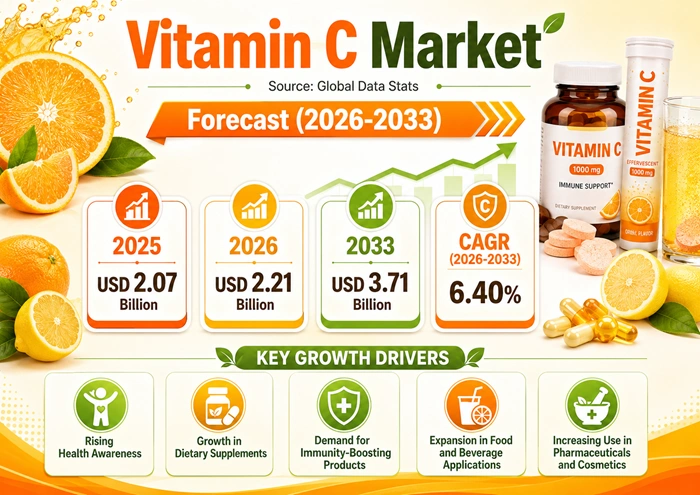
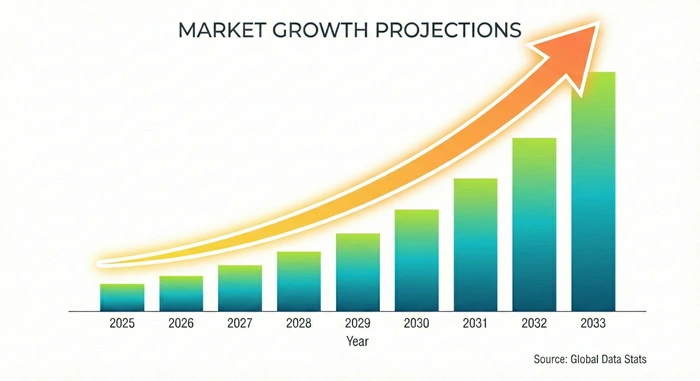
The global vitamin C market size is valued at USD 2.07 billion in 2025 and is predicted to increase from USD 2.21 billion in 2026 to approximately USD 3.71 billion by 2033, growing at a CAGR of 6.40% from 2026 to 2033.
Rising health consciousness among consumers worldwide drives unprecedented demand for immune-boosting supplements, functional foods, and wellness products containing ascorbic acid. Vitamin C plays critical roles in collagen synthesis, antioxidant protection, iron absorption, and immune system support, making it essential nutrient for human health and wellness.
AI Impact on the Vitamin C Industry
Artificial Intelligence Revolutionizing Production Efficiency and Quality Control
Artificial intelligence is fundamentally transforming the vitamin C market by enabling precision fermentation optimization, automated quality assurance, predictive supply chain management, and personalized nutrition recommendations that enhance production efficiency while ensuring consistent product quality. Machine learning algorithms analyze fermentation parameters including temperature, pH levels, substrate concentrations, and microbial activity patterns to optimize two-stage fermentation processes and Reichstein synthesis methods, maximizing vitamin C yields while reducing production costs and waste generation. AI-powered computer vision systems inspect vitamin C raw materials, intermediates, and finished products detecting impurities, color variations, particle size inconsistencies, and contamination automatically with 99% accuracy, ensuring only pharmaceutical-grade ascorbic acid reaches downstream applications in supplements, food fortification, and cosmetics.
Predictive analytics forecast vitamin C demand fluctuations across pharmaceutical, food and beverage, cosmetics, and animal feed sectors by analyzing seasonal health trends, disease outbreak patterns, consumer purchasing behaviors, and economic indicators enabling manufacturers to adjust production volumes proactively avoiding overproduction waste or supply shortages. Natural language processing technologies monitor social media conversations, customer reviews, health forum discussions, and search query patterns identifying emerging vitamin C product preferences including delivery formats, dosage strengths, combination formulations, and flavor profiles guiding manufacturers' product development strategies. The vitamin C market benefits from AI-driven personalized nutrition platforms analyzing individual health data, genetic profiles, dietary habits, lifestyle factors, and wellness goals to recommend customized vitamin C dosages, delivery forms, and consumption timing optimizing absorption and health outcomes. Blockchain integration combined with AI ensures supply chain transparency tracking vitamin C from raw material sourcing through manufacturing, distribution, and retail providing consumers verification of product authenticity, purity standards, and origin information building trust particularly important for premium natural vitamin C products commanding higher prices.
Growth Factors
Health Awareness and Immune Support Drive Market Expansion
The vitamin C market is experiencing robust growth driven by escalating global health consciousness, rising immunity awareness particularly post-COVID-19 pandemic, increasing prevalence of chronic diseases, and growing recognition of vitamin C benefits beyond basic nutrition. Global health trends emphasizing preventive healthcare rather than reactive treatment position vitamin C as essential daily supplement for immune system support, antioxidant protection, cardiovascular health, skin wellness, and overall vitality. The COVID-19 pandemic fundamentally shifted consumer attitudes toward immune health with vitamin C emerging as top-selling supplement category as consumers sought natural ways to strengthen immunity against respiratory infections, with many maintaining supplementation habits post-pandemic as preventive health strategy. Scientific research demonstrating vitamin C roles in collagen synthesis, wound healing, iron absorption, neurotransmitter production, and cellular antioxidant defense validates traditional uses while revealing new therapeutic applications driving pharmaceutical and nutraceutical innovation.
Aging populations across developed markets including North America, Europe, and Japan prioritize vitamin C supplementation for healthy aging benefits including cognitive function support, cardiovascular protection, bone health maintenance, and skin elasticity preservation as collagen production naturally declines with age. The vitamin C market benefits from fitness and wellness movements with athletes, bodybuilders, and active individuals consuming high-dose vitamin C for exercise recovery, collagen support, oxidative stress reduction, and performance optimization. Social media influence through health influencers, nutritionists, dermatologists, and wellness bloggers promoting vitamin C benefits for immunity, skin brightening, anti-aging, and overall health reaches millions of engaged followers creating aspirational associations normalizing daily vitamin C supplementation across demographics. Government fortification programs mandating or encouraging vitamin C addition to staple foods, beverages, and school meal programs particularly in developing nations addressing micronutrient deficiencies create substantial demand for food-grade ascorbic acid supporting public health initiatives while expanding market volumes.
Market Outlook
Innovation and Functional Applications Define Future Industry Evolution
The vitamin C market is positioned for sustained expansion through 2033 as manufacturers innovate delivery systems, develop specialized formulations, expand applications beyond traditional uses, and leverage technology improving bioavailability and consumer convenience. Advanced delivery technologies including liposomal encapsulation, microencapsulation, nanoparticle formulations, and sustained-release mechanisms address traditional vitamin C challenges of poor absorption, short half-life, and gastrointestinal sensitivity enabling higher bioavailability, longer duration effects, and improved tolerance particularly appealing to consumers seeking maximum health benefits from supplementation. Combination formulations merging vitamin C with complementary nutrients including zinc, vitamin D, elderberry, echinacea, and bioflavonoids create synergistic immune support products, while beauty-from-within combinations with collagen, hyaluronic acid, and biotin target skin health representing fastest-growing wellness segment.
Functional food and beverage applications expand beyond traditional orange juice fortification to include vitamin C-enhanced waters, energy drinks, protein shakes, snack bars, gummies, and meal replacement products appealing to busy consumers seeking convenient nutrition. The vitamin C market witnesses explosive growth in cosmetics and personal care sectors with vitamin C serums, creams, masks, and treatments becoming skincare staples for brightening, anti-aging, hyperpigmentation reduction, and collagen stimulation with dermatologist endorsements and clinical studies validating efficacy. Natural and organic vitamin C extracted from acerola cherry, camu camu, amla, rose hips, and citrus sources gain market share as clean-label conscious consumers prioritize plant-based nutrients over synthetic ascorbic acid despite higher costs, driving innovation in sustainable extraction technologies and supply chain development. Emerging markets across Asia Pacific, Latin America, and Africa present enormous growth opportunities as economic development, urbanization, rising middle classes, improving healthcare access, and nutrition awareness create favorable conditions for vitamin C market expansion from historically low per capita consumption levels.
Expert Speaks
-
Manish Taneja, Chief Executive Officer of Emami Limited, emphasized that consumer wellness trends prioritizing immunity, skin health, and preventive nutrition create significant opportunities for vitamin C-based products across pharmaceutical, nutraceutical, and personal care categories, with companies investing substantially in research, formulation innovation, and consumer education to capture growing health-conscious demographic seeking scientifically-backed wellness solutions.
-
Robert ter Kuile, President and Chief Executive Officer of Glanbia plc, highlighted that sports nutrition and active lifestyle segments represent high-growth areas for vitamin C applications as athletes and fitness enthusiasts recognize antioxidant protection, collagen support, and recovery benefits, with product innovations including convenient formats, enhanced absorption technologies, and targeted formulations addressing specific performance and recovery needs.
-
Dimitri de Vreeze, former Co-Chief Executive Officer of Royal DSM N.V., stated that nutritional ingredient markets including vitamin C experience structural growth driven by global health awareness, aging demographics, and scientific validation of nutrition's role in disease prevention, with industry leaders investing in sustainable production technologies, bioavailability research, and partnerships spanning food, beverage, pharmaceutical, and personal care sectors capturing diverse growth opportunities.
Key Report Takeaways
-
North America leads the vitamin C market with approximately 48% market share in 2025, driven by mature dietary supplement culture, strong health awareness, established distribution infrastructure, high disposable incomes enabling premium product purchases, and robust pharmaceutical and cosmetics industries consuming substantial vitamin C volumes.
-
Asia Pacific is growing the fastest with a projected CAGR of 7.24% from 2026 to 2033, fueled by massive population bases, rising middle-class incomes, growing health consciousness, expanding pharmaceutical and food industries, and China's dominance as primary global vitamin C manufacturing hub producing over 90% of worldwide supply.
-
Synthetic sources dominate with approximately 72% market share as cost-effective large-scale fermentation and chemical synthesis processes produce pharmaceutical-grade ascorbic acid at competitive prices meeting massive demand from food fortification, pharmaceuticals, animal feed, and industrial applications where price considerations outweigh natural sourcing preferences.
-
The pharmaceuticals application contributes the most to overall market revenue with approximately 38% share in 2025, reflecting vitamin C's essential role in medications, injections, therapeutic formulations, and dietary supplements addressing deficiency, immune support, wound healing, and various health conditions where pharmaceutical-grade quality and precise dosing are critical.
-
Powder form dominates with approximately 54% market share as powdered vitamin C offers longest shelf life, highest stability, easy incorporation into various products and formulations, water solubility, cost-effectiveness, and versatility across food and beverage fortification, supplement manufacturing, pharmaceutical applications, and cosmetic formulations.
-
The cosmetics and personal care segment will grow quickly with an estimated CAGR of 7.89% as skincare brands extensively adopt vitamin C for serums, creams, and treatments targeting brightening, anti-aging, and collagen stimulation, supported by dermatologist recommendations, clinical research validation, and social media beauty trend amplification driving consumer demand.
Market Scope
| Report Coverage | Details |
|---|---|
| Market Size by 2033 | USD 3.71 Billion |
| Market Size by 2025 | USD 2.07 Billion |
| Market Size by 2026 | USD 2.21 Billion |
| Market Growth Rate from 2026 to 2033 | CAGR of 6.40% |
| Dominating Region | North America |
| Fastest Growing Region | Asia Pacific |
| Base Year | 2025 |
| Forecast Period | 2026 to 2033 |
| Segments Covered | Type, Source, Form, Application, Region |
| Regions Covered | North America, Europe, Asia Pacific, Latin America, Middle East and Africa |
Market Dynamics
Driver Impact Analysis
Rising Immunity Awareness and Preventive Health Trends Propel Market Growth
The escalating global focus on immune health combined with preventive wellness approaches represents the most powerful driver propelling the vitamin C market toward sustained expansion across all geographic regions and application segments. The COVID-19 pandemic fundamentally transformed consumer attitudes toward immunity with vitamin C emerging as best-selling supplement category as billions of consumers worldwide sought natural immune support against viral infections, with sustained post-pandemic supplementation habits reflecting permanent behavioral shifts toward proactive health management. Scientific research validating vitamin C's crucial roles in immune cell function, antibody production, pathogen defense, and inflammatory response modulation provides credible evidence supporting traditional immunity claims while revealing molecular mechanisms driving physician recommendations and consumer confidence. Media coverage of vitamin C benefits during pandemic, government health authority endorsements, and medical professional advocacy created unprecedented awareness reaching even previously skeptical consumers who now recognize ascorbic acid as essential nutrient rather than optional supplement.
Chronic disease prevalence including cardiovascular conditions, diabetes, cancer, and neurodegenerative disorders affecting hundreds of millions globally motivates vitamin C supplementation as antioxidant protection, oxidative stress reduction, and cellular health maintenance become recognized disease prevention strategies. The vitamin C market benefits from wellness movement momentum as millennials and Gen Z consumers prioritize preventive health investments over reactive treatments, viewing daily vitamin C as affordable insurance policy against illness, aging, and vitality loss. Beauty-from-within trends connecting nutrition to appearance drive vitamin C adoption particularly among female consumers seeking skin brightening, anti-aging benefits, and collagen support as dermatologists increasingly recommend oral vitamin C supplementation complementing topical skincare regimens. Government nutrition programs in developing nations fortifying staple foods with vitamin C addressing widespread deficiencies create massive food-grade ascorbic acid demand while improving public health outcomes and normalizing vitamin C presence in daily diets building foundation for future supplement adoption as incomes rise.
| Driver | ≈ % Impact on CAGR Forecast | Geographic Relevance | Impact Timeline |
|---|---|---|---|
| Immunity Awareness | +2.10% | Global, strongest post-pandemic | 2026-2033 |
| Aging Population Demographics | +1.70% | North America, Europe, Japan | 2026-2033 |
| Beauty and Skincare Trends | +1.50% | Asia Pacific, North America, Europe | 2026-2033 |
| Functional Food Innovation | +1.20% | Developed markets, urban areas | 2026-2033 |
Restraints Impact Analysis
Price Volatility and Natural Alternatives Limit Market Penetration
The vitamin C market confronts significant barriers related to raw material price fluctuations, manufacturing cost pressures, natural dietary sources availability, and oversupply concerns that constrain profitability and adoption in price-sensitive segments and regions. Vitamin C prices experience significant volatility influenced by Chinese production dominance controlling over 90% global supply, with periodic oversupply situations causing dramatic price drops followed by production cutbacks and subsequent shortages creating uncertainty for downstream buyers in food, pharmaceutical, and supplement industries. Manufacturing costs for vitamin C production remain substantial despite economies of scale, with fermentation processes requiring specific substrates, controlled conditions, extensive purification, and quality testing adding costs that limit affordability particularly in developing markets where consumers cannot justify supplement expenses for readily available dietary nutrient.
Natural dietary vitamin C availability from citrus fruits, berries, vegetables, and juices provides free or low-cost alternatives to supplementation, with nutritionists often emphasizing whole food sources over isolated supplements creating philosophical resistance among certain consumer segments viewing supplements as unnecessary for healthy individuals consuming balanced diets. The vitamin C market suffers from consumer confusion about optimal dosing, with recommended daily allowances of 75-90 mg contrasting sharply with megadose supplement offerings of 1000+ mg creating skepticism about necessity, safety concerns about excessive intake, and perception of supplement industry profit-seeking over genuine health needs. Regulatory variations across markets regarding health claims, maximum permitted doses, quality standards, and labeling requirements create compliance complexities and costs for international vitamin C brands while limiting marketing messages that could otherwise drive adoption. Sustainability concerns about industrial vitamin C production's environmental footprint including chemical waste from synthesis processes, energy consumption, and packaging waste create reputational risks particularly as environmentally conscious consumers scrutinize supplement industry practices demanding cleaner production methods and reduced environmental impacts.
| Restraint | ≈ % Impact on CAGR Forecast | Geographic Relevance | Impact Timeline |
|---|---|---|---|
| Price Volatility | -1.30% | Global, particularly Asia | 2026-2033 |
| Natural Dietary Alternatives | -1.10% | Health-conscious developed markets | 2026-2033 |
| Oversupply Concerns | -0.90% | Manufacturing hubs, bulk markets | 2026-2030 |
| Dosing Confusion | -0.70% | Consumer supplement markets | 2026-2033 |
Opportunities Impact Analysis
Advanced Delivery Systems and Beauty Applications Create Growth Avenues
The development of innovative delivery technologies enhancing vitamin C bioavailability, stability, and consumer convenience presents enormous opportunities for the vitamin C market by overcoming traditional limitations of ascorbic acid's poor absorption, rapid degradation, and gastrointestinal sensitivity. Liposomal vitamin C encapsulating ascorbic acid in phospholipid spheres achieves significantly higher absorption rates approaching 90% compared to conventional forms at 20-30%, commanding premium pricing from health-conscious consumers seeking maximum efficacy justifying higher costs through superior results. Time-release and sustained-release formulations extending vitamin C availability over 8-12 hours maintain consistent blood levels avoiding spikes and rapid excretion characteristic of standard supplements, appealing to serious wellness enthusiasts optimizing nutritional protocols for performance, recovery, and longevity. Nanoparticle formulations improving stability, cellular penetration, and targeted delivery represent cutting-edge innovation attracting research partnerships, patent protection, and competitive differentiation for early adopters.
Beauty and skincare applications represent explosive growth opportunity as vitamin C establishes mainstream presence in cosmetics beyond niche natural beauty segment, with major brands including L'Oréal, Estée Lauder, and regional leaders incorporating vitamin C into serums, creams, and treatments validated by dermatologist endorsements and clinical studies. The vitamin C market benefits from personalized nutrition trend as genetic testing, microbiome analysis, and health tracking technologies enable customized vitamin C recommendations based on individual absorption capabilities, deficiency risks, lifestyle factors, and health goals creating premium service opportunities and recurring revenue through subscription models. Plant-based and vegan movement alignment positions vitamin C as inherently compatible supplement unlike animal-derived nutrients, with strategic marketing emphasizing plant sources like acerola and amla resonating with ethical consumers representing fast-growing demographic. Emerging market penetration opportunities across India, Southeast Asia, Latin America, and Africa where vitamin C consumption remains fraction of developed market levels present vast untapped populations with improving incomes, urbanization, healthcare access, and nutrition awareness creating favorable long-term growth conditions as per capita supplement adoption gradually approaches developed market norms.
| Opportunity | ≈ % Impact on CAGR Forecast | Geographic Relevance | Impact Timeline |
|---|---|---|---|
| Advanced Delivery Technologies | +1.80% | Premium markets globally | 2027-2033 |
| Beauty and Skincare Expansion | +1.60% | Asia Pacific, North America, Europe | 2026-2033 |
| Personalized Nutrition | +1.40% | Tech-savvy markets, affluent segments | 2027-2033 |
| Emerging Market Penetration | +1.30% | Asia Pacific, Latin America, Africa | 2028-2033 |
Segment Analysis
Pharmaceuticals Application
Dominant Segment Driven by Therapeutic Uses and Medical Standards
The pharmaceuticals application segment dominates the vitamin C market with approximately 38% share in 2025 and steady CAGR of 6.35% from 2026 to 2033, driven by vitamin C's essential role in medications, therapeutic formulations, intravenous treatments, and dietary supplements addressing deficiency, immune support, wound healing, and various health conditions requiring pharmaceutical-grade quality. Vitamin C functions as critical pharmaceutical ingredient in multivitamin formulations, immune-boosting supplements, cold and flu remedies, wound care products, and antioxidant therapies with strict quality standards ensuring purity, potency, and safety for medical applications. Injectable vitamin C gaining traction in clinical settings for high-dose intravenous therapy treating severe deficiency, supporting cancer patients, managing sepsis, and providing rapid immune support in acute illness situations where oral supplementation proves insufficient or impractical for critically ill patients requiring immediate intervention.
North America shows particularly strong pharmaceutical vitamin C adoption with approximately 49% regional segment share and CAGR of 6.40%, driven by established pharmaceutical infrastructure, robust dietary supplement industry, physician recommendations, insurance coverage for certain therapies, and consumer willingness to invest in premium health products. Leading companies serving the vitamin C market including DSM, CSPC Pharmaceutical Group, Northeast Pharmaceutical Group, Seidler Chemical, Foodchem International, and Koninklijke DSM dominate pharmaceutical-grade production through stringent quality control, regulatory compliance, established distribution networks, and long-term relationships with pharmaceutical manufacturers. The segment continues evolving through combination products merging vitamin C with zinc, vitamin D, elderberry, and other immune-supporting ingredients creating synergistic formulations backed by clinical research demonstrating enhanced efficacy compared to single-ingredient supplements. Regulatory approval pathways for vitamin C therapeutic applications including high-dose cancer support, cardiovascular protection, and metabolic syndrome management open new pharmaceutical opportunities beyond traditional deficiency treatment and general wellness supplementation.
Cosmetics and Personal Care Application
Fastest Growing Segment Capitalizing on Beauty and Anti-Aging Trends
The cosmetics and personal care segment represents the fastest-growing application in the vitamin C market with a projected CAGR of 7.89% from 2026 to 2033, driven by extensive adoption of vitamin C in skincare products targeting brightening, anti-aging, hyperpigmentation reduction, collagen stimulation, and sun damage protection validated by dermatological research and celebrity endorsements. Vitamin C serums have become skincare staples commanding premium pricing with formulations ranging from 10-20% ascorbic acid concentration, advanced stabilized derivatives including magnesium ascorbyl phosphate and sodium ascorbyl phosphate, and combination treatments with ferulic acid, vitamin E, and hyaluronic acid enhancing stability and efficacy. Brightening and tone-evening benefits of topical vitamin C drive adoption particularly in Asia Pacific markets where fair skin preferences, hyperpigmentation concerns, and anti-aging priorities motivate substantial personal care spending with vitamin C-containing products representing fastest-growing category.
Asia Pacific shows particularly explosive cosmetics vitamin C growth with CAGR exceeding 8.40%, driven by massive beauty market in China, South Korea, Japan, and Southeast Asia where K-beauty and J-beauty trends emphasize multi-step skincare routines, ingredient-focused products, and scientific formulations with vitamin C featured prominently across serums, essences, masks, and creams. Key players serving the vitamin C market including L'Oréal, Estée Lauder, Shiseido, Amorepacific, and specialized skincare brands develop innovative stabilized vitamin C formulations addressing traditional degradation challenges through microencapsulation, anhydrous systems, and pH optimization maintaining potency throughout product shelf life. The segment benefits from social media beauty influencer marketing showcasing vitamin C results through before-after photos, routine demonstrations, and testimonials reaching millions of engaged followers creating viral trends and normalizing vitamin C as essential skincare ingredient. Clinical research documenting vitamin C's collagen synthesis stimulation, antioxidant protection against UV damage, and melanin inhibition reducing hyperpigmentation provides scientific validation supporting marketing claims while encouraging dermatologist recommendations driving mainstream adoption beyond natural beauty enthusiasts.
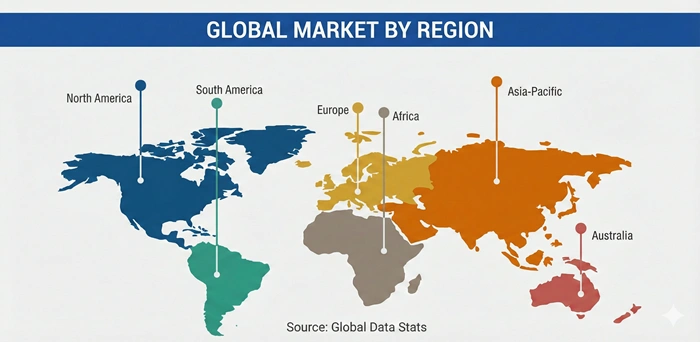
Regional Insights
North America
Market Dominance Through Established Wellness Culture and Premium Products
North America maintains its position as the dominant region in the vitamin C market, commanding approximately 48% of global market share in 2025 with an estimated value of USD 0.99 billion, projected to reach USD 1.69 billion by 2033 growing at a CAGR of 6.38%. The region's leadership stems from mature dietary supplement culture with over 70% of adults consuming supplements regularly, strong health awareness about immune support and preventive nutrition, established distribution infrastructure through pharmacies, health stores, and e-commerce, and high disposable incomes enabling premium product purchases. The United States dominates regional demand with approximately 82% share driven by massive pharmaceutical and nutraceutical industries, influential wellness movements, physician and nutritionist recommendations, extensive product innovation, and consumer willingness to invest substantially in health and beauty products.
Leading companies serving the North American vitamin C market including NOW Foods, Nature Made, Garden of Life, Solaray, Thorne Research, Pure Encapsulations, and major pharmaceutical brands create competitive dynamic through continuous innovation in delivery systems, formulation combinations, quality certifications, and marketing emphasizing bioavailability, purity, and efficacy. Canada contributes approximately 12% of North American revenue through similar supplement adoption patterns, government support for preventive health, strong natural health products industry, and educated consumers prioritizing quality and sustainability in supplement purchases. The region benefits from extensive clinical research conducted at leading universities and medical centers validating vitamin C benefits, optimal dosing, therapeutic applications, and combination therapies providing scientific foundation supporting marketing claims while driving physician recommendations and insurance coverage for certain therapeutic uses.
Asia Pacific
Fastest Regional Growth Through Manufacturing Dominance and Rising Consumption
Asia Pacific represents the fastest-growing region in the vitamin C market with a projected CAGR of 7.24% from 2026 to 2033, with market value expected to increase from USD 0.58 billion in 2025 to USD 1.04 billion by 2033, capturing expanding global revenue share. The region's exceptional growth trajectory stems from massive population bases exceeding 4 billion people, rapidly rising middle-class incomes enabling supplement purchases, growing health consciousness particularly post-pandemic, expanding pharmaceutical and food industries, and China's dominance producing over 90% of global vitamin C supply through cost-effective fermentation and chemical synthesis. China emerges as dual role playing both primary manufacturing hub exporting globally and increasingly significant domestic market as rising incomes, aging population, air pollution concerns, and health awareness drive vitamin C supplement adoption and functional food consumption.
Leading companies serving the Asia Pacific vitamin C market include Chinese manufacturers like CSPC Pharmaceutical Group, Northeast Pharmaceutical Group, Shandong Luwei Pharmaceutical, Jiangsu Zhongyao Group, and international companies establishing local presence including DSM, BASF, and regional supplement brands adapting products for local preferences. India demonstrates particularly strong growth potential with massive population, traditional Ayurvedic medicine culture valuing vitamin C-rich amla, growing urban middle class prioritizing health, expanding pharmaceutical industry, and government nutrition programs supporting fortification creating favorable conditions for market expansion. The region benefits from growing beauty and personal care industries particularly in South Korea, Japan, and China where skincare innovation, K-beauty trends, and premiumization drive vitamin C cosmetics adoption representing fastest-growing application segment as beauty-conscious consumers invest substantially in science-backed anti-aging and brightening treatments.
Top Key Players
-
DSM-Firmenich (Netherlands)
-
CSPC Pharmaceutical Group Limited (China)
-
Northeast Pharmaceutical Group Co. Ltd. (China)
-
Shandong Luwei Pharmaceutical Co. Ltd. (China)
-
Foodchem International Corporation (China)
-
Glanbia plc (Ireland)
-
NOW Foods (United States)
-
Koninklijke DSM N.V. (Netherlands)
-
Archer Daniels Midland Company (United States)
-
Seidler Chemical Co. Inc. (United States)
-
Jiangsu Zhongyao Group Corporation (China)
-
Amway India Enterprises Pvt. Ltd. (India)
-
Nature's Bounty Co. (United States)
-
Bayer AG (Germany)
-
Pfizer Inc. (United States)
Recent Developments
-
Vytanutra (2025): Launched sustained-release Vitamin C + Iron supplement in June 2025 combining 1000mg time-release vitamin C with iron designed for all-day immune support and enhanced mineral absorption, addressing consumer demand for convenient combination products delivering multiple nutritional benefits throughout the day without multiple supplement doses.
-
Amway India (2025): Introduced Nutrilite Triple Protect supplement in June 2025 delivering 100% recommended daily allowance of vitamin C from plant-based acerola cherry along with probiotic and phytonutrient support for gut and skin health, responding to growing Indian consumer interest in comprehensive wellness products combining immunity, digestive, and beauty benefits from natural sources.
-
OZiva (2024): Launched OZiva Bioactive Gluta Fizzy in February 2024 formulated with vitamin C, glutathione, collagen, lycopene, astaxanthin, and hyaluronic acid in effervescent format targeting skin health issues including dullness, pigmentation, and aging, capitalizing on beauty-from-within trend particularly strong among young Indian women seeking convenient science-backed beauty supplements.
-
Vitamyna (2024): Introduced Personalized Daily Vitamin Pack Builder in April 2024 allowing customers to create custom supplement packs including vitamin C, zinc, vitamin D3, and other nutrients tailored to individual health goals and preferences, leveraging personalization trend and direct-to-consumer e-commerce model providing convenience and customization appealing to millennial wellness consumers.
-
DHC Corporation (2021): Partnered with T.C. Pharmaceutical Industries in November 2021 to expand vitamin C-based beverage offerings in Thailand market addressing growing Southeast Asian demand for functional drinks combining refreshment with health benefits, particularly immune support and antioxidant protection resonating with health-conscious urban consumers in tropical climates.
Market Trends
Clean Label Demands and Bioavailability Innovation Reshape Product Development
The vitamin C market is experiencing transformative shifts driven by clean-label demands prioritizing natural sources and transparent formulations, advanced bioavailability technologies enhancing absorption and efficacy, and beauty-from-within convergence merging nutrition and skincare creating new consumption occasions and user bases. Natural vitamin C extracted from acerola cherry, camu camu fruit, amla, rose hips, and citrus sources gains substantial market share despite 30-50% price premiums over synthetic ascorbic acid as clean-label conscious consumers particularly millennials and Gen Z prioritize plant-based nutrients, minimal processing, sustainable sourcing, and transparent supply chains over cost considerations. Whole-food vitamin C supplements featuring concentrated fruit and vegetable powders providing vitamin C alongside naturally occurring bioflavonoids, phytonutrients, and cofactors appeal to consumers seeking synergistic nutrition reflecting whole-food philosophy rather than isolated synthetic compounds.
Liposomal and microencapsulated vitamin C formulations revolutionize bioavailability achieving absorption rates approaching 90% compared to conventional ascorbic acid at 20-30%, commanding premium pricing justified by superior efficacy, reduced gastrointestinal discomfort, and lower required doses delivering equivalent blood levels. The vitamin C market witnesses beauty-from-within convergence as oral vitamin C supplements marketed for skin benefits including collagen support, brightening, and anti-aging attract beauty-conscious consumers particularly women willing to invest substantially in appearance enhancement through internal nutrition complementing topical skincare regimens. Sustainability initiatives throughout vitamin C supply chains including renewable energy adoption in manufacturing, waste reduction programs, sustainable packaging transitions, and carbon neutrality commitments respond to environmentally conscious consumers while meeting corporate social responsibility expectations from institutional buyers and retailers prioritizing sustainable sourcing partnerships.
Segments Covered in the Report
By Type
-
Calcium Ascorbate
-
Sodium Ascorbate
-
Magnesium Ascorbate
-
Ascorbic Acid
-
Coated Vitamin C
-
Potassium Ascorbate
-
Others
By Source
-
Natural
-
Synthetic
By Form
-
Powder
-
Capsules
-
Gummies
-
Liquid
-
Tablets
By Application
-
Food and Beverages
-
Dietary Supplements
-
Pharmaceuticals
-
Cosmetics and Personal Care
-
Animal Feed
By Process
-
Two-Stage Fermentation Process
-
Reichstein Process
By Region
-
North America
-
United States
-
Canada
-
Mexico
-
-
Europe
-
Germany
-
United Kingdom
-
France
-
Italy
-
Spain
-
Rest of Europe
-
-
Asia Pacific
-
China
-
India
-
Japan
-
Australia
-
South Korea
-
Southeast Asia
-
Rest of Asia Pacific
-
-
Latin America
-
Brazil
-
Argentina
-
Rest of Latin America
-
-
Middle East and Africa
-
United Arab Emirates
-
Saudi Arabia
-
South Africa
-
Rest of Middle East and Africa
-
Frequently Asked Questions
Question 1: What is the projected vitamin C market size by 2033?
Answer: The vitamin C market is projected to reach USD 3.71 billion by 2033, growing from USD 2.21 billion in 2026. This represents steady expansion driven by rising health consciousness, immune support awareness particularly post-pandemic, growing pharmaceutical and cosmetics applications, functional food innovations, and increasing adoption in emerging markets.
Question 2: Which region dominates the global vitamin C market share?
Answer: North America dominates the global vitamin C market with approximately 48% market share in 2025, valued at USD 0.99 billion. This leadership position reflects mature dietary supplement culture, strong health awareness, established distribution infrastructure, high disposable incomes, and robust pharmaceutical and nutraceutical industries consuming substantial vitamin C volumes.
Question 3: What factors are driving the vitamin C market growth?
Answer: Key factors driving vitamin C market growth include escalating immunity awareness particularly following COVID-19 pandemic, aging population demographics prioritizing healthy aging, beauty-from-within trends connecting nutrition to skincare, functional food and beverage innovations, and growing pharmaceutical applications. Rising health consciousness, preventive wellness approaches, and scientific validation of vitamin C benefits contribute significantly to market expansion.
Question 4: Which application segment holds the largest share in the vitamin C market?
Answer: The pharmaceuticals application segment holds the largest share in the vitamin C market with approximately 38% in 2025. This dominance reflects vitamin C's essential role in medications, therapeutic formulations, dietary supplements, and medical treatments addressing deficiency, immune support, wound healing, and various health conditions requiring pharmaceutical-grade quality and precise dosing.
Question 5: What are the emerging trends in the vitamin C market?
Answer: Emerging trends in the vitamin C market include advanced delivery technologies like liposomal and microencapsulated formulations enhancing bioavailability, clean-label natural vitamin C from plant sources, beauty and skincare application expansion particularly in Asia Pacific, personalized nutrition recommendations based on individual health data, and sustainability initiatives. Combination formulations with complementary nutrients and functional food innovations also gain significant traction.