
Veterinary Radiotherapy Market Overview
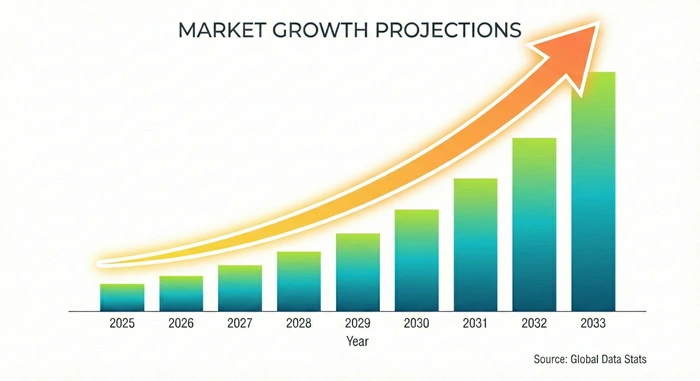
The global veterinary radiotherapy market size is valued at USD 3.29 billion in 2025 and is predicted to increase from USD 3.56 billion in 2026 to approximately USD 6.83 billion by 2033, growing at a CAGR of 7.96% from 2026 to 2033.
The rising incidence of cancer diagnoses among companion animals, particularly dogs and cats, has created unprecedented demand for advanced radiation therapy treatments that offer effective tumor control while maintaining quality of life for beloved pets. Cancer represents one of the leading causes of mortality in aging pet populations, affecting millions of animals worldwide and prompting pet owners to seek specialized oncology care that mirrors human medical standards. Veterinary radiotherapy has emerged as a cornerstone treatment modality for managing diverse malignancies including mast cell tumors, osteosarcoma, lymphoma, brain tumors, and soft tissue sarcomas that frequently afflict companion animals. The market benefits from technological breakthroughs in radiation delivery systems, expanding networks of specialty veterinary hospitals equipped with sophisticated treatment capabilities, growing pet ownership trends coupled with humanization of pets, and increasing willingness among pet owners to invest in advanced medical interventions that extend survival times and improve comfort for their animal companions.

AI Impact on the Veterinary Radiotherapy Industry
Artificial Intelligence Revolutionizes Treatment Planning Precision and Enhances Diagnostic Capabilities in Animal Cancer Care
Artificial intelligence is fundamentally transforming the veterinary radiotherapy market by enabling unprecedented precision in treatment planning, tumor delineation, and radiation dose optimization that maximizes therapeutic effectiveness while protecting healthy tissues surrounding cancerous growths. AI-powered imaging analysis systems process CT scans, MRI images, and PET scans to automatically identify tumor boundaries with sub-millimeter accuracy, eliminating human variability in contouring and reducing planning time from hours to minutes. Machine learning algorithms analyze vast databases of treatment outcomes across thousands of veterinary patients to predict optimal radiation protocols based on tumor type, location, size, and individual animal characteristics such as breed, age, and overall health status. These intelligent systems continuously learn from treatment results, refining recommendations to improve tumor control rates while minimizing complications. Automated quality assurance tools verify treatment plans before delivery, catching potential errors that could result in underdosing tumors or overdosing critical organs, thereby enhancing patient safety throughout the radiation therapy process.
Furthermore, AI is advancing real-time tumor tracking during treatment delivery, compensating for respiratory motion and other movements that occur when animals breathe under anesthesia, ensuring radiation beams precisely target intended areas despite physiological motion. Predictive analytics help veterinary oncologists anticipate treatment responses and potential side effects, enabling proactive supportive care that improves patient comfort during therapy. AI-driven administrative systems streamline workflow management in veterinary oncology centers, optimizing scheduling, resource allocation, and equipment utilization to accommodate more patients without compromising care quality. Voice-activated AI assistants help radiation oncologists document treatment sessions and access relevant patient information hands-free during procedures, improving efficiency and accuracy. As AI capabilities continue evolving, the veterinary radiotherapy market will benefit from accelerated treatment planning, enhanced precision, improved outcomes, and expanded access to sophisticated cancer care for companion animals across diverse geographic regions and practice settings.
Growth Factors
Escalating Cancer Prevalence in Aging Pet Populations and Advancing Treatment Technologies Drive Market Expansion
The veterinary radiotherapy market is experiencing robust growth propelled by the dramatic increase in cancer diagnoses among companion animals as pets live longer due to improved nutrition, preventive veterinary care, and overall health management practices that extend lifespans. Dogs now commonly live 12 to 15 years or more, and cats frequently reach their late teens and early twenties, creating larger geriatric pet populations susceptible to malignancies that typically develop with advancing age. Approximately one in four dogs will develop cancer during their lifetime, with the incidence rising to nearly 50% for dogs over ten years old, while cats develop cancer at somewhat lower but still significant rates. Common canine cancers including lymphoma, hemangiosarcoma, osteosarcoma, and mast cell tumors respond well to radiation therapy either as primary treatment or in combination with surgery and chemotherapy. Feline cancers such as oral squamous cell carcinoma, nasal tumors, and vaccine-associated sarcomas benefit from radiation protocols specifically designed for cat physiology and tumor biology. Pet owners who view their animals as family members demonstrate increasing willingness to pursue aggressive cancer treatment rather than immediate euthanasia, driving demand for oncology services.
Technological advancements in radiation delivery systems represent another powerful growth driver reshaping the veterinary radiotherapy market landscape. Modern linear accelerators (LINACs) adapted for veterinary use deliver highly conformal radiation beams that precisely match tumor shapes while sparing adjacent normal tissues, reducing side effects and improving patient tolerance. Stereotactic radiosurgery and stereotactic radiation therapy (SRS/SRT) systems enable delivery of ablative radiation doses in just one to three treatment sessions compared to traditional protocols requiring 15 to 20 daily sessions, dramatically reducing anesthesia exposure and treatment burdens for both patients and owners. Image-guided radiation therapy (IGRT) incorporates CT imaging immediately before treatment delivery to verify tumor positioning, compensating for day-to-day variations in patient positioning and internal organ motion. Intensity-modulated radiation therapy (IMRT) and volumetric modulated arc therapy (VMAT) create complex radiation dose distributions that conform to irregular tumor shapes, enabling treatment of previously untreatable cancers located near critical structures such as the brain, spinal cord, and major blood vessels. The proliferation of specialty veterinary hospitals investing in these sophisticated technologies expands treatment access beyond academic veterinary teaching hospitals to private referral centers serving broader geographic areas.
Market Outlook
Expanding Specialty Hospital Networks and Innovative Delivery Platforms Transform Treatment Accessibility
The veterinary radiotherapy market outlook remains exceptionally positive as specialty veterinary hospitals continue expanding geographically, bringing advanced cancer care to regions previously lacking radiotherapy capabilities. Corporate consolidation within the veterinary industry has created large specialty hospital networks with financial resources to invest in expensive radiation therapy equipment that individual practices could not afford independently. These networks establish referral relationships with general practice veterinarians across wide geographic areas, creating patient pipelines that support equipment utilization and clinical expertise development. Academic veterinary teaching hospitals at major universities serve as innovation hubs where new treatment protocols are developed and validated before disseminating to private specialty centers. Mobile radiotherapy services are emerging in some markets, bringing treatment capabilities directly to veterinary practices through truck-mounted or portable radiation systems, eliminating patient travel requirements and expanding access in underserved regions. Telemedicine platforms enable remote case consultations where radiation oncologists review diagnostic imaging and recommend treatment plans for patients managed by referring veterinarians in distant locations.
The development of next-generation radiation delivery platforms specifically designed for veterinary applications represents a transformative trend driving future market growth. Traditional veterinary radiotherapy adapted equipment originally designed for human patients, requiring modifications to accommodate different patient sizes, positioning challenges, and workflow requirements specific to animal patients under general anesthesia. Purpose-built veterinary radiation systems optimize treatment couch designs for various animal sizes from small cats to large dogs, incorporate veterinary-specific immobilization devices, and streamline workflows for sedated patients requiring rapid treatment delivery. Robotic radiation platforms provide flexibility to treat patients in various positions without time-consuming repositioning, particularly valuable for animals with orthopedic conditions or respiratory issues. Proton beam therapy and FLASH radiotherapy represent cutting-edge technologies beginning to penetrate veterinary oncology, offering potential advantages in tumor control while further reducing side effects compared to conventional photon radiation. As these innovations mature and costs decline through economies of scale, the veterinary radiotherapy market will experience accelerated adoption across specialty hospitals and academic institutions worldwide.
Expert Speaks
-
Gustaf Salford, President and CEO of Elekta AB, emphasized in the 2024-2025 annual report that as a leader in precision radiation therapy, Elekta remains committed to ensuring access to the best cancer care possible through open collaboration with customers to advance sustainable, outcome-driven, and cost-efficient solutions that meet evolving patient needs, bringing hope to everyone dealing with cancer across both human and veterinary applications.
-
Dr. Neal Mauldin, Medical Director for PetCure Oncology and National Director of Radiation Oncology at Thrive Pet Healthcare, stated in January 2026 that when PetCure Oncology started, stereotactic radiation was well-established in human medicine but access in veterinary medicine was extremely limited, and their goal was to make that level of care available to referring veterinarians everywhere, not just those practicing near large academic programs.
-
Thrive Pet Healthcare Leadership expressed in November 2025 that facing a cancer diagnosis is one of the hardest moments a family can experience, and through strategic partnerships with advanced technology providers, they are helping make those moments easier with human-grade precision and compassionate care that provides more hope, more options, and more time together for pets and their families.
Key Report Takeaways
-
North America dominates the veterinary radiotherapy market with approximately 48% market share in 2025, driven by high pet ownership rates, advanced veterinary healthcare infrastructure, strong emotional bonds between pets and owners translating to higher healthcare spending, presence of major equipment manufacturers and specialty hospital networks, and early adoption of cutting-edge radiation therapy technologies across veterinary oncology centers.
-
Asia Pacific represents the fastest-growing regional market with the highest projected CAGR during the forecast period from 2026 to 2033, fueled by rapidly increasing pet ownership particularly in urban areas, rising disposable incomes enabling premium pet healthcare expenditure, expanding networks of specialty veterinary hospitals, government initiatives supporting veterinary sector development, and growing awareness about advanced cancer treatment options among pet owners.
-
External Beam Radiation Therapy segment leads the market with a commanding 78% market share in 2025 due to its established efficacy in treating diverse tumor types, widespread availability in veterinary oncology centers, proven clinical track record spanning decades, versatility for treating tumors throughout the body, and comprehensive training programs ensuring veterinary radiation oncologists master this fundamental technique.
-
Canine segment accounts for the largest animal type share at approximately 71% of the veterinary radiotherapy market in 2025, reflecting higher dog ownership rates compared to other companion animals, greater cancer incidence in dogs particularly certain breeds predisposed to malignancies, well-established radiation protocols optimized for canine physiology, and strong emotional bonds prompting owners to pursue aggressive treatment for dogs considered family members.
-
Tumor treatment application dominates with 89% market share in 2025, representing the primary indication for veterinary radiotherapy as radiation effectively controls diverse cancers including mast cell tumors, osteosarcoma, lymphoma, melanoma, brain tumors, nasal tumors, and soft tissue sarcomas that commonly afflict companion animals, with protocols ranging from palliative pain relief to definitive curative intent depending on cancer type and stage.
-
Stereotactic Radiosurgery segment projected to achieve fastest growth throughout the forecast period, expanding rapidly as veterinary oncology centers invest in advanced SRS/SRT systems that deliver ablative radiation doses in dramatically fewer treatment sessions, reducing anesthesia requirements, shortening overall treatment duration, minimizing side effects, and improving convenience for pet owners while achieving excellent tumor control rates for appropriately selected cases.
Market Scope
| Report Coverage Details | |
|---|---|
| Market Size by 2033 | USD 6.83 Billion |
| Market Size by 2025 | USD 3.29 Billion |
| Market Size by 2026 | USD 3.56 Billion |
| Market Growth Rate from 2026 to 2033 | CAGR of 7.96% |
| Dominating Region | North America |
| Fastest Growing Region | Asia Pacific |
| Base Year | 2025 |
| Forecast Period | 2026 to 2033 |
| Segments Covered | Technology, Animal Type, Application, End User, Region |
| Regions Covered | North America, Europe, Asia Pacific, Latin America, Middle East and Africa |
Market Dynamics
Drivers Impact Analysis
Growing Pet Humanization Trends and Expanding Specialty Hospital Infrastructure Accelerate Market Growth
| Impact Factor | Details |
|---|---|
| ≈ Impact on CAGR Forecast | +1.8% to +2.3% |
| Geographic Relevance | Global with strongest impact in developed markets |
| Impact Timeline | Immediate and sustained through 2033 |
The phenomenon of pet humanization represents a powerful driver propelling the veterinary radiotherapy market forward as companion animals increasingly occupy central positions in family structures, receiving healthcare investments that mirror human medical spending patterns. Modern pet owners, particularly millennials and younger generations, view their dogs and cats as family members deserving the highest quality medical care available, creating willingness to pursue expensive advanced treatments including radiation therapy that previous generations might have considered excessive for animals. Pet insurance penetration is growing steadily across developed markets, with policies increasingly covering cancer treatments including radiotherapy, reducing out-of-pocket costs that historically limited access to specialty oncology services. Social media platforms amplify awareness of veterinary cancer treatment successes, with pet owners sharing stories and images of animals thriving after radiation therapy, normalizing these interventions and encouraging others facing similar diagnoses to explore treatment options. Celebrities and social media influencers publicizing their pets' cancer journeys and treatments raise general awareness about veterinary oncology capabilities. The emotional distress associated with pet cancer diagnoses drives owners to seek consultations with veterinary oncologists even when prognoses are guarded, creating opportunities for radiation oncologists to offer palliative treatments improving quality of life even when cures are not achievable.
The rapid expansion of specialty veterinary hospital infrastructure worldwide is fundamentally transforming the veterinary radiotherapy market by bringing advanced cancer care to communities previously lacking these capabilities. Corporate veterinary groups including Mars Petcare, National Veterinary Associates, Thrive Pet Healthcare, and regional chains are aggressively acquiring specialty hospitals and establishing new locations equipped with radiation therapy capabilities. These networks leverage economies of scale to afford expensive radiation equipment that independent practices cannot justify financially, spreading capital costs across patient volumes from multiple referring practices. Standardized treatment protocols across network hospitals ensure consistent quality regardless of location, building confidence among referring veterinarians. Academic veterinary teaching hospitals at major universities continue expanding oncology departments and upgrading radiation therapy equipment to maintain positions as centers of excellence while training the next generation of veterinary radiation oncologists. International expansion brings Western veterinary oncology expertise to emerging markets where specialty services are nascent but growing rapidly. Equipment manufacturers offer financing arrangements and revenue-sharing models that lower barriers to adoption, enabling more hospitals to offer radiotherapy services.
Restraints Impact Analysis
High Treatment Costs and Limited Geographic Access Present Growth Challenges
| Impact Factor | Details |
|---|---|
| ≈ Impact on CAGR Forecast | -0.7% to -1.0% |
| Geographic Relevance | Particularly acute in developing markets and rural regions |
| Impact Timeline | Ongoing challenge throughout forecast period |
The substantial cost associated with veterinary radiation therapy represents a significant restraint limiting market penetration, particularly among middle-income pet owners who want to pursue treatment but struggle with financial accessibility. Radiation therapy protocols typically range from several thousand dollars for palliative treatments to USD 10,000 or more for complex definitive therapy courses involving advanced techniques like stereotactic radiosurgery, creating affordability barriers for many families. Pet insurance coverage remains limited with only approximately 3 to 4% of US pets insured, and policies often include annual maximum benefits, deductibles, and co-payments that leave substantial out-of-pocket expenses even for insured pets. Unlike human medicine where government insurance programs and healthcare mandates ensure access regardless of financial status, veterinary medicine operates as a private-pay system where treatment decisions directly correlate with owner financial resources. Economic downturns and recessions particularly impact discretionary healthcare spending including advanced pet medical treatments as families prioritize essential expenses. Some pet owners face difficult decisions between pursuing recommended radiation therapy versus more affordable alternative treatments or palliative care, sometimes choosing euthanasia when faced with overwhelming costs despite availability of effective treatments.
Limited geographic accessibility to radiation therapy facilities constrains the veterinary radiotherapy market by requiring pet owners to travel significant distances for consultations and treatment sessions, creating logistical and financial burdens that discourage some from pursuing care. Radiation therapy equipment requires substantial capital investment (typically USD 2 to 5 million for linear accelerators), specialized facility construction with radiation shielding, ongoing maintenance costs, and highly trained personnel including board-certified veterinary radiation oncologists, limiting deployment to larger specialty hospitals typically located in metropolitan areas. Rural pet owners may face several hours of driving each direction to reach the nearest facility offering radiotherapy, creating transportation challenges particularly for elderly owners, those without reliable vehicles, or patients in poor condition unable to tolerate extended travel. Traditional radiation protocols requiring daily treatments over three to four weeks compound travel burdens, necessitating extended stays in unfamiliar cities or extremely demanding daily commutes. Anesthesia requirements for each treatment session add costs and risks, particularly for geriatric patients with concurrent health conditions. While telemedicine enables remote consultations, actual radiation delivery requires in-person attendance at equipped facilities, fundamentally limiting market penetration in underserved regions.
Opportunities Impact Analysis
Emerging Technologies and International Market Expansion Present Growth Avenues
| Impact Factor | Details |
|---|---|
| ≈ Impact on CAGR Forecast | +1.4% to +1.9% |
| Geographic Relevance | Global with emphasis on Asia Pacific and developing markets |
| Impact Timeline | Medium to long term (2027-2033) |
The development and commercialization of next-generation radiation therapy technologies specifically designed for veterinary applications present substantial opportunities for the veterinary radiotherapy market. Purpose-built veterinary radiation systems optimized for animal patients eliminate compromises inherent in adapting human medical equipment, offering enhanced workflow efficiency, improved patient positioning capabilities, and features addressing unique challenges of treating sedated animal patients. Robotic radiation delivery platforms provide flexibility to treat patients in various orientations without time-consuming repositioning, particularly valuable for animals with orthopedic conditions limiting positioning options or respiratory issues affecting treatment delivery. Compact, lower-cost radiation systems designed for veterinary scale could enable smaller specialty hospitals and even some large general practices to offer radiation services, dramatically expanding geographic access. FLASH radiotherapy, delivering ultra-high dose rates in fractions of seconds, promises to revolutionize radiation oncology by minimizing normal tissue toxicity while maintaining tumor control, potentially transforming treatment paradigms once validated in veterinary applications. Proton beam therapy offers physical dose distribution advantages particularly for pediatric tumors and cancers near critical structures, with several veterinary facilities beginning to explore proton therapy access.
Rapid economic development and growing pet ownership across Asia Pacific, Latin America, and Middle East regions create tremendous international expansion opportunities for the veterinary radiotherapy market. Rising middle classes in countries including China, India, Thailand, South Korea, Brazil, and UAE demonstrate increasing willingness to invest in premium pet healthcare as disposable incomes grow and Western pet ownership cultures spread. Urbanization concentrates pet populations in cities where specialty veterinary hospitals can achieve viable patient volumes to support radiation therapy programs. International veterinary groups and equipment manufacturers are establishing presences in high-growth markets through partnerships with local veterinary institutions, technology transfers, and training programs developing regional expertise in radiation oncology. Medical tourism brings pet owners from countries lacking advanced veterinary oncology services to regional hubs offering comprehensive cancer care. Government initiatives supporting veterinary sector modernization in several Asian countries facilitate infrastructure investments and technology adoption. Cultural shifts toward treating pets as family members rather than property or working animals create demand for advanced medical interventions previously considered unnecessary or excessive in traditional societies.
Segment Analysis
By Technology
External Beam Radiation Therapy Maintains Dominant Market Position Through Versatile Clinical Applications and Established Efficacy
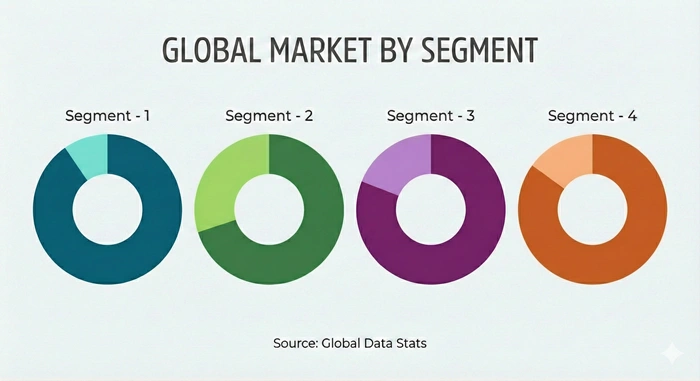
External Beam Radiation Therapy dominates the veterinary radiotherapy market with an impressive 78% market share in 2025, reflecting its status as the foundational radiation treatment modality with decades of clinical validation demonstrating effectiveness across diverse tumor types and anatomic locations. EBRT delivers therapeutic radiation from external sources positioned around the patient, typically using linear accelerators that generate high-energy photon or electron beams precisely targeted at cancerous tissues while minimizing exposure to surrounding normal structures. The versatility of EBRT enables treatment of tumors throughout the body including brain, nasal cavity, oral cavity, thorax, abdomen, limbs, and skin, making it applicable to virtually any cancer diagnosis where radiation therapy is indicated. Modern EBRT techniques including intensity-modulated radiation therapy and volumetric modulated arc therapy create highly conformal dose distributions that match irregular tumor shapes, enabling aggressive treatment of cancers located near sensitive organs that would be damaged by conventional radiation approaches. Veterinary radiation oncologists have extensive training and experience with EBRT protocols for common canine and feline cancers, with published literature documenting outcomes guiding evidence-based treatment recommendations.
North America and Europe demonstrate particularly strong utilization of EBRT within their veterinary radiotherapy markets due to long-established specialty oncology centers equipped with linear accelerators and trained radiation oncology teams. Major equipment manufacturers including Varian Medical Systems (now part of Siemens Healthineers), Elekta AB, and Accuray Incorporated provide veterinary-adapted EBRT systems along with technical support, treatment planning software, and continuing education for veterinary medical physicists and radiation oncologists. The segment benefits from continuous technological improvements including faster treatment delivery, enhanced imaging capabilities for precise targeting, and advanced treatment planning algorithms optimizing dose distributions. Generic EBRT protocols for common tumors enable community specialty hospitals to offer radiation services without requiring expertise in cutting-edge experimental techniques. Despite the growth of stereotactic radiosurgery and other advanced modalities, EBRT maintains its dominant position through proven efficacy, broad applicability, and extensive clinical experience supporting its use across diverse patient populations and cancer types throughout the forecast period.
By Animal Type
Canine Segment Commands Market Leadership Through High Cancer Incidence and Established Treatment Protocols
The canine segment leads the veterinary radiotherapy market with a commanding 71% market share in 2025, driven by high dog ownership rates globally, elevated cancer incidence in dogs compared to other companion animals, and well-established radiation therapy protocols optimized for treating diverse canine malignancies. Dogs represent the most popular companion animals in most Western countries, with ownership rates exceeding 30 to 40% of households in the United States, Canada, and many European nations, creating large patient populations. Cancer affects approximately one in four dogs during their lifetimes, with incidence rising dramatically in senior dogs, making malignancies a leading cause of mortality in aging canine populations. Common canine cancers including mast cell tumors, osteosarcoma, soft tissue sarcomas, melanoma, lymphoma, and brain tumors respond well to radiation therapy either as definitive treatment or combined with surgery and chemotherapy. Large-breed dogs develop osteosarcoma at particularly high rates, with radiation providing excellent pain palliation and local tumor control. Certain breeds face elevated cancer risks due to genetic predispositions, creating concentrated patient populations within specific breed communities where treatment successes generate word-of-mouth referrals.
The substantial body of veterinary literature documenting radiation therapy outcomes in dogs provides evidence-based treatment guidelines that radiation oncologists follow when recommending protocols for various tumor types and clinical scenarios. Academic veterinary teaching hospitals conduct clinical trials evaluating novel radiation techniques and combination therapies primarily in canine patients, advancing the science of veterinary radiation oncology. Equipment manufacturers design immobilization devices, treatment couches, and positioning aids specifically accommodating the range of dog sizes from small terriers to giant breeds. North America maintains the largest canine radiotherapy market, with the United States alone home to approximately 65 million owned dogs and extensive networks of specialty oncology hospitals equipped with radiation therapy capabilities. Leading veterinary oncology organizations including PetCure Oncology, Veterinary Specialty Centers, and BluePearl Veterinary Partners operate multiple locations across North America providing radiation therapy predominantly for canine cancer patients. The segment is projected to maintain steady growth throughout the forecast period at strong CAGR rates, supported by aging dog populations, advancing treatment technologies, and increasing owner willingness to pursue aggressive cancer therapy for beloved pets.
Regional Insights
North America
Advanced Healthcare Infrastructure and Strong Pet Healthcare Investment Sustain Regional Market Leadership
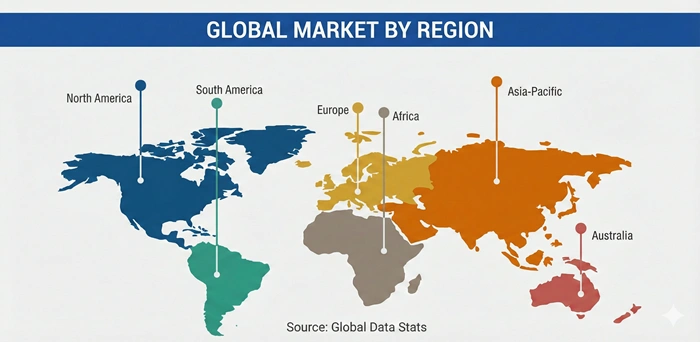
North America commands the veterinary radiotherapy market with approximately 48% of global market share in 2025, supported by sophisticated veterinary healthcare infrastructure featuring extensive networks of specialty hospitals equipped with state-of-the-art radiation therapy systems. The United States dominates regional consumption with an estimated market value of USD 1.29 billion in 2025, driven by exceptionally high pet ownership rates with approximately 67% of households owning pets, creating a patient population exceeding 130 million dogs and cats. American pet owners demonstrate remarkable willingness to invest in advanced medical care for companion animals, with annual veterinary expenditures exceeding USD 35 billion and growing steadily as pet humanization trends intensify. The presence of numerous board-certified veterinary radiation oncologists, comprehensive residency training programs at academic institutions, and established referral networks connecting general practitioners with specialty hospitals ensure widespread access to radiation therapy services across urban and suburban areas. Corporate veterinary groups including National Veterinary Associates, Thrive Pet Healthcare, and Compassion-First Pet Hospitals operate multiple specialty locations equipped with radiation capabilities, creating standardized treatment protocols and quality benchmarks.
Canada and Mexico contribute meaningfully to North American market performance, with Canadian veterinary oncology following similar patterns to the United States given cultural similarities and cross-border professional connections. Major equipment manufacturers including Varian Medical Systems, Elekta AB, and Accuray Incorporated maintain strong presences in North America, providing technical support, equipment maintenance, continuing education, and treatment planning assistance to veterinary oncology centers. The region benefits from robust research and development activities, with veterinary teaching hospitals at major universities including Colorado State University, University of California-Davis, North Carolina State University, and University of Pennsylvania serving as innovation hubs advancing radiation therapy techniques. Recent installations of cutting-edge technologies including CyberKnife systems at BluePearl Malvern and Varian Trilogy systems at Louisiana State University demonstrate continued investment in advanced capabilities. North America's veterinary radiotherapy market is projected to grow at approximately 7.67% CAGR from 2026 to 2033, sustained by aging pet demographics, continuous technology innovation, expanding specialty hospital networks, and cultural norms emphasizing premium pet healthcare as a core family responsibility.
Asia Pacific
Rapid Economic Growth and Expanding Pet Ownership Position Region as Fastest-Growing Market
Asia Pacific represents the fastest-growing regional market for veterinary radiotherapy, projected to achieve the highest CAGR during the forecast period from 2026 to 2033, driven by transformative economic development, rising pet ownership rates, and expanding availability of specialty veterinary services across the region. China leads growth dynamics with its rapidly expanding urban middle class embracing pet ownership as a lifestyle choice, with dog and cat populations in major cities growing exponentially and pet owners demonstrating increasing willingness to invest in premium healthcare services including cancer treatment. Japan maintains a sophisticated veterinary oncology market despite declining pet populations due to aging demographics, with high per-capita veterinary spending and cultural emphasis on providing excellent care for companion animals. India's emerging veterinary specialty sector shows tremendous growth potential given its large population, rising affluence in urban centers, and gradual cultural shifts toward treating pets as family members rather than working animals. South Korea has embraced pet ownership enthusiastically, particularly among younger generations and single-person households, creating demand for advanced veterinary services including radiation therapy.
Government initiatives across several Asia Pacific nations support veterinary sector development through infrastructure investments, professional training programs, and regulatory frameworks encouraging modern healthcare delivery for animals. Southeast Asian countries including Thailand, Malaysia, Singapore, and Vietnam are establishing specialty veterinary hospitals that attract patients regionally, positioning themselves as medical tourism destinations for pet cancer treatment. Academic institutions and private specialty hospitals in major cities including Tokyo, Beijing, Shanghai, Seoul, Bangkok, and Singapore have installed radiation therapy systems and trained veterinary radiation oncologists, creating centers of excellence that raise standards across the region. International equipment manufacturers including Elekta AB, Varian Medical Systems, and regional players are expanding distribution networks and forming partnerships with local veterinary institutions to penetrate high-growth markets. Local companies including Intas Animal Health, SJMC, and Vetnation Pharma contribute to market development through supportive products and services. The combination of large pet populations, rising healthcare expenditures, expanding specialty hospital networks, and cultural evolution toward pet humanization positions Asia Pacific as the most dynamic growth region for veterinary radiotherapy throughout the coming decade.
Top Key Players
-
Varian Medical Systems, Inc. (Siemens Healthineers) (United States)
-
Elekta AB (Sweden)
-
Accuray Incorporated (United States)
-
PetCure Oncology (United States)
-
GE Healthcare (United States)
-
Hitachi, Ltd. (Japan)
-
Sumitomo Heavy Industries, Ltd. (Japan)
-
Ion Beam Applications (IBA) (Belgium)
-
Sensus Healthcare, Inc. (United States)
-
Xstrahl (United Kingdom)
-
Brainlab AG (Germany)
-
Best Theratronics Ltd. (Canada)
-
Mevion Medical Systems (United States)
-
Epica Animal Health (United States)
-
Nordion (Canada)
Recent Developments
-
In November 2025, Empyrean Medical Systems partnered with Thrive Pet Healthcare to develop an advanced Sirius robotically accelerated conformal beam radiation platform for veterinary applications, with the first installation planned at PetCure Oncology at Veterinary Specialty Center of Seattle opening early 2026, bringing human-grade precision and highly targeted non-invasive cancer treatments to the Pacific Northwest region.
-
In September 2025, GE HealthCare launched iRT workflow software, an AI-enabled intelligent radiation therapy software solution that finds application in the veterinary sector, enhancing treatment planning efficiency, accuracy, and workflow optimization for veterinary oncology centers utilizing advanced radiation therapy systems.
-
In September 2025, SJMC launched the ExacTrac Dynamic system in Malaysia, a millimetric precision radiotherapy system designed for veterinary applications, bringing cutting-edge stereotactic radiation capabilities to Southeast Asia and expanding access to advanced cancer treatment for companion animals in the region.
-
In September 2024, LSU Vet Med acquired a Varian Trilogy linear accelerator, offering advanced stereotactic radiotherapy and intensity-modulated radiation therapy with RapidArc technology that enhances cancer treatment precision, reduces side effects, and shortens patient sedation time, highlighting the expanding adoption of sophisticated radiotherapy systems in academic veterinary institutions.
-
In June 2024, Bristol Vet Specialists opened a state-of-the-art veterinary hospital featuring one of England's only stereotactic linear accelerators for pets with a total investment of USD 17.44 million, offering advanced high-precision cancer treatment with fewer sessions, reduced side effects, and improved outcomes for companion animals across South West England and South Wales.
Market Trends
Shift Toward Hypofractionated Treatment Protocols and Purpose-Built Veterinary Systems Transform Clinical Practice
The veterinary radiotherapy market is experiencing a pronounced trend toward hypofractionated radiation protocols that deliver treatment in dramatically fewer sessions compared to traditional approaches, fundamentally changing treatment logistics and improving patient experiences. Stereotactic radiosurgery and stereotactic radiation therapy enable veterinary oncologists to deliver ablative radiation doses in just one to three treatment sessions rather than the 15 to 20 daily sessions required by conventional protocols, reducing total anesthesia exposure which represents significant risk mitigation particularly for geriatric patients with cardiac or respiratory comorbidities. Fewer treatment visits translate to reduced transportation burdens for pet owners who must travel to specialty centers, lower cumulative costs from anesthesia and facility fees, and faster completion of therapy allowing quicker transition to other treatment modalities if multimodal protocols are planned. Hypofractionation appeals to owners with demanding work schedules or limited flexibility who struggle to accommodate weeks of daily veterinary visits. Clinical evidence demonstrates that appropriately selected tumors achieve excellent local control with hypofractionated approaches, with outcomes comparable or superior to conventional fractionation while side effect profiles remain acceptable. This trend drives investments in stereotactic radiosurgery systems capable of delivering precise high-dose radiation treatments, with specialty hospitals viewing SRS capabilities as competitive advantages attracting referrals.
The development of purpose-built veterinary radiation therapy systems specifically designed for animal patients rather than adapted from human medical equipment represents another transformative trend reshaping the market landscape. Traditional veterinary radiotherapy utilized linear accelerators and treatment planning systems originally engineered for human patients, requiring modifications and workarounds to accommodate different patient sizes, positioning challenges, anesthesia requirements, and workflow patterns specific to veterinary oncology. Purpose-built veterinary systems optimize treatment couch designs to safely support and position animals ranging from small cats to giant breed dogs, incorporate veterinary-specific immobilization devices that accommodate anatomic differences, and streamline workflows recognizing that veterinary patients under general anesthesia require rapid treatment delivery to minimize anesthesia duration. Robotic radiation platforms provide positioning flexibility treating patients in various orientations without extensive repositioning procedures, valuable for animals with orthopedic limitations or respiratory conditions affecting certain body positions. Software interfaces designed for veterinary workflows improve efficiency for radiation therapists and veterinary technicians managing treatment delivery. As purpose-built systems mature and gain market acceptance, adoption rates will accelerate among specialty hospitals seeking optimized veterinary solutions rather than compromising with adapted human medical equipment.
Segments Covered in the Report
By Technology
-
External Beam Radiation Therapy (EBRT)
-
Stereotactic Radiosurgery (SRS/SRT)
-
Brachytherapy
By Animal Type
-
Canine (Dogs)
-
Feline (Cats)
-
Equine (Horses)
-
Others
By Application
-
Tumor Treatment (Oncology)
-
Pain Management
-
Others
By End User
-
Veterinary Specialty Hospitals
-
Academic and Research Institutes
-
Others
By Region
-
North America
-
United States
-
Canada
-
Mexico
-
-
Europe
-
United Kingdom
-
Germany
-
France
-
Italy
-
Spain
-
Rest of Europe
-
-
Asia Pacific
-
China
-
Japan
-
India
-
South Korea
-
Australia
-
Southeast Asia
-
Rest of Asia Pacific
-
-
Latin America
-
Brazil
-
Argentina
-
Rest of Latin America
-
-
Middle East and Africa
-
UAE
-
Saudi Arabia
-
South Africa
-
Rest of Middle East and Africa
-
Frequently Asked Questions
Question 1: What is the current veterinary radiotherapy market size and projected growth rate?
Answer: The global veterinary radiotherapy market is valued at USD 3.29 billion in 2025 and is expected to reach USD 6.83 billion by 2033, expanding at a CAGR of 7.96% from 2026 to 2033. This growth is driven by increasing cancer prevalence in companion animals and advancing treatment technologies.
Question 2: Which region dominates the veterinary radiotherapy market globally?
Answer: North America leads the veterinary radiotherapy market with approximately 48% market share in 2025, attributed to advanced veterinary healthcare infrastructure and high pet ownership rates. Asia Pacific represents the fastest-growing region with the highest projected CAGR through 2033.
Question 3: What technology holds the largest share in the veterinary radiotherapy market?
Answer: External Beam Radiation Therapy dominates the veterinary radiotherapy market with 78% share in 2025 due to proven clinical efficacy and versatile applications. Stereotactic Radiosurgery is projected to grow at the fastest rate driven by advantages including fewer treatment sessions and reduced anesthesia requirements.
Question 4: Which animal type accounts for the largest veterinary radiotherapy market share?
Answer: Canines account for approximately 71% of the veterinary radiotherapy market in 2025 due to high dog ownership rates and elevated cancer incidence. The feline segment is expected to grow significantly as treatment protocols for cats continue advancing and cat ownership increases globally.
Question 5: Who are the major companies operating in the veterinary radiotherapy market?
Answer: Leading players in the veterinary radiotherapy market include Varian Medical Systems (Siemens Healthineers), Elekta AB, Accuray Incorporated, PetCure Oncology, and GE Healthcare. Other key companies include Hitachi Ltd., Sumitomo Heavy Industries, Ion Beam Applications, Sensus Healthcare Inc., and Xstrahl.