
Veterinary Eye Care Market Overview
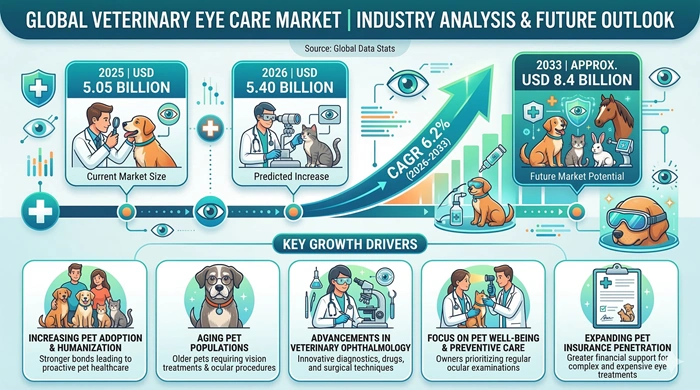
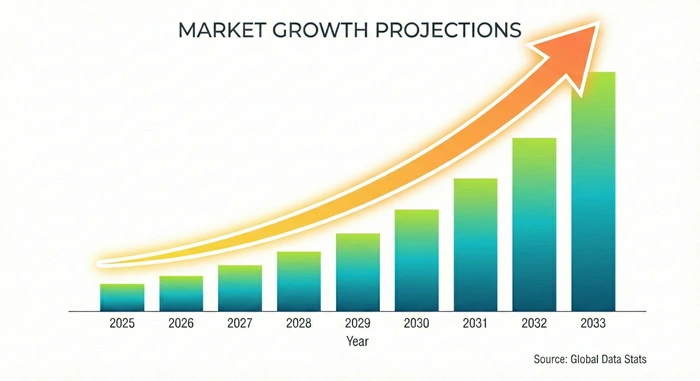
The global veterinary eye care market size is valued at USD 5.05 billion in 2025 and is predicted to increase from USD 5.40 billion in 2026 to approximately USD 8.4 billion by 2033, growing at a CAGR of 6.2% from 2026 to 2033.
Rising pet ownership rates, growing awareness of animal health, and increasing demand for specialized veterinary ophthalmic services are collectively shaping the future of this market. Pet owners today treat their animals as family members and are increasingly willing to invest in high-quality eye care diagnostics and treatments. As the veterinary healthcare sector continues to mature globally, animal eye care is emerging as one of the most dynamic and fast-expanding specialty segments within the broader animal health industry.
AI Impact on the Veterinary Eye Care Industry
Artificial Intelligence Is Transforming Animal Ophthalmic Diagnostics, Treatment Planning, and Preventive Eye Care, Enabling Faster and More Accurate Clinical Decision-Making for Veterinary Professionals Worldwide
AI-powered diagnostic tools are beginning to make a meaningful impact on how veterinary eye conditions are identified and managed. Machine learning algorithms trained on large ophthalmic imaging datasets can now assist veterinarians in detecting early-stage conditions such as cataracts, glaucoma, and retinal degeneration in companion animals with a level of accuracy that approaches or rivals specialist assessment. These tools are particularly valuable in general veterinary practice settings where access to board-certified veterinary ophthalmologists is limited, helping practitioners make faster and more confident clinical decisions without requiring an immediate specialist referral.
Beyond diagnostics, AI is improving the overall quality and consistency of veterinary eye care delivery. AI-assisted imaging platforms can track disease progression across multiple consultations, providing longitudinal data that supports more informed treatment adjustments. Telemedicine platforms integrated with AI diagnostic tools are also emerging, enabling pet owners in rural or underserved areas to access expert ophthalmic guidance remotely. As adoption of these digital health capabilities grows across veterinary practices worldwide, AI is expected to become a standard component of the veterinary eye care workflow within the next several years.
Growth Factors
Surging Pet Ownership, Increasing Spending on Animal Healthcare, and the Growing Prevalence of Ophthalmic Conditions in Companion Animals Are the Primary Drivers Fueling Expansion of the Veterinary Eye Care Market
The single most powerful growth driver in the veterinary eye care market is the global surge in pet ownership, which accelerated dramatically during and after the COVID-19 pandemic. Millions of households worldwide added companion animals, and this expanded pet population has translated directly into higher demand for all forms of veterinary healthcare, including specialized ophthalmic services. Companion dogs and cats are particularly prone to hereditary and age-related eye conditions — including cataracts, progressive retinal atrophy, corneal ulcers, and dry eye syndrome — and pet owners are increasingly seeking early diagnosis and treatment rather than accepting vision loss as an inevitable outcome of aging in their animals.
Humanization of pets is also playing a critical role in driving market expansion. As pet owners invest emotionally and financially in their animals' wellbeing, spending on premium veterinary services and specialty care has increased significantly. This behavioral shift is supported by rising disposable incomes in developed markets and growing middle-class populations in emerging economies. Simultaneously, veterinary pharmaceutical companies are actively expanding their ophthalmic product portfolios, launching condition-specific eye drops, ointments, and surgical solutions that broaden the range of treatable conditions and create new revenue opportunities across the veterinary eye care landscape.
Market Outlook
The Veterinary Eye Care Market Is Positioned for Consistent and Meaningful Growth Through 2033, Driven by Specialty Veterinary Expansion, Product Innovation, and Increasing Pet Healthcare Awareness in Emerging Regions
The market outlook for veterinary eye care remains highly positive throughout the forecast period. Specialty veterinary practices focused exclusively on ophthalmology are expanding in major urban centers across North America and Europe, creating dedicated infrastructure for advanced eye diagnostics and surgical procedures. As veterinary schools expand their ophthalmology training programs and more practitioners pursue board certification in veterinary ophthalmology, clinical capacity to serve the growing demand for animal eye care services is improving steadily. This structural growth in specialist supply is expected to sustain demand for diagnostic devices, surgical instruments, and ophthalmic pharmaceuticals alike.
Emerging markets present a compelling long-term opportunity for the veterinary eye care market. Countries across Asia Pacific, Latin America, and parts of the Middle East are witnessing rapid growth in pet adoption, supported by urbanization, rising incomes, and changing cultural attitudes toward animal companionship. As veterinary infrastructure in these regions expands and awareness of animal eye health grows among both practitioners and pet owners, demand for both basic and advanced ophthalmic products and services is expected to grow at an above-average rate, contributing meaningfully to the global market's expansion through 2033.
Expert Speaks
-
Zoetis CEO Kristin Peck noted that companion animal health is one of the most resilient and fastest-growing segments in the animal health industry, and that Zoetis is committed to expanding its veterinary ophthalmic product range to address the wide variety of eye conditions that affect dogs and cats as their owners increasingly demand the same quality of care they would expect for themselves.
-
Elanco Animal Health CEO Jeff Simmons emphasized that the humanization of pets is fundamentally reshaping veterinary care expectations, and that specialty segments including veterinary eye care are benefiting from pet owners who are more informed, more engaged, and more willing to invest in early diagnosis and long-term management of their animals' health conditions.
-
IDEXX Laboratories CEO Jay Mazelsky highlighted that diagnostic innovation remains at the core of better veterinary outcomes, stating that advanced imaging and point-of-care diagnostic tools for ophthalmic conditions are helping veterinarians detect and manage eye diseases earlier, which significantly improves both animal welfare outcomes and the clinical value delivered to pet owners.
Key Report Takeaways
-
North America leads the veterinary eye care market, holding the largest revenue share globally, underpinned by a high pet ownership rate, strong veterinary infrastructure, and well-established specialty ophthalmology practices with access to advanced diagnostic and surgical technologies.
-
Asia Pacific is the fastest-growing region, driven by rapidly rising pet adoption rates in China, Japan, South Korea, and India, combined with growing investment in veterinary healthcare infrastructure and increasing awareness of animal ophthalmic health among urban pet owners.
-
Companion animal owners — particularly dog owners — are the most active users of veterinary eye care services, as dogs are disproportionately affected by hereditary and age-related ocular conditions compared to other animal categories.
-
Pharmaceuticals — specifically ophthalmic drops and ointments — contribute the largest share of market revenue, as they represent the most frequently used treatment modality for a wide range of common animal eye conditions including dry eye, conjunctivitis, and corneal disorders.
-
Veterinary hospitals and clinics are the most widely used end-user segment, accounting for the majority of veterinary ophthalmic consultations and treatments due to their broad accessibility and range of diagnostic and treatment capabilities.
-
Veterinary ophthalmology specialty centers are the fastest-growing end-user segment, expected to register a CAGR above the overall market average through 2033, holding approximately 22% market share, as pet owners increasingly seek specialist-level care for complex ocular conditions and as more board-certified veterinary ophthalmologists establish dedicated practice facilities.
Market Scope
| Report Coverage | Details |
|---|---|
| Market Size by 2033 | USD 8.4 Billion |
| Market Size by 2025 | USD 5.05 Billion |
| Market Size by 2026 | USD 5.40 Billion |
| Market Growth Rate (2026–2033) | CAGR of 6.2% |
| Dominating Region | North America |
| Fastest Growing Region | Asia Pacific |
| Base Year | 2025 |
| Forecast Period | 2026 to 2033 |
| Segments Covered | Product Type, Animal Type, End User |
| Regions Covered | North America, Europe, Asia Pacific, Latin America, Middle East & Africa |
Market Dynamics
Drivers Impact Analysis
Rising Global Pet Ownership, Increasing Prevalence of Hereditary Ocular Conditions in Companion Animals, and Growing Pet Healthcare Expenditure Are the Core Pillars Driving the Veterinary Eye Care Market Forward
| Driver | ≈ % Impact on CAGR Forecast | Geographic Relevance | Impact Timeline |
|---|---|---|---|
| Rising global pet ownership | ~31% | Global | Near to Long-term |
| Humanization of pets and premium care demand | ~26% | North America, Europe | Near to Mid-term |
| Increasing prevalence of hereditary eye conditions in dogs | ~22% | North America, Europe, Asia Pacific | Mid to Long-term |
| Expansion of veterinary specialty practices | ~13% | North America, Europe | Mid-term |
| Growing awareness of animal eye health | ~8% | Asia Pacific, Latin America | Long-term |
The dramatic increase in pet ownership globally is the most sustained and impactful driver of the veterinary eye care market. Dogs and cats, the two most common companion animals, are both known to suffer from a wide range of ocular conditions — many of which are hereditary and breed-specific. Conditions such as progressive retinal atrophy in Labrador Retrievers, entropion in Shar Peis, and corneal dystrophy in multiple popular breeds are creating consistent, recurring demand for veterinary ophthalmic diagnostics, pharmaceuticals, and surgical interventions. As the global companion animal population continues to grow, so does the patient base for veterinary eye care services.
The humanization of pets is reinforcing this demand in a powerful way. Modern pet owners seek medical care for their animals that mirrors the standards they expect for human family members, including specialist referrals, advanced diagnostic imaging, and surgical interventions for vision-threatening conditions. This attitudinal shift is driving increased spending on veterinary ophthalmic pharmaceuticals, surgical procedures such as cataract extraction, and advanced diagnostic tools including electroretinography and slit-lamp biomicroscopy. Companies such as Zoetis, Dechra Pharmaceuticals, and IDEXX Laboratories are responding to this demand with an expanding portfolio of animal-specific ophthalmic solutions.
Restraints Impact Analysis
High Cost of Specialist Veterinary Ophthalmic Services, Limited Awareness in Developing Markets, and a Shortage of Board-Certified Veterinary Ophthalmologists Are the Key Restraints Affecting Market Growth
| Restraint | ≈ % Impact on CAGR Forecast | Geographic Relevance | Impact Timeline |
|---|---|---|---|
| High cost of specialist eye care and surgical procedures | ~36% | Emerging Markets, Global | Near to Mid-term |
| Shortage of board-certified veterinary ophthalmologists | ~29% | Global | Ongoing |
| Limited awareness in low-income and rural regions | ~22% | Asia Pacific, Africa, Latin America | Long-term |
| Lack of pet insurance coverage for ophthalmic conditions | ~13% | Emerging Markets | Near-term |
The cost of advanced veterinary ophthalmic care remains a significant restraint, particularly for surgical procedures such as cataract surgery and corneal grafting, which can run into thousands of dollars per animal. While pet insurance penetration is growing in markets like the United States and United Kingdom, a large proportion of pet owners in both developed and developing markets still bear the full out-of-pocket cost of specialty veterinary care. This financial barrier leads many pet owners to forgo advanced treatment options or delay seeking specialist care until conditions become severe, limiting overall market utilization and revenue potential.
The limited availability of board-certified veterinary ophthalmologists is another critical constraint. Unlike human ophthalmology, veterinary ophthalmology remains a highly specialized discipline with a relatively small global pool of credentialed practitioners. Many regions — particularly in Asia Pacific, Latin America, and Africa — have very few or no veterinary ophthalmologists, forcing general practitioners to manage complex ocular conditions beyond their training. This capacity gap limits the volume of specialist-level procedures performed and slows the uptake of advanced diagnostic and surgical equipment in markets where the underlying demand exists but clinical expertise is insufficient to support it.
Opportunities Impact Analysis
Telemedicine, Expanding Pet Insurance Coverage, and Product Innovation in Veterinary Ophthalmic Pharmaceuticals Present Compelling Growth Opportunities Across the Veterinary Eye Care Market
| Opportunity | ≈ % Impact on CAGR Forecast | Geographic Relevance | Impact Timeline |
|---|---|---|---|
| Expansion of veterinary telemedicine and AI diagnostics | ~33% | Global, especially North America | Mid to Long-term |
| Growing pet insurance penetration | ~27% | North America, Europe, Asia Pacific | Mid-term |
| New product launches in ophthalmic pharmaceuticals | ~24% | Global | Near to Mid-term |
| Rising demand in emerging markets | ~16% | Asia Pacific, Latin America | Long-term |
Veterinary telemedicine is creating a transformative opportunity to bridge the access gap in the veterinary eye care market. Remote consultation platforms allow general practitioners to share ophthalmic images and patient histories with board-certified veterinary ophthalmologists located anywhere in the world, effectively extending specialist expertise to underserved clinics and rural practices. This model is gaining significant traction in North America and is beginning to expand in Europe and Asia Pacific, enabling more animals to receive timely and accurate ophthalmic diagnoses regardless of geographic location.
The expanding penetration of pet insurance in key markets is another significant opportunity that is directly lowering the financial barrier for advanced veterinary eye care. As more pet owners enroll their animals in comprehensive health insurance plans that include coverage for specialist consultations and surgical procedures, the proportion who seek and complete recommended ophthalmic treatments is expected to rise meaningfully. Pharmaceutical companies are also investing heavily in developing novel ophthalmic formulations — including sustained-release drug delivery systems and immunomodulatory eye drops — that offer improved efficacy and convenience, creating fresh revenue streams and strengthening the overall product ecosystem supporting this market.
Segment Analysis
By Product Type
Ophthalmic Pharmaceuticals Dominate the Veterinary Eye Care Market Revenue, Driven by High Treatment Frequency and the Wide Range of Ocular Conditions Requiring Pharmacological Management in Companion Animals
Pharmaceuticals — encompassing ophthalmic drops, ointments, and solutions — represent the largest product segment in the veterinary eye care market, accounting for approximately 46% of total market revenue. This dominance reflects the frequency with which pharmacological treatments are required across a wide spectrum of common animal eye conditions, from infectious conjunctivitis and dry eye syndrome to glaucoma and post-surgical inflammation management. The pharmaceutical segment is expected to grow at a CAGR of approximately 6.5% through 2033, supported by ongoing new product launches and expanding veterinary prescribing activity worldwide. North America leads this segment by a wide margin, with a large installed base of companion animal practices actively prescribing ophthalmic medications. Key companies including Zoetis, Dechra Pharmaceuticals, and Bayer Animal Health maintain dominant positions in this segment through extensive product portfolios and strong veterinary distribution networks.
Asia Pacific is emerging as a high-growth geography for veterinary ophthalmic pharmaceuticals within the broader veterinary eye care market, fueled by rapidly growing companion animal populations in China, Japan, and South Korea. The expanding middle class in these countries is driving increased pet healthcare spending, and veterinary practitioners are responding by stocking and prescribing a wider range of ophthalmic products. International pharmaceutical companies are actively entering the Asian veterinary market through licensing agreements and local manufacturing partnerships, while domestic manufacturers are also introducing competitive ophthalmic product lines. This dual momentum from global players and local competitors is expected to sustain strong pharmaceutical segment growth in Asia Pacific throughout the forecast period.
By Animal Type
Dogs Represent the Dominant Animal Type Segment, Accounting for the Largest Share of Veterinary Eye Care Market Revenue Due to Their High Susceptibility to Hereditary and Age-Related Ocular Conditions
Dogs account for approximately 52% of the total veterinary eye care market share by animal type and represent the most clinically significant patient population in this industry. The canine population is disproportionately affected by hereditary eye disorders — many of which are breed-specific and affect some of the world's most popular dog breeds — making regular ophthalmic screening and treatment a standard component of responsible dog ownership in developed markets. This segment is expected to grow at a CAGR of approximately 6.8% through 2033, driven by the expanding global dog population and rising owner investment in preventive and specialist veterinary care. North America and Europe are the leading regions for canine ophthalmic care, with companies such as Zoetis, Dechra Pharmaceuticals, and Vetoquinol offering extensive canine-specific ophthalmic product lines.
Cats represent the second-largest animal type segment in the veterinary eye care market and are also a growing focus for ophthalmic pharmaceutical development. Feline-specific conditions such as feline herpesvirus-associated ocular disease, eosinophilic keratitis, and uveitis require targeted treatment protocols distinct from canine ophthalmology, and manufacturers are increasingly developing cat-specific formulations to address this need. The Asia Pacific region is showing particularly strong growth in feline ophthalmic care, driven by a rapidly growing cat ownership trend in urban centers across China, Japan, and South Korea, where cats are often the preferred pet in apartment-based living environments. This feline segment growth is expected to accelerate throughout the forecast period, creating incremental demand opportunities for both pharmaceutical and diagnostic device manufacturers.
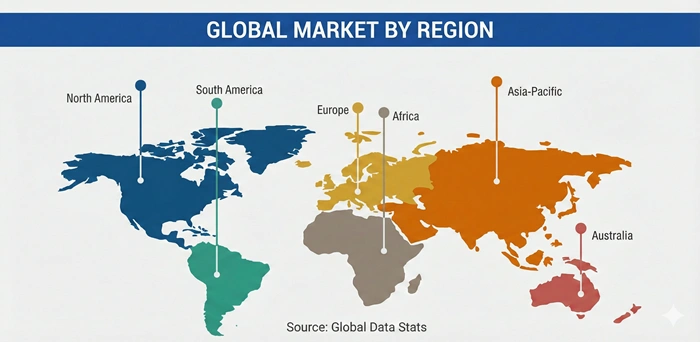
Regional Insights
North America
North America Dominates the Global Veterinary Eye Care Market, Backed by the World's Highest Pet Ownership Rates, Advanced Veterinary Infrastructure, and a Well-Established Specialty Ophthalmology Ecosystem
North America holds approximately 41% of the global veterinary eye care market share and is expected to maintain its leadership through 2033, growing at a CAGR of approximately 5.9%. The United States is the cornerstone of this regional dominance, with one of the highest pet ownership rates globally and a mature veterinary healthcare system that includes hundreds of board-certified veterinary ophthalmologists and specialty referral hospitals. Strong pet insurance penetration, particularly in urban markets, is reducing the financial barrier for specialist ophthalmic consultations and surgical procedures, driving consistent utilization of premium eye care products and services. Leading companies with strong North American presence include Zoetis (U.S.), IDEXX Laboratories (U.S.), Dechra Pharmaceuticals (U.K.), and Bayer Animal Health (Germany).
Canada complements U.S. market activity with a well-developed companion animal veterinary sector and growing demand for specialty services including veterinary ophthalmology. The presence of major veterinary teaching hospitals affiliated with Canadian universities is supporting clinical training and awareness of advanced ophthalmic treatments. Together, the U.S. and Canada represent a deeply established and consistently growing demand base for veterinary eye care products, with ongoing innovation in both diagnostics and pharmaceuticals ensuring that North America will retain its dominant regional position throughout the forecast period.
Asia Pacific
Asia Pacific Is the Fastest-Growing Region in the Veterinary Eye Care Market, Driven by Explosive Pet Adoption Growth, Rising Disposable Incomes, and Rapidly Expanding Veterinary Healthcare Infrastructure Across Key Economies
Asia Pacific is the fastest-growing region in the veterinary eye care market, expected to register a CAGR of approximately 8.1% through 2033, significantly outpacing the global market average. China is the primary growth engine, with a companion animal population that has surged over the past decade and a rapidly professionalizing veterinary sector now investing in specialty services including ophthalmology. Japan maintains a long-established and sophisticated veterinary care culture, with high per-pet healthcare spending and a growing number of veterinary ophthalmology specialists serving a predominantly urban pet owner base. Key companies active in the Asia Pacific region include Kyoritsu Seiyaku Corporation (Japan), Virbac (France), Zoetis (U.S.), and a growing cohort of regional distributors partnering with global brands to expand product availability.
India and Southeast Asia represent the longer-term growth frontier within Asia Pacific for the veterinary eye care market. Urbanization, rising incomes, and changing attitudes toward pet ownership — particularly among younger, educated urban populations — are creating a fast-growing companion animal segment in countries such as India, Thailand, Malaysia, and Vietnam. Veterinary infrastructure in these countries is expanding rapidly, with new private veterinary clinics and specialty referral centers opening in major cities. As awareness of preventive and specialty animal healthcare grows in these markets, demand for veterinary ophthalmic pharmaceuticals, diagnostic devices, and surgical instruments is expected to grow at a compelling rate, attracting increasing attention and investment from global industry participants.
Top Key Players
-
Zoetis Inc. (United States)
-
Dechra Pharmaceuticals plc (United Kingdom)
-
IDEXX Laboratories Inc. (United States)
-
Bayer Animal Health (Elanco) (Germany / United States)
-
Virbac S.A. (France)
-
Vetoquinol S.A. (France)
-
Boehringer Ingelheim Animal Health (Germany)
-
Kyoritsu Seiyaku Corporation (Japan)
-
Novartis Animal Health (now part of Elanco) (Switzerland / United States)
-
Akorn Animal Health (United States)
-
Bausch & Lomb Veterinary (United States)
-
TVM Laboratories (France)
Recent Developments
-
Zoetis (2025): Zoetis announced the expansion of its companion animal ophthalmic portfolio with the launch of a new veterinary eye drop formulation specifically developed for the long-term management of canine keratoconjunctivitis sicca (dry eye), addressing one of the most commonly diagnosed chronic ocular conditions in dogs globally.
-
Dechra Pharmaceuticals (2024): Dechra completed the acquisition of a European veterinary ophthalmic specialty company, strengthening its position in the veterinary eye care market and expanding its range of licensed ophthalmic pharmaceutical products available to veterinary practitioners across Europe and North America.
-
IDEXX Laboratories (2025): IDEXX Laboratories introduced an AI-assisted ophthalmic imaging analysis module within its veterinary diagnostic platform, enabling general practitioners to perform preliminary ophthalmic screenings with improved diagnostic confidence and faster result turnaround, reducing the burden on specialist referral pathways.
-
Virbac (2024): Virbac launched a new line of veterinary ophthalmic cleansing and maintenance solutions for companion animals across its European and Asia Pacific markets, targeting the growing preventive eye care segment and reinforcing its commitment to expanding its veterinary ophthalmology product offering globally.
-
Boehringer Ingelheim Animal Health (2024–2025): Boehringer Ingelheim Animal Health entered into a strategic research collaboration with a leading veterinary ophthalmology academic institution to accelerate the development of novel immunomodulatory therapies for chronic inflammatory eye conditions in dogs and cats, with first clinical trials anticipated within the near-term pipeline.
Market Trends
Growing Demand for Minimally Invasive Ophthalmic Surgical Techniques, Telemedicine Integration, and Preventive Eye Care Products Are the Key Trends Reshaping the Veterinary Eye Care Market Landscape
One of the most prominent trends reshaping the veterinary eye care market is the growing adoption of minimally invasive and phacoemulsification-based cataract surgery techniques in veterinary ophthalmology. Advances in veterinary surgical equipment, including smaller-gauge instruments and improved intraocular lens designs specifically developed for canine and feline anatomy, are making cataract surgery safer, faster, and more accessible in specialty practice settings. As surgical success rates improve and pet owner awareness of this procedure grows, demand for veterinary ophthalmic surgical instruments and intraocular implants is expected to rise steadily throughout the forecast period, creating significant growth opportunities for medical device manufacturers serving this niche.
The integration of telemedicine and AI-driven diagnostics into veterinary eye care is another defining trend that is expanding the market's reach and efficiency. Remote ophthalmic consultation services are allowing general practitioners to connect with board-certified veterinary ophthalmologists via digital platforms, sharing high-resolution fundus photographs and slit-lamp images for specialist review without requiring physical patient transfer. This model is proving especially valuable in regions with a low density of veterinary ophthalmology specialists, effectively democratizing access to expert guidance. As digital health infrastructure in veterinary medicine continues to mature, telemedicine-enabled eye care is expected to become a mainstream service offering that supports both clinical outcomes and market growth globally.
Segments Covered in the Report
By Product Type
-
Pharmaceuticals
-
Ophthalmic Drops
-
Ophthalmic Ointments
-
Ophthalmic Solutions
-
Surgical Instruments & Equipment
-
Diagnostic Devices
-
Others
By Animal Type
-
Dogs
-
Cats
-
Horses
-
Livestock
-
Others
By End User
-
Veterinary Hospitals & Clinics
-
Veterinary Ophthalmology Specialty Centers
-
Research & Academic Institutes
-
Homecare Settings
-
Others
By Region
-
North America
-
Europe
-
Asia Pacific
-
Latin America
-
Middle East & Africa
Frequently Asked Questions
Question 1: What is the current size of the global veterinary eye care market and what is the expected growth by 2033?
Answer: The global veterinary eye care market is valued at USD 5.05 billion in 2025 and is projected to reach USD 8.4 billion by 2033. The market is expected to grow at a CAGR of 6.2% from 2026 to 2033.
Question 2: What are the key factors driving growth in the veterinary eye care market?
Answer: The primary growth drivers include rising global pet ownership and the increasing prevalence of hereditary and age-related ocular conditions in companion animals. Growing humanization of pets and expanding veterinary specialty infrastructure are also significantly accelerating demand across the veterinary eye care market.
Question 3: Which animal type dominates the veterinary eye care market?
Answer: Dogs represent the dominant animal type in the veterinary eye care market, accounting for approximately 52% of total revenue. The high susceptibility of popular dog breeds to hereditary eye conditions makes canine ophthalmology the most active clinical and commercial area within this market.
Question 4: Which region is growing the fastest in the veterinary eye care market?
Answer: Asia Pacific is the fastest-growing region in the veterinary eye care market, projected to grow at a CAGR of approximately 8.1% through 2033. Explosive pet adoption growth in China, Japan, South Korea, and India is driving exceptional regional demand for veterinary ophthalmic products and services.
Question 5: What role does telemedicine play in the future of the veterinary eye care market?
Answer: Telemedicine is enabling general veterinary practitioners to consult with specialist ophthalmologists remotely, significantly expanding access to expert ophthalmic care in underserved regions. This digital health trend is expected to become a mainstream component of veterinary eye care delivery, supporting both improved clinical outcomes and broader market growth through 2033.