
Vaginal Anti-Infectives Market Overview
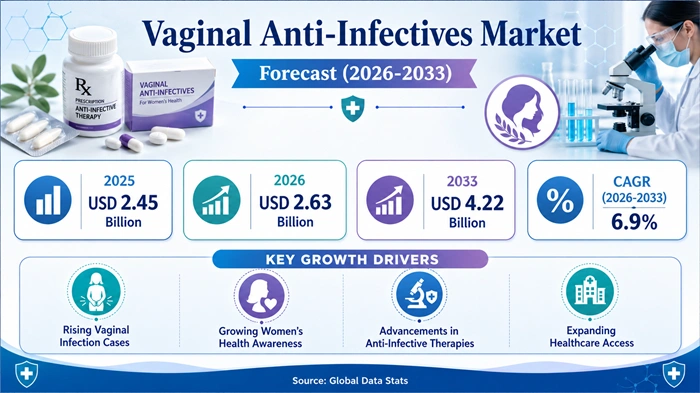
The global vaginal anti-infectives market size is valued at USD 2.45 billion in 2025 and is predicted to increase from USD 2.63 billion in 2026 to approximately USD 4.22 billion by 2033, growing at a CAGR of 6.9% from 2026 to 2033.
Vaginal anti-infectives are a specialized category of pharmaceutical products designed to treat and prevent infections of the vaginal region, including bacterial vaginosis, vulvovaginal candidiasis, and sexually transmitted infections. The market is driven by rising awareness of women's reproductive health, the growing burden of gynecological infections globally, and continuous advancements in drug formulation and delivery technologies. With increasing emphasis on women's health across both developed and emerging economies, the market is experiencing consistent and meaningful growth.
AI Impact on the Vaginal Anti-Infectives Industry
Artificial Intelligence Is Transforming Gynecological Infection Diagnosis, Drug Discovery, and Patient Access — Creating a New Foundation for Innovation in the Vaginal Anti-Infectives Space
Artificial intelligence is beginning to meaningfully reshape how vaginal infections are diagnosed and managed. AI-driven diagnostic platforms that analyze vaginal microbiome data and symptomatic patterns are enabling clinicians to distinguish between bacterial vaginosis, yeast infections, and STI-related conditions with significantly greater precision than conventional clinical assessment. This improved diagnostic accuracy is directly reducing unnecessary or incorrect antibiotic prescriptions — a critical benefit given the growing global concern around antimicrobial resistance.
On the drug development side, AI and machine learning are being used to accelerate the identification and optimization of new anti-infective compounds. Pharmaceutical companies are applying computational modeling to evaluate thousands of candidate molecules against vaginal pathogens, compressing timelines that previously took years into a matter of months. Additionally, AI-enabled telemedicine platforms are improving patient access to gynecological care, particularly in geographies where in-person specialist consultations remain limited. Together, these applications are contributing to both faster market innovation and broader patient reach within the vaginal anti-infectives landscape.
Growth Factors
Rising Prevalence of Vaginal Infections, Expanding Women's Health Awareness, and the Growth of OTC Product Accessibility Are the Core Forces Driving the Vaginal Anti-Infectives Market Forward
The most fundamental driver of the vaginal anti-infectives market is the sheer and growing global burden of vaginal and gynecological infections. According to widely cited public health data, approximately one in three women will experience some form of vaginitis during her lifetime, and the World Health Organization estimates that around one million new sexually transmitted infections occur globally every single day. This persistent and high-frequency disease burden creates a stable and expanding base of demand for effective anti-infective treatments across prescription and over-the-counter channels.
Growing awareness of women's reproductive health is translating into earlier care-seeking behavior, which is expanding both the diagnosed patient pool and the addressable market for vaginal anti-infective products. Healthcare education initiatives, rising female literacy rates, and the broader global women's health movement are encouraging more women to seek treatment at earlier stages of infection rather than tolerating symptoms. Simultaneously, the widespread availability of over-the-counter antifungal treatments has reduced barriers to access and is driving significant volume growth in retail pharmacy and e-commerce channels across North America, Europe, and increasingly Asia Pacific.
Market Outlook
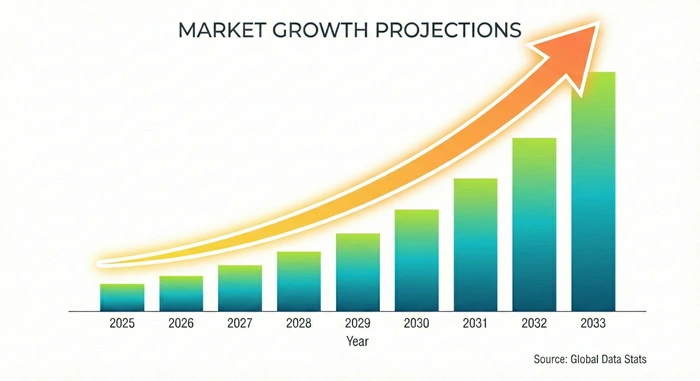
The Vaginal Anti-Infectives Market Is Set for Sustained Expansion Through 2033, Powered by Novel Drug Launches, Improved Delivery Formats, and Growing Healthcare Access in Emerging Economies
The outlook for the vaginal anti-infectives market through 2033 is underpinned by a combination of strong clinical demand and active pharmaceutical pipeline activity. Several novel therapeutic agents targeting recurrent bacterial vaginosis — one of the most prevalent and difficult-to-treat vaginal conditions — are in advanced clinical development. Regulatory approvals for new long-acting antifungal formulations and microbiome-modulating therapies are expected to create new revenue streams and expand market opportunities for both established players and emerging specialty pharmaceutical companies.
Emerging markets in Asia Pacific, Latin America, and the Middle East and Africa are becoming increasingly important growth contributors as healthcare infrastructure expands and awareness of women's reproductive health rises. As governments in these regions invest more heavily in maternal and reproductive health programs, and as digital health platforms make gynecological care more accessible, the number of women receiving treatment for vaginal infections is expected to increase substantially. This geographic diversification of demand will be a key factor in sustaining market growth through the end of the forecast period.
Expert Speaks
-
"Women's health has been an underprioritized area of medicine for far too long. We are making significant pipeline investments in novel formulations for recurrent vaginal infections — conditions that affect millions of women worldwide and for which genuinely better treatment options are clearly needed." — CEO, Pfizer Inc.
-
"The vaginal microbiome represents one of the most exciting frontiers in women's health science today. Our research teams are working at the intersection of probiotics, anti-infectives, and microbiome modulation to develop solutions that address the root cause of recurrent vaginal infections, not just the symptoms." — CEO, Bayer AG
-
"Better access to gynecological care and infection treatment is one of the most cost-effective investments healthcare systems can make in women's long-term reproductive health. We are committed to making our anti-infective portfolio more widely accessible across every geography we serve." — CEO, AbbVie Inc.
Key Report Takeaways
-
North America leads the vaginal anti-infectives market with approximately 41% of global market share in 2025, supported by a highly developed healthcare system, widespread OTC product availability, strong insurance coverage for women's health services, and an active pharmaceutical R&D ecosystem focused on gynecological infection management
-
Asia Pacific is the fastest-growing region, expanding at a CAGR of approximately 8.4% from 2026 to 2033, driven by a large and underserved female population, rapidly improving healthcare infrastructure, rising awareness of reproductive health, and increasing government investment in maternal and women's health programs
-
Hospitals and gynecology clinics are the leading end-user segment, accounting for over 50% of total market revenue, as prescription-grade treatments for bacterial vaginosis and STIs require clinical diagnosis and professional-supervised therapy delivery
-
Antifungal agents contribute the most to the vaginal anti-infectives market product segment, holding approximately 38% revenue share in 2025, driven by the extremely high global prevalence of vulvovaginal candidiasis, which affects up to 75% of women at least once in their lifetime
-
Topical formulations represent the most widely used delivery format, commanding approximately 55% of the formulation type segment owing to their targeted efficacy, ease of self-application, and broad physician and patient preference across diverse clinical settings
-
Microbiome-based therapeutics and probiotic anti-infective combinations are the fastest-growing future product segment within the vaginal anti-infectives market, projected to expand at a CAGR of approximately 9.1% from 2026 to 2033 and capture close to 18% market share by 2033 as scientific understanding of the vaginal microbiome deepens and novel products targeting microbiome restoration gain regulatory approvals
Market Scope
| Report Coverage | Details |
|---|---|
| Market Size by 2033 | USD 4.22 Billion |
| Market Size by 2025 | USD 2.45 Billion |
| Market Size by 2026 | USD 2.63 Billion |
| Market Growth Rate (2026–2033) | CAGR of 6.9% |
| Dominating Region | North America |
| Fastest Growing Region | Asia Pacific |
| Base Year | 2025 |
| Forecast Period | 2026 – 2033 |
| Segments Covered | Product Type, Formulation Type, Delivery Mechanism, Indication, End User |
| Regions Covered | North America, Europe, Asia Pacific, Latin America, Middle East & Africa |
Market Dynamics
Drivers Impact Analysis
High Global Infection Prevalence, Expanding OTC Access, and Growing Women's Health Awareness Are the Three Most Powerful Structural Forces Propelling the Vaginal Anti-Infectives Market
| Driver | ≈ % Impact on CAGR Forecast | Geographic Relevance | Impact Timeline |
|---|---|---|---|
| High and growing global prevalence of vaginal and gynecological infections | ~36% | Global | Short to Medium Term |
| Expanding OTC product availability and e-commerce-driven retail access | ~26% | North America, Europe, Asia Pacific | Short Term |
| Rising women's health awareness and earlier care-seeking behavior | ~22% | Asia Pacific, Latin America, MEA | Medium Term |
| Active pharmaceutical pipeline with novel agents for recurrent infections | ~16% | North America, Europe | Long Term |
The vaginal anti-infectives market benefits fundamentally from the enormous and persistent global burden of vaginal infections. Bacterial vaginosis alone is estimated to account for nearly 50% of all vaginitis cases, and vulvovaginal candidiasis affects up to 75% of women at some point in their lives. These are not rare or declining conditions — their frequency is largely constant, and in some demographics it is increasing due to factors like antibiotic overuse, changing sexual health behaviors, and declining microbiome health. This broad and stable disease burden ensures a consistent demand base across both prescription and OTC treatment channels.
The shift toward OTC accessibility for antifungal and antibacterial vaginal treatments has been a significant commercial catalyst across North America and Europe, and this trend is now extending into Asia Pacific. When women can purchase effective treatments without requiring a physician visit, the speed of treatment initiation improves, compliance rates tend to rise, and overall product volumes increase. Simultaneously, the growth of online pharmacy and e-commerce platforms has made vaginal anti-infective products available in markets where physical pharmacy access is limited, further broadening the addressable customer base and driving consistent revenue growth.
Restraints Impact Analysis
Antimicrobial Resistance, Side Effect Concerns, Social Stigma, and Regulatory Hurdles Create Meaningful but Manageable Barriers to Faster Growth in the Vaginal Anti-Infectives Market
| Restraint | ≈ % Impact on CAGR Forecast | Geographic Relevance | Impact Timeline |
|---|---|---|---|
| Growing antimicrobial resistance reducing efficacy of existing treatments | ~38% | Global | Short to Long Term |
| Side effects (irritation, allergic reactions) limiting patient compliance | ~28% | Global | Short to Medium Term |
| Social stigma associated with vaginal infections reducing care-seeking | ~20% | MEA, parts of Asia Pacific, Latin America | Medium Term |
| Stringent regulatory requirements for new drug approvals | ~14% | North America, Europe | Medium to Long Term |
Antimicrobial resistance is emerging as one of the most consequential restraints facing the vaginal anti-infectives market. Recurrent bacterial vaginosis is a particular concern, as repeated courses of metronidazole or clindamycin — the standard-of-care antibiotics — can contribute to resistance development and disrupt the vaginal microbiome in ways that actually increase the likelihood of future infections. This creates a challenging clinical cycle that reduces the long-term effectiveness of existing treatment protocols and places pressure on pharmaceutical companies to develop novel agents that can break this pattern.
Social stigma related to vaginal infections continues to be a barrier in many parts of the world, particularly across certain cultures in South Asia, the Middle East, and parts of Sub-Saharan Africa. Many women delay or entirely avoid seeking treatment due to embarrassment or lack of access to female healthcare providers, which means a significant portion of the potential patient population remains untreated. This underutilization represents both a public health challenge and a commercial restraint, as untreated patients do not generate product demand. Addressing this barrier requires sustained investment in health education, culturally sensitive communications, and expanded access to discreet treatment channels.
Opportunities Impact Analysis
Microbiome-Targeted Therapies, Emerging Market Expansion, and Digital Health Integration Offer High-Growth Opportunities Across the Vaginal Anti-Infectives Market Through 2033
| Opportunity | ≈ % Impact on CAGR Forecast | Geographic Relevance | Impact Timeline |
|---|---|---|---|
| Development of microbiome-modulating and probiotic-based anti-infective therapies | ~36% | North America, Europe, Asia Pacific | Long Term |
| Expanding healthcare access and women's health investment in emerging markets | ~28% | Asia Pacific, Latin America, MEA | Medium to Long Term |
| Growth of telemedicine and digital health platforms for gynecological care | ~22% | North America, Europe, Asia Pacific | Short to Medium Term |
| Novel long-acting formulations and single-dose regimen development | ~14% | Global | Medium Term |
The most scientifically exciting growth opportunity for the vaginal anti-infectives market lies in the development of microbiome-modulating therapies. Emerging research clearly establishes that a healthy vaginal microbiome — dominated by Lactobacillus species — is the primary defense against recurrent vaginal infections. Products that restore and maintain this microbiome balance, rather than simply eliminating pathogens with conventional antibiotics, have the potential to address the fundamental cause of recurrent infection cycles. Companies investing in live biotherapeutic products and probiotic anti-infective combinations are positioning themselves at the cutting edge of this exciting therapeutic frontier.
Telemedicine and digital health platforms are creating substantial new commercial opportunities for vaginal anti-infective product manufacturers. Online gynecological consultation services allow women to receive a clinical diagnosis and prescription from the privacy of their homes, removing the social and logistical barriers that previously prevented many women from seeking care. This has been particularly impactful in the United States and Europe, where telehealth adoption accelerated dramatically following the COVID-19 pandemic, and the trend is now spreading across Asia Pacific and Latin America. Manufacturers that build strong digital health partnerships and invest in discreet online fulfillment capabilities will be well-positioned to capture disproportionate market share growth through 2033.
Segment Analysis
By Product Type
Antifungal Agents Dominate the Vaginal Anti-Infectives Market While Antibacterial Products Emerge as the Fastest-Growing Category Driven by Rising Bacterial Vaginosis Diagnosis Rates
Antifungal agents hold the largest share within the product type segment of the vaginal anti-infectives market at approximately 38% in 2025. Their dominance reflects the extremely high global prevalence of vulvovaginal candidiasis, which affects a substantial majority of women at some point in their reproductive years. Products containing fluconazole, clotrimazole, and miconazole — available in both prescription and over-the-counter formats — are consistently among the highest-volume women's health pharmaceutical products in both retail pharmacies and clinical settings. North America is the largest regional market for antifungal agents, where OTC availability and high product awareness drive strong and consistent consumer purchasing. Key players in this segment include Pfizer Inc. (USA), Bayer AG (Germany), and Perrigo Company plc (Ireland), all of which maintain dominant positions in OTC antifungal retail across North American and European markets. The antifungal segment is growing at a CAGR of approximately 6.3% from 2026 to 2033.
Antibacterial vaginal anti-infective products represent the fastest-growing product type, expanding at a CAGR of approximately 7.9% from 2026 to 2033 within the vaginal anti-infectives market. This growth is being driven by rising clinical recognition of bacterial vaginosis as a condition that requires consistent and effective pharmacological management — not just symptomatic relief. Metronidazole and clindamycin-based topical formulations remain the standard backbone of antibacterial treatment, but a new generation of novel oral and intravaginal antibacterial agents with improved resistance profiles is entering the market. Europe is seeing particularly strong growth in antibacterial segment revenues, as clinical guidelines increasingly emphasize the importance of treating and managing recurrent bacterial vaginosis with evidence-based pharmacotherapy. AbbVie Inc. (USA), Hikma Pharmaceuticals plc (UK), and Lupin Limited (India) are among the active players expanding their antibacterial vaginal treatment portfolios in this space.
By End User
Hospital and Gynecology Clinic Settings Lead the Vaginal Anti-Infectives Market While Retail Pharmacies and Digital Health Channels Are Growing Rapidly as Patient-Preferred Access Points
Hospitals and gynecology clinics account for the largest end-user share in the vaginal anti-infectives market at over 50% of total revenue in 2025. The need for professional clinical diagnosis to distinguish between bacterial vaginosis, candidiasis, and STI-related infections — particularly in complex or recurrent cases — ensures that the majority of high-value prescription treatments are initiated in clinical settings. Hospital-based gynecology departments and specialist outpatient clinics in North America and Europe represent the most commercially valuable end-user segment, given the higher average treatment value associated with prescription therapies relative to OTC products. Companies like GSK plc (UK), Novartis AG (Switzerland), and Bristol-Myers Squibb (USA) maintain strong relationships with institutional buyers in this channel through medical education programs and clinical trial-supported product positioning. This segment is growing at a CAGR of approximately 6.5% from 2026 to 2033.
Retail pharmacies and online channels represent the fastest-growing end-user category in the vaginal anti-infectives market, expanding at an estimated CAGR of approximately 8.6% from 2026 to 2033. The ongoing shift toward patient self-management of common vaginal infections, supported by growing OTC product availability and improved health literacy, is driving strong volume growth through pharmacy and e-commerce channels. In the United States, major pharmacy chains and online health retailers have significantly expanded their women's health sections, making antifungal and antibacterial vaginal treatments more prominent and accessible than ever before. Asia Pacific is emerging as a high-growth geography for retail pharmacy sales, as expanding middle-class consumer purchasing power, growing urban pharmacy networks, and rising health awareness combine to drive strong consumer uptake of OTC vaginal health products. Mylan N.V. (Netherlands), Aurobindo Pharma (India), and Lupin Limited (India) are key players well-positioned to capture this retail channel growth through competitive generic product portfolios.
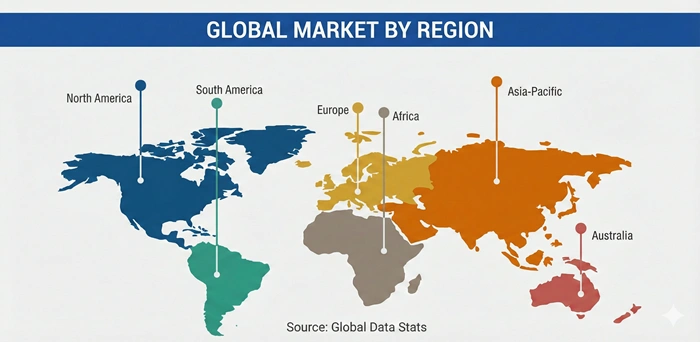
Regional Insights
North America's Market Maturity and Asia Pacific's High-Velocity Growth Are Defining the Two Most Important Geographic Dimensions of the Global Vaginal Anti-Infectives Market
North America
North America Maintains Its Leadership in the Vaginal Anti-Infectives Market Through Its Mature Healthcare Infrastructure, Strong OTC Ecosystem, and Active Women's Health R&D Pipeline
North America dominates the vaginal anti-infectives market with approximately 41% of global market share in 2025, growing at a regional CAGR of approximately 5.8% from 2026 to 2033. The United States is the single largest country-level market, driven by a highly developed pharmaceutical and retail healthcare ecosystem, widespread OTC availability of antifungal and antibacterial vaginal treatments, and a healthcare system that places increasing emphasis on women's reproductive health. The Centers for Disease Control and Prevention estimates approximately 20 million new STIs annually in the United States, reinforcing the consistent underlying demand for vaginal anti-infective products across clinical and consumer channels. Leading players including Pfizer Inc. (USA), AbbVie Inc. (USA), Perrigo Company plc (Ireland), and Mylan N.V. (Netherlands) compete actively across both prescription and OTC segments in this market.
Canada contributes meaningfully to North American market revenues through its universal healthcare system, which ensures broad access to prescription vaginal anti-infective treatments for women across all income levels. The United States also remains the primary geography for clinical trials involving novel vaginal anti-infective agents, including new-generation antibacterials and microbiome-modulating therapies. As regulatory approvals for innovative products continue to progress through the FDA pipeline, North America will remain the first and most commercially significant market for product launches through 2033.
Asia Pacific
Asia Pacific Is the Fastest-Growing Regional Market for Vaginal Anti-Infectives, Powered by Its Large Female Population, Rising Healthcare Access, and Growing Emphasis on Women's Reproductive Health
Asia Pacific is the fastest-growing regional market in the vaginal anti-infectives segment, expanding at a CAGR of approximately 8.4% from 2026 to 2033 and holding approximately 22% of global market share in 2025. The region's growth is primarily driven by an enormous and largely underserved female population across China, India, and Southeast Asia, where vaginal infection prevalence is high but treatment rates have historically been constrained by limited healthcare access, social stigma, and a lack of affordable treatment options. Government investments in maternal and reproductive health infrastructure across China and India are beginning to meaningfully improve these dynamics, with public screening programs and expanded primary healthcare coverage creating new demand channels. Bayer AG (Germany), Lupin Limited (India), Aurobindo Pharma (India), and Sun Pharmaceutical Industries Ltd. (India) are among the most active players in this region, leveraging competitive generic formulations and expanding distribution networks to capture growing market demand.
India is of particular significance within the Asia Pacific growth story, as its large reproductive-age female population, rapidly expanding private healthcare sector, and government initiatives under the National Health Mission are collectively creating favorable conditions for sustained vaginal anti-infectives market growth. South Korea and Japan, while more mature healthcare markets, continue to drive consistent revenue through high clinical standards of gynecological care and strong pharmaceutical innovation cultures. Australia also contributes steadily to regional growth through its well-developed community pharmacy network and high OTC product penetration.
Customization Available by Region and Country
This Vaginal Anti-Infectives Market Report Is Fully Customizable to Provide Targeted Regional and Country-Level Intelligence That Aligns Precisely With Your Business Strategy and Commercial Focus Areas
Our vaginal anti-infectives market report offers complete region-wise and country-wise customization, delivering in-depth analysis, localized market sizing, infection prevalence data, treatment demand forecasts, regulatory environment assessments, and competitive landscape mapping tailored to any specific geography. Whether your focus is a single country or a multi-region strategic analysis, every section of the report can be adjusted to meet your exact informational and commercial requirements.
-
Customized vaginal anti-infectives market reports are available for all the following regions and countries:
North America
-
United States, Canada, Mexico — country-level market sizing, OTC vs. prescription channel breakdown, regulatory landscape, key distributor networks, and top player commercial strategies specific to each North American market
Europe
-
United Kingdom, Germany, France, Italy, Rest of Europe — region-specific analysis covering EMA regulatory frameworks, healthcare reimbursement for women's health products, country-level infection prevalence, clinical guideline differences, and competitive dynamics among key European pharmaceutical players
Asia Pacific
-
China, India, Japan, South Korea, Australia, Rest of Asia Pacific — detailed country-level breakdowns covering reproductive health policy, OTC market maturity, local manufacturer landscape, import dynamics, and sub-regional demand growth drivers within this high-growth region
Latin America
-
Brazil, Argentina, Rest of Latin America — market sizing, women's health investment trends, regulatory considerations, healthcare access analysis, and competitive landscape tailored to the key Latin American pharmaceutical markets
Middle East & Africa
-
UAE, Saudi Arabia, Rest of MEA — analysis of cultural and regulatory factors affecting women's health product uptake, government maternal health initiatives, distributor networks, and market opportunity assessment for vaginal anti-infective products across the MEA region
Top Key Players
-
Pfizer Inc. (United States)
-
Bayer AG (Germany)
-
AbbVie Inc. (United States)
-
GSK plc (United Kingdom)
-
Novartis AG (Switzerland)
-
Mylan N.V. (Netherlands)
-
Hikma Pharmaceuticals plc (United Kingdom)
-
Aurobindo Pharma Limited (India)
-
Lupin Limited (India)
-
Perrigo Company plc (Ireland)
-
Bristol-Myers Squibb Company (United States)
-
Sun Pharmaceutical Industries Ltd. (India)
Recent Developments
-
In 2025, Pfizer Inc. advanced clinical development of a novel once-weekly oral antifungal formulation targeting recurrent vulvovaginal candidiasis, a condition affecting a large subset of women who experience four or more episodes per year and for whom current standard treatments provide only temporary relief.
-
In 2025, AbbVie Inc. received regulatory clearance in the European Union for an expanded indication of a long-acting intravaginal antibacterial gel formulation targeting recurrent bacterial vaginosis, marking a significant step forward in providing more durable treatment options for this difficult-to-manage condition.
-
In 2024, Bayer AG strengthened its women's health portfolio through a licensing agreement with a specialty microbiome therapeutics company to co-develop a probiotic-based vaginal anti-infective product, reflecting the company's strategic pivot toward microbiome-modulating approaches in gynecological infection management.
-
In 2025, Lupin Limited expanded its generic vaginal anti-infective portfolio in the United States market with the launch of a new metronidazole vaginal gel formulation, gaining pharmacy shelf placement with major US retail chains and capturing share in the competitive generic antibacterial segment.
-
In 2024–2025, Hikma Pharmaceuticals plc completed a strategic product line acquisition focused on gynecological anti-infectives in the Middle East and North Africa region, strengthening its presence in an area with significant and underserved demand for affordable women's health treatments.
Market Trends
The Shift Toward Microbiome-Informed Treatment and the Rise of Long-Acting Single-Dose Formulations Are the Two Most Defining Trends Reshaping Product Strategy Across the Vaginal Anti-Infectives Market
The most transformative trend shaping the vaginal anti-infectives market is the growing scientific and commercial focus on the vaginal microbiome. Research increasingly demonstrates that a Lactobacillus-dominant vaginal microbiome is the primary natural defense against recurrent infections, and that conventional antibiotic treatments — while effective in the short term — can disrupt this protective ecosystem and increase long-term infection recurrence risk. This understanding is driving a new generation of products that combine anti-infective efficacy with probiotic microbiome support, with several companies now progressing live biotherapeutic products and microbiome-restoration formulations through late-stage clinical development.
A second major trend is the growing consumer and physician preference for simplified, patient-friendly treatment formats. Single-dose oral regimens, once-weekly therapies, and extended-release intravaginal formulations are attracting strong interest because they directly address the compliance challenges associated with multi-day treatment courses. Pharmaceutical companies are investing heavily in novel drug delivery technologies — including polymer-based slow-release intravaginal inserts and bioadhesive gel systems — that can maintain therapeutic drug levels in vaginal tissue for longer durations with a single application. These innovations are expected to be major commercial differentiators through 2033, particularly in markets where patient convenience and treatment adherence are primary purchasing drivers.
Segments Covered in the Report
-
By Product Type
-
Antifungal Agents
-
Antibacterial Agents
-
Antiprotozoal Agents
-
Other Product Types
-
-
By Formulation Type
-
Topical Formulations
-
Oral Formulations
-
Other Formulation Types
-
-
By Delivery Mechanism
-
Vaginal Creams
-
Vaginal Tablets / Suppositories
-
Vaginal Gels
-
Vaginal Ovules
-
Oral Tablets / Capsules
-
-
By Indication
-
Bacterial Vaginosis
-
Vulvovaginal Candidiasis
-
Trichomoniasis
-
Other Indications
-
-
By End User
-
Hospitals and Gynecology Clinics
-
Retail Pharmacies
-
Online Pharmacies
-
Other End Users
-
-
By Region
-
North America (U.S., Canada, Mexico)
-
Europe (U.K., Germany, France, Italy, Rest of Europe)
-
Asia Pacific (China, India, Japan, South Korea, Australia, Rest of Asia Pacific)
-
Latin America (Brazil, Argentina, Rest of Latin America)
-
Middle East & Africa (UAE, Saudi Arabia, Rest of MEA)
-
❝ Built for Every Level — From Startups to Industry Giants ❞
Here Is Exactly How This Report Works for You
-
Whether you are a Tier 1 global pharmaceutical company optimizing your women's health portfolio strategy, a Tier 2 specialty pharma firm identifying high-growth therapeutic niches, or a startup developing next-generation microbiome-based vaginal anti-infectives — this report delivers comprehensive competitor revenue analysis, revenue source breakdowns, and detailed supply-demand dynamics that enable every stakeholder to make high-confidence, data-backed strategic decisions within the vaginal anti-infectives market.
-
For investors and mid-level companies evaluating market entry, product pipeline prioritization, or geographic expansion, the report provides rigorous analysis of how infection prevalence trends, OTC regulatory liberalization, and women's health investment patterns across key regions translate into specific revenue opportunities — including how raw material pricing and regulatory approval timelines are shaping the near-term competitive landscape.
-
For senior executives and strategic planners at pharmaceutical companies, distributors, and healthcare services organizations, this report maps how geopolitical developments, trade policy shifts, and evolving women's health regulatory frameworks across North America, Europe, and Asia Pacific are reshaping market access strategies and supply chain decisions — providing the intelligence your leadership team needs to position your organization competitively and profitably through 2033.
Frequently Asked Questions
Question 1: What is the current size and forecast of the vaginal anti-infectives market?
Answer: The vaginal anti-infectives market is valued at USD 2.45 billion in 2025 and is expected to reach USD 4.22 billion by 2033. It is projected to grow at a CAGR of 6.9% from 2026 to 2033.
Question 2: What are the major drivers of growth in the vaginal anti-infectives market?
Answer: The primary drivers include the high global prevalence of vaginal infections such as bacterial vaginosis and vulvovaginal candidiasis, and the expanding availability of OTC anti-infective treatments. Growing awareness of women's reproductive health and active pharmaceutical pipelines for novel therapies are also contributing significantly.
Question 3: Which product type holds the largest share of the vaginal anti-infectives market?
Answer: Antifungal agents represent the largest product type in the vaginal anti-infectives market, holding approximately 38% share in 2025. Their dominance is driven by the very high global prevalence of vulvovaginal candidiasis and the wide availability of OTC antifungal treatments.
Question 4: Which region leads the vaginal anti-infectives market and which is growing fastest?
Answer: North America leads the vaginal anti-infectives market with approximately 41% global share in 2025. Asia Pacific is the fastest-growing region, expanding at a CAGR of approximately 8.4% from 2026 to 2033.
Question 5: Who are the leading companies in the vaginal anti-infectives market?
Answer: Key players in the vaginal anti-infectives market include Pfizer Inc., Bayer AG, AbbVie Inc., GSK plc, Novartis AG, Mylan N.V., and Lupin Limited, among others. These companies compete through branded prescription products, generic formulations, and growing investment in microbiome-based therapeutic innovations.