
Unified Communications Market Overview
The global Unified Communications market size is valued at USD 139.60 billion in 2025 and is predicted to increase from USD 168.76 billion in 2026 to approximately USD 549.23 billion by 2033, growing at a CAGR of 17.39% from 2026 to 2033.
This comprehensive communication technology integrates multiple enterprise communication channels including voice calling, video conferencing, instant messaging, email, and collaboration tools into a single platform that enables seamless interaction across devices and locations. The Unified Communications market has witnessed remarkable expansion as organizations worldwide embrace hybrid work models and seek to improve productivity through integrated communication ecosystems.
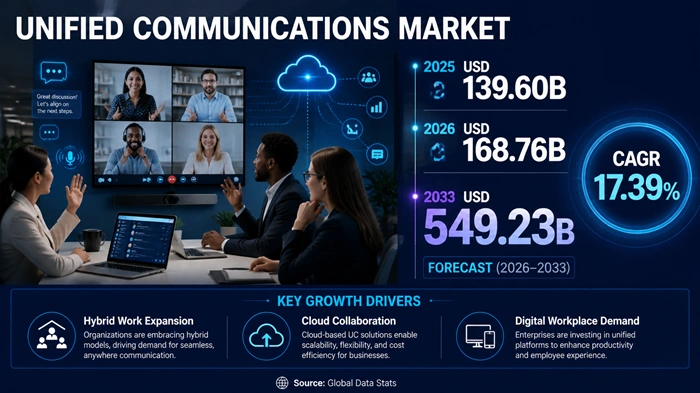
Revolutionizing Workplace Collaboration Through Integrated Digital Communication Platforms and Cloud-Enabled Flexibility
Business communication has undergone a fundamental transformation as enterprises move away from fragmented legacy systems toward unified platforms that combine all communication modes into cohesive environments. The Unified Communications approach eliminates silos between different communication channels, allowing employees to transition smoothly between voice calls, video meetings, chat messages, and file sharing without switching applications or losing conversation context. This integration has become particularly crucial for supporting distributed workforces where teams collaborate across multiple time zones and locations. Technology providers have developed sophisticated UC platforms that incorporate advanced features including artificial intelligence-powered meeting assistants, real-time translation, automated transcription, and intelligent routing systems that enhance communication efficiency while reducing operational complexity.
AI Impact on the Unified Communications Industry
Artificial Intelligence Transforms Communication Quality Through Intelligent Automation and Enhanced User Experience
Artificial intelligence has emerged as a transformative element within the Unified Communications market, fundamentally reshaping how organizations manage communication workflows and enhance user experiences. AI-powered features now handle routine tasks such as meeting scheduling, automated note-taking, real-time transcription, and intelligent summarization that free employees to focus on strategic activities rather than administrative coordination. Machine learning algorithms analyze communication patterns to optimize call routing, ensuring customers connect with the most qualified representatives while reducing wait times and improving first-contact resolution rates. The integration of sentiment analysis capabilities allows UC platforms to detect customer emotions during interactions, enabling supervisors to intervene when conversations require escalation or providing agents with real-time coaching recommendations.
Security and compliance represent critical areas where AI delivers substantial value within the Unified Communications market, particularly for organizations in heavily regulated industries including healthcare, financial services, and government. Machine learning systems continuously monitor communication networks for unusual activities such as unauthorized access attempts, phishing attacks, and data breaches, responding to threats in real-time before they compromise sensitive information. AI-driven automation streamlines compliance processes by automatically recording, archiving, and tagging communications according to regulatory requirements, reducing the burden on IT teams while maintaining adherence to industry standards. Digital workers or AI agents have achieved mainstream adoption with 57% of organizations currently using or testing these capabilities, with adopters reporting 64% faster issue resolution and 58% higher customer satisfaction scores compared to traditional approaches. The agentic AI trend continues accelerating as platforms enable autonomous agents that maintain conversation context and take independent actions within predefined guidelines, representing the next evolution in intelligent communication systems.
Growth Factors
Remote Work Adoption and Digital Transformation Initiatives Accelerate Platform Integration
The widespread shift toward remote and hybrid work models has created unprecedented demand for the Unified Communications market as organizations seek technologies that enable seamless collaboration regardless of physical location. Companies across all industries have recognized that effective communication infrastructure serves as the foundation for maintaining productivity when employees work from diverse environments including home offices, coworking spaces, and traditional corporate facilities. This transformation has driven significant investments in cloud-based UC platforms that provide consistent experiences across desktop computers, smartphones, tablets, and specialized conference room systems. The COVID-19 pandemic accelerated trends that were already underway, compressing several years of digital transformation into months as businesses rapidly deployed video conferencing, chat applications, and collaboration tools to maintain operations during lockdowns.
Enterprise focus on enhancing customer experience has emerged as a powerful driver within the Unified Communications market, with organizations recognizing that integrated communication platforms directly impact customer satisfaction and loyalty. Modern UC systems enable customer service teams to access complete interaction histories across all channels, allowing representatives to provide personalized assistance without requiring customers to repeat information when moving between phone calls, emails, and chat sessions. The convergence of UC and customer experience platforms creates unified ecosystems where employee collaboration tools integrate seamlessly with contact center technologies, resulting in faster issue resolution and more informed decision-making. Small and medium-sized enterprises increasingly adopt UC solutions as subscription-based pricing models eliminate the need for substantial upfront infrastructure investments, making enterprise-grade communication capabilities accessible to organizations of all sizes. Government initiatives promoting digital transformation and smart city development further stimulate market growth by encouraging public sector adoption of modern communication platforms.
Market Outlook
Robust Growth Projections and Technology Innovation Signal Strong Future Expansion
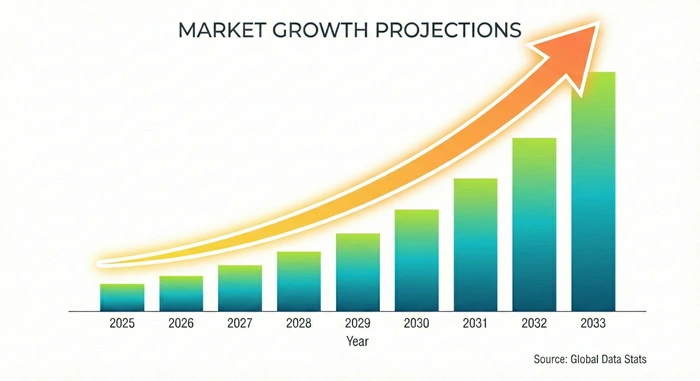
The Unified Communications market demonstrates compelling long-term prospects as providers continuously enhance platform capabilities through integration of emerging technologies including 5G connectivity, edge computing, and Internet of Things devices. Market analysts project sustained double-digit growth rates extending through 2033 as organizations continue migrating from legacy on-premise systems to flexible cloud-based architectures that offer superior scalability and reduced total cost of ownership. North America maintains market leadership position while Asia Pacific emerges as the fastest-growing region driven by rapid digitization, expanding middle classes, and supportive government policies encouraging technology adoption. The transition toward Unified Communications as a Service models accelerates as businesses prioritize flexible deployment options that enable rapid scaling without requiring extensive internal IT resources.
Investment in platform innovation remains robust as technology giants including Microsoft, Cisco, Zoom, and Google compete to deliver comprehensive solutions that address evolving workplace requirements. Providers differentiate their offerings through advanced AI capabilities, enhanced security features, improved interoperability with third-party business applications, and vertical-specific functionality tailored to industries such as healthcare, financial services, manufacturing, and retail. The expansion of 5G networks creates new opportunities for the Unified Communications market by enabling higher-quality video experiences, lower latency for real-time interactions, and improved mobile connectivity that supports truly anywhere workforces. Mergers and acquisitions continue reshaping the competitive landscape as established vendors acquire specialized providers to broaden their service portfolios and expand into new geographic markets or industry segments.
Expert Speaks
-
Microsoft Leadership highlighted their continued investment in Teams platform enhancements with AI-powered Copilot capabilities becoming central to their UC strategy, noting that artificial intelligence features now represent the primary focus of development efforts rather than basic communication functionality.
-
Cisco Executives emphasized the importance of security and network integration in unified communications deployments, particularly as enterprises expand their hybrid work environments and require solutions that maintain consistent performance across diverse connectivity scenarios.
-
Zoom Management discussed their vision for AI-first collaboration experiences where intelligent assistants handle routine coordination tasks, provide real-time insights during meetings, and enable seamless integration with business workflows that drive measurable productivity improvements.
Key Report Takeaways
-
North America leads the Unified Communications market with the largest regional market share of approximately 35.2% due to advanced IT infrastructure, widespread enterprise adoption, and strong presence of major technology providers
-
Asia Pacific emerges as the fastest-growing region with a projected CAGR of 18.6% from 2026 to 2033, driven by rapid urbanization, enterprise digitalization, government support for digital transformation, and expanding SME cloud adoption
-
Cloud-based deployment dominates by capturing 45% market share as organizations prioritize cost-effective, scalable solutions that support remote workforces and reduce infrastructure management burdens
-
Large enterprises represent the primary customer segment with substantial market share driven by complex communication requirements across distributed global operations and need for robust security features
-
The unified messaging solution segment leads in solution category due to critical role in consolidating email, voicemail, SMS, and instant messaging into single platforms that improve communication efficiency
-
SME segment shows strong growth potential with an expected CAGR exceeding 18% as affordable subscription-based UC solutions enable smaller organizations to access enterprise-grade communication capabilities without significant infrastructure investments
Market Scope
| Report Coverage | Details |
|---|---|
| Market Size by 2033 | USD 549.23 Billion |
| Market Size by 2025 | USD 139.60 Billion |
| Market Size by 2026 | USD 168.76 Billion |
| Market Growth Rate from 2026 to 2033 | CAGR of 17.39% |
| Dominating Region | North America |
| Fastest Growing Region | Asia Pacific |
| Base Year | 2025 |
| Forecast Period | 2026 to 2033 |
| Segments Covered | Component, Deployment Mode, Organization Size, Solution, Industry Vertical, Region |
| Regions Covered | North America, Europe, Asia Pacific, Latin America, Middle East and Africa |
Market Dynamics
Drivers Impact Analysis
Hybrid Work Proliferation and Cost Optimization Needs Propel Market Acceleration
| Factor | (≈) % Impact on CAGR Forecast | Geographic Relevance | Impact Timeline |
|---|---|---|---|
| Hybrid Work Adoption | High (3-4%) | Global | 2026-2033 |
| Digital Transformation | High (3-4%) | Global | 2026-2033 |
| Customer Experience Enhancement | Medium-High (2-3%) | North America, Europe, Asia Pacific | 2026-2033 |
| Cost Reduction Priorities | Medium (2-2.5%) | Global | 2026-2033 |
The explosive growth of hybrid and remote work arrangements has positioned the Unified Communications market as essential infrastructure for modern organizations seeking to maintain productivity across distributed teams. Companies have discovered that traditional phone systems and disparate communication tools cannot adequately support workforces that split time between offices, homes, and mobile environments. This realization has driven massive investments in integrated UC platforms that provide consistent user experiences regardless of device type or physical location. The flexibility offered by cloud-based unified communications solutions enables employees to seamlessly transition between work settings while maintaining access to all communication channels including voice, video, messaging, and collaboration tools.
Digital transformation initiatives across virtually all industries have elevated unified communications from optional technology to strategic imperative as organizations recognize that communication infrastructure directly impacts operational efficiency and competitive positioning. Enterprise leaders increasingly view UC platforms as enablers of business process optimization rather than simple replacements for legacy phone systems. The convergence of unified communications with customer experience platforms creates comprehensive ecosystems that enhance both internal collaboration and external customer interactions through shared data, integrated workflows, and consistent cross-channel experiences. Cost optimization remains a powerful driver within the Unified Communications market as subscription-based UCaaS models eliminate expensive on-premise hardware investments while providing predictable monthly expenses that simplify budgeting and financial planning. Organizations achieve additional savings through reduced travel expenses as high-quality video conferencing capabilities enable effective remote meetings that minimize the need for in-person gatherings across geographically distributed teams.
Restraints Impact Analysis
Security Concerns and Integration Complexity Challenge Market Expansion
| Factor | (≈) % Impact on CAGR Forecast | Geographic Relevance | Impact Timeline |
|---|---|---|---|
| Security and Privacy Concerns | Medium (-1.5 to -2%) | Global | 2026-2033 |
| Legacy System Integration | Medium (-1 to -1.5%) | North America, Europe | 2026-2033 |
| Network Infrastructure Limitations | Low-Medium (-0.5 to -1%) | Emerging Markets | 2026-2033 |
| Vendor Lock-in Concerns | Low (-0.5 to -1%) | Global | 2026-2033 |
Security and privacy considerations present significant challenges for the Unified Communications market as organizations transmit sensitive business information across integrated platforms that become attractive targets for cybercriminals. The consolidation of multiple communication channels into single systems creates potential vulnerabilities where successful breaches could compromise voice conversations, video recordings, instant messages, and shared files simultaneously. Regulatory compliance requirements vary substantially across different jurisdictions and industries, forcing UC providers to develop flexible architectures that accommodate diverse data sovereignty rules, retention policies, and access control mandates. Enterprises in heavily regulated sectors including healthcare, financial services, and government face particular scrutiny regarding their communication practices, potentially slowing adoption as organizations carefully evaluate security features and compliance capabilities before committing to specific platforms.
Integration complexity with existing IT infrastructure represents another constraint affecting Unified Communications market growth as many organizations operate legacy systems that require substantial customization to work effectively with modern UC platforms. Companies that have invested heavily in on-premise phone systems, aging PBX equipment, and specialized industry applications face difficult decisions regarding migration timing, transition strategies, and resource allocation. The challenge intensifies for global enterprises operating across multiple regions with diverse technical standards, regulatory requirements, and user preferences that demand localized adaptations rather than standardized global deployments. Network infrastructure limitations in certain emerging markets constrain UC adoption as inadequate internet connectivity, unreliable bandwidth, and inconsistent service quality undermine the user experience for cloud-based communication platforms that depend on stable, high-speed connections. Vendor lock-in concerns create hesitation among some organizations wary of committing to proprietary platforms that could limit future flexibility or create dependency on single suppliers for critical communication infrastructure.
Opportunities Impact Analysis
Vertical Specialization and Emerging Technology Integration Unlock Growth Potential
| Factor | (≈) % Impact on CAGR Forecast | Geographic Relevance | Impact Timeline |
|---|---|---|---|
| Emerging Market Expansion | High (2-3%) | Asia Pacific, Latin America, Middle East | 2027-2033 |
| Industry-Specific Solutions | Medium-High (1.5-2.5%) | Global | 2026-2033 |
| 5G Integration | Medium (1-2%) | Global | 2027-2033 |
| AI and Analytics Enhancement | High (2-2.5%) | Global | 2026-2033 |
Expansion into emerging markets presents substantial opportunities for the Unified Communications market as developing economies invest in digital infrastructure and businesses adopt cloud technologies to compete in global markets. Countries across Asia Pacific, Latin America, Middle East, and Africa demonstrate strong growth potential due to expanding middle classes, increasing smartphone penetration, improving internet connectivity, and supportive government policies encouraging digital transformation. These regions offer particularly attractive opportunities for affordable UCaaS offerings that enable SMEs to access enterprise-grade communication capabilities without requiring significant capital investments in on-premise infrastructure. The relatively low baseline of legacy system deployment in many emerging markets actually provides advantages as organizations can adopt modern cloud-based UC platforms without facing the integration challenges and migration complexities that constrain enterprises in developed economies with extensive existing infrastructure.
Development of industry-specific UC solutions tailored to unique vertical requirements represents a significant growth avenue as providers recognize that generic platforms often fail to address specialized workflows, compliance needs, and user preferences in sectors such as healthcare, manufacturing, education, and hospitality. Healthcare organizations require HIPAA-compliant communication tools with features supporting telemedicine consultations, secure patient information exchange, and integration with electronic health record systems. Financial services firms need UC platforms with advanced security controls, comprehensive audit trails, and capabilities for recording and archiving regulated communications. The integration of 5G connectivity creates opportunities to enhance the Unified Communications market through superior video quality, reduced latency for real-time collaboration, and improved mobile experiences that support truly location-independent workforces. Continued advancement in AI and analytics capabilities enables providers to differentiate offerings through intelligent features including predictive insights, automated workflow optimization, sentiment analysis, and personalized user experiences that drive measurable business value beyond basic communication functionality.
Segment Analysis
By Deployment Mode: Cloud-Based Segment
Scalability and Cost Advantages Drive Accelerated Cloud Platform Adoption
The cloud-based deployment segment commands dominant market share of approximately 45% within the Unified Communications market due to compelling advantages including reduced capital expenditure, rapid deployment timelines, and simplified management that eliminate the need for extensive on-premise infrastructure. This segment encompasses UCaaS offerings where providers host communication platforms in data centers and deliver services to customers via internet connections, enabling organizations to access comprehensive UC capabilities through subscription-based pricing models. North America leads cloud-based UC adoption with mature enterprise acceptance of SaaS delivery models and strong presence of major UCaaS vendors including Microsoft, Cisco, Zoom, RingCentral, and 8x8 who continuously enhance their platforms with new features and integrations. The public cloud sub-segment holds approximately 71% market share as organizations prioritize shared infrastructure that offers maximum cost efficiency and scalability compared to private or hybrid alternatives.
The segment demonstrates particularly strong growth momentum among small and medium-sized enterprises that lack IT resources and capital budgets required for on-premise UC deployments. Cloud-based solutions enable these organizations to access enterprise-grade communication capabilities including video conferencing, instant messaging, unified messaging, and collaboration tools through affordable monthly subscriptions that scale as businesses grow. Asia Pacific emerges as the fastest-growing region for cloud UC platforms driven by rapid SME digitalization, improving internet infrastructure, supportive government policies, and increasing comfort with cloud service models across countries including India, China, Japan, and Southeast Asian nations. The Unified Communications market benefits from continuous platform innovation as vendors leverage cloud architecture advantages to rapidly deploy new AI-powered features, security enhancements, and third-party integrations without requiring customer upgrades or on-site maintenance. Leading providers in this segment including Microsoft Teams, Zoom Phone, RingCentral MVP, Cisco Webex, and 8x8 X Series invest heavily in global data center expansion, compliance certifications, and vertical-specific functionality to capture growing enterprise demand.
By Organization Size: Large Enterprises Segment
Complex Requirements and Global Operations Drive Enterprise Platform Investments
The large enterprises segment represents the dominant organization size category with substantial market share in the Unified Communications market as major corporations require sophisticated platforms capable of supporting thousands of users across multiple geographic locations. This segment includes organizations with over 1000 employees who typically maintain complex IT environments with diverse communication needs spanning headquarters, regional offices, remote workers, retail locations, manufacturing facilities, and customer service centers. These enterprises prioritize UC solutions offering advanced features including granular administrative controls, comprehensive security capabilities, extensive integration options with business applications, high availability guarantees, and dedicated support services. North America and Europe collectively hold dominant positions in large enterprise UC adoption with mature markets characterized by widespread replacement of legacy PBX systems with modern cloud and hybrid platforms.
Large organizations often adopt hybrid deployment models that combine on-premise infrastructure for specific use cases with cloud-based services for flexibility and scalability. The segment shows strong demand for customization capabilities that enable enterprises to tailor UC platforms to unique workflows, industry-specific requirements, and existing IT architectures rather than accepting standardized configurations. Major corporations in sectors including financial services, healthcare, manufacturing, retail, and government drive significant Unified Communications market growth through multi-year digital transformation initiatives that modernize communication infrastructure across entire organizations. Leading vendors serving this segment such as Microsoft, Cisco, Avaya, Mitel, and Alcatel-Lucent Enterprise provide comprehensive platforms with extensive professional services, implementation support, and strategic consulting that address the complexity inherent in large-scale UC deployments. The segment continues evolving as enterprises increasingly seek unified platforms that consolidate previously separate point solutions for telephony, video conferencing, team collaboration, and contact center operations into comprehensive ecosystems that improve user experience while reducing vendor management overhead.
Regional Insights
North America
Mature IT Infrastructure and Innovation Leadership Establish Regional Market Dominance
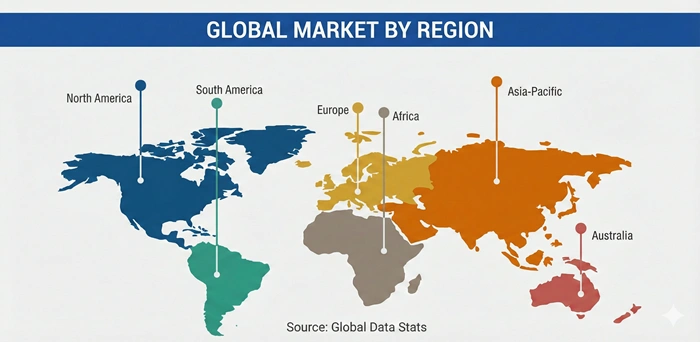
North America commands the largest regional share of approximately 35.2% in the Unified Communications market, supported by advanced IT infrastructure, widespread enterprise cloud adoption, and strong presence of major technology vendors who continuously innovate to maintain competitive positions. The region benefits from mature enterprise awareness of UC benefits and extensive experience deploying unified communication platforms across organizations of all sizes. The United States dominates regional activity with approximately 79.6% market share within North America, driven by rapid hybrid work adoption, increasing demand for secure and scalable communication solutions, and heavy enterprise reliance on video conferencing and collaboration platforms. Technology giants including Microsoft, Cisco, Zoom, Google, and RingCentral maintain headquarters and primary development operations within the region, enabling rapid innovation cycles and close collaboration with enterprise customers.
The North American Unified Communications market demonstrates robust growth as traditional financial institutions, healthcare organizations, manufacturing firms, and government agencies accelerate digital transformation initiatives that prioritize communication infrastructure modernization. Regional enterprises show strong preference for comprehensive platforms that integrate AI-powered features, advanced analytics, and seamless connections with business applications including CRM systems, project management tools, and enterprise resource planning software. Regulatory environments in the United States and Canada generally support technology innovation while maintaining consumer protections, creating favorable conditions for UC providers to develop and deploy new capabilities. Key players serving this market including Microsoft with Teams, Cisco with Webex, Zoom with their unified platform, RingCentral MVP, 8x8 X Series, Avaya OneCloud, and Vonage Business Communications invest substantially in sales channels, partner ecosystems, and vertical specialization to capture enterprise spending.
Asia Pacific
Digital Transformation and Government Support Fuel Fastest Regional Growth
Asia Pacific has emerged as the fastest-growing region in the Unified Communications market with projected CAGR of 18.6% from 2026 to 2033, driven by rapid urbanization, accelerating enterprise digitalization, expanding middle class populations, and supportive government initiatives promoting digital economy development. The region held approximately 24.7% market share reflecting massive consumer bases and rapidly expanding e-commerce, fintech, and technology sectors across countries including China, India, Japan, Australia, South Korea, and Southeast Asian nations. Government policies encouraging cashless transactions, smart city initiatives, and digital infrastructure investments create favorable environments that enable UC providers to scale operations quickly while reaching previously underserved populations with limited access to traditional communication technologies. Smartphone penetration continues growing rapidly across the region, providing the mobile-first foundation necessary for cloud-based UC applications that resonate with younger demographics and digitally native workforces.
The Asia Pacific Unified Communications market benefits from vibrant local technology ecosystems with homegrown providers competing alongside international vendors to serve diverse market preferences and regulatory requirements within individual countries. China presents unique opportunities as the world's second-largest economy with advanced digital payment infrastructure, massive enterprise digitalization investments, and strong government support for domestic technology providers. India demonstrates explosive growth potential driven by expanding IT services sector, growing startup ecosystem, government Digital India initiatives, and increasing SME cloud adoption across tier-two and tier-three cities. Australia maintains regional leadership in UC adoption with clear regulatory frameworks, mature enterprise market, and sophisticated technology buyer preferences that influence trends across the broader Asia Pacific region. Key players active across this diverse region include Microsoft, Cisco, Zoom, Huawei, NEC Corporation, Alcatel-Lucent Enterprise, and numerous local providers tailoring services to specific market requirements, language preferences, and regulatory environments within individual countries.
Top Key Players
-
Microsoft Corporation (United States)
-
Cisco Systems Inc. (United States)
-
Zoom Video Communications Inc. (United States)
-
RingCentral Inc. (United States)
-
8x8 Inc. (United States)
-
Avaya Holdings Corp. (United States)
-
Mitel Networks Corporation (Canada)
-
NEC Corporation (Japan)
-
Alcatel-Lucent Enterprise (France)
-
Huawei Technologies Co. Ltd. (China)
-
Unify GmbH & Co. KG (Germany)
-
Vonage Holdings Corp. (United States)
-
Google LLC (United States)
-
Poly (United States)
Recent Developments
-
Microsoft Corporation (2024-2025) significantly expanded Teams platform capabilities through integration of AI-powered Copilot features that provide meeting summaries, automated action items, and intelligent content recommendations, while achieving substantial market share gains in enterprise UC segment
-
Alianza (2025) completed acquisition of Metaswitch from Microsoft in March, significantly expanding UCaaS capabilities and customer base to serve over 1000 communications service providers including 19 of the top 20 global operators
-
Mitel Networks Corporation (2024) announced strategic partnership with Zoom to deliver AI-first hybrid communications and collaboration solution, while committing to fully integrate new AI-powered capabilities into contact center solutions
-
Blue Mantis (2025) acquired Colligio, a Cisco-focused managed service provider in March, enabling expansion in Northeast United States market and launch of new unified communications practice
-
Cisco Systems Inc. (2024-2025) maintained strong market position through continuous Webex platform enhancements focused on security features, AI integration, and hybrid work capabilities, while experiencing some competitive pressure from rapidly growing cloud-native competitors
Market Trends
AI Integration and Platform Convergence Reshape Industry Landscape
The Unified Communications market continues evolving beyond basic communication functionality as providers integrate sophisticated artificial intelligence capabilities that transform how organizations manage workflows and enhance productivity. Agentic AI represents the next frontier where intelligent assistants maintain conversation context across multiple interactions and take autonomous actions within defined parameters, moving beyond simple task automation to truly intelligent decision support. Leading platforms now incorporate AI-powered meeting assistants that generate automatic transcriptions, identify action items, summarize key discussion points, and even provide real-time language translation enabling seamless communication across global teams. Sentiment analysis and communication intelligence features analyze tone, emotion, and conversation patterns to provide insights that help managers improve team dynamics and customer service representatives enhance interaction quality.
Platform convergence accelerates as the Unified Communications market increasingly overlaps with customer experience, contact center, and collaboration software categories. Organizations seek comprehensive solutions that eliminate boundaries between internal employee communication tools and external customer engagement platforms, creating unified ecosystems where all interactions share common data, workflows, and intelligence. Security enhancements remain top priorities as UC platforms implement advanced threat detection, zero-trust architectures, end-to-end encryption, and comprehensive compliance capabilities that address enterprise concerns about protecting sensitive communications. The shift toward consumption-based pricing models gives organizations greater flexibility by aligning costs with actual usage rather than requiring upfront capacity commitments, making UC platforms more accessible to businesses with fluctuating communication needs. Connected workspace concepts gain traction as UC providers develop deeper integrations with business applications, IoT devices, and workflow automation tools that embed communication capabilities directly into employee work processes rather than treating them as separate activities.
Segments Covered in the Report
By Component
-
Solution
-
Services
By Deployment Mode
-
Cloud-Based
-
On-Premise
-
Hybrid
By Organization Size
-
Large Enterprises
-
Small and Medium-Sized Enterprises
By Solution
-
Unified Messaging
-
Telephony
-
Conferencing
-
Collaboration Platforms and Applications
By Industry Vertical
-
IT and Telecom
-
BFSI
-
Healthcare
-
Retail
-
Manufacturing
-
Government
-
Education
-
Media and Entertainment
-
Others
By Region
-
North America
-
Europe
-
Asia Pacific
-
Latin America
-
Middle East and Africa
Frequently Asked Questions
Question 1: What is the projected Unified Communications market size by 2033?
Answer: The global Unified Communications market is expected to reach approximately USD 549.23 billion by 2033. The market demonstrates robust growth driven by hybrid work adoption, digital transformation initiatives, and increasing demand for integrated communication platforms.
Question 2: Which region dominates the Unified Communications market currently?
Answer: North America holds the largest market share at approximately 35.2% due to advanced IT infrastructure and widespread enterprise adoption. The region benefits from strong presence of major technology vendors and mature understanding of UC platform benefits.
Question 3: What factors drive growth in the Unified Communications market?
Answer: Key drivers include hybrid work model proliferation, digital transformation priorities, customer experience enhancement focus, and cost optimization needs. Organizations increasingly recognize that integrated Unified Communications platforms serve as essential infrastructure for modern distributed workforces.
Question 4: How is AI impacting the Unified Communications market development?
Answer: Artificial intelligence enhances UC platforms through intelligent meeting assistants, automated transcription, sentiment analysis, and agentic capabilities that take autonomous actions. AI integration improves security through real-time threat detection while streamlining compliance processes in the Unified Communications market.
Question 5: Which deployment mode leads the Unified Communications market?
Answer: Cloud-based deployment dominates with approximately 45% market share as organizations prioritize scalable, cost-effective solutions that support remote workforces. The public cloud segment holds 71% of cloud-based Unified Communications market deployments due to superior cost efficiency and flexibility.