
Transdermal Skin Patches Market Overview
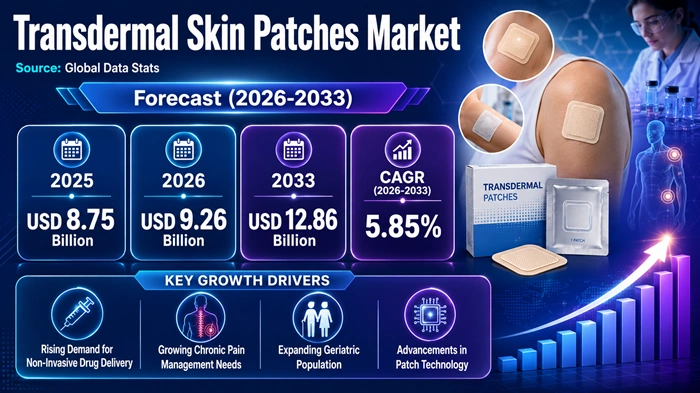
The global transdermal skin patches market size is valued at USD 8.75 billion in 2025 and is predicted to increase from USD 9.26 billion in 2026 to approximately USD 12.86 billion by 2033, growing at a CAGR of 5.85% from 2026 to 2033. This consistent expansion is driven by growing patient preference for non-invasive, controlled drug delivery solutions, a rising global burden of chronic diseases requiring long-term medication management, and continuous pharmaceutical innovation in transdermal formulation technology. From pain management and smoking cessation to hormonal therapy and cardiovascular disease treatment, skin patch delivery systems are proving their clinical versatility and patient compliance advantages across an increasingly wide range of therapeutic applications.
AI Impact on the Transdermal Skin Patches Industry
Artificial Intelligence and Smart Drug Delivery Technology Are Opening an Entirely New Era of Personalized, Responsive, and Data-Driven Transdermal Therapy
Artificial intelligence is beginning to fundamentally change how transdermal skin patch systems are designed, personalized, and monitored. In formulation development, AI-driven modeling platforms are enabling pharmaceutical scientists to predict skin permeation rates, optimize adhesive compositions, and identify the ideal drug-to-excipient ratios far more quickly and accurately than traditional trial-and-error laboratory methods. This accelerates new patch development timelines and reduces the cost of bringing novel transdermal formulations from concept to clinical trial — a significant competitive advantage in a market where product differentiation increasingly depends on delivery precision and patient experience quality.
Beyond development, AI is enabling the emergence of smart transdermal systems that can adapt drug release rates in response to biosensor readings from the patient's skin or blood. Research-stage patches equipped with embedded biosensors and AI-driven microfluidic actuators are capable of detecting real-time physiological signals — such as glucose levels, cortisol concentrations, or pain biomarkers — and adjusting active ingredient delivery accordingly. While fully commercial closed-loop smart patches are still at an advanced development stage, several pharmaceutical and medtech companies are investing heavily in this technology, anticipating that intelligent, responsive transdermal systems will define the next generation of chronic disease management across diabetes, pain, and neurological therapy categories.
Growth Factors
Rising Chronic Disease Prevalence, Patient Compliance Advantages Over Oral Medications, and a Broadening Pipeline of New Transdermal Molecules Are Together Fueling Market Expansion
The most powerful long-term driver of the transdermal skin patches market is the global rise in chronic conditions that require consistent, long-duration medication regimens. Chronic pain, cardiovascular disorders, hormone imbalance, nicotine dependence, Alzheimer's disease, and Parkinson's disease are all conditions where transdermal delivery offers meaningful clinical advantages over oral or injectable alternatives. Patches deliver medication at a controlled, steady rate directly into the bloodstream via skin absorption, bypassing first-pass liver metabolism, reducing gastrointestinal side effects, and — critically — improving patient adherence by eliminating the need for daily multiple-dose oral regimens. For elderly patients managing multiple chronic conditions, or patients with swallowing difficulties, transdermal delivery represents an often superior clinical option.
The expanding pharmaceutical pipeline of new molecules suitable for transdermal delivery is a second high-impact growth driver. Advances in chemical permeation enhancement, microneedle technology, and nano-carrier formulations are making it possible to deliver a wider range of drug molecules through the skin than was achievable with older patch technology. Pharmaceutical companies are actively exploring transdermal formulations for therapeutic categories — including oncology supportive care, immunotherapy, and CNS disorders — that were previously considered unsuitable for skin delivery. Each new approved transdermal drug product expands the total addressable market for skin patch systems and contributes to the broadening of the market's therapeutic relevance across multiple medical specialties.
Market Outlook
The Transdermal Skin Patches Market Is Positioned for Sustained Growth Through 2033, Anchored in Aging Demographics, Wearable Health Technology Convergence, and Emerging Market Expansion
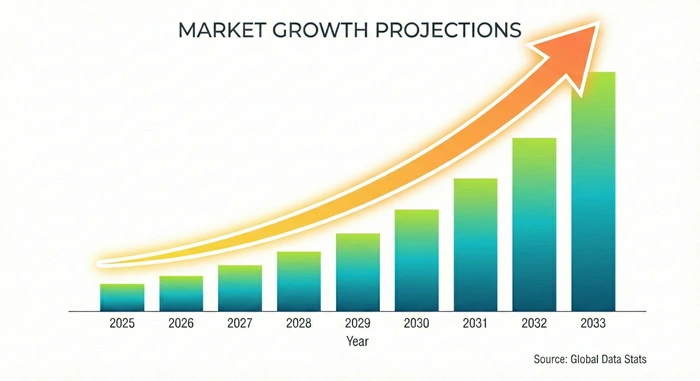
Looking ahead to 2033, the transdermal skin patches sector is supported by a combination of structural demographic and technological forces that will sustain demand well beyond near-term cyclical fluctuations. The aging of the global population — particularly in North America, Europe, China, and Japan — is directly expanding the patient populations most likely to use transdermal medications, as the elderly account for disproportionately high rates of chronic pain, cardiovascular disease, hormone disorders, and neurological conditions. As healthcare systems worldwide strive to improve medication adherence rates and reduce hospitalizations linked to poor chronic disease management, transdermal delivery systems are gaining recognition as an important tool in patient-centric care design.
The convergence of transdermal drug delivery with wearable health technology represents one of the most commercially exciting long-term trends in this market. Wearable biosensor devices are creating new data layers around skin-level pharmacokinetics, and pharmaceutical companies are exploring how this real-time physiological data can be used to personalize patch dosing and optimize therapeutic outcomes. Simultaneously, growth in homecare and self-management healthcare delivery models — accelerated by post-pandemic shifts in how patients interact with healthcare systems — is creating strong demand for convenient, self-administered drug delivery formats like skin patches that require no clinical setting to use effectively. These trends collectively support a market trajectory toward USD 12.86 billion by 2033.
Expert Speaks
-
"Patient adherence remains one of the most significant challenges in chronic disease management, and transdermal delivery systems have a proven track record of improving compliance because they simplify dosing regimens and eliminate the discomfort associated with injections. We see continued strong commercial opportunity for well-designed skin patch products across multiple therapeutic categories." — CEO, Johnson & Johnson
-
"Innovation in transdermal drug delivery is accelerating, and the convergence of smart materials, microneedle technology, and AI-powered biosensing is opening new possibilities for what skin patches can deliver and how precisely they can be controlled. The next decade will produce transdermal solutions that would have seemed impossible just a few years ago." — CEO, Novartis AG
-
"The global aging population and the growing preference for non-invasive, patient-friendly drug delivery formats are two of the most durable commercial tailwinds we see in pharmaceuticals. Transdermal skin patches sit squarely at the intersection of both — and the growing pipeline of new transdermal molecules makes this one of the most exciting delivery platform segments in the industry." — CEO, Teva Pharmaceuticals
Key Report Takeaways
-
North America leads the global transdermal skin patches market with approximately 40% market share in 2025, driven by a high prevalence of chronic pain, cardiovascular disease, and smoking-related conditions, strong healthcare expenditure, established pharmaceutical manufacturer presence, and FDA-supported regulatory pathways for transdermal drug approval
-
Asia Pacific is the fastest-growing regional market, expected to expand at approximately 6.8% CAGR through 2033, driven by a rapidly aging population, rising chronic disease burden, growing healthcare access, increasing patient awareness of transdermal delivery advantages, and expanding pharmaceutical manufacturing capacity in China, India, and Japan
-
Pain management is the dominant application segment, accounting for approximately 35% of the total application segment share in 2025, reflecting the enormous global burden of chronic pain conditions and the strong clinical preference for opioid and NSAID transdermal patches that provide continuous analgesia without the gastrointestinal risks of oral pain medications
-
Drug-in-adhesive patches are the leading product type, commanding approximately 47% market share in 2026, owing to their simpler manufacturing process, lower cost, thinner profile, and strong patient comfort compared to reservoir and matrix alternatives, making them the preferred design for high-volume therapeutic categories including nicotine and hormonal patches
-
Retail pharmacies represent the dominant distribution channel, holding approximately 43% of the distribution segment share in 2025, as the majority of transdermal patch products are used by patients managing chronic conditions in outpatient and homecare settings who resupply through community pharmacy channels
-
The hormonal therapy application segment is expected to grow at the fastest CAGR through 2033, driven by rising awareness and acceptance of hormone replacement therapy among menopausal women globally, growing prescription rates, and new product approvals covering bioidentical hormone formulations in transdermal patch format
Market Scope
| Report Coverage | Details |
|---|---|
| Market Size by 2033 | USD 12.86 Billion |
| Market Size by 2025 | USD 8.75 Billion |
| Market Size by 2026 | USD 9.26 Billion |
| Market Growth Rate from 2026 to 2033 | CAGR of 5.85% |
| Dominating Region | North America |
| Fastest Growing Region | Asia Pacific |
| Base Year | 2025 |
| Forecast Period | 2026 to 2033 |
| Segments Covered | Product Type, Application, End User, Distribution Channel, Region |
| Regions Covered | North America, Europe, Asia Pacific, Latin America, Middle East & Africa |
Market Dynamics
Drivers Impact Analysis
Growing Chronic Disease Burden and the Proven Patient Adherence Advantages of Transdermal Delivery Over Oral Medications Are the Two Most Foundational Growth Catalysts in This Market
| Driver | ≈ % Impact on CAGR Forecast | Geographic Relevance | Impact Timeline |
|---|---|---|---|
| Rising global prevalence of chronic pain, CVD, and hormonal disorders | ~37% | Global, led by North America and Europe | Short to long-term |
| Superior patient adherence and compliance versus oral medication regimens | ~27% | Global | Medium to long-term |
| Expanding pharmaceutical pipeline of transdermal-suitable molecules | ~22% | North America, Europe, Asia Pacific | Medium to long-term |
| Growth in homecare and self-managed chronic disease settings | ~14% | North America, Europe, Asia Pacific | Short to medium-term |
The rising global prevalence of chronic conditions is the most structurally robust demand driver in the transdermal skin patches market. Chronic pain alone affects an estimated 1.5 billion people worldwide, and the conditions most commonly treated with skin patches — including osteoarthritis, neuropathic pain, cardiovascular disease, nicotine addiction, and menopausal hormone imbalance — are growing in incidence as populations age and sedentary lifestyles become more prevalent. For pharmaceutical companies, this expanding patient pool represents a large and growing addressable market for approved transdermal products. For healthcare systems, the clinical value proposition of skin patches — sustained therapeutic effect, reduced dosing frequency, and elimination of first-pass metabolism — is well established and supported by decades of real-world evidence.
Patient adherence is the second major structural driver. Studies across multiple therapeutic categories consistently demonstrate that patients using transdermal patches show significantly higher adherence rates than those prescribed equivalent oral medications requiring daily or multiple-daily dosing. For conditions like nicotine replacement therapy, hormone replacement, and chronic pain management where treatment continuity is directly linked to clinical outcomes, this adherence advantage translates into measurable health benefits — and gives prescribers a strong clinical rationale for preferring transdermal formulations when equivalent options are available. As healthcare systems globally move toward value-based care models that reward improved patient outcomes, the adherence advantages of patch delivery are becoming an increasingly important factor in prescriber and formulary decision-making.
Restraints Impact Analysis
Skin Irritation Reactions, Limited Permeation of High-Molecular-Weight Drugs, and Regulatory Complexity Are the Primary Barriers Constraining Broader Transdermal Patch Adoption
| Restraint | ≈ % Impact on CAGR Forecast | Geographic Relevance | Impact Timeline |
|---|---|---|---|
| Skin irritation, sensitization, and adhesion failure in some patients | ~38% | Global | Short to long-term |
| Limited permeability of skin to large-molecule and hydrophilic drugs | ~30% | Global | Long-term, technological |
| Complex regulatory approval requirements for new transdermal formulations | ~20% | North America, Europe | Medium-term |
| Price sensitivity and generic competition in mature patch categories | ~12% | Global, especially emerging markets | Ongoing |
The most clinically relevant limitation of transdermal drug delivery is the inherent barrier function of healthy human skin, which is specifically designed to prevent external substances from entering the body. While this barrier can be overcome for small, lipophilic drug molecules, it presents a significant technical challenge for the vast majority of modern pharmaceutical compounds — including biologics, proteins, and many synthetic small molecules that are hydrophilic or have high molecular weights. This molecular size constraint limits the range of drugs that can be delivered transdermally using conventional patch technology, restricting the scope of therapeutic categories where skin patches can compete with oral or injectable delivery formats. Overcoming this barrier is the central focus of advanced permeation enhancement research, including microneedle arrays, chemical enhancers, and ultrasound-assisted delivery platforms.
Skin irritation and adhesion reliability represent a second meaningful clinical constraint. A significant minority of patients experience local skin reactions — including redness, itching, and contact dermatitis — at patch application sites, which can reduce tolerability and lead to early discontinuation of therapy. Adhesion failure in humid or physically active conditions is also reported, particularly among patients using patches on limbs or torso areas subject to perspiration or movement. Pharmaceutical companies are investing in improved adhesive formulations and skin-friendly backing materials to address these issues, but they remain relevant clinical considerations that can limit prescriber enthusiasm for transdermal options in patient populations with sensitive skin or high activity levels.
Opportunities Impact Analysis
Microneedle Technology, Smart Wearable Patch Innovation, and Emerging Market Penetration Represent the Three Most Commercially Significant Growth Opportunities Through 2033
| Opportunity | ≈ % Impact on CAGR Forecast | Geographic Relevance | Impact Timeline |
|---|---|---|---|
| Microneedle patch development expanding deliverable drug range | ~42% | North America, Europe, Asia Pacific | Medium to long-term |
| Smart, biosensor-integrated wearable patch systems | ~35% | North America, Europe | Long-term |
| Emerging market expansion driven by aging populations and healthcare access | ~23% | Asia Pacific, Latin America, MEA | Medium to long-term |
Microneedle patch technology represents perhaps the single most transformative commercial opportunity in the transdermal skin patches market through 2033. Microneedle arrays create microscopic channels in the outermost skin layer — too small to stimulate pain receptors but large enough to allow drug molecules that would otherwise be impermeant to enter the bloodstream at therapeutic concentrations. This technology has the potential to expand the range of drugs deliverable through the skin to include vaccines, insulin, monoclonal antibodies, and large peptide molecules — opening entirely new multi-billion-dollar market segments to transdermal delivery. Several microneedle patch products are currently in late-stage clinical development, and the first commercial microneedle vaccine patches have already received regulatory approvals in select markets, validating the commercial pathway for this technology.
Emerging market expansion is a second major opportunity that will contribute meaningfully to revenue growth through the forecast period. Asia Pacific, Latin America, and the Middle East are all experiencing demographic shifts — particularly aging populations and rising rates of lifestyle-related chronic diseases — that are creating new demand for transdermal drug delivery products. At the same time, improving healthcare infrastructure, expanding retail pharmacy networks, growing physician awareness of transdermal delivery advantages, and rising disposable income in countries like China, India, Brazil, and Indonesia are making these markets increasingly viable targets for both branded and generic transdermal patch products. Generic patch manufacturers, in particular, are well positioned to capture volume growth in these price-sensitive markets as branded product patents expire.
Segment Analysis
By Application
Pain Management Leads Application Revenue and Remains the Most Commercially Significant Category in the Transdermal Skin Patches Ecosystem Globally
Pain management holds the leading position in the transdermal skin patches market, accounting for approximately 35% of the total application segment share in 2025 and growing at a CAGR above the market average through 2033. This dominance is rooted in the sheer scale of the global chronic pain epidemic and the strong clinical evidence supporting transdermal opioids, fentanyl patches, and NSAID patches as effective, well-tolerated analgesic options for patients with conditions including cancer pain, osteoarthritis, neuropathic pain, and lower back pain. North America leads pain management patch adoption, driven by high prescription rates for fentanyl transdermal systems and diclofenac patches in the U.S. and Canada, and by the healthcare system's strong focus on pain management protocols for post-surgical and chronic disease patients. Key companies including Teva Pharmaceuticals, Hisamitsu Pharmaceutical, and Novartis have built dominant positions in this segment through established product portfolios and broad pharmacy distribution networks.
Asia Pacific is the fastest-growing regional market for pain management patches, expanding at approximately 7.2% CAGR, driven by Japan's aging population and strong cultural acceptance of topical analgesic patches for musculoskeletal pain, and by rapidly growing prescription rates for pain patches in China and South Korea. Hisamitsu Pharmaceutical — a Japanese company whose Salonpas brand enjoys extraordinary brand recognition across Asia — commands a particularly strong position in the OTC analgesic patch segment, complementing the prescription-dominated market served by multinational pharmaceutical companies. The growing prevalence of arthritis, sports injuries, and age-related musculoskeletal conditions across Asia Pacific is creating a durable long-term demand base for pain management patches that will continue to expand well beyond the current forecast period.
By Product Type
Drug-in-Adhesive Patches Dominate the Product Type Segment, Combining Manufacturing Simplicity, Patient Comfort, and Cost Competitiveness to Lead Market Share
Drug-in-adhesive (DIA) patches hold the dominant position in the transdermal skin patches market by product type, commanding approximately 47% of the total product segment share in 2026. In DIA systems, the active pharmaceutical ingredient is directly incorporated into the adhesive layer itself — eliminating the membrane and reservoir components required in alternative designs, resulting in a thinner, more flexible patch that most patients find significantly more comfortable during extended wear. This design simplicity also translates into lower manufacturing cost and reduced technical complexity, making DIA the preferred format for high-volume commercial categories including nicotine replacement patches, hormonal contraceptive patches, and scopolamine patches for motion sickness. Europe leads DIA patch adoption, with companies including Noven Pharmaceuticals, LTS Lohmann Therapie-Systeme, and Corium International producing large volumes of DIA systems for pharmaceutical brand partners across hormonal therapy and CNS indication categories.
Asia Pacific is an emerging growth region for DIA patch manufacturing and consumption, expanding at approximately 6.5% CAGR as pharmaceutical manufacturing capacity in China and India scales up to serve both domestic markets and global generic supply chains. Chinese contract manufacturers are producing DIA patches for export to regulated markets at competitive price points, while simultaneously capturing domestic market share in the growing OTC and prescription patch categories. Reservoir patches, while smaller in total market share at approximately 28% in 2026, are expected to maintain a premium market position for applications requiring precise, high-concentration drug delivery profiles — including fentanyl systems and advanced hormonal therapy formulations — where the ability to maintain a consistent drug reservoir provides pharmacokinetic advantages over the DIA design.
Regional Insights
North America
North America's High Chronic Disease Prevalence, Advanced Pharmaceutical Ecosystem, and FDA-Backed Regulatory Pathways Make It the Clear Global Leader in Transdermal Skin Patches
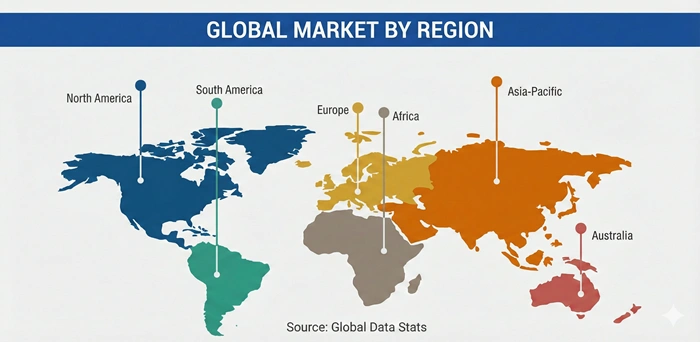
North America holds the dominant position in the global transdermal skin patches market, commanding approximately 40% market share in 2025 and growing at a steady CAGR of approximately 5.6% through 2033. The United States drives the overwhelming majority of regional demand, supported by a high prevalence of chronic pain, cardiovascular conditions, smoking addiction, and hormonal disorders among its aging population, combined with a well-established prescribing culture for transdermal drug products and strong pharmacy distribution infrastructure. Leading companies with dominant North American presence include Teva Pharmaceuticals, Johnson & Johnson, Novartis, Hisamitsu Pharmaceutical, and Noven Pharmaceuticals, all of which maintain extensive product lines covering multiple therapeutic categories and distribution through both retail pharmacy and hospital channels.
The U.S. FDA's well-defined regulatory pathway for transdermal drug approval — including 505(b)(2) applications for modified or new formulations and ANDA pathways for generic patches — provides clarity that supports both new product development and generic entry, fostering a competitive and innovation-rich market environment. Canada contributes meaningfully to North American market revenue, with provincial health plan coverage for many transdermal medications and a growing older population driving demand for hormonal and pain management patches. Mexico is an emerging growth market within the region, where expanding private healthcare access and rising awareness of transdermal delivery advantages among physicians and patients are generating new prescription volumes for both branded and generic skin patch products.
Asia Pacific
Asia Pacific Is the World's Fastest-Growing Transdermal Skin Patches Region, Powered by a Massive Aging Population, Rising Chronic Disease Burden, and Expanding Pharmaceutical Infrastructure
Asia Pacific is positioned to register the fastest CAGR globally in the transdermal skin patches market through 2033 at approximately 6.8%, with Japan, China, India, and South Korea serving as the primary growth engines. Japan has one of the world's most established and sophisticated transdermal patch markets, with a deeply rooted cultural preference for topical and transdermal treatment approaches, a well-developed pharmaceutical regulatory framework for transdermal approvals, and Hisamitsu Pharmaceutical commanding one of the world's largest portfolios of transdermal analgesic and drug delivery products. The Japanese government's aging society policies and national health insurance system, which covers many transdermal medications, support consistent and growing procurement volumes. Key international players including Novartis, Teva, and Noven have built strong Japan distribution partnerships to complement their direct market presence.
China and India are the two highest-growth individual markets within the region, driven by rapidly expanding middle-class access to pharmaceutical care, rising chronic disease rates, and growing physician adoption of transdermal prescribing. In China, domestic pharmaceutical companies are scaling up transdermal manufacturing capabilities, while international players are using local partnerships and NMPA regulatory approvals to enter one of the world's largest and fastest-growing pharmaceutical markets. India's booming generic pharmaceutical industry is making transdermal patches more affordable and accessible across lower-income patient segments, and government health insurance schemes are beginning to incorporate more transdermal medications into reimbursable product lists — both developments that support broad-based market penetration well beyond the urban hospital setting.
Customization Available for This Report
This report offers comprehensive region-wise and country-wise customization, delivering in-depth market sizing, competitive analysis, regulatory landscape review, and demand-side opportunity assessments tailored precisely to your selected geography and the transdermal skin patches keyword combination.
A fully customized version of this report can be prepared for any region or country listed below, providing detailed analysis of market growth dynamics, product adoption trends, key player positioning, distribution channel mapping, and regulatory environment specific to each market:
North America
-
U.S. — FDA regulatory pathways, prescription and OTC patch market dynamics, GPO and retail pharmacy distribution analysis, and chronic disease-driven demand forecasting
-
Canada — Provincial drug coverage policies, aging population demand trends, branded vs. generic patch market share, and distributor landscape
-
Mexico — Growing pharmaceutical access, physician adoption of transdermal therapy, and market entry opportunity analysis for skin patch products
Europe
-
U.K. — NHS formulary inclusion, MHRA regulatory framework, and market analysis for pain, hormonal, and smoking cessation patch categories
-
Germany — Statutory health insurance coverage of transdermal medications, premium market dynamics, and top pharmaceutical manufacturer activity
-
France — Reimbursement policies for transdermal drugs, aging population demand, and key distribution channel analysis
-
Italy — Chronic pain and hormonal therapy patch market, regional health system procurement, and competitive landscape
-
Rest of Europe — Eastern European market development, regulatory harmonization under EMA, and growth opportunity analysis
Asia Pacific
-
China — NMPA approval landscape, domestic manufacturer competitiveness, and urban vs. rural market penetration analysis for skin patches
-
India — Generic patch manufacturing ecosystem, government health insurance coverage, and growing prescription and OTC patch demand
-
Japan — Hisamitsu-dominated market dynamics, aging society demand, and transdermal drug approval regulatory framework
-
South Korea — KFDA regulatory environment, aging population patch demand, and K-pharma transdermal product pipeline
-
Australia — TGA regulatory framework, chronic disease patch market, and retail pharmacy distribution landscape
-
Rest of Asia Pacific — Country-level analysis for Vietnam, Indonesia, Thailand, Philippines, and Malaysia
Latin America
-
Brazil — ANVISA regulatory framework, growing chronic disease patch demand, and market sizing by therapeutic category
-
Argentina — Healthcare access trends, pharmaceutical market development, and transdermal patch adoption patterns
-
Rest of Latin America — Colombia, Peru, Mexico, and Chile country-level market analysis
Middle East & Africa
-
UAE — Private healthcare premium product market, medical tourism, and international patch brand penetration
-
Saudi Arabia — Vision 2030 healthcare investment, chronic disease burden, and pharmaceutical distribution landscape
-
Rest of MEA — Sub-Saharan Africa healthcare access expansion, generic patch availability, and emerging demand growth
Top Key Players
-
Teva Pharmaceutical Industries Ltd (Israel / United States)
-
Novartis AG (Switzerland)
-
Johnson & Johnson (United States)
-
Hisamitsu Pharmaceutical Co. Inc. (Japan)
-
Viatris Inc. (United States)
-
Noven Pharmaceuticals Inc. (United States)
-
LTS Lohmann Therapie-Systeme AG (Germany)
-
Corium International Inc. (United States)
-
Bayer AG (Germany)
-
Mylan N.V. (United States)
-
GlaxoSmithKline plc (United Kingdom)
-
Luye Pharma Group Ltd (China)
-
Teikoku Seiyaku Co. Ltd (Japan)
-
Acrux Limited (Australia)
-
Medrx Co. Ltd (Japan)
Recent Developments
-
In April 2025, Teva Pharmaceuticals announced FDA approval of its updated granisetron transdermal system for the prevention of chemotherapy-induced nausea and vomiting, expanding its transdermal oncology supportive care portfolio and strengthening its competitive position in the high-value patch segment serving cancer treatment centers
-
In November 2024, Hisamitsu Pharmaceutical Co. announced the commercial launch of an updated formulation of its Salonpas transdermal pain patch range in key Asian markets, incorporating improved adhesive technology and extended-wear duration to reduce patch change frequency and improve patient adherence across its large OTC consumer base
-
In January 2025, LTS Lohmann Therapie-Systeme AG expanded its contract development and manufacturing capacity at its German facility with a significant capital investment in new transdermal coating and lamination lines, increasing its ability to serve growing global demand for contract-manufactured drug-in-adhesive skin patches across hormonal, CNS, and pain management categories
-
In March 2025, Luye Pharma Group received Chinese NMPA approval for its rotigotine transdermal patch for Parkinson's disease, marking a significant milestone in the development of the CNS transdermal patch market in China and establishing Luye as a domestic leader in this high-value therapeutic category
-
In September 2024, Corium International entered into a strategic development partnership with a major European pharmaceutical company to co-develop a next-generation microneedle patch system for biologic drug delivery, combining Corium's transdermal delivery expertise with its partner's molecule pipeline to target conditions where injectable administration currently represents the only delivery option
Market Trends
Two Major Forces Are Reshaping the Transdermal Skin Patches Market: The Convergence of Drug Delivery with Wearable Digital Health Technology and the Commercial Emergence of Microneedle Patch Systems
The most consequential technology trend in the transdermal skin patches market is the growing convergence between pharmaceutical drug delivery and digital health wearable technology. Patch manufacturers and pharmaceutical companies are increasingly exploring hybrid products that combine controlled drug release with embedded biosensors, near-field communication (NFC) connectivity, and real-time physiological monitoring capabilities. These "connected" patch systems can transmit data on drug release, patient biometrics, and adherence behavior directly to healthcare provider platforms — enabling a level of therapeutic monitoring and personalization that was previously impossible in any oral or injectable format. Several early-stage and pilot commercial connected patch products have been demonstrated, and growing healthcare provider and payer interest in remote patient monitoring is creating commercial incentives for investment in this innovation category.
Microneedle patch technology is the second defining trend, and its progression toward commercial viability represents the most significant structural shift in the market's long-term growth potential. Dissolvable polymer microneedle arrays, coated microneedle patches, and hollow microneedle systems are all being developed to extend transdermal delivery to drugs and vaccines that cannot penetrate the skin barrier using conventional patch designs. The potential to deliver vaccines through pain-free, nurse-independent microneedle patches has attracted substantial research investment and public health interest globally, particularly following the lessons of COVID-19 vaccination campaigns about the logistical and access challenges of injectable immunization. As regulatory approvals for microneedle products accumulate and manufacturing scale-up becomes commercially viable, this technology will progressively expand the addressable opportunity in the global transdermal skin patches market.
Segments Covered in the Report
By Product Type
-
Matrix Patches
-
Drug Matrix with Adhesive Overlay
-
Rate-Controlling Matrix Systems
-
-
Reservoir Patches
-
Membrane-Controlled Reservoir Systems
-
Liquid and Gel Reservoir Patches
-
-
Drug-in-Adhesive Patches
-
Single-Layer Drug-in-Adhesive
-
Multi-Layer Drug-in-Adhesive
-
-
Vapour Patches
-
Aromatic Vapour Patches
-
Inhalation Aid Patches
-
By Application
-
Pain Management
-
Chronic Pain Relief Patches
-
NSAID Transdermal Patches
-
Opioid Transdermal Systems
-
-
Smoking Cessation
-
Nicotine Replacement Patches
-
Extended-Release Nicotine Systems
-
-
Hormonal Therapy
-
Estrogen and Progesterone Patches
-
Testosterone Delivery Patches
-
Contraceptive Transdermal Patches
-
-
Cardiovascular Diseases
-
Nitrate and Anti-Anginal Patches
-
Antihypertensive Transdermal Systems
-
-
Overactive Bladder
-
Oxybutynin Transdermal Systems
-
Bladder Control Patches
-
-
Central Nervous System Disorders
-
Parkinson's Disease Patches
-
Alzheimer's and Dementia Patches
-
Anti-Nausea and Motion Sickness Patches
-
-
Others
By End User
-
Hospitals and Clinics
-
Inpatient Pain Management
-
Oncology Supportive Care
-
-
Homecare Settings
-
Chronic Disease Self-Management
-
Long-Term Hormone and Pain Therapy
-
-
Ambulatory Surgical Centers
-
Post-Operative Pain Management
-
-
Others
By Distribution Channel
-
Hospital Pharmacies
-
Institutional Procurement Channels
-
Clinical Unit Supply
-
-
Retail Pharmacies
-
OTC and Prescription Patch Retail
-
Community Pharmacy Dispensing
-
-
Online Pharmacies
-
Direct-to-Consumer E-Commerce
-
Digital Health Platform Distribution
-
By Region
-
North America (U.S., Canada, Mexico)
-
Europe (U.K., Germany, France, Italy, Rest of Europe)
-
Asia Pacific (China, India, Japan, South Korea, Australia, Rest of Asia Pacific)
-
Latin America (Brazil, Argentina, Rest of Latin America)
-
Middle East and Africa (UAE, Saudi Arabia, Rest of MEA)
❝ Built for Every Level — From Startups to Industry Giants ❞
Here Is Exactly How This Report Works for You
-
For tier 1 pharmaceutical corporations, institutional investors, and senior commercial strategy executives, this report delivers detailed competitor revenue analysis, segment and regional revenue breakdowns, supply chain risk frameworks, geopolitical impact assessments, and demand-supply dynamics — providing the intelligence foundation for confident decisions around pipeline investment, market entry, product launch prioritization, and M&A targeting in the transdermal skin patches space
-
For tier 2, tier 3 companies, contract manufacturers, pharmaceutical startups, and specialty patch developers, this report maps the most commercially underserved therapeutic categories, identifies high-growth regional markets before they become overcrowded, and benchmarks competitive positioning against established players — providing a practical strategic roadmap to grow market share in a sector where timing, formulation differentiation, and distribution partnerships are decisive competitive factors
-
For all decision-makers across the value chain — from R&D leaders and regulatory strategists to supply chain managers and commercial directors — this report explains precisely how evolving patient preference trends, regulatory approval dynamics, microneedle technology commercialization, and wearable health convergence are reshaping the competitive landscape through 2033, equipping you to move from reactive market participation to proactive, evidence-backed business growth
Frequently Asked Questions
Question 1: What is the current size of the global transdermal skin patches market and how is it expected to grow through 2033?
Answer: The global transdermal skin patches market was valued at USD 8.75 billion in 2025 and is projected to reach USD 12.86 billion by 2033. This growth is driven by rising chronic disease prevalence, expanding pharmaceutical pipelines of transdermal-suitable molecules, and growing patient and prescriber preference for non-invasive, adherence-improving drug delivery formats.
Question 2: What are the major growth drivers in the transdermal skin patches market?
Answer: The primary drivers of the transdermal skin patches market include the global rise in chronic conditions such as chronic pain, cardiovascular disease, and hormonal disorders that benefit from continuous transdermal drug delivery. Superior patient adherence versus oral medications and the expanding pharmaceutical pipeline of new transdermal formulations are additional high-impact structural accelerators.
Question 3: Which region leads the transdermal skin patches market and which is growing the fastest?
Answer: North America holds the dominant position in the transdermal skin patches market with approximately 40% market share in 2025, supported by high chronic disease prevalence and a mature pharmaceutical prescribing culture. Asia Pacific is the fastest-growing region, expected to expand at approximately 6.8% CAGR through 2033, driven by an aging population, rising chronic disease rates, and expanding healthcare infrastructure in China, India, and Japan.
Question 4: What are the most widely used application segments in the transdermal skin patches market?
Answer: Pain management is the leading application segment in the transdermal skin patches market, accounting for approximately 35% of the application segment share in 2025. Hormonal therapy is the fastest-growing application category, driven by rising acceptance of hormone replacement therapy and growing new product approvals for bioidentical hormone transdermal formulations.
Question 5: Who are the leading companies in the transdermal skin patches market and what gives them a competitive edge?
Answer: The leading players in the transdermal skin patches market include Teva Pharmaceuticals, Novartis, Johnson & Johnson, Hisamitsu Pharmaceutical, Viatris, and LTS Lohmann Therapie-Systeme. These companies compete through diversified therapeutic portfolios, regulatory approval track records, established pharmacy distribution networks, and continuous investment in advanced formulation and microneedle delivery technology.