
Tetracyclines Market Overview
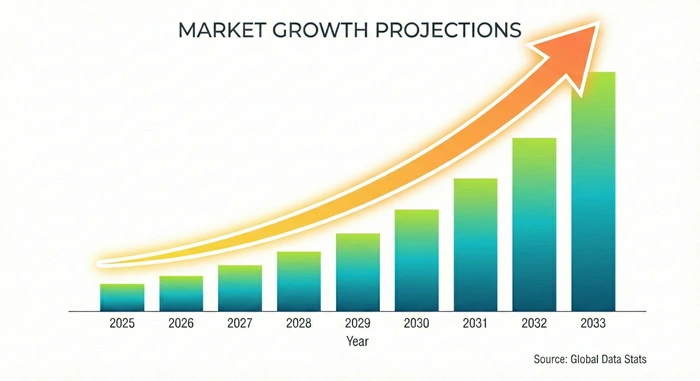
The global tetracyclines market size is valued at USD 36.89 billion in 2025 and is predicted to increase from USD 37.84 billion in 2026 to approximately USD 46.79 billion by 2033, growing at a CAGR of 3.14% from 2026 to 2033.
Tetracyclines represent a crucial class of broad-spectrum bacteriostatic antibiotics that function by inhibiting bacterial protein synthesis through binding to the 30S ribosomal subunit. These medications have established themselves as essential therapeutic agents in treating diverse bacterial infections including respiratory conditions, skin disorders, urinary tract complications, and sexually transmitted diseases. The sustained demand for cost-effective antibiotic solutions, particularly in developing economies where healthcare access remains limited, continues driving market expansion. Recent pharmaceutical innovations have introduced semi-synthetic tetracycline variants such as eravacycline, omadacycline, and sarecycline, which demonstrate enhanced capabilities to overcome common antibiotic resistance mechanisms while offering broader spectrum activity against challenging bacterial strains.

AI Impact on the Tetracyclines Industry
Revolutionizing Drug Development and Manufacturing Efficiency Through Advanced Technologies
Artificial intelligence and automation technologies are fundamentally transforming the tetracyclines market by reshaping research methodologies, production processes, and quality control systems. Machine learning algorithms have become instrumental in predicting bacterial resistance patterns and optimizing compound development, which significantly accelerates preclinical research stages and reduces time-to-market for new tetracycline derivatives. Automated laboratory systems now enable high-throughput screening of tetracycline compounds, enhancing data precision for regulatory submissions while minimizing human error. These AI-driven approaches allow pharmaceutical researchers to analyze vast datasets from clinical trials, patient outcomes, and molecular interactions, uncovering insights that would be impossible to detect through traditional manual analysis methods.
In manufacturing operations and supply chain management, automation technologies have streamlined formulation processes, packaging procedures, and quality assurance protocols across production facilities. AI-enabled demand forecasting systems help manufacturers align production schedules with global consumption trends, minimizing waste and optimizing inventory management across distribution networks. Furthermore, AI-driven pharmacovigilance platforms are improving post-market surveillance capabilities by identifying adverse drug reactions in real time, which supports continuous improvement initiatives and ensures compliance within evolving regulatory frameworks. Natural language processing techniques facilitate deeper understanding of patient experiences and treatment outcomes, enabling pharmaceutical companies to refine tetracycline formulations and develop personalized medicine approaches that cater to individual patient characteristics and genetic profiles.
Growth Factors
Rising Infectious Disease Burden and Cost-Effective Treatment Demand Fueling Market Expansion
The tetracyclines market continues experiencing robust growth driven by the persistent global burden of bacterial infections and the increasing prevalence of respiratory illnesses, skin conditions, and urinary tract infections worldwide. The broad-spectrum efficacy of tetracycline drugs against multiple bacterial pathogens makes them particularly attractive in low- and middle-income countries where access to advanced antibiotic therapies remains constrained by economic factors. Doxycycline has emerged as a preferred treatment option for respiratory infections due to its excellent absorption into lung tissues, while the rising average age of global populations and seasonal illness cycles further elevate demand for these proven antibiotic solutions. The veterinary medicine sector also contributes significantly to market growth, as tetracyclines are widely utilized for treating and preventing diseases in livestock and poultry operations.
Pharmaceutical innovation in developing modified tetracycline formulations represents another critical growth catalyst, as manufacturers invest substantially in research programs aimed at creating compounds capable of overcoming antibiotic resistance challenges. The emergence of third-generation tetracyclines with enhanced stability profiles and improved therapeutic effectiveness has expanded treatment options for healthcare providers managing complex bacterial infections. Additionally, researchers are exploring the anti-inflammatory, immunomodulatory, and potential anti-cancer properties of tetracycline derivatives, which could open new therapeutic applications beyond traditional antibiotic uses. The implementation of antibiotic stewardship programs in hospitals and healthcare institutions is paradoxically supporting the tetracyclines market by promoting appropriate prescribing practices that highlight the effectiveness of these medications when used judiciously for specific bacterial infections.
Market Outlook
Balanced Growth Trajectory Amid Resistance Challenges and Regulatory Evolution
The tetracyclines market outlook reflects a balanced growth trajectory characterized by steady demand fundamentals tempered by evolving challenges related to antimicrobial resistance and regulatory scrutiny. While the market demonstrates mature characteristics in developed regions, developing economies in Asia Pacific, Latin America, and Africa continue exhibiting higher growth rates driven by expanding healthcare infrastructure, rising pharmaceutical manufacturing capacity, and improving access to essential medications. North America maintains its position as the dominant regional market, supported by advanced healthcare systems, substantial research and development investments, and established distribution networks operated by leading pharmaceutical companies. Europe follows closely with stringent regulatory standards that emphasize combating antimicrobial resistance through responsible antibiotic usage.
The forecast period through 2033 presents opportunities for strategic market positioning as pharmaceutical companies navigate the delicate balance between meeting clinical needs and addressing resistance concerns. Generic drug manufacturers are significantly impacting pricing dynamics and overall market competition, particularly in emerging markets where cost considerations remain paramount for healthcare systems and patients. The shift toward personalized medicine approaches, including tailoring antibiotic therapy based on individual patient genetic profiles and microbiome analyses, represents a promising trend that could optimize treatment outcomes while supporting continued market relevance for tetracycline products. Market participants focusing on innovative formulations, strategic partnerships, and targeted marketing campaigns toward specific geographical regions and disease indications are positioned to capture market share in this evolving landscape.
Expert Speaks
-
Evan Loh, MD, Chief Executive Officer of Paratek Pharmaceuticals, emphasized the company's long-term vision to become a multi-product specialty therapeutics company focused on addressing significant unmet medical needs, highlighting how their experienced medical and commercial teams are bringing innovative treatments to specialists and primary care providers.
-
Leading pharmaceutical executives have noted that implementing antibiotic stewardship programs designed to educate healthcare providers about resistance patterns promotes best practices in antibiotic therapy, ensuring tetracyclines are prescribed appropriately while highlighting their effectiveness in responsible clinical practice.
-
Industry leaders in veterinary pharmaceuticals recognize that the agricultural sector plays a key role in market expansion, as tetracyclines remain widely used in veterinary medicine for treating and preventing illnesses in livestock and poultry, though stricter regulations on antibiotic usage in food-producing animals are shaping future market dynamics.
Key Report Takeaways
-
North America leads the tetracyclines market with a dominant market share of approximately 38.27%, driven by advanced healthcare infrastructure, higher healthcare expenditure, and ongoing research and development activities in antibiotic innovation.
-
Asia Pacific region is growing at the fastest CAGR of approximately 3.64% during the forecast period, fueled by rising infection prevalence, expanding population base, improving healthcare access, growth in generic drug production, and expanding veterinary applications.
-
The oral route of administration segment dominates the market, capturing approximately 65% market share in 2025, as oral tetracycline formulations remain the preferred delivery method for treating most bacterial infections due to convenience and patient compliance factors.
-
Respiratory infections application segment represents the largest market segment with approximately 33% market share in 2025, driven by rising prevalence of bacterial pneumonia and the excellent absorption characteristics of doxycycline into lung tissues.
-
The hospitals and clinics end-user segment leads the market with approximately 45% market share in 2025, reflecting the primary role these facilities play in diagnosing and treating bacterial infections requiring tetracycline therapy.
-
The skin and soft tissue infections segment is projected to grow at the fastest CAGR of 4.2% between 2026 and 2035, supported by increasing awareness about topical tetracycline treatments for dermatological conditions including acne and other skin infections.
Market Scope
| Report Coverage Details | |
|---|---|
| Market Size by 2033 | USD 46.79 Billion |
| Market Size by 2025 | USD 36.89 Billion |
| Market Size by 2026 | USD 37.84 Billion |
| Market Growth Rate from 2026 to 2033 | CAGR of 3.14% |
| Dominating Region | North America |
| Fastest Growing Region | Asia Pacific |
| Base Year | 2025 |
| Forecast Period | 2026 to 2033 |
| Segments Covered | Product Type, Application, Route of Administration, End User, Region |
| Regions Covered | North America, Europe, Asia Pacific, Latin America, Middle East and Africa |
Market Dynamics
Drivers Impact Analysis
Expanding Global Disease Burden and Pharmaceutical Innovation Accelerating Market Growth
| Drivers | ≈ % Impact on CAGR Forecast | Geographic Relevance | Impact Timeline |
|---|---|---|---|
| Rising prevalence of bacterial infections | +1.2% | Global, particularly Asia Pacific and Africa | 2026-2033 |
| Cost-effectiveness in developing markets | +0.9% | Asia Pacific, Latin America, Middle East | 2026-2030 |
| Veterinary medicine applications | +0.7% | Global, especially agricultural regions | 2026-2033 |
| Development of novel tetracycline derivatives | +0.8% | North America, Europe | 2027-2033 |
The increasing global burden of bacterial infections remains the primary driver propelling the tetracyclines market forward, as respiratory illnesses, skin conditions, urinary tract infections, and sexually transmitted diseases continue affecting millions of patients worldwide. The broad-spectrum efficacy of tetracycline antibiotics against diverse bacterial pathogens positions these medications as essential therapeutic tools for healthcare providers managing common infections in both developed and developing healthcare systems. The rising incidence of bacterial pneumonia and other respiratory conditions, particularly among aging populations in developed countries and during seasonal illness cycles, has elevated demand for doxycycline and other tetracycline formulations that demonstrate excellent tissue penetration and therapeutic effectiveness. Additionally, the cost-effectiveness of tetracycline medications makes them particularly attractive in resource-constrained healthcare environments where access to newer, more expensive antibiotic classes remains limited by economic considerations and healthcare budget constraints.
Pharmaceutical innovation in developing advanced tetracycline formulations represents another critical growth driver, as research institutions and pharmaceutical companies invest substantially in creating semi-synthetic derivatives capable of overcoming antibiotic resistance mechanisms while maintaining broad-spectrum antibacterial activity. The introduction of third-generation tetracyclines including tigecycline, eravacycline, and omadacycline has expanded treatment options for healthcare providers managing complicated infections caused by resistant bacterial strains that fail to respond to traditional antibiotic therapies. These novel compounds demonstrate enhanced stability profiles in aqueous solutions and improved pharmacokinetic properties that support more convenient dosing regimens and better patient compliance. The veterinary medicine sector continues contributing significantly to market growth, as tetracyclines are extensively utilized for treating and preventing diseases in livestock, poultry, and companion animals, supporting animal health and agricultural productivity across global farming operations.
Restraints Impact Analysis
Antibiotic Resistance and Regulatory Pressures Creating Market Headwinds
| Restraints | ≈ % Impact on CAGR Forecast | Geographic Relevance | Impact Timeline |
|---|---|---|---|
| Rising antimicrobial resistance | -0.8% | Global, particularly high-usage regions | 2026-2033 |
| Stringent regulatory requirements | -0.5% | North America, Europe | 2026-2030 |
| Restrictions on veterinary antibiotic use | -0.4% | Europe, North America | 2026-2028 |
| Side effects and tolerability concerns | -0.3% | Global | 2026-2033 |
The emergence and proliferation of antibiotic-resistant bacterial strains represent the most significant restraint challenging the tetracyclines market, as widespread and sometimes inappropriate use of these antibiotics in human medicine and veterinary applications has contributed to resistance development that reduces therapeutic efficacy. Healthcare professionals increasingly encounter bacterial infections that fail to respond to traditional tetracycline treatments, prompting them to prescribe alternative antibiotic classes for conditions that were previously managed effectively with tetracycline therapy. Global health organizations including the World Health Organization actively promote antimicrobial stewardship programs designed to limit unnecessary antibiotic prescriptions and encourage appropriate use, which can reduce overall market demand for tetracycline products. Clinical studies indicate that approximately 79% of clinicians have limited tetracycline prescriptions due to rising resistance resulting from historical overuse, which constrains therapeutic efficacy and restricts global market growth potential.
Stringent regulatory requirements and evolving guidelines governing antibiotic usage in both human and veterinary medicine create additional market challenges, as regulatory authorities impose stricter approval processes for new tetracycline formulations and establish more rigorous monitoring requirements for existing products. The pharmaceutical industry faces time-consuming and expensive regulatory hurdles when seeking approval for modified tetracycline compounds, which can delay market entry and increase development costs for manufacturers. Concerns about antibiotic residues in food products and their potential contribution to resistance development have prompted regulatory agencies in developed markets to implement restrictions on tetracycline usage in food-producing animals, affecting demand from the veterinary medicine segment. Furthermore, tolerability issues associated with certain tetracycline formulations, including gastrointestinal side effects and photosensitivity reactions, may lead some patients and healthcare providers to prefer alternative antibiotic options when treating susceptible bacterial infections.
Opportunities Impact Analysis
Emerging Markets and Novel Applications Opening New Growth Avenues
| Opportunities | ≈ % Impact on CAGR Forecast | Geographic Relevance | Impact Timeline |
|---|---|---|---|
| Expanding healthcare access in developing regions | +0.9% | Asia Pacific, Africa, Latin America | 2026-2033 |
| Personalized medicine approaches | +0.6% | North America, Europe | 2028-2033 |
| Non-antibiotic therapeutic applications | +0.5% | Global | 2029-2033 |
| Combination therapy development | +0.4% | Global | 2027-2033 |
Expanding healthcare infrastructure and improving access to essential medications in developing regions present substantial growth opportunities for the tetracyclines market, as emerging economies in Asia Pacific, Africa, and Latin America continue investing in healthcare system development and pharmaceutical manufacturing capacity. Rising disposable incomes, increasing health awareness among populations, and government initiatives supporting universal healthcare access are driving higher consumption of antibiotic medications including tetracyclines in these rapidly developing markets. The strong presence of generic drug manufacturers in these regions enables cost-effective production and distribution of tetracycline formulations, making these essential medications accessible to large patient populations that previously lacked adequate treatment options for bacterial infections. India and China represent particularly promising markets, with expanding pharmaceutical manufacturing sectors and growing domestic demand for affordable antibiotic therapies.
The shift toward personalized medicine approaches represents an emerging opportunity for the tetracyclines market, as advances in genetic testing and microbiome analysis enable healthcare providers to tailor antibiotic therapy based on individual patient characteristics and bacterial susceptibility patterns. This precision medicine approach can optimize treatment outcomes while minimizing unnecessary antibiotic exposure and reducing the risk of resistance development. Research exploring the anti-inflammatory, immunomodulatory, and potential anti-cancer properties of tetracycline derivatives could unlock new therapeutic applications beyond traditional antibiotic uses, expanding the market opportunity for these versatile compounds. The development of combination therapies pairing tetracyclines with complementary antibiotics or resistance-inhibiting agents offers another promising avenue, as these formulations can enhance therapeutic efficacy, reduce resistance development, and provide more comprehensive treatment options for complex bacterial infections that prove difficult to manage with single-agent therapy.
Segment Analysis
By Product Type
Doxycycline Dominates with Broad Clinical Applications and Superior Pharmacokinetic Profile
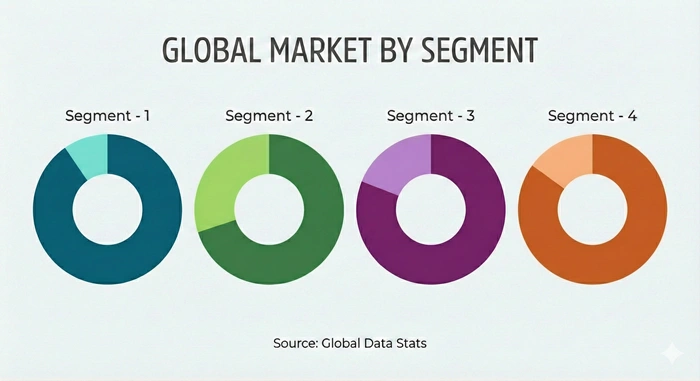
Doxycycline represents the largest product type segment within the tetracyclines market, commanding substantial market share due to its broad-spectrum antibacterial activity, favorable pharmacokinetic properties, and extensive clinical applications across multiple therapeutic areas. This semi-synthetic tetracycline derivative demonstrates excellent tissue penetration characteristics, particularly into respiratory tissues, making it the preferred choice for treating bacterial pneumonia and other pulmonary infections that affect millions of patients worldwide annually. The medication's twice-daily dosing regimen offers superior patient compliance compared to other tetracycline formulations requiring more frequent administration, while its reduced gastrointestinal side effect profile enhances tolerability for extended treatment courses. North America leads the doxycycline segment, driven by high prescription rates among primary care physicians and specialists treating respiratory infections, Lyme disease, and dermatological conditions, with key pharmaceutical companies including Pfizer, Teva Pharmaceuticals, and Mylan maintaining strong market positions through established distribution networks and generic product offerings.
The doxycycline segment is projected to maintain steady growth with a CAGR exceeding 3% through 2033, supported by expanding applications in treating emerging infectious diseases and ongoing research into novel formulations with enhanced bioavailability characteristics. Asia Pacific emerges as the fastest-growing region for doxycycline products, fueled by increasing awareness about antibiotic treatments, rising prevalence of respiratory and vector-borne infections, and expanding generic drug manufacturing capabilities in countries including India and China. Leading pharmaceutical manufacturers in this region, such as Sun Pharmaceutical Industries, Lupin Pharmaceuticals, and Dr. Reddy's Laboratories, leverage cost-effective production methods and extensive distribution networks to capture growing demand from both domestic markets and export opportunities. The veterinary medicine sector also contributes significantly to doxycycline segment growth, as this formulation remains widely utilized for treating respiratory and systemic infections in livestock, poultry, and companion animals across global agricultural operations.
By Application
Respiratory Infections Lead Market Driven by High Disease Burden and Proven Therapeutic Efficacy
The respiratory infections application segment dominates the tetracyclines market, capturing approximately 33% market share in 2025 and representing the largest therapeutic use category for these broad-spectrum antibiotics worldwide. This segment's leadership position stems from the substantial global burden of bacterial respiratory conditions including community-acquired pneumonia, acute exacerbations of chronic bronchitis, and atypical pneumonia caused by pathogens such as Mycoplasma pneumoniae and Chlamydophila pneumoniae that respond effectively to tetracycline therapy. Doxycycline's excellent absorption into pulmonary tissues and proven efficacy against common respiratory pathogens make it a preferred first-line or alternative treatment option for healthcare providers managing these prevalent conditions. The segment benefits from rising infection rates among aging populations in developed countries, seasonal illness cycles that elevate respiratory disease burden during winter months, and increasing recognition of tetracyclines as valuable therapeutic tools in antibiotic stewardship programs that promote appropriate antimicrobial use.
North America leads the respiratory infections segment with the highest market share, supported by well-established clinical guidelines recommending tetracyclines for specific respiratory conditions, robust healthcare infrastructure enabling widespread access to these medications, and strong market presence of major pharmaceutical companies including Pfizer, Abbott, and Teva Pharmaceuticals that maintain comprehensive product portfolios and extensive distribution capabilities. The segment is projected to grow at a steady CAGR of approximately 2.8% through 2033, driven by persistent disease burden and ongoing utilization of tetracyclines as cost-effective treatment alternatives to newer antibiotic classes. Asia Pacific represents the fastest-growing region for this application segment, with increasing healthcare access, rising awareness about bacterial respiratory infections, and expanding pharmaceutical manufacturing capacity supporting market expansion. Key regional players such as Lupin Pharmaceuticals, Sun Pharmaceutical Industries, and Dr. Reddy's Laboratories are capitalizing on growing demand through generic product offerings and competitive pricing strategies that make tetracycline therapy accessible to large patient populations in developing markets.
Regional Insights
North America
Advanced Healthcare Infrastructure and Robust Research Activities Sustaining Market Leadership
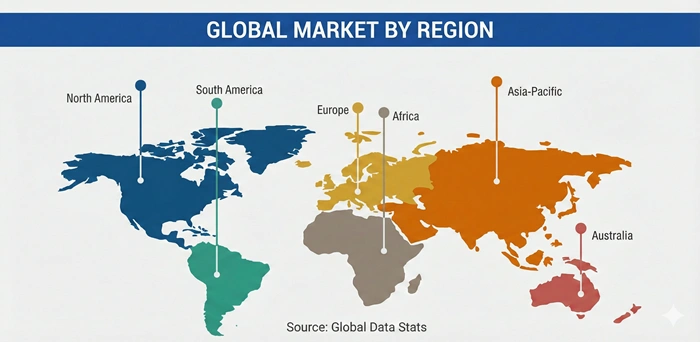
North America maintains its position as the dominant regional market for tetracyclines, commanding approximately 38.27% market share in 2025 and generating the highest revenue contribution among all geographic regions globally. This leadership position reflects the region's advanced healthcare infrastructure, substantial healthcare expenditure that supports widespread access to antibiotic medications, and robust research and development activities focused on developing novel tetracycline formulations and therapeutic applications. The United States represents the largest country market within North America, characterized by high prescription rates for tetracycline antibiotics across diverse therapeutic areas including respiratory infections, dermatological conditions, sexually transmitted infections, and Lyme disease management. Well-established clinical practice guidelines and antibiotic stewardship programs promote appropriate tetracycline use for specific bacterial infections, supporting sustained demand despite growing concerns about antimicrobial resistance. The region is projected to grow at a moderate CAGR of approximately 2.5% through 2033, driven by continued clinical utilization, pharmaceutical innovation, and veterinary medicine applications.
Leading pharmaceutical companies headquartered or maintaining significant operations in North America dominate the regional market, with Pfizer (United States), Abbott (United States), Teva Pharmaceutical Industries (United States operations), and Paratek Pharmaceuticals (United States) representing key market participants with comprehensive tetracycline product portfolios and extensive distribution networks. These companies leverage their established relationships with healthcare providers, strong brand recognition, and ongoing investment in research programs to maintain competitive positions. The North American veterinary medicine sector also contributes substantially to regional market revenue, as tetracyclines remain widely utilized for treating livestock and companion animal infections despite evolving regulatory requirements governing antibiotic use in food-producing animals. Canada represents another important market within the region, characterized by universal healthcare access and established pharmaceutical distribution systems that support tetracycline availability across diverse geographic areas and patient populations.
Asia Pacific
Rapid Market Expansion Driven by Healthcare Access Improvements and Manufacturing Growth
Asia Pacific emerges as the fastest-growing regional market for tetracyclines, projected to expand at a CAGR of approximately 3.64% from 2026 to 2033, significantly outpacing growth rates in mature markets and positioning this region as a critical focus area for pharmaceutical companies seeking expansion opportunities. This robust growth trajectory reflects multiple converging factors including rising infection prevalence across large population bases, expanding healthcare infrastructure that improves access to essential medications, increasing awareness about antibiotic treatments among both healthcare providers and patients, and substantial growth in generic drug manufacturing capacity that enables cost-effective tetracycline production and distribution. Countries including China, India, Southeast Asian nations, and emerging markets across the region contribute to this dynamic growth pattern, with rising disposable incomes and government healthcare initiatives supporting higher consumption of antibiotic medications. The region's large and growing livestock and poultry sectors also drive significant demand for veterinary tetracycline applications, supporting animal health and agricultural productivity across diverse farming operations.
Leading pharmaceutical manufacturers based in Asia Pacific play pivotal roles in regional market development, with Sun Pharmaceutical Industries (India), Lupin Pharmaceuticals (India), Dr. Reddy's Laboratories (India), Aurobindo Pharma (India), and Cipla (India) representing major market participants leveraging cost-effective production capabilities, extensive distribution networks, and deep understanding of local market dynamics to capture growing demand. These companies benefit from India's position as a global generic drug manufacturing hub, producing high-quality tetracycline formulations at competitive prices that enable widespread accessibility across both domestic markets and export opportunities to other developing regions. China hosts several important regional manufacturers as well, including companies focused on active pharmaceutical ingredient production and finished dosage form manufacturing that support both domestic consumption and international supply chains. The Asia Pacific region also benefits from increasing foreign direct investment in pharmaceutical manufacturing facilities, technology transfer initiatives, and capacity expansion projects undertaken by multinational pharmaceutical companies recognizing the region's strategic importance for future growth.
Top Key Players
-
Pfizer Inc. (United States)
-
Abbott Laboratories (United States)
-
Lupin Pharmaceuticals Inc. (India)
-
Dr. Reddy's Laboratories Ltd. (India)
-
Sun Pharmaceutical Industries Ltd. (India)
-
Teva Pharmaceutical Industries Ltd. (Israel)
-
Paratek Pharmaceuticals Inc. (United States)
-
Mylan N.V. (United States)
-
Novartis AG (Switzerland)
-
Merck & Co. Inc. (United States)
-
Galderma S.A. (Switzerland)
-
Aurobindo Pharma (India)
-
Cipla Inc. (India)
-
Johnson & Johnson (United States)
-
Takeda Pharmaceutical Company (Japan)
Recent Developments
-
Paratek Pharmaceuticals (2025) – Completed the acquisition of Optinose Inc. for up to USD 330 million in May 2025, expanding its commercial portfolio beyond its flagship antibiotic NUZYRA to include XHANCE (fluticasone propionate), with the transaction establishing a stronger platform for future product acquisitions leveraging existing commercial capabilities and salesforce infrastructure.
-
Lupin Pharmaceuticals (2025) – Launched Tolvaptan Tablets in the United States market after receiving FDA approval with 180-day exclusivity in May 2025, demonstrating the company's continued focus on specialty pharmaceutical products and expanding its presence in developed markets beyond traditional antibiotic offerings.
-
Lupin Pharmaceuticals (2024) – Introduced a new combination antibiotic under the brand "Resimox Duo" for respiratory tract infections in Southeast Asian markets in December 2024, expanding the company's respiratory product portfolio and strengthening its position in fast-growing emerging markets across the Asia Pacific region.
-
University of Oxford Research Team (2025) – Discovered that existing non-antibiotic medicines including antipsychotics and antimalarials can be combined to inhibit the bacterial Tet(X) enzyme that degrades tetracyclines, providing efficient protection of the antibiotics from resistance mechanisms and potentially extending the clinical utility of existing tetracycline formulations.
-
Third-Generation Tetracycline Development (2024-2025) – Multiple pharmaceutical companies advanced development programs for novel semi-synthetic tetracyclines including eravacycline, omadacycline, and sarecycline, which demonstrate expanded ability to overcome common antibiotic resistance mechanisms and offer broader spectrum of antibacterial activity compared to traditional tetracycline formulations.
Market Trends
Personalized Medicine and Combination Therapies Reshaping Treatment Paradigms
The tetracyclines market is experiencing significant transformation driven by the adoption of personalized medicine approaches that tailor antibiotic therapy based on individual patient characteristics, genetic profiles, and microbiome compositions. Healthcare providers increasingly utilize bacterial susceptibility testing and patient-specific factors to optimize tetracycline prescribing decisions, ensuring these antibiotics are deployed most effectively while minimizing unnecessary exposure that could contribute to resistance development. Hospitals and healthcare institutions are implementing comprehensive antibiotic stewardship programs that educate providers about appropriate tetracycline use, resistance patterns, and best practices in antibiotic therapy, which enhances the responsible utilization of these medications for specific bacterial infections where they demonstrate superior efficacy. The development of combination therapies pairing tetracyclines with complementary antibiotics or resistance-inhibiting compounds represents another important trend, as these formulations can enhance therapeutic effectiveness, reduce resistance emergence, and provide more comprehensive treatment options for managing complex infections that prove challenging with single-agent approaches.
Pharmaceutical research exploring non-antibiotic applications of tetracycline derivatives is opening new therapeutic frontiers, as investigators examine the anti-inflammatory, immunomodulatory, and potential anti-cancer properties of these versatile compounds. Some tetracycline molecules demonstrate ability to stimulate immune system responses in identifying and attacking cancer cells by targeting specific proteins, while others exhibit anti-inflammatory effects that could prove valuable in managing chronic inflammatory conditions beyond traditional infectious disease applications. Manufacturing advances incorporating automation technologies and artificial intelligence-enabled quality control systems are improving production efficiency, reducing costs, and enhancing product quality across global tetracycline manufacturing operations. Digital health technologies including electronic prescribing systems and clinical decision support tools are facilitating more informed tetracycline prescribing practices, helping healthcare providers navigate complex treatment decisions while considering factors such as local resistance patterns, patient characteristics, and alternative therapeutic options.
Segments Covered in the Report
By Product Type
-
Doxycycline
-
Minocycline
-
Tetracycline (Original)
-
Others (Tigecycline, Eravacycline, Omadacycline, Sarecycline)
By Application
-
Respiratory Infections
-
Skin and Soft Tissue Infections (Including Acne)
-
Urinary Tract Infections
-
Sexually Transmitted Infections
-
Other Indications (Periodontal Diseases, Vector-Borne Infections, Other Bacterial Infections)
By Route of Administration
-
Oral
-
Topical
-
Intravenous
-
Others
By End User
-
Hospitals and Clinics
-
Retail Pharmacies
-
Veterinary Clinics
-
Others
By Region
-
North America (United States, Canada, Mexico)
-
Europe (Germany, United Kingdom, France, Italy, Spain, Rest of Europe)
-
Asia Pacific (China, India, Japan, South Korea, Australia, Southeast Asia, Rest of Asia Pacific)
-
Latin America (Brazil, Argentina, Rest of Latin America)
-
Middle East and Africa (GCC Countries, South Africa, Rest of Middle East and Africa)
Frequently Asked Questions
Question 1: What is the expected tetracyclines market size by 2033?
Answer: The global tetracyclines market is expected to reach approximately USD 46.79 billion by 2033. This represents substantial growth from the 2026 baseline driven by increasing bacterial infection prevalence and expanding healthcare access globally.
Question 2: Which region dominates the tetracyclines market currently?
Answer: North America dominates the tetracyclines market with approximately 38.27% market share in 2025, supported by advanced healthcare infrastructure and robust pharmaceutical research activities. The region benefits from established distribution networks and high prescription rates across diverse therapeutic applications.
Question 3: What factors are driving growth in the tetracyclines market?
Answer: The tetracyclines market growth is driven by rising bacterial infection prevalence, cost-effectiveness in developing markets, expanding veterinary medicine applications, and pharmaceutical innovation in novel formulations. Increasing healthcare access in emerging economies also supports sustained market expansion.
Question 4: How is antibiotic resistance affecting the tetracyclines market?
Answer: Antibiotic resistance represents a significant market challenge, with approximately 79% of clinicians limiting tetracycline prescriptions due to resistance concerns. However, development of novel tetracycline derivatives designed to overcome resistance mechanisms is addressing this constraint.
Question 5: Which application segment leads the tetracyclines market?
Answer: The respiratory infections application segment leads the tetracyclines market with approximately 33% market share in 2025. This dominance reflects high disease burden and proven tetracycline efficacy against common respiratory pathogens including bacterial pneumonia.