
Temperature Controlled Packaging Solutions Market Overview
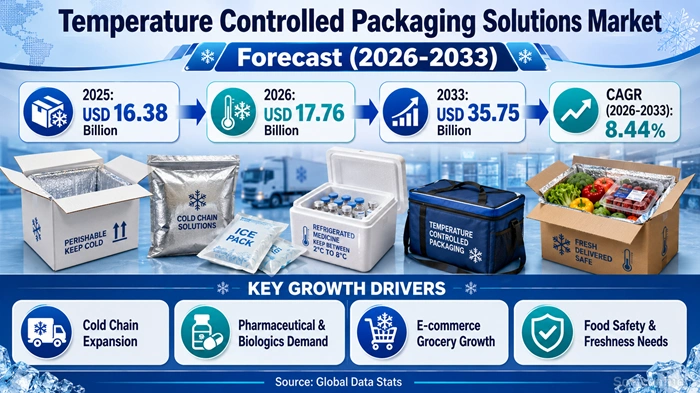
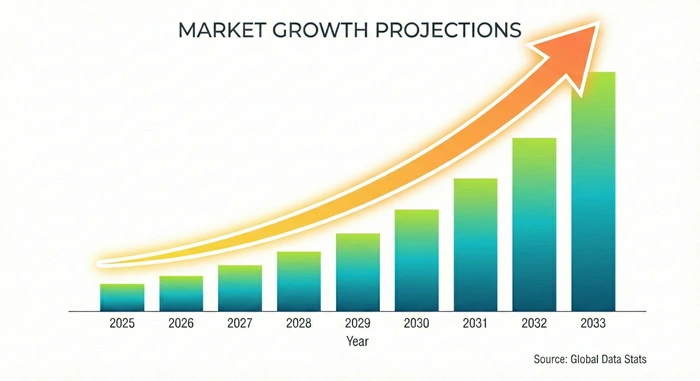
The global temperature controlled packaging solutions market size is valued at USD 16.38 billion in 2025 and is predicted to increase from USD 17.76 billion in 2026 to approximately USD 35.75 billion by 2033, growing at a CAGR of 8.44% from 2026 to 2033.
The temperature controlled packaging solutions market encompasses specialized systems designed to maintain specific temperature ranges for products requiring thermal protection throughout distribution and storage. These advanced packaging technologies serve critical functions including temperature stability maintenance, contamination prevention through sealed barriers, regulatory compliance support, and product integrity preservation for temperature-sensitive goods. Modern solutions integrate innovative materials like phase change materials, vacuum insulated panels, and sophisticated monitoring systems that provide real-time temperature tracking ensuring cargo safety from origin to destination.
Market expansion is driven by increasing demand for biologics and vaccines requiring cold chain logistics, rising consumer preference for fresh and frozen foods, and expanding e-commerce platforms delivering perishable items directly to consumers. The growth of pharmaceutical clinical trials, biotechnology innovations, and global immunization programs creates sustained requirements for reliable thermal packaging that ensures product efficacy while meeting stringent regulatory standards across international distribution networks serving diverse climatic conditions and transportation modes.
AI Impact on the Temperature Controlled Packaging Solutions Industry
Revolutionizing Cold Chain Monitoring and Predictive Performance Analytics
Artificial intelligence is transforming the temperature controlled packaging solutions market by introducing advanced monitoring systems that provide real-time thermal performance tracking and predictive failure analysis. Machine learning algorithms process temperature data from IoT-enabled sensors embedded in packaging, identifying thermal excursions before they compromise product integrity and enabling immediate corrective actions. AI-powered platforms analyze historical performance across diverse shipping routes, identifying patterns that optimize packaging specifications for specific corridors, payload types, and seasonal variations. These intelligent systems provide actionable insights that improve packaging design, reduce product loss, and ensure regulatory compliance throughout complex multi-modal transportation networks.
Predictive maintenance enabled by artificial intelligence is optimizing active temperature controlled systems performance and reducing costly failures in the temperature controlled packaging solutions market. Smart algorithms monitor refrigeration unit performance metrics including power consumption, compressor cycles, and temperature stability patterns to predict potential equipment failures before they occur. AI-driven logistics platforms optimize routing decisions based on weather forecasts, traffic patterns, and temperature requirements, ensuring shipments maintain appropriate thermal conditions throughout transit. This technological integration enables packaging providers to offer superior service reliability, reduce energy consumption, and provide customers with enhanced visibility supporting risk management, inventory optimization, and compliance documentation requirements essential for pharmaceutical and food industries operating under strict regulatory oversight.
Growth Factors
Surging Biologics Development Accelerating Pharmaceutical Cold Chain Demand
The accelerating development and commercialization of temperature-sensitive biologics including monoclonal antibodies, vaccines, and gene therapies is fundamentally reshaping demand in the temperature controlled packaging solutions market. These advanced pharmaceutical products exhibit extreme sensitivity to thermal fluctuations, where even minor temperature deviations can compromise molecular stability, therapeutic efficacy, and patient safety outcomes. The global biopharmaceutical industry is experiencing robust growth with hundreds of biologics in clinical development pipelines requiring sophisticated cold chain logistics throughout research, manufacturing, distribution, and administration phases. Regulatory frameworks including Good Distribution Practice guidelines mandate strict temperature control documentation, creating substantial demand for validated packaging solutions that provide thermal stability assurance and real-time monitoring capabilities.
The temperature controlled packaging solutions market benefits from expanding global immunization programs and increased vaccine distribution requirements particularly in developing regions. International health organizations emphasize reducing vaccine wastage through improved cold chain infrastructure, driving adoption of advanced thermal packaging that maintains required temperature ranges throughout last-mile delivery in challenging environments. The COVID-19 pandemic demonstrated critical importance of reliable cold chain systems for distributing temperature-sensitive vaccines globally, accelerating investments in innovative packaging technologies including ultra-low temperature shippers for mRNA vaccines. Growing pharmaceutical manufacturing in emerging markets, increasing clinical trial activities across diverse geographies, and rising healthcare expenditure globally create favorable conditions for sustained market growth as companies prioritize product integrity protection through sophisticated thermal packaging solutions.
Market Outlook
Sustainability Transformation Driving Reusable Packaging Innovation
The temperature controlled packaging solutions market is experiencing comprehensive transformation as sustainability imperatives reshape material selection, design philosophies, and lifecycle management strategies. Environmental consciousness among pharmaceutical companies, food retailers, and logistics providers is compelling manufacturers to develop reusable packaging systems that reduce waste while maintaining thermal performance standards. Industry leaders are investing heavily in durable multi-use containers incorporating advanced insulation technologies, returnable logistics networks, and cleaning protocols that enable repeated deployment cycles. This transition from single-use disposable packaging toward circular economy models addresses mounting concerns about packaging waste while delivering long-term cost savings through reduced material consumption and disposal expenses.
Digital integration incorporating Internet of Things sensors, blockchain tracking, and cloud-based platforms is opening new capabilities in the temperature controlled packaging solutions market. Smart packaging equipped with real-time temperature logging, GPS location tracking, and automated alert systems provides unprecedented visibility throughout cold chain operations. These connected solutions enable proactive intervention when thermal excursions occur, comprehensive compliance documentation for regulatory audits, and data analytics supporting continuous improvement initiatives. The convergence of physical packaging with digital technologies reflects broader cold chain evolution where packaging becomes an intelligent asset providing value beyond thermal protection through supply chain optimization, quality assurance, and risk mitigation capabilities that serve pharmaceutical manufacturers, food distributors, and logistics providers navigating increasingly complex global distribution networks throughout the forecast period.
Expert Speaks
-
Peter Konieczny, packaging executive at Amcor, noted in 2024 that cold chain packaging is evolving from protection-focused to performance-integrated, stating that sustainability, reusability, and smart sensors are becoming part of baseline expectations, influencing product design especially for reusable pallet shippers, vacuum insulation panels, and phase change materials.
-
A Cold Chain Technologies executive stated during a 2024 industry panel that passive systems meet the triple aim of performance, cost control, and sustainability, emphasizing that this approach proves especially crucial in temperature-sensitive healthcare supply chains where reliability and efficiency must coexist.
-
A Pfizer logistics executive remarked in a 2024 industry presentation that cold chain innovation is not just a requirement but rather an enabler of access for next-generation biologics globally, underscoring the strategic importance of reliable thermal packaging in expanding pharmaceutical access worldwide.
Key Report Takeaways
-
North America dominates the temperature controlled packaging solutions market with the largest regional share of 36.49% in 2024, driven by robust biopharmaceutical industry, extensive clinical trial activities, mature cold chain infrastructure, and stringent regulatory frameworks requiring validated thermal packaging solutions for pharmaceutical and food distribution.
-
Asia Pacific represents the fastest-growing regional market with projected CAGR of 9.65% during the forecast period from 2026 to 2033, fueled by rapid pharmaceutical sector expansion, increasing vaccine distribution requirements, growing e-commerce food delivery, and substantial investments in cold chain infrastructure across China, India, and Southeast Asian nations.
-
Insulated shippers segment commands the dominant insulation type position holding approximately 55.83% market share in 2024, preferred for versatility across diverse applications in pharmaceutical, food, and chemical industries, offering cost-effective thermal protection through advanced phase change materials and vacuum insulated panel technologies.
-
Healthcare end-user segment leads market consumption representing 43.6% of total market share by 2025 and growing at the highest CAGR of 9.49%, driven by strict regulatory requirements for transporting pharmaceuticals, vaccines, and biological samples requiring precise thermal control throughout global distribution networks.
-
Passive systems dominate the type segment capturing approximately 57% market share with continued leadership projected through 2035, favored for energy-independent operation, low maintenance requirements, cost efficiency, and compatibility with various transit durations serving global logistics networks.
-
Polymer-based materials lead the material segment with expanded polystyrene, polyurethane, polypropylene, and polyethylene offering excellent insulation properties, lightweight characteristics, and cost-effectiveness that support diverse temperature-controlled applications across pharmaceutical and food cold chain operations.
Market Scope
| Report Coverage | Details |
|---|---|
| Market Size by 2033 | USD 35.75 Billion |
| Market Size by 2025 | USD 16.38 Billion |
| Market Size by 2026 | USD 17.76 Billion |
| Market Growth Rate from 2026 to 2033 | CAGR of 8.44% |
| Dominating Region | North America |
| Fastest Growing Region | Asia Pacific |
| Base Year | 2025 |
| Forecast Period | 2026 to 2033 |
| Segments Covered | By Type, By Insulation Type, By Product Type, By End User, By Material, and By Region |
| Regions Covered | North America, Europe, Asia Pacific, Latin America, and Middle East & Africa |
Market Dynamics
Drivers Impact Analysis
Rising Demand for Fresh and Frozen Foods Propelling Market Growth
| Factor | (≈) % Impact on CAGR Forecast | Geographic Relevance | Impact Timeline |
|---|---|---|---|
| Fresh and Frozen Food Demand | +1.2% | Global, strongest in Asia Pacific | 2025-2033 |
| Biologics Development | +1.3% | North America, Europe, Asia Pacific | 2026-2033 |
| E-commerce Expansion | +1.0% | Global | 2025-2032 |
Rising demand for fresh and frozen food across the globe represents a major factor driving growth of the temperature controlled packaging solutions market. Changing lifestyles along with busy schedules have driven demand for frozen foods especially in developed countries like the United States and Canada where time constraints have become main factors for shifting consumer preferences toward ready-to-eat meals. These frozen and ready-to-cook foods need specific temperatures for shipment, with the favorable trend of frozen food consumption predictable to encourage the scope of thermal packaging. The Philippines, India, China, and the United States are highly demanding frozen food countries propelling global industry growth through increased participation rates of women in workforce and variety of processed foods supporting market expansion.
The demand for vegetables as well as fresh fruits worldwide has been powered by rising health awareness among consumers in the temperature controlled packaging solutions market. China and South Africa have seen rapid increases in fresh food over past years, resulting in grocery retailers including supermarkets, hypermarkets, and convenience stores increasing investment in advanced fruit and vegetable packaging technology. The Netherlands, United Kingdom, and Belgium are leading importers of fresh fruits and vegetables from developed countries, with bananas being the most consumed fruit in the United States and European countries. Fresh fruit and vegetable suppliers worldwide are expected to increasingly use thermal packaging solutions for finished products, driving sustained market growth as cold chain infrastructure expands and consumer expectations for product quality and safety continue elevating throughout distribution channels serving global markets.
Restraints Impact Analysis
Stringent Regulatory Requirements Creating Compliance Burdens
| Factor | (≈) % Impact on CAGR Forecast | Geographic Relevance | Impact Timeline |
|---|---|---|---|
| Regulatory Complexity | -0.7% | Global, strongest in North America and Europe | 2025-2033 |
| High Investment Costs | -0.6% | Global | 2026-2032 |
| Operational Challenges | -0.5% | Emerging Markets | 2025-2030 |
Stringent government regulations associated with usage of specific types of pharmaceutical products for production of temperature controlled packaging solutions represent major factors expected to limit market growth. Many safety measures are essential to maintain during packaging of pharmaceutical products including clean and dry containers, validated sterilization processes, and documented temperature maintenance throughout distribution. These regulatory requirements create compliance burdens particularly for smaller companies lacking resources to navigate complex frameworks across multiple jurisdictions. High investment and maintenance costs associated with thermal packaging systems particularly active refrigerated solutions present barriers limiting adoption especially among cost-sensitive organizations in emerging markets.
Complex temperature maintenance poses operational challenges in the temperature controlled packaging solutions market despite its necessity in cold chain operations. These systems must integrate multiple components including insulated liners, refrigeration units, thermal sensors, and alert systems to consistently maintain required temperatures across varied logistics conditions. Ongoing performance monitoring, data logging, and compliance validation introduce additional overhead costs while requiring trained personnel and contingency planning that add complexity especially for small to mid-sized businesses lacking advanced infrastructure. Breakdowns in any component can compromise entire shipments, risking regulatory penalties and product recalls that threaten business viability. Standardization, automation, and predictive analytics are increasingly being deployed to address these challenges, however cost and operational constraints remain barriers to widespread adoption among resource-limited stakeholders throughout developing regions.
Opportunities Impact Analysis
Growing Focus on Orphan Drugs Creating Specialized Packaging Demand
| Factor | (≈) % Impact on CAGR Forecast | Geographic Relevance | Impact Timeline |
|---|---|---|---|
| Orphan Drug Development | +0.9% | North America, Europe | 2027-2033 |
| Reusable Systems Adoption | +0.8% | Global | 2026-2033 |
| Smart Packaging Integration | +1.0% | North America, Asia Pacific | 2026-2033 |
Growing focus of pharmaceutical manufacturers on producing drugs and therapies for rare diseases is expected to create lucrative opportunities in the temperature controlled packaging solutions market. Key players operating in pharmaceutical industry are investing heavily on research and development of vaccines for rare diseases including blood disorders, with increasing government initiatives and rising support encouraging companies worldwide to develop orphan drugs. Food and Drug Administration has approved numerous such drugs for rare diseases in recent years, with these orphan drugs formulated by ingredients of high value and short shelf lives. This results in high requirement for stringent temperature-controlled atmospheres thereby raising ultra-low temperature range packaging solutions and fueling target industry growth throughout forecast period.
Acceptance of novel high-performance convection systems that are efficient for warehousing as well as supply of healthcare products is predictable to offer substantial opportunities for vendors in the temperature controlled packaging solutions market globally. Increased adoption of thermal controlled solutions used to enhance shelf life is expected to support industry growth, with demand for vacuum panel insulation with phase change materials enhancing shelf life of stored pharmaceutical products. Increasing adoption of such advanced technologies in pharmaceutical industry is anticipated to fuel market growth as manufacturers prioritize product integrity protection. Digital integration incorporating IoT sensors, real-time tracking, and cloud-based monitoring platforms is creating new value propositions in thermal packaging as companies seek competitive advantages through enhanced visibility, compliance documentation, and risk mitigation capabilities supporting global distribution operations.
Segment Analysis
By Insulation Type
Insulated Shippers Dominating Through Versatility and Technological Innovation
Insulated shippers secured the leading position in the temperature controlled packaging solutions market in 2024 with approximately 55.83% market share, driven by wide variety of applications in many industries including pharmaceutical, food and beverage, and chemical. The convenience of shippers is promoted by developing technology with introduction of phase change materials and vacuum insulated panels technology enabling insulated shippers to offer low-distribution temperature ranges particularly valuable for medicinal and pharmaceutical products. These advanced materials provide consistent thermal protection across extended transit durations without requiring external power sources, making them ideal for global distribution networks serving diverse geographic regions with varying infrastructure capabilities and climatic conditions.
North America and Europe represent the strongest regional markets for insulated shippers driven by extensive pharmaceutical industries and sophisticated food distribution networks. Leading manufacturers including Sonoco ThermoSafe, Pelican BioThermal, Cold Chain Technologies, and Cryopak continuously enhance shipper designs through innovations including reusable containers reducing environmental impact, modular insulation systems enabling payload customization, and integrated temperature monitoring providing real-time visibility. The segment benefits from growing biopharmaceutical logistics requirements where temperature-sensitive products including vaccines, biologics, and clinical trial materials require validated packaging ensuring regulatory compliance. Rising e-commerce food delivery and meal kit subscriptions further drive insulated shipper adoption as consumers expect fresh perishable products delivered with quality comparable to in-store purchases throughout the temperature controlled packaging solutions market expansion.
Healthcare End-User Segment Commanding Critical Market Position
The healthcare segment dominates end-user categories in the temperature controlled packaging solutions market with approximately 43.6% market share in 2025, growing at the highest CAGR of 9.49%. This leadership reflects strict regulatory requirements for transporting pharmaceuticals, vaccines, and biological samples requiring precise thermal control across all distribution stages. The global rollout of temperature-sensitive biologics, cell therapies, and personalized medicines has intensified need for validated packaging ensuring Good Distribution Practice compliance where cold chain breaches can result in significant financial losses and compromised patient safety outcomes. Companies are adopting pre-qualified passive shipping solutions, automated track-and-trace systems, and real-time temperature monitoring supporting long-distance medical shipments.
Regional growth patterns show particularly strong momentum in Asia Pacific markets where expanding pharmaceutical manufacturing, increasing vaccine distribution programs, and growing clinical trial activities drive robust thermal packaging demand. The growth of clinical trials across decentralized locations contributes to sector expansion as pharmaceutical companies require reliable packaging maintaining product integrity across diverse shipping environments and regulatory jurisdictions. Leading packaging providers serving healthcare clients including Sonoco Products Company, Pelican BioThermal, Cold Chain Technologies, and Softbox Systems provide specialized capabilities addressing unique sector requirements including ultra-low temperature solutions for gene therapies, validated systems for regulatory submissions, and reusable containers supporting sustainability objectives. This strategic reliance on robust, regulation-aligned packaging infrastructure positions the healthcare end-use segment to continue leading investment demand in the temperature controlled packaging solutions market as pharmaceutical innovation advances and global health logistics grow in complexity throughout the forecast period.
Regional Insights
North America
Regional Leadership Through Biopharmaceutical Dominance and Regulatory Excellence
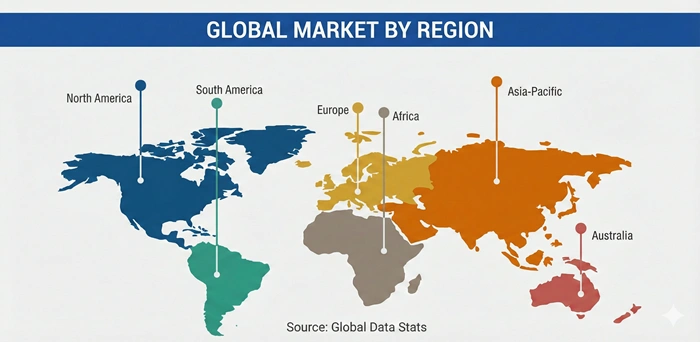
North America dominates the global temperature controlled packaging solutions market with approximately 36.49% market share in 2024, driven by burgeoning demand from healthcare sector and established pharmaceutical industry infrastructure. The United States temperature controlled packaging solutions market size is exhibited at USD 4.95 billion in 2025 and projected to reach USD 10.99 billion by 2034, growing at CAGR of 9.27% reflecting robust expansion. The demand for transporting drugs, vaccines, and clinical trials in North America has triggered thermal packaging growth, with the region being home to many established players engaged in developing technologies and processes necessary to develop cold chain systems efficiently.
Regional market strength is supported by continuous innovation investments by leading companies headquartered throughout North America. Sonoco ThermoSafe, Pelican BioThermal, Cryopak, Cold Chain Technologies, and other major players have introduced validated packaging systems for mRNA vaccines, cell therapies, and regenerative medicines following COVID-19 pandemic acceleration of reusable container solutions equipped with real-time monitoring and tamper-evident features. Updated FDA guidance on cold chain logistics and expanded investment in precision medicine have amplified demand for packaging ensuring efficacy during transit. The integration of AI, predictive analytics, and cloud-enabled track-and-trace platforms is strengthening operational resilience positioning the United States market to remain global benchmark in high-performance thermal packaging. Market dynamics indicate continued North American leadership through 2033 supported by regulatory oversight, technological innovation culture, and concentration of biopharmaceutical expertise driving industry standards evolution worldwide.
Asia Pacific
Fastest Regional Growth Through Pharmaceutical Expansion and Infrastructure Modernization
Asia Pacific represents the fastest-growing regional market in the temperature controlled packaging solutions sector with anticipated CAGR of 9.65% from 2026 through 2033, driven by rapid pharmaceutical sector expansion and cold chain infrastructure modernization. This exceptional growth rate reflects fundamental economic transformations throughout China, India, Southeast Asian nations, and developed markets like Japan and South Korea where rising healthcare expenditure, expanding pharmaceutical manufacturing, and increasing vaccine distribution requirements create substantial thermal packaging demand. The region is emerging as global pharmaceutical production hub with companies establishing facilities leveraging lower costs, growing technical expertise, and proximity to rapidly expanding healthcare markets.
Regional growth dynamics show particularly robust momentum in India and China where government initiatives supporting healthcare system expansion drive medical product adoption. India's temperature controlled packaging solutions market is projected to expand at CAGR of 7.3% through 2035, driven by pharmaceutical exports, vaccine distribution, and digital retail expansion with cold chain infrastructure being modernized through schemes like PM Gati Shakti and PLI incentives for pharma and food sectors. China's temperature controlled packaging solutions market forecast to grow at CAGR of 7.1% between 2025 and 2035, supported by surging e-commerce demand and cold chain modernization where online sales of perishables have significantly increased requirement for reliable thermal packaging. Leading companies operating in Asia Pacific including Sonoco Products Company facilities, regional manufacturers, and logistics providers invest in AI-enabled insulation, modular packaging, and last-mile thermal tracking addressing variable climates and shipping durations. The temperature controlled packaging solutions market shows exceptional growth potential through 2033 supported by favorable demographics, expanding infrastructure, rising environmental awareness, and increasing integration with global pharmaceutical supply chains.
Top Key Players
-
Sonoco Products Company (United States)
-
Pelican BioThermal LLC (United States)
-
Cold Chain Technologies, Inc. (United States)
-
Cryopak Industries Inc. (United States)
-
Envirotainer AB (Sweden)
-
Softbox Systems Ltd (United Kingdom)
-
DGP Intelsius (United Kingdom)
-
AmerisourceBergen Corporation (United States)
-
Snyder Industries Inc. (United States)
-
GEBHARDT Logistic Solutions GmbH (Germany)
-
va-Q-tec AG (Germany)
-
SkyCell AG (Switzerland)
-
CSafe Global (United States)
-
Sofrigam SA Ltd. (France)
-
ACH Foam Technologies LLC (United States)
Recent Developments
-
In 2025, Sonoco ThermoSafe continued expanding its validated packaging systems portfolio for biologics and advanced therapies, introducing enhanced reusable solutions incorporating IoT sensors and real-time temperature monitoring capabilities supporting pharmaceutical manufacturers' needs for compliance documentation and supply chain visibility across global distribution networks.
-
In 2024, Pelican BioThermal launched innovative thermal shipping solutions specifically designed for cell and gene therapies requiring ultra-low temperature maintenance, featuring advanced vacuum insulated panel technology and phase change materials that extend temperature stability duration while reducing packaging weight and environmental impact.
-
In 2024, Cold Chain Technologies introduced next-generation insulated shippers with enhanced sustainability features including increased recycled content and improved reusability characteristics, responding to pharmaceutical industry demands for environmentally responsible packaging solutions that maintain rigorous thermal performance standards required for temperature-sensitive products.
-
In 2024, SkyCell expanded its hybrid container offerings with integrated IoT sensors and data analytics platforms ensuring secure temperature-stable pharmaceutical transportation, providing customers with comprehensive visibility and predictive analytics supporting proactive intervention capabilities when thermal excursions are detected during distribution operations.
-
In 2023, major temperature controlled packaging providers accelerated investments in sustainable materials and circular economy initiatives, developing biodegradable liners, recyclable insulation components, and comprehensive take-back programs for reusable containers addressing growing environmental concerns while maintaining compliance with pharmaceutical regulatory requirements and food safety standards.
Market Trends
Sustainability Transformation Driving Reusable Systems and Circular Economy Models
The temperature controlled packaging solutions market is experiencing comprehensive sustainability transformation as manufacturers respond to environmental pressures and corporate commitments toward reducing packaging waste. Leading companies are investing extensively in developing high-performance reusable packaging systems designed to maximize product lifespan through durable construction, validated cleaning protocols, and returnable logistics networks. This shift from single-use disposable solutions toward multi-use containers addresses mounting concerns about packaging waste while delivering long-term cost savings through reduced material consumption and disposal expenses. Major corporations including pharmaceutical manufacturers and food distributors are establishing ambitious sustainability targets driving industry-wide adoption of circular economy principles.
Industry collaboration between packaging manufacturers, pharmaceutical companies, and logistics providers is accelerating as stakeholders recognize that achieving sustainability goals requires systemic solutions extending beyond individual corporate capabilities. Forward-thinking companies are participating in industry consortiums developing best practices for sustainable cold chain packaging, supporting legislative frameworks incentivizing material recovery, and implementing comprehensive lifecycle assessments quantifying environmental impacts. The development of biodegradable insulation materials, recyclable polymer-based components, and renewable phase change materials reflects ongoing innovation addressing environmental concerns without compromising thermal performance essential for product integrity protection throughout the temperature controlled packaging solutions market evolution.
Segments Covered in the Report
By Type
-
Active
-
Passive
By Insulation Type
-
Insulated Container
-
Chest Style
-
Upright Style
-
-
Insulated Shipper
-
Panels and Envelopes
-
EPS Shippers
-
PUR Shippers
-
VIP Shippers
-
By Product Type
-
Gel Packs
-
Foam Bricks
-
Others
By End User
-
Food and Beverage
-
Healthcare
-
Pharmaceuticals
-
Vaccines
-
Biological Samples
-
-
Others
By Material
-
Polymer-Based Materials
-
Polyethylene
-
Expanded Polystyrene
-
Polyurethane
-
Others
-
-
Compostable Materials
-
Polylactic Acid
-
Polybutylene Adipate Terephthalate
-
-
Sustainable Materials
-
Cotton
-
Metal
-
Paper
-
Post-Consumer Recycled Resin
-
By Region
-
North America
-
United States
-
Canada
-
Mexico
-
-
Europe
-
Germany
-
United Kingdom
-
France
-
Italy
-
Spain
-
Rest of Europe
-
-
Asia Pacific
-
China
-
India
-
Japan
-
South Korea
-
Australia
-
Southeast Asia
-
Rest of Asia Pacific
-
-
Latin America
-
Brazil
-
Argentina
-
Rest of Latin America
-
-
Middle East and Africa
-
GCC Countries
-
South Africa
-
Rest of Middle East and Africa
-
Frequently Asked Questions
Question 1: What is the projected size of the temperature controlled packaging solutions market by 2033?
Answer: The global temperature controlled packaging solutions market is projected to reach USD 35.75 billion by 2033, growing from USD 16.38 billion in 2025. This expansion reflects increasing biologics development, rising frozen food demand, and expanding pharmaceutical cold chain infrastructure worldwide.
Question 2: Which region dominates the temperature controlled packaging solutions market currently?
Answer: North America dominates the temperature controlled packaging solutions market with approximately 36.49% market share in 2024, driven by robust biopharmaceutical industry and stringent regulatory frameworks. Asia Pacific represents the fastest-growing region with projected CAGR of 9.65% through 2033.
Question 3: What is the expected growth rate for the temperature controlled packaging solutions market from 2026 to 2033?
Answer: The temperature controlled packaging solutions market is anticipated to grow at a CAGR of 8.44% from 2026 to 2033. This growth is fueled by increasing vaccine distribution requirements, expanding e-commerce food delivery, and rising adoption of temperature-sensitive biologics globally.
Question 4: Which end-user segment leads the temperature controlled packaging solutions market?
Answer: The healthcare segment dominates the temperature controlled packaging solutions market with approximately 43.6% market share in 2025 and growing at highest CAGR of 9.49%. This leadership stems from strict regulatory requirements for transporting pharmaceuticals, vaccines, and biological samples.
Question 5: What are the primary growth drivers in the temperature controlled packaging solutions market?
Answer: Key growth drivers in the temperature controlled packaging solutions market include rising demand for fresh and frozen foods, increasing biologics development, expanding e-commerce platforms, and growing pharmaceutical clinical trial activities. Vaccine distribution programs also contribute significantly to market expansion.