
Supplemental Health Market Overview
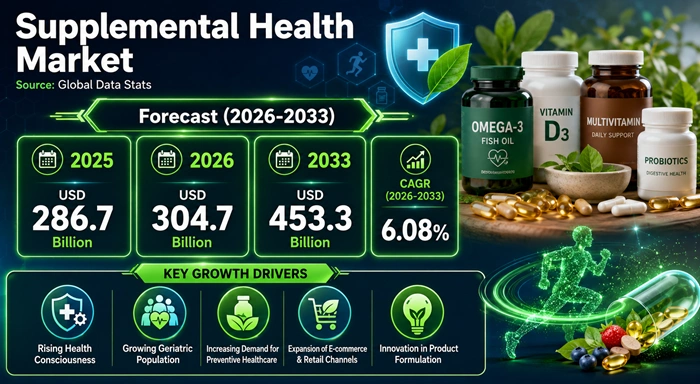
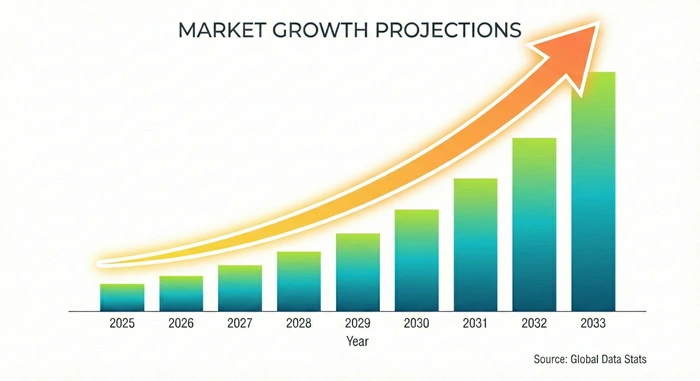
The global supplemental health market size is valued at USD 286.7 billion in 2025 and is predicted to increase from USD 304.7 billion in 2026 to approximately USD 453.3 billion by 2033, growing at a CAGR of 6.08% from 2026 to 2033.
Supplemental health insurance products — including critical illness coverage, hospital indemnity, accident protection, disability income, dental, and vision plans — are gaining significant traction as rising healthcare costs, aging populations, and expanding out-of-pocket medical expenses push individuals and employers to seek financial protection beyond what primary health coverage provides. The market spans both individual and group segments across diverse geographies, underpinned by a growing global awareness of financial vulnerability in the face of unexpected or chronic health events.
AI Impact on the Supplemental Health Industry
Artificial Intelligence Is Reshaping Underwriting Precision, Claims Processing Speed, and Personalized Product Design Across the Supplemental Health Insurance Value Chain
Artificial intelligence is transforming every major operational dimension of the supplemental health insurance sector. In underwriting, AI-powered risk models trained on large clinical, behavioral, and demographic datasets are replacing blunt categorical underwriting approaches with highly granular individual risk assessments that better predict claim probability and cost exposure. This precision enables insurers to offer more accurately priced products — reducing adverse selection while expanding coverage accessibility for lower-risk applicants who would previously have been declined or overcharged. Machine learning systems are also enabling real-time underwriting decisions for simpler supplemental products like accident and hospital indemnity coverage, eliminating delays that discouraged digital channel conversions and allowing insurers to compete more effectively on speed and convenience.
In claims management, AI is dramatically accelerating processing timelines and reducing fraudulent claim payouts in the supplemental health market. Automated document review systems, image recognition for medical record processing, and natural language processing for claim narrative analysis are enabling same-day or real-time adjudication for a growing proportion of standardized supplemental claims. Fraud detection algorithms identify anomalous claim patterns that human reviewers frequently miss, reducing claims leakage that has historically been a significant margin challenge for high-frequency claim products like accident and hospital indemnity coverage. Beyond operations, AI is enabling insurers to develop personalized supplemental health product recommendations delivered through digital channels — analyzing individual health risk profiles, financial exposures, and life stage characteristics to match customers with the specific combination of supplemental coverages that addresses their unique gaps, increasing both conversion rates and customer lifetime value.
Growth Factors
Escalating Out-of-Pocket Healthcare Costs, Aging Populations, and Employer-Driven Benefits Expansion Are Creating a Sustained, Multi-Decade Commercial Growth Opportunity in Supplemental Health Insurance
Rising healthcare costs globally are the most fundamental and commercially powerful driver of the supplemental health market. In developed markets, per-capita healthcare expenditure is growing at 4–6% annually — consistently outpacing general inflation and GDP growth — while primary insurance plans increasingly shift cost exposure to patients through higher deductibles, copayments, coinsurance requirements, and benefit limitations. This structural cost inflation is creating gaps between what primary insurance covers and what patients actually owe, making supplemental health products directly relevant to the financial security of a growing proportion of working adults and families. Average hospitalization costs in North America and Western Europe have increased by 35–45% over the past decade, and the financial shock of an uninsured critical illness or extended hospital stay is now a material financial risk for middle-income households in most developed economies.
Demographic aging is a second major structural growth driver that operates across both developed and emerging markets. Populations aged 65 and above face significantly higher rates of chronic illness, hospitalization, long-term care dependency, and disability — precisely the conditions that supplemental health products are designed to cover. In Japan, South Korea, Germany, and Italy, populations over 65 already exceed 20% of total and are rising rapidly, generating growing demand for long-term care and critical illness supplemental products. In China and India, the absolute number of older adults is growing at an unprecedented pace, with hundreds of millions entering the high-risk age bracket over the current decade. Simultaneously, global employer competition for talent — particularly in technology, professional services, and healthcare sectors — is driving corporate benefit enrichment strategies that include supplemental health as a core differentiation tool, expanding group coverage penetration at mid-market and large enterprise levels across North America, Europe, and increasingly Asia Pacific.
Market Outlook
The Supplemental Health Market Is Entering a High-Growth Phase Characterized by Digital Distribution Transformation, Embedded Insurance Innovation, and Emerging Market Penetration at Scale
The outlook for the supplemental health market through 2033 is shaped by a combination of product innovation, distribution disruption, and geographic demand expansion. The most commercially significant near-term trend is the rapid growth of digital and embedded distribution channels for supplemental health products. Online platform sales of supplemental policies are growing at 14–17% annually — three to four times the rate of traditional broker and agent channels — as consumers increasingly prefer the price transparency, comparison capability, and instant-purchase convenience of digital channels. Embedded insurance — where supplemental health coverage is offered as an integrated add-on within employer benefit portals, banking apps, telehealth platforms, and e-commerce healthcare purchasing journeys — is creating entirely new distribution pathways that reach consumers at decision-relevant moments without requiring dedicated agent intermediation.
Emerging market expansion represents the largest absolute revenue growth opportunity in the supplemental health market over the current decade. In Southeast Asia, South Asia, Latin America, and the Middle East, supplemental insurance penetration among eligible urban populations sits at 8–18% — compared to 45–62% in developed markets — creating a penetration gap that represents hundreds of billions of dollars in potential premium revenue. As middle classes expand, urbanization continues, healthcare costs rise, and governments in countries like India, Vietnam, Indonesia, and Brazil introduce regulatory frameworks supporting private supplemental coverage, the conditions for rapid market development are progressively falling into place. Insurers that establish early distribution infrastructure, regulatory approvals, and brand recognition in these markets will build durable competitive positions that compound in value as penetration rates grow over the coming decade.
Expert Speaks
-
"Rising healthcare costs and widening coverage gaps are creating powerful and enduring demand for supplemental health products across every market we operate in. We are investing significantly in digital distribution capabilities, AI-driven underwriting platforms, and simplified product designs that make it easier than ever for individuals and families to understand and access the supplemental protection they need." — CEO, Aflac Incorporated
-
"The talent competition in today's labor market has elevated supplemental health benefits from a nice-to-have to a genuine business necessity for employers. We are seeing accelerating demand for comprehensive supplemental packages — including critical illness, hospital indemnity, and long-term care — as companies recognize that robust supplemental coverage measurably improves employee retention, productivity, and satisfaction." — CEO, UnitedHealth Group
-
"Supplemental health insurance is one of the most compelling long-term growth opportunities in our industry, particularly in the Asia Pacific and Latin American markets where middle-class expansion and rising healthcare costs are creating enormous unmet need. Our strategy is centered on building digital-first distribution, locally relevant product portfolios, and scalable technology platforms that allow us to serve these markets profitably and at scale." — CEO, Cigna Group
Key Report Takeaways
-
North America leads the global supplemental health market with approximately 38–40% revenue share in 2025, driven by the highest per-capita out-of-pocket healthcare costs among developed nations, a deeply established culture of employer-sponsored supplemental benefits, mature distribution infrastructure through insurance brokers, agents, and workplace programs, and strong consumer awareness of coverage gap risks
-
Asia Pacific is the fastest-growing regional market, projected to expand at approximately 7.2% CAGR through 2033, powered by rapidly aging populations in China, Japan, and South Korea, rising middle-class income levels and healthcare cost awareness in India and Southeast Asia, expanding employer benefit mandates in several countries, and a digital-first distribution environment enabling rapid supplemental insurance penetration among urban demographics
-
Group/employer-sponsored plans represent the dominant coverage type segment, holding approximately 56–57% of total coverage type revenue in 2025, driven by corporate benefit mandates, tax advantages, higher policy persistency rates of 85–92% versus individual plans, and the growing employer recognition that comprehensive supplemental benefits are a material talent retention competitive advantage
-
Critical illness insurance is the leading product type, commanding approximately 28–32% of product segment revenue in 2025, anchored by the massive and growing global burden of cancer, heart attack, and stroke combined with treatment costs that consistently exceed primary insurance limits in both developed and emerging market healthcare systems
-
Insurance brokers and agents remain the dominant distribution channel, holding approximately 38–45% of distribution channel revenue in 2025, though their share is declining as online platforms and employer digital benefit portals capture growing proportions of supplemental policy issuance, particularly among younger and tech-savvy demographics
-
The dental insurance segment is the fastest-growing product type, expected to expand at above-market CAGR through 2033, driven by preventive care focus, tele-dentistry integration, and the increasing employer adoption of dental supplemental coverage as a standard employee benefit component in competitive talent markets
Market Scope
| Report Coverage | Details |
|---|---|
| Market Size by 2033 | USD 453.3 Billion |
| Market Size by 2025 | USD 286.7 Billion |
| Market Size by 2026 | USD 304.7 Billion |
| Market Growth Rate from 2026 to 2033 | CAGR of 6.08% |
| Dominating Region | North America |
| Fastest Growing Region | Asia Pacific |
| Base Year | 2025 |
| Forecast Period | 2026 to 2033 |
| Segments Covered | Product Type, Coverage Type, Distribution Channel, End User, Region |
| Regions Covered | North America, Europe, Asia Pacific, Latin America, Middle East & Africa |
Market Dynamics
Drivers Impact Analysis
Healthcare Cost Inflation and Employer Talent Competition Are the Two Most Commercially Consequential Forces Driving Sustained Premium Growth Across the Supplemental Health Market
| Driver | ≈ % Impact on CAGR Forecast | Geographic Relevance | Impact Timeline |
|---|---|---|---|
| Rising out-of-pocket healthcare costs and primary insurance gap expansion | ~35% | Global, led by North America, Asia Pacific | Short to long-term |
| Employer supplemental benefit expansion driven by talent competition | ~27% | North America, Europe, Asia Pacific | Medium to long-term |
| Aging global population increasing critical illness and long-term care demand | ~25% | North America, Europe, Japan, South Korea | Medium to long-term |
| Digital distribution enabling emerging market penetration at scale | ~13% | Asia Pacific, Latin America, MEA | Medium to long-term |
The acceleration of out-of-pocket healthcare cost exposure is the most immediate and universal driver of demand in the supplemental health market globally. As primary health insurance plans across developed markets respond to their own cost pressures by raising deductibles, introducing higher coinsurance rates, and narrowing covered services, patients are absorbing a growing share of total medical costs directly from personal finances. Studies in the United States show that a significant majority of working-age adults are unable to absorb an unexpected medical bill exceeding $1,000 without financial stress — yet average critical illness treatment costs and standard hospitalization episodes routinely generate patient liability in the thousands to tens of thousands of dollars even for insured individuals. This financial vulnerability gap is not a niche concern but a mainstream reality for middle-income families across most developed and rapidly developing markets, and it is the most powerful motivator for supplemental health insurance purchase decisions.
The employer talent competition dynamic is a second powerful and self-reinforcing commercial driver. Across professional services, technology, healthcare, and financial sectors globally, companies compete intensively for skilled employees, and the comprehensiveness of health and wellness benefits packages has become a material differentiator in recruitment and retention. Corporate human resources data consistently shows that enhanced supplemental benefits — including critical illness, hospital indemnity, and disability coverage — meaningfully improve employee satisfaction scores and reduce voluntary turnover by 12–18%. As multinational companies standardize benefit offerings across global employee bases and extend supplemental coverage into their Asia Pacific and Latin American workforce, they are directly expanding the corporate segment of the supplemental health market in geographies that were previously underpenetrated.
Restraints Impact Analysis
Regulatory Complexity, Consumer Awareness Gaps, and Price Sensitivity in Emerging Markets Are the Three Most Significant Barriers Constraining Faster Supplemental Health Market Growth
| Restraint | ≈ % Impact on CAGR Forecast | Geographic Relevance | Impact Timeline |
|---|---|---|---|
| Regulatory divergence and compliance complexity across markets | ~36% | Global, especially Latin America, MEA | Medium to long-term |
| Low consumer awareness and health insurance literacy in emerging markets | ~29% | Asia Pacific (excluding Japan), Latin America, MEA | Short to medium-term |
| Price sensitivity limiting penetration among lower-income demographics | ~22% | Global, highest impact in emerging markets | Short to long-term |
| Government expansion of public health coverage reducing private market space | ~13% | Europe, select Asia Pacific markets | Long-term |
Regulatory complexity and divergence across the geographies that represent the highest growth potential is one of the most meaningful structural barriers in the supplemental health market. Each country maintains distinct licensing requirements, product filing and approval processes, benefit mandate rules, consumer protection frameworks, and premium rate review mechanisms for health insurance products. Insurers seeking to expand supplemental health offerings across multiple emerging markets must navigate this regulatory patchwork market by market, investing significant legal, compliance, and government relations resources in each jurisdiction. In some markets, regulators are actively strengthening consumer protection oversight — including claims denial transparency requirements and mandated benefit floors — that constrain product design flexibility and compress margins, making market entry economics less attractive for international carriers evaluating capital deployment priorities.
Consumer health insurance literacy remains surprisingly low in many markets that represent significant growth potential for supplemental health products. In large parts of Southeast Asia, South Asia, and sub-Saharan Africa, a meaningful proportion of the target consumer population has limited familiarity with the concept of supplemental coverage, how it complements primary insurance, and how to evaluate the value of different policy designs. This awareness gap means that even in markets with objective affordability and growing middle-class purchasing power, insurers face a consumer education challenge that adds cost and time to the demand development cycle. Distribution channels that include educational content delivery — including financial advisors, workplace benefits counselors, and digital comparison platforms with clear explanatory content — are demonstrably more effective in these markets than transactional-only sales approaches.
Opportunities Impact Analysis
Embedded Insurance Integration, Long-Term Care Product Innovation, and Emerging Market Digital Distribution Are the Three Highest-Value Commercial Growth Opportunities in This Market
| Opportunity | ≈ % Impact on CAGR Forecast | Geographic Relevance | Impact Timeline |
|---|---|---|---|
| Embedded supplemental health insurance in digital health and banking platforms | ~42% | North America, Europe, Asia Pacific | Short to medium-term |
| Long-term care product innovation for aging demographic populations | ~33% | Japan, South Korea, Europe, North America | Medium to long-term |
| Emerging market penetration through digital-first, mobile-native distribution | ~25% | Asia Pacific, Latin America, MEA | Medium to long-term |
Embedded insurance represents the most commercially exciting near-term structural opportunity in the supplemental health market. As banking apps, employer HR platforms, telehealth services, e-commerce health platforms, and wellness apps accumulate millions of daily active users, the ability to offer contextually relevant supplemental health coverage at the moment of maximum user engagement — within a health-related digital interaction — creates conversion opportunities that are fundamentally different from traditional push-based insurance sales. Embedded products with simplified underwriting and instant digital policy issuance are achieving conversion rates significantly above those of traditional distribution for comparable demographic targets. Insurers investing in API-based distribution partnerships with high-traffic digital health and financial platforms are capturing incremental premium volumes outside the competitive pricing environment of traditional broker and agent markets.
Long-term care insurance represents the most demographically inevitable growth opportunity in the supplemental health market over the 2026–2033 forecast period. The global population of individuals aged 65 and above is growing at 3–4% annually, with the highest growth concentrated in Japan, South Korea, Germany, Italy, and the increasingly significant China and India elder care markets. Long-term care costs in facility settings average $4,000–$8,000 per month in developed markets and are rising 6–8% annually, creating a financial risk that most families are structurally unable to self-fund. Despite this clear need, long-term care insurance penetration remains low in most markets due to product complexity, affordability concerns, and insurer claims risk management challenges. Simplified hybrid product designs that bundle long-term care, critical illness, and disability income coverage within affordable single-premium or short-payment-period structures are beginning to address the penetration barriers, and this segment is expected to achieve the highest CAGR of any supplemental health product category through 2033.
Segment Analysis
By Product Type
Critical Illness Insurance Dominates the Product Segment with the Highest Revenue Share, Driven by the Universal Financial Threat of Major Disease Events and Rising Treatment Cost Awareness
Critical illness insurance holds the leading product position in the supplemental health market, accounting for approximately 28–32% of total product segment revenue in 2025 and growing at a solid above-average CAGR. This dominance reflects the broad and universal nature of the financial risk it addresses — cancer, heart attack, stroke, and organ failure collectively affect approximately one in three adults in developed markets over their working lifetimes, and treatment costs for these conditions routinely range from $150,000 to over $500,000 in the United States and Western Europe. Critical illness products appeal across income levels, employment types, and demographic cohorts, making them the most commercially versatile supplemental health category. Asia Pacific is the fastest-growing region for critical illness insurance, expanding at approximately 9–10% CAGR, driven by rapidly rising medical costs, growing consumer awareness of cancer and cardiovascular disease financial risks, and the aggressive distribution of critical illness products through bancassurance and digital channels in China, India, and Southeast Asia.
Major companies including Aflac, Cigna, MetLife, and Prudential Financial lead critical illness product revenues in North America, while AIA Group, Ping An Insurance, and Manulife Financial dominate Asia Pacific market share through extensive agent networks, bancassurance partnerships, and digital platform integrations. Hospital indemnity insurance is the second-largest product type at approximately 24% of product segment revenue, providing per-diem hospitalization benefits that directly offset rising inpatient cost exposure. The dental insurance segment — while smaller at approximately 8–10% product share — is the fastest-growing product type, driven by tele-dentistry adoption, AI-powered claims processing, preventive care incentives, and the progressive integration of dental benefits into comprehensive employer supplemental packages as a distinct competitive differentiator in talent markets.
By Coverage Type
Group/Employer-Sponsored Plans Command Over Half of Coverage Type Revenue and Are the Dominant Commercial Channel for Supplemental Health Insurance Distribution Globally
Group and employer-sponsored supplemental health plans account for approximately 56–57% of total coverage type segment revenue in 2025, representing the majority commercial channel through which supplemental health insurance is purchased and utilized globally. Group plans benefit from significant structural advantages over individual policies — including employer premium contribution (which reduces cost sensitivity), pre-tax benefit eligibility in many markets, administrative efficiency that lowers per-policy operating costs, and captive employee distribution that eliminates acquisition cost. Corporate adoption of group supplemental health benefits is growing at 7.5–7.8% CAGR, driven by talent competition in professional sectors, regulatory mandates in several Asia Pacific nations, and the progressive expansion of benefit offerings from large enterprises (where penetration already exceeds 78% in North America) into mid-market companies where significant headroom for adoption remains. North America and Europe lead group supplemental health revenue, with Aflac, UnitedHealth Group, MetLife, and Unum Group maintaining the strongest corporate distribution positions.
Individual supplemental health plans represent approximately 43% of coverage type revenue in 2025 and are experiencing accelerating growth through digital distribution channels, particularly among self-employed professionals, gig economy workers, and retirees seeking customized supplemental coverage independent of employer sponsorship. The individual segment is growing most dynamically in the supplemental health market across Asia Pacific, where urbanization, rising disposable incomes, and mobile-first digital distribution platforms are enabling rapid insurance penetration among previously uninsured or underinsured urban professional demographics. Online platforms and direct-to-consumer digital channels have reduced individual policy acquisition costs from $30–$50 to $8–$15 per policy, fundamentally improving the economics of individual supplemental distribution and enabling carriers to profitably serve price-sensitive demographic segments that were previously commercially unattractive.
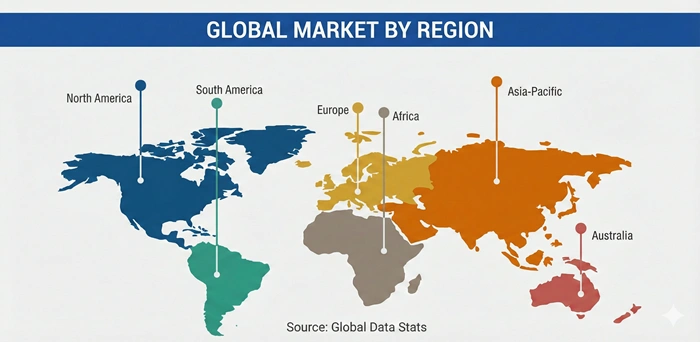
Regional Insights
North America
North America's Dominant Market Position Is Built on the World's Highest Per-Capita Healthcare Out-of-Pocket Exposure, the Most Mature Supplemental Insurance Distribution Infrastructure, and Strong Employer Benefit Mandates
North America leads the global supplemental health market with approximately 38–40% revenue share in 2025, expanding at a regional CAGR of approximately 5.8% through 2033. The United States is the dominant market within the region, shaped by a combination of the world's highest total healthcare spending, a primary insurance system that structurally creates significant patient cost exposure through deductibles, copayments, and benefit limits, and a deeply embedded employer-sponsored benefits culture that provides the most efficient distribution channel for group supplemental products. Aflac — historically the defining brand in U.S. supplemental insurance — leads individual and group segment revenue, while UnitedHealth Group, Humana, MetLife, Cigna, and Elevance Health maintain large corporate supplemental portfolios distributed through broker networks, direct sales forces, and integrated employer benefit platforms.
The Affordable Care Act has strengthened the North American market by expanding primary insurance access while simultaneously creating a population more aware of coverage limits — increasing supplemental product consideration among newly insured individuals who discover firsthand the out-of-pocket costs that primary plans do not eliminate. Canada contributes to regional demand through employer supplemental benefit programs and individual coverage of dental, vision, and disability income gaps left by provincial health systems. The U.S. supplemental market continues to evolve with digital distribution investment by traditional carriers, growing adoption of voluntary benefits platforms by employers, and the emergence of fintech-enabled distribution channels that are expanding supplemental insurance reach among younger and gig economy demographics underserved by traditional agent-based models.
Asia Pacific
Asia Pacific Is the Fastest-Growing Region in the Supplemental Health Market, Where Demographic Aging, Middle-Class Expansion, and Digital Distribution Are Converging to Create a Generational Growth Opportunity
Asia Pacific is projected to register the highest regional CAGR globally at approximately 7.2% through 2033, making it the most strategically critical growth region in the supplemental health market. China is the largest and most dynamic individual country market within the region, with an enormous middle-class consumer base, rapidly aging demographics, escalating healthcare costs, and a robust bancassurance and digital distribution infrastructure that has enabled mass-market supplemental insurance adoption. Ping An Insurance, AIA Group, China Life, and PICC are the dominant players in the Chinese supplemental health market, competing across critical illness, accident, and hospital indemnity product categories through extensive agent networks, bank partnerships, and increasingly AI-driven digital distribution platforms.
Japan and South Korea represent mature high-value markets where long-term care and critical illness supplemental products are essential components of personal financial planning for aging populations. India is the most significant emerging market opportunity within the region, with a rapidly expanding urban middle class, rising healthcare cost awareness, government health insurance programs creating a stepping stone to private supplemental coverage, and a digital-first population that is highly receptive to mobile-first insurance distribution. Cigna, Manulife, Sun Life Financial, and Zurich Insurance are investing in Asia Pacific distribution expansion through regulatory approvals, bancassurance agreements, and digital platform partnerships that position them to capture the region's long-duration supplemental health growth potential through 2033 and beyond.
Customization Available for This Report
This report offers comprehensive region-wise and country-wise customization, delivering tailored market intelligence on product adoption trends, distribution channel analysis, regulatory environment, competitive landscape, and growth opportunities specifically aligned to your selected geography and the supplemental health market keyword combination.
A fully customized version of this report can be prepared for any region or country listed below, providing actionable and geographically specific insights for insurers, distributors, technology providers, and investors:
North America
-
U.S. — ACA impact analysis, employer benefit mandate landscape, Medicare supplemental coverage trends, state-level regulatory frameworks, and competitive carrier analysis
-
Canada — Provincial health system gap coverage, employer supplemental benefit adoption, national dental care program impact, and key carrier and broker landscape
-
Mexico — IMSS and private employer supplemental benefit trends, rising middle-class demand, and market entry strategy analysis for international insurers
Europe
-
U.K. — NHS coverage gap analysis, FCA regulatory framework, employer supplemental benefit market, and key carrier competitive landscape
-
Germany — Statutory and private health insurance co-existence, supplemental product regulatory environment, employer benefit culture, and market growth forecasting
-
France — Mutuelle complementary insurance market, regulatory framework, bancassurance penetration, and competitive landscape analysis
-
Italy — Private supplemental coverage landscape, employer benefit adoption, aging population demand for long-term care products
-
Rest of Europe — Eastern European supplemental insurance market development, regulatory harmonization, and growth opportunity analysis
Asia Pacific
-
China — CBIRC regulatory framework, bancassurance dynamics, critical illness product landscape, digital distribution growth, and domestic vs. international carrier competition
-
India — IRDAI regulatory environment, government health scheme complementarity, digital distribution expansion, and employer supplemental benefit growth
-
Japan — Aging society long-term care demand, regulatory framework, domestic carrier dominance, and international market entry analysis
-
South Korea — FSC regulatory landscape, advanced supplemental insurance market, competitive dynamics, and digital distribution analysis
-
Australia — APRA regulatory framework, employer benefit structure, private health insurance complementarity, and supplemental product landscape
-
Rest of Asia Pacific — Country-level supplemental health insurance opportunity analysis for Vietnam, Indonesia, Thailand, Philippines, and Malaysia
Latin America
-
Brazil — ANS regulatory framework, private supplemental coverage landscape, employer benefit adoption, and middle-class demand growth analysis
-
Argentina — Health insurance market dynamics, economic environment impact on supplemental adoption, and market entry opportunity analysis
-
Rest of Latin America — Colombia, Peru, Chile, and Mexico supplemental health market sizing and growth opportunity analysis
Middle East & Africa
-
UAE — Private employer benefit market, expatriate population coverage demands, and premium supplemental insurance landscape
-
Saudi Arabia — Vision 2030 healthcare transformation, mandatory employer health insurance framework, and supplemental coverage opportunity
-
Rest of MEA — Sub-Saharan Africa mobile insurance growth, NGO-supported health coverage programs, and emerging supplemental market analysis
Top Key Players
-
Aflac Incorporated (United States)
-
UnitedHealth Group Incorporated (United States)
-
Cigna Group (United States)
-
MetLife Inc. (United States)
-
Humana Inc. (United States)
-
Elevance Health Inc. / Anthem (United States)
-
Prudential Financial Inc. (United States)
-
Unum Group (United States)
-
Guardian Life Insurance Company of America (United States)
-
Allstate Benefits (United States)
-
Aetna Inc. / CVS Health Corporation (United States)
-
Allianz SE (Germany)
-
AXA Group (France)
-
Zurich Insurance Group (Switzerland)
-
Chubb Limited (Switzerland / United States)
-
Manulife Financial Corporation (Canada)
-
Sun Life Financial Inc. (Canada)
-
AIA Group Limited (Hong Kong / China)
Recent Developments
-
In May 2025, Aflac Incorporated expanded its strategic partnership with Empathy to deliver enhanced estate planning and legacy services through its LifeVault platform, deepening Aflac's value proposition beyond traditional supplemental health insurance claims by providing comprehensive life event support services to policyholders and their families across the United States
-
In October 2024, Humana Inc. announced membership configuration updates for its top-rated Medicare Advantage plans for 2025 enrollment, a strategic move designed to strengthen plan quality ratings and associated bonus payment structures that directly benefit the company's supplemental health and Medicare-adjacent product portfolio revenue through 2026
-
In January 2025, Cigna Group completed a strategic realignment of its international supplemental health distribution partnerships across Southeast Asia, establishing new bancassurance agreements in Vietnam and Indonesia designed to accelerate critical illness and hospital indemnity product penetration among emerging middle-class consumer segments through banking channel distribution networks
-
In March 2025, MetLife Inc. launched its refreshed MyBenefits employer digital benefits portal incorporating AI-driven personalized supplemental coverage recommendations, enabling corporate HR administrators and individual employees to select and enroll in customized supplemental health packages based on individually assessed coverage gap analysis and financial protection needs
-
In November 2024, UnitedHealth Group announced an expanded partnership with a major U.S. employer benefits platform to integrate its supplemental health product suite — including accident, hospital indemnity, and critical illness coverage — directly within the platform's digital benefits enrollment workflow, significantly expanding distribution reach among mid-market corporate employers with 100–5,000 employee populations
Market Trends
Two Major Structural Trends Are Defining the Evolution of the Supplemental Health Market: The Rapid Rise of Digital and Embedded Distribution Channels and the Growing Integration of Wellness Benefits with Traditional Supplemental Coverage
The most commercially transformative trend reshaping the supplemental health market is the accelerating growth of digital and embedded distribution at the expense of traditional broker and agent-led channels. Online platforms and employer digital benefit portals are growing their share of new supplemental policy issuance at 14–17% annually, driven by the combination of consumer preference for price-transparent, comparison-enabled digital purchasing and the dramatically lower cost of digital customer acquisition versus agent-intermediated sales. Embedded insurance — where supplemental health coverage is offered contextually within banking apps, telehealth services, HR benefit platforms, and e-commerce health purchasing journeys — is creating entirely new distribution access points that reach consumers at the highest-relevance moments. Digital-native insurers and traditional carriers investing in API-based platform integrations are achieving supplemental insurance conversion rates among previously unreachable demographics, and the trend toward digital distribution dominance is expected to accelerate progressively through 2033.
The second defining trend is the progressive integration of supplemental health insurance with wellness programs, preventive care incentives, digital health monitoring, and mental health benefits to create holistic financial and physical wellbeing platforms. Major insurers are partnering with wearable technology companies, telehealth providers, and mental health platforms to offer supplemental health policyholders value beyond claim reimbursement — including premium discount programs for healthy behaviors, proactive health risk screening, and access to virtual care services that reduce the likelihood of the clinical events the supplemental policy is designed to protect against. This integration elevates supplemental insurance from a transactional commodity product to an ongoing engagement relationship that improves policy retention, reduces claims exposure, and creates meaningful cross-selling opportunities. Employers are increasingly seeking wellness-integrated supplemental benefits as part of their comprehensive employee health strategy, and insurers that successfully deliver these integrated platforms are achieving superior retention rates and corporate account expansion compared to traditional product-only competitors.
Segments Covered in the Report
By Product Type
-
Critical Illness Insurance
-
Cancer Coverage
-
Heart Attack and Stroke Protection
-
Organ Failure and Other Major Conditions
-
-
Accident Insurance
-
Accidental Injury and Emergency Care Coverage
-
Accidental Death and Dismemberment Plans
-
-
Hospital Indemnity Insurance
-
Per-Diem Hospitalization Benefit Plans
-
Surgical and ICU Stay Indemnity Coverage
-
-
Disability Insurance
-
Short-Term Disability Income Plans
-
Long-Term Disability Income Coverage
-
-
Dental Insurance
-
Preventive and Basic Dental Care Plans
-
Major Restorative and Orthodontic Coverage
-
-
Vision Insurance
-
Eye Exam and Eyewear Benefit Plans
-
-
Cancer Coverage
-
Specified Disease Cancer-Only Plans
-
-
Other Niche Covers
-
Long-Term Care Insurance
-
Travel Health and Specified Disease Plans
-
By Coverage Type
-
Individual Supplemental Health Plans
-
Self-Purchased Direct-to-Consumer Policies
-
Medigap and Medicare Supplemental Plans
-
-
Group/Employer-Sponsored Plans
-
Voluntary Employee Benefit Programs
-
Employer-Paid Group Supplemental Coverage
-
-
Family Plans
-
Multi-Member Family Supplemental Packages
-
By Distribution Channel
-
Insurance Brokers and Agents
-
Independent Brokers
-
Captive Insurance Agents
-
-
Direct-to-Consumer
-
Online Platform Direct Purchase
-
Telephone and Call Center Sales
-
-
Employer/Workplace Benefits Programs
-
HR Benefits Portal Integration
-
Open Enrollment Voluntary Benefits
-
-
Bancassurance and Affinity Partnerships
-
Bank Branch and Digital Banking Distribution
-
Affinity Group and Association Plans
-
-
Online Platforms
-
Insurance Aggregator and Comparison Sites
-
Fintech and Embedded Insurance Integrations
-
By End User
-
Adults
-
Working-Age Individual Policyholders
-
Self-Employed and Gig Economy Workers
-
-
Seniors/Retirees
-
Medicare Supplement and Long-Term Care Purchasers
-
-
Children/Dependents
-
Family Plan Dependent Coverage
-
By Region
-
North America (U.S., Canada, Mexico)
-
Europe (U.K., Germany, France, Italy, Rest of Europe)
-
Asia Pacific (China, India, Japan, South Korea, Australia, Rest of Asia Pacific)
-
Latin America (Brazil, Argentina, Rest of Latin America)
-
Middle East and Africa (UAE, Saudi Arabia, Rest of MEA)
❝ Built for Every Level — From Startups to Industry Giants ❞
Here Is Exactly How This Report Works for You
-
For tier 1 global insurance corporations, institutional investors, and senior commercial strategy executives, this report delivers granular competitor revenue analysis — including product-line and distribution channel revenue breakdowns for Aflac, UnitedHealth Group, Cigna, MetLife, and other leading carriers — alongside a structured geopolitical risk assessment covering how regulatory changes, government health coverage expansions, and macroeconomic pressures are impacting supplemental health market dynamics in key geographies, equipping you with the intelligence needed to make confident portfolio investment, M&A targeting, and market expansion decisions
-
For tier 2 and tier 3 insurers, regional carriers, independent brokers, digital insurance platforms, and healthcare technology companies, this report maps the highest-growth product categories, fastest-expanding distribution channels, and most commercially accessible geographic markets within the supplemental health sector — providing a clear, data-driven strategic roadmap to grow premium volume, expand corporate account penetration, and build sustainable competitive positioning in a market that rewards early distribution and product innovation investment
-
For all decision-makers across the supplemental health value chain — from chief product officers and distribution strategy leaders to CFOs and board-level investors — this report translates complex market signals including digital distribution adoption curves, embedded insurance growth trajectories, long-term care demographic demand projections, and emerging market middle-class expansion timelines into actionable strategic intelligence that enables smarter product launch sequencing, more effective partnership and M&A decisions, and stronger long-term revenue growth outcomes through 2033 and beyond
Frequently Asked Questions
Question 1: What is the current size of the global supplemental health market and what is the expected value by 2033?
Answer: The global supplemental health market was valued at USD 286.7 billion in 2025 and is projected to reach approximately USD 453.3 billion by 2033, growing at a CAGR of 6.08% from 2026 to 2033. This growth reflects rising out-of-pocket healthcare cost exposure globally, aging populations, expanding employer benefit programs, and digital distribution innovations that are rapidly improving supplemental insurance accessibility and conversion rates.
Question 2: What types of products are covered in the supplemental health market?
Answer: The supplemental health market encompasses a broad range of insurance products designed to bridge gaps left by primary health coverage, including critical illness insurance, hospital indemnity plans, accident insurance, disability income coverage, dental insurance, vision insurance, and long-term care policies. These products collectively provide financial protection against the out-of-pocket costs, income disruption, and extended care expenses that primary insurance routinely leaves uncovered in both developed and emerging market healthcare systems.
Question 3: Which region dominates the supplemental health market and which is growing the fastest?
Answer: North America leads the global supplemental health market with approximately 38–40% revenue share in 2025, driven by high healthcare out-of-pocket costs, mature employer benefit infrastructure, and the dominant commercial presence of carriers like Aflac, UnitedHealth Group, and Cigna. Asia Pacific is the fastest-growing region at approximately 7.2% CAGR through 2033, powered by aging demographics, rising middle-class income, expanding digital distribution, and growing regulatory frameworks supporting private supplemental coverage in China, India, and Southeast Asia.
Question 4: What is driving the growth of critical illness insurance in the supplemental health market?
Answer: Critical illness insurance leads product segment revenue in the supplemental health market because it directly addresses the financial devastation caused by major health events — including cancer, heart attack, stroke, and organ failure — that generate treatment costs consistently exceeding primary insurance coverage limits. Rising disease incidence, growing consumer awareness of catastrophic treatment costs, and the financial security appeal of lump-sum benefit payments that cover both medical and non-medical expenses are collectively driving strong sustained demand for critical illness products across both individual and group market segments.
Question 5: How is digital transformation impacting distribution in the supplemental health market?
Answer: Digital transformation is fundamentally restructuring distribution in the supplemental health market, with online platform and embedded insurance channels growing at 14–17% annually — three to four times the rate of traditional broker and agent channels. Digital distribution reduces per-policy acquisition costs from $30–$50 to $8–$15, enables instant price comparison and frictionless policy purchase, and opens supplemental insurance access to younger demographics, gig economy workers, and emerging market consumers who are underserved by conventional agent-led distribution models.