
Structural Insulated Panels (SIPs) Market Overview
Energy-Efficient Building Systems Transform Residential and Commercial Construction Through Advanced Thermal Performance
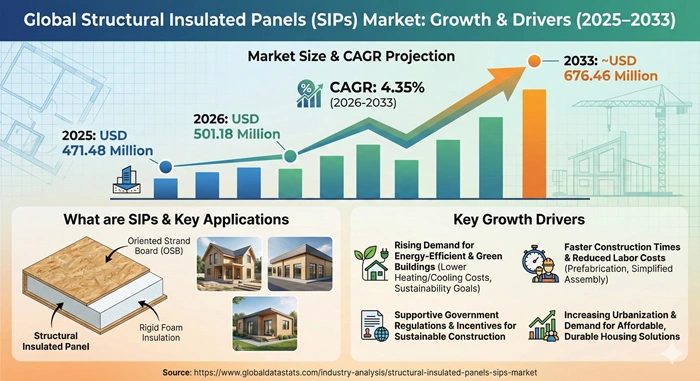
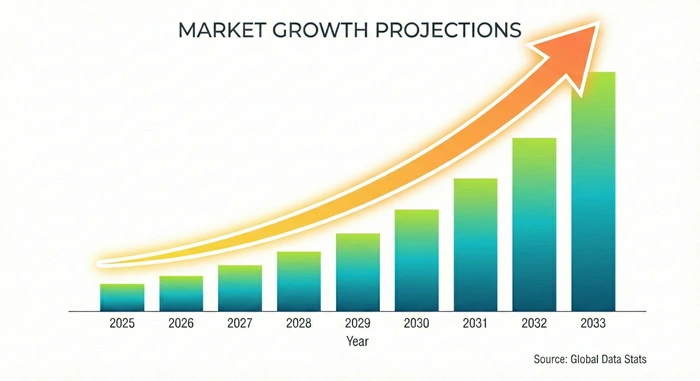
The global structural insulated panels (SIPs) market size is valued at USD 471.48 million in 2025 and is predicted to increase from USD 501.18 million in 2026 to approximately USD 676.46 million by 2033, growing at a CAGR of 4.35% from 2026 to 2033. This specialized construction industry encompasses prefabricated building systems manufactured by sandwiching rigid foam insulation cores between structural facings typically oriented strand board or plywood creating high-performance wall, roof, and floor panels. Structural insulated panels deliver superior thermal efficiency, airtightness, and strength compared to conventional stick-frame construction while reducing on-site labor requirements and construction timelines by 40-60% across residential and commercial building projects.
The structural insulated panels market addresses escalating demand for energy-efficient buildings driven by stringent building codes, rising utility costs, and environmental sustainability mandates requiring superior insulation performance and reduced carbon footprints. These engineered building systems demonstrate exceptional R-values ranging 14-50 depending on thickness and core materials enabling passive house standards and net-zero energy construction. Major application sectors including single-family homes, multi-family developments, commercial facilities, cold storage warehouses, and modular construction consume substantial SIP volumes as developers pursue faster project completion, tighter building envelopes, and long-term operational cost savings throughout building lifecycles.
AI Impact on the Structural Insulated Panels Industry
Machine Learning and Digital Design Integration Revolutionize Panel Manufacturing and Installation Efficiency
Artificial intelligence transforms the structural insulated panels market through advanced building information modeling software incorporating machine learning algorithms that optimize panel layouts, minimize material waste, and predict structural performance before manufacturing begins. These AI-powered design tools analyze architectural drawings automatically generating optimized SIP cutting patterns reducing material waste from typical 15-20% down to 5-8% while ensuring structural integrity across complex roof geometries and custom wall configurations. Predictive analytics evaluate thermal bridging risks, moisture accumulation potential, and structural load distribution identifying design modifications preventing performance degradation or installation complications. Computer vision systems integrated with factory equipment perform real-time quality control inspecting foam core density, adhesive coverage, and facing panel alignment detecting defects invisible to human inspectors ensuring consistent product quality across production runs.
Advanced AI applications extend beyond manufacturing optimization to revolutionize on-site installation planning and quality verification within the structural insulated panels market landscape. Digital twin technologies create virtual construction sequences simulating panel installation sequences identifying potential conflicts with mechanical systems, structural supports, or architectural features before crews arrive on-site reducing costly field modifications and project delays. Drone-based inspection systems equipped with thermal imaging cameras and AI image recognition software verify installed panel thermal performance detecting gaps, compression, or damage compromising building envelope integrity enabling immediate corrective action. Augmented reality applications guide installation crews through complex panel sequences projecting digital overlays showing proper panel positioning, fastener locations, and joint sealing details reducing installation errors by 30-40% while accelerating crew productivity. These AI-driven capabilities position manufacturers and contractors to achieve superior quality, faster construction timelines, and enhanced energy performance throughout forecast period.
Growth Factors
Green Building Certification Programs and Energy Code Evolution Drive Unprecedented Structural Insulated Panels Adoption
The structural insulated panels market experiences robust growth propelled by stringent energy codes including International Energy Conservation Code updates requiring continuous insulation and reduced thermal bridging where SIP assemblies inherently meet or exceed requirements without additional insulation layers. Building officials and code enforcement agencies increasingly recognize SIP construction as proven methodology achieving superior airtightness typically 1-2 air changes per hour compared to 5-7 for conventional stick-frame construction reducing heating and cooling loads by 40-60% in most climate zones. LEED certification, ENERGY STAR program compliance, and Passive House standards create market pull for high-performance building envelopes where SIP assemblies contribute substantial points toward certification thresholds. State and local jurisdictions implement building performance standards requiring energy use intensity reductions where SIP construction delivers measurable advantages through superior insulation values and minimal thermal bridging compared to traditional assemblies.
Modular and prefabricated construction industry expansion drives structural insulated panels market growth through manufacturing synergies where controlled factory environments enable precise SIP integration with modular building systems. Modular construction projected to capture 5-10% of residential and commercial building markets by 2030 increasingly incorporates SIP assemblies delivering superior energy performance while maintaining compatibility with transportation and crane-setting requirements. Disaster-resistant housing programs particularly hurricane-prone and wildfire-risk regions specify SIP construction demonstrating superior structural performance during extreme weather events with properly engineered panels withstanding 200+ mph wind loads and maintaining integrity during seismic events. Affordable housing initiatives pursuing cost-effective construction methodologies recognize SIP buildings reduce long-term operational expenses offsetting modest premium in initial construction costs through lower utility bills over 20-30 year building lifecycles creating compelling value proposition for housing authorities and non-profit developers throughout forecast period.
Market Outlook
Sustainable Materials Innovation and Manufacturing Automation Position Industry for Sustained Long-Term Expansion
The structural insulated panels market outlook remains exceptionally positive as manufacturers invest substantially in sustainable core materials including bio-based polyurethane foams, recycled expanded polystyrene, and agricultural fiber composites addressing environmental concerns while maintaining thermal performance. Bio-based polyurethane formulations incorporating soy-based polyols, castor oil derivatives, or recycled PET content achieve R-values comparable to conventional foams while reducing petroleum dependence and lowering embodied carbon footprints by 20-40%. Mineral wool core SIP variants gaining market traction deliver superior fire resistance and acoustic performance addressing specific building code requirements for multi-family construction and commercial applications where fire ratings and sound isolation justify premium pricing. Manufacturers develop hybrid core designs combining multiple insulation materials optimizing cost, performance, and sustainability characteristics for targeted market segments.
Investment trends within the structural insulated panels market reflect growing confidence in long-term demand fundamentals as leading building products companies expand production capacity targeting North American and European markets. Kingspan Group, Owens Corning, Metecno, and regional producers maintain capital expenditure programs commissioning automated panel production lines incorporating robotics, computer-controlled cutting systems, and continuous lamination processes improving manufacturing efficiency 25-35%. Acquisition activity intensifies as international building materials companies pursue market entry through strategic acquisitions of established regional SIP manufacturers accessing customer relationships, distribution networks, and technical expertise. Vertical integration strategies connecting foam suppliers with panel manufacturers and modular builders create streamlined supply chains reducing costs and improving coordination across complex construction projects. These favorable dynamics position the market for sustained expansion exceeding general construction industry growth rates through 2033.
Expert Speaks
-
Gene Murtagh, Chief Executive Officer of Kingspan Group, emphasized strategic priorities: "The structural demand for an energy efficient built environment continues to advance around the world. We are uniquely placed to harness that with the breadth of our offering, our Planet Passionate agenda and our strong balance sheet. Our order backlogs are healthy in general and are soaring in the data and artificial intelligence arena".
-
Brian Chambers, Chair and Chief Executive Officer of Owens Corning, articulated vision: "Our team delivered top quartile TSR performance over the last five years, reflecting our strong and consistent performance, the durability of our earnings, and the disciplined execution of our capital allocation strategy. Our renewed enterprise strategy capitalizes on the market-leading positions of our three businesses to generate revenue growth, more resilient margins, and substantial cash flow".
-
Todd Fister, Executive Vice President and Chief Financial Officer of Owens Corning, highlighted financial strategy: "The new Owens Corning is built to outperform. With multiple paths to sustain our strong financial performance, we will help our customers win while creating significant shareholder value. We remain focused on generating strong cash flows highlighted by our commitment to return 2 billion dollars to shareholders through dividends and share repurchases".
Key Report Takeaways
-
North America dominates the structural insulated panels market with commanding share exceeding 42%, driven by stringent energy codes across United States and Canada where residential construction, commercial buildings, and cold storage facilities consume substantial SIP volumes supported by green building incentives and established contractor networks familiar with installation techniques.
-
Asia Pacific emerges as the fastest-growing regional market with projected CAGR approaching 6.8% through 2033, propelled by urbanization, infrastructure development, cold chain expansion, and growing environmental awareness where China, Japan, and South Korea adopt energy-efficient construction technologies meeting sustainability objectives.
-
Polyurethane core panels represent the dominant product segment accounting for approximately 46% market share due to superior thermal performance with R-values exceeding 7 per inch, moisture resistance, structural strength, and compatibility with residential and commercial applications where performance justifies premium pricing compared to polystyrene alternatives.
-
Residential construction applications constitute the largest end-use segment capturing substantial market share driven by single-family homes, multi-family developments, and residential renovations requiring energy-efficient building envelopes where SIP assemblies deliver superior insulation, reduced air infiltration, and faster construction timelines compared to conventional framing methods.
-
Walls and floors represent the dominant application category maintaining market leadership due to extensive square footage requirements in typical building projects where SIP wall panels replacing traditional stud framing and exterior sheathing systems deliver integrated structural and insulation performance reducing labor costs and construction duration.
-
Cold storage facilities exhibit exceptional growth potential with anticipated CAGR exceeding 7.2% through 2033, attributed to expanding cold chain logistics infrastructure, pharmaceutical distribution requirements, and food safety regulations necessitating superior insulation performance minimizing temperature fluctuations and reducing refrigeration energy consumption.
Market Scope
| Report Coverage Details | |
|---|---|
| Market Size by 2033 | USD 676.46 Million |
| Market Size by 2025 | USD 471.48 Million |
| Market Size by 2026 | USD 501.18 Million |
| Market Growth Rate from 2026 to 2033 | CAGR of 4.35% |
| Dominating Region | North America |
| Fastest Growing Region | Asia Pacific |
| Base Year | 2025 |
| Forecast Period | 2026 to 2033 |
| Segments Covered | Product Type, Application, End-Use, Region |
| Regions Covered | North America, Europe, Asia Pacific, Latin America, Middle East & Africa |
Market Dynamics
Drivers Impact Analysis
Energy Efficiency Mandates and Construction Labor Shortages Accelerate Structural Insulated Panels Adoption Across Markets
| Impact Factor | (≈) % Impact on CAGR Forecast | Geographic Relevance | Impact Timeline |
|---|---|---|---|
| Stringent Energy Codes | +1.8% | North America, Europe | 2026-2033 |
| Construction Labor Shortages | +1.4% | Global Markets | 2026-2033 |
| Green Building Incentives | +1.1% | Developed Markets | 2026-2033 |
| Modular Construction Growth | +0.9% | Global, Led by Asia | 2027-2033 |
The structural insulated panels market benefits substantially from increasingly stringent building energy codes where jurisdictions mandate continuous insulation, reduced thermal bridging, and verified airtightness testing. International Energy Conservation Code 2021 and subsequent updates require R-20 to R-38 wall assemblies depending on climate zones where conventional stick-frame construction necessitates multiple insulation layers, vapor barriers, and meticulous air sealing achieving comparable performance to standard SIP assemblies. California Title 24, Washington State Energy Code, and European Union Energy Performance of Buildings Directive establish performance thresholds favoring SIP construction inherently meeting requirements without additional materials or labor. Blower door testing requirements verifying building envelope airtightness typically 3 air changes per hour or less create competitive advantages for SIP buildings routinely achieving 1-2 air changes without extraordinary sealing efforts.
Construction labor shortages across North America and Europe drive structural insulated panels market adoption as contractors pursue productivity improvements and schedule acceleration offsetting reduced workforce availability. Skilled carpenter and framing crews declining 15-25% across most developed markets create bottlenecks in conventional stick-frame construction where SIP assemblies installed by smaller crews complete building envelopes 50-60% faster. Prefabricated panel delivery to job sites eliminates extensive on-site cutting, measuring, and assembly operations reducing skilled labor requirements while maintaining quality consistency impossible with field carpentry subject to weather delays and workforce variability. Younger construction workers favor SIP installation techniques requiring less physical labor through reduced material handling and simplified assembly processes compared to traditional framing methods carrying heavy lumber and installing multiple insulation layers. These labor dynamics create sustained market momentum as contractors unable to recruit sufficient traditional framing crews transition to SIP construction maintaining project delivery capabilities throughout forecast period.
Restraints Impact Analysis
Higher Initial Costs and Design Limitations Challenge Market Penetration Across Price-Sensitive Building Segments
| Restraint Factor | (≈) % Impact on CAGR Forecast | Geographic Relevance | Impact Timeline |
|---|---|---|---|
| Premium Material Costs | -1.2% | Global Markets | 2026-2033 |
| Limited Design Flexibility | -0.9% | Custom Residential | 2026-2031 |
| Contractor Familiarity Gaps | -0.7% | Emerging Markets | 2026-2030 |
| Transportation Constraints | -0.5% | Remote Locations | 2026-2033 |
The structural insulated panels market faces growth constraints from material cost premiums where SIP assemblies command prices 10-20% higher than comparable stick-frame wall systems including insulation and exterior sheathing creating initial budget obstacles for cost-sensitive residential and light commercial projects. Builder hesitancy particularly speculative residential construction pursuing minimum first-cost construction expenses limits SIP adoption despite documented long-term operational savings through reduced utility costs. Affordable housing programs operating under strict per-square-foot budget limitations struggle justifying SIP premiums even when lifecycle cost analysis demonstrates 15-25 year payback periods through energy savings. Regional price variations where foam raw materials, OSB facing panels, and manufacturing costs fluctuate create pricing uncertainty complicating project budgeting and value engineering processes.
Design flexibility limitations constrain structural insulated panels market penetration across custom residential and complex architectural projects where curved walls, irregular angles, and extensive window openings complicate panel fabrication and installation. Architectural firms designing distinctive residences with non-orthogonal geometries, complex roof forms, or extensive glazing systems find SIP assemblies incompatible with design intent requiring hybrid construction combining SIP components with conventional framing for complex areas. Panel standardization maximizing manufacturing efficiency limits customization capabilities where custom panel cutting, varied thicknesses, and specialized edge details add costs negating economic advantages. Opening modifications including doors, windows, and mechanical penetrations require careful planning and specialized details where field modifications cutting panels on-site compromise structural performance and thermal continuity creating performance risks. These design constraints limit addressable market opportunities restricting SIP adoption to projects emphasizing energy performance and construction efficiency over architectural complexity throughout forecast period.
Opportunities Impact Analysis
Net-Zero Buildings and Cold Chain Infrastructure Create Substantial Growth Avenues Beyond Traditional Residential Construction
| Opportunity Factor | (≈) % Impact on CAGR Forecast | Geographic Relevance | Impact Timeline |
|---|---|---|---|
| Net-Zero Building Mandates | +1.6% | Europe, North America | 2027-2033 |
| Cold Chain Expansion | +1.3% | Asia Pacific, Global | 2026-2033 |
| Disaster-Resilient Housing | +0.9% | Coastal and Seismic Zones | 2026-2033 |
| Data Center Construction | +0.7% | Global Technology Hubs | 2027-2033 |
The structural insulated panels market stands to capture substantial value from net-zero energy building mandates where European Union member states, several US states, and progressive municipalities require new construction achieving carbon neutrality through on-site renewable generation and minimal energy consumption. Passive House standards and equivalent certifications demanding heating energy use below 15 kWh per square meter annually favor SIP construction achieving superior thermal performance and airtightness enabling compliance without extraordinary measures. Building-integrated photovoltaic systems paired with SIP envelopes create synergies where minimal heating and cooling loads enable smaller solar arrays meeting annual energy balance requirements at lower capital costs. Government incentive programs including tax credits, utility rebates, and accelerated permitting processes for high-performance buildings create financial justifications overcoming initial cost premiums associated with SIP construction.
Cold chain infrastructure expansion presents exceptional growth opportunities for the structural insulated panels market as pharmaceutical distribution, food safety regulations, and e-commerce fulfillment drive temperature-controlled warehouse construction. Pharmaceutical cold storage requiring precise temperature control between 2-8 degrees Celsius for vaccine distribution and biologics storage utilizes SIP construction achieving thermal stability minimizing temperature fluctuations and reducing refrigeration equipment sizing. Grocery and food service distribution centers incorporating multi-temperature zones ranging minus-20 to plus-4 degrees Celsius deploy SIP assemblies with R-values exceeding 40 creating thermal barriers between zones while supporting rack systems and material handling equipment loads. Last-mile delivery facilities serving online grocery and meal kit services require rapid construction timelines where SIP buildings complete in 6-8 weeks versus 12-16 weeks for conventional construction accelerating revenue generation. These specialized applications command premium pricing where performance and speed justify SIP selection creating high-value market opportunities throughout forecast period.
Segment Analysis
By Product Type: Polyurethane Core SIPs
Superior Thermal Performance and Moisture Resistance Sustain Polyurethane Segment Market Leadership Position
Polyurethane core structural insulated panels command the largest share within the structural insulated panels market, accounting for approximately 46% of global revenue with continued expansion projected at steady CAGR of 4.6% through 2033. This product category encompasses rigid polyurethane or polyisocyanurate foam cores delivering R-values ranging 6-7.5 per inch substantially higher than expanded polystyrene alternatives achieving 3.5-4.5 per inch enabling thinner wall assemblies meeting building code requirements. The structural insulated panels market benefits from polyurethane's exceptional moisture resistance and dimensional stability where closed-cell foam structures prevent water absorption maintaining thermal performance across humid climates and preventing degradation from intermittent wetting events. Manufacturing flexibility enables continuous lamination processes producing panels up to 24 feet long and 8 feet wide with thickness ranging 4-12 inches accommodating diverse residential and commercial specifications.
North America leads polyurethane SIP consumption within the market, driven by established residential construction practices and building code familiarity where contractors and building officials recognize polyurethane panels as proven building systems. Leading regional manufacturers including Premier SIPs, Insulspan, Extreme Panel Technologies, and Foard Panel maintain production facilities across United States serving regional markets while major building products companies including Kingspan and Murus integrate SIP operations with broader insulation portfolios. Canadian residential market particularly British Columbia, Alberta, and Ontario provinces specifies polyurethane SIPs for single-family homes and multi-family projects where superior thermal performance addresses heating-dominated climate requirements achieving R-40+ wall assemblies in 10-inch panels. Cold storage applications across food distribution, pharmaceutical logistics, and industrial refrigeration consume substantial polyurethane SIP volumes where panels installed as walls, ceilings, and sometimes floors create continuous insulation envelopes minimizing thermal bridging and achieving consistent temperature control. European markets emphasizing sustainability credentials pursue bio-based polyurethane formulations incorporating recycled content and renewable feedstocks maintaining performance while reducing environmental footprints throughout forecast period.
By End-Use: Residential Construction
Single-Family Housing and Multi-Family Developments Position Residential Segment as Dominant Application Category
Residential construction applications represent the largest segment within the structural insulated panels market, capturing substantial market share driven by single-family homes, townhouses, and multi-family developments requiring energy-efficient building envelopes achieving superior comfort and reduced operating costs. This sector encompasses custom homes where architects and builders specify SIP construction delivering architectural flexibility, design studios, production builders developing residential communities utilizing SIP assemblies accelerating construction schedules, and owner-builders pursuing sustainable housing solutions. The structural insulated panels market benefits from residential segment's volume opportunities where typical 2000-2500 square foot homes consume 10000-15000 square feet of SIP panels for walls and roofs creating substantial per-project material requirements. Energy-conscious homeowners increasingly recognize SIP construction value propositions including 40-60% utility cost reductions compared to code-minimum conventional construction, superior indoor air quality through reduced drafts and dust infiltration, and enhanced comfort through consistent temperatures eliminating cold spots near exterior walls.
North America and Europe lead residential SIP adoption within the market, driven by progressive building codes, environmental awareness, and established contractor infrastructure. United States residential segment particularly Pacific Northwest, Northeast, and Mountain West regions demonstrates strong SIP penetration where climate conditions, energy costs, and environmental consciousness favor high-performance construction. Custom home builders in Washington, Oregon, Colorado, Vermont, and Maine specify SIP construction for 15-25% of projects serving clients prioritizing energy efficiency and sustainability over minimum first-cost construction. Production builders including modular and panelized housing manufacturers integrate SIP assemblies achieving factory-built quality and accelerated site installation completing building envelopes in days rather than weeks required for stick-frame construction. European residential markets particularly Germany, Scandinavia, and United Kingdom pursue Passive House and equivalent certifications where SIP construction provides proven pathway achieving stringent thermal and airtightness requirements. Multi-family developers particularly affordable housing organizations recognize lifecycle cost advantages where reduced operating expenses enable lower rents or housing costs benefiting underserved populations throughout forecast period.
Regional Insights
North America
Established Infrastructure and Progressive Building Codes Establish Regional Dominance in Structural Insulated Panels Adoption
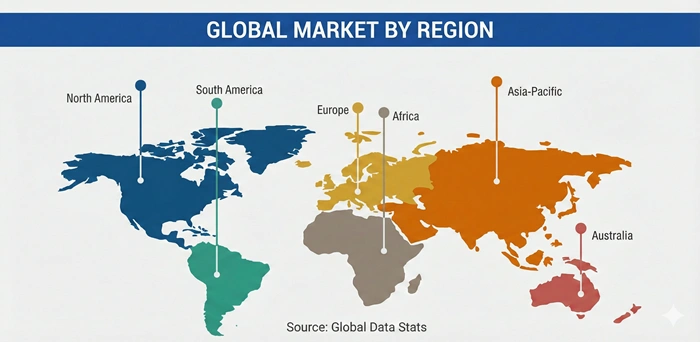
North America commands the structural insulated panels market with dominant share exceeding 42%, driven by established manufacturing infrastructure, progressive energy codes, and contractor familiarity across United States and Canada where residential construction, commercial buildings, and agricultural facilities consume substantial SIP volumes. The United States alone accounts for approximately 76% of North American market share with concentrated adoption across Pacific Northwest, Northeast, Rocky Mountain, and Upper Midwest regions where climate conditions and energy costs justify high-performance construction. Regional manufacturers maintain production facilities strategically located near population centers reducing transportation costs and delivery lead times serving markets within 500-mile radius typical of SIP distribution economics. Canada contributes substantial market volume particularly British Columbia, Alberta, and Ontario provinces where heating-dominated climates and provincial energy codes favor superior insulation performance and airtight construction techniques inherent to SIP assemblies.
Federal and state-level energy efficiency incentives strengthen North America's market position through tax credits, utility rebates, and low-interest financing programs supporting high-performance residential construction. United States federal tax credits covering 30% of qualified energy efficiency improvements including building envelope upgrades create financial incentives for SIP adoption particularly residential retrofit and addition projects. State programs including Washington State Energy Code requirements, California Title 24 compliance, and Massachusetts Stretch Energy Code provisions establish performance thresholds readily achieved through SIP construction without extraordinary measures. Leading manufacturers including Premier SIPs, Insulspan, Extreme Panel Technologies, Murus, and Kingspan Insulated Panels maintain technical support teams assisting builders with project design, specification development, and installation training accelerating market penetration. The region's market dominance continues strengthening through 2033 as energy code evolution, construction labor constraints, and climate awareness create favorable dynamics supporting continued leadership position.
Asia Pacific
Urbanization and Cold Chain Infrastructure Position Region as Fastest-Growing Geographic Market
Asia Pacific emerges as the fastest-growing regional structural insulated panels market with projected CAGR of 6.8% through 2033, propelled by rapid urbanization, infrastructure development, cold chain expansion, and growing environmental awareness. China leads regional market activity through massive construction volumes where residential high-rise developments, commercial facilities, and industrial buildings increasingly adopt energy-efficient construction technologies meeting government sustainability objectives. Cold storage infrastructure supporting pharmaceutical distribution, food safety initiatives, and e-commerce fulfillment drives specialized SIP applications where temperature-controlled warehouses require superior thermal performance minimizing refrigeration loads. Japan demonstrates technological leadership in SIP manufacturing and installation where seismic design requirements, limited construction labor, and environmental consciousness favor prefabricated building systems including structural insulated panels.
South Korea, Australia, and Southeast Asian nations contribute to Asia Pacific growth through diverse application drivers including residential construction, commercial development, and agricultural facilities. South Korean green building initiatives and passive house certification programs create market opportunities for high-performance construction systems where SIP assemblies deliver proven thermal and airtightness performance. Australian residential market particularly climate zones requiring heating and cooling loads specifies SIP construction for custom homes and sustainable housing developments pursuing energy efficiency and indoor air quality objectives. Southeast Asian cold storage boom supporting food exports, pharmaceutical manufacturing, and consumer goods distribution creates specialized opportunities where SIP assemblies deliver reliable thermal performance across tropical climates with high humidity and temperature extremes. Leading regional manufacturers including Metecno, Isopan, Kingspan Asia Pacific, and emerging local producers develop market presence through partnerships with construction companies, developer relationships, and technical training programs educating contractors on proper installation techniques throughout forecast period.
Top Key Players
-
Kingspan Group (Ireland)
-
Owens Corning (United States)
-
Premier SIPs (United States)
-
Insulspan (United States)
-
Extreme Panel Technologies (United States)
-
Murus SIPs (United States)
-
Metecno Group (Italy)
-
Isopan (Italy)
-
Foard Panel (United States)
-
SIPs Industries (United States)
-
Eco-Panels (United States)
-
Benchmark Foam (United States)
-
Raycore SIPs (United States)
-
Thermocore Panel Systems (United States)
-
Enerspan (United States)
Recent Developments
-
Kingspan Group (2025): Reported record performance with Insulated Panels division achieving strong sales in Americas offset by subdued European markets, while emerging Latin American operations reached approximately 500 million euros in annualized revenue demonstrating successful regional expansion strategy and PowerPanel product launching in Ireland and United Kingdom markets during fourth quarter.
-
Kingspan Group (2025): Completed strategic acquisition of controlling stake in Nordic Waterproofing and made maiden United States acquisition in Roofing and Waterproofing division alongside two large-scale organic investments in Oklahoma and Maryland facilities with production planned for early 2026 expanding manufacturing footprint and market coverage.
-
Owens Corning (2025): Announced renewed enterprise strategy during 2025 Investor Day raising Insulation segment long-term adjusted EBITDA margin guidance to 24% on average supported by structural cost improvements, growing markets, and flexible efficient manufacturing network positioning company for sustained performance through 2028 and beyond.
-
Owens Corning (2025): Reported third-quarter 2025 results demonstrating ability to perform at high level despite challenging market conditions, with commitment to return 2 billion dollars to shareholders through dividends and share repurchases by end of 2026 reflecting confidence in cash generation capabilities and disciplined capital allocation strategy.
-
Owens Corning (2025): Named José Méndez-Andino as Chief Innovation Officer in December 2025 to advance product leadership and drive growth across business segments including Insulation division supporting structural insulated panels and related building systems innovation initiatives addressing evolving market requirements.
Market Trends
Bio-Based Materials and Integrated Building Systems Reshape Industry Competitive Dynamics
The structural insulated panels market experiences transformative trends centered on bio-based foam core development as manufacturers pursue sustainable alternatives addressing environmental concerns and embodied carbon reduction objectives. Soy-based polyurethane formulations incorporating renewable polyols derived from soybean oil achieve thermal performance comparable to conventional petroleum-based foams while reducing fossil fuel dependence and lowering global warming potential by 20-35%. Agricultural fiber cores utilizing wheat straw, hemp fiber, or recycled wood particles bonded with bio-based adhesives create fully renewable panel cores achieving acceptable insulation values for moderate climate applications. Recycled content initiatives incorporating post-consumer expanded polystyrene, reclaimed polyurethane, or recycled PET fibers address circular economy objectives while maintaining performance specifications. Leading manufacturers pursue third-party environmental certifications including Environmental Product Declarations, Cradle-to-Cradle ratings, and carbon footprint documentation differentiating products in green building markets throughout forecast period.
Integrated building system development trends reshape the structural insulated panels market as manufacturers expand product offerings beyond basic wall and roof panels incorporating windows, doors, mechanical system integration, and exterior finish systems. Pre-installed window and door assemblies factory-integrated into SIP panels eliminate field cutting and flashing complexities ensuring proper installation and thermal continuity around openings. Electrical chase systems molded into foam cores or incorporated between facing panels provide wiring pathways without compromising panel structural or thermal performance. Exterior finish options including factory-applied stucco, siding attachment systems, and architectural details enable complete building envelope delivery reducing on-site trades coordination. Mechanical system integration accommodating ventilation equipment, heat recovery systems, and radiant heating installations within panel assemblies or coordinated installation sequences streamline construction workflows. These value-added capabilities expand market opportunities positioning SIP suppliers as building system providers rather than commodity panel manufacturers throughout forecast period.
Segments Covered in the Report
By Product Type
-
Expanded Polystyrene (EPS) Core SIPs
-
Polyurethane (PUR) Core SIPs
-
Polyisocyanurate (PIR) Core SIPs
-
Glass Wool Core SIPs
-
Others
By Application
-
Walls and Floors
-
Roofs
-
Cold Storage Facilities
-
Others
By End-Use
-
Residential Construction
-
Commercial Construction
-
Industrial Buildings
-
Agricultural Facilities
-
Others
By Region
-
North America (United States, Canada, Mexico)
-
Europe (Germany, United Kingdom, France, Italy, Scandinavia, Rest of Europe)
-
Asia Pacific (China, Japan, South Korea, Australia, Southeast Asia, Rest of Asia Pacific)
-
Latin America (Brazil, Argentina, Rest of Latin America)
-
Middle East & Africa (UAE, Saudi Arabia, South Africa, Rest of MEA)
Frequently Asked Questions
Question 1: What is the projected size of the structural insulated panels market by 2033?
Answer: The global structural insulated panels market is expected to reach approximately USD 676.46 million by 2033, growing from USD 501.18 million in 2026. This expansion reflects increasing adoption across residential construction, commercial buildings, cold storage facilities, and modular construction driven by energy efficiency requirements and construction labor optimization.
Question 2: Which region dominates the structural insulated panels market currently?
Answer: North America leads the structural insulated panels market with over 42% share, driven by established manufacturing infrastructure and progressive energy codes across United States and Canada. Leading manufacturers including Premier SIPs, Insulspan, Kingspan, and Owens Corning maintain dominant regional positions serving diverse construction applications.
Question 3: What are the primary drivers of structural insulated panels market growth?
Answer: Key growth drivers include stringent building energy codes requiring superior thermal performance, construction labor shortages favoring prefabricated systems, green building incentive programs supporting high-performance construction, and modular building expansion. These factors create sustained demand across residential, commercial, and specialized construction applications.
Question 4: Which product type holds the largest structural insulated panels market share?
Answer: Polyurethane core structural insulated panels dominate with approximately 46% market share due to superior thermal performance exceeding R-6 per inch, moisture resistance, and structural strength. Performance characteristics justify premium pricing compared to expanded polystyrene alternatives across residential and commercial applications requiring optimal energy efficiency.
Question 5: How do structural insulated panels compare to conventional construction methods?
Answer: Structural insulated panels deliver 40-60% faster installation compared to stick-frame construction, achieve superior airtightness typically 1-2 air changes per hour versus 5-7 for conventional buildings, and provide integrated structural and insulation performance reducing material and labor requirements. Initial cost premiums of 10-20% are offset by long-term energy savings and reduced construction timelines.