
Sports Analytics Market Overview
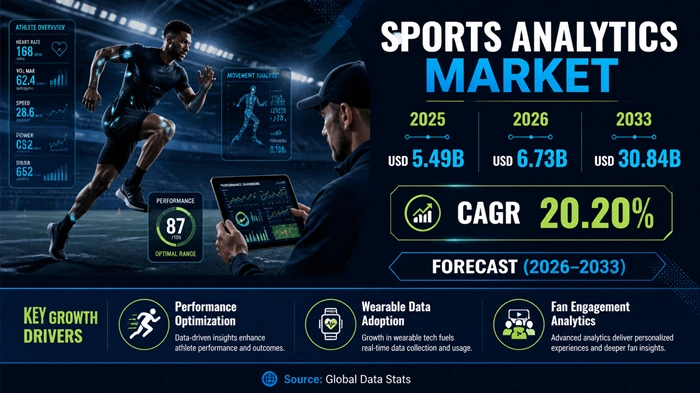
The global sports analytics market size is valued at USD 5.49 billion in 2025 and is predicted to increase from USD 6.73 billion in 2026 to approximately USD 30.84 billion by 2033, growing at a CAGR of 20.20% from 2026 to 2033.
Sports analytics encompasses the collection, analysis, and interpretation of data related to athletic performance, team strategy, fan engagement, and commercial operations to gain actionable insights that improve outcomes. Organizations across professional leagues, collegiate athletics, sports associations, media companies, and betting platforms deploy advanced analytics solutions to track player performance metrics, optimize training programs, predict injury risks, develop game strategies, personalize fan experiences, and maximize revenue opportunities. The technology leverages big data platforms, artificial intelligence, machine learning algorithms, wearable sensors, video analysis systems, and cloud computing to transform raw data into strategic intelligence that provides competitive advantages in increasingly data-driven sports ecosystems.
AI Impact on the Sports Analytics Industry
Intelligent Performance Optimization and Predictive Modeling Revolutionizing Athletic Competition
Artificial intelligence is fundamentally transforming the sports analytics industry by enabling deeper data analysis, predictive modeling, and personalized performance enhancement that were previously impossible with traditional statistical methods. AI-powered cameras and wearable devices collect real-time data on player movement patterns, speed variations, acceleration rates, fatigue levels, and biomechanical efficiency during training sessions and competitive matches. This granular data helps coaches recognize strengths and weaknesses in individual athletes, allowing for targeted training interventions and tactical adjustments that optimize performance outcomes. Machine learning algorithms analyze historical performance data combined with real-time metrics to create personalized training plans tailored to individual needs, physical capabilities, and development goals, enabling peak performance optimization through data-driven methodologies.
AI capabilities extend beyond performance enhancement to revolutionize talent scouting, injury prevention, and strategic decision-making across sports organizations. Predictive models now forecast player performance trends, optimize training program structures, and predict injury likelihood by analyzing biomechanics data, workload patterns, and physiological indicators that signal elevated risk. By analyzing player data comprehensively, AI can identify potential risks associated with signing new players including injury history, behavioral issues, and performance consistency, helping organizations make informed recruitment decisions that minimize financial exposure. Statistical models and machine learning algorithms forecast match outcomes and player performance based on historical data, opponent analysis, environmental factors, and tactical variations, providing coaches and management with actionable intelligence that informs game strategy and competitive positioning.
Growth Factors
Data-Driven Decision-Making and Technological Integration Accelerating Market Expansion
The sports analytics market is experiencing explosive growth driven by the increasing adoption of data-driven decision-making by sports teams, leagues, and organizations seeking competitive advantages through quantitative insights. Professional sports franchises across NFL, NBA, MLB, NHL, and global football leagues are progressively using analytics to make better strategic decisions regarding player acquisitions, tactical formations, training methodologies, and in-game adjustments that improve win probabilities. Teams utilize analytics to monitor player metrics including speed, endurance, positional data, and tactical effectiveness, with this information aiding in modifying training programs and in-game strategies that lead to measurable performance improvements. Over 75% of sports associations now use real-time analytics during games to gain competitive advantages, with coaches making informed decisions about player substitutions, tactical adjustments, and strategic pivots based on live data feeds that reveal performance patterns invisible to human observation alone.
The rapid advancement and integration of sophisticated technologies including AI, machine learning, big data processing, wearable sensors, video analysis platforms, and cloud computing represent another fundamental growth driver. Cloud platforms provide the computing power necessary to run complex algorithms and machine learning models that uncover patterns from vast datasets ranging from player biometrics to tactical movements, enabling teams to predict outcomes, prevent injuries, and refine game plans with unprecedented precision. Integrating AI with cloud-based analytics improves decision-making accuracy by 15-20% over traditional methods, while wearables allow for creation of personalized training programs that have contributed to reduction in injury rates by up to 15% among teams utilizing these technologies. The rising availability of affordable and sophisticated analytics tools makes these technologies accessible to wider ranges of teams and leagues regardless of size or budget, democratizing capabilities that were previously exclusive to elite franchises with substantial technology investments.
Market Outlook
Sustained Expansion Across All Sports as Analytics Becomes Mission-Critical Infrastructure
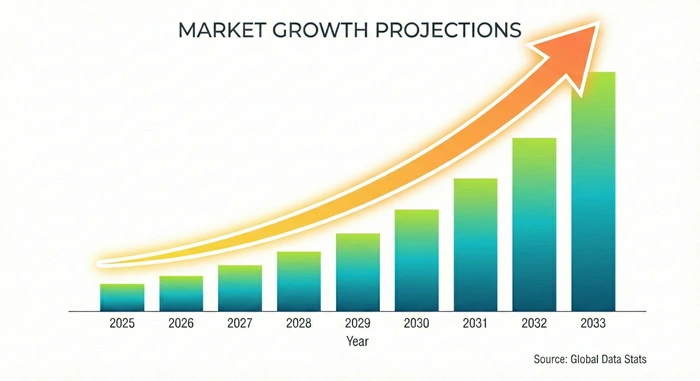
The sports analytics market demonstrates exceptional growth prospects through 2033, with market valuations projected to increase more than 5.6-fold from current levels as data-driven methodologies become essential infrastructure for competitive success and commercial optimization. North America dominates the global market landscape with the largest regional share of 41.20% in 2025, valued at approximately USD 2.26 billion, driven by entrenched sports traditions, major professional leagues including NFL, NBA, MLB, and MLS, high levels of fan engagement, and concentration of technology innovation hubs focused on developing analytical tools. The region benefits from being a hub for technological innovation with many prominent companies including IBM, Oracle, SAP, Catapult, and Stats Perform focused on developing and implementing new analytical tools and techniques, with substantial investments in research institutions advancing capabilities in advanced sensors and AI-powered analytics platforms.
Asia Pacific is projected to register the fastest growth rate with a CAGR of 22.84% during the forecast period from 2026 to 2033, propelled by increasing investments in sports infrastructure, rising adoption of smart technologies, explosive growth of eSports, and government-backed digitalization initiatives. The region is witnessing significant investments in sports infrastructure including smart stadiums furnished with advanced analytics capabilities, together with digitalization and widespread use of smart technologies in sports including AI and machine learning that enable real-time performance tracking. Asia Pacific serves as a major hub for eSports with massive participation and viewership driving demand for analytics to optimize player performance and fan engagement, while government initiatives and increasing collaborations between sports organizations and technology companies further fuel growth. India launched KIRTI in March 2024, a government initiative aimed at identifying and nurturing sports talent across the country using modern ICT tools and best global practices to create accessible athlete-centric talent identification systems capable of producing Olympic and Asian Games medalists.
Expert Speaks
-
Adam Silver, Commissioner of NBA: "Data and analytics have become fundamental to how we operate across every aspect of basketball. From player development and injury prevention to fan engagement and broadcast innovations, the insights we derive from analytics are transforming the sport. Teams that embrace these capabilities while balancing them with traditional basketball knowledge will have significant competitive advantages going forward."
-
Brian Kopp, Chief Commercial Officer at Genius Sports: "The convergence of real-time data, AI-powered insights, and cloud-based platforms is revolutionizing how sports organizations operate. We're seeing unprecedented demand from leagues, teams, media companies, and betting operators for comprehensive analytics solutions that deliver actionable intelligence. The sports industry is undergoing a data transformation that will define competitive success for the next decade."
-
Michael Doernberg, CEO of PlayMetrics: "Sports technology is moving toward integrated end-to-end platforms that deliver comprehensive solutions for members, coaches, directors, and administrations. By combining operational management, player performance data collection, and fan engagement analytics into cohesive systems, we're enabling organizations of all sizes to professionalize their operations and deliver enhanced experiences that were previously accessible only to elite franchises."
Key Report Takeaways
-
North America leads the sports analytics market with the largest regional share of 41.20% in 2025, driven by entrenched sports traditions with major professional leagues, high levels of fan engagement, substantial technology investments, concentration of innovation hubs including IBM, Oracle, SAP, and Catapult, and early adoption of data-driven methodologies across NFL, NBA, MLB, and MLS franchises
-
Asia Pacific represents the fastest-growing region for sports analytics adoption with the highest projected CAGR of 22.84% during the forecast period from 2026 to 2033, experiencing accelerated growth due to increasing investments in smart stadium infrastructure, rising adoption of AI and machine learning technologies, explosive growth of eSports, and government-backed digitalization initiatives including India's KIRTI talent identification program
-
Video analytics segment dominates solution category with 27.78% market share in 2026, driven by its significant role in modern performance analysis enabling teams to quantify player effectiveness through high-definition footage and event tagging, with NBA teams using systems like Second Spectrum reporting improvements in player efficiency metrics by 10-15% after integrating video-based feedback
-
Sports associations and federations show highest adoption capturing 42.17% market share in 2026 among end-users, driven by increasing adoption of analytics to enhance performance, optimize operations, and gain competitive edges, with over 75% using real-time analytics during games for tactical advantages and strategic decision-making
-
Smart wearable technology projected to grow at fastest rate with highest CAGR during forecast period, driven by granular data collection enabling personalized training programs, with integration of wearables in training contributing to reduction in injury rates by up to 15% through biomechanics monitoring and real-time feedback systems
-
Off-field analytics segment anticipated to experience highest CAGR of 24.80% during forecast period as organizations recognize revenue optimization opportunities through dynamic pricing models, customer relationship management initiatives, fan behavior analysis, and sponsorship valuation that maximize commercial success beyond on-field performance metrics
Market Scope
| Report Coverage Details | |
|---|---|
| Market Size by 2033 | USD 30.84 Billion |
| Market Size by 2025 | USD 5.49 Billion |
| Market Size by 2026 | USD 6.73 Billion |
| Market Growth Rate from 2026 to 2033 | CAGR of 20.20% |
| Dominating Region | North America |
| Fastest Growing Region | Asia Pacific |
| Base Year | 2025 |
| Forecast Period | 2026 to 2033 |
| Segments Covered | Solution, Deployment, Type, End-User, Sports, Region |
| Regions Covered | North America, Europe, Asia Pacific, Latin America, Middle East & Africa |
Market Dynamics
Drivers Impact Analysis
Big Data Adoption and Performance Optimization Demands Propelling Market Expansion
| Aspect | Details |
|---|---|
| ≈ % Impact on CAGR Forecast | High Impact (40-45%) |
| Geographic Relevance | Global, with strongest impact in North America, Europe, and Asia Pacific |
| Impact Timeline | Immediate to Long-term (2026-2033) |
The primary driver accelerating sports analytics market growth is the increasing adoption of big data and related technologies driven by escalating demand for data-driven insights to improve performance, strategy, and decision-making across sports organizations. The combination of AI, big data, and cloud technology is transforming sports analytics capabilities, enabling more precise predictions, real-time observations, and improved performance assessments that provide quantifiable competitive advantages. Inertial measurement units in wearables track motion and posture with precision, capturing detailed biomechanics data that aid in skill development and technique refinement through objective measurement of movement patterns that coaches can target for improvement. Real-time feedback from these devices creates dynamic and responsive training environments allowing for immediate adjustments and improvements, with athletes receiving instant data on performance metrics that accelerate learning curves and optimize training efficiency.
The increasing need for solutions to track player performance and optimize strategies represents another fundamental growth driver, with organizations recognizing that systematic data analysis provides competitive differentiation in highly competitive environments where marginal gains determine outcomes. Teams utilize on-field analytics to monitor player metrics including speed, endurance, positional data, and tactical effectiveness, with this information aiding in modifying training programs and in-game strategies that lead to measurable performance improvements. For instance, real-time data analysis allows coaches to make informed decisions about player substitutions and tactical adjustments during live matches based on fatigue indicators, matchup advantages, and momentum patterns revealed through analytics. Analytics enable personalized development pathways for individual athletes, with AI creating tailored training plans that address specific weaknesses, build on strengths, and optimize recovery protocols based on each player's unique physiological profile and performance data. The market for sports analytics is growing substantially as teams, leagues, and governing bodies recognize that data-driven methodologies deliver return on investment through improved win rates, reduced injury costs, and optimized resource allocation.
Restraints Impact Analysis
High Implementation Costs and Awareness Gaps Creating Adoption Barriers
| Aspect | Details |
|---|---|
| ≈ % Impact on CAGR Forecast | Moderate Impact (15-20%) |
| Geographic Relevance | Global, particularly affecting smaller organizations and emerging markets |
| Impact Timeline | Short to Medium-term (2026-2029) |
A significant restraint limiting sports analytics market growth is the lack of awareness about the benefits of sports analytics, which represents a significant factor restricting adoption particularly among smaller organizations, developing sports programs, and emerging markets. Developing and implementing comprehensive sports analytics programs can be expensive with costs including technology infrastructure, software licenses, data management systems, and specialized personnel, making it difficult for organizations to justify investments when awareness of benefits remains limited. Organizations that are not aware of the advantages may be hesitant to adopt new technologies and methodologies even when proven to improve performance, with this resistance particularly pronounced in traditional sports cultures that prioritize conventional coaching wisdom over quantitative analysis. Sports analytics can provide valuable insights into player performance optimization, injury risk reduction, and strategic planning enhancement, but these benefits are lost if organizations are not aware of how to utilize these solutions effectively or lack personnel with expertise to extract actionable intelligence from data.
High investment and maintenance costs represent additional barriers, particularly for smaller teams, collegiate programs, and amateur organizations operating with limited budgets. The financial requirements for sports analytics implementation extend beyond initial technology purchases to include ongoing costs for data storage, software subscriptions, system upgrades, technical support, and hiring or training personnel with specialized analytics expertise. Many organizations face challenges integrating analytics solutions with existing systems and workflows, with implementation requiring substantial time investments for configuration, testing, and user training before delivering meaningful returns. The shortage of qualified analytics professionals represents another constraint, with demand for data scientists, statisticians, and sports analysts who understand both quantitative methodologies and sports contexts far exceeding supply, driving up personnel costs and making it difficult for organizations to build effective analytics capabilities. This talent shortage poses challenges to maximizing return on investment from analytics deployments, as sophisticated tools require skilled operators to extract their full potential and translate technical outputs into actionable coaching and management decisions.
Opportunities Impact Analysis
Advanced Technology Integration and Fantasy Sports Growth Creating Expansion Avenues
| Aspect | Details |
|---|---|
| ≈ % Impact on CAGR Forecast | High Impact (30-35%) |
| Geographic Relevance | Global, with exceptional opportunities in Asia Pacific and emerging markets |
| Impact Timeline | Medium to Long-term (2027-2033) |
A major opportunity in the sports analytics market lies in the integration of advanced technologies including AI and machine learning for performance optimization, predictive analytics, and enhanced fan experiences that differentiate organizations and create new revenue streams. This trend is driving development of AI-powered tools that analyze tremendous amounts of data to provide actionable insights for coaches, athletes, and sports organizations, with capabilities extending from tactical analysis to injury prevention to fan engagement personalization. In June 2023, Infosys Limited launched a mobile app using augmented reality to enhance fan experiences at live sports events, aiming to increase viewer interaction and satisfaction by providing immersive features and real-time content that transforms passive viewing into active engagement. The availability of cost-effective and high-end computing solutions creates opportunities for vendors to develop accessible analytics platforms that serve organizations across all competitive levels and budget ranges, substantially expanding the addressable market beyond elite professional franchises.
The growing popularity of fantasy sports and eSports represents another substantial opportunity, generating significant demand for detailed sports data and analytical insights that fuel these rapidly expanding market segments. Fantasy sports platforms require comprehensive player statistics, performance projections, and injury updates to enable participants to make informed roster decisions, creating continuous demand for real-time data feeds and predictive analytics. The explosive growth of eSports across Asia Pacific and globally drives demand for performance analytics, team strategy optimization, and fan engagement tools specifically tailored to competitive gaming environments that share analytical needs with traditional sports. Increasing demand for analytics for complex data streaming creates opportunities for vendors to develop specialized solutions that process, analyze, and visualize massive real-time data volumes generated during sporting events, enabling applications from live betting odds calculation to broadcast graphics enhancement to in-stadium fan engagement. Media organizations represent a rapidly growing end-user segment expected to expand at the fastest CAGR, driven by rising need to improve content strategy and audience experiences through analytics that enable personalized content delivery, optimized programming schedules, and targeted advertising based on viewer demographics and engagement patterns.
Segment Analysis
Video Analytics Solution
High-Definition Footage Analysis and Performance Quantification Driving Segment Leadership
Video analytics dominated the sports analytics market by solution type, capturing the largest revenue share of 27.78% in 2026 and anticipated to maintain substantial market presence throughout the forecast period driven by its significant role in modern sports performance analysis. Video analytics plays a crucial role by capturing high-definition footage and tagging specific events, enabling teams to quantify player effectiveness through systematic analysis of movements, decisions, and outcomes during competitive play. By integrating video-based feedback into training programs, teams can provide athletes with visual evidence of performance strengths and areas requiring improvement, with several NBA teams using systems like Second Spectrum reporting improvements in player efficiency metrics by 10-15% after systematic integration of video analytics. These solutions enable coaches to break down game film systematically, identifying tactical patterns, opponent tendencies, and individual player contributions that inform strategic adjustments and training focus areas.
The video analytics segment experiences particularly strong adoption across North America and Europe, where professional leagues invest heavily in sophisticated camera systems, automated tagging technologies, and AI-powered analysis platforms that extract insights from massive video libraries. Smart wearable technology is projected to grow at the highest CAGR during the forecast period as granular data collected by wearables allows for creation of personalized training programs, with integration of wearables in training contributing to reduction in injury rates by up to 15% through continuous monitoring of biomechanics, workload, and physiological stress indicators. Leading providers including Stats Perform, Hudl, InStat Sport, and Wyscout are expanding video analytics portfolios through continuous innovation including AI-powered automated highlight generation, tactical pattern recognition, and integration with wearable sensor data that provides comprehensive performance pictures combining video evidence with quantitative metrics. Professional sports teams, leagues, sports associations, and collegiate programs deploy comprehensive video analytics solutions across training and competitive environments, driving consistent demand for feature-rich platforms that support tactical analysis, player development, and opponent scouting workflows.
Cloud-Based Deployment
Scalability and Computing Power Establishing Cloud as Dominant Deployment Model
Cloud-based deployment captured the dominant position in the sports analytics market by deployment mode, accounting for 81.77% market share in 2026 and projected to grow at CAGR of 23.30% during forecast period driven by enterprise shift toward cloud-first strategies and need for scalable analytics frameworks. Cloud platforms can scale up quickly to process large volumes of data from wearable devices, video feeds, and IoT sensors that generate massive data streams during training sessions and competitive events, providing elastic computing resources that expand and contract based on analytical demands. Cloud platforms provide the computing power necessary to run complex algorithms and machine learning models that uncover patterns from vast datasets ranging from player biometrics to tactical movements, enabling teams to predict outcomes, prevent injuries, and refine game plans with computational capabilities that would be prohibitively expensive to deploy on-premises. Integrating AI with cloud-based analytics improves decision-making accuracy by 15-20% over traditional methods through sophisticated modeling that processes millions of data points to identify subtle performance patterns and predictive indicators.
Cloud deployment experiences exceptionally strong growth across all regions, with North America leading adoption among professional franchises while Asia Pacific demonstrates rapid uptake among emerging sports organizations seeking to bypass legacy infrastructure investments. The segment provides cost advantages through pay-as-you-go pricing models that eliminate large upfront capital expenditures for servers and data center infrastructure, making enterprise-grade analytics accessible to organizations with limited IT budgets including collegiate programs, sports associations, and smaller professional teams. Cloud platforms enable seamless collaboration and data sharing across distributed coaching staffs, medical personnel, and management teams who can access centralized analytics dashboards from any location, supporting modern organizational structures where decision-makers operate across multiple facilities and travel schedules. Leading cloud-based sports analytics providers including IBM Watson, SAP Sports One, Oracle Sports Analytics Cloud, and Catapult's cloud platform are investing heavily in enhancing real-time processing capabilities, expanding AI model libraries, and improving user interfaces that make sophisticated analytics accessible to non-technical users including coaches and trainers.
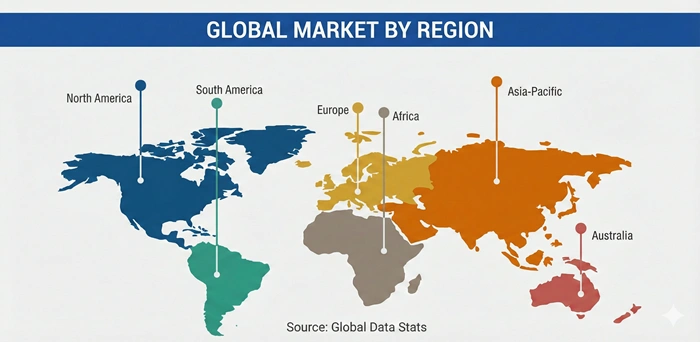
Regional Insights
North America
Professional League Adoption and Technology Innovation Establishing Regional Dominance
North America holds the dominant position in the sports analytics market with the largest regional share of 41.20% in 2025, valued at approximately USD 2.26 billion, and projected to maintain leadership throughout the forecast period. The region's commanding market position stems from entrenched sports traditions with major professional leagues including NFL, NBA, MLB, NHL, and MLS, high levels of fan engagement driving commercial investments, and concentration of technology innovation hubs focused on developing sophisticated analytical tools and platforms. North America benefits from being a hub for technological innovation with many prominent companies and research institutions including IBM, Oracle, SAP, Catapult, Stats Perform, and numerous analytics startups focused on developing and implementing new analytical techniques, advanced sensors, and AI-powered analytics platforms that push industry capabilities forward.
The United States leads North American adoption with market valuation of USD 2.09 billion in 2026, driven by technological advancements and increasing emphasis on data-driven decision-making across various sports disciplines. Sports organizations throughout the U.S. are leveraging analytics to understand fan behavior and preferences, enabling development of targeted marketing campaigns and personalized fan experiences that boost revenue growth while strengthening fan loyalty and engagement. The widespread adoption of wearable devices and GPS/sensor tracking systems that collect granular data on player movements, biometrics, and in-game events drives market growth, with the number of wearable devices in North America reaching around 378.8 million units with the U.S. leading regional adoption. There has been significant increase in investment in sports analytics by professional franchises, indicating increasing recognition of competitive and commercial potential, with teams and leagues collaborating with data providers, software vendors, and technology companies to grasp analytics for player performance analysis, injury prediction, fan engagement optimization, and strategic planning.
Asia Pacific
Infrastructure Investments and eSports Explosion Driving Fastest Regional Growth
Asia Pacific is projected to register the fastest growth rate in the sports analytics market with a CAGR of 22.84% during the forecast period from 2026 to 2033, valued at USD 1.17 billion in 2026, experiencing explosive expansion due to increasing investments in sports infrastructure, rising adoption of smart technologies, and explosive growth of eSports. Countries including China, India, Japan, and Australia are expected to experience strong demand driven by robust building of sports culture, with China projected at USD 0.39 billion in 2026, India at USD 0.15 billion, and Japan at USD 0.28 billion. Key factors contributing to market growth include increasing investments in sports development, establishment of numerous sporting leagues, and ongoing digitalization trends that position technology as central to competitive success.
The region is witnessing significant investments in sports infrastructure including smart stadiums furnished with advanced analytics capabilities, together with digitalization and widespread use of smart technologies in sports including AI and machine learning that enable sophisticated performance tracking and fan engagement. Asia Pacific serves as a major hub for eSports with massive participation bases and viewership driving demand for analytics to optimize player performance and fan engagement, creating a substantial market segment that parallels traditional sports analytics. Government initiatives and increasing collaborations between sports organizations and technology companies further fuel growth, with India launching KIRTI in March 2024, a government initiative aimed at identifying and nurturing sports talent across India using modern ICT tools and best global practices to create accessible athlete-centric talent identification systems. China plays an important role driven by rapid surge in public interest and participation in sports including basketball, football, and eSports, with government and private sectors pouring resources into sports infrastructure, professional leagues, and venues that drive up need for data-driven solutions. Leading companies operating in Asia Pacific including international vendors and emerging regional players are forming strategic partnerships to deliver analytics solutions tailored to local sports cultures, regulatory environments, and infrastructure capabilities that differ from Western markets.
Top Key Players
-
Oracle Corporation (United States)
-
SAP SE (Germany)
-
International Business Machines Corporation (United States)
-
Catapult Group International Ltd. (Australia)
-
Sportradar AG (Switzerland)
-
Stats Perform (United States)
-
Genius Sports Group (United Kingdom)
-
Hudl (United States)
-
WHOOP (United States)
-
Kitman Labs (Ireland)
-
InStat Sport (Ireland)
-
Wyscout (Italy)
-
Opta Sports (United Kingdom)
-
ChyroHego Corporation (United States)
-
Deltatre S.p.A. (Italy)
Recent Developments
-
Integrity Compliance 360 and Betr Partnership (2025): Integrity Compliance 360, a global leader in integrity and compliance technology solutions for sports betting and gaming industry, announced partnership with Betr, an innovative online daily fantasy sports and sports betting operator in February 2025, with Betr leveraging IC360's advanced integrity monitoring dashboard providing real-time alerts to detect suspicious or nefarious wagering activity
-
Stack Sports Acquisition of PlayMetrics (2025): Genstar Capital-backed Stack Sports acquired PlayMetrics from Blue Star Innovation Partners in June 2025 for undisclosed value, with the deal marking the latest in a series of add-on transactions for Stack Sports under Genstar's management as part of consolidation strategy to create comprehensive end-to-end platform delivering one-stop solutions for members, coaches, directors, and administrations
-
Dentsu Sports Analytics Launch (2023): Dentsu Sports International launched dentsu Sports Analytics in April 2023, a new offering bringing together the best research, data, and analytics capabilities of MKTG Sports + Entertainment, Sponsorship Research International, and dentsu's Merkle to help drive better outcomes across sports and entertainment measurement industry through integrated analytics solutions
-
Genius Sports and Rugby Partnership Expansion (2023): Genius Sports expanded its partnership with the national governing body for rugby in the United Kingdom in September 2023, aiming to improve data integrity and analytics capabilities within the sport through enhanced data collection, real-time analytics, and integrity monitoring systems that protect competitive fairness
-
BanyanBoard Software Solutions Development (2025): Bengaluru-based BanyanBoard announced in March 2025 that it is building software solutions providing high-quality sports analytics in accessible and affordable manner, with solutions offering real-time graphics that enhance sports coverage and streaming while democratizing professional-grade analytics capabilities for organizations with limited budgets
Market Trends
AI-Powered Insights and Immersive Fan Experiences Reshaping Industry Landscape
The sports analytics market is witnessing transformative trends as generative artificial intelligence and machine learning make significant advances that enable more sophisticated analysis, prediction, and automation across performance optimization and fan engagement applications. Teams and athletes are increasingly acknowledging the value of data-driven insights in optimizing training programs, identifying areas for improvement, and minimizing injury risks to enhance training effectiveness, strategy development, and competitive performance. Technological advancements including AI, machine learning, wearable technology, and predictive analytics are enabling more sophisticated analytics and data collection by transforming how data is gathered, analyzed, and interpreted in sports, leading to more accurate insights with improved performance outcomes and strategic decision-making capabilities. Already, three out of four professional teams rely on real-time analytics for performance and strategy optimization, with adoption no longer limited to elite teams as eSports organizations, broadcasters, and fan engagement platforms increasingly leverage AI-driven insights to enhance their operations.
Sports analytics is driving data-driven decision-making across multiple organizational functions, with analytics providing quantitative foundations to support informed decisions in areas including player acquisition, contract negotiations, training program design, and strategic planning by analyzing individual experiences, improving marketing efforts, and enhancing engagement with sports teams and leagues. The integration of smart wearable technology in training is experiencing rapid growth, with granular data collected by wearables allowing for creation of personalized training programs tailored to individual athlete needs and physiological profiles. Immersive broadcasting with augmented reality is creating new market opportunities, as sports broadcasting represents one of the prominent sources of income for sports associations and viewer engagement surveys emphasize the prominence of adapting content for younger generation viewing habits, with Gen Z and Millennials aspiring to watch engaging shorter content enhanced by real-time data, AR graphics, and advanced analysis that improves their immersion in games. Analytics M&A activity has surged 47.7% year-over-year driven by strong fundamental growth and consolidation of key application components, with deal volume up from 44 transactions in YTD 2024 to 65 in YTD 2025 as strategic acquirers prioritize acquisitions of businesses with adjacent product offerings including operational management solutions, player performance data collection capabilities, and fan engagement analytics.
Segments Covered in the Report
By Solution
-
Video Analytics
-
Big Data Analytics
-
Real-Time Analytics
-
Smart Wearable Technology
-
Others
By Deployment
-
Cloud-Based
-
On-Premises
By Type
-
On-Field
-
Player & Team Analysis
-
Video Analysis
-
Health Assessment
-
-
Off-Field
-
Fan Engagement
-
Ticket Pricing
-
Sponsorship Valuation
-
By End-User
-
Sports Teams
-
Individual Athletes
-
Sports Associations & Federations
-
Event Organizers and Sponsors
-
Media Organizations
-
Sports Betting
-
Others
By Sports
-
Football
-
Cricket
-
Baseball
-
Basketball
-
Rugby
-
Others
By Region
-
North America
-
United States
-
Canada
-
Mexico
-
-
Europe
-
United Kingdom
-
Germany
-
France
-
Italy
-
Spain
-
Rest of Europe
-
-
Asia Pacific
-
China
-
India
-
Japan
-
South Korea
-
Australia
-
Rest of Asia Pacific
-
-
Latin America
-
Brazil
-
Argentina
-
Rest of Latin America
-
-
Middle East & Africa
-
United Arab Emirates
-
Saudi Arabia
-
South Africa
-
Rest of Middle East & Africa
-
Frequently Asked Questions
Question 1: What is the expected sports analytics market size by 2033?
Answer: The global sports analytics market is projected to reach approximately USD 30.84 billion by 2033, growing from USD 6.73 billion in 2026. This exceptional growth is driven by increasing adoption of data-driven decision-making, technological advancements including AI and machine learning, and rising investments from sports organizations seeking competitive advantages.
Question 2: Which region dominates the sports analytics market currently?
Answer: North America dominates the sports analytics market with the largest share of 41.20% in 2025, driven by entrenched sports traditions with major professional leagues, high fan engagement levels, substantial technology investments, and concentration of innovation hubs. The United States leads regional adoption with market valuation of USD 2.09 billion in 2026.
Question 3: What are the primary drivers of sports analytics market growth?
Answer: The primary drivers include increasing adoption of big data and related technologies for performance optimization, rising demand for data-driven insights to improve strategies and decision-making, integration of AI and machine learning capabilities, and growing popularity of fantasy sports and eSports. Over 75% of sports associations now use real-time analytics during games for competitive advantages.
Question 4: Which solution segment shows the highest adoption in sports analytics market?
Answer: Video analytics segment dominated the market with 27.78% share in 2026, driven by its significant role in quantifying player effectiveness through high-definition footage analysis. Smart wearable technology is expected to grow at fastest CAGR driven by personalized training capabilities and injury reduction benefits up to 15%.
Question 5: What opportunities exist for sports analytics market expansion?
Answer: Major opportunities include integration of advanced AI and machine learning technologies for performance optimization and fan experiences, growing popularity of fantasy sports and eSports generating demand for detailed data, availability of cost-effective computing solutions expanding accessibility, and media organizations' rising need for analytics to improve content strategy. Off-field analytics segment is anticipated to grow at highest CAGR of 24.80%.