
Soil Monitoring Market Overview
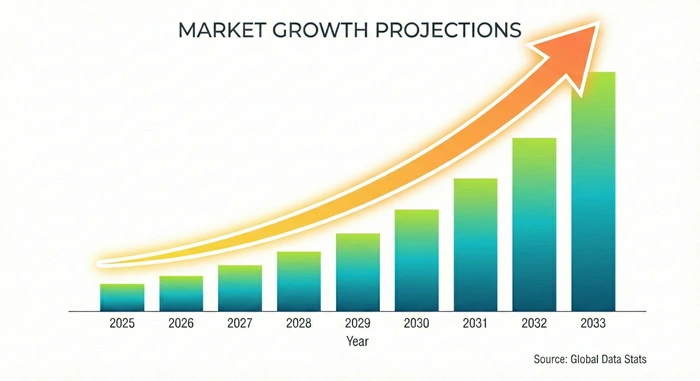
The global soil monitoring market size is valued at USD 899.71 million in 2025 and is predicted to increase from USD 1038.94 million in 2026 to approximately USD 3284.20 million by 2033, growing at a CAGR of 15.07% from 2026 to 2033. This remarkable expansion reflects the increasing global emphasis on sustainable agriculture practices, precision farming adoption, and the integration of advanced technologies in modern farming operations. Soil monitoring systems enable farmers and land managers to make data-driven decisions that optimize crop yields, conserve resources, and improve overall farm profitability while addressing environmental sustainability concerns.
The soil monitoring market encompasses a wide range of technological solutions designed to measure and analyze critical soil parameters including moisture content, temperature, pH levels, nutrient composition, salinity, and organic matter. These systems leverage cutting-edge technologies such as Internet of Things sensors, artificial intelligence analytics, cloud-based platforms, and wireless connectivity to provide real-time insights into soil health conditions. The growing awareness about soil degradation, water scarcity, and the need for climate-resilient farming practices has positioned soil monitoring as an essential component of modern agricultural operations worldwide.

AI Impact on the Soil Monitoring Industry
Transforming Agricultural Decision-Making Through Intelligent Data Analysis and Predictive Insights
Artificial intelligence is revolutionizing the soil monitoring market by enabling unprecedented levels of data analysis and predictive capabilities that were previously unattainable. AI-powered algorithms can process vast amounts of soil data collected from multiple sensors across extensive agricultural landscapes, identifying patterns and correlations that human analysis might miss. Machine learning models analyze historical soil data alongside weather patterns, crop performance records, and agronomic practices to generate highly accurate predictions about optimal planting times, irrigation schedules, and fertilizer applications. These intelligent systems continuously learn from new data inputs, improving their recommendations over time and helping farmers make proactive decisions rather than reactive responses to soil conditions.
The integration of AI into soil monitoring systems has enabled the development of sophisticated predictive maintenance capabilities and automated decision-making processes that significantly enhance operational efficiency. Neural networks can detect subtle changes in soil composition that may indicate emerging problems such as nutrient deficiencies, compaction issues, or disease risks long before they become visible to the naked eye. Computer vision technologies combined with soil sensor data create comprehensive digital twins of agricultural fields, allowing farmers to simulate different management scenarios and predict their outcomes before implementing changes. This AI-driven transformation is making precision agriculture more accessible to farmers of all scales, democratizing access to advanced agronomic insights that were once available only to large commercial operations with extensive resources.
Growth Factors
Rising Global Food Demand and Climate Change Pressures Drive Adoption of Smart Farming Technologies
The exponential growth of the global population, projected to reach nearly 10 billion by 2050, creates immense pressure on agricultural systems to increase food production while working with limited arable land resources. Soil monitoring market expansion is directly fueled by the urgent need for farmers to maximize yields from existing farmland through optimized resource management and precision agriculture techniques. Climate change introduces additional volatility with unpredictable weather patterns, increasing frequency of droughts and floods, and shifting growing seasons that make traditional farming practices less reliable. These challenges compel farmers to adopt soil monitoring technologies that provide real-time insights enabling quick adaptation to changing environmental conditions and more efficient use of water, fertilizers, and other critical inputs.
Government initiatives and regulatory frameworks across multiple countries are accelerating soil monitoring adoption by offering financial incentives, subsidies, and technical support for farmers implementing sustainable agriculture practices. Environmental regulations concerning water usage, chemical runoff, and carbon emissions are becoming increasingly stringent, pushing agricultural operations toward data-driven approaches that demonstrate compliance and environmental stewardship. The economic benefits of soil monitoring systems have become increasingly evident as documented case studies show significant return on investment through reduced input costs, improved crop quality, higher yields, and decreased environmental impact. Insurance companies are beginning to offer premium reductions for farms utilizing soil monitoring technologies, recognizing that data-driven management reduces risks associated with crop failures and creates more predictable agricultural outcomes.
Market Outlook
Technology Integration and Sustainability Mandates Shape Future Market Trajectory
The soil monitoring market is experiencing a fundamental transformation driven by the convergence of multiple technological advancements including IoT connectivity, edge computing, satellite imagery integration, and blockchain-based data verification systems. Market participants are moving beyond simple sensor deployments toward comprehensive farm management ecosystems that integrate soil data with weather forecasts, crop modeling software, equipment telematics, and supply chain platforms. This holistic approach creates unprecedented value for farmers by connecting soil insights directly to actionable decisions across the entire agricultural value chain, from pre-season planning through harvest and post-harvest storage optimization.
Looking toward the forecast period through 2033, the soil monitoring market outlook remains exceptionally positive as sustainability considerations become central to agricultural policy and consumer preferences worldwide. Carbon credit markets are emerging as significant growth drivers, with soil monitoring playing a crucial role in measuring and verifying carbon sequestration in agricultural soils. Regenerative agriculture practices that focus on soil health improvement are gaining mainstream adoption, creating new demand for monitoring solutions that can track progress toward soil restoration goals. The increasing sophistication of wireless connectivity infrastructure, particularly in rural areas through technologies like 5G and low-power wide-area networks, is eliminating traditional barriers to sensor deployment and enabling more comprehensive soil monitoring coverage across diverse agricultural landscapes.
Expert Speaks
-
Eric Hansotia, Chairman, President and CEO of AGCO Corporation, emphasized that farmers are demanding technology that integrates across mixed fleets and scales with their operations, stating that AGCO is committed to delivering precision agriculture solutions that work across any brand to help farmers increase yields and profitability while targeting USD 2 billion in precision ag sales by 2029.
-
Feroz Sheikh, Chief Information and Digital Officer of Syngenta, highlighted that modern farming challenges are increasingly complex, noting that the company is building sophisticated AI and machine learning algorithms to help farmers deal with pest infestations, drought, and other complexities while ensuring farmers maintain control over their data rights.
-
Ashley Johnson, President and CFO of Planet Labs, stated that the collaboration between satellite data capabilities and agricultural technology expertise enables new applications for agronomists across the industry, helping farmers remotely monitor crop health, detect pest infestations, and identify disease issues for better data-driven decisions.
Key Report Takeaways
-
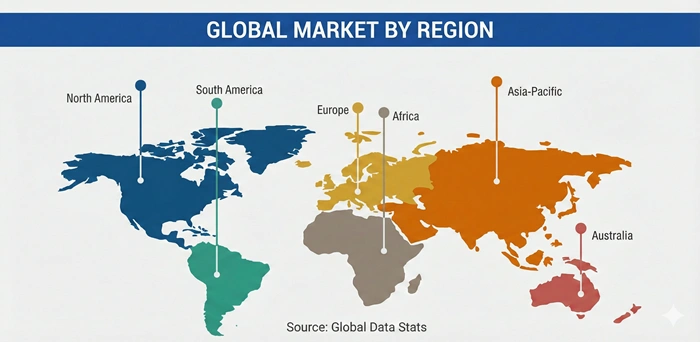
North America leads the global soil monitoring market with approximately 36% market share driven by advanced agricultural mechanization, extensive precision farming adoption, and strong insurance-driven incentives for data-driven risk management across large commercial farming operations.
-
Asia-Pacific emerges as the fastest-growing region with a projected CAGR exceeding 16% through 2033, fueled by massive agricultural investments in China and India, government-backed digitization initiatives for farm operations, and the region's substantial dependence on agriculture for economic development and food security.
-
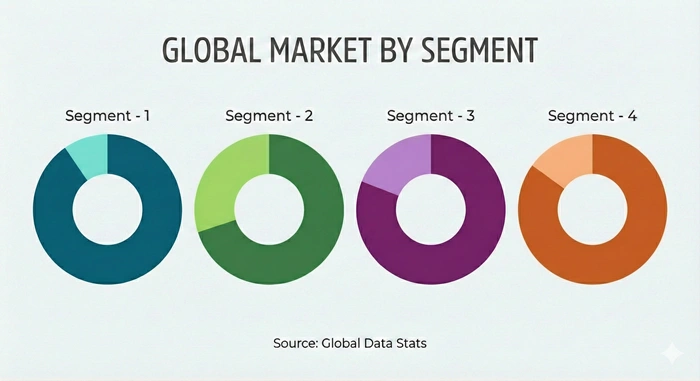
Hardware segment dominates market offerings accounting for approximately 48.6% of total global revenue as farmers invest heavily in soil sensors, probes, monitoring stations, and IoT-enabled devices that form the foundation of precision agriculture infrastructure.
-
Agriculture application holds the largest market share representing around 78.2% of total consumption as farmers increasingly recognize soil monitoring as essential for optimizing irrigation, fertilizer application, and overall crop management in both large-scale commercial operations and smaller family farms.
-
Wireless connectivity systems capture dominant position with approximately 64.9% market share due to their flexibility, scalability, ease of installation, and ability to transmit real-time data from remote field locations without extensive infrastructure requirements.
-
Software and analytics segment exhibits highest growth potential expected to grow at a CAGR exceeding 17% through 2033 as the market shifts toward comprehensive data analytics platforms, AI-driven insights, and cloud-based farm management systems that transform raw sensor data into actionable agronomic recommendations.
Market Scope
| Report Coverage Details | |
|---|---|
| Market Size by 2033 | USD 3284.20 Million |
| Market Size by 2025 | USD 899.71 Million |
| Market Size by 2026 | USD 1038.94 Million |
| Market Growth Rate from 2026 to 2033 | CAGR of 15.07% |
| Dominating Region | North America |
| Fastest Growing Region | Asia-Pacific |
| Base Year | 2025 |
| Forecast Period | 2026 to 2033 |
| Segments Covered | Offering, Connectivity, Application, Region |
| Regions Covered | North America, Europe, Asia-Pacific, Latin America, Middle East and Africa |
Market Dynamics
Drivers Impact Analysis
Precision Agriculture Adoption and Resource Optimization Imperatives
| Factor | Details |
|---|---|
| ≈ % Impact on CAGR Forecast | +3.5% to +4.2% |
| Geographic Relevance | Global, particularly strong in North America and Europe |
| Impact Timeline | Immediate to Long-term (2026-2033) |
The rapid expansion of precision agriculture practices represents the most significant growth driver for the soil monitoring market as farmers worldwide recognize the competitive advantages of data-driven farm management. Modern agricultural operations face mounting pressure to produce higher yields with fewer resources while managing escalating input costs for water, fertilizers, pesticides, and energy. Soil monitoring systems provide the foundational data layer that enables precision agriculture technologies to function effectively, offering real-time insights into spatial variability across fields and temporal changes in soil conditions throughout growing seasons. Farmers equipped with detailed soil moisture, temperature, and nutrient data can implement variable rate application strategies that deliver inputs precisely where and when needed, eliminating waste and optimizing crop response.
The economic case for soil monitoring investment has become increasingly compelling as documented return-on-investment studies demonstrate payback periods of two to three growing seasons for typical installations. Water conservation benefits alone often justify the technology investment in regions facing irrigation restrictions or high water costs, with properly managed systems reducing water usage by 20-40% while maintaining or improving crop yields. Labor efficiency improvements add another dimension of value as automated monitoring systems reduce the need for manual field inspections and enable farm managers to oversee larger operational areas with existing staff. The soil monitoring market benefits from network effects as early adopters share success stories, agronomic advisors gain experience interpreting sensor data, and equipment dealers develop local expertise supporting technology implementation.
Restraints Impact Analysis
High Initial Investment Costs and Technical Complexity Barriers
| Factor | Details |
|---|---|
| ≈ % Impact on CAGR Forecast | -1.8% to -2.3% |
| Geographic Relevance | Developing markets in Africa, Latin America, Southeast Asia |
| Impact Timeline | Short to Medium-term (2026-2029) |
The substantial upfront investment required for comprehensive soil monitoring system implementation represents a significant barrier particularly for small and medium-sized farming operations with limited capital resources. Complete soil monitoring solutions including sensors, connectivity infrastructure, data platforms, and integration with existing farm management systems can require investments ranging from thousands to tens of thousands of dollars depending on farm size and desired coverage density. Many farmers, especially in developing agricultural markets, operate on thin profit margins and face difficulty justifying technology investments that may not generate immediate visible returns, preferring to allocate limited resources toward proven inputs like seeds and fertilizers with more predictable outcomes.
Technical complexity and the steep learning curve associated with soil monitoring technology adoption create additional friction in market expansion as many farmers lack experience with digital technologies and data interpretation. The process of properly installing sensors at appropriate depths and locations, calibrating equipment for specific soil types, maintaining connectivity infrastructure, and interpreting complex data outputs requires technical skills that may not be readily available in rural agricultural communities. Concerns about data security, privacy, and ownership create hesitation among some farmers who worry about sharing sensitive farm performance information with technology providers or having their data accessed by competitors, lenders, or government agencies. The soil monitoring market faces challenges related to technology standardization as proprietary systems from different vendors often cannot interoperate, forcing farmers to commit to specific technology ecosystems and creating vendor lock-in concerns that slow adoption decisions.
Opportunities Impact Analysis
Carbon Markets and Regenerative Agriculture Create New Value Propositions
| Factor | Details |
|---|---|
| ≈ % Impact on CAGR Forecast | +2.8% to +3.5% |
| Geographic Relevance | North America, Europe, Australia leading; expanding globally |
| Impact Timeline | Medium to Long-term (2027-2033) |
The emergence of carbon credit markets and payment programs for ecosystem services creates transformative new revenue opportunities for farmers who can document soil carbon sequestration through verified monitoring systems. Soil represents one of the largest potential carbon sinks on the planet, and agricultural practices focused on soil health improvement can sequester significant amounts of atmospheric carbon dioxide in soil organic matter. Companies, governments, and organizations seeking to offset carbon emissions are increasingly willing to pay farmers for verified carbon sequestration, but these programs require rigorous measurement and monitoring protocols that soil monitoring technologies can provide. This creates powerful economic incentives for soil monitoring market adoption as the technology investment can be partially or fully offset by carbon credit revenues, fundamentally changing the return-on-investment calculation.
Regenerative agriculture practices emphasizing soil health restoration, biodiversity enhancement, and ecosystem resilience are gaining mainstream momentum among both producers and consumers, creating sustained demand for monitoring solutions that track progress toward soil improvement goals. Major food companies and retailers are establishing supplier requirements related to sustainable agriculture practices, with some requiring participating farmers to implement soil monitoring as part of supply chain transparency initiatives. Government programs in numerous countries are directing substantial funding toward agricultural sustainability initiatives that include support for soil monitoring technology adoption, with some jurisdictions offering cost-share programs covering 50-75% of implementation expenses. The soil monitoring market opportunity extends beyond traditional row crop agriculture into specialty crops, vineyards, orchards, greenhouse operations, and even urban agriculture applications where precise environmental control creates competitive advantages and premium product positioning.
Segment Analysis
By Offering: Hardware Segment
Sensor Technology Foundation Drives Market Infrastructure Development
The hardware segment maintains dominant market positioning within the soil monitoring market landscape, capturing approximately 48.6% of global revenue as farmers and agricultural operations invest heavily in the physical infrastructure required for comprehensive soil data collection. This segment encompasses diverse product categories including soil moisture sensors utilizing capacitance or tensiometry principles, temperature probes with varying depth capabilities, multiparameter stations measuring pH and electrical conductivity, nutrient-specific sensors detecting nitrogen and other key elements, and complete weather stations that contextualize soil conditions within broader environmental parameters. North America leads hardware adoption with extensive deployments across large commercial farming operations in the United States Midwest corn belt and Canadian prairie regions, where farmers managing thousands of acres require dense sensor networks to capture spatial variability. Leading companies such as METER Group, Sentek Technologies, and Stevens Water Monitoring Systems dominate this segment through continuous innovation in sensor durability, accuracy, power efficiency, and cost reduction.
The hardware segment growth trajectory remains robust throughout the forecast period driven by expanding geographic adoption, increasing sensor density per farm as prices decline, and technology replacement cycles as earlier-generation equipment reaches end-of-life. Wireless connectivity advances enable new deployment models where battery-powered sensors transmit data via low-power wide-area networks, eliminating installation complexity associated with wired systems and making monitoring feasible in previously inaccessible locations. Asia-Pacific represents the fastest-growing regional market for soil monitoring hardware with projected CAGR exceeding 16.5% as countries like China, India, and Thailand modernize agricultural practices and government initiatives subsidize technology adoption. The segment benefits from complementary product bundling as hardware vendors increasingly offer integrated solutions combining sensors with data loggers, communication gateways, and solar power systems that simplify procurement and ensure component compatibility.
By Application: Agriculture Segment
Precision Farming Imperatives Position Agriculture as Primary End-Use Market
The agriculture application segment commands overwhelming market dominance accounting for approximately 78.2% of global soil monitoring consumption as farming operations of all scales recognize soil data as fundamental to modern crop production strategies. This segment spans diverse agricultural contexts including large-scale commodity crop production of corn, soybeans, wheat, and cotton where soil monitoring enables variable rate input application across vast acreages, specialty crop operations growing high-value vegetables, fruits, and nuts that require precise environmental management, pastoral agriculture managing grazing lands and forage production, and controlled environment agriculture in greenhouses and vertical farms. The United States and European Union countries lead agricultural adoption with sophisticated precision farming ecosystems where soil monitoring data integrates seamlessly with GPS-guided equipment, prescription mapping software, and automated irrigation systems to optimize every aspect of crop production.
Agricultural segment growth acceleration through 2033 reflects both expansion in developed markets where existing technology users increase sensor density and sophistication alongside penetration into emerging agricultural economies where first-time adoption creates substantial new demand. Companies like CropX Technologies, The Climate Corporation, and Trimble Agriculture lead this market segment by offering farmer-focused solutions that translate complex soil data into simple actionable recommendations accessible via mobile applications and web dashboards. The segment exhibits strong regional growth patterns with Asia-Pacific markets expanding rapidly as countries address food security concerns through agricultural modernization, while Latin American markets in Brazil and Argentina adopt soil monitoring to support export-oriented soybean and grain production. Irrigation management represents the most immediate value proposition driving agricultural adoption as soil moisture monitoring enables water conservation ranging from 20-40% while maintaining yields, particularly critical in water-scarce regions facing regulatory restrictions on agricultural water use.
Regional Insights
North America
Technology Leadership and Precision Agriculture Maturity Sustain Regional Dominance
North America maintains its position as the leading regional market for soil monitoring solutions, commanding approximately 36% of global market share driven by the region's advanced agricultural mechanization, widespread precision farming adoption, and supportive policy environment that encourages sustainable agriculture practices. The United States dominates regional consumption with extensive deployments across major agricultural states including Iowa, Illinois, Nebraska, Kansas, and Minnesota where large-scale corn and soybean operations utilize soil monitoring as integral components of comprehensive precision agriculture strategies. Canadian markets in Saskatchewan, Alberta, and Manitoba contribute significant demand as wheat, canola, and pulse crop producers adopt monitoring technologies to optimize production in challenging climate conditions. The region benefits from well-developed wireless connectivity infrastructure, mature distribution channels through agricultural equipment dealers and agronomic service providers, and sophisticated farmer knowledge enabling effective technology utilization.
Major technology providers including Trimble, AGCO Corporation, The Climate Corporation, and John Deere maintain strong market presence throughout North America with established dealer networks, technical support infrastructure, and ongoing innovation programs. The regional market exhibits approximately 14.5% CAGR through 2033 as adoption expands from early-adopter commercial operations into mainstream farming communities and technology replacement cycles drive upgrades to more advanced sensor systems. Insurance companies and agricultural lenders increasingly incorporate soil monitoring data into risk assessment processes, creating additional adoption incentives as farmers gain access to preferential rates and terms by demonstrating data-driven management practices. Emerging opportunities in carbon credit markets and regenerative agriculture programs position North America as the testing ground for new soil monitoring applications beyond traditional yield optimization, with pilot programs in states like Iowa and California establishing protocols for soil carbon measurement and verification.
Asia-Pacific
Agricultural Modernization and Government Support Drive Fastest Regional Growth
Asia-Pacific emerges as the fastest-growing regional market for soil monitoring technologies with projected CAGR exceeding 16.5% through 2033, propelled by massive agricultural modernization initiatives, substantial government investments in precision farming infrastructure, and urgent food security imperatives across the region's populous nations. China leads regional adoption with comprehensive smart agriculture programs supported by substantial government subsidies covering technology implementation costs, extensive rural broadband infrastructure development enabling connectivity for remote sensing systems, and large-scale demonstration projects showcasing soil monitoring benefits. India represents enormous growth potential as the government promotes precision farming through various schemes and initiatives targeting the country's 150 million farming households, with particular focus on water conservation in regions facing groundwater depletion. Countries including Japan, South Korea, Australia, Thailand, and Vietnam contribute significant regional demand as diverse agricultural systems from rice paddies to vineyards adopt monitoring solutions.
The regional soil monitoring market benefits from favorable demographics including younger farmer populations more comfortable with digital technologies, increasing smartphone penetration enabling mobile-based farm management, and growing venture capital investment in agricultural technology startups. Key regional players include established international companies like Sentek Technologies based in Australia alongside emerging local providers developing solutions tailored to regional crop types, farming practices, and economic conditions. The Asia-Pacific market exhibits unique characteristics including strong demand for affordable sensor options suitable for small landholding sizes, preference for mobile-first data interfaces, and integration with regional communication platforms like WeChat in China. Government agricultural extension services play crucial roles in regional adoption by providing training, technical support, and demonstration farms that allow farmers to evaluate soil monitoring benefits before making investment decisions.
Top Key Players
-
METER Group (United States)
-
Sentek Technologies (Australia)
-
Stevens Water Monitoring Systems Inc (United States)
-
CropX Technologies (Israel)
-
Trimble Inc (United States)
-
The Climate Corporation (United States)
-
SGS SA (Switzerland)
-
The Toro Company (United States)
-
Campbell Scientific Inc (United States)
-
Acclima Inc (United States)
-
AGCO Corporation (United States)
-
Irrometer Company Inc (United States)
-
Delta-T Devices Ltd (United Kingdom)
-
Spectrum Technologies Inc (United States)
-
EarthOptics Inc (United States)
Recent Developments
-
February 2025: The Toro Company partnered with TerraRad to develop soil moisture monitoring software called Spatial Adjust that integrates with the Toro Lynx Central Control platform, enabling automatic irrigation schedule modifications based on real-time soil condition recommendations.
-
January 2025: Lindsay Corporation acquired a 49.9% stake in Pessl Instruments to strengthen its precision irrigation technology portfolio, with the integration of METOS soil monitoring systems with FieldNET enabling farmers to make data-driven irrigation decisions based on real-time soil conditions.
-
November 2024: EarthOptics secured USD 24 million in Series B funding to expand its soil digitization services and strengthen its market position, planning to use the investment to enhance its ground-penetrating radar technology combined with machine learning for detailed carbon mapping.
-
August 2024: EarthOptics and Pattern Ag announced a merger of equals to form a soil digitization powerhouse under the EarthOptics name, combining advanced soil-sensing technology with data insights to create high-resolution digital twins of agricultural soil.
-
February 2024: CropX Technologies partnered with Syngenta to optimize seed suppliers' sustainability and yield performance in the American Midwest, with CropX's agronomic platform collecting real-time soil and machinery data for advanced analytics and visualization empowering growers with actionable insights.
Market Trends
Integration with Broader Agricultural Ecosystems and Sustainability Verification
The soil monitoring market is experiencing a fundamental shift from standalone sensor deployments toward comprehensive integration with broader farm management ecosystems and agricultural value chains. Modern soil monitoring solutions increasingly connect with equipment telematics from tractors and planters, weather forecasting services providing hyperlocal predictions, crop modeling software simulating growth responses to environmental conditions, and marketplace platforms connecting farmers with input suppliers and crop buyers. This integration creates network effects where soil data becomes exponentially more valuable when combined with complementary information sources, enabling sophisticated decision support systems that optimize multiple farm management variables simultaneously. Technology providers are developing open APIs and standardized data formats that facilitate interoperability across platforms, reducing vendor lock-in concerns and accelerating adoption among farmers who value flexibility in technology choices.
Sustainability verification and environmental compliance reporting represent rapidly emerging applications for soil monitoring technology as regulatory requirements and market-based incentives create demand for documented evidence of farming practices. Carbon credit markets require rigorous measurement protocols to verify soil carbon sequestration claims, with soil monitoring providing the continuous data streams needed to satisfy verification standards established by programs like Verra, Climate Action Reserve, and emerging government initiatives. Water quality regulations in regions with sensitive ecosystems mandate nutrient management practices that minimize fertilizer runoff, with soil monitoring enabling precision application that meets environmental standards while maintaining agronomic performance. Corporate sustainability programs from food companies and retailers are establishing supplier requirements that include soil health metrics, with some programs offering premium pricing for crops produced using verified sustainable practices documented through monitoring systems.
Segments Covered in the Report
By Offering:
-
Hardware
-
Soil Moisture Sensors
-
Temperature Probes
-
Multiparameter Stations
-
Nutrient Sensors
-
Weather Stations
-
-
Software
-
Data Analytics Platforms
-
Farm Management Systems
-
Mobile Applications
-
Cloud-Based Solutions
-
-
Services
-
Installation and Commissioning
-
Maintenance and Support
-
Consulting and Advisory
-
Data Analysis Services
-
By Connectivity:
-
Wired Systems
-
Wireless Systems
-
Cellular Networks
-
LoRaWAN
-
Satellite Communication
-
WiFi and Bluetooth
-
By Application:
-
Agriculture
-
Crop Production
-
Irrigation Management
-
Nutrient Management
-
Precision Farming
-
-
Construction
-
Site Monitoring
-
Foundation Analysis
-
Erosion Control
-
-
Research and Forestry
-
Environmental Studies
-
Forest Management
-
Climate Research
-
-
Others
-
Golf Courses
-
Sports Fields
-
Landscaping
-
By Region:
-
North America
-
United States
-
Canada
-
Mexico
-
-
Europe
-
Germany
-
United Kingdom
-
France
-
Italy
-
Spain
-
Rest of Europe
-
-
Asia-Pacific
-
China
-
India
-
Japan
-
South Korea
-
Australia
-
Southeast Asia
-
Rest of Asia-Pacific
-
-
Latin America
-
Brazil
-
Argentina
-
Rest of Latin America
-
-
Middle East and Africa
-
Saudi Arabia
-
UAE
-
South Africa
-
Rest of Middle East and Africa
-
Frequently Asked Questions
Question 1: What is the expected size of the soil monitoring market by 2033?
Answer: The global soil monitoring market is projected to reach approximately USD 3284.20 million by 2033, growing from USD 1038.94 million in 2026. This represents substantial expansion driven by precision agriculture adoption, sustainability mandates, and technological advancements in sensor technology and data analytics.
Question 2: Which region dominates the soil monitoring market currently?
Answer: North America leads the global soil monitoring market with approximately 36% market share, driven by advanced agricultural practices, extensive precision farming adoption, and strong technology infrastructure. The region benefits from mature distribution channels, supportive policies, and high farmer awareness of data-driven farm management benefits.
Question 3: What are the primary drivers of soil monitoring market growth?
Answer: The soil monitoring market growth is primarily driven by increasing precision agriculture adoption, water conservation imperatives, climate change adaptation needs, and emerging carbon credit markets. Government incentives for sustainable farming and regulatory requirements for environmental compliance further accelerate technology adoption across global agricultural markets.
Question 4: Which application segment holds the largest share in the soil monitoring market?
Answer: Agriculture represents the dominant application segment accounting for approximately 78.2% of the global soil monitoring market. This segment encompasses crop production, irrigation management, nutrient optimization, and precision farming applications where soil data provides foundational insights for resource management and yield optimization.
Question 5: What is the projected CAGR for the soil monitoring market from 2026 to 2033?
Answer: The soil monitoring market is expected to grow at a CAGR of 15.07% from 2026 to 2033. This robust growth rate reflects increasing technology adoption across both developed and emerging agricultural markets, continuous innovation in sensor capabilities, and expanding applications beyond traditional farming into carbon verification and regenerative agriculture.