
Smart Cities Market Overview
The global Smart Cities market size is valued at USD 639.40 billion in 2025 and is predicted to increase from USD 792.04 billion in 2026 to approximately USD 2763.60 billion by 2033, growing at a CAGR of 19.24% from 2026 to 2033.
This transformative urban development approach integrates advanced digital infrastructure including Internet of Things sensors, artificial intelligence systems, and cloud computing platforms to improve quality of life while optimizing resource management across metropolitan areas. The Smart Cities market has accelerated dramatically as governments worldwide prioritize sustainable urbanization strategies that address challenges including traffic congestion, energy consumption, public safety, and environmental sustainability.
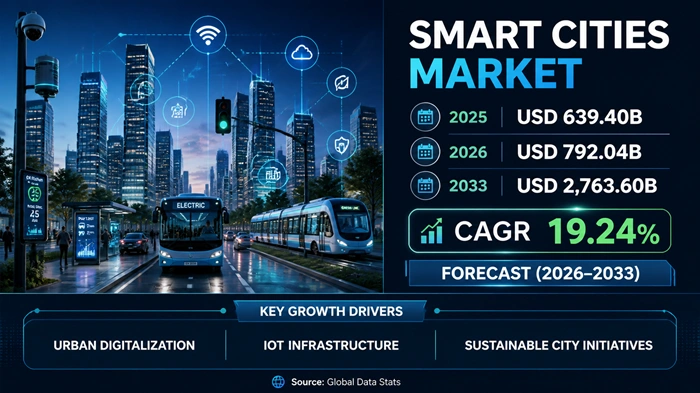
Enabling Sustainable Urban Development Through Digital Infrastructure and Data-Driven Management Systems
Urban populations continue expanding rapidly with projections indicating that 57.5% of global inhabitants currently reside in cities, creating unprecedented pressure on infrastructure, utilities, and public services. The Smart Cities approach responds to these challenges by deploying interconnected systems that monitor, analyze, and optimize urban operations in real-time through sophisticated sensor networks and intelligent analytics. This digital transformation enables municipalities to improve transportation efficiency, reduce energy waste, enhance emergency response capabilities, and provide citizens with convenient access to government services. Technology providers have developed comprehensive platforms that integrate diverse urban systems including traffic management, building automation, utility monitoring, and public safety surveillance into unified ecosystems that deliver actionable insights for city administrators.
AI Impact on the Smart Cities Industry
Artificial Intelligence Revolutionizes Urban Management Through Predictive Analytics and Intelligent Automation
Artificial intelligence has emerged as a transformative force within the Smart Cities market, fundamentally reshaping how municipalities manage infrastructure and deliver services to residents. Machine learning algorithms analyze massive datasets generated by IoT sensors deployed across urban environments to identify patterns, predict maintenance needs, and optimize resource allocation in ways impossible through manual processes. AI-powered traffic management systems process real-time data from thousands of connected sensors to adjust signal timing dynamically, reducing congestion by 20-30% while minimizing vehicle emissions in major metropolitan areas. Predictive maintenance applications leverage AI to forecast equipment failures in utilities, transportation systems, and public facilities, enabling proactive repairs that prevent costly breakdowns and service disruptions.
Public safety represents a critical area where AI delivers substantial value within the Smart Cities market through intelligent surveillance systems that detect unusual activities, identify security threats, and coordinate emergency response resources. Machine learning enhances video analytics capabilities, enabling automated monitoring of public spaces for safety incidents while respecting privacy concerns through anonymization and selective recording protocols. The AI in smart cities segment demonstrates explosive growth from 50.63 billion dollars in 2025 toward projected 460.47 billion dollars by 2034, reflecting the technology's central role in urban digital transformation strategies. Energy management applications utilize AI to optimize electricity distribution across smart grids, predict demand fluctuations, and integrate renewable sources efficiently, contributing to sustainability goals while reducing operational costs for municipalities. Waste collection services leverage AI-powered route optimization that analyzes real-time bin fill levels to schedule pickups only when necessary, cutting fuel consumption and emissions while maintaining service quality.
Growth Factors
Rapid Urbanization and Sustainability Mandates Drive Infrastructure Modernization
The explosive growth of urban populations has created compelling drivers for the Smart Cities market as municipalities struggle to maintain service quality while managing increased demand on aging infrastructure systems. More than 57.5% of the world's population currently lives in cities, with projections indicating this proportion will continue rising as rural-to-urban migration accelerates across developing economies. This demographic shift places enormous strain on transportation networks, utility systems, healthcare facilities, and public services, forcing governments to seek innovative solutions that optimize existing assets rather than relying solely on costly physical expansion. Smart city technologies enable municipalities to extract significantly more value from current infrastructure through real-time monitoring, predictive maintenance, and intelligent resource allocation that reduces waste while improving service delivery.
Government initiatives and substantial public investments represent powerful catalysts propelling Smart Cities market expansion across developed and emerging economies. National programs including India's Smart Cities Mission, China's New Urbanization Plan, Singapore's Smart Nation agenda, and numerous European Union digital transformation initiatives channel billions of dollars into urban technology deployment. These programs typically combine public funding with private sector partnerships that leverage commercial expertise and innovation capacity to accelerate implementation timelines. Environmental sustainability concerns have intensified pressure on cities to reduce carbon emissions, improve energy efficiency, and minimize resource consumption, driving adoption of smart grids, intelligent buildings, and optimized transportation systems. The integration of advanced technologies including 5G connectivity, IoT devices, and edge computing creates robust digital infrastructure that enables real-time data collection and analysis across urban environments. Rising citizen expectations for convenient, responsive government services push municipalities to adopt digital platforms for e-governance, mobile applications for service requests, and data transparency initiatives that improve engagement.
Market Outlook
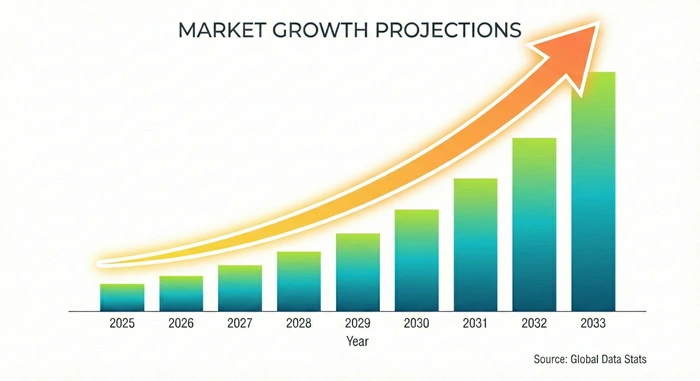
Strong Growth Projections and Technology Convergence Signal Robust Future Expansion
The Smart Cities market demonstrates compelling long-term prospects as technology advances and government commitment to urban digital transformation intensifies globally. Market analysts project sustained double-digit growth rates extending through 2033 as cities continue deploying IoT sensors, upgrading network infrastructure, and implementing AI-powered management systems across transportation, utilities, public safety, and citizen services. Asia Pacific emerges as the fastest-growing region with particularly strong momentum in countries including China, India, Japan, South Korea, and Southeast Asian nations where rapid urbanization combines with supportive government policies and substantial infrastructure investments. North America maintains market leadership position supported by advanced technology ecosystems, high digital literacy, strong public-private collaboration, and substantial corporate presence of major solution providers.
Investment in research and development remains robust as technology vendors including Cisco, Siemens, IBM, Microsoft, Huawei, and Hitachi compete to deliver comprehensive platforms that address evolving municipal requirements. The convergence of multiple technology trends including 5G networks, artificial intelligence, edge computing, digital twins, and autonomous systems creates unprecedented opportunities for integrated smart city solutions. Autonomous vehicles expected to reach 20 million units by 2032 will fundamentally transform urban mobility, requiring extensive smart infrastructure including connected traffic systems, intelligent parking, and coordinated public transit. Sustainability initiatives remain central to Smart Cities market growth with Europe targeting 100 Positive Energy Districts by 2025 and cities worldwide committing to ambitious carbon neutrality goals that depend on intelligent energy management systems. Public-private partnerships continue evolving as municipalities recognize that commercial sector innovation, implementation expertise, and operational efficiency complement government funding and policy frameworks.
Expert Speaks
-
Siemens Leadership emphasized their commitment to urban digital transformation through integrated platforms that combine smart mobility, energy optimization, and data analytics, highlighting successful implementations in Berlin's Siemensstadt innovation district and partnerships in Saudi Arabia's NEOM project.
-
Cisco Executives discussed their leadership in smart infrastructure enablement through IoT networking solutions that enhance traffic optimization and city security, noting that their robust connectivity platforms serve as foundations for intelligent urban systems worldwide.
-
Hitachi Management highlighted their Lumada platform's role in large-scale urban transformation projects including Japan's Smart City Giga program, emphasizing that integrated digital solutions deliver measurable improvements in efficiency, sustainability, and resident quality of life.
Key Report Takeaways
-
North America leads the Smart Cities market with the largest regional market share exceeding 30% due to advanced technological infrastructure, substantial government and private investments, and strong presence of major solution providers
-
Asia Pacific emerges as the fastest-growing region with a projected CAGR exceeding 22% from 2026 to 2033, driven by rapid urbanization, government-backed digital transformation initiatives, and massive infrastructure investments across China, India, and Southeast Asia
-
IoT technology dominates by capturing approximately 37% of the technology segment as cities deploy extensive sensor networks for traffic management, utility monitoring, building automation, and public safety surveillance
-
Smart citizen services represent the largest solution segment accounting for substantial market share as municipalities prioritize improving resident quality of life through e-governance, smart healthcare, public safety, and education applications
-
Smart utilities demonstrate highest growth potential with expected CAGR exceeding 21% as cities optimize asset performance, improve operational efficiency, and leverage IoT and analytics to enhance electricity, water, and waste management systems
-
Command and control centers show strong expansion with anticipated CAGR of 21.5% as these integrated platforms become essential infrastructure for coordinating smart lighting, surveillance, waste management, energy systems, traffic management, and water services
Market Scope
| Report Coverage | Details |
|---|---|
| Market Size by 2033 | USD 2763.60 Billion |
| Market Size by 2025 | USD 639.40 Billion |
| Market Size by 2026 | USD 792.04 Billion |
| Market Growth Rate from 2026 to 2033 | CAGR of 19.24% |
| Dominating Region | North America |
| Fastest Growing Region | Asia Pacific |
| Base Year | 2025 |
| Forecast Period | 2026 to 2033 |
| Segments Covered | Focus Area, Technology, Solution, Application, Region |
| Regions Covered | North America, Europe, Asia Pacific, Latin America, Middle East and Africa |
Market Dynamics
Drivers Impact Analysis
Government Initiatives and Digital Infrastructure Investments Accelerate Urban Transformation
| Factor | (≈) % Impact on CAGR Forecast | Geographic Relevance | Impact Timeline |
|---|---|---|---|
| Government Smart City Programs | High (3-4%) | Global | 2026-2033 |
| Rapid Urbanization | High (3-4%) | Asia Pacific, Latin America, Middle East | 2026-2033 |
| Sustainability Mandates | Medium-High (2-3%) | Europe, North America, Asia Pacific | 2026-2033 |
| IoT and 5G Infrastructure | Medium-High (2-3%) | Global | 2026-2033 |
Government-led smart city initiatives have emerged as the primary catalyst driving Smart Cities market expansion as national and municipal authorities commit substantial financial resources to urban digital transformation programs. India's Smart Cities Mission encompasses over 100 cities with integrated command and control centers that enhance civic services through coordinated management of transportation, utilities, and public safety systems. China's New Urbanization Plan represents one of the world's largest infrastructure initiatives, channeling investments into connectivity platforms, data systems, and intelligent transportation across major metropolitan areas. Singapore continues expanding its Smart Nation agenda with focused investments in digital public services and connected infrastructure that position the city-state as a global reference model for urban technology deployment. These comprehensive programs create sustained demand for smart city technologies particularly in capital cities and major economic hubs where implementation demonstrates immediate benefits to large populations.
Rapid urbanization across developing economies places unprecedented stress on existing infrastructure systems, compelling municipalities within the Smart Cities market to adopt digital solutions that optimize resource utilization and service delivery. Urban population growth forces cities to manage increasing demand for transportation, utilities, healthcare, education, and public services without proportional expansion of physical infrastructure. Smart city technologies enable municipalities to extract significantly greater value from existing assets through real-time monitoring, predictive maintenance, and intelligent allocation that prevents waste while maintaining quality standards. Sustainability mandates increasingly influence urban planning decisions as cities commit to aggressive carbon reduction targets, renewable energy adoption, and resource conservation goals that require sophisticated monitoring and management systems. The deployment of 5G networks and IoT infrastructure creates foundational capabilities that enable real-time data collection from millions of sensors, providing municipalities with comprehensive visibility into urban operations and citizen needs. Public demand for improved services, transparent governance, and convenient digital access to government functions drives investments in smart citizen services including mobile applications, e-governance platforms, and open data initiatives.
Restraints Impact Analysis
High Implementation Costs and Cybersecurity Concerns Challenge Market Adoption
| Factor | (≈) % Impact on CAGR Forecast | Geographic Relevance | Impact Timeline |
|---|---|---|---|
| High Initial Investment Costs | Medium-High (-2 to -3%) | Developing Markets | 2026-2033 |
| Cybersecurity and Privacy Concerns | Medium (-1.5 to -2%) | Global | 2026-2033 |
| Integration Complexity | Medium (-1 to -1.5%) | Global | 2026-2033 |
| Data Governance Challenges | Low-Medium (-0.5 to -1%) | Global | 2026-2033 |
High initial investment requirements present significant barriers constraining Smart Cities market adoption particularly among budget-constrained municipalities in developing economies. Developing a comprehensive smart city project frequently requires capital expenditures exceeding hundreds of millions of dollars for deploying IoT sensors, upgrading network infrastructure, implementing data centers, and integrating management platforms across multiple urban systems. Retrofitting existing infrastructure with intelligent capabilities can account for 30-40% of total project costs as cities must carefully integrate new technologies with legacy systems while maintaining continuous service delivery. Municipalities in regions including Latin America, Africa, and parts of Asia face particularly acute challenges securing funding for large-scale smart city initiatives given competing priorities for limited public resources. The complexity of business case development and uncertainty regarding return on investment timelines create additional hesitation among government decision-makers evaluating major technology deployments.
Cybersecurity vulnerabilities and privacy concerns represent growing challenges within the Smart Cities market as interconnected systems create potential attack surfaces that malicious actors could exploit to disrupt critical urban services. The integration of millions of IoT devices, sensors, and connected systems across transportation, utilities, and public safety creates complex networks where security breaches could have cascading consequences affecting large populations. Data governance challenges emerge as cities collect vast amounts of information about citizen movements, behaviors, and activities through surveillance cameras, transportation systems, and utility monitoring, raising legitimate concerns about privacy protection and potential misuse. Regulatory frameworks governing data collection, storage, and usage vary substantially across jurisdictions, complicating technology deployment for vendors operating in multiple markets. Integration complexity intensifies as municipalities attempt to connect disparate systems deployed by different vendors across various time periods, often encountering compatibility issues, proprietary protocols, and insufficient standardization. The shortage of skilled personnel capable of designing, implementing, and managing sophisticated smart city platforms constrains deployment speed and operational effectiveness, particularly in smaller cities lacking robust technology talent pools.
Opportunities Impact Analysis
Emerging Technologies and Vertical Specialization Create Growth Pathways
| Factor | (≈) % Impact on CAGR Forecast | Geographic Relevance | Impact Timeline |
|---|---|---|---|
| Autonomous Mobility Integration | High (2-3%) | Global | 2027-2033 |
| Digital Twin Technology | Medium-High (1.5-2.5%) | North America, Europe, Asia Pacific | 2026-2033 |
| 5G and Edge Computing | Medium-High (2-2.5%) | Global | 2026-2033 |
| Climate Resilience Solutions | Medium (1-2%) | Global | 2026-2033 |
The integration of autonomous vehicles and intelligent mobility systems presents substantial opportunities for the Smart Cities market as transportation networks undergo fundamental transformation. Autonomous vehicle deployments expected to reach 20 million units by 2032 will require extensive supporting infrastructure including connected traffic management systems, intelligent parking solutions, coordinated public transit, and vehicle-to-infrastructure communication protocols. Cities investing early in smart mobility platforms position themselves to capitalize on autonomous technology benefits including reduced congestion, improved safety, and optimized land use as parking requirements diminish. Digital twin technology enables municipalities to create virtual replicas of urban systems for simulation, optimization, and scenario planning before implementing physical changes. Huawei has successfully deployed digital twin platforms powered by artificial intelligence across multiple cities in Asia and the Middle East, demonstrating measurable improvements in urban planning, infrastructure management, and service delivery.
The expansion of 5G networks and edge computing capabilities creates opportunities to enhance Smart Cities market applications through ultra-low latency, massive device connectivity, and distributed processing power. These advanced connectivity technologies enable new use cases including real-time autonomous vehicle coordination, augmented reality for maintenance technicians, and instantaneous emergency response coordination that require millisecond response times. Climate resilience solutions represent growing opportunities as cities confront increasing frequency and severity of extreme weather events, requiring intelligent systems for flood monitoring, heat island mitigation, and disaster response coordination. Public-private partnership models continue evolving, creating opportunities for technology vendors to develop innovative financing arrangements including performance-based contracts where compensation links directly to measurable improvements in efficiency, sustainability, or service quality. Vertical specialization enables solution providers to develop industry-specific offerings tailored to unique requirements in sectors such as healthcare, education, tourism, and cultural heritage preservation. Emerging markets in Africa, Southeast Asia, and Latin America present significant untapped potential as improving economic conditions, digital infrastructure development, and government commitment to urbanization create demand for affordable smart city solutions.
Segment Analysis
By Technology: Internet of Things (IoT) Segment
Extensive Sensor Networks Enable Real-Time Urban Monitoring and Data-Driven Decision Making
The Internet of Things segment commands dominant market share of approximately 37% within the Smart Cities market due to the foundational role that connected sensors and devices play in collecting urban data across all application areas. This segment encompasses the vast networks of IoT sensors, actuators, communication protocols, and edge devices deployed throughout cities to monitor traffic flow, utility consumption, environmental conditions, infrastructure status, and countless other parameters that inform management decisions. IoT technology enables smart city applications including intelligent transportation systems with real-time traffic monitoring, smart parking that guides drivers to available spaces, connected vehicles that communicate with infrastructure, smart grids that optimize electricity distribution, energy meters that provide granular consumption data, building management systems that automate HVAC and lighting, surveillance cameras that enhance public safety, and environmental sensors that track air quality and noise levels. North America leads IoT adoption in smart cities with sophisticated deployments across major metropolitan areas including New York, Los Angeles, Chicago, and San Francisco that leverage extensive sensor networks to optimize urban operations.
The segment demonstrates particularly strong growth momentum as IoT device costs continue declining while capabilities improve, enabling municipalities to deploy sensors at scale across entire urban areas. Smart utility applications represent a major driver for IoT adoption as electricity, water, and gas providers deploy millions of connected meters that enable real-time consumption monitoring, automated billing, leak detection, and grid optimization. Asia Pacific emerges as the fastest-growing region for IoT in smart cities driven by massive infrastructure investments, government digital transformation initiatives, and rapid urbanization across countries including China, India, Japan, and Southeast Asian nations. The Smart Cities market benefits from IoT standardization efforts that improve interoperability between devices from different manufacturers, reducing integration complexity and enabling cities to avoid vendor lock-in. Leading technology providers in this segment including Cisco, Huawei, Intel, NEC, and numerous specialized IoT platform vendors invest heavily in developing comprehensive solutions that combine sensors, connectivity, edge processing, and analytics into integrated offerings.
By Solution: Smart Transportation Segment
Intelligent Mobility Systems Address Urban Congestion While Supporting Sustainability Goals
The smart transportation segment represents one of the largest and most impactful solution categories within the Smart Cities market as municipalities prioritize addressing chronic traffic congestion, improving public transit efficiency, and reducing transportation-related emissions. This segment includes intelligent transportation systems that optimize traffic signal timing based on real-time flow data, smart parking solutions that guide drivers to available spaces while reducing search time, connected public transit systems that provide real-time arrival information and optimize route planning, traffic monitoring networks with cameras and sensors that detect incidents and manage response, and infrastructure supporting electric vehicles and autonomous mobility. Intelligent transportation systems account for the largest sub-segment market share due to their direct impact on daily commuter experiences and measurable benefits including 20-30% congestion reduction in cities with comprehensive deployments. Europe demonstrates particularly strong adoption of smart transportation solutions driven by aggressive carbon reduction commitments, high urban density, and sophisticated public transit systems that benefit from real-time optimization.
The segment shows robust growth potential as autonomous vehicle technology matures and requires supporting smart infrastructure for safe, efficient operation. Cities investing in connected vehicle infrastructure position themselves to capitalize on autonomous mobility benefits while attracting technology companies and mobility service providers seeking locations with advanced digital capabilities. Asia Pacific experiences rapid smart transportation growth particularly in China and India where extreme urban congestion creates urgent demand for intelligent traffic management, while government initiatives channel substantial funding into mobility infrastructure upgrades. The Smart Cities market benefits from transportation applications delivering relatively fast payback periods through reduced congestion costs, improved safety outcomes, and optimized public transit efficiency that justifies initial investments. Major vendors serving this segment including Siemens, Hitachi, Cisco, Huawei, and specialized intelligent transportation system providers develop comprehensive platforms that integrate traffic management, public transit optimization, parking management, and connected vehicle infrastructure into unified ecosystems.
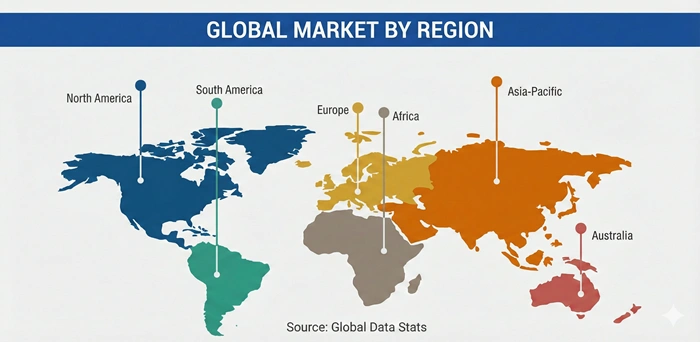
Regional Insights
North America
Advanced Infrastructure and Innovation Ecosystem Establish Regional Market Leadership
North America commands the largest regional share exceeding 30% in the Smart Cities market, supported by advanced technological infrastructure, substantial government investments, high digital literacy, and strong presence of major solution providers who continuously innovate to maintain competitive positions. The region benefits from mature public-private partnership models that combine government funding with commercial sector innovation, implementation expertise, and operational efficiency. The United States dominates regional activity with smart city initiatives across major metropolitan areas including New York, Los Angeles, Chicago, San Francisco, and numerous mid-sized cities that leverage federal, state, and local funding to deploy intelligent transportation, utility monitoring, and public safety systems. Technology giants including Microsoft, Cisco, IBM, Intel, and Google maintain headquarters and primary development operations within the region, enabling close collaboration with municipal customers and rapid innovation cycles.
The North American Smart Cities market demonstrates robust growth as municipalities modernize aging infrastructure and address challenges including traffic congestion, energy efficiency, public safety, and environmental sustainability through digital solutions. Regional cities show strong focus on sustainability initiatives with California, New York, and other states implementing aggressive carbon reduction goals that drive investments in smart grids, intelligent buildings, and optimized transportation systems. The United States government supports smart city development through various federal programs, research funding, and initiatives that promote technology standardization and interoperability. Canada contributes significantly to regional market development with smart city deployments in Toronto, Vancouver, Montreal, and other urban centers that emphasize citizen engagement, open data, and environmental stewardship. Key players serving this market including Cisco, IBM, Microsoft, Siemens, Schneider Electric, Honeywell, and numerous specialized vendors invest substantially in North American operations, partnerships, and vertical-specific solutions that address unique municipal requirements.
Asia Pacific
Rapid Urbanization and Government Support Drive Exceptional Regional Growth
Asia Pacific has emerged as the fastest-growing region in the Smart Cities market with projected CAGR exceeding 22% from 2026 to 2033, driven by explosive urbanization, substantial government investments in digital infrastructure, and national smart city programs encompassing hundreds of municipalities. The region faces acute infrastructure challenges as rapid urban population growth, rising middle classes, and economic development create enormous pressure on transportation networks, utilities, and public services. Government initiatives across the region channel billions of dollars into smart city development with China's New Urbanization Plan, India's Smart Cities Mission encompassing 100+ cities, Japan's Society 5.0 concept, South Korea's national pilot projects, and Singapore's Smart Nation agenda representing some of the world's most ambitious urban digital transformation programs. These comprehensive initiatives combine infrastructure investments with supportive policies, standards development, and public-private partnership frameworks that accelerate implementation.
The Asia Pacific Smart Cities market benefits from strong domestic technology ecosystems with regional vendors including Huawei, Hitachi, NEC, Tencent, and Alibaba competing alongside international players to serve diverse market requirements across different countries and regulatory environments. China demonstrates particularly aggressive smart city deployment with extensive IoT sensor networks, AI-powered urban management platforms, digital twin implementations, and integrated command centers across major cities including Beijing, Shanghai, Shenzhen, and hundreds of secondary markets. India shows explosive growth potential driven by Smart Cities Mission funding, expanding IT services sector, growing startup ecosystem, and increasing SME cloud adoption across tier-two and tier-three cities. Japan emerges as the fastest-growing market within Asia Pacific with focus on IoT technologies, environmentally friendly solutions, Society 5.0 concept for sustainable development, and numerous government initiatives plus public-private partnership models for smart city deployment. Key players active across this diverse region include Huawei, Hitachi, NEC, Cisco, Siemens, Microsoft, and numerous local providers tailoring solutions to specific market preferences, regulatory requirements, and language needs within individual countries.
Top Key Players
-
Cisco Systems Inc. (United States)
-
IBM Corporation (United States)
-
Siemens AG (Germany)
-
Microsoft Corporation (United States)
-
Hitachi Ltd. (Japan)
-
Schneider Electric SE (France)
-
Huawei Technologies Co. Ltd. (China)
-
Intel Corporation (United States)
-
NEC Corporation (Japan)
-
ABB Ltd. (Switzerland)
-
Oracle Corporation (United States)
-
SAP SE (Germany)
-
Honeywell International Inc. (United States)
-
General Electric Company (United States)
Recent Developments
-
Hitachi Ltd. (2024-2025) expanded its Lumada platform deployment across major smart city projects including Japan's Smart City Giga program and Saudi Arabia's NEOM initiative, leveraging digital twin technologies and integrated urban management systems to deliver large-scale transformation
-
Huawei Technologies (2024-2025) solidified market position in Asia and Middle East through deployment of AI-powered digital twin platforms and integrated city management systems across multiple municipalities, demonstrating leadership in comprehensive urban digitalization solutions
-
Siemens AG (2024-2025) advanced smart mobility and energy optimization capabilities through its Xcelerator digital twin suite, showcased in the Siemensstadt innovation district in Berlin and partnerships across global smart city projects
-
Cisco Systems (2024-2025) maintained leadership in smart infrastructure enablement by expanding IoT networking solutions for traffic optimization and city security, while forming strategic partnerships with municipalities globally to deploy connected urban platforms
-
Microsoft Corporation (2024-2025) enhanced Azure-based smart city platforms with advanced AI capabilities, cloud computing infrastructure, and data analytics tools, while partnering with governments worldwide to support urban digital transformation initiatives
Market Trends
Technology Convergence and Citizen-Centric Models Reshape Urban Development
The Smart Cities market continues evolving beyond isolated point solutions toward comprehensive integrated platforms that combine IoT connectivity, artificial intelligence, digital twins, and advanced analytics into unified urban operating systems. Leading municipalities increasingly adopt command and control center architectures that provide centralized visibility and coordination across all smart city systems including transportation, utilities, public safety, environmental monitoring, and citizen services. This integration enables more sophisticated optimization as AI algorithms analyze data flows across multiple domains to identify interdependencies and recommend coordinated interventions that deliver superior outcomes compared to siloed management approaches. Autonomous mobility systems gain momentum with projections indicating 20 million autonomous vehicles by 2032, requiring extensive smart infrastructure investments in connected traffic systems, intelligent parking, coordinated public transit, and vehicle-to-infrastructure communication protocols.
Sustainability considerations have become central to Smart Cities market development as municipalities worldwide commit to aggressive carbon neutrality targets that require intelligent energy management, optimized transportation, green building systems, and circular economy approaches to resource management. Europe leads this trend with targets including 100 Positive Energy Districts by 2025 and comprehensive frameworks linking urban digitalization to environmental performance metrics. Citizen-centric design principles gain prominence as cities recognize that technology deployments must deliver tangible quality of life improvements to gain public support and justify investments. Participatory platforms enable residents to report issues, access services, and engage in urban planning processes through mobile applications and digital portals that improve transparency while gathering valuable feedback. Edge computing architectures enable distributed processing that reduces latency for time-sensitive applications including autonomous vehicle coordination, emergency response, and real-time video analytics while minimizing bandwidth requirements to central data centers. Climate resilience emerges as a growing priority with intelligent systems monitoring flood risks, managing heat islands, coordinating disaster response, and supporting adaptation strategies as extreme weather events increase in frequency and severity.
Segments Covered in the Report
By Focus Area
-
Smart Transportation
-
Smart Buildings
-
Smart Utilities
-
Smart Citizen Services
By Technology
-
Internet of Things (IoT)
-
Artificial Intelligence
-
Cloud Computing
-
Machine Learning
-
Machine-to-Machine Communications
-
Others
By Solution
-
Smart Lighting
-
Smart Parking
-
Smart Building Automation
-
Smart Water Management
-
Smart Waste Management
-
Smart Traffic Management
-
Smart Grid
-
E-Governance
-
Command and Control Centers
-
Others
By Application
-
Infrastructure
-
Energy and Utilities
-
Transportation
-
Healthcare
-
Public Safety
-
Government
-
Education
-
Others
By Region
-
North America
-
Europe
-
Asia Pacific
-
Latin America
-
Middle East and Africa
Frequently Asked Questions
Question 1: What is the projected Smart Cities market size by 2033?
Answer: The global Smart Cities market is expected to reach approximately USD 2763.60 billion by 2033. The market demonstrates robust growth driven by rapid urbanization, government digital transformation initiatives, and increasing demand for sustainable urban infrastructure solutions.
Question 2: Which region dominates the Smart Cities market currently?
Answer: North America holds the largest market share exceeding 30% due to advanced technological infrastructure and substantial investments. The region benefits from strong presence of major solution providers, mature public-private partnership models, and high digital literacy supporting smart city adoption.
Question 3: What factors drive growth in the Smart Cities market?
Answer: Key drivers include rapid urbanization creating infrastructure pressure, government smart city programs with substantial funding, sustainability mandates requiring carbon reduction, and IoT plus 5G infrastructure enabling real-time monitoring. The Smart Cities market also benefits from rising citizen expectations for convenient digital government services.
Question 4: How is AI impacting the Smart Cities market development?
Answer: Artificial intelligence enhances smart cities through predictive analytics for maintenance, intelligent traffic management reducing congestion by 20-30%, automated surveillance for public safety, and energy optimization in smart grids. AI in the Smart Cities market enables data-driven decision making and automated urban management systems.
Question 5: Which technology segment leads the Smart Cities market?
Answer: Internet of Things technology dominates with approximately 37% market share as cities deploy extensive sensor networks for traffic management, utility monitoring, building automation, and public safety. IoT provides the foundational data collection infrastructure enabling all Smart Cities market applications.