
Skincare Devices Market Overview
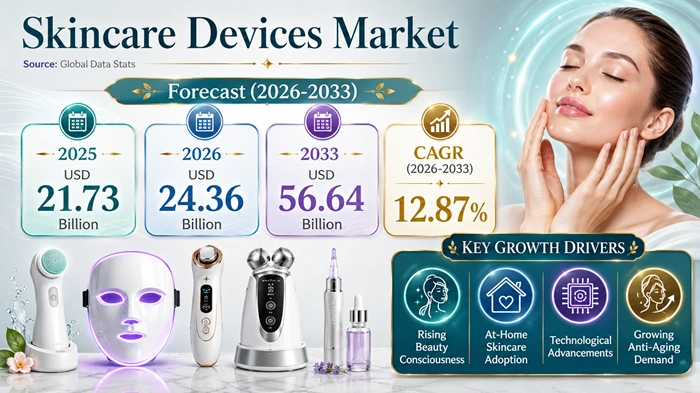
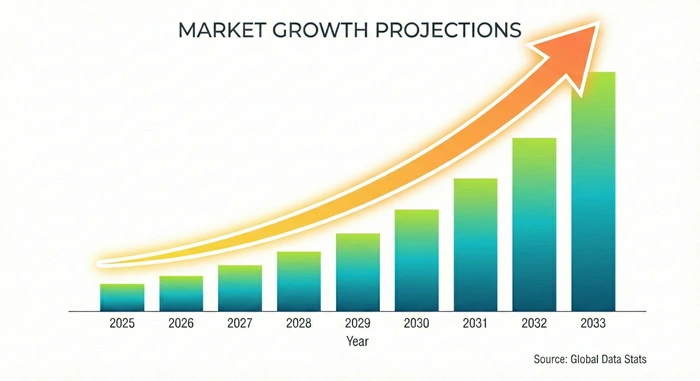
The global skincare devices market size is valued at USD 21.73 billion in 2025 and is predicted to increase from USD 24.36 billion in 2026 to approximately USD 56.64 billion by 2033, growing at a CAGR of 12.87% from 2026 to 2033.
This rapid growth reflects the surging popularity of at-home beauty technology, as consumers increasingly seek professional-grade skincare results without frequent visits to dermatology clinics or aesthetic spas. As social media continues driving awareness of devices like LED masks, microcurrent tools, and at-home laser systems, demand for skincare devices keeps expanding across both mass-market and premium consumer segments worldwide.
AI Impact on the Skincare Devices Industry
Artificial Intelligence Is Personalizing Skin Analysis, Optimizing Treatment Protocols, and Strengthening Real-Time Feedback Across the Skincare Devices Landscape — Fundamentally Changing How Consumers Approach At-Home Beauty Treatments
Artificial intelligence has rapidly transformed how consumers interact with skincare devices, with smart mirrors and connected skin analysis tools now capable of scanning facial skin conditions to detect fine lines, hyperpigmentation, and hydration levels, then recommending specific device settings or treatment routines tailored to that individual's unique skin profile. This personalization capability matters considerably in a category where one-size-fits-all treatment often produces inconsistent results, since consumers who receive guidance aligned with their actual skin condition tend to see better outcomes and stick with their device routines more consistently. Beauty technology brands increasingly market this AI-driven personalization as a key differentiator, positioning their devices as smarter alternatives to generic at-home tools.
Beyond skin analysis, AI is also enabling real-time feedback during device usage, with sensors embedded in radiofrequency and LED devices now able to track treatment consistency and alert users when they are moving too quickly across a treatment area or applying insufficient pressure for optimal results. This capability helps address one of the biggest challenges facing at-home skincare devices, namely ensuring users actually achieve the technique consistency that clinical-grade professional treatments typically guarantee. As these AI-driven personalization and feedback tools continue advancing, they are becoming an increasingly important competitive differentiator across the broader skincare devices market.
Growth Factors
Rising Consumer Interest in At-Home Beauty Technology and Growing Social Media Influence Continue Driving Sustained Demand
The most significant growth factor supporting the skincare devices market is the accelerating consumer shift toward at-home beauty technology, as more people seek convenient, cost-effective alternatives to professional dermatology treatments while still expecting visible, clinically meaningful results. This shift has been particularly pronounced among younger consumers who view skincare devices as an extension of their broader self-care routines rather than an occasional luxury purchase.
A second important growth factor is the growing influence of social media platforms in shaping skincare purchasing decisions, as beauty influencers and dermatologist content creators continue showcasing device demonstrations that build consumer confidence in trying new technology-driven treatment options. This social validation, combined with expanding e-commerce accessibility that makes premium devices easier to discover and purchase, has broadened the addressable consumer base considerably. This combination of rising at-home beauty adoption and growing digital influence continues to strengthen demand across the skincare devices market.
Market Outlook
Multifunctional Device Innovation and Expanding Anti-Aging Demand Point Toward Sustained Growth Through 2033
Looking ahead through the forecast period, the skincare devices industry is expected to benefit substantially from continued development of multifunctional devices that combine several treatment modalities, such as LED therapy, microcurrent stimulation, and ultrasonic exfoliation, into single convenient products that appeal to consumers seeking comprehensive skincare solutions without purchasing multiple separate tools. This consolidation trend is likely to reshape purchasing patterns as consumers increasingly favor versatile devices over single-function alternatives.
At the same time, growing demand for anti-aging solutions among an aging global population is expected to create substantial new opportunities, as consumers over 30 increasingly invest in radiofrequency and laser-based devices designed to address wrinkles, skin elasticity, and other visible aging concerns. Companies that can deliver both clinically effective technology and genuinely user-friendly design are increasingly well positioned to capture this growth. Manufacturers combining strong technology innovation with trusted brand credibility are likely to lead growth within the broader skincare devices market through 2033.
Expert Speaks
-
"Consumers today expect professional-level results from products they use at home, and our continued investment in smart, connected skincare technology reflects that evolving expectation." — CEO, Koninklijke Philips N.V
-
"The beauty technology space is moving incredibly fast, and we remain focused on developing devices that combine real clinical efficacy with genuine ease of use for everyday consumers." — CEO, L'Oreal S.A
-
"As self-care continues becoming a daily priority for consumers worldwide, our skincare device innovations are designed to make advanced treatments more accessible than ever before." — CEO, Procter & Gamble Co
Key Report Takeaways
-
North America leads the global skincare devices market, holding approximately 36% market share in 2025, supported by high consumer spending power and strong adoption of premium beauty technology
-
Asia Pacific is the fastest-growing region, projected to expand at a CAGR near 15.3% through 2033, driven by rising disposable incomes and growing beauty consciousness across China, South Korea, and India
-
Female consumers represent the dominant demographic segment, accounting for roughly 68% share, given their historically higher engagement with skincare routines and beauty technology adoption
-
Anti-aging applications contribute the most to overall demand, reflecting strong consumer interest in wrinkle reduction and skin firming treatments
-
LED therapy devices remain the most widely adopted technology type, valued for their affordability, safety profile, and proven effectiveness for multiple skin concerns
-
Radiofrequency devices will grow the fastest among technology segments, holding close to 26% market share with a CAGR near 16% through the forecast period, driven by rising demand for clinically comparable at-home firming treatments
Market Scope
| Report Coverage | Details |
|---|---|
| Market Size by 2033 | USD 56.64 Billion |
| Market Size by 2025 | USD 21.73 Billion |
| Market Size by 2026 | USD 24.36 Billion |
| Market Growth Rate from 2026 to 2033 | CAGR of 12.87% |
| Dominating Region | North America |
| Fastest Growing Region | Asia Pacific |
| Base Year | 2025 |
| Forecast Period | 2026 to 2033 |
| Segments Covered | Device Type, Technology, Application, End User, Region |
| Regions Covered | North America, Europe, Asia Pacific, Latin America, Middle East & Africa |
Market Dynamics
Drivers Impact Analysis
Rising At-Home Beauty Technology Adoption and Growing Social Media Influence Remain the Two Strongest Forces Behind Market Momentum
| Driver | (≈) % Impact on CAGR Forecast | Geographic Relevance | Impact Timeline |
|---|---|---|---|
| Rising consumer preference for at-home, professional-grade skincare treatments | ~33% | Global, strongest in North America, Asia Pacific | Short to long-term |
| Growing influence of social media and beauty influencers on device adoption | ~29% | Global | Medium to long-term |
| Increasing prevalence of skin concerns tied to aging and lifestyle factors | ~24% | North America, Europe | Medium-term |
| Expanding e-commerce accessibility making premium devices easier to purchase | ~14% | Global | Short to medium-term |
Rising consumer preference for at-home, professional-grade skincare treatments continues to serve as the primary engine behind sustained growth in the skincare devices market, as more people seek convenient alternatives to costly dermatology visits while still expecting visible, meaningful results from their beauty investments. This growing preference has translated directly into rising device adoption across diverse consumer demographics worldwide.
Growing influence of social media platforms represents the second major driver, as beauty content creators continue showcasing device demonstrations that build consumer trust and curiosity around new technology-driven treatment options. This digital influence, combined with expanding e-commerce accessibility, continues reinforcing steady demand growth across the broader skincare devices market.
Restraints Impact Analysis
High Device Costs and Inconsistent Results Continue to Moderate Broader Adoption
| Restraint | (≈) % Impact on CAGR Forecast | Geographic Relevance | Impact Timeline |
|---|---|---|---|
| High cost of advanced skincare devices limiting broader consumer access | ~35% | Emerging markets, price-sensitive segments | Short to medium-term |
| Inconsistent results across different skin types creating consumer dissatisfaction | ~28% | Global | Medium-term |
| Lengthy regulatory approval processes delaying new device introductions | ~23% | North America, Europe | Medium to long-term |
| Concerns around improper usage leading to skin irritation or damage | ~14% | Global | Short to medium-term |
The most persistent restraint facing the skincare devices market is the high cost associated with many advanced devices, which continues to limit accessibility for a broader consumer base despite growing overall interest in at-home beauty technology. This cost sensitivity remains a meaningful barrier particularly among younger consumers with limited discretionary spending.
Inconsistent results across different skin types represent a second significant restraint, since device effectiveness can vary considerably based on individual skin conditions, sometimes creating a gap between consumer expectations and actual outcomes that leads to dissatisfaction. Combined with lengthy regulatory approval processes for new device categories, these restraints continue moderating how quickly broader adoption spreads across the global skincare devices market.
Opportunities Impact Analysis
Multifunctional Innovation and Expanding Emerging Market Beauty Spending Represent the Clearest Paths to Growth
| Opportunity | (≈) % Impact on CAGR Forecast | Geographic Relevance | Impact Timeline |
|---|---|---|---|
| Developing multifunctional devices combining several treatment modalities | ~37% | Global | Short to medium-term |
| Expanding beauty technology spending across emerging Asia Pacific economies | ~33% | Asia Pacific | Medium to long-term |
| Growing integration of AI-driven personalization and smart connectivity features | ~30% | North America, Europe | Medium-term |
Developing multifunctional devices combining several treatment modalities represents one of the most substantial opportunities within the skincare devices market, as manufacturers offering versatile, all-in-one products stand to capture significant share from consumers seeking comprehensive solutions without purchasing multiple separate tools. This innovation direction is expected to meaningfully reshape competitive positioning among leading beauty technology brands over the coming years.
Expanding beauty technology spending across emerging Asia Pacific economies presents a second substantial opportunity, as rising disposable incomes and growing beauty consciousness across countries like China and South Korea continue fueling demand for both entry-level and premium skincare devices. Growing integration of AI-driven personalization further broadens the opportunity landscape, particularly as consumers increasingly expect smart, connected features from their beauty technology purchases. Companies pursuing these parallel opportunities are well positioned to capture meaningful growth within the broader skincare devices market through the forecast period.
Segment Analysis
By Application: Anti-Aging
Anti-Aging Applications Continue to Anchor the Market Landscape, Reflecting Strong Consumer Demand for Wrinkle Reduction Solutions
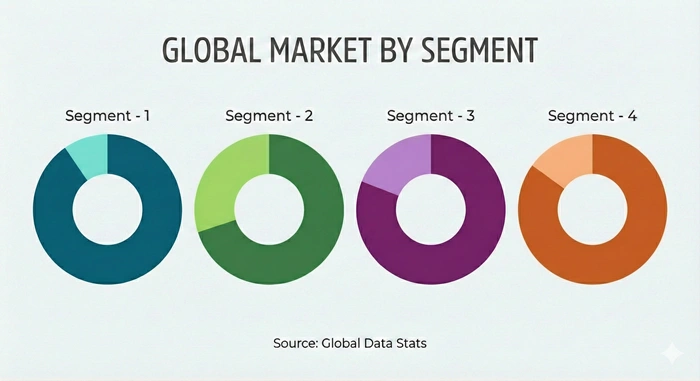
Anti-aging applications hold the largest share within the application segment of the skincare devices market, accounting for approximately 41% of total segment revenue in 2025. This dominance reflects the strong and sustained consumer interest in devices that address wrinkles, skin elasticity loss, and other visible signs of aging, particularly among an expanding population of consumers over 30 who prioritize maintaining a youthful appearance. In markets like the United States and South Korea, consumers increasingly favor radiofrequency and microcurrent devices that promise clinically comparable firming results to professional treatments. Leading suppliers such as L'Oreal, Procter & Gamble, and Foreo continue to dominate this segment through continuous technology innovation and expanded product lines targeting aging-related skin concerns.
Growth within this segment remains particularly strong in North America, where high consumer spending power and strong brand awareness continue driving adoption of premium anti-aging devices among affluent, beauty-conscious demographics. The region's combination of strong purchasing power and deep retail distribution networks has helped anti-aging applications maintain their leading position despite growing interest in acne treatment and skin brightening alternatives. As aging populations continue expanding globally alongside rising beauty consciousness, anti-aging is expected to remain the dominant application within the broader skincare devices market throughout the forecast period.
By Technology: LED Therapy
LED Therapy Remains the Leading Technology Category, Reflecting Its Broad Accessibility and Proven Safety Profile
LED therapy devices account for approximately 33% of technology-based revenue within the skincare devices market, reflecting their broad accessibility, relatively affordable pricing, and well-established safety profile that appeals to first-time skincare device buyers and experienced users alike. Consumers increasingly value LED masks and handheld devices for their versatility in addressing multiple skin concerns, from acne to fine lines, without the more intensive commitment required by laser or radiofrequency treatments. This broad appeal has made LED therapy the anchor technology category for skincare device manufacturers targeting mass-market consumer segments.
Growth in this technology segment remains especially strong in Asia Pacific, where rising beauty consciousness and expanding e-commerce access continue driving adoption of affordable LED devices among younger, digitally engaged consumers across China and South Korea. Companies like Foreo and CurrentBody have expanded their regional presence significantly to serve this growing consumer demand, often leveraging social media marketing to build brand awareness among first-time buyers. As beauty technology adoption continues expanding globally, LED therapy is expected to remain a primary demand driver within the broader skincare devices market.
Regional Insights
North America
High Consumer Spending Power and Strong Premium Beauty Technology Adoption Keep North America Firmly in the Lead
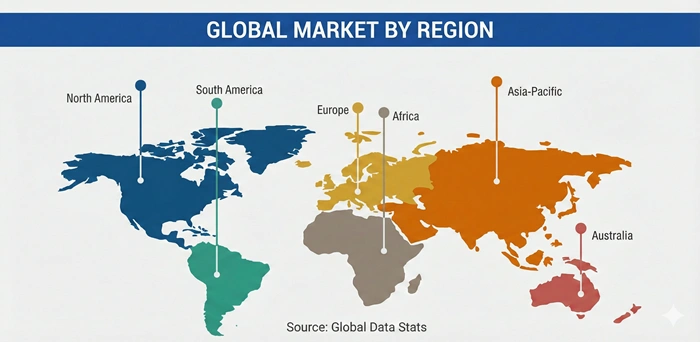
North America commands the leading position in the global skincare devices market, holding approximately 36% share in 2025, supported by high consumer spending power, strong brand awareness, and widespread adoption of premium beauty technology across the region. The United States drives the overwhelming majority of regional demand, backed by a dense concentration of leading beauty technology brands and a well-established retail and e-commerce distribution infrastructure. Companies with strong regional presence include L'Oreal, Procter & Gamble, NuFace, and Solta Medical, each maintaining deep relationships with retail partners and digital marketing platforms across the country.
Canada also contributes meaningfully to regional demand, supported by growing consumer interest in self-care routines and expanding availability of premium skincare devices through both retail and online channels. The region's combination of strong purchasing power, deep beauty retail networks, and continuous product innovation ensures North America's leadership position within the skincare devices market remains firmly intact through the remainder of the forecast period.
Asia Pacific
Rising Disposable Incomes and Growing Beauty Consciousness Position Asia Pacific as the Fastest-Growing Region
Asia Pacific is projected to register the fastest CAGR within the global skincare devices market through 2033, expanding at a rate near 15.3% as rising disposable incomes and growing beauty consciousness create substantial new demand across the region. China and South Korea lead much of this regional growth, supported by deeply established beauty culture and rapidly expanding domestic beauty technology manufacturing capacity. Regional and international brands alike have expanded their presence to serve this growing consumer demand, often launching region-specific product lines tailored to local skin concerns and preferences.
India and Japan contribute further depth to regional growth, both bringing large, increasingly beauty-conscious populations that continue adopting skincare devices as part of broader personal care routines. Growing e-commerce penetration across several Asia Pacific countries continues to accelerate skincare device adoption among younger, digitally engaged consumers alike. This combination of rising disposable incomes, deep beauty culture, and expanding e-commerce access positions Asia Pacific as the clear growth leader within the broader skincare devices market through the forecast period.
Customization Available for This Report
Region-Specific and Country-Specific Versions of This Report Are Available to Deliver a Sharper, More Localized View of Market Dynamics
This report can be tailored on a region-by-region and country-by-country basis, providing localized market sizing, competitive mapping, and consumer adoption trend analysis that a global overview alone cannot fully capture.
Clients seeking a more focused breakdown can request a customized version covering any of the following regions and countries, complete with demand forecasting, competitor landscape review, and adoption trend analysis tied specifically to the skincare devices keyword focus:
North America
-
U.S. — Detailed review of premium device adoption and e-commerce distribution trends
-
Canada — Coverage of self-care spending patterns and retail channel adoption
-
Mexico — Analysis of emerging beauty technology adoption trends
Europe
-
U.K. — Review of beauty technology regulation and device adoption trends
-
Germany — Coverage of consumer spending among leading beauty technology brands
-
France — Insights into premium skincare device adoption and market patterns
-
Italy — Analysis of regional beauty technology investment trends
-
Rest of Europe — Country-level view of emerging demand across Eastern Europe and the Nordics
Asia Pacific
-
China — Coverage of expanding beauty technology manufacturing and consumer adoption
-
India — Analysis of growing beauty consciousness and disposable income trends
-
Japan — Review of established beauty culture and device adoption trends
-
South Korea — Assessment of beauty technology innovation and consumer adoption
-
Australia — Insights into premium skincare device adoption trends
-
Rest of Asia Pacific — Country-level breakdown covering Thailand, Vietnam, Indonesia, and Malaysia
Latin America
-
Brazil — Coverage of expanding beauty technology consumer adoption
-
Argentina — Analysis of early-stage beauty device market modernization trends
-
Rest of Latin America — Country-level sizing across Colombia, Peru, and Chile
Middle East & Africa
-
UAE — Review of premium beauty technology adoption trends
-
Saudi Arabia — Coverage of expanding beauty device market modernization initiatives
-
Rest of MEA — Country-level view of Sub-Saharan Africa beauty technology expansion
Top Key Players
-
L'Oreal S.A (France)
-
Procter & Gamble Co (United States)
-
Koninklijke Philips N.V (Netherlands)
-
Panasonic Corporation (Japan)
-
Foreo AB (Sweden)
-
NuFace LLC (United States)
-
Solta Medical Inc (United States)
-
Cynosure LLC (United States)
-
Tria Beauty Inc (United States)
-
CurrentBody Ltd (United Kingdom)
-
Nu Skin Enterprises Inc (United States)
-
Conair LLC (United States)
Recent Developments
-
In 2025, L'Oreal expanded its beauty technology portfolio with enhanced AI-driven skin analysis features integrated into new at-home device offerings
-
In 2025, Procter & Gamble strengthened its skincare device lineup through continued investment in microcurrent and LED therapy product innovation
-
In 2026, Panasonic deepened its investment in multifunctional beauty device technology to support growing demand across Asia Pacific consumer markets
-
In 2025, Foreo advanced its connected device ecosystem with new app-based personalization features for enhanced treatment tracking
-
In 2025, CurrentBody expanded its retail distribution network across additional international markets to support rising demand for premium LED devices
Market Trends
Multifunctional Device Growth and Rising AI Personalization Are Reshaping Beauty Technology Design
One of the clearest trends shaping the skincare devices market is the accelerating development of multifunctional devices that combine multiple treatment technologies into a single product, as manufacturers respond to consumer preference for comprehensive, all-in-one skincare solutions rather than accumulating several single-purpose tools. Companies are investing heavily in engineering research, recognizing that device versatility has become an increasingly important competitive differentiator as consumer expectations continue rising.
A second significant trend is the growing integration of artificial intelligence and smart connectivity features into skincare devices, as brands work to deliver personalized treatment recommendations based on individual skin analysis rather than generic, one-size-fits-all guidance. This trend toward smart personalization is particularly meaningful for premium device manufacturers targeting tech-savvy consumers, continuing to support steady expansion across the broader skincare devices market as digital beauty technology adoption increases.
Segments Covered in the Report
By Device Type
-
Handheld Devices
-
Facial Masks
-
Wearable Devices
By Technology
-
LED Therapy
-
Radiofrequency
-
Microcurrent
-
Ultrasonic
-
Laser
By Application
-
Anti-Aging
-
Acne Treatment
-
Skin Brightening
-
Hair Removal
-
Other Applications
By End User
-
Individual Consumers
-
Professional and Clinical Settings
By Region
-
North America (U.S., Canada, Mexico)
-
Europe (U.K., Germany, France, Italy, Rest of Europe)
-
Asia Pacific (China, India, Japan, South Korea, Australia, Rest of Asia Pacific)
-
Latin America (Brazil, Argentina, Rest of Latin America)
-
Middle East & Africa (UAE, Saudi Arabia, Rest of MEA)
❝ Built for Every Level — From Startups to Industry Giants ❞
Here Is Exactly How This Report Works for You
-
For tier 1 companies, investors, and established market leaders, this report delivers detailed competitor revenue analysis, technology innovation trend mapping, and geopolitical risk context that support confident decisions around product expansion, pricing strategy, and long-term positioning within the skincare devices space
-
For tier 2 and tier 3 companies, startups, and mid-sized suppliers, this report highlights the most commercially promising technology categories and underserved regional opportunities, giving you a practical framework to compete against larger established players without overextending limited resources
-
For every decision maker across the value chain, this report explains exactly how consumer adoption trends, e-commerce developments, and competitor product launches are shaping market direction through 2033, equipping you to plan investment and go-to-market decisions with genuine confidence
Frequently Asked Questions
Question 1: How large is the global skincare devices market expected to become by 2033?
Answer: The global skincare devices market was valued at USD 21.73 billion in 2025 and is projected to reach USD 56.64 billion by 2033. This growth is driven largely by rising at-home beauty technology adoption and growing anti-aging demand.
Question 2: What is driving growth in the skincare devices market right now?
Answer: Growth in the skincare devices market is being driven by rising consumer preference for at-home professional-grade treatments and growing social media influence. Expanding e-commerce accessibility is further reinforcing this expansion.
Question 3: Which region currently dominates the skincare devices market?
Answer: North America currently leads the skincare devices market with roughly 36% share, supported by high consumer spending power. Asia Pacific is growing the fastest, driven by rising disposable incomes and beauty consciousness.
Question 4: Which application generates the most revenue in the skincare devices market?
Answer: Anti-aging applications generate the largest share of revenue in the skincare devices market, reflecting strong consumer demand for wrinkle reduction solutions. LED therapy also remains the most widely adopted technology type.
Question 5: Who are the leading companies competing in the skincare devices market?
Answer: Leading companies in the skincare devices market include L'Oreal, Procter & Gamble, Philips, Panasonic, and Foreo. These companies compete through continuous innovation in multifunctional and AI-personalized device technology.