
Skin Care Products Market Overview
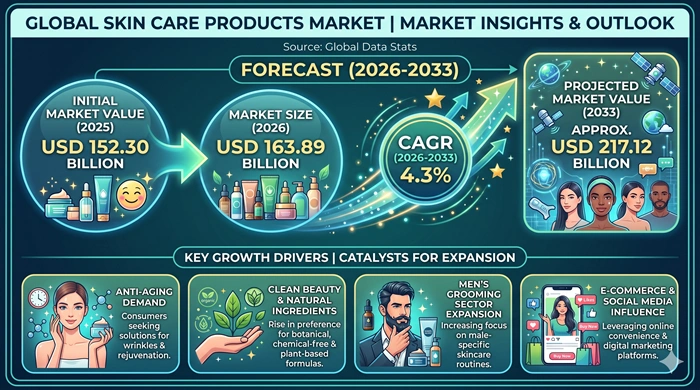
The global skin care products market size is valued at USD 152.30 billion in 2025 and is predicted to increase from USD 163.89 billion in 2026 to approximately USD 217.12 billion by 2033, growing at a CAGR of 4.3% from 2026 to 2033.
Rising consumer awareness about personal hygiene, skin health, and the growing influence of beauty standards through social media have collectively pushed demand for a wide range of skincare solutions globally. Increasing disposable incomes, especially across emerging economies, combined with a growing preference for clean-label and dermatologist-recommended formulations, continue to support robust market expansion.
AI Impact on the Skin Care Products Industry
Artificial Intelligence Is Transforming How Skincare Brands Formulate, Market, and Personalize Products for Modern Consumers*
Artificial intelligence is rapidly changing the way skincare brands develop and deliver their products. AI-powered skin diagnostic tools now enable consumers to analyze their skin type, identify specific concerns such as hyperpigmentation or sensitivity, and receive personalized product recommendations — all from the comfort of their homes. Major brands are embedding AI algorithms into mobile apps and smart mirrors to offer tailored skincare routines, significantly improving customer engagement and purchase conversion rates.
Beyond personalization, AI is also making an impact in ingredient research and product formulation. Machine learning models help scientists identify novel active compounds, predict how formulations will behave on different skin types, and reduce the time to market for new launches. Brands that invest in AI-driven R&D are gaining a competitive edge by delivering more effective, targeted, and science-backed skincare solutions to an increasingly informed consumer base.
Growth Factors
A Combination of Health-Conscious Consumer Behavior, Premiumization, and Digital Commerce Is Accelerating Global Skincare Demand*
Several powerful factors are driving the expansion of the skin care products market worldwide. Growing consumer awareness of the connection between skincare and overall health has prompted millions of people to develop consistent daily routines involving moisturizers, sunscreens, cleansers, and serums. The rising prevalence of skin conditions such as acne, eczema, and premature aging — partly driven by urban pollution and UV exposure — has further increased the demand for targeted skincare treatments and protective formulations.
The boom in digital retail and influencer-driven marketing has also played a major role. Social media platforms like Instagram, YouTube, and TikTok have made it easier for both established brands and indie skincare labels to reach consumers directly, creating trends around specific ingredients and product categories almost overnight. Simultaneously, the growing popularity of men's grooming, the rise of the "skinimalism" trend, and increased demand for age-defying and microbiome-friendly products are opening new growth avenues for companies across the value chain.
Market Outlook
From Clean Beauty to Clinical-Grade Formulations, the Future of Skin Care Is Shaped by Innovation, Sustainability, and Science-Backed Trust*
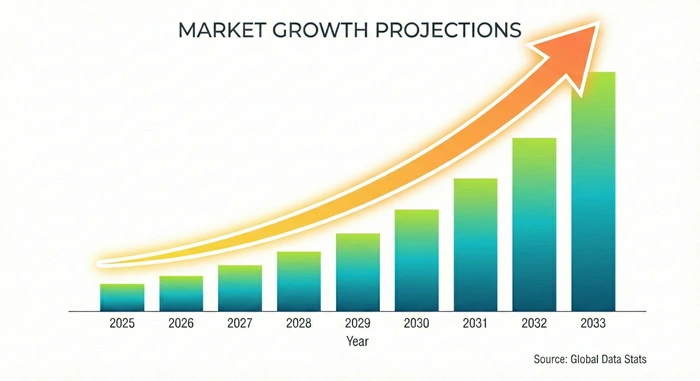
The long-term outlook for the skin care products market remains highly positive, with innovation acting as a critical growth engine. Consumers are increasingly seeking products that combine cosmetic and clinical benefits — a trend often called "cosmeceuticals." Ingredients such as niacinamide, retinol, hyaluronic acid, peptides, and exosomes are moving from dermatology clinics into mainstream retail, raising the effectiveness benchmark for everyday skincare products.
Sustainability is another major theme shaping the future market landscape. Brands are under growing pressure from eco-conscious consumers and regulatory bodies to move toward biodegradable packaging, cruelty-free testing, and ethically sourced natural ingredients. The shift toward refillable packaging, waterless formulas, and carbon-neutral manufacturing practices is expected to define how skincare companies position themselves competitively through 2033. Companies that align innovation with environmental responsibility are likely to capture the strongest long-term market share.
Expert Speaks
Leading voices from the global skincare and beauty industry are expressing strong confidence in the market's long-term trajectory:
-
"Consumers today are smarter than ever — they are reading labels, demanding transparency, and choosing brands that deliver both visible results and ethical responsibility. That is the direction our entire product pipeline is moving in." — CEO, Procter & Gamble
-
"We are at an inflection point where personalized skin health solutions are no longer a luxury — they are becoming an expectation. Investing in science-led innovation and digital tools is central to how we plan to lead in this space." — CEO, L'Oréal Group
-
"The blurring of lines between skincare and healthcare is creating an enormous opportunity. Consumers want products that work, and they are willing to invest in quality formulations that give them real, measurable benefits." — CEO, Unilever
Key Report Takeaways
-
North America dominates the global skin care products market, led by high consumer spending, a mature retail infrastructure, and strong brand presence of companies like Estée Lauder, Johnson & Johnson, and Procter & Gamble, accounting for the largest regional market share in 2025
-
Asia Pacific is the fastest-growing region, driven by rapidly rising disposable incomes, expanding middle-class populations, and a deeply ingrained skincare culture particularly in South Korea, Japan, China, and India, recording the highest regional CAGR during the forecast period
-
Individual consumers represent the dominant end-user segment, as daily personal skincare routines continue to become more elaborate, product-specific, and science-informed across all age groups and genders
-
Face care products hold the largest product-type contribution, driven by strong demand for moisturizers, serums, face washes, and anti-aging creams, which collectively represent the highest share of total skincare product sales
-
Online distribution channels have emerged as the most popular route to market, benefiting from convenience, wide product availability, personalized recommendations, and the influence of social media beauty content
-
The natural and organic formulation segment is the fastest-growing sub-segment, projected to expand at a notably higher CAGR through 2033, capturing increasing market share as consumers shift toward clean-label, chemical-free skincare options globally
Market Scope
| Report Coverage | Details |
|---|---|
| Market Size by 2025 | USD 152.30 Billion |
| Market Size by 2026 | USD 163.89 Billion |
| Market Size by 2033 | USD 217.12 Billion |
| Market Growth Rate (2026–2033) | CAGR of 4.3% |
| Dominating Region | North America |
| Fastest Growing Region | Asia Pacific |
| Base Year | 2025 |
| Forecast Period | 2026 to 2033 |
| Segments Covered | Product Type, Formulation, Gender, Distribution Channel, End User |
| Regions Covered | North America, Europe, Asia Pacific, Latin America, Middle East & Africa |
Market Dynamics
Drivers Impact Analysis
Rising Consumer Health Awareness, Premiumization, and Digital Retail Expansion Are the Core Forces Propelling the Skin Care Products Market Forward*
| Driver | ≈ % Impact on CAGR Forecast | Geographic Relevance | Impact Timeline |
|---|---|---|---|
| Rising skin health awareness and self-care adoption | ~30% | Global, especially North America & Europe | Short to Long-Term |
| Growth of e-commerce and digital beauty retail | ~25% | Asia Pacific, North America | Short to Mid-Term |
| Demand for anti-aging and specialized skincare solutions | ~20% | North America, Europe, Asia Pacific | Mid to Long-Term |
| Premiumization and luxury skincare adoption | ~15% | North America, Europe, Middle East | Mid to Long-Term |
| Expansion of men's grooming segment | ~10% | Asia Pacific, North America | Mid-Term |
Growing consumer consciousness about skin health is one of the most significant drivers pushing the skin care products market to new heights. People across all age groups — from teenagers dealing with acne to adults managing signs of aging — are integrating skincare into their daily lifestyle routines. This behavioral shift has created sustained, repeat-purchase demand for a broad spectrum of products including cleansers, toners, serums, moisturizers, and SPF-based formulations. The rising prevalence of urbanization and pollution-related skin concerns has further amplified the need for protective and restorative skincare products.
Simultaneously, the explosion of e-commerce has broken down geographic barriers, allowing brands to reach consumers even in tier-2 and tier-3 cities across developing markets. Digital beauty retail has created new product discovery channels through influencer partnerships, video tutorials, and AI-driven skin assessments, all of which are shortening the purchase decision cycle. As premium skincare brands from South Korea, France, and the United States become more accessible globally through online platforms, the overall market continues to benefit from increased per-capita spending on skin health.
Restraints Impact Analysis
High Product Costs, Ingredient Safety Concerns, and Regulatory Complexities Continue to Pose Challenges to Sustained Market Growth*
| Restraint | ≈ % Impact on CAGR Forecast | Geographic Relevance | Impact Timeline |
|---|---|---|---|
| High cost of premium and organic skincare products | ~35% | Developing regions, Asia Pacific, Latin America | Short to Mid-Term |
| Regulatory restrictions on cosmetic ingredients | ~30% | Europe, North America | Mid to Long-Term |
| Consumer skepticism about product efficacy claims | ~20% | Global | Short-Term |
| Environmental concerns related to plastic packaging | ~15% | Europe, North America | Mid-Term |
Despite strong growth momentum, the skin care products market faces meaningful headwinds. One of the most persistent restraints is the high price point of premium and clinically formulated skincare products, which limits penetration in price-sensitive markets across Latin America, Southeast Asia, and Sub-Saharan Africa. Many consumers in these regions continue to rely on low-cost, locally manufactured alternatives rather than investing in science-backed solutions from global brands. This pricing gap creates a ceiling on the addressable market in emerging economies.
Regulatory compliance also presents ongoing challenges. In the European Union, for example, over 1,300 substances are banned or restricted in cosmetic formulations, compared to just over a dozen in the United States. This disparity forces multinational brands to maintain separate product formulations for different markets, increasing operational complexity and cost. Consumer concern over the use of certain synthetic preservatives, fragrances, and chemical sunscreens continues to influence purchasing decisions and put pressure on brands to reformulate existing products to meet evolving safety and transparency standards.
Opportunities Impact Analysis
Clean Beauty Innovation, Emerging Market Penetration, and Personalized Skincare Represent Transformative Growth Opportunities*
| Opportunity | ≈ % Impact on CAGR Forecast | Geographic Relevance | Impact Timeline |
|---|---|---|---|
| Rising demand for natural and organic formulations | ~35% | Global, especially North America & Europe | Short to Long-Term |
| Penetration of untapped emerging markets | ~30% | Asia Pacific, Africa, Latin America | Mid to Long-Term |
| Personalized skincare powered by AI and biotechnology | ~20% | North America, Europe, Asia Pacific | Mid to Long-Term |
| Growth of male and gender-neutral skincare | ~15% | Asia Pacific, North America, Europe | Short to Mid-Term |
The clean beauty movement represents one of the most significant near-term opportunities in the skincare industry. Consumers are increasingly demanding formulations free from parabens, sulfates, artificial fragrances, and synthetic dyes. This has opened a thriving market for certified organic, vegan, and cruelty-free skincare brands that can command premium pricing while building authentic consumer trust. Companies that proactively reformulate their product portfolios around clean and transparent ingredients are well-positioned to capture a growing and highly loyal consumer base.
Emerging markets across Southeast Asia, Africa, and Latin America also present enormous untapped potential for skin care product companies. Rapid urbanization, growing middle-class populations, rising awareness of personal grooming, and improving e-commerce infrastructure are making these regions increasingly accessible to international skincare brands. At the same time, advances in biotechnology — including microbiome science, exosome therapy, and gene-expression-based skincare — are creating a new category of high-performance, next-generation skincare solutions that could fundamentally reshape consumer expectations by the end of the forecast period.
Segment Analysis
By Product Type
Face Care Leads Market Revenue While Sun Care Records the Sharpest Growth as UV Awareness Reaches a Global Tipping Point*
The face care segment holds the dominant position in the skin care products market, accounting for approximately 43.1% of total market share in 2026 and growing at a steady CAGR through 2033. This dominance is primarily driven by the enormous variety of face care products available — from basic cleansers and toners to advanced serums, eye creams, and overnight masks — which are now considered essential components of daily self-care routines across all demographics. The North America and Europe regions account for a combined majority of face care revenue, where consumer willingness to invest in multi-step facial routines and premium formulations from brands such as Neutrogena, CeraVe, and La Roche-Posay remains exceptionally high.
The sun care segment, while smaller in total revenue, is among the most rapidly growing sub-categories within the broader skin care products market, driven by escalating awareness of skin cancer risks, UV-induced premature aging, and the growing popularity of SPF-based daily moisturizers and tinted sunscreens. Asia Pacific is particularly driving this sub-segment forward, where cultural emphasis on fair complexion maintenance, combined with increased outdoor activity and awareness of UV damage, is fueling consistent volume growth. Companies such as Shiseido, Biore, and Kose Corporation are leveraging regional consumer preferences to introduce lightweight, non-greasy SPF formulations that integrate seamlessly into existing skincare routines, further strengthening Asia Pacific's position in this high-growth sub-segment.
By Distribution Channel
Online Channels Reshape Skincare Retail Globally While Specialty Stores Continue to Drive Premium Brand Discovery and Customer Loyalty*
The online distribution channel has become the leading route to market for skin care products globally, capturing the highest share of total channel revenue in 2026 and projected to maintain a strong growth trajectory through 2033. The convenience of doorstep delivery, access to a virtually unlimited product catalog, subscription-based replenishment models, and the ability to read verified user reviews before purchasing have made e-commerce the preferred channel for skincare consumers across all age groups. North America and Asia Pacific lead online skincare sales, with platforms such as Amazon, Tmall, Nykaa, and brand-owned direct-to-consumer websites playing an increasingly central role. Key players including L'Oréal, Estée Lauder, and Unilever have invested heavily in their digital commerce capabilities, resulting in stronger margins and deeper consumer data insights.
Specialty stores — including Sephora, Ulta Beauty, and boutique dermocosmetic retailers — continue to hold significant relevance in the distribution landscape, particularly for premium and luxury skin care brands. These physical retail environments offer immersive brand experiences, personalized consultations, and the opportunity to sample products before purchasing — all factors that remain important for first-time buyers of high-end skincare formulations. Europe leads in specialty store-driven skincare retail, particularly in markets like France, Germany, and the United Kingdom, where consumers value expert-guided product selection. Pharmacy and drug store channels also retain a strong position, especially for clinical and dermatologist-recommended skin care lines, as consumers continue to seek dermatology-adjacent advice in everyday retail settings.
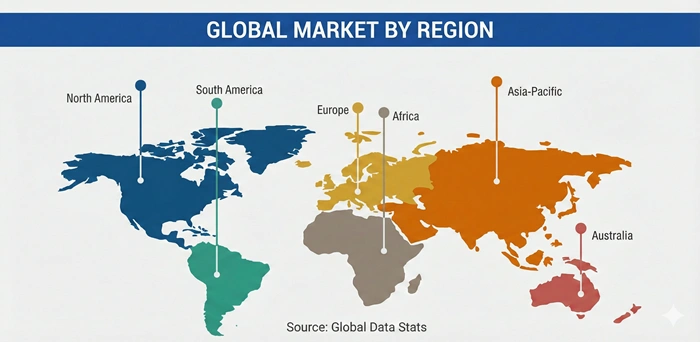
Regional Insights
North America
North America Holds the Commanding Lead in the Global Skin Care Products Market, Powered by Premium Brand Demand, Mature Retail Infrastructure, and Innovation-Driven Consumer Culture*
North America continues to dominate the global skin care products market, holding the highest regional market share in 2026, estimated at over 35% of global revenue, and maintaining a consistent CAGR aligned with the global average. The United States is the primary contributor, driven by extraordinarily high consumer awareness of skincare science, strong dermatologist influence on purchasing decisions, and a deeply developed multichannel retail ecosystem. American consumers are among the highest per-capita spenders on personal care products globally, with demand consistently spanning mass-market, prestige, and ultra-premium price tiers. The region is home to global market leaders such as Procter & Gamble (USA), Johnson & Johnson (USA), Estée Lauder Companies (USA), and Colgate-Palmolive (USA), all of which continue to invest heavily in product innovation, sustainable packaging, and digital marketing to maintain competitive relevance.
Clinical-grade and dermatologist-recommended skincare brands have found particularly fertile ground in North America, where consumers are increasingly blurring the line between beauty and healthcare. Brands like CeraVe, Cetaphil, and Aveeno — originally positioned for sensitive or compromised skin — have expanded into mainstream skincare, helping grow the market's overall clinical credibility. Canada also contributes meaningfully to the regional growth picture, with growing demand for natural and clean-label skincare formulations from eco-conscious Canadian consumers, particularly in major urban centers like Toronto and Vancouver.
Asia Pacific
Asia Pacific Leads Global Skincare Growth, Fueled by Deep-Rooted Beauty Culture, Rising Incomes, and an Exploding Digital Consumer Market*
Asia Pacific is unequivocally the fastest-growing region in the global skin care products market, recording the highest regional CAGR during the 2026–2033 forecast period, with countries like China, South Korea, Japan, and India serving as primary growth engines. The region's deeply embedded beauty culture — particularly the multi-step Korean skincare routine and Japanese philosophy of preventive skin health — continues to set global trends and elevate consumer expectations around ingredient quality, product sensory experience, and innovation. China alone represents one of the world's largest individual skincare markets, with a rapidly growing domestic brand ecosystem supported by major players like Proya Cosmetics and Botanical Plus, alongside international giants such as Shiseido (Japan), Amorepacific (South Korea), and L'Oréal's Asia-specific product lines.
India is also emerging as one of the most dynamic sub-markets within the Asia Pacific skincare space, with the India skin care market projected to reach USD 17.69 billion by 2033 at a CAGR of 8.43%, driven by rapid urbanization, a young demographic base, and surging digital retail adoption. Companies like Himalaya Drug Company, Mamaearth, and global entrants such as Unilever's Lakmé are capitalizing on Indian consumers' growing preference for natural, Ayurvedic-inspired, and affordable premium skincare formulations. Southeast Asian markets including Indonesia, Thailand, Vietnam, and the Philippines are also contributing meaningfully to the regional growth story, driven by rising disposable incomes and strong social media beauty culture.
Top Key Players
-
L'Oréal S.A. (France)
-
The Estée Lauder Companies Inc. (United States)
-
Procter & Gamble Co. (United States)
-
Unilever PLC (United Kingdom / Netherlands)
-
Johnson & Johnson Consumer Inc. (United States)
-
Shiseido Company Limited (Japan)
-
Amorepacific Corporation (South Korea)
-
Beiersdorf AG (Germany)
-
Colgate-Palmolive Company (United States)
-
Coty Inc. (United States)
-
Avon Products Inc. (United Kingdom)
-
Revlon Inc. (United States)
-
Clarins Group (France)
-
Kao Corporation (Japan)
-
The Himalaya Drug Company (India)
Recent Developments
-
2025 – L'Oréal S.A. acquired a significant minority stake in Galderma, a global leader in dermatology, to strengthen its position in the clinical skincare and injectable aesthetic treatments segment, broadening its reach from over-the-counter skincare into prescription-adjacent dermocosmetics.
-
2025 – Estée Lauder Companies announced a multi-year restructuring initiative focused on streamlining operations, reducing headcount by approximately 5,800 to 7,000 positions, and increasing investment in digital commerce and high-growth Asia Pacific markets to improve long-term profitability.
-
2025 – Unilever completed the spin-off of its ice cream business (including Wall's and Ben & Jerry's) and recommitted capital toward its beauty and personal care portfolio, with skin care products identified as a key pillar of its forward growth strategy.
-
2025 – Beiersdorf AG launched a comprehensive sustainability initiative titled "Care Beyond Skin," committing to 100% recyclable packaging across its NIVEA product lines by 2026 and pledging to achieve climate neutrality across its entire value chain by 2030.
-
2026 – Shiseido Company Limited announced the expansion of its AI-powered skin diagnostic platform "Optune" into five new markets across Southeast Asia, leveraging real-time personalization technology to deliver customized serum blends to individual consumers based on their daily skin condition data.
Market Trends
From Microbiome Science to Sustainable Formulations, Next-Generation Skincare Trends Are Redefining Product Development and Consumer Expectations*
One of the most influential trends shaping the skin care products market today is the accelerating shift toward microbiome-friendly and barrier-support formulations. Consumers and dermatologists alike have come to recognize the critical role that the skin's natural microbiome plays in maintaining a healthy, resilient complexion. As a result, demand for postbiotic-infused moisturizers, prebiotic cleansers, and fermented skincare ingredients has grown sharply, with brands like La Roche-Posay, Aveeno, and Gallinée leading the science-backed communication of this trend. The growing popularity of exosome serums — which saw a remarkable 557% surge in consumer interest — further underscores the mainstream appetite for regenerative, cellular-level skincare innovation.
Sustainability and ethical sourcing have also evolved from being brand differentiators to baseline consumer expectations in the skincare industry. Waterless formulations, solid cleansing bars, refillable packaging systems, and ocean-safe sunscreens are no longer niche offerings — they are becoming standard requirements for brands looking to maintain credibility among environmentally conscious consumers. Simultaneously, the rapid proliferation of hybrid skincare products — such as tinted SPF moisturizers, serum-foundation blends, and multi-tasking overnight treatments — is simplifying routines for time-pressed modern consumers while elevating the perceived value of individual products. The combination of clinical efficacy, clean-label ingredients, and sustainable delivery systems is likely to define the most successful skin care brands through 2033.
Segments Covered in the Report
By Product Type:
-
Face Care (Moisturizers, Cleansers, Serums, Toners, Face Masks, Eye Creams)
-
Body Care (Body Lotions, Body Wash, Exfoliants, Hand Creams)
-
Sun Care (Sunscreens, After-Sun Products, Self-Tanners)
-
Lip Care (Lip Balms, Lip Scrubs)
-
Hair Care Skincare (Scalp Treatments, Anti-Dandruff Products)
By Formulation:
-
Natural/Organic
-
Conventional/Synthetic
-
Hybrid (Cosmeceutical)
By Gender:
-
Women
-
Men
-
Unisex/Gender-Neutral
By Distribution Channel:
-
Online (Brand Websites, E-commerce Platforms)
-
Supermarkets/Hypermarkets
-
Specialty Stores (Sephora, Ulta Beauty, etc.)
-
Pharmacies/Drug Stores
-
Others (Direct Sales, Salons)
By End User:
-
Individual Consumers
-
Dermatology Clinics
-
Spas & Salons
-
Hospitals & Healthcare Facilities
By Region:
-
North America (United States, Canada, Mexico)
-
Europe (Germany, France, United Kingdom, Italy, Spain, Rest of Europe)
-
Asia Pacific (China, Japan, South Korea, India, Australia, Rest of Asia Pacific)
-
Latin America (Brazil, Argentina, Rest of Latin America)
-
Middle East & Africa (UAE, Saudi Arabia, South Africa, Rest of MEA)
Frequently Asked Questions
Question 1: What is the current size of the global skin care products market and how fast is it expected to grow?
Answer: The global skin care products market was valued at USD 152.30 billion in 2025 and is projected to reach USD 217.12 billion by 2033. It is expected to grow at a CAGR of 4.3% from 2026 to 2033.
Question 2: Which region dominates the global skin care products market?
Answer: North America holds the largest share of the skin care products market, supported by high consumer spending and a well-established retail ecosystem. Major brands like Procter & Gamble, Estée Lauder, and Johnson & Johnson are headquartered in this region.
Question 3: What are the key factors driving growth in the skin care products market?
Answer: The primary growth drivers of the skin care products market include rising consumer awareness about skin health, expansion of digital retail channels, and growing demand for natural and anti-aging formulations. The popularity of personalized skincare powered by AI technology is also fueling market momentum.
Question 4: Which product type holds the highest share in the skin care products market?
Answer: Face care products hold the dominant share, accounting for approximately 43.1% of total skin care products market revenue in 2026. Strong demand for moisturizers, serums, and SPF-based creams continues to drive this segment forward.
Question 5: How is sustainability influencing the skin care products market?
Answer: Sustainability has become a central theme across the skin care products market, with leading brands committing to recyclable packaging, cruelty-free formulations, and waterless product innovations. Consumer demand for clean, ethically sourced ingredients is reshaping product development strategies industry-wide.