
Security Service Edge Market Overview
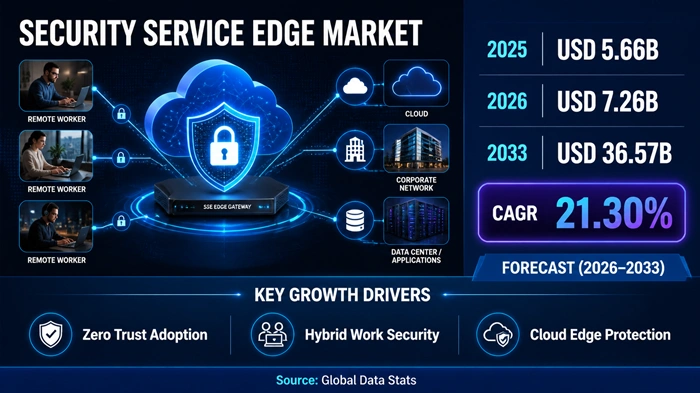
The global security service edge market size is valued at USD 5.66 billion in 2025 and is predicted to increase from USD 7.26 billion in 2026 to approximately USD 36.57 billion by 2033, growing at a CAGR of 21.30% from 2026 to 2033.
Security service edge represents a cloud-native security framework that consolidates multiple security services including Secure Web Gateway, Cloud Access Security Broker, Zero Trust Network Access, and Firewall-as-a-Service into unified platforms that protect users, devices, and applications regardless of location. Organizations across banking, healthcare, retail, government, and telecommunications deploy SSE solutions to address the security challenges created by remote workforces, cloud migration, and distributed IT environments while eliminating the complexity and costs associated with traditional perimeter-based security models. The technology enables identity-driven access control, real-time threat detection, and centralized policy enforcement across hybrid and multi-cloud infrastructures, fundamentally transforming how enterprises secure their digital operations in the modern threat landscape.
AI Impact on the Security Service Edge Industry
Intelligent Threat Detection and Automated Policy Enforcement Revolutionizing Cloud Security
Artificial intelligence is fundamentally transforming the security service edge industry by enhancing threat detection capabilities, automating security responses, and enabling predictive analytics that identify risks before they materialize into breaches. AI-powered SSE platforms analyze massive volumes of network traffic, user behavior patterns, and application interactions in real-time to detect anomalies that indicate potential security threats including malware, data exfiltration attempts, and unauthorized access activities. Machine learning algorithms continuously learn from historical data to improve detection accuracy, reducing false positives while identifying novel attack vectors that signature-based systems miss entirely. Advanced behavioral analytics powered by AI enable SSE solutions to establish baseline behavior profiles for each user and device, automatically flagging deviations such as accessing restricted applications, downloading large files at unusual hours, or logging in from unexpected geographic locations.
The integration of AI capabilities enables security service edge platforms to automate policy enforcement decisions based on real-time risk assessments, dynamically adjusting access controls and security postures without manual intervention. When AI detects suspicious activity, it can automatically request additional authentication, restrict access privileges, or block connections entirely while alerting security teams for investigation, significantly reducing response times compared to human-only operations. AI-driven automation removes false alarms and highlights only high-risk activities, substantially reducing workload for security operations centers while enabling faster threat mitigation. Leading SSE vendors are embedding generative AI capabilities including natural language processing that allows security teams to query threat intelligence using conversational interfaces, making sophisticated security analytics accessible to personnel without deep technical expertise and accelerating incident investigation workflows.
Growth Factors
Remote Work Transformation and Cloud Migration Accelerating SSE Adoption
The security service edge market is experiencing explosive growth driven by the dramatic shift toward remote and hybrid work models that have fundamentally altered how organizations secure their digital assets. Traditional perimeter-based security architectures become obsolete when employees access corporate resources from homes, coffee shops, and distributed locations rather than centralized office networks, creating urgent demand for cloud-native security frameworks that protect users regardless of connection point. Organizations require secure, scalable access solutions for distributed workforces that maintain security postures while enabling productivity, with SSE platforms delivering identity-centric access control, continuous verification, and threat prevention without requiring VPN connections that degrade user experience and create performance bottlenecks.
The accelerating migration of enterprise workloads to cloud platforms represents another fundamental growth driver, as organizations shift applications and data from on-premises infrastructure to multi-cloud and hybrid environments. Cloud adoption makes network boundaries fluid rather than fixed, rendering traditional firewalls and perimeter defenses ineffective for protecting distributed resources accessed from anywhere. SSE provides comprehensive protection by enforcing policies, preventing data breaches, and enabling safe access to cloud applications and data regardless of user location, with cloud-native architectures that scale security easily as cloud usage expands. The increasing sophistication of cyberattacks including ransomware, phishing campaigns, and data exfiltration attempts compels organizations to adopt zero-trust security models that SSE platforms inherently support through continuous verification, least-privilege access, and integrated threat intelligence that reduces attack surfaces.
Market Outlook
Sustained Expansion Across All Sectors as SSE Becomes Foundation of Enterprise Security
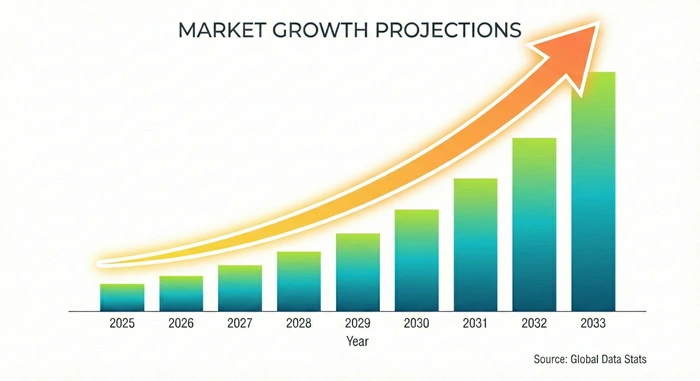
The security service edge market demonstrates exceptional growth prospects through 2033, with market valuations projected to increase more than 6.4-fold from current levels as enterprises recognize SSE as foundational infrastructure for securing digital transformation initiatives. North America dominates the global market landscape with the largest regional share of 38.01% in 2024, driven by accelerated enterprise cloud adoption, heightened cybersecurity risks, mature IT ecosystems that facilitate seamless deployment, and the concentration of leading SSE vendors including Zscaler, Palo Alto Networks, Cisco, and Cloudflare. The United States leads regional adoption through federal zero-trust mandates including CISA directives requiring government agencies to implement zero-trust architectures, substantial investments in cybersecurity infrastructure, and stringent regulatory frameworks including HIPAA and GLBA that compel organizations to adopt unified security platforms with centralized visibility and policy enforcement.
Asia Pacific is projected to register the fastest growth rate with a CAGR of 23.1% during the forecast period from 2026 to 2033, propelled by growing cloud adoption, expanding cyber risk exposure across emerging economies, and government-backed digitalization initiatives across China, India, Japan, and Australia. Countries throughout the region are introducing stricter data protection regulations including India's Digital Personal Data Protection Act and China's Cybersecurity Law that compel organizations to adopt integrated SSE frameworks for compliance while securing hybrid work models and multi-cloud environments. Telecom operators and managed security service providers are embedding SSE capabilities within their offerings to cater to growing bases of SMEs seeking affordable security solutions, with rising investments in AI-powered security analytics, zero-trust architectures, and localized cloud infrastructure positioning Asia Pacific as a strategic growth hub.
Expert Speaks
-
Jay Chaudhry, CEO of Zscaler: "Security Service Edge is fundamental to enabling zero-trust architectures that protect modern enterprises. As organizations embrace cloud-first strategies and distributed workforces, the traditional castle-and-moat security model becomes obsolete. SSE delivers the identity-centric, cloud-native security framework required to secure users and data anywhere while maintaining performance and user experience."
-
Nikesh Arora, CEO of Palo Alto Networks: "The convergence of networking and security through SSE and SASE architectures represents the future of enterprise security. Organizations need platforms that deliver comprehensive threat prevention, secure access, and centralized management across hybrid environments. Our AI-driven Prisma Access platform demonstrates how SSE can transform security operations while reducing complexity and cost."
-
Matthew Prince, CEO of Cloudflare: "Security Service Edge is democratizing enterprise-grade security by making sophisticated capabilities accessible to organizations of all sizes. Our cloud-native SSE platform delivers zero-trust access, advanced threat protection, and performance optimization from our global network, enabling businesses to secure their digital operations without massive infrastructure investments or security expertise."
Key Report Takeaways
-
North America leads the security service edge market with the largest regional share of 38.01% in 2024, driven by accelerated cloud adoption, heightened cybersecurity risks, mature IT ecosystems, federal zero-trust mandates, substantial investments in security infrastructure, and the concentration of major SSE vendors including Zscaler, Palo Alto Networks, Cisco, and Cloudflare
-
Asia Pacific represents the fastest-growing region for SSE adoption with the highest projected CAGR of 23.1% during the forecast period from 2026 to 2033, experiencing accelerated growth due to growing cloud adoption, expanding cyber risk exposure, government-backed digitalization initiatives, stricter data protection regulations, and rapid deployment by telecom operators and managed security service providers
-
Solution component captures dominant position with 67.25% market share in 2024, driven by enterprise demand for unified cloud-native security platforms that support secure connectivity, data protection, and policy-based access control through integrated offerings including SWG, CASB, ZTNA, and FWaaS that deliver scalable functionality and enterprise-wide security intelligence
-
BFSI sector shows highest adoption dominating the end-use segment with 36.57% market share in 2024, driven by stringent data protection requirements, high transaction volumes, regulatory compliance demands, elevated threat landscapes, and investments in intelligent security frameworks that provide real-time threat detection and zero-trust access enforcement
-
Services segment projected to grow at fastest rate with anticipated CAGR of 22.5%, driven by increasing complexity of securing hybrid work environments, enterprise adoption of zero-trust architectures, and growing demand for professional and managed services providing strategic guidance, customized configurations, threat monitoring, and policy optimization
-
Small and medium enterprises segment anticipated to experience highest CAGR of 22.6% as SMEs undergo digital transformation, embrace remote work models, expand SaaS application usage, and turn to cloud-native SSE platforms offering centralized policy enforcement and advanced threat protection without significant capital investment or in-house security expertise
Market Scope
| Report Coverage Details | |
|---|---|
| Market Size by 2033 | USD 36.57 Billion |
| Market Size by 2025 | USD 5.66 Billion |
| Market Size by 2026 | USD 7.26 Billion |
| Market Growth Rate from 2026 to 2033 | CAGR of 21.30% |
| Dominating Region | North America |
| Fastest Growing Region | Asia Pacific |
| Base Year | 2025 |
| Forecast Period | 2026 to 2033 |
| Segments Covered | Component, Deployment, Enterprise Size, End-Use Industry, Region |
| Regions Covered | North America, Europe, Asia Pacific, Latin America, Middle East & Africa |
Market Dynamics
Drivers Impact Analysis
Zero Trust Architecture Adoption and Regulatory Compliance Propelling Market Expansion
| Aspect | Details |
|---|---|
| ≈ % Impact on CAGR Forecast | High Impact (40-45%) |
| Geographic Relevance | Global, with strongest impact in North America, Europe, and Asia Pacific |
| Impact Timeline | Immediate to Long-term (2026-2033) |
The primary driver accelerating security service edge market growth is the widespread adoption of zero-trust security architectures that fundamentally reject traditional perimeter-based security models in favor of continuous verification and least-privilege access principles. Zero-trust frameworks assume breach scenarios and require identity verification for every access request regardless of network location, making SSE platforms essential infrastructure that delivers the identity-centric, policy-driven access control required for zero-trust implementation. Organizations embrace zero-trust strategies to reduce attack surfaces, prevent lateral movement within networks, and minimize damage from compromised credentials, with over 60% of enterprises prioritizing zero-trust implementations that accelerate demand for integrated SSE solutions combining SWG, CASB, and ZTNA capabilities. Federal mandates including CISA's zero-trust maturity model require government agencies to implement zero-trust architectures, creating substantial demand while influencing private sector adoption as best practice standards.
Increasing regulatory compliance requirements represent another fundamental growth driver, as data protection laws including GDPR in Europe, HIPAA in healthcare, GLBA in financial services, and emerging state privacy regulations compel organizations to adopt security platforms providing centralized visibility, real-time policy enforcement, and integrated data protection. SSE platforms facilitate compliance by offering centralized management consoles that monitor data access, enforce usage policies, generate audit trails, and provide compliance reporting capabilities that demonstrate regulatory adherence to auditors and regulators. The stringent cybersecurity mandates including Europe's NIS2 Directive and Digital Operational Resilience Act demand unified security across critical infrastructure and digital services, prompting preference for SSE frameworks that ensure data sovereignty and compliance through EU-based deployment options. Organizations face penalties reaching millions of dollars for data breaches and compliance violations, making investment in comprehensive SSE platforms essential risk management rather than optional security enhancement.
Restraints Impact Analysis
Performance Concerns and Regulatory Complexity Creating Adoption Barriers
| Aspect | Details |
|---|---|
| ≈ % Impact on CAGR Forecast | Moderate Impact (15-20%) |
| Geographic Relevance | Global, particularly affecting latency-sensitive industries and regulated sectors |
| Impact Timeline | Short to Medium-term (2026-2029) |
A significant restraint limiting security service edge market growth is the concern over latency and performance degradation that can occur when routing traffic through cloud-based SSE services, particularly for organizations with bandwidth-intensive applications or when SSE providers' global reach is restricted. Pure cloud-native SSE deployments may introduce latency that degrades user experience for real-time applications, discouraging businesses from implementing SSE completely or leading them to seek hybrid deployment models that balance cloud benefits with on-premises performance. The performance issues prove particularly problematic in sectors including media production, financial trading, and healthcare where real-time data processing is essential and even millisecond delays impact business operations and outcomes. Although SSE providers are investing significantly in expanding points of presence and enhancing network infrastructure to address these concerns, gaps remain in certain geographic regions and use cases that slow adoption.
Regulatory and data sovereignty challenges represent additional barriers, as many nations implement data residency laws that restrict where and how sensitive information can be processed and stored. SSE solutions that route traffic through cloud data centers globally face compliance difficulties in regions with strict data localization requirements, with businesses in highly regulated sectors hesitant to fully implement SSE until providers guarantee localized data handling and compliance with regional laws. European organizations subject to GDPR face complex requirements around data transfers and third-party processing, while Chinese enterprises must comply with stringent Cybersecurity Law and MLPS 2.0 mandates requiring robust controls on cloud and internet-based services. SSE vendors must quickly adapt to shifting regulatory environments that vary by country and industry, adding operational complexity that slows deployment timelines and increases total cost of ownership particularly for multinational enterprises operating across diverse jurisdictions.
Opportunities Impact Analysis
SME Adoption and AI Integration Creating Substantial Growth Avenues
| Aspect | Details |
|---|---|
| ≈ % Impact on CAGR Forecast | High Impact (30-35%) |
| Geographic Relevance | Global, with exceptional opportunities in Asia Pacific and Latin America |
| Impact Timeline | Medium to Long-term (2027-2033) |
A major opportunity in the security service edge market lies in the accelerating adoption by small and medium enterprises that historically lacked resources to implement enterprise-grade security but now face escalating cyber threats and digital transformation requirements. SMEs are undergoing rapid digitalization, embracing remote work models, and expanding SaaS application usage but lack in-house resources to manage traditional on-premises security infrastructure, making cloud-native SSE platforms with centralized policy enforcement ideal solutions. SSE vendors are developing affordable pay-as-you-go pricing models, simplified management interfaces, and pre-configured security policies that make enterprise-grade capabilities accessible to organizations with limited IT budgets and technical expertise. Managed security service providers are partnering with SSE vendors to deliver SSE-as-a-service offerings that provide SMEs with professional security operations without requiring dedicated security teams, substantially expanding the addressable market.
The integration of artificial intelligence and machine learning capabilities into SSE platforms represents another substantial opportunity, as AI-powered features including behavioral analytics, automated threat response, predictive security, and intelligent policy recommendations differentiate vendor offerings and drive upgrade cycles among existing customers. Vendors compete increasingly on AI capabilities that reduce security operations workload, improve threat detection accuracy, and provide security insights through natural language interfaces accessible to non-expert users. The convergence of SSE with edge computing and 5G networks creates opportunities for vendors to develop latency-optimized security solutions that protect increasingly distributed infrastructure including IoT devices, autonomous systems, and edge data centers that generate massive security data volumes requiring AI analysis. Healthcare sector adoption is expected to grow at exceptional rates as digital health transformation accelerates, with providers investing in HIPAA-compliant SSE solutions facilitating telemedicine, remote patient monitoring, and secure health information exchange that improve patient experiences while meeting stringent privacy regulations.
Segment Analysis
Solution Component
Integrated Security Platforms and Unified Management Driving Segment Dominance
Solution dominated the security service edge market by component, capturing the largest revenue share of 67.25% in 2024 and anticipated to maintain leadership throughout the forecast period driven by enterprise demand for unified cloud-native security platforms that support secure connectivity, data protection, and policy-based access control across distributed users and applications. The commanding market share reflects businesses' preference for comprehensive SSE solutions that integrate multiple security functions including Secure Web Gateway, Cloud Access Security Broker, Zero Trust Network Access, and Firewall-as-a-Service into single platforms that eliminate the complexity and integration challenges of managing point solutions from multiple vendors. These solution offerings deliver scalable functionality, automation capabilities, and enterprise-wide security intelligence that enable organizations to reduce risk while enhancing operational efficiency through centralized management consoles providing unified visibility and policy enforcement.
The solution segment experiences particularly strong adoption across North America and Europe, where enterprises prioritize comprehensive platforms integrating AI and analytics innovations that add substantial value through real-time threat detection, behavioral analytics, and automated policy recommendations. The segment encompasses API platforms and SDK platforms, with voice API, video API, messaging API integrated into business applications to improve security postures across customer interactions, internal communications, and workflow automation. Leading providers including Zscaler, Palo Alto Networks, Cisco, Netskope, and Fortinet are expanding solution portfolios through continuous innovation including AI-driven data protection, real-time threat correlation, inline inspection of generative AI prompts, and deep integration with multi-cloud environments that strengthen their competitive positioning. Large enterprises from BFSI, healthcare, government, retail, and manufacturing sectors deploy comprehensive SSE solutions across enterprise communication channels, driving consistent demand for feature-rich platform offerings that support zero-trust architectures and regulatory compliance requirements.
Cloud-Based Deployment
Scalability and Rapid Implementation Establishing Cloud as Dominant Model
Cloud-based deployment captured the dominant position in the security service edge market by deployment mode, accounting for 56.49% market share in 2024 and projected to maintain leadership driven by enterprise shift toward cloud-first strategies, growing adoption of hybrid work models, and need for scalable security frameworks aligning with dynamic application environments. Cloud-based SSE deployments offer reduced infrastructure overhead, faster implementation timelines, real-time automatic updates, and seamless integration with SaaS platforms that make them ideal for organizations with distributed users and multi-cloud workloads. These deployments enable centralized policy enforcement, threat detection, and compliance management across diverse geographies without requiring extensive on-premises hardware investments, substantially reducing total cost of ownership while providing enterprise-grade security capabilities.
Cloud deployment experiences exceptionally strong growth across North America and Asia Pacific, where robust internet connectivity, mature cloud ecosystems, and substantial mobile-first populations facilitate rapid SSE adoption without legacy infrastructure constraints. The segment provides pay-as-you-go economics that enable organizations to scale security capabilities dynamically based on user growth and traffic volumes, with major cloud providers' global infrastructure ensuring low-latency access through geographically distributed points of presence. Leading SSE vendors including Zscaler, Cloudflare, Palo Alto Networks, and Cisco are investing heavily in expanding cloud delivery networks, with innovations including Lacework Edge extending behavioral analytics and anomaly detection to edge environments while maintaining cloud-native benefits. Hybrid deployment models are emerging as the fastest-growing sub-segment with projected CAGR of 20.5%, addressing enterprises in highly regulated industries requiring on-premises security controls for sensitive workloads while leveraging cloud-based SSE components for scalability, supporting phased cloud migration strategies without compromising threat protection.
Regional Insights
North America
Federal Mandates and Technology Leadership Establishing Regional Dominance
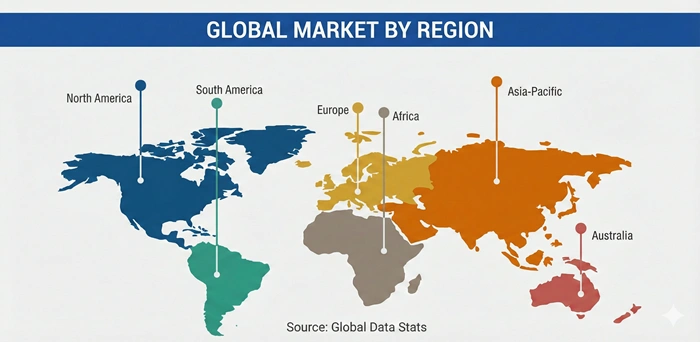
North America holds the dominant position in the security service edge market with the largest regional share of 38.01% in 2024, valued at approximately USD 2.15 billion in 2025, and projected to maintain leadership throughout the forecast period. The region's commanding market position stems from accelerated enterprise cloud adoption, heightened cybersecurity risks driving security investments, mature IT ecosystems facilitating seamless SSE deployment, and the concentration of leading technology companies driving innovation including Zscaler, Palo Alto Networks, Cisco, Cloudflare, and Fortinet. Federal zero-trust mandates including CISA directives requiring government agencies to implement zero-trust architectures by specific deadlines create substantial demand while establishing best practice standards that influence private sector adoption across industries.
The United States leads North American adoption with advanced technological landscape, substantial investments in digital transformation and cybersecurity infrastructure, and large numbers of enterprises seeking scalable flexible security solutions that protect distributed workforces and cloud workloads. Strong demand across banking, retail, healthcare, and IT sectors drives consistent growth, with organizations leveraging SSE solutions to integrate voice, video, and messaging capabilities into applications while enforcing zero-trust access policies and meeting regulatory requirements. The widespread adoption of hybrid and remote work has intensified need for secure access to SaaS and IaaS environments across diverse endpoints and geographies, with compliance requirements under HIPAA, GLBA, and emerging state privacy laws pushing enterprises toward SSE platforms offering centralized visibility, real-time policy enforcement, and integrated data protection. Leading North American companies including government agencies, financial institutions, healthcare providers, and technology firms maintain substantial research and development investments in SSE capabilities, continuously innovating with AI-powered automation, advanced analytics, and enhanced security features that drive market leadership.
Asia Pacific
Digitalization Initiatives and Cyber Risk Expansion Driving Fastest Regional Growth
Asia Pacific is projected to register the fastest growth rate in the security service edge market with a CAGR of 23.1% during the forecast period from 2026 to 2033, experiencing explosive expansion due to growing cloud adoption, expanding cyber risk exposure across emerging economies, and government-backed digitalization initiatives driving technology investments. Countries including China, India, Japan, Australia, and South Korea are experiencing surging demand for SSE solutions as enterprises shift toward hybrid work models, multi-cloud environments, and digital-first business strategies that require cloud-native security frameworks. Governments throughout the region are introducing stricter data protection regulations including India's Digital Personal Data Protection Act, China's Cybersecurity Law and MLPS 2.0, and Japan's updated Act on the Protection of Personal Information that compel organizations to adopt integrated SSE frameworks ensuring compliance while securing distributed operations.
China's rapid SSE adoption is fueled by extensive 5G rollout, massive mobile-first population, stringent national cybersecurity regulations mandating robust controls on cloud services, and growing push toward AI-driven threat detection capabilities tailored to large-scale regulated environments. India represents another high-growth market expected to register the highest CAGR driven by burgeoning digital economy, smartphone proliferation, supportive government policies promoting technology adoption, and implementation of Digital Personal Data Protection Act heightening focus on data privacy. Telecom operators and managed security service providers throughout Asia Pacific are embedding SSE capabilities within their offerings to cater to growing bases of SMEs seeking affordable scalable security solutions, with rising investments in AI-powered security analytics, zero-trust architectures, and localized cloud infrastructure accelerating adoption. Leading companies operating in Asia Pacific including Netskope, SoftBank, Tata Communications, and regional players are forming strategic partnerships with global SSE vendors to deliver managed services, advanced threat protection, and compliance-ready solutions addressing strict data sovereignty requirements unique to Asian markets.
Top Key Players
-
Zscaler (United States)
-
Palo Alto Networks (United States)
-
Cisco Systems Inc. (United States)
-
Fortinet Inc. (United States)
-
Netskope (United States)
-
Cloudflare Inc. (United States)
-
Cato Networks (Israel)
-
Proofpoint Inc. (United States)
-
Barracuda Networks Inc. (United States)
-
Menlo Security (United States)
-
Forcepoint (United States)
-
Skyhigh Security (United States)
-
Broadcom Inc. (United States)
-
VMware Inc. (United States)
-
Akamai Technologies (United States)
Recent Developments
-
Zscaler (2025): Zscaler partnered with Vectra AI in June 2025, extending network detection and response capabilities to cover both Zscaler Internet Access and Private Access traffic, delivering comprehensive visibility into SASE data flows that significantly enhance threat detection, investigation, and response while enabling stronger enforcement of zero-trust policies across enterprise networks
-
Palo Alto Networks (2025): Palo Alto Networks formed strategic partnership with Globalgig in March 2025 to enhance managed Secure Service Edge offerings by integrating Prisma SASE, Prisma Access, and SD-WAN solutions with Globalgig's Orchestra Insight platform, delivering AI-driven security analytics, unified management of networking and threat defense, and improved performance for globally distributed enterprise environments
-
Palo Alto Networks (2024): Palo Alto Networks established strategic partnership with Bell Canada in December 2024, positioning Bell as managed and professional services provider for Palo Alto's AI-driven platforms, enabling Bell to deliver 24/7 support, unified threat prevention, and secure connectivity by integrating Prisma Access, NGFW, Prisma Cloud, and Cortex XSIAM across Canadian enterprises
-
Cisco Systems (2024): Cisco expanded partnership with LTIMindtree in November 2024 to deliver AI-enabled SSE capabilities and integrated observability, helping global enterprises modernize secure access frameworks through enhanced threat prevention, centralized management, and seamless integration with hybrid cloud environments
-
Absolute Security (2024): Absolute Security launched Enterprise SSE platform in November 2024, integrating endpoint-to-network zero-trust capabilities with adaptive policy enforcement and persistent application resilience, offering self-healing ZTNA, advanced data loss prevention, and continuous risk visibility that enables organizations to maintain robust security postures across distributed environments
Market Trends
AI-Powered Automation and SASE Convergence Reshaping Security Architectures
The security service edge market is witnessing transformative trends as AI-powered analytics, automation, and edge computing converge to enable real-time threat detection, policy enforcement, and performance optimization at network edges. Advanced Secure Web Gateways and Firewall-as-a-Service are being integrated with machine learning algorithms that proactively block malicious traffic, reduce false positives, and adapt to evolving attack vectors without signature updates, substantially improving threat prevention effectiveness while reducing security operations workload. Vendors are embedding Data Loss Prevention, Remote Browser Isolation, and behavior analytics into SSE frameworks to enhance visibility, mitigate insider threats, and support business continuity without compromising user experience, with sectors including healthcare and retail adopting SSE to protect patient and customer data while ensuring fast secure access to cloud-based tools and digital services.
Security Service Edge is evolving from reactive security measure into foundational pillar of enterprise architecture, supporting secure, resilient, and scalable digital operations across increasingly complex hybrid work models, cloud sprawl, and expanding device ecosystems. SSE platforms are serving as strategic control points that unify access management, data protection, and device intelligence through embedded enterprise-wide security fabrics capable of securing users, applications, and data in real-time across dynamic digital ecosystems. The convergence toward SASE architectures that combine SSE security capabilities with SD-WAN networking functions is accelerating, with vendors delivering single-vendor solutions integrating network and security functions through unified management platforms that reduce complexity and total cost of ownership while improving performance. Organizations increasingly recognize SSE as essential infrastructure for zero-trust implementation, with over 70% of enterprises having embraced SSE and more than 60% prioritizing zero-trust strategies that accelerate adoption of integrated solutions delivering secure access, policy enforcement, and threat protection across distributed cloud-first environments.
Segments Covered in the Report
By Component
-
Solution
-
Secure Web Gateway (SWG)
-
Cloud Access Security Broker (CASB)
-
Zero Trust Network Access (ZTNA)
-
Firewall-as-a-Service (FWaaS)
-
Data Loss Prevention (DLP)
-
Remote Browser Isolation (RBI)
-
-
Services
-
Professional Services
-
Managed Services
-
By Deployment
-
On-Premises
-
Cloud-Based
-
Hybrid
By Enterprise Size
-
Large Enterprises
-
Small and Medium Enterprises (SMEs)
By End-Use Industry
-
BFSI
-
IT and Telecommunications
-
Government and Public Sector
-
Healthcare
-
Retail and E-Commerce
-
Manufacturing
-
Education
-
Others
By Region
-
North America
-
United States
-
Canada
-
Mexico
-
-
Europe
-
United Kingdom
-
Germany
-
France
-
Italy
-
Spain
-
Rest of Europe
-
-
Asia Pacific
-
China
-
India
-
Japan
-
South Korea
-
Australia
-
Rest of Asia Pacific
-
-
Latin America
-
Brazil
-
Argentina
-
Rest of Latin America
-
-
Middle East & Africa
-
United Arab Emirates
-
Saudi Arabia
-
South Africa
-
Rest of Middle East & Africa
-
Frequently Asked Questions
Question 1: What is the expected security service edge market size by 2033?
Answer: The global security service edge market is projected to reach approximately USD 36.57 billion by 2033, growing from USD 7.26 billion in 2026. This exceptional growth is driven by zero-trust architecture adoption, cloud migration, remote work transformation, and regulatory compliance requirements.
Question 2: Which region dominates the security service edge market currently?
Answer: North America dominates the security service edge market with the largest share of 38.01% in 2024, driven by federal zero-trust mandates, accelerated cloud adoption, heightened cybersecurity risks, mature IT ecosystems, and the concentration of leading SSE vendors. The United States leads regional adoption through CISA directives and substantial security investments.
Question 3: What are the primary drivers of security service edge market growth?
Answer: The primary drivers include widespread adoption of zero-trust security architectures, increasing regulatory compliance requirements, shift toward remote and hybrid work models, accelerating cloud migration, and rising sophistication of cyberattacks. Over 60% of enterprises prioritize zero-trust strategies that drive SSE adoption.
Question 4: Which component segment shows the highest adoption in security service edge market?
Answer: Solution component captured the dominant position with 67.25% market share in 2024, driven by enterprise demand for unified cloud-native security platforms integrating SWG, CASB, ZTNA, and FWaaS. Services segment is expected to grow at fastest CAGR of 22.5% driven by increasing demand for professional and managed services.
Question 5: What opportunities exist for security service edge market expansion?
Answer: Major opportunities include accelerating SME adoption through affordable pay-as-you-go models and simplified management, AI and machine learning integration enhancing threat detection and automation, healthcare sector growth for HIPAA-compliant telemedicine solutions, and convergence with SASE architectures. SME segment is anticipated to grow at highest CAGR of 22.6%.