
Reusable Water Bottle Market Overview
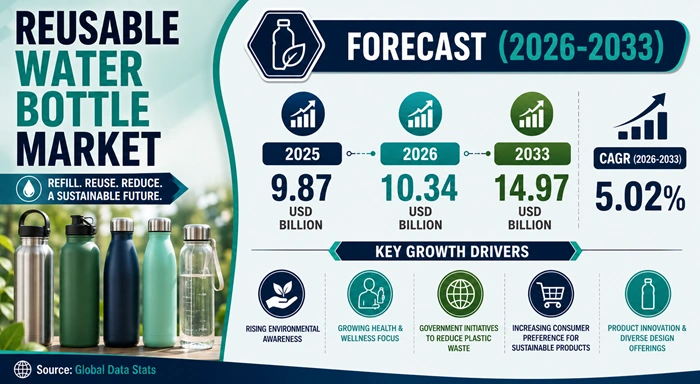
The global reusable water bottle market size is valued at USD 9.87 billion in 2025 and is predicted to increase from USD 10.34 billion in 2026 to approximately USD 14.97 billion by 2033, growing at a CAGR of 5.02% from 2026 to 2033. Growing environmental consciousness about single-use plastic waste combined with rising health awareness drives consumers worldwide toward sustainable hydration solutions. Reusable bottles made from materials including stainless steel, glass, and BPA-free plastics offer eco-friendly alternatives that reduce plastic pollution while providing durable, cost-effective options for everyday use.
AI Impact on the Reusable Water Bottle Industry
Artificial Intelligence Transforming Product Innovation and Consumer Engagement
Artificial intelligence is fundamentally revolutionizing the reusable water bottle market by enabling smart hydration tracking, personalized consumer recommendations, and optimized manufacturing processes that enhance product functionality while improving user experience. AI-powered smart bottles featuring embedded sensors, Bluetooth connectivity, and smartphone app integration monitor real-time water consumption, send hydration reminders based on activity levels and environmental conditions, and track daily intake goals helping users maintain optimal hydration for health and performance. Machine learning algorithms analyze vast consumer preference data including design choices, material preferences, color selections, and feature priorities to predict trending products, enabling manufacturers to develop bottles aligning precisely with evolving market demands. Natural language processing technologies power virtual assistants and chatbots providing instant customer support, answering product questions, offering maintenance tips, and guiding purchase decisions through personalized consultations that replicate in-store expertise online.
Computer vision applications enable augmented reality features allowing consumers to visualize how different bottle designs, colors, and sizes will look in their hands or fit in vehicle cup holders before purchasing, reducing return rates while increasing satisfaction. Predictive analytics forecast inventory requirements, optimize supply chain operations, reduce waste from overproduction, and ensure popular products remain in stock during peak demand periods including summer months and back-to-school seasons. The reusable water bottle market benefits from AI-driven quality control systems using image recognition to detect manufacturing defects, ensure consistent product quality, and identify issues before bottles reach consumers. Personalization engines recommend bottles based on individual preferences including activity types, aesthetic tastes, temperature retention needs, and budget constraints, creating customized shopping experiences that increase conversion rates and customer loyalty across digital commerce platforms.
Growth Factors
Environmental Awareness and Health Consciousness Drive Market Expansion
The reusable water bottle market is experiencing robust growth driven by heightened environmental awareness about plastic pollution, government regulations restricting single-use plastics, and growing consumer commitment to sustainable lifestyle choices that reduce ecological footprints. Global plastic waste reaching oceans and landfills at alarming rates motivates environmentally conscious consumers to actively seek reusable alternatives that significantly decrease plastic bottle consumption over product lifetimes. Single-use plastic bans implemented across numerous countries, states, and municipalities including California, European Union nations, Canada, and India create regulatory environments favoring reusable products while restricting disposable bottle usage in public spaces, government facilities, and national parks. Environmental advocacy campaigns from organizations, influencers, and celebrities amplify awareness about plastic pollution's devastating impacts on marine ecosystems, wildlife, and human health, inspiring behavioral shifts toward sustainable hydration practices.
Health consciousness regarding potentially harmful chemicals in disposable plastic bottles including BPA, phthalates, and microplastics drives consumers toward safer reusable alternatives made from food-grade stainless steel, glass, and certified BPA-free materials. Active lifestyle trends including fitness activities, outdoor recreation, sports participation, yoga, and gym memberships increase demand for durable portable hydration solutions that withstand rigorous use while maintaining beverage temperatures through insulation technologies. The reusable water bottle market benefits from cost-effectiveness as consumers recognize long-term savings from refilling reusable bottles versus continuously purchasing disposable bottled water, particularly when quality tap water or filtration systems provide safe drinking sources. Technological innovations including vacuum insulation maintaining beverage temperatures for extended periods, self-cleaning UV-C sterilization, leak-proof designs, ergonomic shapes, and aesthetic customization options enhance product appeal across diverse consumer segments from athletes to office professionals.
Market Outlook
Innovation and Sustainability Define Future Industry Evolution
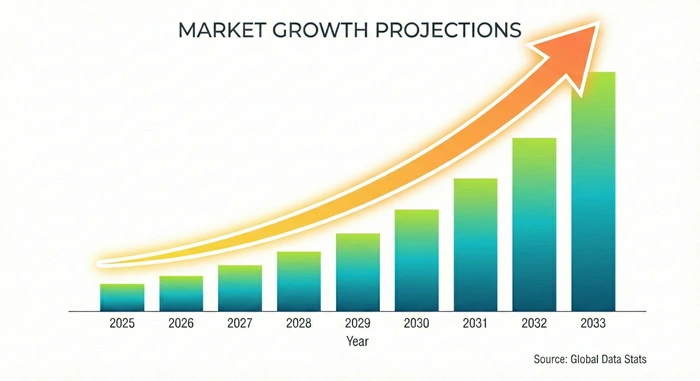
The reusable water bottle market is positioned for sustained expansion through 2033 as manufacturers invest heavily in advanced materials, smart technologies, sustainable production practices, and diverse product portfolios addressing varied consumer needs and preferences. Smart water bottles incorporating hydration tracking, app connectivity, LED reminder lights, temperature displays, and integration with fitness wearables represent rapidly growing premium segment appealing to tech-savvy health-conscious consumers seeking data-driven wellness optimization. Insulated stainless steel bottles dominating premium categories continue innovating through improved vacuum technology extending temperature retention, copper lining providing antimicrobial benefits, powder-coated exteriors offering grip and scratch resistance, and modular designs enabling component replacement extending product lifespans. Sustainable material innovations including recycled plastics, bio-based polymers, bamboo-steel composites, and recyclable packaging align with circular economy principles while appealing to environmentally motivated purchasers willing to pay premiums for verified sustainable products.
Customization and personalization trends drive demand for bottles featuring monograms, custom colors, interchangeable components, motivational quotes, artistic designs, and brand collaborations creating emotional connections and self-expression opportunities beyond mere functional hydration. The reusable water bottle market witnesses expanding distribution through e-commerce platforms offering extensive selections, customer reviews, competitive pricing, and convenient home delivery that particularly appeals to younger digitally native demographics. Specialty retail concepts including dedicated hydration stores, experiential showrooms, and retail partnerships with outdoor equipment retailers, fitness centers, and corporate wellness programs create targeted distribution channels reaching high-propensity consumer segments. Emerging markets across Asia Pacific, Latin America, and Africa present enormous growth opportunities as rising incomes, urbanization, improving water infrastructure, and growing environmental awareness drive adoption in regions historically dominated by single-use bottles or traditional containers.
Expert Speaks
-
Ramón Laguarta, Chairman and Chief Executive Officer of PepsiCo, emphasized that sustainable packaging innovations including reusable systems represent strategic priorities as PepsiCo pursues environmental goals, with investments in alternative delivery models, recycled materials, and consumer education about reusable options supporting broader corporate sustainability commitments addressing plastic waste concerns.
-
James Quincey, Chairman and Chief Executive Officer of The Coca-Cola Company, highlighted that reducing plastic waste requires systemic approaches including collection infrastructure, recycled content usage, and encouraging reusable alternatives, with Coca-Cola investing in technologies and partnerships supporting circular economy models while acknowledging consumer preference shifts toward sustainable hydration choices.
-
Miguel Patricio, former Chief Executive Officer of The Kraft Heinz Company, stated that consumer packaged goods companies must adapt to changing consumer values prioritizing sustainability, health, and environmental responsibility, with market trends indicating growing demand for reusable products reflecting broader lifestyle shifts toward conscious consumption and reduced single-use packaging across categories.
Key Report Takeaways
-
Asia Pacific leads the reusable water bottle market with approximately 40% market share in 2025, driven by massive populations in China and India, rapid urbanization, rising disposable incomes, growing environmental awareness, and strong government initiatives promoting plastic waste reduction and sustainable alternatives.
-
North America is growing the fastest with a projected CAGR of 5.40% from 2026 to 2033, fueled by stringent single-use plastic regulations, strong environmental consciousness, active outdoor lifestyle culture, established fitness trends, and high consumer willingness to invest in premium quality sustainable products.
-
Adults represent the primary consumer segment for reusable water bottles, accounting for approximately 78% of market demand as working professionals, fitness enthusiasts, travelers, and environmentally conscious individuals seek durable portable hydration solutions for daily routines, exercise activities, and commuting needs.
-
The stainless steel segment contributes the most to overall market revenue growth with approximately 42% share in 2025 and fastest CAGR of 5.20%, reflecting consumer preferences for durable, insulated, BPA-free bottles offering superior temperature retention, longevity, and aesthetic appeal justifying premium pricing.
-
Supermarkets and hypermarkets dominate with approximately 39% market share as widespread accessibility, extensive product variety, competitive pricing, ability to physically examine products, and promotional campaigns make these retail formats preferred shopping destinations for budget-conscious mainstream consumers.
-
The online segment will grow quickly with an estimated CAGR of 5.60% and market share expanding as e-commerce adoption increases, providing convenient shopping experiences, unlimited product selections, customer reviews, price comparisons, personalization options, and home delivery that particularly appeals to younger tech-savvy demographics.
Market Scope
| Report Coverage | Details |
|---|---|
| Market Size by 2033 | USD 14.97 Billion |
| Market Size by 2025 | USD 9.87 Billion |
| Market Size by 2026 | USD 10.34 Billion |
| Market Growth Rate from 2026 to 2033 | CAGR of 5.02% |
| Dominating Region | Asia Pacific |
| Fastest Growing Region | North America |
| Base Year | 2025 |
| Forecast Period | 2026 to 2033 |
| Segments Covered | Material, Distribution Channel, End User, Region |
| Regions Covered | North America, Europe, Asia Pacific, Latin America, Middle East and Africa |
Market Dynamics
Driver Impact Analysis
Environmental Sustainability and Plastic Waste Reduction Propel Market Growth
The escalating global crisis of plastic pollution combined with intensifying consumer environmental consciousness represents the most powerful driver propelling the reusable water bottle market toward sustained expansion across all geographic regions and demographic segments. Single-use plastic bottles constitute massive environmental burden with an estimated one million plastic bottles purchased globally every minute, overwhelming waste management systems and accumulating in oceans where they harm marine life, break down into microplastics entering food chains, and persist for centuries without degrading. Growing awareness about these devastating environmental impacts motivates consumers to actively reduce personal plastic consumption through sustainable alternatives including reusable bottles that drastically decrease individual plastic waste generation over product lifetimes. Climate change concerns amplify sustainability priorities as consumers increasingly recognize connections between plastic production from fossil fuels, greenhouse gas emissions, and environmental degradation, inspiring lifestyle modifications favoring reusable products.
Government regulations banning or restricting single-use plastics accelerate reusable bottle adoption by limiting disposable bottle availability in public spaces, creating economic incentives favoring reusables, and signaling official endorsement of sustainable alternatives. The reusable water bottle market benefits from powerful social movements including plastic-free initiatives, zero-waste lifestyles, and minimalism philosophies that position reusable bottles as visible symbols of environmental commitment and conscious consumption values. Educational campaigns from environmental organizations, schools, and public health agencies teach about plastic pollution while promoting reusable alternatives, reaching diverse audiences through multiple channels including social media, traditional advertising, school programs, and community events. Corporate sustainability commitments from employers providing branded reusable bottles to employees, installing refill stations, and eliminating disposable bottles from offices create workplace cultures supporting reusable adoption while distributing millions of bottles annually.
| Driver | ≈ % Impact on CAGR Forecast | Geographic Relevance | Impact Timeline |
|---|---|---|---|
| Environmental Awareness | +1.90% | Global, strongest in developed markets | 2026-2033 |
| Single-Use Plastic Regulations | +1.60% | North America, Europe, progressive markets | 2026-2033 |
| Health Consciousness | +1.30% | Developed markets, urban populations | 2026-2033 |
| Cost Effectiveness | +0.95% | Price-sensitive markets globally | 2026-2033 |
Restraints Impact Analysis
High Initial Costs and Maintenance Requirements Limit Market Penetration
The reusable water bottle market confronts significant barriers related to higher upfront costs compared to disposable bottles, maintenance requirements including regular cleaning, hygiene concerns, and limited awareness in developing regions that constrain adoption among price-sensitive consumers and certain demographic segments. Premium reusable bottles made from stainless steel or glass commanding prices ranging from USD 15 to USD 50 or more create affordability barriers for budget-conscious consumers, particularly in developing markets where disposable bottles costing less than one dollar appear more accessible despite higher long-term costs. Initial investment hurdles discourage impulse purchases and prevent adoption among low-income populations who cannot afford upfront expenditures even when recognizing eventual savings, limiting market penetration beyond affluent demographics.
Maintenance requirements including regular thorough cleaning to prevent mold, bacteria, and odor buildup create usage friction compared to disposable bottles requiring no care, with consumers sometimes abandoning reusable bottles due to hygiene concerns or inconvenience of proper maintenance. The reusable water bottle market suffers from perception challenges positioning products as requiring effort and discipline versus convenience of disposable options, particularly among busy consumers prioritizing convenience over sustainability. Quality variations across price points create negative experiences when low-cost bottles leak, break, fail to maintain temperatures, or develop unpleasant tastes, damaging category perceptions and discouraging repeat purchases. Limited awareness about environmental benefits, long-term cost savings, and health advantages in certain regions particularly developing markets reduces motivation for behavioral changes from familiar disposable bottle habits toward unfamiliar reusable alternatives requiring initial adjustments.
| Restraint | ≈ % Impact on CAGR Forecast | Geographic Relevance | Impact Timeline |
|---|---|---|---|
| High Upfront Costs | -1.20% | Price-sensitive markets, low-income segments | 2026-2033 |
| Maintenance Requirements | -0.95% | Convenience-oriented consumers globally | 2026-2033 |
| Limited Awareness | -0.80% | Developing markets, rural areas | 2026-2030 |
Opportunities Impact Analysis
Smart Technology Integration and Emerging Markets Create Growth Avenues
The integration of smart technologies including hydration tracking, UV-C self-cleaning, temperature monitoring, and app connectivity presents enormous opportunities for the reusable water bottle market as tech-enabled products command premium pricing while attracting health-focused early adopters. Smart bottles featuring LED indicators, Bluetooth connectivity, and mobile applications that track water intake, send customized hydration reminders, sync with fitness trackers, and gamify hydration goals appeal to quantified-self enthusiasts, athletes, and health-conscious consumers seeking data-driven wellness optimization. Self-cleaning bottles utilizing UV-C LED technology that automatically sterilizes water and interior surfaces addressing hygiene concerns while eliminating manual cleaning burdens combine convenience with advanced functionality justifying significant price premiums. Temperature-regulating bottles with digital displays showing beverage temperatures enable precise preference matching particularly valuable for parents monitoring children's drink temperatures or individuals with specific beverage temperature requirements.
Emerging markets across Asia Pacific excluding developed nations, Latin America, Africa, and Middle East represent massive untapped opportunities as economic development, urbanization, improving water infrastructure, and growing environmental awareness create favorable conditions for reusable bottle adoption. The reusable water bottle market benefits from expanding middle classes in India, Indonesia, Philippines, Vietnam, Brazil, Mexico, Nigeria, and other developing nations where rising disposable incomes enable discretionary purchases of durable goods including reusable bottles. Collaboration opportunities with fitness centers, yoga studios, sports organizations, schools, universities, and corporations create bulk distribution channels reaching high-propensity consumer segments while building brand awareness through trusted institutions. Subscription services offering periodic bottle upgrades, cleaning product deliveries, or component replacements create recurring revenue streams while addressing maintenance concerns and ensuring customer engagement beyond initial purchases.
| Opportunity | ≈ % Impact on CAGR Forecast | Geographic Relevance | Impact Timeline |
|---|---|---|---|
| Smart Technology Integration | +1.50% | Tech-savvy markets, developed nations | 2027-2033 |
| Emerging Market Penetration | +1.40% | Asia Pacific, Latin America, Africa | 2026-2033 |
| Institutional Partnerships | +1.10% | Corporate, educational, fitness sectors | 2026-2033 |
| Sustainable Materials Innovation | +0.90% | Environmentally conscious markets | 2027-2033 |
Segment Analysis
Stainless Steel
Premium Material Segment Leading Growth Through Superior Performance
The stainless steel segment dominates premium categories within the reusable water bottle market with approximately 42% share in 2025 and fastest projected CAGR of 5.20% from 2026 to 2033, driven by material superiority including durability, insulation capabilities, safety profile, and aesthetic appeal that justify higher price points. Stainless steel bottles naturally BPA-free without requiring special manufacturing processes or chemical treatments provide health-conscious consumers confidence about beverage safety without leaching concerns associated with certain plastics. Vacuum insulation technology exclusive to metal bottles maintains cold beverages chilled for 24 hours and hot drinks warm for 12 hours through double-wall construction with airless space preventing heat transfer, delivering performance unmatched by plastic or glass alternatives. Material durability withstanding drops, impacts, and rough handling without breaking makes stainless steel ideal for active lifestyles, outdoor adventures, sports activities, and children's use where breakage risks eliminate glass options.
North America shows particularly strong stainless steel adoption with approximately 48% regional segment share and CAGR of 5.35%, driven by outdoor recreation culture, fitness lifestyle prevalence, premium product preferences, and willingness to invest in quality durable goods delivering long-term value. Leading companies serving the reusable water bottle market including Hydro Flask, Yeti Holdings, S'well, Klean Kanteen, and Stanley Brand dominate stainless steel categories through innovative designs, superior insulation technology, lifestyle branding, and extensive retail distribution. The segment continues innovating through powder-coated exteriors providing grip and scratch resistance, copper-lined interiors offering antimicrobial properties, modular designs with interchangeable lids and accessories, and aesthetic variety spanning minimalist designs to bold patterns appealing across demographics. Premium positioning enables healthy profit margins supporting marketing investments, retail partnerships, and continuous product development that reinforces category leadership and brand differentiation within competitive markets.
Online
Fastest Growing Distribution Channel Capitalizing on E-Commerce Expansion
The online distribution channel represents the fastest-growing segment in the reusable water bottle market with a projected CAGR of 5.60% from 2026 to 2033, driven by accelerating e-commerce adoption, convenient shopping experiences, unlimited product selections, customer review availability, and competitive pricing that particularly appeals to younger digitally native demographics. Online platforms including Amazon, brand websites, specialty retailers' e-commerce sites, and marketplace aggregators offer exponentially larger product assortments than physical stores constrained by shelf space, enabling consumers to browse thousands of options filtering by material, size, price, color, features, and brands. Customer reviews, ratings, detailed product descriptions, comparison tools, and high-resolution images provide comprehensive purchase information partially compensating for inability to physically examine products before buying. Price transparency, comparison shopping ease, promotional discounts, subscription options, and free shipping thresholds create compelling value propositions for budget-conscious shoppers seeking best deals.
Asia Pacific shows particularly explosive online channel growth with CAGR exceeding 6.20%, driven by smartphone penetration, mobile commerce adoption, improving logistics infrastructure, digital payment systems, and younger populations comfortable purchasing durable goods online without physical inspection. Key players serving the reusable water bottle market including Hydro Flask, CamelBak, S'well, Nalgene, and Contigo invest heavily in direct-to-consumer e-commerce platforms, digital marketing, influencer partnerships, and social media commerce enabling brand control, customer data collection, and margin optimization compared to traditional retail. The segment benefits from personalization capabilities including custom engraving, monogramming, color selection, and accessory bundling that create unique products strengthening emotional connections while differentiating from mass retail offerings. Subscription services, automated replenishment reminders, loyalty programs, and exclusive online product launches build recurring customer relationships and lifetime value beyond one-time transactions typical of physical retail purchases.
Regional Insights
Asia Pacific
Market Dominance Through Population Scale and Rapid Urbanization
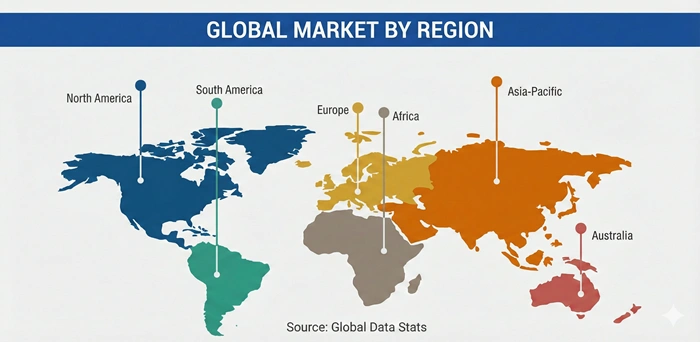
Asia Pacific maintains its position as the dominant region in the reusable water bottle market, commanding approximately 40% of global market share in 2025 with an estimated value of USD 3.95 billion, projected to reach USD 5.84 billion by 2033 growing at a CAGR of 4.95%. The region's leadership stems from massive populations exceeding 4.6 billion people concentrated in China and India, rapid urbanization creating environmental challenges motivating sustainable solutions, and rising disposable incomes enabling discretionary purchases of durable consumer goods. China dominates regional demand with approximately 45% Asia Pacific share driven by government initiatives including zero-waste city programs, nationwide single-use plastic bans, massive manufacturing capabilities producing affordable bottles, and growing middle class embracing health and environmental consciousness.
Leading companies serving the Asia Pacific reusable water bottle market include local manufacturers like Tupperware China, Zhejiang Hals Vacuum Vessel, and international brands including Thermos, Hydro Flask, and Klean Kanteen establishing regional manufacturing and distribution. India contributes approximately 22% of regional revenue through similar demographic patterns including massive population, urbanization trends, government quality control initiatives requiring ISI marks for reusable bottles, and environmental awareness campaigns promoting plastic waste reduction. The region benefits from competitive manufacturing ecosystems producing bottles across all price points from budget options for price-sensitive consumers to premium products for affluent urban populations, enabling market penetration across diverse income segments.
North America
Fastest Regional Growth Through Environmental Regulations and Lifestyle Trends
North America represents the fastest-growing region in the reusable water bottle market with a projected CAGR of 5.40% from 2026 to 2033, with market value expected to increase from USD 2.73 billion in 2025 to USD 4.12 billion by 2033, capturing expanding global revenue share. The region's exceptional growth trajectory stems from stringent environmental regulations including U.S. Interior Department commitment eliminating single-use plastics on public lands by 2032, state-level plastic bag and bottle bans, and municipal restrictions creating regulatory environment favoring reusables. Cultural emphasis on outdoor recreation including hiking, camping, water sports, and adventure activities drives demand for durable insulated bottles maintaining beverage temperatures during extended outdoor excursions, with national parks, trails, and recreation areas increasingly restricting disposable bottles.
Leading companies serving the North American reusable water bottle market include Hydro Flask, Yeti Holdings, CamelBak Products, Klean Kanteen, S'well, Nalgene, and Contigo dominating through innovation, marketing, retail partnerships, and lifestyle branding. The United States contributes approximately 75% of North American revenue driven by environmental consciousness, fitness culture, premium product preferences, high disposable incomes, and sophisticated retail distribution through specialty stores, sporting goods retailers, and e-commerce platforms. The region benefits from strong corporate sustainability initiatives with employers providing branded reusable bottles, installing hydration stations, and eliminating disposable bottles supporting employee wellness and environmental goals while distributing millions of bottles annually strengthening adoption habits.
Top Key Players
-
Tupperware Brands Corporation (United States)
-
SIGG Switzerland AG (Switzerland)
-
CamelBak Products LLC (United States)
-
Klean Kanteen (United States)
-
Contigo (United States)
-
Hydro Flask (United States)
-
Nalgene (United States)
-
S'well (United States)
-
Yeti Holdings Inc. (United States)
-
Thermos LLC (United States)
-
Stanley Brand (United States)
-
Aquasana Inc. (United States)
-
Hydaway (United States)
-
LARQ (United States)
-
Frank Green (Australia)
Recent Developments
-
Hydro Flask (2025): Launched Micro Hydro bottle collection in February 2025 featuring compact lightweight designs with double-wall vacuum insulation, leak-proof construction, vibrant color options, and smaller capacities targeting consumers seeking portability without compromising temperature retention performance, expanding product portfolio addressing diverse usage occasions from quick errands to daily commutes.
-
Stanley Brand (2025): Introduced limited-edition pastel color collection in March 2025 for popular Quencher tumblers including Hydrangea, Mint Julep, and Creamsicle shades available across multiple sizes, creating seasonal excitement and collector appeal while maintaining brand's reputation for durable insulated drinkware that drives consistent consumer demand and retail partnerships.
-
Frank Green (2025): Strengthened sustainable product portfolio in March 2025 under CEO Benjamin Young's leadership by expanding stainless steel bottle range emphasizing fashion-forward designs that make sustainability aspirational, supported by investment from National Australia Bank enabling production scaling and market expansion across Australia and international markets.
-
Owala (2024): Collaborated with Hearth and Hand by Joanna Gaines Magnolia line at Target in October 2024 launching limited-edition water bottle colors Copper Bells and Peaceful Pine featuring multifunctional FreeSip lids combining straw and spout drinking options, leveraging lifestyle brand partnership to reach home decor enthusiasts and expand consumer base beyond traditional hydration market.
-
Stanley Brand (2024): Partnered with activewear company Calia in August 2024 to introduce co-branded tumbler and water bottle collection featuring fresh colors and patterns blending functionality with fashion aesthetics, appealing to female consumers seeking performance drinkware complementing activewear wardrobes while strengthening brand positioning in women's fitness lifestyle segment.
Market Trends
Personalization and Sustainability Reshape Consumer Expectations
The reusable water bottle market is experiencing transformative shifts driven by personalization demands, sustainability priorities, and lifestyle integration that redefine product development, marketing approaches, and consumer engagement strategies. Customization options including monogramming, custom colors, interchangeable components, motivational quotes, artistic collaborations, and modular accessories enable consumers to create unique bottles expressing individual identities while fostering emotional connections transcending functional hydration tools. Limited-edition releases, seasonal collections, brand collaborations with designers or artists, and exclusive colorways create collectibility and urgency driving purchase frequency beyond replacement cycles, with enthusiasts building bottle collections matching outfits, activities, or moods. Social media influence particularly Instagram and TikTok amplifies visibility as users share aesthetically curated content featuring bottles as lifestyle accessories and fashion statements rather than merely utilitarian objects, with viral trends driving massive demand spikes for specific styles or brands.
Sustainability transparency including detailed information about materials sourcing, manufacturing processes, carbon footprints, recyclability, and company environmental initiatives becomes baseline expectation as informed consumers scrutinize brands' environmental credentials beyond marketing claims. The reusable water bottle market witnesses integration with broader wellness ecosystems as bottles complement fitness trackers, nutrition apps, and holistic health routines, with smart bottles syncing hydration data to comprehensive wellness platforms tracking multiple health metrics. Gender-neutral designs, inclusive sizing accommodating diverse hand sizes and drinking preferences, and universal aesthetic appeals moving beyond traditional gendered marketing reflect evolving consumer attitudes about identity expression and product design. Experiential retail concepts including bottle customization bars, refill stations, cleaning services, and interactive showrooms create memorable shopping experiences strengthening brand loyalty while educating consumers about proper use, maintenance, and environmental benefits that support long-term adoption and category growth.
Segments Covered in the Report
By Material
-
Plastic
-
Stainless Steel
-
Glass
-
Silicone
-
Others
By Distribution Channel
-
Supermarkets and Hypermarkets
-
Specialty Stores
-
Convenience Stores
-
Online
By End User
-
Adults
-
Children
By Primary Use
-
Sports and Fitness
-
Everyday Use
-
Travel
-
Others
By Region
-
North America
-
United States
-
Canada
-
Mexico
-
-
Europe
-
United Kingdom
-
Germany
-
France
-
Italy
-
Spain
-
Rest of Europe
-
-
Asia Pacific
-
China
-
India
-
Japan
-
Australia
-
South Korea
-
Rest of Asia Pacific
-
-
Latin America
-
Brazil
-
Argentina
-
Rest of Latin America
-
-
Middle East and Africa
-
United Arab Emirates
-
Saudi Arabia
-
South Africa
-
Rest of Middle East and Africa
-
Frequently Asked Questions
Question 1: What is the projected reusable water bottle market size by 2033?
Answer: The reusable water bottle market is projected to reach USD 14.97 billion by 2033, growing from USD 10.34 billion in 2026. This represents steady expansion driven by environmental awareness about plastic pollution, single-use plastic regulations, health consciousness, cost-effectiveness recognizing long-term savings, and technological innovations including insulation and smart features.
Question 2: Which region dominates the global reusable water bottle market share?
Answer: Asia Pacific dominates the global reusable water bottle market with approximately 40% market share in 2025, valued at USD 3.95 billion. This leadership position reflects massive populations in China and India, rapid urbanization, rising disposable incomes, growing environmental awareness, and strong government initiatives promoting plastic waste reduction and sustainable alternatives.
Question 3: What factors are driving the reusable water bottle market growth?
Answer: Key factors driving reusable water bottle market growth include escalating environmental awareness about plastic pollution, government regulations banning single-use plastics, health consciousness regarding chemical exposure from disposable bottles, cost-effectiveness delivering long-term savings, and active lifestyle trends requiring durable portable hydration. Technological innovations including insulation, self-cleaning features, and smart tracking also contribute significantly to market expansion.
Question 4: Which material segment holds the largest share in the reusable water bottle market?
Answer: The stainless steel segment holds the largest share in the premium reusable water bottle market with approximately 42% in 2025 and fastest CAGR of 5.20%. This dominance reflects material superiority including natural BPA-free safety, vacuum insulation maintaining beverage temperatures, exceptional durability withstanding impacts, and aesthetic appeal justifying premium pricing among quality-conscious consumers.
Question 5: What are the emerging trends in the reusable water bottle market?
Answer: Emerging trends in the reusable water bottle market include personalization through custom colors and monogramming, smart technology integration with hydration tracking and app connectivity, sustainability transparency about materials and manufacturing, limited-edition collaborations creating collectibility, social media influence positioning bottles as fashion accessories, and experiential retail concepts offering customization and education. Gender-neutral designs and wellness ecosystem integration also gain significant traction.