
Resin Market Overview
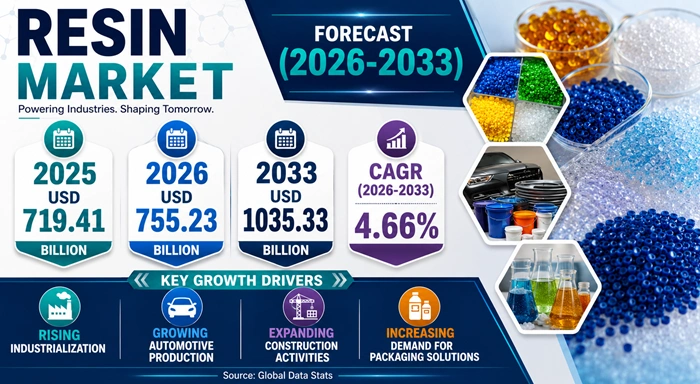
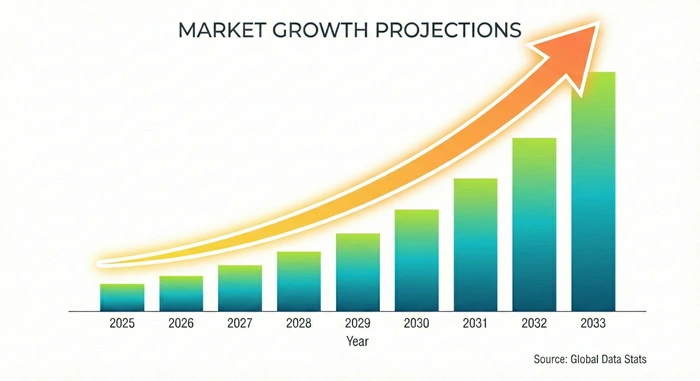
The global resin market size is valued at USD 719.41 billion in 2025 and is predicted to increase from USD 755.23 billion in 2026 to approximately USD 1035.33 billion by 2033, growing at a CAGR of 4.66% from 2026 to 2033.
This steady expansion reflects the essential and widespread role resins play across packaging, construction, automotive, electronics, and consumer goods manufacturing worldwide. Rising infrastructure development, growing demand for lightweight materials in vehicle manufacturing, and expanding packaging needs driven by e-commerce growth are together supporting demand for resin products across developed and emerging economies.
AI Impact on the Resin Industry
Artificial Intelligence Is Quietly Transforming How Resin Formulations Are Developed and Manufactured
Artificial intelligence is beginning to play a meaningful role in reshaping how resin manufacturers develop new formulations and optimize production processes. Machine learning models are helping chemists predict how different combinations of raw materials will behave under specific temperature, pressure, and curing conditions, significantly reducing the time and cost required for laboratory testing during new product development. This capability is proving especially valuable as manufacturers race to develop bio-based and recycled-content resins that meet performance standards while satisfying growing sustainability requirements from downstream customers.
Beyond formulation development, AI-powered predictive maintenance systems are helping resin producers reduce unplanned equipment downtime at manufacturing facilities, which is critical given the continuous, energy-intensive nature of polymerization processes. Manufacturers are increasingly using real-time data analytics to monitor production quality and catch deviations before they result in off-spec batches, reducing waste and improving overall yield. The broader integration of AI into supply chain forecasting is also helping resin producers better anticipate raw material price swings and demand fluctuations, allowing more efficient inventory management across a notoriously volatile commodity chemical sector.
Growth Factors
Rising Construction Activity, Packaging Demand, and Automotive Lightweighting Are Converging to Sustain Market Growth
The primary engine driving the resin market forward is the steady growth in global construction and infrastructure activity, particularly across emerging economies where urbanization continues at a rapid pace. Resins are essential components in paints, coatings, adhesives, pipes, and insulation materials, and as construction spending rises in regions like Asia Pacific and the Middle East, demand for these underlying resin products grows in direct proportion. This demand is reinforced by government infrastructure investment programs in several major economies that are prioritizing housing and transportation projects requiring substantial resin-based material inputs.
At the same time, the expanding packaging sector, driven heavily by e-commerce growth and rising consumer demand for convenient, lightweight packaging, is becoming an equally important growth driver for the resin market. Automotive manufacturers are also increasingly turning to resin-based composite materials to reduce vehicle weight and improve fuel efficiency, particularly as electric vehicle production accelerates and manufacturers seek to offset battery weight with lighter body and interior components. The growing consumer electronics sector, which relies heavily on engineering resins for durable, heat-resistant components, is further expanding the range of end-use applications supporting overall resin demand.
Market Outlook
Sustainability Pressure, Bio-Based Innovation, and Emerging Market Expansion Are Setting the Stage for Long-Term Stability
The resin industry is positioned for steady, resilient growth driven by the ongoing shift toward bio-based and recycled resin alternatives, as regulatory pressure and consumer preference increasingly favor sustainable material choices over traditional petroleum-based products. As more governments introduce extended producer responsibility regulations and plastic reduction targets, resin manufacturers are adapting their product portfolios to include recycled-content and biodegradable formulations, creating a durable new source of demand that will support the market well beyond 2033. This shift toward sustainable resin chemistry represents an important structural opportunity for manufacturers willing to invest in new production technology.
Emerging markets will be a key area of focus for growth through the forecast period. Countries across Asia Pacific and Latin America are seeing rising manufacturing output alongside expanding domestic packaging, construction, and automotive industries, which is increasing demand for both commodity and specialty resin products. Growing foreign direct investment in manufacturing hubs across Southeast Asia is also encouraging global resin producers to expand regional production capacity closer to end-use customers. Companies that invest early in cost-efficient, sustainable resin technology suited to these growing markets are likely to capture a meaningful share of this expanding demand within the resin market.
Expert Speaks
-
"Sustainability has moved from a niche consideration to a central pillar of our product development strategy, and our investment in recycled and bio-based resin technology reflects where the entire industry is heading." — CEO, Dow Inc.
-
"The shift toward electric vehicles and lightweight materials is creating meaningful new demand for engineering resins that simply did not exist a decade ago." — CEO, BASF SE
-
"Packaging demand continues to be a steady and reliable growth pillar for our business, even as we navigate raw material cost volatility across global supply chains." — CEO, ExxonMobil Chemical
Key Report Takeaways
-
Asia Pacific leads the global resin market, holding approximately 45% market share in 2025, supported by massive manufacturing output across China and India alongside a rapidly expanding packaging and construction sector
-
North America is a key growth region, driven by strong demand for engineering resins in automotive and electronics manufacturing alongside rising adoption of sustainable resin alternatives
-
Manufacturers and industrial end users represent the dominant customer base, relying heavily on resin suppliers to meet strict quality and performance standards across diverse applications
-
Packaging applications contribute the most to overall demand, reflecting continued global growth in e-commerce and consumer goods distribution
-
Polyethylene remains the most widely used resin type, prized for its versatility, cost efficiency, and suitability across a broad range of packaging and industrial applications
-
Bio-based and recycled resins will grow the fastest among product segments, holding close to 18% market share with a CAGR near 9% through the forecast period, driven by tightening environmental regulations and shifting consumer preferences
Market Scope
| Report Coverage | Details |
|---|---|
| Market Size by 2033 | USD 1035.33 Billion |
| Market Size by 2025 | USD 719.41 Billion |
| Market Size by 2026 | USD 755.23 Billion |
| Market Growth Rate from 2026 to 2033 | CAGR of 4.66% |
| Dominating Region | Asia Pacific |
| Fastest Growing Region | North America |
| Base Year | 2025 |
| Forecast Period | 2026 to 2033 |
| Segments Covered | Type, Application, End-Use Industry, Region |
| Regions Covered | North America, Europe, Asia Pacific, Latin America, Middle East & Africa |
Market Dynamics
Drivers Impact Analysis
Rising Construction Activity and Growing Packaging Demand Are Emerging as the Two Most Powerful Forces Propelling This Market Forward
| Driver | (≈) % Impact on CAGR Forecast | Geographic Relevance | Impact Timeline |
|---|---|---|---|
| Rising global construction and infrastructure investment | ~35% | Asia Pacific, Middle East, Latin America | Short to long-term |
| Growing e-commerce driven packaging demand | ~28% | Global, strongest in North America, Asia Pacific | Medium to long-term |
| Increasing automotive lightweighting and EV production | ~20% | Global, led by North America, Europe, China | Short to medium-term |
| Expansion of consumer electronics manufacturing | ~17% | Asia Pacific | Medium to long-term |
The steady rise in global construction and infrastructure investment is without question the single most powerful demand driver in the resin market. As governments and private developers ramp up spending on housing, roads, and commercial buildings, the requirement for resin-based paints, coatings, adhesives, and piping materials grows in direct proportion. This is particularly visible in Asia Pacific, where rapid urbanization and expanding middle-class populations are pushing construction activity to record levels, creating sustained order volumes for resin suppliers.
Growing e-commerce driven packaging demand is the second critical driver shaping the resin market. Since online retail continues to expand rapidly across nearly every region, demand for lightweight, durable, and cost-effective packaging materials made from resin continues to climb steadily. This matters commercially because packaging represents one of the largest and most consistent end-use applications for resin producers, providing suppliers with a stable revenue base that grows in tandem with broader consumer spending trends. As automotive manufacturers increasingly prioritize lightweight materials to improve fuel efficiency and support electric vehicle production, demand for specialized engineering resins continues to climb as well.
Restraints Impact Analysis
Raw Material Price Volatility and Environmental Regulations Continue to Present Real-World Barriers to Margin Growth
| Restraint | (≈) % Impact on CAGR Forecast | Geographic Relevance | Impact Timeline |
|---|---|---|---|
| Volatility in crude oil and petrochemical feedstock prices | ~38% | Global | Short to medium-term |
| Tightening environmental regulations on plastic production | ~30% | Europe, North America | Short to long-term |
| High cost of transitioning to bio-based production | ~20% | Global, notable in cost-sensitive markets | Medium-term |
| Slower construction growth in certain mature markets | ~12% | Europe, parts of North America | Ongoing |
The most significant structural restraint in the resin market is the persistent volatility in crude oil and petrochemical feedstock prices, since most commodity resins are derived directly from these raw materials. Fluctuating input costs make it difficult for manufacturers to maintain stable pricing with downstream customers who typically negotiate long-term supply contracts, squeezing profit margins during periods of rising oil prices. This cost pressure is especially challenging for smaller regional producers that lack the scale to absorb short-term price swings through diversified sourcing.
Tightening environmental regulations on plastic production and disposal, particularly across Europe and North America, remain a persistent commercial challenge for traditional resin manufacturers. Extended producer responsibility laws and single-use plastic restrictions are forcing companies to invest heavily in recycling infrastructure and alternative material development, often at significant upfront cost. While bio-based resin technology offers a path toward regulatory compliance, the higher production cost of these sustainable alternatives limits their adoption among cost-conscious manufacturers, keeping much of the broader resin market anchored to conventional, lower-margin petroleum-based products for now.
Opportunities Impact Analysis
Bio-Based Resin Innovation and Emerging Market Expansion Represent the Most Commercially Significant Growth Opportunities
| Opportunity | (≈) % Impact on CAGR Forecast | Geographic Relevance | Impact Timeline |
|---|---|---|---|
| Growing demand for bio-based and recycled resin alternatives | ~40% | Global, led by Europe, North America | Medium to long-term |
| Expansion of engineering resins for electric vehicle applications | ~35% | Global, strongest in China, Europe, North America | Short to medium-term |
| Growth of resin demand across emerging market manufacturing hubs | ~25% | Asia Pacific, Latin America | Long-term |
The growing demand for bio-based and recycled resin alternatives represents one of the most commercially attractive opportunities in the resin market. As regulatory pressure and consumer sustainability preferences continue intensifying, manufacturers that invest early in scalable bio-based production technology stand to capture a growing share of environmentally conscious customers across packaging, automotive, and consumer goods sectors. Companies developing chemically recycled resin capable of matching virgin material performance are particularly well positioned to capture premium pricing in this emerging category.
The expansion of engineering resins designed specifically for electric vehicle applications is opening substantial new commercial opportunity as automakers continue scaling up EV production globally. These specialized resins must meet demanding performance requirements around heat resistance, structural strength, and weight reduction, creating a higher-margin category compared to commodity resin products. Companies that can deliver reliable, cost-competitive engineering resins tailored to electric vehicle manufacturers will find significant commercial opportunity as this end-use segment continues expanding rapidly across the broader resin market.
Segment Analysis
By Type: Polyethylene
Polyethylene Leads the Type Segment, Driven by Versatility and Broad Application Compatibility
Polyethylene holds the dominant position in the resin market, accounting for approximately 32% of the total type segment in 2025. This dominance is deeply rooted in the versatility and cost efficiency of polyethylene, which makes it the preferred choice for packaging films, containers, and pipes across nearly every industry. In high-volume markets like China, the United States, and India, manufacturers have standardized production around polyethylene platforms because they balance durability with affordability effectively across a wide range of end-use applications. Leading companies such as Dow, ExxonMobil Chemical, and LyondellBasell continue to dominate procurement in these markets through well-established manufacturing networks and long-standing customer supply agreements.
Asia Pacific is emerging as the fastest-growing region for polyethylene resin demand, expanding steadily as packaging and consumer goods manufacturing volumes in China and India continue climbing year after year. The region's enormous manufacturing base, combined with growing domestic e-commerce activity and government support for petrochemical industry expansion, is generating significant institutional demand for cost-effective resin materials. Sinopec and Reliance Industries have strengthened their regional presence through local production facilities and long-term supply partnerships with domestic packaging and construction companies. The broader shift toward slightly upgraded polyethylene grades with improved recyclability is also being led by this segment, with manufacturers gradually incorporating incremental sustainability improvements to remain competitive.
By Application: Packaging
Packaging Applications Dominate the Application Segment, Reflecting Strong Global Demand for E-Commerce and Consumer Goods Distribution
Packaging applications account for approximately 38% of the total application segment in 2025, reflecting the sheer scale of global e-commerce growth and the growing consumer focus on convenient, lightweight product delivery. With hundreds of billions of packages shipped worldwide each year, this segment represents the foundational demand driver across virtually every regional resin market. Manufacturers maintain long-term procurement relationships with resin suppliers to ensure consistent quality across packaging production lines, and this segment operates at a CAGR broadly in line with the overall market average, supported by continued growth in global online retail activity.
North America stands out as a strong growth region for packaging resin demand, supported by steady e-commerce expansion and rising consumer interest in sustainable, recyclable packaging materials. Growing popularity of flexible packaging formats in the region has pushed suppliers to develop resins specifically tuned for thinner, more durable film applications. Companies like Dow and Berry Global have deepened their presence in the region through dealer partnerships and strong distribution networks serving major consumer goods brands. Construction and automotive applications, while smaller in volume, remain important segments due to the durability and performance requirements of resin materials used in building and vehicle manufacturing.
Regional Insights
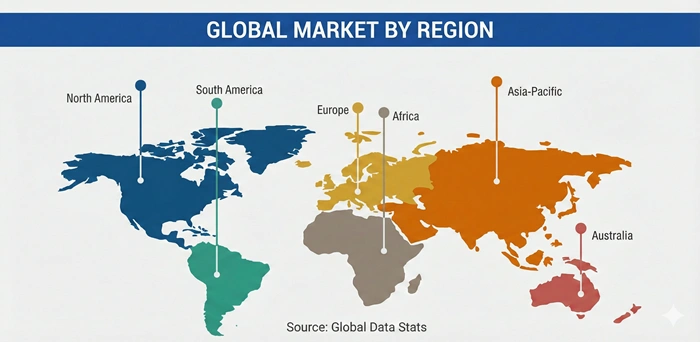
Asia Pacific
Asia Pacific's Massive Manufacturing Base and Expanding Packaging Sector Make It the Global Market Leader
Asia Pacific holds the dominant position in the global resin market with approximately 45% market share in 2025 and continues to expand steadily through 2033. China and India drive the majority of regional demand, supported by enormous manufacturing output, a deep petrochemical production base, and rising domestic consumption driven by growing middle-class populations. Key companies with strong Asia Pacific market presence include Sinopec, Reliance Industries, and Formosa Plastics Corporation, all of which maintain extensive local production facilities and long-standing supply relationships across the region.
Japan and South Korea also contribute meaningfully to regional demand, both bringing decades of specialty chemical manufacturing expertise that supports premium and export-oriented resin production. Automakers and electronics manufacturers across the region continue to invest in domestic resin supply chains to reduce costs and improve production efficiency, reinforcing the strength of local producers. The combination of massive manufacturing scale, cost-competitive production, and growing consumer demand for packaged goods ensures Asia Pacific's leadership position in the resin market remains firmly intact through 2033.
North America
North America's Strong Automotive and Electronics Demand Drive Steady Market Growth
North America represents a key growth region in the global resin market, supported by strong demand for engineering resins used in automotive lightweighting and electronics manufacturing alongside growing adoption of sustainable, recycled resin alternatives. The United States drives the majority of regional demand, backed by a mature manufacturing base and a well-established network of chemical producers and downstream converters serving packaging, construction, and automotive customers. Companies like Dow, ExxonMobil Chemical, and LyondellBasell maintain strong North American operations, offering both commodity and specialty resin products tailored to a wide range of industrial applications.
The United States and Canada represent the two markets most closely watched within the region, given the scale of manufacturing activity and the steady pace of resin consumption across packaging and industrial applications. The U.S. has seen growing interest in bio-based and recycled resin alternatives, particularly among consumer goods brands seeking to meet sustainability commitments. Canada's market, while smaller, benefits from similar consumer trends and continues to support steady demand growth across the broader North American resin market.
Customization Available for This Report
Region-Wise and Country-Wise Customization Ensures Every Client Gets Insights Tailored to Their Exact Market Focus
This report offers comprehensive region-wise and country-wise customization, providing tailored market insights, trends, competitive analysis, and opportunity assessments specific to your geography of interest.
Our team can deliver a fully customized version of this report for any of the following regions and countries, providing deep-dive market analysis, demand forecasting, regulatory landscape review, and competitive intelligence specific to the selected market and resin keyword combination:
North America
-
U.S. — Detailed analysis of engineering resin demand, sustainable material adoption, and distribution network dynamics
-
Canada — Insights into packaging and construction resin consumption patterns
-
Mexico — Manufacturing hub integration and resin component export growth
Europe
-
U.K. — Recycled resin adoption trends and packaging industry demand
-
Germany — Advanced specialty resin manufacturing landscape and strong automotive supply chain presence
-
France — Construction and packaging resin demand trends
-
Italy — Growing performance resin demand and design-driven engineering requirements
-
Rest of Europe — Emerging resin markets across Eastern Europe and the Baltics
Asia Pacific
-
China — Manufacturing scale, domestic petrochemical production growth, and export competitiveness
-
India — Growing construction and packaging demand for affordable resin products
-
Japan — Advanced specialty chemical manufacturing ecosystem supporting premium resin exports
-
South Korea — Petrochemical component integration and institutional procurement
-
Australia — Construction and packaging resin demand in regional applications
-
Rest of Asia Pacific — Country-level analysis covering Thailand, Vietnam, Indonesia, and Malaysia
Latin America
-
Brazil — Growing manufacturing base and expanding packaging resin demand
-
Argentina — Early-stage resin component market development
-
Rest of Latin America — Colombia, Mexico, Peru, and Chile country-level resin market sizing
Middle East & Africa
-
UAE — Growing petrochemical production and imported resin component demand
-
Saudi Arabia — Industrial modernization and resin manufacturing capacity growth
-
Rest of MEA — Sub-Saharan Africa resin access expansion and distribution channel growth
Top Key Players
-
Dow Inc (United States)
-
ExxonMobil Chemical Company (United States)
-
LyondellBasell Industries N.V (Netherlands)
-
BASF SE (Germany)
-
Sinopec Corporation (China)
-
Reliance Industries Limited (India)
-
Formosa Plastics Corporation (Taiwan)
-
SABIC (Saudi Arabia)
-
INEOS Group Holdings S.A (United Kingdom)
-
Covestro AG (Germany)
-
Eastman Chemical Company (United States)
-
Berry Global Inc (United States)
Recent Developments
-
In 2025, Dow expanded its recycled resin production capacity to meet growing demand from packaging customers pursuing sustainability commitments
-
In 2026, BASF announced enhancements to its engineering resin portfolio, targeting faster integration with electric vehicle lightweighting programs
-
In 2025, LyondellBasell strengthened its circular economy initiatives through new chemical recycling partnerships across Europe
-
In 2026, Reliance Industries introduced expanded polyethylene production capacity in India to meet rising domestic packaging demand
-
In 2025, SABIC deepened its partnerships with automotive manufacturers to expand its specialty resin technology into electric vehicle applications
Market Trends
The Resin Market Is Rapidly Shifting Toward Bio-Based Alternatives and Circular Economy Manufacturing Practices
Two of the most consequential trends reshaping the resin landscape are the growing adoption of bio-based and recycled resin alternatives and the rise of circular economy manufacturing practices across the industry. Bio-based resins derived from renewable feedstocks are increasingly appearing in packaging and consumer goods applications, not just niche eco-friendly products, as production costs gradually decline and performance improves. This trend is reshaping how brand owners approach material sourcing decisions and is pushing traditional petrochemical producers to invest more heavily in sustainable production technology.
The second major trend is the growing implementation of chemical recycling technology that allows manufacturers to break down plastic waste into base chemical components for reuse in new resin production, offering a more complete circular economy solution compared to traditional mechanical recycling. This trend is opening new revenue streams for resin producers willing to invest in advanced recycling infrastructure. At the same time, the expansion of engineering resins tailored for electric vehicle and renewable energy applications is creating a new layer of growth opportunity for suppliers that can reach these rapidly expanding end-use industries.
Segments Covered in the Report
By Type
-
Polyethylene
-
Polypropylene
-
Polyvinyl Chloride
-
Polystyrene
-
Engineering Resins
-
Bio-Based and Recycled Resins
By Application
-
Packaging
-
Construction
-
Automotive
-
Electronics
-
Consumer Goods
By End-Use Industry
-
Building and Construction
-
Automotive and Transportation
-
Packaging and Consumer Goods
-
Electrical and Electronics
By Region
-
North America (U.S., Canada, Mexico)
-
Europe (U.K., Germany, France, Italy, Rest of Europe)
-
Asia Pacific (China, India, Japan, South Korea, Australia, Rest of Asia Pacific)
-
Latin America (Brazil, Argentina, Rest of Latin America)
-
Middle East & Africa (UAE, Saudi Arabia, Rest of MEA)
❝ Built for Every Level — From Startups to Industry Giants ❞
Here Is Exactly How This Report Works for You
-
For tier 1 enterprises, investors, and high-level decision-makers, this report delivers competitor revenue analysis, detailed revenue source breakdowns, geopolitical risk assessments, and supply-demand dynamics that enable confident capital allocation, M&A targeting, and strategic market entry or expansion decisions in the resin space
-
For tier 2 and tier 3 companies, mid-level businesses, and startups, this report provides a practical roadmap of the most commercially viable segments, regional opportunities, and technology investment priorities, helping you compete effectively against established players and identify white spaces before they become crowded
-
For all decision-makers across the value chain, this report explains exactly how feedstock cost shifts, sustainability regulations, EV adoption trends, and competitor positioning are converging to shape market direction through 2033, giving you the intelligence framework to make proactive, evidence-based decisions rather than reactive ones
Frequently Asked Questions
Question 1: What is the current size of the global resin market and how is it expected to grow?
Answer: The global resin market was valued at USD 719.41 billion in 2025 and is projected to reach USD 1035.33 billion by 2033. This growth is driven by rising construction activity and expanding packaging demand worldwide.
Question 2: Which factors are driving growth in the resin market?
Answer: The primary drivers of the resin market include growing global construction spending and rising demand for lightweight automotive materials. Expanding e-commerce packaging needs are further accelerating demand.
Question 3: Which region holds the largest share in the resin market?
Answer: Asia Pacific currently dominates the resin market with approximately 45% market share, supported by massive manufacturing output. North America remains a key growth region, driven by strong automotive and electronics demand.
Question 4: What are the key segments driving revenue in the resin market?
Answer: Polyethylene accounts for approximately 32% of the type segment, reflecting its versatility and cost efficiency. Packaging applications also dominate the application segment due to strong global e-commerce growth.
Question 5: Who are the leading companies operating in the resin market?
Answer: Leading players in the resin market include Dow, ExxonMobil Chemical, LyondellBasell, BASF, and Sinopec. These companies compete through strong manufacturing scale, broad product portfolios, and continuous investment in sustainable resin technology.