
Psoriasis Treatment Market Overview
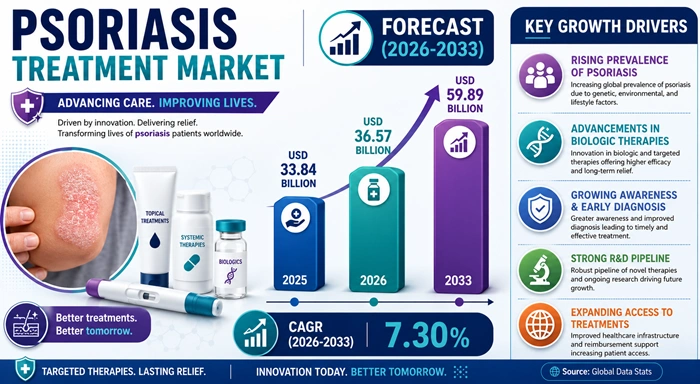
The global psoriasis treatment market size is valued at USD 33.84 billion in 2025 and is predicted to increase from USD 36.57 billion in 2026 to approximately USD 59.89 billion by 2033, growing at a CAGR of 7.30% from 2026 to 2033. Rising global prevalence of chronic skin disorders, accelerating adoption of biologic and targeted therapies, expanding healthcare access in emerging economies, and continuous pharmaceutical R&D investment in next-generation immunological treatments are the fundamental forces driving consistent and sustained growth across this high-value dermatology therapeutics market worldwide.
AI Impact on the Psoriasis Treatment Industry
Artificial Intelligence Is Transforming Drug Discovery, Patient Stratification, Personalized Treatment Planning, and Dermatology Digital Health Across the Psoriasis Treatment Landscape*
AI is reshaping the psoriasis treatment landscape in meaningful and accelerating ways — particularly in drug discovery, patient stratification, and precision medicine applications. Machine learning models are being used by major pharmaceutical companies including AbbVie, Eli Lilly, and Novartis to analyze vast genomic and proteomic datasets to identify novel molecular targets involved in psoriatic inflammation, screen compound libraries for new biologic and small molecule therapeutic candidates, and predict treatment response profiles for individual patients based on their genetic, immunological, and clinical characteristics. AI-powered image recognition tools trained on large clinical dermoscopy and photography datasets are demonstrating accuracy levels comparable to board-certified dermatologists in classifying psoriasis subtypes, disease severity, and treatment response — enabling earlier and more consistent disease assessment across diverse clinical settings globally.
On the patient management side, AI-enabled digital health platforms and tele-dermatology systems are helping bridge the significant gap between psoriasis diagnosis and specialist treatment access — particularly in underserved rural populations and emerging markets where dermatologists are scarce relative to the patient burden. Smart monitoring apps that use smartphone camera AI to track plaque area and severity between clinic visits are enabling patients to maintain more consistent disease monitoring and treatment adherence, while generating the longitudinal real-world outcome data that supports label expansions and comparative effectiveness analyses. The integration of AI into the psoriasis treatment ecosystem is not merely improving operational efficiency — it is fundamentally expanding the reach and quality of psoriatic disease management on a global scale.
Growth Factors
Expanding Biologic Therapy Adoption, Rising Psoriasis Prevalence, Growing Biosimilar Accessibility, and Increased Awareness of Psoriatic Disease Comorbidities Are the Core Market Growth Drivers*
The psoriasis treatment market is anchored by the substantial and growing global burden of psoriasis, which affects approximately 125 million people worldwide — representing 2–3% of the total global population — and imposes a significant and chronic quality-of-life burden on patients through painful skin plaques, joint inflammation in psoriatic arthritis cases, and heightened risk of cardiovascular, metabolic, and psychological comorbidities. The growing clinical recognition of psoriasis as a systemic immune-mediated disease — rather than simply a skin condition — is driving earlier and more aggressive treatment initiation with biologic and targeted therapies, as physicians and patients increasingly prioritize achieving clear or almost-clear skin as the primary treatment goal. This shift in treatment standards toward biologics and IL-17, IL-23, and TNF inhibitor therapies is fundamentally changing the commercial scale of the psoriasis treatment market.
The rapid growth of the biosimilar segment is one of the most structurally transformative trends expanding the addressable psoriasis treatment market. As reference biologic products including adalimumab (Humira), etanercept, and infliximab have lost patent exclusivity, multiple biosimilar entrants have dramatically expanded treatment access by reducing the cost of biologic therapy, particularly in price-sensitive European, Asian, and Latin American markets where high biologic prices had previously limited treatment penetration. Biosimilar-driven market expansion is enabling healthcare systems to treat a far larger proportion of moderate-to-severe psoriasis patients with biologic therapies than was economically feasible under reference biologic pricing, driving material growth in prescription volumes and overall market value. The simultaneous advancement of new branded biologics — particularly next-generation IL-23 inhibitors including risankizumab (Skyrizi, AbbVie) and guselkumab (Tremfya, J&J) — is maintaining strong innovation revenue alongside growing biosimilar uptake.
Market Outlook
The Long-Term Market Outlook Is Highly Positive, Driven by a Deep Biologic and Small Molecule Pipeline, Expanding Psoriatic Arthritis Treatment Demand, and Growing Emerging Market Therapeutic Access*
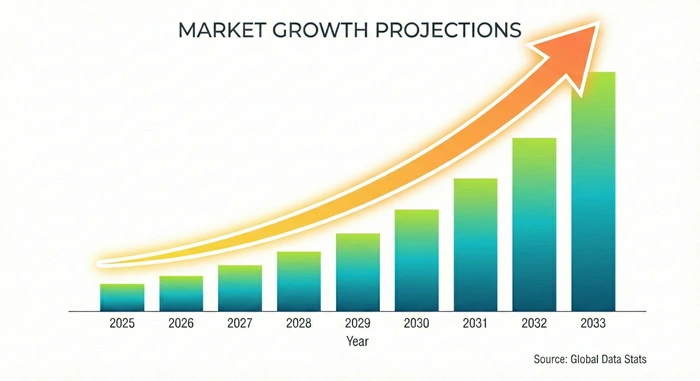
The long-term outlook for the psoriasis treatment market is one of the most consistently positive in the specialty pharmaceutical sector. The clinical pipeline for psoriasis is exceptionally rich — encompassing novel IL-17, IL-23, and TYK2 inhibitor small molecules, next-generation topical formulations, oral JAK inhibitors, and experimental cell and gene therapies for severe cases — providing a continuous stream of product launches that will sustain market revenue growth and prevent the long-term commercial stagnation that often follows biologic patent cliffs in less innovative therapeutic areas. The FDA approval of deucravacitinib (Sotyktu, BMS) as the first selective TYK2 inhibitor for moderate-to-severe plaque psoriasis represents a landmark step that signals the evolution of the psoriasis treatment market toward a new generation of targeted oral therapies.
Psoriatic arthritis — which affects approximately 30% of psoriasis patients — represents one of the largest and most underpenetrated growth opportunities within the broader psoriasis treatment market. Many patients with psoriatic arthritis remain undiagnosed or undertreated, and the growing awareness among rheumatologists and dermatologists of the need for coordinated systemic treatment of both skin and joint manifestations is driving increasing prescription of high-value biologic and targeted synthetic disease-modifying drugs (tsDMARDs) that treat both indications simultaneously. As screening programs for psoriatic arthritis improve, as diagnostic awareness among primary care physicians grows, and as new therapies specifically designed for combined psoriasis and psoriatic arthritis management gain approval, this comorbidity represents a powerful structural driver of market value growth through 2033 and beyond.
Expert Speaks
-
"At AbbVie, our immunology portfolio — led by Skyrizi and Rinvoq — continues to set new standards for psoriasis treatment outcomes. The shift toward IL-23 inhibition as the backbone of moderate-to-severe plaque psoriasis therapy reflects years of targeted research, and we are confident that our next-generation pipeline will sustain our leadership in this competitive and growing market." — Richard Gonzalez, CEO, AbbVie Inc.
-
"Eli Lilly's IL-17 inhibitor Taltz has demonstrated consistently strong skin clearance outcomes, and we see significant opportunity remaining to treat the large proportion of moderate-to-severe psoriasis patients who are still on inadequate conventional therapies. Our investment in expanding access to targeted therapies in emerging markets is a key part of our long-term growth strategy in the psoriasis space." — David Ricks, CEO, Eli Lilly and Company
-
"Novartis built its immunology franchise on Cosentyx, and the sustained growth of the IL-17 class globally reflects the robust clinical evidence we have built over more than a decade of real-world psoriasis treatment experience. We continue to invest in the broader psoriatic disease space — including psoriatic arthritis and axial spondyloarthritis — as we see the full spectrum of IL-17 inhibition as one of Novartis's most durable long-term value drivers." — Vas Narasimhan, CEO, Novartis AG
Key Report Takeaways
-
North America leads the global psoriasis treatment market, holding approximately 42–44% of total revenues in 2026, driven by the world's highest biologic prescription rates, strong FDA approval pipeline for advanced psoriasis therapies, comprehensive insurance reimbursement frameworks, and the presence of leading pharmaceutical companies including AbbVie, Eli Lilly, Amgen, and Bristol-Myers Squibb operating major commercial programs in the United States.
-
Asia Pacific is the fastest-growing regional market, expanding at a CAGR of approximately 9.3% through 2033, fueled by rapidly growing patient awareness of psoriatic disease, improving dermatology diagnostic infrastructure, expanding biosimilar access, rising healthcare expenditure in China, India, Japan, and South Korea, and growing government programs supporting chronic skin disease management.
-
Hospital pharmacies are the dominant distribution channel, accounting for approximately 42% of market revenues in 2026, as high-cost biologic and systemic therapies for moderate-to-severe psoriasis are primarily dispensed through hospital specialty pharmacy channels that manage complex biologics requiring cold-chain handling, prior authorization, and clinical monitoring protocols.
-
The biologics therapy segment contributes the most to total psoriasis treatment market revenues, commanding approximately 49–52% of total revenues in 2025, driven by the broad commercial adoption of TNF inhibitors, IL-17 inhibitors, and IL-23 inhibitors that have demonstrated superior efficacy and durable skin clearance outcomes compared to conventional systemic therapies in both clinical trial and real-world settings.
-
Plaque psoriasis is the most prevalent disease type treated within the psoriasis therapeutics market, accounting for approximately 80–85% of all psoriasis cases globally and the largest proportion of treatment prescriptions, as it is the most common and most visually impactful form of the disease driving patients to seek active medical management.
-
The oral small molecule therapies segment — including TYK2 and JAK inhibitors — is set to grow the fastest, projected to expand at a CAGR of approximately 11.2% through 2033, driven by growing clinical acceptance of oral targeted therapies as a convenient and highly effective alternative to injectable biologics, particularly among patients with needle aversion, and supported by the commercial launch and rapid market uptake of deucravacitinib (Sotyktu) and continued development of next-generation TYK2 inhibitor candidates.
Market Scope
| Report Coverage | Details |
|---|---|
| Market Size by 2025 | USD 33.84 Billion |
| Market Size by 2026 | USD 36.57 Billion |
| Market Size by 2033 | USD 59.89 Billion |
| Market Growth Rate (2026–2033) | CAGR of 7.30% |
| Dominating Region | North America |
| Fastest Growing Region | Asia Pacific |
| Base Year | 2025 |
| Forecast Period | 2026 to 2033 |
| Segments Covered | Drug Class, Therapy Type, Disease Type, Route of Administration, Distribution Channel, Region |
| Regions Covered | North America, Europe, Asia Pacific, Latin America, Middle East & Africa |
Market Dynamics
Drivers Impact Analysis
Escalating Psoriasis Prevalence, Biologic Therapy Adoption, Biosimilar Accessibility, Growing Awareness of Psoriatic Comorbidities, and Robust R&D Investment Are the Core Psoriasis Treatment Market Drivers*
| Driver | ≈% Impact on CAGR Forecast | Geographic Relevance | Impact Timeline |
|---|---|---|---|
| Rising global prevalence of moderate-to-severe psoriasis | ~30% | Global | Near to long-term |
| Expanding biologic and targeted therapy adoption | ~27% | North America, Europe, Asia Pacific | Near to long-term |
| Growing biosimilar availability improving treatment access | ~20% | Europe, Asia Pacific, Latin America | Near to medium-term |
| Increasing awareness of psoriatic arthritis and systemic comorbidities | ~14% | North America, Europe | Near to medium-term |
| Continuous pharmaceutical R&D and new product approvals | ~9% | North America, Europe | Near-term |
The psoriasis treatment market benefits from one of the most compelling clinical and commercial demand stories in modern specialty pharma. The combination of a large, chronic, and growing patient population — with an estimated 7.5 million patients in the United States alone — and a clear unmet need in the significant proportion of patients who remain inadequately controlled on conventional therapies creates a powerful and durable market opportunity. Moderate-to-severe plaque psoriasis is associated with substantially reduced quality of life, high rates of depression and anxiety, social stigma, and a markedly elevated risk of cardiovascular disease, diabetes, and inflammatory bowel disease — motivating both patients and healthcare systems to invest in effective long-term management. As the evidence base supporting early and aggressive biologic treatment to prevent comorbidity development strengthens, treatment initiation rates in newly diagnosed patients are expected to increase.
The approval and commercial launch of successive generations of increasingly effective and convenient biologics and targeted therapies is continuously expanding the proportion of psoriasis patients who receive and benefit from advanced treatment. The IL-23 inhibitor class — led by guselkumab (Tremfya), risankizumab (Skyrizi), and tildrakizumab (Ilumya) — has demonstrated skin clearance rates significantly exceeding those of first-generation TNF and IL-17 inhibitors, and is driving a progressive shift in treatment paradigms toward these newer agents as preferred first-line biologic choices. This continuous therapeutic advancement sustains high market value growth even as biosimilar price erosion affects older biologic classes, because new branded therapies capture treatment-naive patients at premium prices while biosimilars expand access for cost-sensitive patient segments.
Restraints Impact Analysis
High Biologic Drug Costs, Side Effect Profiles of Systemic Therapies, Long Regulatory Timelines, and Limited Dermatologist Access in Emerging Markets Are Key Restraints*
| Restraint | ≈% Impact on CAGR Forecast | Geographic Relevance | Impact Timeline |
|---|---|---|---|
| High cost of biologic therapies limiting access in developing markets | ~35% | Asia Pacific, Latin America, MEA | Near to medium-term |
| Immunosuppression-related safety concerns with biologics | ~27% | Global | Near-term |
| Shortage of trained dermatologists in emerging and rural markets | ~22% | Asia Pacific, Africa, Latin America | Near to long-term |
| Complex reimbursement and prior authorization requirements | ~16% | North America, Europe | Near-term |
The high price of biologic therapies for psoriasis — with branded biologics often costing USD 15,000–30,000 or more per patient annually in the United States — remains a profound barrier to treatment access in markets without comprehensive insurance reimbursement and in healthcare systems in developing countries where per-capita pharmaceutical expenditure is limited. Even in high-income markets, complex prior authorization requirements, step therapy mandates, and insurance coverage restrictions create significant administrative burdens that delay treatment initiation, contribute to treatment abandonment, and limit the proportion of eligible patients who ultimately receive biologic therapy. These access barriers are among the primary reasons why a large proportion of moderate-to-severe psoriasis patients globally remain on inadequate conventional therapies despite the clear availability of more effective options.
The immunological side effect profiles of biologic therapies — including increased risk of serious infections, reactivation of latent tuberculosis, increased malignancy risk with long-term use, and injection site reactions — create real and perceived safety barriers that contribute to treatment hesitancy among both patients and prescribing physicians, particularly in primary care settings where psoriasis is often managed without specialist dermatology involvement. While the clinical evidence strongly supports the favorable benefit-risk profile of approved biologics in psoriasis, ongoing pharmacovigilance requirements, required pre-treatment screening protocols, and the need for regular monitoring during therapy add complexity and cost to biologic prescribing that limits uptake in resource-constrained clinical environments.
Opportunities Impact Analysis
Oral Small Molecule Therapies, Psoriatic Arthritis Market Expansion, Tele-Dermatology Growth, and Emerging Market Biosimilar Penetration Offer High-Value Growth Opportunities*
| Opportunity | ≈% Impact on CAGR Forecast | Geographic Relevance | Impact Timeline |
|---|---|---|---|
| Growing adoption of oral targeted therapies (TYK2/JAK inhibitors) | ~32% | North America, Europe | Near to medium-term |
| Expanding psoriatic arthritis treatment market | ~27% | North America, Europe, Asia Pacific | Near to medium-term |
| Tele-dermatology and digital health expanding patient reach | ~23% | Global, especially emerging markets | Near to long-term |
| Biosimilar penetration in emerging markets driving volume growth | ~18% | Asia Pacific, Latin America, MEA | Medium to long-term |
The emergence of oral targeted small molecule therapies — particularly TYK2 inhibitors such as deucravacitinib (Sotyktu) and next-generation JAK inhibitors in clinical development — represents one of the most commercially exciting growth opportunities in the psoriasis treatment market for the near-to-medium term. Oral therapies that offer biologic-level efficacy without the need for injection administration address a large and underserved segment of psoriasis patients who prefer or require oral treatment options, including patients with needle aversion, patients in settings where biologic administration support is limited, and patients seeking more convenient long-term maintenance therapy. As TYK2 inhibitor clinical data matures and additional regulatory approvals expand across geographies, this drug class is expected to capture significant and growing market share.
The rapid global expansion of tele-dermatology platforms is creating a powerful structural opportunity to diagnose and treat a significantly larger proportion of the psoriasis patient population — particularly in emerging markets and underserved rural regions where access to dermatologists is severely limited. Digital dermatology platforms enabling remote consultation, AI-assisted severity assessment, and home delivery of prescription therapies are connecting previously untreated or undertreated patients with clinical management for the first time, directly expanding the addressable commercial market for the full spectrum of psoriasis treatment products. As smartphone penetration increases and digital health infrastructure matures across Asia Pacific, Latin America, and Africa, tele-dermatology-enabled psoriasis diagnosis and treatment initiation is expected to be a major growth lever for the psoriasis treatment market through 2033.
Segment Analysis
By Therapy Type
Biologic Therapies Lead the Psoriasis Treatment Market While Oral Small Molecule Therapies Emerge as the Fastest-Growing Treatment Category*
The biologics therapy segment dominates the psoriasis treatment market, accounting for approximately 49–52% of total revenues in 2025 at a CAGR of approximately 7.5% through 2033. Biologic therapies — including TNF inhibitors (adalimumab, etanercept), IL-17 inhibitors (secukinumab, ixekizumab), and IL-23 inhibitors (guselkumab, risankizumab, tildrakizumab) — have become the standard of care for moderate-to-severe plaque psoriasis due to their superior skin clearance rates, durable disease control, and demonstrated improvements in quality-of-life outcomes compared to conventional systemic therapies. North America holds the largest biologic therapy revenue share globally, where strong biologic prescribing culture, comprehensive insurance reimbursement, and highly competitive commercial environments among leading biologic manufacturers including AbbVie, Eli Lilly, Novartis, Janssen (Johnson & Johnson), and UCB drive high biologic initiation rates among newly diagnosed moderate-to-severe patients. Europe is the second-largest biologic market, where biosimilar competition has both expanded access and maintained high biologic treatment volumes.
The oral small molecule therapy segment — encompassing TYK2 inhibitors, JAK inhibitors, and PDE4 inhibitors including apremilast (Otezla, Amgen) — is the fastest-growing treatment category within the psoriasis treatment market, projected to expand at a CAGR of approximately 11.2% through 2033. The commercial launch and rapid market uptake of deucravacitinib (Sotyktu) has validated the commercial potential of selective TYK2 inhibition in psoriasis and positioned oral targeted therapy as a credible alternative to injectable biologics for many patients. Asia Pacific is registering the fastest growth in oral small molecule therapy adoption, driven by strong patient and prescriber preference for oral dosage forms, competitive pricing relative to biologics, and expanding regulatory approvals for TYK2 and JAK inhibitor therapies across China, Japan, and South Korea — markets where Bristol-Myers Squibb, AstraZeneca, and domestic pharmaceutical companies are competing actively in the oral targeted therapy segment.
By Disease Type
Plaque Psoriasis Dominates Market Revenue While Psoriatic Arthritis Represents the Most Dynamic Growth Indication Within the Broader Psoriatic Disease Treatment Market*
Plaque psoriasis — the most common form of the disease, characterized by raised, red, scaly plaques on the skin — is the dominant disease type segment in the psoriasis treatment market, accounting for approximately 80–83% of total market revenues in 2025 at a CAGR of approximately 7.1% through 2033. The vast majority of all psoriasis clinical trials, drug approvals, and commercial prescriptions are focused on plaque psoriasis management, as it represents the largest and most commercially accessible patient population within the broader psoriatic disease spectrum. North America leads plaque psoriasis treatment revenues, where approximately 7.5 million diagnosed patients — of whom a growing proportion are receiving biologic therapy — generate the majority of global commercial prescription value. Leading companies including AbbVie (Skyrizi, Humira), Eli Lilly (Taltz), and Novartis (Cosentyx) have built their largest dermatology revenue streams on plaque psoriasis indications and continue to invest heavily in market development activities targeting the large proportion of patients still on inadequate conventional therapies.
The psoriatic arthritis indication is the fastest-growing disease segment within the psoriatic disease treatment market, expanding at a CAGR of approximately 8.4% through 2033, as growing clinical awareness of psoriatic arthritis as a distinct and often debilitating inflammatory joint disease drives diagnosis and treatment initiation in a previously underrecognized patient population. Approximately 30% of psoriasis patients develop psoriatic arthritis, and many remain undiagnosed or managed inadequately with conventional pain management rather than disease-modifying biologic or targeted synthetic therapies. Europe is seeing particularly rapid growth in psoriatic arthritis biologic treatment volumes, driven by the adoption of treat-to-target strategies in rheumatology practice, growing rheumatologist-dermatologist collaboration models, and the expansion of psoriatic arthritis indications for established biologic brands. Companies including UCB (Cimzia), AbbVie (Skyrizi, Rinvoq), and Pfizer (Xeljanz) are actively building their psoriatic arthritis commercial programs as a high-priority strategic growth opportunity within the broader psoriasis treatment market.
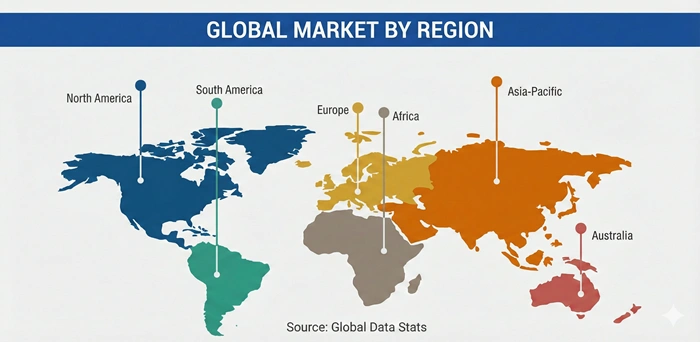
Regional Insights
North America
North America Leads the Psoriasis Treatment Market With the Highest Biologic Adoption Rates, Strongest Drug Pipeline Approvals, and World-Class Dermatology Infrastructure*
North America holds the dominant position in the psoriasis treatment market with approximately 42–44% of total revenues in 2026 and a CAGR of approximately 6.9% through 2033. The United States is the single largest country market, driven by the highest per-capita rate of biologic psoriasis therapy prescriptions globally, a robust FDA approval pipeline that brings new treatments to market faster than any other regulatory jurisdiction, and comprehensive commercial and public insurance coverage that makes high-cost biologic therapies accessible to the majority of moderate-to-severe patients. Dominant commercial players including AbbVie (Skyrizi, Humira biosimilars), Eli Lilly (Taltz), Janssen/J&J (Tremfya, Stelara), Novartis (Cosentyx), and Bristol-Myers Squibb (Sotyktu) compete intensively for the large and commercially valuable U.S. biologic psoriasis prescription market, driving continuous investment in clinical evidence generation, patient support programs, and physician education initiatives.
Canada contributes meaningfully to regional psoriasis treatment revenues, with a publicly funded healthcare system that provides biologic therapy coverage for moderate-to-severe psoriasis patients under provincial drug benefit programs, and a growing network of academic dermatology centers conducting real-world evidence studies that inform both clinical guidelines and commercial market development. North America's market leadership is underpinned by a continuous stream of new drug approvals — including next-generation IL-23 inhibitors and the novel TYK2 inhibitor class — that sustain premium revenue growth even as biosimilar competition erodes revenues from older biologic platforms, maintaining the region's dominance in the global psoriasis therapeutic landscape.
Asia Pacific
Asia Pacific Is the Fastest-Growing Region for Psoriasis Treatment, Driven by Growing Patient Awareness, Expanding Healthcare Access, and Rapid Biosimilar Market Development*
Asia Pacific is the fastest-growing regional market in the psoriasis treatment space, projected to expand at a CAGR of approximately 9.3% through 2033, with a current market share of approximately 18–20% in 2026. China is the dominant country market within the region, where a large and growing psoriasis patient population — estimated at over 6 million — combined with rapid government healthcare infrastructure investment, expanding specialty pharmacy networks, and increasing biologic and biosimilar prescription volumes among hospital-based dermatologists is driving strong market growth. India is registering significant growth in psoriasis treatment market demand, driven by rising awareness of biologic therapy among Indian dermatologists, growing private hospital dermatology services, and an expanding domestic biosimilar manufacturing sector that is making biologic treatments more affordable for middle-class patients. Leading companies including Cipla, Sun Pharma, and domestic biosimilar manufacturers are competing actively alongside multinationals including AbbVie, Novartis, and Eli Lilly in India's growing branded and biosimilar psoriasis therapeutics market.
Japan and South Korea are mature, high-value segments within the Asia Pacific psoriasis treatment market, where advanced healthcare systems, strong national health insurance coverage for biologic therapies, and sophisticated dermatology clinical communities drive high-quality patient management and significant branded biologic consumption. Japan in particular has been an early adopter of IL-17 and IL-23 inhibitor biologics through the country's regulated reimbursement system, and domestic pharmaceutical companies including Kyowa Kirin and Eisai are active participants in the regional biologic dermatology market. The overall Asia Pacific growth trajectory in psoriasis therapeutics is expected to outperform global averages through 2033, making this region the most important growth geography for companies seeking to expand their dermatology portfolios beyond mature Western markets.
Top Key Players
-
AbbVie Inc. (United States)
-
Eli Lilly and Company (United States)
-
Novartis AG (Switzerland)
-
Johnson & Johnson (Janssen Pharmaceuticals) (United States)
-
Pfizer Inc. (United States)
-
Amgen Inc. (United States)
-
Bristol-Myers Squibb Company (United States)
-
UCB S.A. (Belgium)
-
Sun Pharmaceutical Industries Ltd. (India)
-
Bausch Health Companies Inc. (Canada)
-
LEO Pharma A/S (Denmark)
-
Kyowa Kirin Co. Ltd. (Japan)
-
Almirall S.A. (Spain)
-
Sanofi S.A. (France)
Recent Developments
-
2024 – AbbVie reported strong global commercial performance for Skyrizi (risankizumab) in plaque psoriasis, achieving blockbuster status with revenues surpassing USD 4 billion annually, as the IL-23 inhibitor continued to gain market share from older biologic classes through superior Phase III skin clearance data and expanding reimbursement coverage across North America, Europe, and Asia Pacific.
-
2024 – UCB received FDA approval for bimekizumab (BIMZELX) for the treatment of moderate-to-severe plaque psoriasis in adults, marking UCB's entry into the competitive IL-17 inhibitor class with a dual IL-17A and IL-17F blocking mechanism that demonstrated higher PASI 100 (complete skin clearance) rates than competitive IL-17A monoblocking agents in head-to-head clinical trials.
-
2024 – Bristol-Myers Squibb reported strong commercial growth for deucravacitinib (Sotyktu) in its first full year of commercial sales in the United States, with the selective TYK2 inhibitor demonstrating strong real-world prescriber uptake among dermatologists seeking an effective oral alternative to injectable biologics for moderate-to-severe plaque psoriasis patients.
-
2025 – Eli Lilly expanded the global commercial footprint of Taltz (ixekizumab) through a series of regulatory approvals and reimbursement negotiations in key Asia Pacific markets including Japan, China, and South Korea, while simultaneously advancing its next-generation psoriasis pipeline candidate through Phase III clinical development targeting both plaque psoriasis and psoriatic arthritis indications.
-
2025 – Amgen accelerated the commercial launch of its adalimumab biosimilar Amjevita in additional European and Asia Pacific markets following initial U.S. commercialization, competing directly with AbbVie's Humira and other adalimumab biosimilar entrants in the large and commercially significant TNF inhibitor psoriasis treatment segment across multiple geographies.
Market Trends
Next-Generation IL-23 Inhibitors and TYK2 Oral Therapies Are Reshaping Treatment Paradigms While Tele-Dermatology and Patient Digital Support Platforms Expand Market Access*
The most impactful trend reshaping the psoriasis treatment market is the progressive clinical and commercial shift toward next-generation IL-23 inhibitors and selective oral TYK2 inhibitors as the preferred treatment options for moderate-to-severe plaque psoriasis. IL-23 inhibitors including risankizumab and guselkumab are demonstrating superior and more durable skin clearance rates compared to first-generation biologics, and are increasingly being positioned as first-choice biologic options in treatment guidelines updated by major dermatology societies in the United States and Europe. Simultaneously, the commercial success of deucravacitinib (Sotyktu) is establishing the TYK2 inhibitor class as a credible bridge between topical therapies and injectable biologics — providing an effective, well-tolerated oral option that addresses a clear gap in the treatment algorithm and is capturing growing prescription share from both conventional systemics and first-generation biologics.
The rapid expansion of digital health tools — including tele-dermatology platforms, AI-assisted disease severity monitoring apps, and patient-centered digital support programs — is a second major trend that is structurally expanding the addressable psoriasis treatment market. Digital platforms are enabling patients who previously lacked geographic or economic access to specialist dermatology to receive diagnosis, treatment initiation, and ongoing management remotely, while simultaneously improving medication adherence and treatment persistence through personalized reminder systems, educational content delivery, and virtual follow-up consultations. Major pharmaceutical companies are actively investing in patient support digital platforms that accompany their biologic products — not only to improve clinical outcomes and treatment persistence, but also to generate real-world evidence data and differentiate their brands in an increasingly competitive psoriasis therapeutics market.
Segments Covered in the Report
By Drug Class:
-
TNF Inhibitors
-
Adalimumab
-
Etanercept
-
Infliximab
-
-
IL-17 Inhibitors
-
Secukinumab
-
Ixekizumab
-
Bimekizumab
-
-
IL-23 Inhibitors
-
Guselkumab
-
Risankizumab
-
Tildrakizumab
-
-
TYK2 and JAK Inhibitors
-
Deucravacitinib
-
Other TYK2/JAK Inhibitors
-
-
PDE4 Inhibitors (Apremilast)
-
Topical Therapies
-
Corticosteroids
-
Vitamin D Analogues
-
Retinoids
-
Other Topicals
-
-
Conventional Systemic Therapies (Methotrexate, Cyclosporine, Acitretin)
By Therapy Type:
-
Biologics
-
Oral Small Molecule Therapies
-
Topical Therapies
-
Phototherapy
-
Conventional Systemic Therapies
By Disease Type:
-
Plaque Psoriasis
-
Psoriatic Arthritis
-
Guttate Psoriasis
-
Inverse Psoriasis
-
Pustular Psoriasis
-
Erythrodermic Psoriasis
-
Other Disease Types
By Route of Administration:
-
Oral
-
Injectable / Subcutaneous
-
Intravenous
-
Topical
By Distribution Channel:
-
Hospital Pharmacies
-
Retail Pharmacies
-
Specialty Pharmacies
-
Online Pharmacies
-
Other Channels
By Region:
-
North America
-
United States
-
Canada
-
-
Europe
-
Germany
-
United Kingdom
-
France
-
Italy
-
Spain
-
Rest of Europe
-
-
Asia Pacific
-
China
-
India
-
Japan
-
South Korea
-
Australia
-
Rest of Asia Pacific
-
-
Latin America
-
Brazil
-
Mexico
-
Rest of Latin America
-
-
Middle East & Africa
-
GCC Countries
-
South Africa
-
Rest of Middle East & Africa
-
"Built for Every Level — From Startups to Industry Giants"
Here Is Exactly How This Report Works for You
-
For Tier 1 global pharmaceutical companies, specialty biologics manufacturers, and institutional investors, this report delivers granular competitor revenue analysis, branded versus biosimilar market share benchmarking, drug class revenue evolution forecasting, and pipeline-to-commercial launch timing analysis across all major psoriasis treatment categories and geographies — providing the precise strategic intelligence needed to allocate R&D investment, evaluate licensing and acquisition targets, and defend or grow market share in one of specialty pharma's highest-value therapeutic franchises.
-
For Tier 2 and Tier 3 biotech companies, biosimilar developers, specialty pharma distributors, and tele-dermatology startups, this report provides detailed treatment access and reimbursement landscape mapping, biosimilar market entry opportunity analysis, pricing benchmark data, and digital health market expansion insights — equipping growing organizations with the intelligence to build commercially competitive positions in the rapidly evolving psoriasis therapeutics ecosystem across both established and emerging geographic markets.
-
For all business decision-makers operating in today's complex geopolitical and healthcare policy environment, this report delivers direct analysis of how pharmaceutical pricing regulations, biosimilar approval policy shifts, national health insurance formulary decisions, API supply chain risks, and emerging market regulatory frameworks are impacting psoriasis treatment market access, drug pricing strategies, and commercial revenue models — enabling pharmaceutical executives, investors, and healthcare system planners to make confident, data-driven decisions that account for both opportunity and risk across the global psoriatic disease market landscape.
Frequently Asked Questions
Question 1: What is the current size of the psoriasis treatment market and what is the growth forecast through 2033?
Answer: The psoriasis treatment market is valued at USD 33.84 billion in 2025 and is projected to reach USD 59.89 billion by 2033. It is expected to grow at a CAGR of 7.30% from 2026 to 2033.
Question 2: What are the primary drivers of growth in the psoriasis treatment market?
Answer: The psoriasis treatment market is primarily driven by rising global psoriasis prevalence, accelerating adoption of biologic and targeted therapies, and growing biosimilar accessibility expanding treatment reach in cost-sensitive markets. Increasing clinical recognition of psoriatic arthritis and systemic comorbidities is further driving higher treatment initiation rates with advanced systemic therapies.
Question 3: Which therapy type dominates the psoriasis treatment market?
Answer: Biologics represent the dominant therapy type, accounting for approximately 49–52% of total psoriasis treatment market revenues in 2025, led by IL-17, IL-23, and TNF inhibitor classes that have become the standard of care for moderate-to-severe plaque psoriasis. Oral small molecule therapies including TYK2 inhibitors are the fastest-growing segment, projected at approximately 11.2% CAGR through 2033.
Question 4: Which region leads the psoriasis treatment market and which is growing fastest?
Answer: North America leads the psoriasis treatment market with approximately 42–44% of total revenues in 2026, driven by high biologic prescribing rates and strong FDA approval momentum. Asia Pacific is the fastest-growing region, expanding at approximately 9.3% CAGR through 2033 driven by growing patient awareness and healthcare infrastructure expansion.
Question 5: Who are the top companies operating in the psoriasis treatment market?
Answer: Leading companies in the psoriasis treatment market include AbbVie, Eli Lilly, Novartis, Johnson & Johnson (Janssen), Pfizer, Amgen, Bristol-Myers Squibb, UCB, LEO Pharma, and Sun Pharmaceutical, among others. These companies compete through continuous innovation in biologic and small molecule therapy development, clinical evidence generation, patient support programs, and biosimilar strategies.