
Psoriasis Biosimilars Market Overview
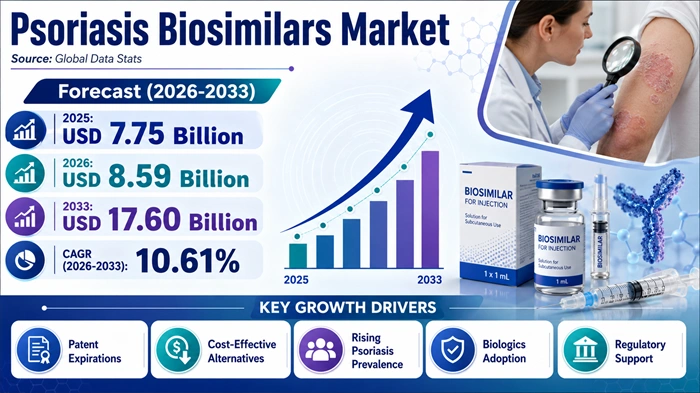
The global psoriasis biosimilars market size is valued at USD 7.75 billion in 2025 and is predicted to increase from USD 8.59 billion in 2026 to approximately USD 17.60 billion by 2033, growing at a CAGR of 10.61% from 2026 to 2033.
This steady expansion reflects a rising global need for affordable, clinically proven alternatives to costly branded biologic therapies used to manage moderate to severe plaque psoriasis. Growing patent expirations, expanding regulatory clarity around interchangeability, and rising insurance support for biosimilar substitution are together pushing demand for cost-effective biosimilars across both developed and emerging economies.
AI Impact on the Psoriasis Biosimilars Industry
Artificial Intelligence Is Quietly Reshaping How the World Develops, Tests, and Delivers Affordable Biologic Alternatives for Chronic Skin Disease
Artificial intelligence is beginning to play a meaningful role in reshaping how biosimilar candidates are designed and validated. Machine learning models integrated into structural comparability studies are helping researchers match molecular characteristics between reference biologics and biosimilar candidates far faster than traditional laboratory-only approaches, reducing development timelines and lowering overall approval costs. AI-powered analytics are also improving batch-to-batch consistency checks during manufacturing, cutting quality-control turnaround time significantly — a critical advantage for companies racing to bring psoriasis biosimilars to market ahead of competitors.
Beyond the lab, AI is enabling smarter prescription forecasting and formulary planning for hospitals and insurers managing psoriasis patient populations. Predictive models now help health systems estimate switching rates from branded biologics to biosimilar alternatives, supporting better procurement and inventory decisions. Dermatology clinics are also beginning to use AI-assisted severity scoring tools that guide physicians toward appropriate biosimilar treatment pathways, an area that has become increasingly important as more molecules become available in biosimilar form.
Growth Factors
Rising Treatment Costs, Expanding Patent Cliffs, and Regulatory Clarity Are Converging to Accelerate Biosimilar Adoption
The primary engine driving the psoriasis biosimilars market forward is the escalating cost burden associated with original biologic therapies. As healthcare systems worldwide face mounting budget pressure, biosimilars provide a practical route to lower treatment expenses without compromising clinical effectiveness, making them attractive to payers, hospitals, and patients alike. Growing physician confidence in biosimilar safety data, supported by years of real-world evidence, is further accelerating the shift away from originator biologics toward more affordable options.
At the same time, patent expirations on blockbuster biologics such as Humira, Enbrel, and Stelara have opened the door for multiple biosimilar entrants, intensifying competition and driving prices lower across the category. This expanding competitive landscape benefits patients directly while widening overall market volume. Favorable reimbursement policies in several countries, combined with rising psoriasis prevalence linked to genetic and lifestyle factors, continue to fuel sustained demand for cost-effective biologic alternatives across the global healthcare landscape.
Market Outlook
Expanding Product Pipelines, Payer-Driven Incentives, and Emerging Market Manufacturing Capacity Are Setting the Stage for Sustained Growth
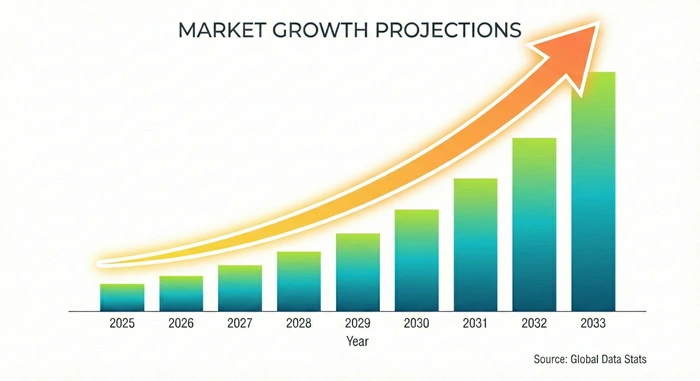
The psoriasis biosimilars industry is positioned for sustained long-term growth driven by a steady stream of new product approvals, particularly for ustekinumab, secukinumab, and adalimumab biosimilars. As more molecules lose patent protection, manufacturers are racing to launch interchangeable biosimilars that combine cost savings with clinical reliability, a trend expected to continue well into the next decade. This expanding pipeline suggests double-digit growth will persist through the forecast period.
Healthcare payers are increasingly favoring biosimilars through tiered formulary placement and financial incentive programs, which should further accelerate uptake across hospital and retail pharmacy channels. Combined with growing manufacturing capacity in emerging economies such as India and South Korea, the outlook for this market remains positive, supported by both demand-side affordability pressure and supply-side production scale-up. Analysts expect the competitive landscape to become more fragmented as regional biosimilar players enter alongside established multinational firms.
Expert Speaks
-
"Biosimilars represent one of the most meaningful paths to expanding patient access to effective psoriasis treatment without straining healthcare budgets. Our continued investment in this category reflects a broader industry shift toward affordability." — CEO, Amgen Inc.
-
"We continue to see strong momentum in biosimilar adoption for chronic inflammatory skin conditions. The clinical data consistently supports both safety and meaningful cost savings for patients." — CEO, Sandoz Group AG
-
"As patents expire on major dermatology biologics, biosimilar manufacturers are stepping up to fill critical treatment gaps, and we expect this trend to strengthen considerably through 2033." — CEO, Viatris Inc.
Key Report Takeaways
-
North America leads the global psoriasis biosimilars market, holding approximately 38% market share in 2025, driven by early biosimilar approvals, strong insurance reimbursement frameworks, and rapid hospital adoption of biosimilar substitution programs.
-
Asia Pacific is the fastest-growing regional market, expected to expand at a CAGR exceeding 13% through 2033, fueled by rising psoriasis prevalence, expanding healthcare access, and aggressive government support for local biosimilar manufacturing in China and India.
-
Hospital pharmacies are the dominant customer segment, accounting for the largest revenue share in 2025 due to their central role in biologic administration, dosage monitoring, and patient safety tracking during treatment initiation.
-
TNF-alpha inhibitor biosimilars represent the leading application category, commanding approximately 45% of the drug class segment share, reflecting long-established prescriber trust and clinical familiarity with these molecules.
-
Subcutaneous administration is the most widely used delivery route, accounting for over 55% of total route-of-administration share, underpinned by growing autoinjector adoption that supports convenient, at-home patient self-administration.
-
The ustekinumab biosimilar sub-segment is expected to grow rapidly through the forecast period, holding an estimated 18% market share by 2033 and expanding at a CAGR above 13%, driven by recent product launches and broader indication approvals.
Market Scope
| Report Coverage | Details |
|---|---|
| Market Size by 2033 | USD 17.60 Billion |
| Market Size by 2025 | USD 7.75 Billion |
| Market Size by 2026 | USD 8.59 Billion |
| Market Growth Rate from 2026 to 2033 | CAGR of 10.61% |
| Dominating Region | North America |
| Fastest Growing Region | Asia Pacific |
| Base Year | 2025 |
| Forecast Period | 2026 to 2033 |
| Segments Covered | Drug Class, Disease Type, Route of Administration, Distribution Channel, Region |
| Regions Covered | North America, Europe, Asia Pacific, Latin America, Middle East & Africa |
Market Dynamics
Drivers Impact Analysis
Rising Treatment Costs and Accelerating Patent Expirations Are Emerging as the Two Most Powerful Forces Propelling This Market Forward
| Driver | (≈) % Impact on CAGR Forecast | Geographic Relevance | Impact Timeline |
|---|---|---|---|
| Rising cost of original biologics | ~34% | Global, especially North America & Europe | Short to long-term |
| Patent expirations of major biologics | ~30% | Global | Medium-term |
| Growing psoriasis prevalence | ~20% | Asia Pacific, Latin America | Long-term |
| Favorable reimbursement policies | ~16% | Europe, North America | Short to medium-term |
The escalating cost of original biologic therapies is without question the single most powerful demand driver in the psoriasis biosimilars market. As healthcare systems face mounting budget pressure, payers and providers are increasingly favoring biosimilar alternatives that deliver comparable clinical outcomes at meaningfully lower cost. This shift is particularly visible in markets with centralized healthcare procurement systems, where cost containment policies directly favor biosimilar substitution over branded biologic prescribing.
Patent expirations are the second critical driver reshaping this market. As blockbuster biologics like Humira, Enbrel, and Stelara lose exclusivity, multiple biosimilar entrants gain the opportunity to compete, intensifying pricing pressure and expanding overall treatment access. Regulatory clarity around interchangeability standards has also removed much of the earlier prescriber hesitancy, boosting confidence in biosimilars as first-line therapy across the global psoriasis biosimilars market.
Restraints Impact Analysis
Manufacturing Complexity and Lingering Physician Hesitancy Continue to Present Real-World Barriers to Full Market Penetration
| Restraint | (≈) % Impact on CAGR Forecast | Geographic Relevance | Impact Timeline |
|---|---|---|---|
| High manufacturing and approval costs | ~36% | Global | Short-term |
| Physician and patient switching hesitancy | ~28% | Emerging markets | Medium-term |
| Complex regulatory comparability requirements | ~22% | Global | Short to medium-term |
| Limited awareness in low-income regions | ~14% | Sub-Saharan Africa, rural Asia | Long-term |
Developing a biosimilar requires extensive analytical testing and clinical comparability studies, which raises production costs and slows time-to-market for new entrants into this category. This complexity can discourage smaller manufacturers from entering the psoriasis biosimilars market, limiting overall competitive intensity in certain regions where regulatory pathways remain less established.
At the patient level, some hesitancy remains around switching from a familiar branded biologic to a biosimilar alternative, particularly among long-term users who fear reduced efficacy despite strong clinical evidence. Physician education efforts are helping address this concern, but adoption still lags in markets where awareness campaigns and prescriber training programs are less developed, moderating the overall pace of growth.
Opportunities Impact Analysis
Untapped Emerging Markets and New Molecule Approvals Represent the Most Commercially Significant Growth Opportunities
| Opportunity | (≈) % Impact on CAGR Forecast | Geographic Relevance | Impact Timeline |
|---|---|---|---|
| Expansion into emerging markets | ~38% | Asia Pacific, Latin America, MEA | Medium to long-term |
| New biosimilar approvals (ustekinumab, secukinumab) | ~35% | Global | Medium-term |
| Growing home-based biosimilar administration | ~27% | North America, Europe | Long-term |
Emerging economies with rising psoriasis diagnosis rates and improving healthcare access represent a substantial untapped opportunity for biosimilar manufacturers. As governments in these regions expand insurance coverage, demand for affordable biologic alternatives is expected to rise sharply, opening new revenue streams across the global psoriasis biosimilars market.
At the same time, ongoing approvals of biosimilars for newer biologic molecules, including ustekinumab and secukinumab, are expanding the addressable market beyond older TNF-alpha inhibitor biosimilars. These next-generation approvals allow manufacturers to target broader patient populations with more advanced treatment options, strengthening long-term growth prospects across the psoriasis biosimilars industry.
Segment Analysis
By Drug Class
TNF-Alpha Inhibitor Biosimilars Lead the Category, Driven by Long-Established Prescriber Trust and Broad Clinical Familiarity
TNF-alpha inhibitor biosimilars, including adalimumab and etanercept variants, currently hold the largest share of the psoriasis biosimilars market, accounting for nearly 45% of total revenue in 2025. This dominance stems from the long clinical history associated with these molecules, making physicians more comfortable recommending biosimilar substitutes over originator products. The segment is projected to grow at a steady CAGR of around 9% through 2033, supported by continued patent cliffs opening further biosimilar competition across North America and Europe.
North America remains the leading region for this segment due to early biosimilar approvals and strong reimbursement frameworks that favor lower-cost alternatives. Companies such as Amgen, Sandoz, and Boehringer Ingelheim have built strong positions through aggressive pipeline expansion and strategic partnerships with hospital networks. Their manufacturing scale allows competitive pricing, which further reinforces adoption among cost-sensitive healthcare systems, ensuring the segment's contribution to overall market revenue remains substantial through the forecast period.
By Route of Administration
Subcutaneous Delivery Dominates Usage Patterns, Supported by Growing Autoinjector Innovation and Patient Convenience
Subcutaneous administration remains the preferred delivery method across the psoriasis biosimilars market, representing over 55% share due to its convenience for outpatient and at-home treatment. Patients favor this route because it reduces the need for frequent clinical visits, while advanced autoinjector technology has made self-administration safer and more comfortable. This segment is expected to expand at a CAGR near 11% through 2033, reflecting continuous innovation in injector device design across multiple manufacturers.
Asia Pacific is emerging as a fast-growing region for subcutaneous biosimilars, driven by expanding home healthcare adoption and rising treatment awareness. Leading companies including Sandoz, Samsung Bioepis, and Fresenius Kabi have introduced advanced autoinjector platforms tailored to improve patient compliance and comfort. As manufacturers continue refining device ergonomics, this segment is likely to retain its leading position within the broader psoriasis biosimilars market structure.
Regional Insights
North America
Strong Reimbursement Frameworks and Early Regulatory Approvals Have Positioned North America as the Clear Market Leader
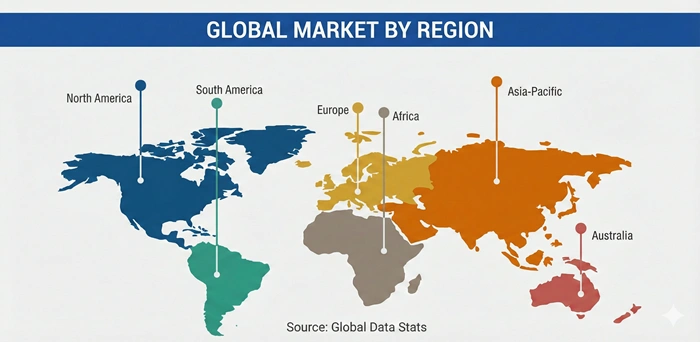
North America commands the largest share of the global psoriasis biosimilars market, holding approximately 38% market share in 2025 and growing at a CAGR near 9.5% through 2033. The United States drives the majority of regional demand, supported by accelerated biosimilar launches following multiple patent expirations, with companies like Amgen, Pfizer, and Boehringer Ingelheim actively expanding their biosimilar portfolios. Regulatory clarity from the FDA regarding interchangeability designations has further strengthened physician confidence in prescribing biosimilars as standard care across dermatology practices.
Growing hospital system consolidation has also enabled bulk procurement agreements favoring lower-cost biosimilar options over branded biologics throughout the region. Canada and Mexico contribute meaningfully to regional growth, with both countries scaling up biosimilar access programs as part of broader healthcare modernization efforts. With continued patent cliffs expected through 2033, North America is projected to maintain its leadership position within the global psoriasis biosimilars market.
Asia Pacific
Rising Disease Prevalence and Improving Healthcare Access Are Driving Rapid Biosimilar Adoption Across Key Regional Markets
Asia Pacific stands out as the fastest-growing region within the psoriasis biosimilars market, fueled by rising psoriasis prevalence, expanding insurance coverage, and increasing government investment in affordable healthcare infrastructure. Countries including China, India, and South Korea are witnessing rapid biosimilar manufacturing growth, supported by companies such as Samsung Bioepis, Intas Pharmaceuticals, and Dr. Reddy's Laboratories establishing strong regional footprints. This region is expected to grow at a CAGR exceeding 13% through 2033, outpacing all other geographies.
Government initiatives promoting local biosimilar manufacturing, combined with lower production costs in countries like India, are making the region increasingly attractive for global biosimilar players seeking expansion opportunities. Improving diagnostic capabilities and dermatology awareness campaigns are also contributing to earlier disease detection, further boosting demand for cost-effective psoriasis biosimilars across this high-growth region.
Customization Available for This Report
Tailored Regional and Country-Level Breakdowns Allow Decision-Makers to Focus Strategy on the Geographies That Matter Most
This report offers comprehensive region-wise and country-wise customization, providing tailored market insights, trends, competitive analysis, and opportunity assessments specific to your geography of interest. Our team can deliver a fully customized version of this report for any of the following regions and countries, providing deep-dive market analysis, demand forecasting, regulatory landscape review, and competitive intelligence specific to the selected market and keyword combination.
North America
-
U.S. — Detailed analysis of FDA interchangeability rulings, payer reimbursement trends, and hospital procurement patterns
-
Canada — Insights into provincial biosimilar substitution policies and national health spending
-
Mexico — Biosimilar access expansion and public health modernization programs
Europe
-
U.K. — NHS biosimilar procurement frameworks and prescribing incentive programs
-
Germany — Advanced biosimilar manufacturing landscape and regulatory environment
-
France — Biosimilar substitution policy and specialist prescribing trends
-
Italy — Growing biosimilar adoption in dermatology clinical settings
-
Rest of Europe — Emerging biosimilar markets across Eastern Europe
Asia Pacific
-
China — Government-funded biosimilar infrastructure and domestic manufacturer competitiveness
-
India — Affordable biosimilar manufacturing ecosystem and export potential
-
Japan — Advanced biosimilar regulatory pathway analysis
-
South Korea — K-biosimilar export industry and institutional procurement
-
Australia — Public health biosimilar substitution programs
-
Rest of Asia Pacific — Country-level analysis covering Thailand, Vietnam, Indonesia, and the Philippines
Latin America
-
Brazil — Public health procurement and biosimilar access expansion
-
Argentina — Emerging biosimilar market development
-
Rest of Latin America — Colombia, Peru, and Chile country-level sizing
Middle East & Africa
-
UAE — Advanced biosimilar adoption and healthcare investment programs
-
Saudi Arabia — Laboratory modernization and diagnostic procurement
-
Rest of MEA — Sub-Saharan Africa access expansion and NGO procurement channels
Top Key Players
-
Amgen Inc. (United States)
-
Pfizer Inc. (United States)
-
Sandoz Group AG (Switzerland)
-
Samsung Bioepis Co. Ltd. (South Korea)
-
Boehringer Ingelheim International GmbH (Germany)
-
Fresenius Kabi AG (Germany)
-
Viatris Inc. (United States)
-
Intas Pharmaceuticals Ltd. (India)
-
Dr. Reddy's Laboratories Ltd. (India)
-
STADA Arzneimittel AG (Germany)
-
Aurobindo Pharma Ltd. (India)
-
Biogen Inc. (United States)
Recent Developments
-
In 2025, Sandoz Group AG launched Pyzchiva, the first commercially available ustekinumab biosimilar autoinjector approved for plaque psoriasis and psoriatic arthritis treatment.
-
In 2025, Samsung Bioepis expanded its biosimilar manufacturing capacity to support growing demand for adalimumab and etanercept biosimilars across Asian markets.
-
In 2024, Amgen strengthened its biosimilar portfolio through continued commercial rollout of its adalimumab biosimilar across multiple European markets.
-
In 2025, Boehringer Ingelheim entered new distribution agreements to expand biosimilar access across Latin American healthcare systems.
-
In 2024, Viatris announced strategic partnerships aimed at accelerating global biosimilar commercialization for chronic inflammatory conditions including psoriasis.
Market Trends
The Psoriasis Biosimilars Market Is Rapidly Shifting Toward Next-Generation Molecule Approvals and Expanding Manufacturing Footprints Worldwide
Manufacturers within the psoriasis biosimilars market are increasingly focused on next-generation biosimilars targeting ustekinumab and secukinumab, moving beyond older TNF-alpha inhibitor categories. This diversification reflects growing confidence in biosimilar development capabilities and a desire to capture broader patient populations across multiple psoriasis severity levels and treatment stages.
At the same time, strategic partnerships between established pharmaceutical giants and regional manufacturers are becoming more common, allowing faster market entry into emerging economies. Combined with rising investment in advanced injector technology, these trends are collectively strengthening the long-term growth trajectory of the global biosimilars market for psoriasis treatment.
Segments Covered in the Report
By Drug Class
-
TNF-Alpha Inhibitor Biosimilars
-
Adalimumab Biosimilars
-
Etanercept Biosimilars
-
Interleukin Inhibitor Biosimilars
-
Ustekinumab Biosimilars
-
Secukinumab Biosimilars
-
Other Biosimilars
By Disease Type
-
Plaque Psoriasis
-
Guttate Psoriasis
-
Inverse Psoriasis
-
Pustular Psoriasis
-
Erythrodermic Psoriasis
By Route of Administration
-
Subcutaneous
-
Intravenous
-
Oral
-
Topical
By Distribution Channel
-
Hospital Pharmacies
-
Retail Pharmacies
-
Online Pharmacies
By Region
-
North America (U.S., Canada, Mexico)
-
Europe (U.K., Germany, France, Italy, Rest of Europe)
-
Asia Pacific (China, India, Japan, South Korea, Australia, Rest of Asia Pacific)
-
Latin America (Brazil, Argentina, Rest of Latin America)
-
Middle East & Africa (UAE, Saudi Arabia, Rest of MEA)
❝ Built for Every Level — From Startups to Industry Giants ❞
Here Is Exactly How This Report Works for You
-
For tier 1 enterprises, investors, and high-level decision-makers, this report delivers competitor revenue analysis, detailed revenue source breakdowns, geopolitical risk assessments, and supply-demand dynamics that enable confident capital allocation, M&A targeting, and strategic market entry or expansion decisions in the psoriasis biosimilars space.
-
For tier 2 and tier 3 companies, mid-level businesses, and startups, this report provides a practical roadmap of the most commercially viable segments, regional opportunities, and pipeline investment priorities, helping you compete effectively against established players and identify white spaces before they become crowded.
-
For all decision-makers across the value chain, this report explains exactly how regulatory shifts, patent expiration timelines, payer reimbursement changes, and competitor positioning are converging to shape market direction through 2033, giving you the intelligence framework to make proactive, evidence-based decisions rather than reactive ones.
Frequently Asked Questions
Question 1: What is the current size of the global psoriasis biosimilars market and how is it expected to grow?
Answer: The global psoriasis biosimilars market was valued at USD 7.75 billion in 2025 and is projected to reach USD 17.60 billion by 2033. This growth is driven by patent expirations and rising demand for affordable biologic alternatives.
Question 2: Which factors are driving growth in the psoriasis biosimilars market?
Answer: The primary drivers of the psoriasis biosimilars market include rising treatment costs and expanding patent cliffs for major biologics. Growing regulatory clarity around interchangeability is also accelerating physician adoption globally.
Question 3: Which region holds the largest share in the psoriasis biosimilars market?
Answer: North America currently dominates the psoriasis biosimilars market with approximately 38% market share. Asia Pacific is the fastest-growing region, driven by rising disease prevalence and expanding healthcare investment.
Question 4: What are the key drug class segments driving revenue in the psoriasis biosimilars market?
Answer: TNF-alpha inhibitor biosimilars account for approximately 45% of the drug class segment in the psoriasis biosimilars market. Newer ustekinumab and secukinumab biosimilars are also gaining significant traction.
Question 5: Who are the leading companies operating in the psoriasis biosimilars market?
Answer: Leading players in the psoriasis biosimilars market include Amgen, Pfizer, Sandoz, Samsung Bioepis, and Boehringer Ingelheim. These companies compete through expanding biosimilar portfolios and strong global distribution networks.