
Protein Bar Market Overview
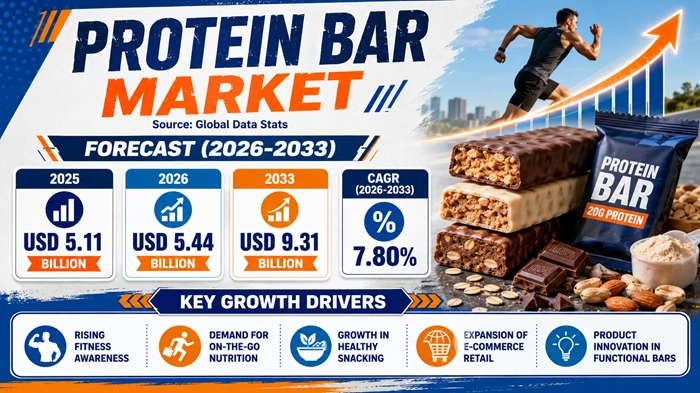
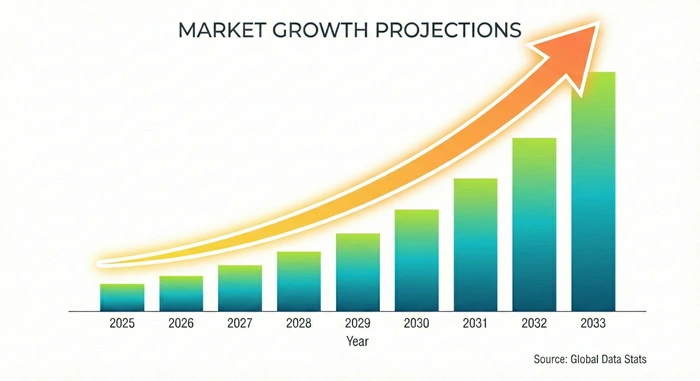
The global protein bar market size is valued at USD 5.11 billion in 2025 and is predicted to increase from USD 5.44 billion in 2026 to approximately USD 9.31 billion by 2033, growing at a CAGR of 7.80% from 2026 to 2033.
Rising health consciousness and active lifestyle adoption drive unprecedented demand for convenient portable nutrition solutions delivering protein, essential nutrients, and sustained energy. Protein bars offering quick satiety, muscle recovery support, and meal replacement convenience appeal to fitness enthusiasts, busy professionals, and health-conscious consumers seeking nutritious on-the-go options without compromising wellness goals.
AI Impact on the Protein Bar Industry
Artificial Intelligence Revolutionizing Formulation Innovation and Consumer Personalization
Artificial intelligence is fundamentally transforming the protein bar market by enabling precision nutrition formulations, predictive taste optimization, personalized product recommendations, supply chain efficiency, and targeted consumer marketing that enhance product development cycles while ensuring taste satisfaction and nutritional efficacy. Machine learning algorithms analyze vast consumer preference datasets including taste profiles, dietary restrictions, fitness goals, ingredient sensitivities, and purchasing patterns identifying emerging flavor trends, texture preferences, protein source interests, and functional ingredient demands guiding manufacturers toward market-ready innovations reducing development time from 18 months to 6 months while minimizing costly market failures. AI-powered sensory prediction models simulate how ingredient combinations taste, assess texture characteristics from chewy to crunchy, predict flavor persistence, and evaluate sweetness perception enabling virtual formulation testing before expensive pilot production reducing R&D costs by 40% while accelerating time-to-market for innovative protein bars meeting evolving consumer expectations.
Computer vision systems integrated with production lines inspect bar appearance, detect coating uniformities, identify inclusions distribution, verify size specifications, and spot foreign material contamination automatically with 99% accuracy ensuring only perfect products reach retailers while preventing costly recalls from quality issues. Natural language processing technologies monitor social media conversations, customer reviews, fitness forums, and nutrition communities identifying consumer discussions about protein preferences, flavor desires, texture complaints, and functional benefits informing marketing messages, product positioning, and formulation adjustments resonating with target demographics. The protein bar market benefits from AI-driven personalized nutrition platforms analyzing individual health data, fitness tracker activity, dietary preferences, macronutrient needs, and lifestyle factors recommending customized protein bar selections, optimal consumption timing around workouts, and serving suggestions maximizing performance benefits while building brand loyalty through tailored experiences. Predictive analytics forecast demand patterns across sports nutrition bars, meal replacement varieties, and snack categories by analyzing seasonal fitness trends, gym membership fluctuations, dietary movement impacts, and economic conditions enabling manufacturers to optimize production schedules, inventory levels, and distribution strategies avoiding stockouts during January fitness rush or costly overproduction during summer slowdowns.
Growth Factors
Fitness Culture and Protein Awareness Drive Market Expansion
The protein bar market is experiencing robust growth driven by escalating fitness culture participation, rising protein intake awareness about muscle health and satiety, increasing demand for convenient portable nutrition, expanding meal replacement adoption, and growing clean-label preferences for natural ingredients. Global fitness participation reaches unprecedented levels with gym memberships exceeding 200 million worldwide, boutique fitness studio proliferation, home workout adoption accelerating post-pandemic through Peloton and connected equipment, marathon and triathlon participation growing annually, and wearable fitness trackers motivating active lifestyles creating massive demand for protein bars supporting workout performance, muscle recovery, and fitness goal achievement. Protein awareness transformation positions macronutrient as essential for muscle maintenance, weight management through enhanced satiety reducing overall calorie consumption, metabolic health supporting efficient calorie burning, bone health complementing calcium, and healthy aging preserving muscle mass motivating consumers across demographics to prioritize adequate protein intake beyond traditional bodybuilder stereotype.
Convenience demands from urbanization concentrating populations in fast-paced cities, dual-income households lacking meal preparation time, long commuting hours creating eating-on-the-go needs, and busy professionals seeking portable nutrition drive protein bar adoption as convenient solutions requiring no refrigeration, preparation, or utensils enabling consumption during commutes, between meetings, post-workout, or as afternoon snacks. The protein bar market benefits from meal replacement trends with consumers skipping traditional breakfast or lunch in favor of nutrient-dense bars delivering 15-20 grams protein, essential vitamins and minerals, fiber, and controlled calories supporting weight management goals, time efficiency, and portion control eliminating meal decision fatigue while ensuring adequate nutrition. Clean-label movements demand protein bars produced with recognizable ingredients including whey protein isolate, almond butter, dates, oats, and nuts rather than artificial sweeteners, synthetic preservatives, sugar alcohols causing digestive distress, or unfamiliar additives creating transparency appealing to ingredient-conscious consumers scrutinizing labels and avoiding products containing chemicals or overly processed components. Social media influence from fitness influencers sharing protein bar reviews and recommendations, nutritionists explaining macronutrient benefits, athletes showcasing training nutrition, and wellness advocates promoting balanced eating reaches millions of engaged followers creating aspirational associations normalizing protein bar consumption as essential component of healthy active lifestyle rather than niche bodybuilding supplement.
Market Outlook
Innovation and Plant-Based Alternatives Define Future Industry Evolution
The protein bar market is positioned for sustained expansion through 2033 as manufacturers invest heavily in plant-based protein innovations, develop functional ingredient enhancements, expand flavor variety mimicking indulgent treats, leverage clean-label formulations, and address texture improvements eliminating chalky mouthfeel that historically plagued protein bars. Plant-based protein bars incorporating pea protein, brown rice protein, hemp protein, or pumpkin seed protein create vegan-friendly alternatives appealing to rapidly growing plant-based demographics estimated at 25% of consumers identifying as flexitarian while addressing lactose intolerance affecting 65% of global population, environmental concerns about dairy production, and animal welfare ethics supporting sustainable nutrition choices. Functional protein bars incorporating collagen peptides for skin health and joint support, probiotics supporting digestive wellness, adaptogens like ashwagandha for stress management, omega-3 fatty acids for brain function, and prebiotic fiber feeding beneficial gut bacteria create wellness-positioned products targeting specific health outcomes beyond basic nutrition.
Flavor innovation creates indulgent varieties mimicking desserts including birthday cake, cookie dough, brownie batter, salted caramel, and chocolate peanut butter cup delivering satisfying taste experiences combating protein bar reputation for chalky artificial flavors while maintaining nutritional profiles enabling consumers to enjoy treats without guilt supporting adherence to healthy eating patterns. The protein bar market witnesses texture improvements through advanced processing technologies, ingredient combinations, and coating innovations creating softer chewier bars, crunchy varieties with satisfying bite, and smooth consistent textures eliminating common complaints about dense chalky mouthfeel, hard-to-chew consistency, or grainy protein powder taste that deterred mainstream consumers from category adoption. E-commerce expansion transforms distribution with direct-to-consumer brands bypassing traditional retail, subscription services delivering customized protein bar assortments monthly, and online platforms enabling niche brands reaching specific demographics including keto, paleo, and allergen-free communities creating convenient home delivery while building recurring revenue streams. Sustainability initiatives including recyclable wrappers replacing multilayer plastic packaging, organic ingredient sourcing, regenerative agriculture partnerships, and carbon-neutral manufacturing address environmental concerns particularly important to younger demographics prioritizing climate action in purchasing decisions supporting premium positioning differentiation from conventional competitors.
Expert Speaks
-
Todd Lachman, President of Clif Bar & Company, emphasized that protein bar category demonstrates sustained growth through continuous innovation addressing evolving consumer preferences for clean ingredients, plant-based proteins, and authentic flavors, with Clif Bar investing substantially in sustainable sourcing, organic agriculture partnerships, and product development meeting athlete and outdoor enthusiast needs supporting category leadership.
-
Tom Lehman, Chief Executive Officer of Quest Nutrition, highlighted that protein bar market expansion reflects fundamental consumer shift toward convenient functional nutrition prioritizing protein content, low sugar profiles, and indulgent taste experiences, with successful brands requiring innovation in texture improvement, flavor authenticity, and transparent ingredient sourcing building consumer trust and repeat purchases.
-
Jeff Harmening, Chairman and Chief Executive Officer of General Mills, stated that protein and nutrition bars represent strategic growth priority with General Mills portfolio including Nature Valley Protein bars responding to active consumer demand for portable nutrition supporting wellness goals, with continued investment in formulation innovation, distribution expansion, and marketing supporting market share gains.
Key Report Takeaways
-
North America leads the protein bar market with approximately 57% market share in 2025, driven by established fitness culture, extensive gym infrastructure, health-conscious consumer base, widespread retail distribution including convenience stores and specialty shops, high protein awareness, and disposable incomes enabling premium product purchases.
-
Asia Pacific is growing the fastest with a projected CAGR of 9.80% from 2026 to 2033, fueled by rapid urbanization creating busy lifestyles, rising fitness participation particularly in China and India, growing middle-class incomes, western lifestyle adoption among younger demographics, expanding organized retail, and increasing protein awareness.
-
Sports nutrition bars dominate with approximately 52% market share as category serves dedicated fitness enthusiasts, athletes, and active consumers seeking performance support, muscle recovery, and pre/post-workout nutrition with higher protein content typically 15-25 grams per serving compared to meal replacement alternatives.
-
The supermarkets and hypermarkets distribution channel contributes the most to overall market revenue with approximately 48% share in 2025, reflecting extensive product variety enabling comparison shopping, competitive pricing, prominent placement near checkout driving impulse purchases, and convenient one-stop shopping.
-
Animal-based protein sources dominate with approximately 68% market share as whey protein isolate and concentrate provide complete amino acid profiles, superior absorption rates, proven muscle-building efficacy, familiar taste profiles, and established manufacturing processes supporting consistent quality and competitive pricing.
-
The online retail segment will grow quickly with an estimated CAGR of 10.20% as e-commerce adoption accelerates, direct-to-consumer brands proliferate, subscription services gain popularity, detailed nutritional information online supports informed decisions, and younger demographics embrace convenient home delivery avoiding physical store visits.
Market Scope
| Report Coverage | Details |
|---|---|
| Market Size by 2033 | USD 9.31 Billion |
| Market Size by 2025 | USD 5.11 Billion |
| Market Size by 2026 | USD 5.44 Billion |
| Market Growth Rate from 2026 to 2033 | CAGR of 7.80% |
| Dominating Region | North America |
| Fastest Growing Region | Asia Pacific |
| Base Year | 2025 |
| Forecast Period | 2026 to 2033 |
| Segments Covered | Product Type, Source, Distribution Channel, Region |
| Regions Covered | North America, Europe, Asia Pacific, Latin America, Middle East and Africa |
Market Dynamics
Driver Impact Analysis
Rising Fitness Culture and Protein Awareness Propel Market Growth
The escalating global fitness culture combined with growing protein awareness about muscle health represents the most powerful driver propelling the protein bar market toward sustained expansion across all geographic regions and demographic segments. Fitness participation reaches mainstream consciousness with gym memberships growing 20% over past five years, boutique fitness studios proliferating offering specialized workouts from CrossFit to barre, home fitness equipment sales surging through Peloton and Mirror connected devices, running events attracting millions of participants annually, and fitness tracking through wearables motivating consistent physical activity creating enormous demand for protein bars supporting workout performance and recovery. Protein consumption understanding evolves beyond bodybuilder stereotype with consumers recognizing macronutrient provides essential amino acids for muscle protein synthesis supporting lean mass maintenance, satiety effects reducing hunger and supporting weight management goals, thermic effect requiring more energy to digest supporting metabolism, bone health complementing calcium and vitamin D, and healthy aging preserving muscle mass combating sarcopenia.
Medical recommendations from sports nutritionists, dietitians, and fitness trainers advocating adequate protein intake around 0.8-1.2 grams per kilogram bodyweight with active individuals requiring higher amounts creates sustained demand supported by research demonstrating protein timing particularly post-workout enhances recovery and muscle adaptation. The protein bar market benefits from convenience demands with busy lifestyles, time-constrained mornings, long work hours, frequent travel, and on-the-go eating creating need for portable nutrition requiring no refrigeration or preparation delivering quick protein and energy unlike meal preparation requiring cooking time and ingredient sourcing. Meal replacement adoption grows as consumers skip traditional breakfast or lunch in favor of nutrient-dense bars providing complete nutrition including protein, carbohydrates, fats, vitamins, and minerals in controlled portions supporting calorie management and eliminating meal decision fatigue while ensuring adequate nutrition during hectic schedules. Women's participation driving category expansion with female consumers increasingly engaging strength training, marathon running, yoga, and fitness classes creating demand for protein bars traditionally marketed toward male demographics with brands responding through female-focused products, targeted marketing, and formulations addressing women-specific needs including collagen, iron, and calcium fortification.
| Driver | ≈ % Impact on CAGR Forecast | Geographic Relevance | Impact Timeline |
|---|---|---|---|
| Fitness Culture and Active Lifestyles | +2.50% | Global, strongest in developed markets | 2026-2033 |
| Protein Awareness and Muscle Health | +2.20% | Health-conscious demographics, athletes | 2026-2033 |
| Convenience and Portable Nutrition | +1.90% | Urban centers, working professionals | 2026-2033 |
| Meal Replacement Adoption | +1.60% | Weight management seekers, busy consumers | 2026-2033 |
Restraints Impact Analysis
Taste Challenges and Premium Pricing Limit Market Penetration
The protein bar market confronts significant barriers related to taste and texture challenges deterring mainstream consumers, premium pricing compared to conventional snacks, digestive discomfort from sugar alcohols and fiber, competition from alternative protein sources, and concerns about artificial ingredients that constrain adoption among price-sensitive segments and limit repeat purchases. Taste reputation represents critical challenge with many protein bars exhibiting chalky texture, artificial sweetener aftertaste, overly sweet profiles, or unpleasant protein powder flavor creating negative first impressions deterring trial among curious consumers while disappointing existing customers reducing repeat purchase rates as consumers revert to more palatable conventional snacks despite nutritional inferiority. Texture issues including hard-to-chew density, grainy mouthfeel from protein isolates, sticky excessive coating, or dry crumbly consistency create unsatisfying eating experiences compared to indulgent candy bars or baked goods limiting protein bar consumption to necessity-driven occasions rather than enjoyable treats.
Premium pricing challenges accessibility with protein bars costing USD 2-4 per bar significantly exceeding conventional granola bars, candy bars, or snack crackers creating affordability barriers particularly in price-sensitive markets and economic downturns limiting adoption among middle and lower-income consumers viewing protein bars as luxury rather than staple purchases. The protein bar market suffers from digestive discomfort concerns with ingredients including sugar alcohols like maltitol and erythritol causing bloating and gastrointestinal distress in sensitive individuals, high fiber content exceeding 10 grams per bar overwhelming unprepared digestive systems, and certain protein sources causing allergic reactions or sensitivities creating negative associations and consumption reluctance. Competition from alternative protein sources including Greek yogurt providing 15-20 grams protein with superior taste and texture, hard-boiled eggs offering complete protein portability, jerky delivering concentrated protein, protein shakes providing customizable nutrition, and whole food options like nuts limiting protein bar necessity for consumers willing to prepare or access alternatives. Clean-label skepticism challenges heavily processed protein bars containing long ingredient lists with unfamiliar additives, artificial flavors maintaining palatability, preservatives extending shelf life, and synthetic vitamins raising questions about health benefits compared to whole food protein sources perceived as more natural nutritious choices.
| Restraint | ≈ % Impact on CAGR Forecast | Geographic Relevance | Impact Timeline |
|---|---|---|---|
| Taste and Texture Challenges | -1.60% | Mainstream consumers, taste-focused segments | 2026-2033 |
| Premium Pricing Barriers | -1.40% | Price-sensitive markets, developing economies | 2026-2033 |
| Digestive Discomfort Concerns | -1.10% | Sugar alcohol sensitive, high-fiber novices | 2026-2033 |
| Competition from Alternatives | -0.90% | Convenient protein sources, whole foods | 2026-2033 |
Opportunities Impact Analysis
Plant-Based Innovation and Functional Enhancements Create Growth Avenues
The development of plant-based protein bars combined with functional ingredient incorporation presents enormous opportunities for the protein bar market by addressing dietary restrictions, meeting ethical consumption values, creating premium differentiation, and targeting specific health outcomes beyond basic nutrition. Plant-based protein bars using pea protein providing complete amino acid profile, brown rice protein offering hypoallergenic alternative, hemp protein delivering omega-3 fatty acids, and mixed plant proteins optimizing amino acid complementarity appeal to rapidly growing vegan population estimated at 3-5% globally, vegetarians representing 8-10% of consumers, flexitarians reducing animal product consumption comprising 25-30% of developed market populations, and lactose-intolerant individuals unable to consume whey-based products creating massive addressable market expansion opportunity.
Functional protein bars incorporating collagen peptides for skin elasticity and joint health particularly appealing to aging populations and beauty-conscious consumers, probiotics supporting digestive wellness and immune function, adaptogens like ashwagandha reducing stress and cortisol levels, nootropics enhancing cognitive function and focus, and superfoods including turmeric, matcha, and acai creating wellness-positioned products commanding premium pricing reflecting specialized formulation and targeted health benefits. The protein bar market benefits from keto and low-carb formulations delivering high fat ratios, minimal net carbohydrates typically under 5 grams, and moderate protein supporting ketogenic diets followed by millions seeking weight loss, metabolic health, and mental clarity creating specialized segment willing to pay substantial premiums for compliant convenient options. Personalized nutrition through direct-to-consumer brands offering customized protein bar subscriptions based on dietary preferences, fitness goals, taste profiles, and ingredient restrictions creating tailored monthly assortments ensuring variety, discovery experiences, recurring revenue for manufacturers, and customer loyalty through personalized service unavailable at traditional retail. Emerging market penetration across India, China, Southeast Asia, Latin America, and Africa where current protein bar consumption remains fraction of developed markets presents massive untapped populations with improving incomes, growing fitness participation, expanding organized retail infrastructure, increasing protein awareness, and western lifestyle adoption creating favorable long-term growth conditions particularly as younger generations embrace convenient functional nutrition.
| Opportunity | ≈ % Impact on CAGR Forecast | Geographic Relevance | Impact Timeline |
|---|---|---|---|
| Plant-Based Protein Innovation | +2.00% | Vegan markets, lactose-intolerant populations | 2026-2033 |
| Functional Ingredient Integration | +1.80% | Health-optimization consumers, wellness segments | 2027-2033 |
| Keto and Low-Carb Formulations | +1.50% | Weight management, metabolic health seekers | 2026-2033 |
| Emerging Market Expansion | +1.40% | Asia Pacific, Latin America, urban populations | 2028-2033 |
Segment Analysis
Sports Nutrition Bars
Dominant Segment Driven by Fitness Enthusiast Demand and Performance Focus
The sports nutrition bars segment dominates the protein bar market with approximately 52% share in 2025 and robust CAGR of 8.10% from 2026 to 2033, driven by the segment's targeted positioning toward dedicated fitness enthusiasts and athletes, higher protein content typically 15-25 grams per serving, performance-oriented formulations including branched-chain amino acids and creatine, pre/post-workout consumption timing optimization, and aggressive marketing through fitness channels. Sports nutrition bars provide convenient portable protein delivery eliminating need for shaker bottles, protein powder mixing, or meal preparation while ensuring immediate amino acid availability supporting muscle protein synthesis within critical post-workout recovery window documented as 30-120 minutes following exercise when muscles demonstrate enhanced nutrient uptake. Product formulations optimize macronutrient ratios for specific workout types including high-protein low-carb varieties for strength training supporting muscle recovery, balanced protein-carb combinations for endurance activities replenishing glycogen stores, and pre-workout energy bars delivering sustained carbohydrate release plus moderate protein preventing muscle catabolism during extended training sessions.
North America shows particularly strong sports nutrition bar consumption with approximately 60% regional segment share and CAGR of 7.80%, driven by extensive gym infrastructure with 40000 facilities nationwide, established supplement culture normalizing protein supplementation beyond whole foods, aggressive fitness industry marketing, influential bodybuilding and CrossFit communities, and disposable incomes enabling premium product purchases. Leading companies serving the protein bar market including Quest Nutrition, Clif Bar, PowerBar, ONE Brands, RXBAR, Built Bar, Gatorade (PepsiCo), and regional brands compete through protein content differentiation achieving 20-30 grams per bar, flavor innovation creating indulgent dessert-inspired varieties, texture improvements eliminating chalky mouthfeel, clean-label formulations, and strategic distribution partnerships with gyms, specialty fitness retailers, and online channels. The segment continues evolving through plant-based sports bars using pea and rice protein blends achieving complete amino acid profiles comparable to whey, collagen protein bars targeting joint health and recovery particularly appealing to aging athletes and CrossFit enthusiasts, and personalized nutrition services analyzing fitness tracker data recommending optimal bar timing and macronutrient profiles based on individual training patterns maximizing performance benefits while building customer loyalty through data-driven personalization.
Online Retail Distribution Channel
Fastest Growing Segment Capitalizing on E-Commerce Revolution and Subscription Models
The online retail distribution channel represents the fastest-growing segment in the protein bar market with a projected CAGR of 10.20% from 2026 to 2033, driven by e-commerce adoption acceleration particularly among younger demographics, direct-to-consumer brand proliferation bypassing traditional retail, subscription service convenience, detailed nutritional information and reviews supporting informed decisions, and personalized recommendations based on dietary preferences and fitness goals. Online platforms including Amazon, specialized nutrition retailers like Bodybuilding.com and GNC.com, brand direct websites, and subscription services like Gainful and Ladder offer unlimited protein bar selection unavailable in physical stores with 200-300 varieties versus typical supermarket's 30-50 options, detailed ingredient breakdowns, customer reviews providing authentic quality feedback, comparative shopping tools, and convenient home delivery eliminating shopping trips.
North America shows particularly explosive online protein bar sales growth with CAGR exceeding 11.50%, driven by established e-commerce infrastructure, pandemic-accelerated digital grocery adoption normalizing online supplement purchasing, consumer comfort with packaged nutrition delivery, subscription box popularity, and direct-to-consumer brands like Built Bar and ONE Brands leveraging social media marketing reaching target audiences efficiently. Key players serving the protein bar market including established brands launching direct channels, subscription services curating customized monthly boxes based on dietary preferences like keto or vegan, and marketplace platforms expanding nutrition categories invest heavily in digital advertising, influencer partnerships with fitness personalities showcasing products, search engine optimization, and optimized logistics ensuring fresh delivery. The segment benefits from subscription models offering automatic monthly deliveries providing discovery experiences introducing consumers to diverse brands and flavors, ensuring consistent consumption supporting fitness goals, collecting recurring revenue improving business predictability, and gathering valuable data including flavor preferences, purchase frequency, and price sensitivity informing product development. Personalization technologies enable customized protein bar recommendations based on fitness tracker activity levels, stated dietary restrictions like gluten-free or dairy-free, macronutrient goals including high-protein or low-carb, taste preference profiles from sweet to savory, and health objectives like weight loss or muscle gain creating tailored shopping experiences increasing basket sizes and purchase frequencies while building loyalty through relevant suggestions.
Regional Insights
North America
Market Leadership Through Established Fitness Culture and Innovation Excellence
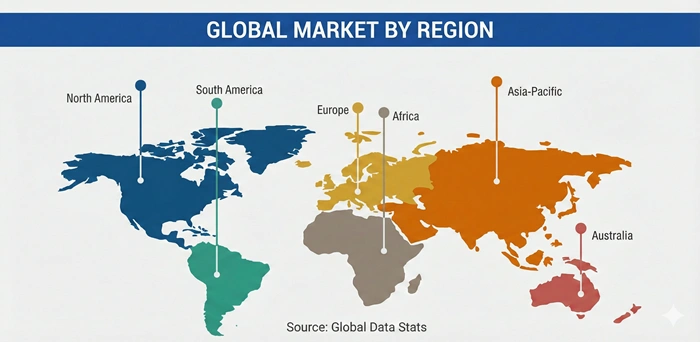
North America maintains its position as the dominant region in the protein bar market, commanding approximately 57% of global market share in 2025 with an estimated value of USD 2.91 billion, projected to reach USD 5.05 billion by 2033 growing at a CAGR of 7.12%. The region's leadership stems from deeply established fitness culture with 67 million gym memberships representing 20% of population, extensive fitness infrastructure including boutique studios and CrossFit boxes, health-conscious consumer base prioritizing protein intake and wellness, sophisticated retail distribution ensuring ubiquitous availability from gas stations to specialty shops, high disposable incomes enabling premium product purchases, and continuous innovation creating diverse product offerings. United States dominates regional demand with approximately 82% share driven by massive fitness industry generating USD 35 billion annually, strong supplement acceptance culture, aggressive marketing through fitness influencers and athletes, established brands like Quest, Clif Bar, and RXBAR building loyalty, and widespread availability in 40000 retail locations.
Leading companies serving the North American protein bar market include Clif Bar & Company, Quest Nutrition, PowerBar (Nestlé), ONE Brands, RXBAR (Kellanova), Built Bar, Gatorade Protein Bars (PepsiCo), Perfect Bar, and numerous emerging direct-to-consumer brands competing through continuous innovation. The region benefits from strong clean-label trends driving reformulations eliminating artificial sweeteners and synthetic ingredients, plant-based protein adoption with 25% of consumers reducing animal products, keto-friendly varieties serving millions following low-carbohydrate diets, and functional ingredient incorporation including collagen, probiotics, and adaptogens. Canada contributes approximately 14% of North American revenue through similar consumption patterns, bilingual marketing, strong health consciousness exceeding United States rates proportionally, and growing fitness participation with 18% gym membership penetration supporting sustained market growth throughout forecast period.
Asia Pacific
Fastest Regional Growth Through Urbanization and Western Lifestyle Adoption
Asia Pacific represents the fastest-growing region in the protein bar market with a projected CAGR of 9.80% from 2026 to 2033, with market value expected to increase from USD 0.84 billion in 2025 to USD 1.70 billion by 2033, capturing rapidly expanding global revenue share. The region's exceptional growth trajectory stems from rapid urbanization concentrating populations in cities where busy lifestyles demand convenient nutrition, rising middle-class incomes enabling premium packaged food purchases, explosive fitness participation growth particularly in China and India with gym memberships increasing 30% annually, western lifestyle adoption among younger demographics exposed through social media and international travel, expanding organized retail infrastructure, and growing protein awareness driven by fitness influencers and nutritionists. China and India dominate regional growth with combined approximately 58% Asia Pacific share driven by enormous populations exceeding 2.8 billion people, accelerating fitness culture with boutique studios proliferating in major cities, improving disposable incomes, expanding retail chains, and multinational brands investing heavily through localized products, competitive pricing, and targeted digital marketing.
Leading companies serving the Asia Pacific protein bar market include Quest Nutrition expanding Asian presence, Clif Bar entering key markets, Nestlé leveraging distribution networks, local brands like Yogabar (India) and Musashi (Australia), and regional manufacturers adapting products for local taste preferences including green tea, red bean, and tropical fruit flavors reflecting cultural food traditions. Japan demonstrates sophisticated consumption with health-focused varieties, minimal sugar content, functional ingredients including collagen particularly popular among beauty-conscious consumers, protein content transparency, and premium positioning reflecting quality-conscious consumers willing to pay substantial premiums. India shows explosive potential with massive young population embracing fitness, rapidly growing gym infrastructure particularly in Bangalore, Mumbai, and Delhi, increasing protein awareness through social media fitness content, expanding organized retail, and affordable pricing strategies making protein bars accessible to emerging middle class. The region witnesses e-commerce domination particularly in China where platforms like Alibaba, JD.com, and Pinduoduo facilitate convenient purchasing, enable niche brand discovery, provide detailed product information, and support subscription services building habitual consumption patterns driving sustained market expansion throughout forecast period.
Top Key Players
-
Clif Bar & Company (United States)
-
Quest Nutrition (United States)
-
General Mills Inc. (United States)
-
Kellanova (United States)
-
PepsiCo Inc. (United States)
-
Nestlé S.A. (Switzerland)
-
Premier Nutrition Company (United States)
-
The Simply Good Foods Company (United States)
-
PowerBar (United States)
-
ONE Brands (United States)
-
RXBAR (United States)
-
Built Bar (United States)
-
Perfect Bar (United States)
-
Glanbia plc (Ireland)
-
Abbott Laboratories (United States)
Recent Developments
-
Quest Nutrition (2025): Launched plant-based protein bar line in March 2025 using pea and rice protein blend delivering 20 grams complete protein per bar responding to explosive vegan consumer demand while maintaining signature texture and indulgent flavors including chocolate chip cookie dough and peanut butter brownie strengthening position in rapidly growing plant-based segment.
-
Clif Bar & Company (2024): Introduced high-protein Clif Builder's Max bars in November 2024 delivering 30 grams whey protein isolate targeting serious athletes and bodybuilders requiring maximum protein density, expanding portfolio beyond mainstream 20-gram offerings while maintaining organic ingredient commitment and environmental sustainability values differentiating from conventional competitors.
-
Built Bar (2025): Expanded retail distribution in June 2025 entering 5000 Walmart and Target locations nationwide transitioning from direct-to-consumer online model to omnichannel strategy leveraging viral social media success and loyal customer base, making signature fluffy texture and low-sugar formulation accessible to mainstream consumers discovering brand through physical retail.
-
ONE Brands (2024): Acquired by Hershey Company in September 2024 for USD 397 million providing ONE Brands access to Hershey's extensive distribution network, manufacturing capabilities, and marketing resources while enabling Hershey to enter high-growth protein nutrition category with leading brand commanding premium positioning and devoted millennial consumer following.
-
RXBAR (2025): Launched collagen-enhanced protein bars in January 2025 combining signature whole food ingredients including egg whites, dates, and nuts with 5 grams collagen peptides per bar targeting beauty-from-within trend, joint health support, and aging population seeking skin elasticity benefits while maintaining transparent ingredient list philosophy resonating with clean-label consumers.
Market Trends
Clean-Label Formulations and Texture Innovation Reshape Product Development
The protein bar market is experiencing transformative shifts driven by clean-label ingredient demands eliminating artificial additives, texture improvement technologies enhancing palatability, plant-based protein adoption, functional ingredient incorporation, and sustainability initiatives responding to environmental pressures reshaping manufacturing and packaging practices. Clean-label movements demand protein bars produced with recognizable whole food ingredients including dates for natural sweetness, nut butters providing healthy fats, egg whites delivering complete protein, oats offering complex carbohydrates, and real chocolate chips rather than artificial sweeteners causing aftertastes, sugar alcohols triggering digestive distress, synthetic preservatives extending shelf life through chemicals, or unfamiliar additives creating transparency appealing to ingredient-conscious consumers scrutinizing labels. Texture innovation represents critical priority with manufacturers investing in advanced processing technologies, ingredient combinations including soluble corn fiber and glycerin creating softer chewier bars, coating formulations preventing sticky messes, and layering techniques providing textural variety combating common complaints about dense chalky mouthfeel deterring mainstream consumers.
Plant-based protein sources proliferate with pea protein providing complete amino acid profile, brown rice protein offering hypoallergenic alternative, hemp protein delivering omega-3 fatty acids, pumpkin seed protein providing minerals, and blended plant proteins optimizing amino acid complementarity creating vegan-friendly options appealing to ethical consumers, lactose-intolerant individuals, and environmentally conscious demographics concerned about dairy production impacts. The protein bar market witnesses functional ingredient integration incorporating collagen peptides supporting skin elasticity and joint health particularly popular among beauty-conscious and aging populations, probiotics promoting digestive wellness and immune function, adaptogens including ashwagandha reducing stress and cortisol particularly appealing to busy professionals, MCT oil providing quick energy for ketogenic diet followers, and superfoods including turmeric, matcha, and spirulina creating wellness-positioned products commanding premium pricing. Sustainability practices including compostable wrappers replacing multilayer plastic packaging that cannot be recycled, organic ingredient sourcing supporting chemical-free agriculture, regenerative farming partnerships restoring soil health, carbon-neutral manufacturing through renewable energy, and transparent supply chains ensuring ethical labor practices address environmental concerns particularly important to millennials and Gen Z prioritizing climate action and circular economy principles in purchasing decisions supporting premium positioning differentiation.
Segments Covered in the Report
By Product Type
-
Sports Nutrition Bars
-
Meal Replacement Bars
-
Snack Bars
-
Others
By Source
-
Animal-Based
-
Whey Protein
-
Egg Protein
-
Collagen
-
Others
-
-
Plant-Based
-
Pea Protein
-
Soy Protein
-
Rice Protein
-
Hemp Protein
-
Others
-
By Distribution Channel
-
Supermarkets and Hypermarkets
-
Convenience Stores
-
Online Retail
-
Specialty Stores
-
Gyms and Fitness Centers
-
Others
By Protein Content
-
High Protein (Above 15g)
-
Moderate Protein (10-15g)
-
Low Protein (Below 10g)
By Region
-
North America
-
United States
-
Canada
-
Mexico
-
-
Europe
-
United Kingdom
-
Germany
-
France
-
Italy
-
Spain
-
Rest of Europe
-
-
Asia Pacific
-
China
-
India
-
Japan
-
Australia
-
South Korea
-
Rest of Asia Pacific
-
-
Latin America
-
Brazil
-
Argentina
-
Rest of Latin America
-
-
Middle East and Africa
-
Saudi Arabia
-
United Arab Emirates
-
South Africa
-
Rest of Middle East and Africa
-
Frequently Asked Questions
Question 1: What is the projected protein bar market size by 2033?
Answer: The protein bar market is projected to reach USD 9.31 billion by 2033, growing from USD 5.44 billion in 2026. This represents robust expansion driven by rising fitness culture, increasing protein awareness, convenience demands, meal replacement adoption, clean-label preferences, and plant-based innovation particularly in Asia Pacific emerging markets.
Question 2: Which region dominates the global protein bar market share?
Answer: North America dominates the global protein bar market with approximately 57% market share in 2025, valued at USD 2.91 billion. This leadership position reflects deeply established fitness culture with 67 million gym memberships, health-conscious consumer base, extensive retail distribution, high disposable incomes, strong supplement acceptance, and continuous product innovation.
Question 3: What factors are driving the protein bar market growth?
Answer: Key factors driving protein bar market growth include escalating fitness culture participation with gym memberships exceeding 200 million globally, rising protein awareness about muscle health and satiety, convenience demands from busy lifestyles, meal replacement adoption supporting weight management, clean-label preferences, and social media influence normalizing protein supplementation. Women's fitness participation also contributes significantly.
Question 4: Which product type segment holds the largest share in the protein bar market?
Answer: The sports nutrition bars segment holds the largest share in the protein bar market with approximately 52% in 2025. This dominance reflects targeted positioning toward dedicated fitness enthusiasts and athletes, higher protein content typically 15-25 grams, performance-oriented formulations including BCAAs, pre/post-workout optimization, and aggressive marketing through fitness channels.
Question 5: What are the emerging trends in the protein bar market?
Answer: Emerging trends in the protein bar market include clean-label formulations eliminating artificial ingredients, texture improvement technologies enhancing palatability, plant-based protein adoption using pea and rice blends, functional ingredient incorporation including collagen and probiotics, keto-friendly varieties serving low-carb dieters, and sustainability initiatives including compostable packaging. Direct-to-consumer subscription models also gain significant traction.