
Probiotic Ingredients Market Overview
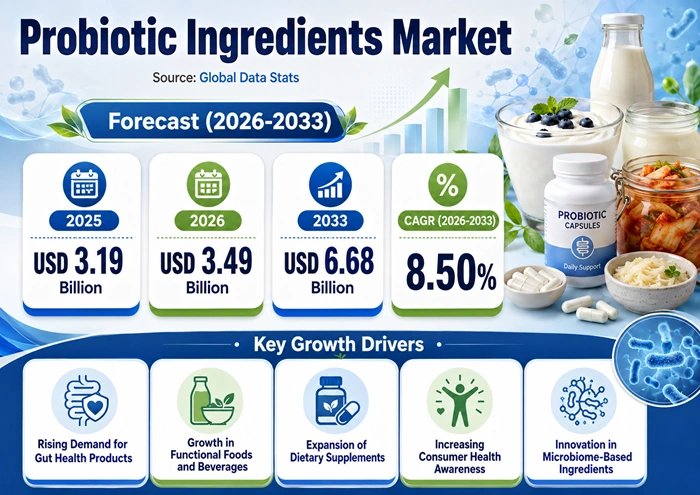
The global probiotic ingredients market size is valued at USD 3.19 billion in 2025 and is predicted to increase from USD 3.49 billion in 2026 to approximately USD 6.68 billion by 2033, growing at a CAGR of 8.50% from 2026 to 2033.
Rising health consciousness among consumers worldwide drives unprecedented demand for gut health solutions, immunity-boosting supplements, and functional foods containing beneficial microorganisms. Probiotic ingredients including Lactobacillus, Bifidobacterium, and other beneficial bacterial strains support digestive wellness, immune function, and overall health making them essential components in food and beverage formulations, dietary supplements, and animal nutrition.
AI Impact on the Probiotic Ingredients Industry
Artificial Intelligence Revolutionizing Strain Development and Production Optimization
Artificial intelligence is fundamentally transforming the probiotic ingredients market by enabling precision strain selection, fermentation optimization, predictive quality control, personalized probiotic recommendations, and accelerated research and development cycles that enhance manufacturing efficiency while discovering novel probiotic applications. Machine learning algorithms analyze vast genomic datasets identifying beneficial bacterial strains with superior characteristics including enhanced survival through gastric acid, improved adhesion to intestinal walls, heightened antimicrobial properties against pathogens, and optimized production of beneficial metabolites including short-chain fatty acids and vitamins. AI-powered fermentation monitoring systems track real-time parameters including temperature profiles, pH levels, dissolved oxygen concentration, substrate utilization rates, and biomass accumulation optimizing growth conditions that maximize probiotic cell counts, viability, and stability throughout processing and storage.
Computer vision combined with microscopy analyzes bacterial morphology, colony characteristics, and contamination detection automatically with 99% accuracy ensuring batch quality and preventing costly production failures while reducing manual inspection labor. Natural language processing technologies mine scientific literature, patent databases, clinical trial results, and consumer feedback identifying emerging probiotic applications including mental health support through gut-brain axis modulation, skin health improvements, metabolic syndrome management, and novel delivery systems improving efficacy. The probiotic ingredients market benefits from AI-driven personalized nutrition platforms analyzing individual gut microbiome compositions through DNA sequencing, dietary patterns, health histories, and lifestyle factors recommending customized probiotic strains and dosages optimizing health outcomes for specific conditions including irritable bowel syndrome, inflammatory bowel disease, allergies, and immune deficiencies. Predictive analytics forecast probiotic demand patterns across functional foods, supplements, and pharmaceutical applications by analyzing health trends, regulatory changes, consumer purchasing behaviors, and seasonal patterns enabling manufacturers to adjust production schedules proactively avoiding supply shortages or costly overproduction.
Growth Factors
Health Awareness and Gut Microbiome Research Drive Market Expansion
The probiotic ingredients market is experiencing robust growth driven by escalating consumer awareness about gut health importance, expanding scientific research validating probiotic benefits, rising prevalence of digestive disorders, and increasing incorporation of probiotics into mainstream food and beverage products beyond traditional yogurt applications. Gut health consciousness reaches unprecedented levels as consumers increasingly recognize connections between gut microbiome balance and overall wellness including immunity, mental health, skin conditions, weight management, and chronic disease prevention motivating proactive probiotic supplementation. The COVID-19 pandemic fundamentally shifted health priorities with immunity support becoming primary consumer concern driving explosive demand for probiotic supplements, functional foods, and beverages marketed for immune-enhancing properties supported by research linking gut microbiome diversity to robust immune responses.
Scientific research proliferation validates diverse probiotic health benefits beyond digestion including mental health improvements through gut-brain axis modulation, cardiovascular benefits from cholesterol reduction, metabolic health support, women's health applications, and skin condition improvements creating credibility that converts skeptical consumers into regular users. The probiotic ingredients market benefits from digestive disorder prevalence including irritable bowel syndrome affecting 10-15% of global population, inflammatory bowel diseases, chronic constipation, antibiotic-associated diarrhea, and food intolerances driving medical recommendations for probiotic supplementation as complementary treatment increasingly covered by health insurance in certain markets. Functional food and beverage innovation extends probiotic incorporation beyond dairy into plant-based yogurts, kombucha, kefir, probiotic waters, protein shakes, snack bars, infant formula, and even chocolates normalizing daily probiotic consumption through convenient formats appealing to busy consumers seeking health benefits without supplement pills. Social media influence from health influencers, nutritionists, and wellness advocates promotes gut health awareness, shares personal probiotic success stories, and recommends specific strains for targeted conditions reaching millions of engaged followers creating aspirational associations and normalizing probiotic consumption across demographics.
Market Outlook
Innovation and Targeted Applications Define Future Industry Evolution
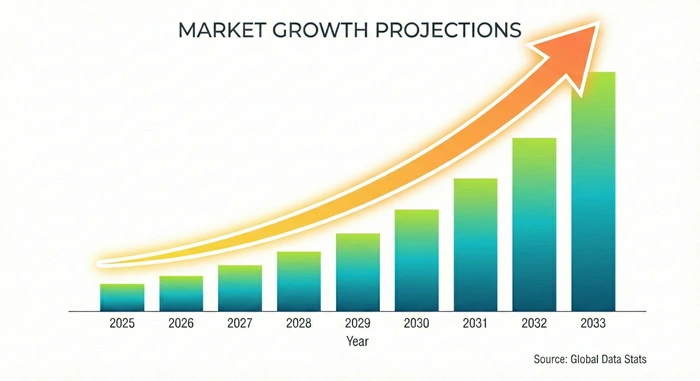
The probiotic ingredients market is positioned for sustained expansion through 2033 as manufacturers invest heavily in strain-specific research, develop advanced delivery technologies, expand into novel applications, leverage precision fermentation, and address stability challenges that historically limited product efficacy and shelf life. Strain-specific formulations targeting particular health conditions including L. rhamnosus for allergies, B. longum for anxiety, L. reuteri for cholesterol reduction, and S. thermophilus for lactose intolerance create evidence-based products commanding premium pricing from consumers seeking targeted solutions rather than generic probiotic blends with unproven benefits. Advanced encapsulation technologies including microencapsulation, enteric coating, and freeze-drying protect probiotic bacteria through manufacturing, storage, and harsh gastrointestinal conditions ensuring viable cells reach intestinal colonization sites where beneficial effects occur addressing historical efficacy concerns.
Postbiotic ingredients representing next-generation innovation leverage beneficial bacterial metabolites, cell wall components, and signaling molecules providing health benefits without live bacteria concerns including refrigeration requirements, viability challenges, and regulatory complexity creating stable shelf-stable alternatives particularly suitable for food and beverage applications. The probiotic ingredients market witnesses explosive growth in non-dairy applications as plant-based movements drive probiotic incorporation into almond milk yogurts, oat-based kefirs, coconut yogurts, and fermented soy products appealing to vegan, lactose-intolerant, and dairy-avoiding consumers representing rapidly growing segments. Precision fermentation technologies enable cost-effective large-scale production of specific probiotic strains reducing manufacturing costs improving profitability while maintaining quality standards making probiotic-fortified products affordable for middle-income consumers in developing markets previously priced out of premium supplements. Clinical validation emphasis drives industry investment in human trials demonstrating strain-specific health benefits supporting regulatory health claim approvals, physician recommendations, insurance coverage, and premium pricing while differentiating branded strains from commodity probiotics in increasingly competitive markets.
Expert Speaks
-
Mauricio Graber, Chief Executive Officer of Chr. Hansen Holding A/S, emphasized that probiotic science evolution from general digestive health toward strain-specific targeted health benefits including immunity, mental wellness, and metabolic health creates enormous growth opportunities, with Chr. Hansen investing substantially in clinical research, advanced fermentation technologies, and partnerships with food manufacturers incorporating probiotics into mainstream consumer products beyond traditional supplements.
-
Mark Schneider, Chief Executive Officer of Nestlé S.A., highlighted that gut health represents strategic priority with probiotics increasingly incorporated across Nestlé's portfolio including infant nutrition, medical nutrition, dairy products, and supplements responding to consumer demand for science-backed functional ingredients supporting wellness, with continued investment in microbiome research advancing understanding of personalized probiotic applications.
-
Dimitri de Vreeze, former Co-Chief Executive Officer of Royal DSM N.V., stated that probiotics and microbiome science represent frontier of nutritional innovation with growing evidence connecting gut health to immunity, mental wellness, and chronic disease prevention, with industry leaders investing heavily in strain development, stability technologies, and clinical validation supporting regulatory approvals and mainstream adoption across food, beverage, supplement, and pharmaceutical applications.
Key Report Takeaways
-
Asia Pacific leads the probiotic ingredients market with approximately 35% market share in 2025, driven by massive populations, traditional fermented food culture particularly in Japan and Korea, growing health consciousness, expanding middle-class incomes, robust dietary supplement demand, and government support for functional food development across developing economies.
-
Europe is growing rapidly with a projected CAGR of 8.60% from 2026 to 2033, fueled by mature health-conscious consumer base, strong scientific research infrastructure particularly in Nordic countries, established functional dairy market, regulatory frameworks supporting health claims, and consumer willingness to pay premium prices for clinically validated probiotic products.
-
Dry or powder form dominates with approximately 84% market share as powdered probiotics offer superior shelf stability, cost-effective manufacturing through spray drying and freeze-drying, easy incorporation into diverse applications, simplified storage and transportation without refrigeration, and extended shelf life maintaining cell viability compared to liquid alternatives.
-
The food and beverages application contributes the most to overall market revenue with approximately 73% share in 2025, reflecting probiotic incorporation into yogurts, fermented beverages, dairy products, infant formula, and functional foods where taste and convenience preferences drive higher consumption compared to supplement pills or capsules.
-
Bacteria ingredients dominate with approximately 85% market share as Lactobacillus and Bifidobacterium strains represent most extensively researched probiotics with proven safety profiles, documented health benefits, established manufacturing processes, and regulatory approvals enabling widespread commercial use across food and supplement applications.
-
The dietary supplements segment will grow quickly with an estimated CAGR of 9.80% as preventive healthcare emphasis, aging populations prioritizing health maintenance, targeted probiotic formulations for specific conditions, convenient capsule and powder formats, and expanding e-commerce distribution channels accelerate supplement adoption particularly in developed markets.
Market Scope
| Report Coverage | Details |
|---|---|
| Market Size by 2033 | USD 6.68 Billion |
| Market Size by 2025 | USD 3.19 Billion |
| Market Size by 2026 | USD 3.49 Billion |
| Market Growth Rate from 2026 to 2033 | CAGR of 8.50% |
| Dominating Region | Asia Pacific |
| Fastest Growing Region | Europe |
| Base Year | 2025 |
| Forecast Period | 2026 to 2033 |
| Segments Covered | Form, Ingredient, Application, End User, Region |
| Regions Covered | North America, Europe, Asia Pacific, Latin America, Middle East and Africa |
Market Dynamics
Driver Impact Analysis
Rising Health Consciousness and Gut Health Awareness Propel Market Growth
The escalating global health consciousness combined with growing recognition of gut microbiome's central role in overall wellness represents the most powerful driver propelling the probiotic ingredients market toward sustained expansion across all geographic regions and application segments. Gut health awareness reaches mainstream consciousness as consumers increasingly understand connections between digestive wellness and diverse health outcomes including immunity, mental health through gut-brain axis, skin conditions, weight management, and chronic disease prevention motivating proactive probiotic consumption. The COVID-19 pandemic accelerated immunity focus with probiotics emerging as top-selling supplement category as consumers sought natural immune system support, with sustained post-pandemic supplementation habits reflecting permanent behavioral shifts toward preventive health management rather than reactive treatment approaches.
Scientific research proliferation validating probiotic mechanisms including pathogen inhibition, immune system modulation, vitamin synthesis, and beneficial metabolite production provides credible evidence supporting health claims converting skeptical consumers into believers willing to invest in quality probiotic products. The probiotic ingredients market benefits from digestive disorder prevalence affecting hundreds of millions globally including irritable bowel syndrome, inflammatory bowel disease, chronic constipation, antibiotic-associated diarrhea, and lactose intolerance driving medical recommendations for probiotic supplementation as complementary treatment increasingly covered by insurance. Functional food movements position probiotics as everyday wellness tools incorporated into familiar foods including yogurt, kefir, kombucha, and fermented beverages making consumption habitual rather than requiring conscious supplement decisions appealing to consumers preferring food-based nutrition over pills. Social media amplification through health influencers, nutritionists, and wellness advocates sharing gut health content, personal probiotic success stories, and strain-specific recommendations reaches engaged audiences creating awareness and normalizing probiotic consumption particularly among younger demographics forming lifelong health habits.
| Driver | ≈ % Impact on CAGR Forecast | Geographic Relevance | Impact Timeline |
|---|---|---|---|
| Gut Health Awareness | +2.30% | Global, strongest in developed markets | 2026-2033 |
| COVID-19 Immunity Focus | +1.90% | Global, sustained post-pandemic | 2026-2033 |
| Digestive Disorder Prevalence | +1.70% | Developed markets, urban populations | 2026-2033 |
| Functional Food Innovation | +1.50% | Asia Pacific, North America, Europe | 2026-2033 |
Restraints Impact Analysis
Viability Challenges and Regulatory Complexity Limit Market Penetration
The probiotic ingredients market confronts significant barriers related to bacterial viability maintenance challenges, stringent regulatory requirements, high manufacturing costs, consumer confusion about strain specificity, and competition from cheaper conventional products that constrain adoption and profitability particularly in price-sensitive markets. Probiotic viability represents fundamental challenge as beneficial bacteria require specific temperature, moisture, pH, and oxygen conditions to survive manufacturing, storage, distribution, and gastrointestinal transit with many products delivering far fewer viable cells than labeled claims creating efficacy concerns and consumer disappointment. Refrigeration requirements for liquid probiotics and certain supplement formulations create logistical complications, distribution costs, retail space constraints, and consumer inconvenience limiting product availability and increasing prices compared to shelf-stable alternatives.
Regulatory complexity varies dramatically across markets with different classification systems treating probiotics as foods, dietary supplements, or drugs requiring distinct approval pathways, safety documentation, efficacy evidence, and labeling compliance creating market entry barriers particularly for international expansion. The probiotic ingredients market suffers from consumer confusion about strain specificity with generic "probiotic" labeling failing to communicate that different bacterial strains provide distinct benefits requiring education about Lactobacillus rhamnosus GG versus Bifidobacterium longum creating skepticism about product efficacy. Manufacturing costs remain substantial particularly for specialized strains, advanced encapsulation technologies, freeze-drying processes, and quality testing ensuring viability throughout shelf life limiting affordability in developing markets where consumers cannot justify premium pricing for invisible bacteria compared to tangible food products. Lack of standardization regarding colony-forming unit (CFU) dosing, strain nomenclature, and health claim substantiation creates marketplace confusion with products ranging from 1 billion to 100 billion CFUs making comparative shopping difficult and undermining consumer confidence in category credibility.
| Restraint | ≈ % Impact on CAGR Forecast | Geographic Relevance | Impact Timeline |
|---|---|---|---|
| Viability and Stability Challenges | -1.50% | Global, all applications | 2026-2033 |
| Regulatory Complexity | -1.20% | International markets, new entrants | 2026-2033 |
| High Manufacturing Costs | -1.00% | Developing markets, price-sensitive segments | 2026-2033 |
| Consumer Confusion | -0.90% | Emerging markets, supplement novices | 2026-2033 |
Opportunities Impact Analysis
Strain-Specific Formulations and Novel Applications Create Growth Avenues
The development of strain-specific probiotic formulations targeting particular health conditions combined with expansion into novel applications beyond traditional digestive health presents enormous opportunities for the probiotic ingredients market by creating premium segments, differentiated products, and addressing unmet health needs with science-backed solutions. Targeted probiotic formulations addressing specific conditions including anxiety and depression through psychobiotics, women's health issues including urinary tract infections and vaginal health, skin conditions including acne and eczema, allergies, and metabolic syndrome create evidence-based products commanding premium pricing from consumers seeking solutions rather than general wellness maintenance. Mental health probiotics leveraging gut-brain axis research represent breakthrough opportunity as clinical studies demonstrate certain Bifidobacterium and Lactobacillus strains reduce anxiety, improve mood, and enhance cognitive function creating crossover appeal from supplement category into mainstream wellness with physician recommendations.
Infant and children's probiotics addressing colic, immune development, allergy prevention, and digestive health represent high-value market as parents prioritize children's wellness and willingly invest in premium products with pediatrician endorsements despite higher costs. The probiotic ingredients market benefits from sports nutrition integration as athletes adopt probiotics for immune support during intense training, reduced gastrointestinal distress during competition, improved recovery, and potential performance benefits through enhanced nutrient absorption creating premium segment within fitness category. Beauty-from-within applications incorporating probiotics into skincare supplements, collagen formulations, and beauty beverages leverage skin-gut axis research demonstrating probiotic impacts on inflammation, hydration, and complexion appealing to beauty-conscious consumers investing substantially in appearance enhancement. Emerging market penetration across India, Southeast Asia, Latin America, and Africa where probiotic consumption remains fraction of developed market levels presents massive untapped populations with improving incomes, growing health awareness, expanding retail infrastructure, and increasing supplement acceptance creating favorable long-term growth conditions.
| Opportunity | ≈ % Impact on CAGR Forecast | Geographic Relevance | Impact Timeline |
|---|---|---|---|
| Strain-Specific Targeted Formulations | +1.90% | Premium markets globally | 2027-2033 |
| Mental Health Probiotics | +1.80% | Developed markets, wellness segments | 2027-2033 |
| Infant and Children's Probiotics | +1.60% | Global, affluent demographics | 2026-2033 |
| Emerging Market Expansion | +1.50% | Asia Pacific, Latin America, Africa | 2028-2033 |
Segment Analysis
Bacteria Ingredient
Dominant Segment Driven by Research Validation and Established Safety
The bacteria ingredient segment dominates the probiotic ingredients market with approximately 85% share in 2025 and steady CAGR of 8.45% from 2026 to 2033, driven by extensive scientific research validating Lactobacillus and Bifidobacterium health benefits, proven safety profiles through decades of human consumption, established manufacturing expertise, and regulatory approvals enabling widespread commercial applications. Lactobacillus strains including L. acidophilus, L. rhamnosus, L. casei, and L. plantarum represent most commonly used probiotics with documented benefits for digestive health, immune support, lactose digestion, and pathogen inhibition making them foundational ingredients in yogurts, supplements, and functional foods. Bifidobacterium species including B. lactis, B. longum, and B. bifidum colonize infant intestines and adult colons providing critical functions including vitamin synthesis, immune modulation, and metabolic benefits with specific strains showing promise for mental health and metabolic syndrome applications.
North America shows particularly strong bacteria probiotic adoption with approximately 88% regional segment share and CAGR of 9.00%, driven by mature dietary supplement culture, physician recommendations for digestive health, extensive clinical research conducted at leading universities, consumer trust in established bacterial strains, and regulatory clarity supporting health claim approvals. Leading companies serving the probiotic ingredients market including Chr. Hansen, DSM, DuPont, Kerry Group, Lallemand, and specialized probiotic manufacturers dominate through proprietary strain development, extensive clinical validation, advanced fermentation technologies, quality certifications, and technical support helping food and supplement brands formulate effective products. The segment continues evolving through next-generation strains including Akkermansia muciniphila for metabolic health, Faecalibacterium prausnitzii for inflammatory conditions, and novel Lactobacillus and Bifidobacterium variants with enhanced survival, colonization, and therapeutic properties discovered through genomic screening and targeted selection.
Dietary Supplements Application
Fastest Growing Segment Capitalizing on Preventive Healthcare and Targeted Solutions
The dietary supplements application represents the fastest-growing segment in the probiotic ingredients market with a projected CAGR of 9.80% from 2026 to 2033, driven by preventive healthcare emphasis, aging populations prioritizing wellness maintenance, targeted probiotic formulations for specific health conditions, convenient capsule and powder formats, and expanding e-commerce channels enabling direct-to-consumer brands. Probiotic supplements offer concentrated doses typically ranging from 10 billion to 100 billion CFUs per serving providing therapeutic levels impossible to achieve through food consumption alone appealing to consumers seeking measurable health benefits rather than incidental probiotic intake from yogurt. Capsule formats using enteric coating and advanced encapsulation protect bacteria through stomach acid ensuring viable delivery to intestines addressing historical efficacy concerns while providing convenient once-daily dosing without refrigeration requirements.
Europe shows particularly explosive dietary supplement probiotic growth with CAGR exceeding 10.20%, driven by health-conscious aging population, strong preventive healthcare culture particularly in Nordic countries, physician recommendations, extensive clinical research, regulatory frameworks supporting strain-specific health claims, and consumer willingness to invest in quality supplements from trusted brands. Key players serving the probiotic ingredients market including Garden of Life, Culturelle, Align, Renew Life, and specialized probiotic brands develop targeted formulations addressing immunity, digestive disorders, women's health, mental wellness, and children's health backed by clinical research supporting efficacy claims differentiating products from generic probiotics. The segment benefits from personalized probiotic services offering microbiome testing and customized strain recommendations based on individual gut composition, dietary patterns, health conditions, and wellness goals creating premium direct-to-consumer business models building customer loyalty through ongoing subscriptions. E-commerce dominance enables specialized probiotic brands bypassing traditional retail distribution reducing costs while building direct customer relationships through education, community engagement, and subscription models ensuring recurring revenue while collecting valuable consumption data informing product development.
Regional Insights
Asia Pacific
Market Leadership Through Cultural Traditions and Growing Health Awareness
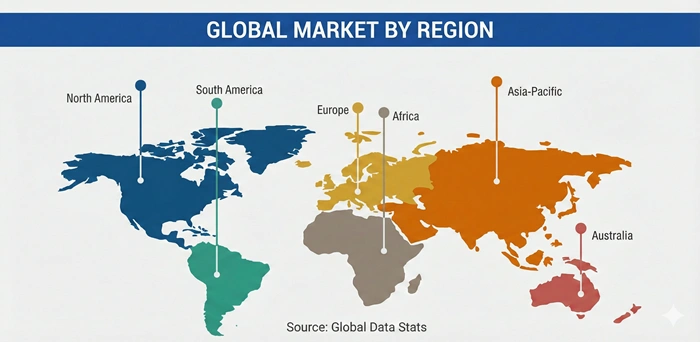
Asia Pacific maintains its position as the dominant region in the probiotic ingredients market, commanding approximately 35% of global market share in 2025 with an estimated value of USD 1.12 billion, projected to reach USD 2.18 billion by 2033 growing at a CAGR of 9.70%. The region's leadership stems from massive population bases exceeding 4.6 billion people, traditional fermented food culture including kimchi, miso, natto, and pickled vegetables providing historical probiotic consumption, growing health consciousness particularly among urban middle classes, and expanding dietary supplement adoption following western wellness trends. Japan leads regional innovation with decades of probiotic research, widespread Yakult and other probiotic drink consumption, government support for functional foods, and sophisticated consumers demanding clinically validated strain-specific products willing to pay premium prices.
Leading companies serving the Asia Pacific probiotic ingredients market include Yakult Honsha, Morinaga Milk, Nestlé Asia, DSM, Chr. Hansen, Kerry Group, and numerous regional players including Chinese and Indian manufacturers adapting products for local tastes, regulatory requirements, and price points. China emerges as dynamic growth market with government nutrition improvement initiatives, rising disposable incomes enabling supplement purchases, growing awareness about gut health through social media, expanding e-commerce enabling convenient probiotic access, and massive infant formula market incorporating probiotic fortification. India demonstrates strong potential with traditional Ayurvedic medicine culture valuing digestive health, massive population with low current probiotic penetration, rapidly growing middle class, expanding organized retail, and government support for functional foods creating favorable conditions for market development.
Europe
Fastest Regional Growth Through Scientific Leadership and Health Culture
Europe represents the fastest-growing region in the probiotic ingredients market with a projected CAGR of 8.60% from 2026 to 2033, with market value expected to increase from USD 0.93 billion in 2025 to USD 1.80 billion by 2033, capturing expanding global revenue share. The region's exceptional growth trajectory stems from mature health-conscious consumer base prioritizing preventive wellness, strong scientific research infrastructure particularly in Scandinavia and Germany advancing probiotic understanding, established functional dairy culture with yogurt consumption, regulatory frameworks supporting substantiated health claims, and consumer willingness to pay premium prices for quality. Germany, UK, France, and Nordic countries dominate regional demand with combined approximately 68% European share driven by aging populations investing in healthy aging, physician recommendations, extensive clinical research, sophisticated consumers scrutinizing ingredient quality, and strong dietary supplement culture.
Leading companies serving the European probiotic ingredients market include Chr. Hansen, DSM, Lallemand, Probi, Danone, and regional specialized manufacturers developing targeted probiotic solutions, conducting clinical trials validating strain benefits, and providing technical support to food and supplement brands. The region benefits from regulatory clarity through European Food Safety Authority (EFSA) establishing standards for probiotic health claims, quality requirements, and safety assessments creating consumer confidence while challenging manufacturers to conduct rigorous clinical validation differentiating quality products from questionable competitors. Sustainability emphasis drives organic probiotic demand, plant-based probiotic applications, environmentally friendly packaging, and transparent supply chain communications particularly important to European consumers prioritizing ethical consumption alongside health benefits in purchasing decisions.
Top Key Players
-
Chr. Hansen Holding A/S (Denmark)
-
DSM-Firmenich (Netherlands)
-
DuPont de Nemours Inc. (United States)
-
Kerry Group plc (Ireland)
-
Lallemand Inc. (Canada)
-
Archer Daniels Midland Company (United States)
-
Koninklijke DSM N.V. (Netherlands)
-
Yakult Honsha Co. Ltd. (Japan)
-
Probi AB (Sweden)
-
BioGaia AB (Sweden)
-
Morinaga Milk Industry Co. Ltd. (Japan)
-
Nestlé S.A. (Switzerland)
-
Danone S.A. (France)
-
Ganeden Biotech Inc. (United States)
-
Culturelle (United States)
Recent Developments
-
Probi AB (2025): Broadened offerings in November 2025 with two new probiotic lines including Sports & Active Nutrition focused on physical performance and Pet Health probiotics targeting digestive and oral health in companion animals, highlighting diversification beyond traditional human supplements responding to growing sports nutrition and pet wellness markets demanding scientifically validated probiotic solutions.
-
Evonik Industries (2025): Announced in November 2025 at Poultry India 2025 an updated Ecobiol probiotic with improved activity for poultry gut health and expansion in animal feed probiotic ingredients supporting sustainable livestock nutrition, addressing growing demand for antibiotic alternatives in animal agriculture while improving feed efficiency and reducing environmental impact.
-
ClostraBio Inc. (2025): Announced in July 2025 that next-generation probiotic strain CLB101 received self-affirmed GRAS (Generally Recognized As Safe) status positioning it for commercial launch in U.S. market, representing breakthrough in novel probiotic development beyond traditional Lactobacillus and Bifidobacterium strains opening opportunities for differentiated products.
-
CJ Bio and Vita Actives (2025): Collaborated in April 2025 to bring CJ Bio's exclusive next-generation probiotic and postbiotic ingredients known globally under BiomeNrich™ brand into Vita Actives family of functional ingredients for European market, leveraging CJ Bio's fermentation technology expertise and Vita Actives' distribution network accelerating innovative probiotic adoption.
-
MicrobioTx (2025): Launched in January 2025 new range of probiotics including flagship lines DigesTx, MoodTx, GlucoTx, and LeanTx each designed to support unique gut microbiome profiles for gastrointestinal health, mental wellness, glucose metabolism support, and weight management respectively, demonstrating trend toward targeted condition-specific probiotic formulations rather than generic products.
Market Trends
Strain-Specific Formulations and Postbiotic Innovation Reshape Product Development
The probiotic ingredients market is experiencing transformative shifts driven by strain-specific targeted formulations addressing particular health conditions, postbiotic ingredients representing next-generation innovation, plant-based probiotic applications, personalized microbiome solutions, and clinical validation emphasis differentiating quality products from commodity offerings. Targeted probiotic formulations move beyond generic digestive health claims toward condition-specific solutions including Lactobacillus rhamnosus GG for antibiotic-associated diarrhea, Bifidobacterium longum for anxiety reduction, Lactobacillus reuteri for cholesterol management, and Saccharomyces boulardii for inflammatory bowel disease creating evidence-based products commanding premium pricing. Psychobiotics addressing mental health through gut-brain axis modulation represent breakthrough category with clinical studies demonstrating mood improvements, anxiety reduction, and cognitive enhancement from specific probiotic strains creating crossover appeal from supplements into mainstream wellness.
Postbiotic ingredients including bacterial metabolites, cell wall components, and beneficial compounds produced during fermentation provide health benefits without live bacteria challenges including viability concerns, refrigeration requirements, and regulatory complexity creating stable shelf-stable alternatives particularly suitable for food and beverage applications. The probiotic ingredients market witnesses explosive growth in plant-based applications as dairy-free yogurts, oat-based kefirs, almond milk yogurts, and coconut-based fermented products incorporate probiotics appealing to vegan, lactose-intolerant, and dairy-avoiding consumers representing rapidly growing demographics. Personalized probiotic services leveraging microbiome testing analyze individual gut composition recommending customized strain formulations, optimal dosages, and dietary modifications based on personal health conditions, genetics, and wellness goals creating premium direct-to-consumer business models building long-term customer relationships. Clinical validation emphasis drives industry investment in human trials demonstrating strain-specific benefits supporting regulatory health claim approvals, physician recommendations, and premium positioning while differentiating branded proprietary strains from commodity generic probiotics in increasingly competitive and crowded marketplace.
Segments Covered in the Report
By Form
-
Dry or Powder
-
Liquid
By Ingredient
-
Bacteria
-
Lactobacilli
-
Bifidobacterium
-
Streptococcus
-
Other Genus
-
-
Yeast
-
Spore Formers
By Application
-
Food and Beverages
-
Dairy
-
Cereals
-
Baked Food
-
Non-Dairy
-
Others
-
-
Dietary Supplements
-
Chewable and Gummies
-
Capsules
-
Powders
-
Tablets
-
Soft Gels
-
Others
-
-
Animal Feed
-
Personal Care and Cosmetics
-
Others
By End User
-
Human Probiotics
-
Animal Probiotics
By Region
-
North America
-
United States
-
Canada
-
Mexico
-
-
Europe
-
Germany
-
United Kingdom
-
France
-
Italy
-
Spain
-
Rest of Europe
-
-
Asia Pacific
-
China
-
Japan
-
India
-
Australia and New Zealand
-
South Korea
-
Rest of Asia Pacific
-
-
Latin America
-
Brazil
-
Argentina
-
Rest of Latin America
-
-
Middle East and Africa
-
Saudi Arabia
-
United Arab Emirates
-
South Africa
-
Rest of Middle East and Africa
-
Frequently Asked Questions
Question 1: What is the projected probiotic ingredients market size by 2033?
Answer: The probiotic ingredients market is projected to reach USD 6.68 billion by 2033, growing from USD 3.49 billion in 2026. This represents steady expansion driven by rising gut health awareness, immunity focus particularly post-COVID-19 pandemic, expanding functional food applications, targeted strain-specific formulations, and growing scientific validation of diverse probiotic health benefits.
Question 2: Which region dominates the global probiotic ingredients market share?
Answer: Asia Pacific dominates the global probiotic ingredients market with approximately 35% market share in 2025, valued at USD 1.12 billion. This leadership position reflects massive populations, traditional fermented food culture particularly in Japan and Korea, growing health consciousness, rising middle-class incomes, expanding dietary supplement adoption, and government support for functional food development.
Question 3: What factors are driving the probiotic ingredients market growth?
Answer: Key factors driving probiotic ingredients market growth include escalating gut health awareness connecting microbiome to overall wellness, COVID-19 pandemic-driven immunity focus, rising digestive disorder prevalence, functional food innovation extending probiotics beyond yogurt, scientific research validating diverse health benefits, and social media amplification normalizing probiotic consumption. Preventive healthcare emphasis and aging populations also contribute significantly.
Question 4: Which form segment holds the largest share in the probiotic ingredients market?
Answer: The dry or powder form segment holds the largest share in the probiotic ingredients market with approximately 84% in 2025. This dominance reflects superior shelf stability maintaining bacterial viability, cost-effective manufacturing through spray drying and freeze-drying, easy incorporation into diverse applications, simplified storage and transportation without refrigeration, and extended shelf life compared to liquid alternatives.
Question 5: What are the emerging trends in the probiotic ingredients market?
Answer: Emerging trends in the probiotic ingredients market include strain-specific targeted formulations addressing particular health conditions, postbiotic ingredients providing benefits without live bacteria challenges, psychobiotics for mental health through gut-brain axis, plant-based probiotic applications in dairy alternatives, and personalized microbiome-based recommendations. Clinical validation emphasis and beauty-from-within applications also gain significant traction.