
Polystyrene Market Overview
Versatile Polymer Solutions Drive Sustained Growth Across Packaging, Construction, and Electronics Applications
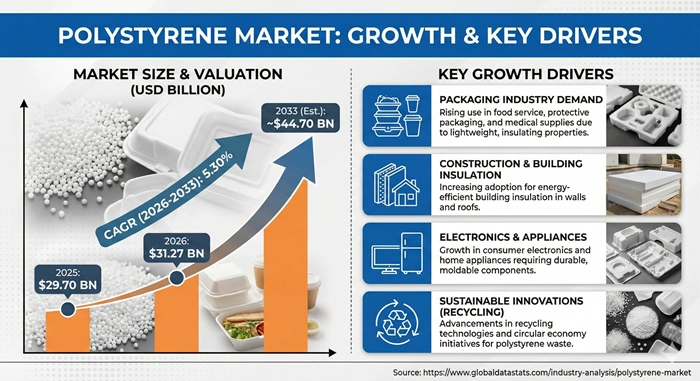
The global polystyrene market size is valued at USD 29.70 billion in 2025 and is predicted to increase from USD 31.27 billion in 2026 to approximately USD 44.70 billion by 2033, growing at a CAGR of 5.30% from 2026 to 2033. The polystyrene market encompasses versatile polymer materials widely used across packaging, construction, electronics, and consumer goods industries, offering cost-effective solutions that combine lightweight characteristics with excellent thermal insulation and protective properties. This thermoplastic polymer, available in multiple forms including general purpose polystyrene (GPPS), high impact polystyrene (HIPS), and expanded polystyrene (EPS), serves critical functions in food service packaging, building insulation, appliance housings, and protective packaging for fragile electronics.
The rising demand for polystyrene stems from accelerating construction activity, expanding e-commerce logistics requiring protective packaging, and growing consumer electronics production worldwide. Infrastructure development initiatives across emerging economies, coupled with energy efficiency mandates in developed nations, have created favorable conditions for expanded polystyrene adoption in building insulation applications. The packaging sector increasingly specifies polystyrene for its superior cost-performance ratio, particularly in food service containers, protective packaging, and disposable consumer products where lightweight materials reduce shipping costs. Manufacturers continue innovating with recyclable formulations and sustainable production methods to address environmental concerns while maintaining the material's performance advantages.
AI Impact on the Polystyrene Industry
Intelligent Manufacturing and Process Optimization Transform Production Efficiency
Artificial intelligence is revolutionizing the polystyrene industry by optimizing resin drying processes, energy consumption, and production quality control systems. AI-driven logic manages airflow through resin drying hoppers, adjusting incrementally based on bulk flow patterns and temperature variations to match actual processing rates with material requirements. This intelligent approach reduces energy consumption significantly while ensuring consistent product quality across manufacturing batches. The Optimizer logic can rebalance airflow for unused hoppers and dial back systems when material reaches proper temperature thresholds, delivering measurable efficiency improvements that reduce operating costs.
The integration of artificial intelligence extends beyond manufacturing to encompass supply chain optimization, predictive maintenance scheduling, and quality assurance automation. Smart manufacturing systems leverage AI algorithms to monitor production parameters in real-time, identifying deviations before they impact product specifications or generate waste. The deep tech startup ecosystem focusing on AI, IoT, and big data analytics creates opportunities for polystyrene manufacturers to adopt advanced digital tools that enhance operational performance. Natural language processing systems now enable 3D printer slicing instructions for additive manufacturing applications using specialty polystyrene resins, expanding application possibilities in customized production scenarios. This technological transformation positions forward-thinking polystyrene producers to capture competitive advantages through superior efficiency, reduced environmental footprint, and enhanced customer responsiveness.
Growth Factors
Packaging Demand and Construction Expansion Fuel Market Momentum
The primary growth factor driving the polystyrene market is surging demand from packaging applications, particularly food service containers, protective packaging for electronics, and e-commerce shipping materials. Rising disposable incomes globally increase consumption of packaged foods, beverages, and consumer goods that specify polystyrene for its lightweight properties, thermal insulation capabilities, and cost-effectiveness compared to alternative materials. The exponential expansion of online shopping creates sustained demand for protective packaging solutions that prevent damage during transportation, with polystyrene foam excelling in shock absorption and cushioning applications. Food safety regulations and cold chain logistics requirements further amplify polystyrene adoption in temperature-sensitive product packaging where insulation performance proves critical.
Construction sector growth represents another powerful catalyst for the polystyrene market, as building codes increasingly mandate improved thermal insulation to achieve energy efficiency targets. Expanded polystyrene delivers superior insulation properties at competitive pricing, making it the preferred choice for wall insulation, roof panels, and foundation applications in residential and commercial construction projects. Urbanization trends across Asia Pacific, Latin America, and Africa drive massive infrastructure development requiring insulation materials, while aging building stock in developed markets creates renovation opportunities. The electronics and appliances industries generate additional demand growth, as manufacturers specify polystyrene for television housings, refrigerator components, computer casings, and small appliance parts where impact resistance and moldability deliver functional benefits. Automotive lightweighting initiatives to improve fuel efficiency create emerging applications for polystyrene in interior components and structural parts.
Market Outlook
Sustainability Initiatives and Regional Expansion Shape Future Trajectory
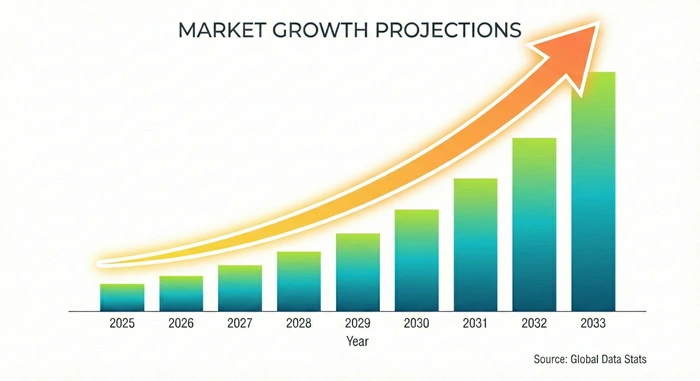
The polystyrene market outlook remains robustly positive through 2033, supported by diversified application demand, technological innovation in recycling processes, and expanding geographic penetration. Industry initiatives focused on circular economy principles are transforming polystyrene from perceived environmental challenge into recyclable material with demonstrated recovery pathways. The Polystyrene Recycling Alliance roadmap indicates that 32% of the U.S. population currently has access to polystyrene recycling, with industry investments expected to achieve widely recyclable status for multiple product formats by 2030. These sustainability advancements address regulatory pressures and corporate procurement preferences, positioning polystyrene favorably against alternative materials in eco-conscious market segments.
Regional dynamics indicate that Asia Pacific will maintain market leadership while North America demonstrates accelerated growth driven by construction renovation, packaging innovation, and advanced recycling infrastructure development. The packaging segment will continue dominating revenue generation, though construction applications are projected to exhibit fastest growth rates as energy codes tighten globally. Specialty polystyrene grades targeting medical devices, high-performance electronics, and automotive applications represent emerging opportunities for manufacturers pursuing value-added product differentiation. Companies investing in sustainable formulations, recycled content integration, and advanced processing technologies are positioned to capture premium market segments as specifications increasingly prioritize environmental credentials alongside technical performance. The convergence of favorable demographic trends, regulatory support for recycling, and technological advancement suggests sustained expansion potential through the forecast period.
Expert Speaks
-
Leading polymer industry executives emphasize that polystyrene remains an essential material providing numerous life-enhancing benefits with a favorable carbon footprint compared to alternative materials, while strategic investments in recycling infrastructure and circular economy partnerships will ensure sustainable growth trajectories.
-
Construction material specialists highlight that expanded polystyrene's proven thermal insulation performance combined with cost-effectiveness makes it indispensable for meeting stringent energy efficiency standards in building codes worldwide, particularly as governments intensify climate action commitments and renovation programs.
-
Packaging industry leaders note that the e-commerce boom combined with food safety requirements creates unprecedented opportunities for polystyrene protective packaging solutions, provided manufacturers address sustainability concerns through recycling access expansion and bio-based material development.
Key Report Takeaways
-
Asia Pacific leads the polystyrene market with approximately 52% global market share in 2026, driven by robust manufacturing activity in China, India, and Southeast Asian nations supporting packaging, construction, and electronics industries experiencing rapid expansion.
-
North America demonstrates the fastest regional growth rate, fueled by infrastructure renovation projects, expanding polystyrene recycling programs, and strong demand from food service packaging and construction insulation applications meeting energy efficiency mandates.
-
High Impact Polystyrene (HIPS) dominates the product type segment with approximately 47% market share due to superior impact resistance characteristics and established processing standards for packaging and consumer product applications across manufacturing sectors.
-
Packaging applications contribute the largest revenue share, as food service containers, protective packaging for electronics, and e-commerce shipping materials leverage polystyrene's lightweight properties, thermal insulation, and cost-effectiveness advantages.
-
Expanded Polystyrene (EPS) represents the most popular construction material, valued for exceptional thermal insulation properties and affordability in wall insulation, roof panels, and foundation applications meeting building energy codes globally.
-
Construction applications will experience the fastest segment growth with projected CAGR exceeding 7.1% through 2033, driven by urbanization trends, energy efficiency regulations, and infrastructure development across emerging markets requiring insulation solutions.
Market Scope
| Report Coverage | Details |
|---|---|
| Market Size by 2033 | USD 44.70 Billion |
| Market Size by 2025 | USD 29.70 Billion |
| Market Size by 2026 | USD 31.27 Billion |
| Market Growth Rate from 2026 to 2033 | CAGR of 5.30% |
| Dominating Region | Asia Pacific |
| Fastest Growing Region | North America |
| Base Year | 2025 |
| Forecast Period | 2026 - 2033 |
| Segments Covered | Type, Application, End User, Region |
| Regions Covered | North America, Europe, Asia Pacific, Latin America, Middle East & Africa |
Market Dynamics
Drivers Impact Analysis
Accelerating E-Commerce Growth and Construction Activity Propel Sustained Demand
| Metric | Details |
|---|---|
| ≈ Impact on CAGR Forecast | +2.0% to +2.5% |
| Geographic Relevance | Global, particularly Asia Pacific and North America |
| Impact Timeline | 2026 - 2033 |
The explosive growth of e-commerce and online retail platforms represents the most significant driver propelling the polystyrene market forward, as protective packaging demand surges to prevent product damage during shipping and last-mile delivery. The lightweight nature and superior shock-absorbing properties of polystyrene foam make it ideal for protecting fragile electronics, appliances, and consumer goods during transportation, while simultaneously reducing shipping costs through weight minimization. Global e-commerce sales continue expanding at double-digit rates, creating sustained demand for packaging materials that balance protection performance with economic viability. The polystyrene market benefits directly from this momentum as retailers and logistics providers prioritize cost-effective solutions that reduce damage rates and customer returns.
Construction sector expansion across emerging economies and renovation activity in developed markets provide another powerful demand driver for polystyrene applications. Energy efficiency mandates and building codes worldwide increasingly require enhanced thermal insulation in residential, commercial, and industrial structures to reduce heating and cooling costs. Expanded polystyrene delivers proven insulation performance at competitive pricing compared to alternative materials, securing specifications in wall systems, roof assemblies, and foundation applications. Urbanization trends driving new construction combined with aging building stock requiring energy efficiency upgrades create dual demand streams that will sustain polystyrene market growth throughout the forecast period. Government infrastructure investments and smart city initiatives further amplify construction material consumption, particularly in Asia Pacific and Middle East regions experiencing rapid urban development.
Restraints Impact Analysis
Environmental Concerns and Regulatory Pressures Challenge Traditional Applications
| Metric | Details |
|---|---|
| ≈ Impact on CAGR Forecast | -1.0% to -1.5% |
| Geographic Relevance | Europe, North America, developed Asia Pacific markets |
| Impact Timeline | 2026 - 2030 |
Environmental concerns regarding polystyrene disposal and ocean plastic pollution pose significant challenges for the polystyrene market, as public awareness campaigns and advocacy groups highlight recycling difficulties and biodegradability limitations. Expanded polystyrene's bulky, lightweight characteristics create logistical hurdles for collection and transportation to recycling facilities, historically resulting in low recovery rates and negative environmental perceptions. Single-use polystyrene bans implemented in numerous municipalities and regions restrict traditional applications in food service containers and disposable packaging, forcing manufacturers to develop alternative solutions or lose market access. These regulatory restrictions disproportionately impact the polystyrene market in environmentally conscious developed markets where sustainability credentials influence procurement decisions.
Raw material price volatility represents another restraint, as polystyrene production depends on petroleum-based feedstocks subject to crude oil and natural gas market fluctuations. Styrene monomer pricing variability impacts profit margins and creates uncertainty in long-term supply contracts, particularly when energy costs spike unexpectedly. Competition from alternative materials including bio-based polymers, recycled plastics, and sustainable packaging solutions challenges polystyrene in applications where environmental performance carries decision-making weight. The polystyrene market faces pressure to demonstrate circular economy compatibility through improved recycling infrastructure, take-back programs, and sustainable disposal pathways. Manufacturers investing in recycling technology, bio-based feedstock development, and closed-loop systems can mitigate these restraints, though transition timelines and capital requirements vary significantly across regional markets.
Opportunities Impact Analysis
Recycling Innovation and Specialty Applications Create Growth Pathways
| Metric | Details |
|---|---|
| ≈ Impact on CAGR Forecast | +1.5% to +2.0% |
| Geographic Relevance | North America, Europe, developed Asia Pacific markets |
| Impact Timeline | 2027 - 2033 |
Advanced recycling technologies and circular economy initiatives present transformative opportunities for the polystyrene market by addressing environmental concerns while maintaining material performance advantages. Expanded polystyrene is 100% recyclable when clean and free of contaminants, with compression and melting processes transforming waste material into polystyrene pellets suitable for manufacturing new products including building insulation. Industry-supported programs like StyroCycle and the Polystyrene Recycling Alliance are expanding collection infrastructure and developing markets for recycled content, with targets to achieve widely recyclable status by 2030. The polystyrene market participants who successfully commercialize products incorporating recycled content can access premium pricing segments, qualify for green building certifications, and meet procurement specifications prioritizing sustainability.
Specialty polystyrene grades targeting medical devices, high-performance electronics, and automotive lightweighting applications offer additional growth opportunities beyond traditional commodity markets. Medical and healthcare sectors require polystyrene for diagnostic equipment, laboratory trays, and pharmaceutical packaging where material purity, dimensional stability, and sterilization compatibility prove essential. The automotive industry's focus on vehicle weight reduction to improve fuel efficiency creates demand for polystyrene interior components and structural applications where impact resistance and moldability deliver functional benefits. Electronics manufacturers specify specialty polystyrene for advanced applications requiring precise electrical properties, thermal stability, and flame retardancy. These high-value niches allow polystyrene market participants to reduce dependence on cyclical commodity pricing while building expertise in technically demanding applications that command premium margins. Strategic partnerships with end-users, investment in application development, and early-mover advantages in emerging segments position manufacturers favorably as specialty markets expand.
Segment Analysis
By Type: High Impact Polystyrene (HIPS)
Market-Leading Product Variant Driven by Superior Toughness and Processing Versatility
High Impact Polystyrene commands the largest share of the polystyrene market, accounting for approximately 47% of global revenue in 2026, propelled by superior impact resistance characteristics, established processing standards, and essential functionality in diverse packaging and consumer product applications. HIPS materials incorporate rubber modifiers that enhance toughness compared to general purpose polystyrene, enabling applications requiring durability such as appliance housings, food containers, toys, and electronics casings where drop resistance and structural integrity prove critical. The segment benefits from decades of manufacturing optimization, extensive processor familiarity, and broad material availability that facilitate specification across automotive, electronics, and consumer goods industries. Major producers including BASF SE, Dow Inc., INEOS Styrolution, and TotalEnergies dominate this segment through comprehensive product portfolios spanning standard and specialty grades optimized for injection molding, thermoforming, and extrusion processes.
The HIPS segment demonstrates robust growth potential through 2033, supported by expanding electronics manufacturing, appliance production, and packaging applications where impact resistance delivers functional value. Asia Pacific leads HIPS consumption driven by massive consumer electronics and appliance manufacturing ecosystems in China, South Korea, and Southeast Asian nations supplying global markets. Innovation in HIPS formulations includes development of recycled content grades, flame-retardant variants for electronics applications, and bio-based rubber modifiers that address sustainability requirements without compromising performance. North American and European markets show particular strength in specialty HIPS applications for medical devices and high-performance electronics where material purity and consistent properties justify premium pricing. The segment's projected CAGR of approximately 5.9% through 2035 reflects sustained demand from established applications complemented by emerging opportunities in automotive interior components and sustainable packaging solutions requiring impact resistance.
By Application: Packaging
Dominant Revenue Generator Supported by Food Service and Protective Packaging Demand
Packaging applications dominate the polystyrene market, representing the largest revenue-generating segment due to widespread adoption in food service containers, protective packaging for electronics and appliances, and disposable consumer products leveraging material cost-effectiveness. The food service industry relies extensively on polystyrene for cups, plates, containers, and takeout packaging where thermal insulation properties maintain food temperature while lightweight characteristics reduce handling and shipping costs. Consumer electronics manufacturers specify polystyrene foam for protective packaging that cushions smartphones, televisions, computers, and appliances during distribution, preventing damage that would generate returns and warranty claims. The polystyrene market benefits from packaging's fundamental role in modern commerce, as virtually all manufactured goods require protective materials during storage and transportation.
This application segment exhibits strong growth momentum through the forecast period, driven by e-commerce expansion, rising demand for convenient food packaging, and electronics manufacturing growth across Asia Pacific markets. Polystyrene packaging delivers superior cost-performance ratios compared to alternative materials, particularly in applications where thermal insulation, moisture resistance, and shock absorption prove essential. Leading packaging converters and brand owners including Sealed Air Corporation partner with polystyrene producers to develop innovative solutions addressing sustainability concerns while maintaining protective performance. North American markets show increasing adoption of polystyrene recycling programs for food service and protective packaging, addressing environmental concerns that previously challenged market acceptance. European packaging regulations increasingly focus on recyclability and recycled content, creating opportunities for polystyrene market participants investing in closed-loop systems and collection infrastructure. The segment's projected growth rate of approximately 5.0% through 2033 reflects stable demand from established food service applications combined with expanding opportunities in e-commerce protective packaging and pharmaceutical cold chain logistics.
Regional Insights
Asia Pacific
Manufacturing Powerhouse Maintains Global Leadership Through Industrial Concentration
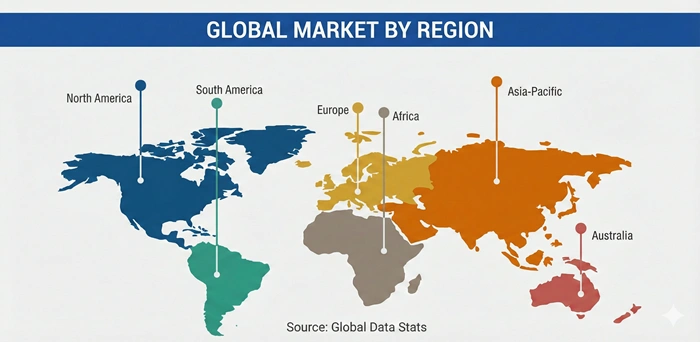
Asia Pacific dominates the global polystyrene market with approximately 52% revenue share in 2026, sustained by concentrated manufacturing ecosystems serving packaging, electronics, appliances, and construction industries across China, India, South Korea, Japan, and Southeast Asian nations. The region's commanding position stems from massive production capacity supporting domestic consumption and export markets, with Chinese manufacturers alone accounting for substantial global polystyrene output serving diverse application sectors. Rapid urbanization drives construction demand for insulation materials, while expanding middle-class populations increase consumption of packaged foods, electronics, and consumer goods specifying polystyrene components. The polystyrene market in Asia Pacific benefits from favorable demographics including population growth, rising disposable incomes, and infrastructure development priorities that sustain material consumption across multiple end-use categories.
Manufacturing concentration in Asia Pacific has created robust supply chains connecting polystyrene producers with converters, brand owners, and end-users across packaging, electronics, and appliances industries. Leading regional players include LG Chem (South Korea), Chi Mei Corporation (Taiwan), Supreme Petrochem Ltd. (India), and numerous Chinese manufacturers competing alongside multinational corporations including BASF SE, Dow Inc., and TotalEnergies maintaining significant regional production and distribution presence. Construction sector growth across India, Indonesia, Vietnam, and other developing economies creates sustained demand for expanded polystyrene insulation as building codes incorporate energy efficiency requirements. The region's polystyrene market also benefits from electronics manufacturing concentration, with major production hubs in China, South Korea, and Taiwan supplying global technology brands requiring packaging and component materials. Regional market share maintains stability near 52% through 2033 with projected CAGR of approximately 4.8%, reflecting mature applications balanced by emerging opportunities in specialty grades and sustainable formulations.
North America
Advanced Recycling Infrastructure and Construction Renovation Drive Accelerated Growth
North America demonstrates the fastest regional growth rate in the global polystyrene market, propelled by infrastructure renovation initiatives, expanding recycling programs addressing environmental concerns, and robust demand from food service packaging and construction insulation applications. The region's growth acceleration reflects substantial industry investment in recycling infrastructure and circular economy initiatives, with the Polystyrene Recycling Alliance establishing roadmaps to achieve widely recyclable status for multiple product formats by 2030. Government incentives and corporate sustainability commitments favor materials demonstrating verified recycling pathways, positioning polystyrene favorably as collection access expands from current 32% population coverage toward broader availability. The polystyrene market in North America benefits from sophisticated end-user communities familiar with material advantages and regulatory environments increasingly supporting recycling over outright bans.
Market leadership in North America includes prominent domestic and international manufacturers maintaining significant regional operations, including Dow Inc. (United States) with 12.8% market share, BASF SE (United States operations), TotalEnergies SE, Americas Styrenics LLC, and Nova Chemicals Corporation serving packaging, construction, and industrial customers. These companies invest heavily in recycling technology, sustainable formulations, and application development targeting construction insulation, food service packaging, and specialty applications in medical devices and high-performance electronics. Regional market share for North America approximates 22% in 2026 with projected CAGR exceeding 6.5% through 2033, driven by combination of renovation demand for insulation materials and new construction in population growth corridors. Food service packaging represents particular strength in North America, where convenience-focused consumer preferences sustain demand for disposable containers despite environmental scrutiny. The region's emphasis on circular economy principles and recycling infrastructure development positions North American polystyrene markets to address sustainability concerns while maintaining application diversity across packaging, construction, and industrial segments.
Top Key Players
-
BASF SE (Germany)
-
Dow Inc. (United States)
-
INEOS Styrolution (Germany)
-
TotalEnergies SE (France)
-
SABIC (Saudi Arabia)
-
LG Chem (South Korea)
-
Chevron Phillips Chemical Company (United States)
-
Synthos S.A. (Poland)
-
Versalis S.p.A. (Italy)
-
Formosa Chemicals & Fibre Corp. (Taiwan)
-
Trinseo (United States)
-
Nova Chemicals Corporation (Canada)
-
Chi Mei Corporation (Taiwan)
-
Supreme Petrochem Ltd. (India)
-
Americas Styrenics LLC (United States)
-
Alpek S.A.B. de C.V. (Mexico)
-
JSP Corporation (Japan)
-
Sealed Air Corporation (United States)
Recent Developments
-
LyondellBasell Industries (United States) - 2024: Completed acquisition of A. Schulman, a global supplier of high-performance plastic compounds and materials, significantly expanding the company's capabilities in the expanded polystyrene market and enabling comprehensive product portfolio offerings to customers across packaging, construction, and industrial applications.
-
Polystyrene Recycling Alliance (United States) - 2025: Launched comprehensive initiative in partnership with Resource Recycling Systems to expand polystyrene recycling access across North America, establishing roadmap targeting widely recyclable status for multiple product formats by 2030 through strategic investments in infrastructure and education programs.
-
BASF SE (Germany) - 2024: Expanded polystyrene production capacity in Asia Pacific region through manufacturing facility upgrades and technology investments, introducing advanced formulations incorporating recycled content to meet growing demand for sustainable materials in packaging and construction applications across emerging markets.
-
Dow Inc. (United States) - 2025: Introduced next-generation expanded polystyrene insulation products featuring enhanced thermal performance and recycled material content, targeting North American construction market seeking energy-efficient building materials that align with green building certification requirements and corporate sustainability commitments.
-
INEOS Styrolution (Germany) - 2024: Announced strategic partnership with recycling technology providers to develop closed-loop systems for post-consumer polystyrene recovery, implementing collection programs across Europe and establishing processing capabilities to produce high-quality recycled polystyrene for packaging and durable goods applications.
Market Trends
Circular Economy Integration and Sustainable Formulations Reshape Industry Standards
The polystyrene market is experiencing fundamental transformation driven by circular economy principles and sustainability requirements that reshape product development, business models, and competitive positioning strategies. Industry participants increasingly invest in recycling infrastructure, collection programs, and closed-loop systems that demonstrate polystyrene's 100% recyclability when properly managed. The Polystyrene Recycling Alliance represents collaborative industry response to environmental concerns, establishing comprehensive roadmaps, investment funds, and educational initiatives to expand recycling access from current 32% population coverage toward widely recyclable status by 2030. Leading manufacturers develop products incorporating recycled content, pursue bio-based feedstock alternatives, and implement take-back programs that address end-of-life management concerns while maintaining performance characteristics. This trend accelerates in European and North American markets where regulatory frameworks, corporate procurement policies, and consumer preferences create tangible commercial advantages for environmentally responsible product lines.
Digitalization and smart manufacturing technologies represent another transformative trend, with artificial intelligence optimizing production processes, energy consumption, and quality control mechanisms across polystyrene manufacturing operations. AI-driven systems manage resin drying, adjust processing parameters in real-time, and predict maintenance requirements that reduce downtime while improving product consistency. The integration of IoT sensors, big data analytics, and machine learning algorithms enables manufacturers to optimize resource utilization, minimize waste generation, and respond rapidly to market demand fluctuations. Polystyrene market participants pursuing innovation in specialty grades for medical devices, high-performance electronics, and automotive applications position themselves advantageously as end-use industries demand materials with enhanced properties including flame retardancy, chemical resistance, and dimensional stability. The convergence of sustainability imperatives and digital transformation creates opportunities for differentiation beyond commodity pricing, rewarding companies that successfully navigate evolving customer requirements and regulatory landscapes.
Segments Covered in the Report
By Type
-
General Purpose Polystyrene (GPPS)
-
High Impact Polystyrene (HIPS)
-
Expanded Polystyrene (EPS)
-
Extruded Polystyrene (XPS)
-
Specialty Grades
-
Syndiotactic Polystyrene
-
Flame-Retardant Polystyrene
-
Bio-Based Polystyrene
-
By Application
-
Packaging
-
Food Service Packaging
-
Protective Packaging
-
Consumer Goods Packaging
-
-
Construction
-
Insulation Materials
-
Building Panels
-
HVAC Systems
-
-
Electronics
-
Housings and Casings
-
Component Parts
-
-
Appliances
-
Refrigerators
-
Small Appliances
-
-
Automotive
-
Interior Components
-
Lightweight Structural Parts
-
-
Medical & Healthcare
-
Diagnostic Equipment
-
Laboratory Trays
-
Pharmaceutical Packaging
-
-
Others
-
Agricultural Applications
-
Toys and Recreational Products
-
By End User
-
Packaging Converters & Brand Owners
-
Construction & Infrastructure Companies
-
Electronics Manufacturers
-
Appliances & White Goods Producers
-
Automotive OEMs & Tier-1 Suppliers
-
Healthcare Providers & Medical Device Firms
-
Consumer Goods Manufacturers
By Region
-
North America
-
United States
-
Canada
-
Mexico
-
-
Europe
-
Germany
-
France
-
United Kingdom
-
Italy
-
Spain
-
Poland
-
Rest of Europe
-
-
Asia Pacific
-
China
-
India
-
Japan
-
South Korea
-
Taiwan
-
Indonesia
-
Thailand
-
Malaysia
-
Australia
-
Rest of Asia Pacific
-
-
Latin America
-
Brazil
-
Argentina
-
Colombia
-
Rest of Latin America
-
-
Middle East & Africa
-
Saudi Arabia
-
UAE
-
Turkey
-
South Africa
-
Rest of Middle East & Africa
-
Frequently Asked Questions
Question 1: What is the projected polystyrene market size by 2033?
Answer: The global polystyrene market is projected to reach USD 44.70 billion by 2033, growing from USD 31.27 billion in 2026. This expansion reflects sustained demand from packaging, construction, and electronics applications worldwide.
Question 2: Which region dominates the polystyrene market currently?
Answer: Asia Pacific dominates the polystyrene market with approximately 52% global share in 2026, driven by concentrated manufacturing in China, India, and Southeast Asia. The region benefits from strong packaging, electronics, and construction demand.
Question 3: What are the primary drivers of polystyrene market growth?
Answer: E-commerce expansion requiring protective packaging and construction growth demanding thermal insulation constitute primary polystyrene market growth drivers. Rising disposable incomes and electronics manufacturing further fuel sustained demand globally.
Question 4: Which product type leads the polystyrene market?
Answer: High Impact Polystyrene (HIPS) leads the polystyrene market with approximately 47% share due to superior impact resistance and processing versatility. Its applications span packaging, electronics, appliances, and consumer goods manufacturing.
Question 5: How is recycling impacting the polystyrene market?
Answer: Advanced recycling initiatives are transforming the polystyrene market by demonstrating 100% recyclability and expanding collection infrastructure toward widely recyclable status by 2030. Industry investments in circular economy programs address environmental concerns while maintaining market growth.