
Pneumoconiosis Market Overview
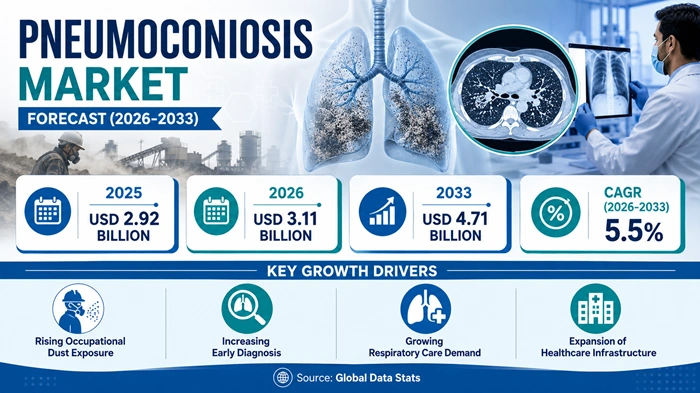
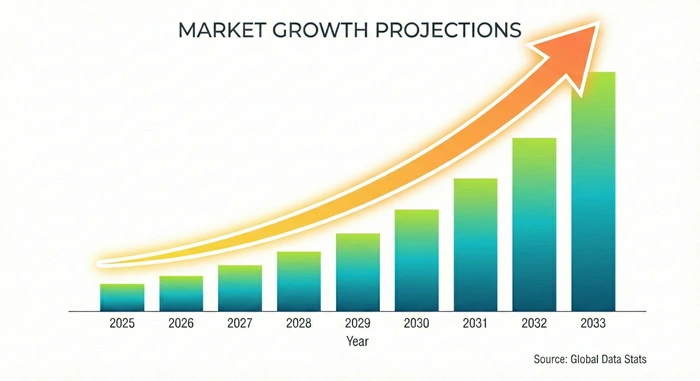
The global pneumoconiosis market size is valued at USD 2.92 billion in 2025 and is predicted to increase from USD 3.11 billion in 2026 to approximately USD 4.71 billion by 2033, growing at a CAGR of 5.5% from 2026 to 2033.
Pneumoconiosis is a group of occupational lung diseases caused by prolonged inhalation of hazardous dust particles, including coal dust, silica, asbestos, and other industrial airborne particles. These diseases, which include silicosis, coal workers' pneumoconiosis, and asbestosis, cause progressive and irreversible lung damage, making early diagnosis and disease management critically important. Growing occupational health awareness, rising diagnostic capabilities, and expanding therapeutic pipelines are driving consistent growth in the global market.
AI Impact on the Pneumoconiosis Industry
Artificial Intelligence Is Transforming the Detection, Diagnosis, and Long-Term Management of Pneumoconiosis, Offering New Hope for Earlier Intervention and Better Clinical Outcomes
Artificial intelligence is beginning to fundamentally change how pneumoconiosis is identified and managed across global healthcare systems. AI-powered chest imaging analysis tools can now detect the characteristic nodular shadows and fibrotic patterns associated with various forms of occupational lung disease far more accurately than conventional radiograph review. These systems have demonstrated the ability to flag early-stage pneumoconiosis cases that might otherwise go undetected during routine workplace health screenings, enabling physicians to intervene at a stage when disease progression can still be meaningfully slowed.
Beyond diagnostics, AI is also supporting the development of novel therapeutic approaches for dust-related lung disease. Machine learning platforms are being applied to identify candidate molecules with anti-fibrotic and anti-inflammatory properties that could be effective in managing the lung tissue damage caused by mineral dust exposure. Additionally, wearable AI-enabled air quality sensors are emerging as an important preventive tool in mining, construction, and manufacturing environments, giving workers and safety managers real-time data on airborne dust concentrations to reduce exposure before disease develops.
Growth Factors
Rising Global Mining Activity, Expanding Industrial Workforce in Developing Nations, and Improved Access to Diagnostic Tools Are the Primary Forces Driving Consistent Growth in the Pneumoconiosis Treatment Landscape
The most significant driver of the pneumoconiosis market is the sustained growth of occupational industries that expose workers to fine inhalable dust. Mining — particularly coal and silica mining — remains a major contributor to new pneumoconiosis cases, especially in Asia Pacific, South America, and parts of Africa where regulatory oversight of workplace dust exposure is still developing. As global energy demand continues to fuel coal extraction activity, the incidence of coal workers' pneumoconiosis remains high, sustaining demand for diagnostic tools, respiratory therapies, and pulmonary rehabilitation services.
Growing investment in healthcare infrastructure across emerging economies is also boosting the pneumoconiosis market. Improved access to high-resolution CT scanning, digital chest X-ray systems, and lung function testing equipment means that previously undiagnosed cases are now being identified and treated. Governments in countries like China and India, which carry the largest occupational lung disease burdens globally, are increasingly enforcing occupational health regulations and funding worker screening programs, which is translating into expanded demand for diagnostic and treatment services.
Market Outlook
The Pneumoconiosis Market Is Entering a Phase of Sustained Expansion Driven by Regulatory Tightening, Therapeutic Pipeline Growth, and Rising Occupational Health Standards Across Key Industrial Economies
The outlook for the pneumoconiosis market through 2033 is defined by a gradual but clear shift from purely symptomatic management toward more targeted therapeutic interventions. Novel drug candidates, including oral small molecule anti-fibrotic agents, are progressing through clinical development, and some have already shown promise in early-stage trials specifically involving dust-induced pulmonary fibrosis. As these therapies move toward approval, they have the potential to reshape treatment protocols and significantly expand the revenue potential of the pharmaceutical segment within the overall market.
Regulatory momentum is also building in favor of market growth. Stricter occupational health and safety standards in North America, the European Union, and increasingly in Asia Pacific are mandating more frequent and comprehensive lung health monitoring for workers in high-risk industries. These regulations are directly driving demand for diagnostic services, pulmonary rehabilitation programs, and long-term disease management solutions. Taken together, the combination of a large unmet clinical need, an improving regulatory environment, and a growing therapeutic pipeline positions the pneumoconiosis market for meaningful and sustained growth through the end of the forecast period.
Expert Speaks
-
"Occupational lung diseases like pneumoconiosis represent one of the most significant preventable health burdens in the global workforce today. We are committed to accelerating the development of respiratory therapies that address the unmet clinical needs of these patients, many of whom have had very limited treatment options for decades." — CEO, GlaxoSmithKline (GSK)
-
"Our investment in AI-driven diagnostic platforms and advanced imaging analysis reflects our belief that early detection is the most powerful weapon against progressive occupational lung disease. Identifying pneumoconiosis at an earlier stage changes the entire trajectory of patient outcomes." — CEO, Pfizer Inc.
-
"The intersection of biologics innovation and occupational pulmonology is creating genuinely exciting new opportunities. Targeted anti-fibrotic therapies that can slow or halt the progression of dust-induced lung disease could represent a significant step forward for millions of affected workers worldwide." — CEO, AstraZeneca
Key Report Takeaways
-
North America leads the pneumoconiosis market with approximately 38% global market share in 2025, driven by a well-established occupational health regulatory framework, widespread access to advanced diagnostic imaging, and a mature pharmaceutical market with active clinical trials targeting dust-related lung diseases
-
Asia Pacific is the fastest-growing region, projected to expand at a CAGR of approximately 7.2% from 2026 to 2033, underpinned by the largest global burden of occupational lung disease in countries like China, India, and Indonesia, combined with rapidly expanding healthcare infrastructure and tightening regulatory standards
-
Hospitals are the dominant end-user segment in the pneumoconiosis market, accounting for over 52% of total revenue share in 2025, as complex diagnostic workups, pulmonary function testing, and long-term disease management require the multidisciplinary resources available in hospital settings
-
Silicosis accounts for the largest disease type share, representing approximately 34% of total market revenue, reflecting the widespread prevalence of silica dust exposure across the global mining, construction, and ceramics manufacturing industries
-
Medication-based therapy is the most widely used treatment approach, holding approximately 48% of the treatment type segment, with bronchodilators, corticosteroids, and anti-fibrotic agents forming the core of symptomatic management for pneumoconiosis patients globally
-
Pulmonary rehabilitation is the fastest-growing treatment segment in the pneumoconiosis market, projected to expand at a CAGR of approximately 7.8% from 2026 to 2033 and capture close to 22% market share by 2033 as healthcare providers increasingly recognize structured rehabilitation as essential for improving quality of life and functional capacity in affected patients
Market Scope
| Report Coverage | Details |
|---|---|
| Market Size by 2033 | USD 4.71 Billion |
| Market Size by 2025 | USD 2.92 Billion |
| Market Size by 2026 | USD 3.11 Billion |
| Market Growth Rate (2026–2033) | CAGR of 5.5% |
| Dominating Region | North America |
| Fastest Growing Region | Asia Pacific |
| Base Year | 2025 |
| Forecast Period | 2026 – 2033 |
| Segments Covered | Disease Type, Treatment Type, Route of Administration, Diagnostic Method, End User |
| Regions Covered | North America, Europe, Asia Pacific, Latin America, Middle East & Africa |
Market Dynamics
Drivers Impact Analysis
Growing Occupational Disease Burden, Strengthening Workplace Safety Regulations, and Expanding Diagnostic Access Are the Three Most Powerful Forces Fueling the Pneumoconiosis Market
| Driver | ≈ % Impact on CAGR Forecast | Geographic Relevance | Impact Timeline |
|---|---|---|---|
| High global incidence of occupational dust exposure in mining and construction | ~36% | Asia Pacific, Latin America, MEA | Short to Medium Term |
| Strengthening occupational health and safety regulations | ~28% | North America, Europe, Asia Pacific | Medium to Long Term |
| Expanding access to advanced diagnostic technologies (CT, digital X-ray) | ~22% | Asia Pacific, Latin America | Medium Term |
| Growing clinical pipeline for anti-fibrotic and targeted lung therapies | ~14% | North America, Europe | Long Term |
The pneumoconiosis market is driven first and foremost by the persistent and widespread nature of occupational dust exposure across global industrial sectors. Millions of workers in coal mines, silica quarries, construction sites, and ceramic factories continue to face daily exposure to respirable dusts that cause irreversible lung scarring. In countries where regulatory enforcement remains weak or where occupational health screening is infrequent, the reservoir of undiagnosed and untreated pneumoconiosis cases is large and continues to grow, creating sustained demand for both diagnostic and therapeutic services.
Government action on occupational health is increasingly translating into measurable market growth. Regulatory mandates requiring regular chest X-ray screening and lung function testing for workers in high-risk industries are generating consistent demand for diagnostic services. In the United States, enhanced enforcement by NIOSH and OSHA of silica exposure limits has significantly raised awareness and screening participation rates, while in China, government-funded screening campaigns targeting coal miners are identifying new cases at scale. These regulatory and policy drivers create a durable and expanding demand base for the pneumoconiosis market across the forecast period.
Restraints Impact Analysis
The Irreversible Nature of Disease Progression, Limited Curative Therapeutics, and Underdiagnosis in Low-Income Regions Represent Significant Structural Barriers to Faster Market Growth
| Restraint | ≈ % Impact on CAGR Forecast | Geographic Relevance | Impact Timeline |
|---|---|---|---|
| Absence of curative treatments — management focused on symptom control only | ~40% | Global | Short to Long Term |
| Significant underdiagnosis in low- and middle-income countries | ~28% | Sub-Saharan Africa, South Asia, Latin America | Medium Term |
| High cost of advanced diagnostics and long-term care in developing economies | ~20% | MEA, parts of Asia Pacific, Latin America | Short to Medium Term |
| Low awareness among workers and employers in unregulated industries | ~12% | MEA, Rural Asia Pacific | Long Term |
One of the most significant restraints on the pneumoconiosis market is the fundamental lack of curative treatments for any form of this disease. Pneumoconiosis causes permanent, irreversible lung fibrosis, and current standard-of-care therapies focus entirely on managing symptoms, slowing progression, and preventing complications rather than reversing the underlying lung damage. This therapeutic ceiling limits the commercial opportunity in the pharmaceutical segment and means that market growth is more heavily dependent on diagnostic and supportive care services rather than high-value drug therapy.
Underdiagnosis remains a profound structural challenge, particularly in regions where occupational health infrastructure is underdeveloped. In parts of Sub-Saharan Africa, South Asia, and rural Latin America, many workers with significant dust exposure never receive a formal lung disease diagnosis, either because healthcare facilities with appropriate diagnostic equipment are not accessible or because awareness of occupational lung disease risks is very low. This large pool of undiagnosed patients represents a significant unmet need but also a constraint on near-term revenue generation, as these patients do not enter the formal healthcare system and therefore do not contribute to market revenues.
Opportunities Impact Analysis
Novel Drug Development, Digital Diagnostic Innovation, and Preventive Health Programs in High-Burden Industrial Economies Offer High-Potential Growth Opportunities for Pneumoconiosis Market Stakeholders
| Opportunity | ≈ % Impact on CAGR Forecast | Geographic Relevance | Impact Timeline |
|---|---|---|---|
| Development of targeted anti-fibrotic therapies for occupational lung disease | ~38% | North America, Europe, Asia Pacific | Long Term |
| Expansion of AI-powered and portable diagnostic tools for field screening | ~28% | Asia Pacific, Latin America, MEA | Medium Term |
| Government-funded mass screening and treatment programs for high-risk workers | ~22% | China, India, South America | Short to Medium Term |
| Growing investment in occupational health by large mining and industrial corporations | ~12% | Global | Short to Long Term |
The most transformative opportunity for the pneumoconiosis market lies in the development of new therapeutic agents that can meaningfully slow or potentially halt the fibrotic progression of dust-induced lung disease. Anti-fibrotic compounds, including those originally developed for idiopathic pulmonary fibrosis such as pirfenidone and nintedanib, are being evaluated for their applicability in pneumoconiosis-related fibrosis with growing interest from the research community. A successful indication expansion or a purpose-built novel agent for pneumoconiosis could open a substantial new pharmaceutical revenue stream that currently does not exist in the market.
Portable diagnostic technology is also opening important new channels for market expansion in low-access environments. Battery-powered digital chest X-ray units and AI-assisted lung image analysis platforms are being deployed in field settings — including mine sites, construction camps, and rural clinics — where traditional hospital-based diagnostics are not accessible. As these technologies become more affordable and their accuracy continues to improve, they have the potential to bring millions of previously unscreened at-risk workers into formal disease management pathways, significantly expanding the addressable market across emerging economies.
Segment Analysis
By Disease Type
Silicosis Commands the Largest Share of the Disease Type Segment While Coal Workers' Pneumoconiosis Represents the Fastest-Growing Sub-Category Amid Renewed Regulatory and Clinical Focus
Silicosis holds the largest share within the disease type segment of the pneumoconiosis market at approximately 34% in 2025, reflecting the enormous global prevalence of silica dust exposure across mining, stone cutting, glass manufacturing, and construction industries. The disease disproportionately affects workers in rapidly industrializing economies, and its high prevalence has made it a primary focus of occupational health programs worldwide. In North America and Europe, companies like Boehringer Ingelheim International GmbH (Germany) and AstraZeneca (UK) have been actively studying anti-fibrotic treatment options that could be relevant to silicosis management. The silicosis segment is expected to grow at a CAGR of approximately 5.2% from 2026 to 2033, with Asia Pacific — particularly India and China — accounting for the largest patient volumes and fastest-growing diagnostic demand.
Coal workers' pneumoconiosis (black lung disease) is the fastest-growing disease type sub-segment in the pneumoconiosis market, projected to expand at a CAGR of approximately 7.0% from 2026 to 2033. Despite decades of regulatory efforts to reduce coal dust exposure, rates of the disease have been rising in certain coal-mining regions, particularly in parts of Appalachia in the United States and in major coal-producing regions of China, where total dust burden has increased with modern mining methods. The renewed focus on black lung disease has prompted increased government funding for screening programs and clinical research, attracting pharmaceutical interest from players such as Pfizer Inc. (USA), Merck & Co., Inc. (USA), and Sino Biopharmaceutical Limited (China), which is actively developing TDI01, a novel oral drug specifically targeting Chinese pneumoconiosis patients.
By Treatment Type
Medication Remains the Foundation of Pneumoconiosis Management While Pulmonary Rehabilitation Emerges as the Fastest-Growing and Most Patient-Centric Treatment Category
Medication-based treatment holds the dominant position within the treatment type segment of the pneumoconiosis market, accounting for approximately 48% share in 2025. This segment encompasses bronchodilators, corticosteroids, antibiotics for secondary infections, and newer anti-fibrotic agents, all of which form the cornerstone of day-to-day clinical management for patients with occupational lung disease. While no medication can reverse the fibrotic lung damage caused by pneumoconiosis, pharmacological management significantly improves patient quality of life, reduces exacerbation frequency, and slows overall disease progression. North America accounts for the largest share of medication revenues, driven by a high standard of care and the availability of advanced respiratory pharmacotherapy. GlaxoSmithKline plc (UK), AstraZeneca (UK), and Teva Pharmaceutical Industries Ltd. (Israel) are key contributors in this segment through their broad respiratory drug portfolios.
Pulmonary rehabilitation is the fastest-growing treatment segment within the pneumoconiosis market, growing at a CAGR of approximately 7.8% through 2033 and expected to reach approximately 22% treatment share by the end of the forecast period. Structured pulmonary rehabilitation programs combine supervised physical exercise, breathing technique training, nutritional counseling, and psychological support, and clinical evidence consistently shows that these programs improve exercise capacity, reduce breathlessness, and significantly enhance quality of life in patients with occupational lung disease. Europe and North America lead in rehabilitation program adoption, with countries like Germany, the UK, and Australia investing in outpatient rehabilitation infrastructure. Asia Pacific is growing quickly in this segment as healthcare systems in China and India increasingly recognize the clinical and economic value of structured rehabilitation as a complement to pharmacological treatment. Abbott (USA), Eli Lilly and Company (USA), and Novartis AG (Switzerland) are among the pharmaceutical and healthcare companies engaged in holistic respiratory disease management programs that support this growing treatment category.
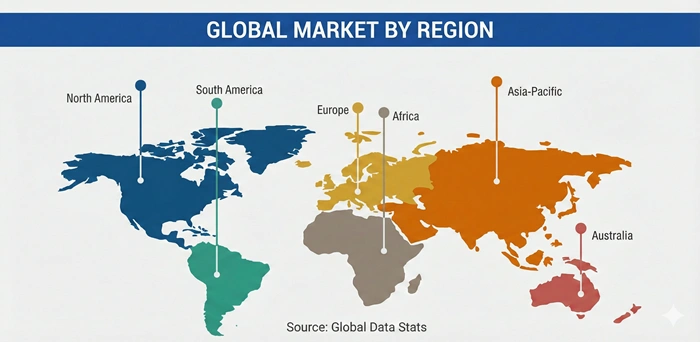
Regional Insights
North America's Institutional Strength and Asia Pacific's Burden-Driven Expansion Are Reshaping the Competitive Geography of the Global Pneumoconiosis Market
North America
North America Leads the Global Pneumoconiosis Market Through Its Strong Regulatory Infrastructure, High Diagnostic Adoption Rates, and Active Pharmaceutical R&D Pipeline for Occupational Lung Diseases
North America accounts for approximately 38% of the global pneumoconiosis market share in 2025 and is growing at a regional CAGR of approximately 4.8% from 2026 to 2033. The United States is the dominant country-level market, supported by strong enforcement of occupational safety standards by NIOSH and OSHA, a highly developed diagnostic imaging ecosystem, and significant investment in clinical research for occupational lung diseases. The renewed rise of black lung disease among coal miners in Appalachian regions has elevated pneumoconiosis to a public health priority, driving increased government funding for screening programs and renewed pharmaceutical interest. Leading players active in the North American market include Pfizer Inc. (USA), Merck & Co., Inc. (USA), Eli Lilly and Company (USA), and AstraZeneca (UK), all of which maintain strong commercial presence and active clinical research pipelines in the respiratory disease space.
Canada is a growing contributor to the North American pneumoconiosis market, with its mining and natural resources sector generating significant occupational dust exposure risk in certain provinces. Regulatory agencies in Canada have been tightening workplace air quality standards in line with international best practices, which is driving demand for occupational health screening services and disease management programs. The United States also remains the primary hub for clinical trials investigating novel therapeutic approaches to dust-related lung disease, which reinforces its role as the most commercially advanced and scientifically active market in the world for pneumoconiosis.
Asia Pacific
Asia Pacific Carries the Largest Global Burden of Occupational Lung Disease and Is the Fastest-Growing Regional Market for Pneumoconiosis Diagnosis and Treatment Solutions
Asia Pacific is the fastest-growing region in the pneumoconiosis market, expanding at a regional CAGR of approximately 7.2% from 2026 to 2033 and holding approximately 28% of global market share in 2025. China alone bears the largest single-country burden of pneumoconiosis in the world, with an estimated patient population in the hundreds of thousands actively receiving care and millions more at risk due to extensive coal mining, construction, and manufacturing activity. The Chinese government's ongoing investment in worker health screening campaigns and the development of domestic pharmaceutical solutions — notably Sino Biopharmaceutical Limited's (China) TDI01 drug candidate specifically for Chinese pneumoconiosis patients — is a direct reflection of the scale and urgency of the disease challenge in this market.
India represents another major growth center within Asia Pacific, where a large and growing industrial workforce employed in mining, quarrying, and construction faces elevated silica and coal dust exposure. Government initiatives under India's occupational health framework and expanding private healthcare coverage are gradually improving diagnosis and treatment rates. South Korea and Australia also contribute to regional demand, with their well-developed healthcare systems and established occupational safety programs generating consistent use of diagnostic and therapeutic services. Key international players including Boehringer Ingelheim International GmbH (Germany), Novartis AG (Switzerland), and Sanofi (France) are all actively expanding their commercial presence in the region through distribution partnerships and localized market strategies.
Customization Available by Region and Country
This Pneumoconiosis Market Report Is Fully Customizable to Deliver Country-Level and Region-Specific Market Intelligence Tailored to Your Organization's Exact Strategic and Commercial Needs
Our pneumoconiosis market report can be customized at the regional and country level, providing clients with targeted analysis, localized market sizing, patient burden assessments, regulatory environment reviews, competitor landscape analysis, and growth opportunity mapping for any specific geography. Whether your focus is a single country or a multi-region analysis, the report adapts precisely to your business priorities.
-
Customized regional and country-level pneumoconiosis market reports are available for all the following geographies:
North America
-
United States, Canada, Mexico — country-specific disease burden analysis, occupational health regulatory landscape, pharmaceutical pipeline activity, diagnostic adoption rates, and key player commercial strategies for each market
Europe
-
United Kingdom, Germany, France, Italy, Rest of Europe — region-specific analysis covering EU occupational safety regulations, healthcare reimbursement for pneumoconiosis management, leading pharmaceutical players, and country-level patient population estimates
Asia Pacific
-
China, India, Japan, South Korea, Australia, Rest of Asia Pacific — detailed country-level breakdowns covering occupational disease incidence, government health screening programs, local pharmaceutical players, hospital infrastructure, and sub-regional growth drivers
Latin America
-
Brazil, Argentina, Rest of Latin America — market sizing, occupational health regulatory updates, mining industry activity, and healthcare access analysis tailored to each key Latin American market
Middle East & Africa
-
UAE, Saudi Arabia, Rest of MEA — insights into industrial workforce health programs, government healthcare investment initiatives, diagnostic capacity expansion, and the addressable patient population for pneumoconiosis treatment across the MEA region
Top Key Players
-
Pfizer Inc. (United States)
-
GlaxoSmithKline plc (United Kingdom)
-
AstraZeneca plc (United Kingdom)
-
Boehringer Ingelheim International GmbH (Germany)
-
Novartis AG (Switzerland)
-
Merck & Co., Inc. (United States)
-
Teva Pharmaceutical Industries Ltd. (Israel)
-
Eli Lilly and Company (United States)
-
Sanofi S.A. (France)
-
Abbott Laboratories (United States)
-
Sino Biopharmaceutical Limited (China)
-
Sun Pharmaceutical Industries Ltd. (India)
Recent Developments
-
In February 2025, Merck & Co., Inc. completed its USD 10 billion acquisition of Verona Pharma, significantly strengthening its respiratory medicines portfolio and expanding its commercial presence in the treatment of occupational and chronic lung disease categories.
-
In 2025, GlaxoSmithKline (GSK) received FDA approval for Nucala (mepolizumab) as an add-on maintenance treatment for COPD with eosinophilic phenotype, a milestone that reflects growing biologic-based treatment momentum in the broader occupational and chronic respiratory disease landscape.
-
In 2025, Sino Biopharmaceutical Limited continued advancing clinical development of TDI01, a proprietary oral small molecule drug specifically designed to provide a novel therapeutic option for pneumoconiosis patients in China, targeting a patient population estimated at over 900,000 people.
-
In 2024, AstraZeneca received European Medicines Agency (EMA) approval for Dupixent (dupilumab) in COPD management, underscoring a broader biologic strategy in respiratory disease that encompasses research into dust-induced pulmonary conditions including occupational lung fibrosis.
-
In 2025, Boehringer Ingelheim International GmbH advanced its anti-fibrotic research program, evaluating the potential applicability of nintedanib — already approved for idiopathic pulmonary fibrosis — in managing progressive fibrosis associated with occupational dust exposures, representing a meaningful pipeline development for the pneumoconiosis treatment space.
Market Trends
AI-Driven Early Diagnosis and the Transition Toward Targeted Anti-Fibrotic Therapies Are the Two Most Defining Trends Transforming the Clinical and Commercial Trajectory of the Pneumoconiosis Market
The most significant trend reshaping the pneumoconiosis market is the integration of artificial intelligence and digital imaging into occupational health screening workflows. AI-powered chest CT and X-ray analysis platforms are dramatically improving the speed and accuracy of pneumoconiosis detection, enabling clinicians to identify early-stage disease in workers who would previously have gone undiagnosed for years. Mining companies and large industrial employers in Asia Pacific and North America are increasingly deploying portable digital screening units equipped with AI analysis software to conduct regular lung health monitoring at worksites, which is expanding the diagnosed patient population and creating downstream demand for treatment services.
A second major trend is the gradual pipeline maturation toward targeted treatment options that go beyond existing symptom management. Anti-fibrotic agents initially developed for idiopathic pulmonary fibrosis — including pirfenidone and nintedanib — are being assessed in clinical trials for their effectiveness against pneumoconiosis-related fibrosis. Simultaneously, entirely new molecules designed specifically for dust-induced lung disease are entering early-stage development, most notably in China and Japan where the disease burden is highest. These pharmaceutical developments, combined with growing patient advocacy and regulatory focus on occupational disease, are positioning the pneumoconiosis market for a meaningful upgrade in its therapeutic standard of care over the coming decade.
Segments Covered in the Report
-
By Disease Type
-
Silicosis
-
Coal Workers' Pneumoconiosis (Black Lung Disease)
-
Asbestosis
-
Berylliosis
-
Byssinosis
-
Other Types
-
-
By Treatment Type
-
Medication (Bronchodilators, Corticosteroids, Anti-Fibrotics)
-
Oxygen Therapy
-
Pulmonary Rehabilitation
-
Other Treatments
-
-
By Route of Administration
-
Oral
-
Inhalational
-
Other Routes
-
-
By Diagnostic Method
-
Chest X-ray
-
Computed Tomography (CT) Scan
-
Lung Function Tests
-
Bronchoscopy
-
-
By End User
-
Hospitals
-
Specialty Clinics
-
Diagnostic Centers
-
Other End Users
-
-
By Region
-
North America (U.S., Canada, Mexico)
-
Europe (U.K., Germany, France, Italy, Rest of Europe)
-
Asia Pacific (China, India, Japan, South Korea, Australia, Rest of Asia Pacific)
-
Latin America (Brazil, Argentina, Rest of Latin America)
-
Middle East & Africa (UAE, Saudi Arabia, Rest of MEA)
-
❝ Built for Every Level — From Startups to Industry Giants ❞
Here Is Exactly How This Report Works for You
-
From Tier 1 global pharmaceutical giants benchmarking their respiratory portfolio strategy to Tier 2 and Tier 3 specialty pharma companies identifying underserved therapeutic niches, and startups building diagnostic or digital health solutions for occupational lung disease — this report delivers competitor revenue analysis, revenue source breakdowns, supply-demand dynamics, and geopolitical risk mapping that enables every stakeholder to make high-confidence, data-driven strategic decisions across the pneumoconiosis market.
-
For investors and mid-level companies evaluating market entry or capital deployment, the report provides rigorous analysis of how occupational disease incidence, government screening mandates, and healthcare spending trends across key geographies translate into specific revenue opportunities — including a clear picture of how raw material, drug pricing, and reimbursement dynamics are affecting the short and medium-term commercial landscape.
-
For senior executives and strategic planners at leading pharmaceutical, diagnostic, and healthcare services companies, this report maps how geopolitical developments — from China's chip self-sufficiency push to US CHIPS Act-equivalent occupational health investments — are reshaping regional procurement patterns, regulatory timelines, and clinical trial activity, equipping your leadership team with the intelligence needed to make proactive market positioning decisions well ahead of 2033.
Frequently Asked Questions
Question 1: What is the current size of the pneumoconiosis market and its forecast?
Answer: The pneumoconiosis market is valued at USD 2.92 billion in 2025 and is projected to reach USD 4.71 billion by 2033. It is growing at a CAGR of 5.5% from 2026 to 2033.
Question 2: What are the main factors driving growth in the pneumoconiosis market?
Answer: The key growth drivers include rising global mining and construction activity, increasing occupational dust exposure, and strengthening regulatory frameworks for worker health screening. Expanding access to advanced diagnostic tools like CT scanning is also identifying more cases and driving treatment demand.
Question 3: Which region dominates the pneumoconiosis market?
Answer: North America holds the largest share of the pneumoconiosis market at approximately 38% in 2025. Its dominance reflects strong occupational health regulations, widespread diagnostic access, and an active pharmaceutical R&D environment.
Question 4: Is there a cure for pneumoconiosis and how does this impact the market?
Answer: Pneumoconiosis currently has no curative treatment, and this limits the commercial scope of the pharmaceutical segment within the overall market. However, growing clinical research into anti-fibrotic therapies and novel drug candidates offers meaningful long-term potential to change the treatment landscape.
Question 5: Who are the leading companies operating in the pneumoconiosis market?
Answer: The leading companies in the pneumoconiosis market include Pfizer Inc., GlaxoSmithKline, AstraZeneca, Boehringer Ingelheim, Merck & Co., Novartis, and Sino Biopharmaceutical Limited. These players compete through broad respiratory drug portfolios, clinical research investment, and expanding distribution in high-burden markets across Asia Pacific and North America.