
Plasma Fractionation Market Overview
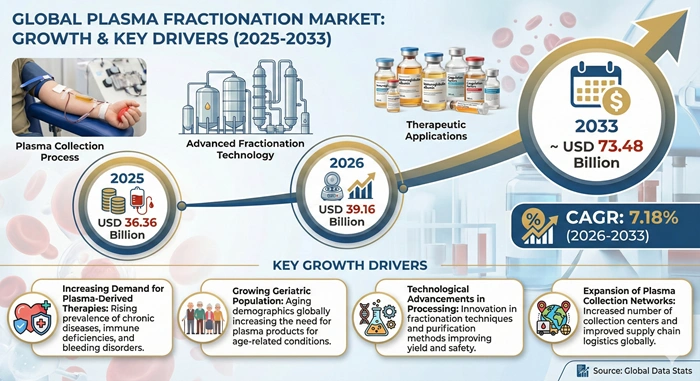
The global plasma fractionation market size is valued at USD 36.36 billion in 2025 and is predicted to increase from USD 39.16 billion in 2026 to approximately USD 73.48 billion by 2033, growing at a CAGR of 7.18% from 2026 to 2033.
Plasma fractionation represents sophisticated biopharmaceutical manufacturing processes separating human blood plasma into individual protein components through mechanical separation techniques including centrifugation, depth filtration, precipitation, and chromatography, producing life-saving therapeutic treatments for rare and chronic diseases. These advanced downstream processing technologies transform donated plasma into specialized plasma-derived therapies including immunoglobulins, albumin, blood coagulation factors, alpha-1 antitrypsin, and other plasma protein products essential for treating conditions such as primary immunodeficiency disorders, hemophilia, alpha-1 antitrypsin deficiency, and various immune-mediated diseases. Healthcare systems worldwide increasingly rely on plasma fractionation to address growing demand for plasma-derived medicinal products driven by rising chronic disease prevalence, improved diagnosis rates, and expanding healthcare infrastructure supporting advanced biopharmaceutical manufacturing capabilities throughout developed and emerging economies.
AI Impact on the Plasma Fractionation Industry
Transforming Manufacturing Efficiency and Quality Control Through Predictive Analytics and Smart Process Monitoring
Artificial intelligence revolutionizes the plasma fractionation market by optimizing manufacturing processes through machine learning algorithms analyzing production parameters including temperature, pH, flow rates, pressure differentials, and separation efficiency to maintain consistent product quality across complex multistep fractionation sequences. AI-powered quality control systems utilize computer vision technologies inspecting intermediate fractions, detecting subtle impurities, monitoring protein concentration gradients, and identifying deviations from established process signatures enabling real-time adjustments preventing batch failures and ensuring product safety and efficacy. Predictive maintenance algorithms monitor equipment performance across centrifuges, chromatography columns, filtration systems, and storage tanks detecting early warning signs of mechanical wear, sensor drift, or performance degradation forecasting potential failures before disruptions occur, minimizing downtime and maintaining continuous supply chains supporting global healthcare needs.
Supply chain management within the plasma fractionation market benefits tremendously from artificial intelligence applications forecasting demand patterns across hospitals, specialty clinics, and geographic regions based on disease prevalence, treatment protocols, seasonal variations, and emerging therapeutic indications. Natural language processing technologies analyze medical literature, clinical guidelines, and regulatory documents identifying evolving treatment standards, new indications for plasma-derived therapies, and changing reimbursement policies enabling proactive capacity planning and product portfolio adjustments. AI-driven inventory optimization systems balance raw plasma inventory, intermediate fractions, and finished product stock levels across global distribution networks, automatically triggering collection drives, production runs, and logistics arrangements preventing shortages during peak demand periods while minimizing excess inventory carrying costs for temperature-sensitive biologics requiring strict cold chain management. Digital platforms integrate plasma fractionation data directly into electronic health records, pharmacy systems, and inventory management software providing seamless access to product information, batch traceability, and safety data supporting regulatory compliance, pharmacovigilance monitoring, and efficient supply chain operations throughout complex global networks connecting plasma collection centers, fractionation facilities, and healthcare providers worldwide.
Growth Factors
Rising Chronic Disease Prevalence and Plasma-Derived Therapy Demand Drive Robust Plasma Fractionation Market Expansion
The plasma fractionation market experiences accelerated growth propelled by alarming increases in chronic disease prevalence worldwide, with estimates indicating hundreds of millions affected by primary immunodeficiency disorders, hemophilia, alpha-1 antitrypsin deficiency, and various immune-mediated conditions requiring lifelong plasma-derived therapies for effective disease management. Growing scientific evidence documenting clinical effectiveness of plasma protein products including immunoglobulins, clotting factors, and albumin creates strong demand for fractionated plasma therapies among healthcare providers and patients seeking reliable treatment options for rare but serious conditions often lacking alternative therapeutic approaches. The market gains tremendous momentum from improved diagnosis rates enabled by advanced genetic testing, specialized laboratory assays, and increased awareness among healthcare professionals recognizing symptoms of plasma protein deficiency disorders leading to earlier detection and treatment initiation requiring consistent plasma-derived therapy supply.
Healthcare infrastructure development throughout emerging economies creates favorable conditions for plasma fractionation expansion, with governments investing in plasma collection centers, fractionation facilities, and distribution networks supporting domestic production of plasma-derived therapies reducing dependence on imports and improving treatment access. The plasma fractionation market benefits from favorable reimbursement policies and government initiatives supporting rare disease treatments, with insurance coverage expansion and national health programs incorporating plasma-derived therapies into standard treatment protocols creating stable demand environments for manufacturers. Technological advancement delivers improved fractionation techniques including ethanol-free production methods, novel chromatography resins, and advanced pathogen inactivation technologies enhancing product safety, purity, and yield while reducing environmental impact and manufacturing costs. Regulatory frameworks worldwide implement stringent standards governing plasma collection, fractionation, and product quality, creating barriers favoring established manufacturers with proven track records, comprehensive quality management systems, and extensive clinical validation supporting patient safety and optimal treatment outcomes across diverse therapeutic indications.
Market Outlook
Strategic Capacity Expansion and Geographic Diversification Shape Promising Plasma Fractionation Market Trajectory
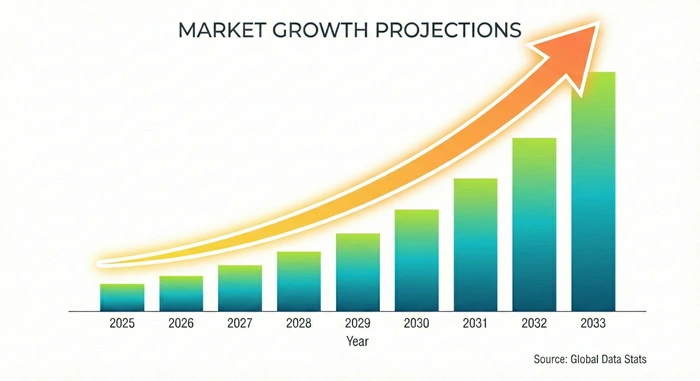
The plasma fractionation market outlook reflects optimistic projections supported by continuing chronic disease burden growth, expanding plasma collection capabilities, and increasing recognition of plasma-derived therapies as essential treatment modalities for rare and chronic conditions. Manufacturers invest substantially in research activities exploring novel fractionation sequences, advanced purification technologies, and ethanol-free production methods enabling more efficient, sustainable, and safer plasma protein product manufacturing. Market dynamics increasingly favor capacity expansion through new facility construction, existing plant upgrades, and strategic partnerships enabling manufacturers to meet growing global demand while maintaining rigorous quality standards and regulatory compliance throughout complex international supply chains.
The industry witnesses consolidation trends as major biopharmaceutical corporations acquire specialized plasma fractionators, integrate complementary technologies, and establish comprehensive plasma-derived therapy portfolios creating one-stop solutions for healthcare providers. The plasma fractionation market adapts to sustainability considerations as environmentally conscious stakeholders prioritize suppliers implementing green manufacturing practices, reducing solvent usage, optimizing energy consumption, and developing eco-friendly packaging supporting environmental responsibility while maintaining product sterility and performance characteristics. Healthcare system integration advances through electronic formulary management, automated inventory tracking, predictive ordering systems, and outcomes data collection connecting product utilization with patient results supporting evidence generation, value-based procurement decisions, and continuous quality improvement initiatives. Emerging market penetration represents substantial growth opportunity as plasma collection and fractionation capabilities expand throughout Asia-Pacific, Latin America, Middle East, and African regions where healthcare infrastructure development, rising healthcare expenditure, and modernization initiatives create favorable conditions for domestic plasma-derived therapy production supporting quality improvement and treatment access expansion throughout rapidly developing healthcare systems.
Expert Speaks
-
Paul Perreault, President and CEO of CSL Behring, emphasized during investor communications that CSL remains committed to leading the plasma-derived therapy industry through innovation, strategic investments, and operational excellence, noting the company's focus on plasma collection expansion, fractionation capacity growth, and pipeline development supporting long-term shareholder value creation while addressing unmet medical needs for patients with rare and chronic diseases requiring plasma protein therapies.
-
Alberto Grignolo, CEO of Grifols, highlighted that Grifols continues strengthening its leadership position in plasma collection and fractionation through strategic investments in new collection centers, advanced manufacturing facilities, and innovative plasma-derived therapies, noting that the company's commitment to quality, safety, and sustainability supports long-term growth while improving treatment access for patients worldwide requiring immunoglobulins, albumin, and other plasma protein products.
-
Jens B. Reinhardt, CEO of Octapharma, stated that Octapharma remains focused on advancing plasma medicine through research and development investments, manufacturing capacity expansion, and strategic partnerships, emphasizing the company's commitment to plasma safety, quality, and innovation supporting growth in immunoglobulin therapies, coagulation factors, and other plasma-derived products addressing diverse medical needs across global markets.
Key Report Takeaways
-
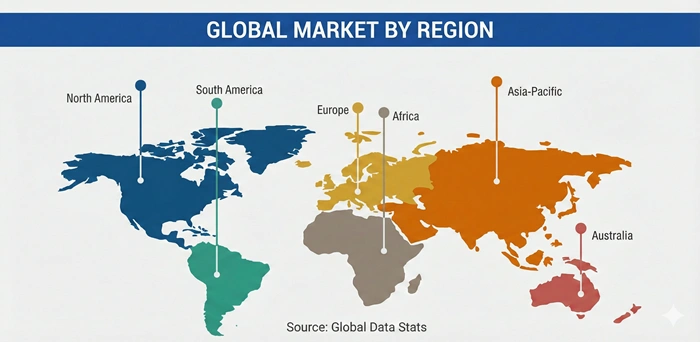
North America leads the plasma fractionation market with approximately 56 percent regional share, driven by advanced healthcare infrastructure, high plasma collection capacity, strong demand for plasma-derived therapies, comprehensive reimbursement coverage, stringent quality standards, and presence of major manufacturers including CSL Behring, Grifols, Baxter, and Takeda supporting continuous innovation and market leadership throughout plasma-derived therapy applications.
-
Asia-Pacific demonstrates the fastest growth trajectory in the plasma fractionation market, expanding at a CAGR of approximately 9.1 percent, propelled by rapidly developing healthcare systems, increasing plasma collection capabilities, rising healthcare expenditure, expanding middle-class populations with insurance access, and growing awareness regarding plasma-derived therapies throughout China, India, Southeast Asian nations, and developing economies experiencing healthcare modernization.
-
Immunoglobulins represent the largest product segment consuming plasma fractionation market with approximately 42 percent market share, as these plasma-derived therapies provide essential immune support for patients with primary and secondary immunodeficiency disorders, autoimmune conditions, and various immune-mediated diseases requiring regular intravenous or subcutaneous administration for effective disease management.
-
Albumin contributes the most substantial revenue share at approximately 35 percent, driven by extensive clinical applications including plasma volume expansion, treatment of hypoalbuminemia, management of liver cirrhosis complications, and support during major surgeries and critical care situations where maintaining adequate plasma oncotic pressure proves essential for patient stability and recovery.
-
Hospital and specialty clinic applications dominate end-user categories as the most prevalent settings, accounting for approximately 68 percent market share, based on high treatment volumes performed in institutional settings, comprehensive infrastructure supporting complex plasma-derived therapy administration, availability of specialized healthcare teams, established procurement processes, and formulary systems managing plasma-derived product selection and standardization.
-
Alpha-1 antitrypsin deficiency therapies will experience rapid future growth through 2033, expanding at a CAGR of approximately 10.3 percent and capturing increasing market share percentage as improved diagnosis rates, growing awareness among pulmonologists and hepatologists, and expanding treatment guidelines create demand for specialized plasma-derived therapies addressing this rare genetic disorder affecting lung and liver function.
Market Scope
| Report Coverage Details | |
|---|---|
| Market Size by 2033 | USD 73.48 Billion |
| Market Size by 2025 | USD 36.36 Billion |
| Market Size by 2026 | USD 39.16 Billion |
| Market Growth Rate from 2026 to 2033 | CAGR of 7.18% |
| Dominating Region | North America |
| Fastest Growing Region | Asia-Pacific |
| Base Year | 2025 |
| Forecast Period | 2026 to 2033 |
| Segments Covered | By Product Type, By Therapeutic Area, By End-User, By Region |
| Regions Covered | North America, Europe, Asia-Pacific, Latin America, Middle East & Africa |
Market Dynamics
Drivers Impact Analysis
Escalating Chronic Disease Burden and Plasma-Derived Therapy Demand Propel Sustained Plasma Fractionation Market Momentum
The plasma fractionation market benefits tremendously from relentless increases in chronic disease prevalence globally, driven by aging demographics requiring long-term plasma-derived therapies for primary immunodeficiency disorders, hemophilia, alpha-1 antitrypsin deficiency, and various immune-mediated conditions creating sustained demand for fractionated plasma products. Growing scientific evidence documenting clinical effectiveness of plasma protein therapies including immunoglobulins, clotting factors, and albumin motivates healthcare providers to incorporate these treatments into standard care protocols, with clinical trials demonstrating improved outcomes, reduced complications, and enhanced quality of life compared to alternative approaches. The market gains momentum from improved diagnosis rates enabled by advanced genetic testing, specialized laboratory assays, and increased awareness among healthcare professionals recognizing symptoms of plasma protein deficiency disorders leading to earlier detection and treatment initiation requiring consistent plasma-derived therapy supply.
Healthcare infrastructure development throughout emerging economies creates favorable conditions for plasma fractionation expansion, with governments investing in plasma collection centers, fractionation facilities, and distribution networks supporting domestic production of plasma-derived therapies reducing dependence on imports and improving treatment access. The plasma fractionation market benefits from favorable reimbursement policies and government initiatives supporting rare disease treatments, with insurance coverage expansion and national health programs incorporating plasma-derived therapies into standard treatment protocols creating stable demand environments for manufacturers. Technological advancement delivers improved fractionation techniques including ethanol-free production methods, novel chromatography resins, and advanced pathogen inactivation technologies enhancing product safety, purity, and yield while reducing environmental impact and manufacturing costs. Regulatory frameworks worldwide implement stringent standards governing plasma collection, fractionation, and product quality, creating barriers favoring established manufacturers with proven track records, comprehensive quality management systems, and extensive clinical validation supporting patient safety and optimal treatment outcomes across diverse therapeutic indications.
| Driver Factor | ≈ Impact on CAGR Forecast | Geographic Relevance | Impact Timeline |
|---|---|---|---|
| Rising chronic disease prevalence and plasma-derived therapy demand | +2.0% to +2.5% | Global, particularly strong in aging populations | Immediate and ongoing |
| Healthcare infrastructure development and plasma collection expansion | +1.6% to +2.0% | Primarily emerging markets with infrastructure gaps | Short to medium-term |
| Favorable reimbursement policies and government initiatives | +1.2% to +1.6% | Developed markets with established healthcare systems | Short to medium-term |
| Technological advancement and pathogen inactivation innovation | +0.8% to +1.2% | Technology-enabled developed markets | Short to medium-term |
Restraints Impact Analysis
High Manufacturing Costs and Regulatory Complexity Moderate Plasma Fractionation Market Growth Expectations
The plasma fractionation market confronts significant challenges from high manufacturing costs compared to conventional pharmaceutical production, with complex multistep fractionation processes requiring specialized equipment, highly trained personnel, extensive quality control, and strict regulatory compliance creating substantial capital and operational expenditures. Reimbursement limitations affect market penetration as insurance coverage policies categorize many plasma-derived therapies as high-cost specialty products with strict utilization criteria, prior authorization requirements, and formulary restrictions limiting access for patients despite clinical necessity and treatment effectiveness. The market experiences headwinds from plasma supply constraints as fractionation capacity expansion outpaces plasma collection growth, creating raw material shortages and price volatility affecting production planning and product availability throughout global supply chains.
The plasma fractionation market faces challenges from regulatory complexity and compliance burdens, with manufacturers navigating diverse regulatory frameworks across multiple jurisdictions requiring extensive documentation, validation studies, and inspection readiness supporting global product registration and market access. Product-specific limitations including cold chain requirements, limited shelf life, and specialized administration protocols create logistical challenges particularly in resource-limited settings lacking infrastructure for temperature-controlled storage and distribution. Adverse event concerns including allergic reactions, transmission risks despite rigorous screening and viral inactivation protocols, and rare but serious complications documented in medical literature create hesitation among risk-averse clinicians and patients requiring comprehensive informed consent discussions. Competitive pressure from alternative therapeutic approaches including recombinant proteins, gene therapies, and small molecule drugs offering different advantages in specific indications potentially displacing plasma-derived therapies in certain applications where alternatives demonstrate superior cost-effectiveness, ease of administration, or clinical outcomes limiting overall addressable market size and growth potential.
| Restraint Factor | ≈ Impact on CAGR Forecast | Geographic Relevance | Impact Timeline |
|---|---|---|---|
| High manufacturing costs and capital requirements | -0.9% to -1.3% | Strongest in price-sensitive markets | Immediate and ongoing |
| Reimbursement limitations and access barriers | -0.7% to -1.0% | Particularly challenging in restrictive payer systems | Immediate and ongoing |
| Plasma supply constraints and raw material volatility | -0.5% to -0.8% | Global, particularly acute in high-demand regions | Medium to long-term |
| Regulatory complexity and compliance burdens | -0.4% to -0.6% | Primarily affecting multinational manufacturers | Ongoing |
Opportunities Impact Analysis
Emerging Market Expansion and Novel Therapeutic Indications Create Substantial Plasma Fractionation Market Growth Potential
The plasma fractionation market presents compelling opportunities through geographic expansion into rapidly developing regions throughout Asia-Pacific, Latin America, Middle East, and Africa where healthcare infrastructure improvements, rising plasma collection capabilities, expanding insurance coverage, and quality improvement initiatives create favorable conditions for domestic plasma-derived therapy production and treatment access expansion. Countries including China, India, Brazil, Indonesia, and Vietnam demonstrate particularly strong growth potential based on large populations, rapidly expanding healthcare expenditure, increasing numbers of trained healthcare professionals, and modernizing hospital facilities implementing international quality standards requiring high-performance plasma-derived therapies. Medical tourism growth throughout regions offering cost-effective plasma-derived therapy administration creates demand for quality products supporting outcome optimization, complication reduction, and international reputation building attracting patients from developed markets seeking affordable high-quality care.
Research and development activities focused on novel therapeutic indications expand addressable markets for plasma-derived therapies, with manufacturers exploring applications in neurological disorders, inflammatory conditions, and emerging infectious diseases creating new treatment paradigms requiring fractionated plasma products. The plasma fractionation market benefits from regenerative medicine advancement incorporating plasma-derived growth factors, cytokines, and other bioactive molecules within advanced therapies promoting tissue repair and regeneration representing paradigm shift from traditional plasma protein replacement to biologically active therapeutic interventions. Partnership opportunities between plasma fractionators, pharmaceutical companies, and medical device corporations create synergistic product portfolios combining complementary technologies, expanded distribution networks, and shared research capabilities accelerating innovation and market penetration. Digital health integration including treatment monitoring platforms, outcomes tracking systems, and real-time product performance monitoring creates value-added service opportunities differentiating manufacturers beyond pure product attributes while supporting evidence generation demonstrating clinical and economic advantages justifying premium positioning compared to commodity alternatives throughout competitive procurement environments.
| Opportunity Factor | ≈ Impact on CAGR Forecast | Geographic Relevance | Impact Timeline |
|---|---|---|---|
| Emerging market healthcare infrastructure expansion | +1.2% to +1.7% | Asia-Pacific, Latin America, Middle East, Africa | Short to medium-term |
| Novel therapeutic indications and expanded applications | +0.9% to +1.3% | Initially developed markets expanding globally | Medium to long-term |
| Medical tourism growth and quality initiatives | +0.7% to +1.0% | Regional hubs throughout Asia-Pacific and Latin America | Short to medium-term |
| Digital health integration and value-added services | +0.5% to +0.8% | Technology-enabled developed healthcare systems | Medium-term |
Segment Analysis
By Product Type - Immunoglobulins
Essential Immune Support Therapies Establish Immunoglobulins as Dominant Plasma Fractionation Market Segment
Immunoglobulins command approximately 42 percent of the plasma fractionation market share, expanding at a CAGR of 7.9 percent throughout the forecast period as these plasma-derived therapies provide essential immune support for patients with primary and secondary immunodeficiency disorders, autoimmune conditions, and various immune-mediated diseases requiring regular intravenous or subcutaneous administration for effective disease management. Healthcare professionals appreciate immunoglobulin versatility addressing diverse clinical indications including primary immunodeficiency disorders, chronic inflammatory demyelinating polyneuropathy, multifocal motor neuropathy, Kawasaki disease, and various autoimmune conditions where modulating immune responses proves critical for symptom control and disease progression prevention. The segment benefits from particularly strong demand growth driven by improved diagnosis rates, expanding treatment guidelines, and growing awareness among healthcare providers recognizing clinical benefits of immunoglobulin therapy across diverse therapeutic areas.
North America maintains dominant immunoglobulin consumption within the plasma fractionation market, supported by high prevalence of primary immunodeficiency disorders, established treatment protocols incorporating immunoglobulin replacement therapy, comprehensive reimbursement coverage supporting long-term treatment, and strong preference patterns favoring proven therapies with extensive safety documentation accumulated through decades of clinical experience. Europe demonstrates substantial utilization with particular strength in countries including Germany, United Kingdom, and France where quality-focused healthcare systems prioritize clinical outcomes over cost considerations alone. Leading manufacturers serving the immunoglobulin segment include CSL Behring operating comprehensive plasma-derived therapy portfolio including intravenous and subcutaneous immunoglobulin products, Grifols providing diverse immunoglobulin formulations, Takeda Pharmaceutical marketing specialized immunoglobulin products, Octapharma offering high-purity immunoglobulin therapies, and Kedrion supplying various immunoglobulin preparations. The plasma fractionation market benefits from continuing innovation including subcutaneous formulations enabling home-based administration, improved purification techniques enhancing product purity and safety, and novel administration systems simplifying infusion processes supporting patient convenience and treatment adherence throughout long-term therapy regimens.
By Therapeutic Area - Primary Immunodeficiency Disorders
Rare Disease Treatment Necessity Positions Primary Immunodeficiency as Primary Plasma Fractionation Market Therapeutic Area
Primary immunodeficiency disorders account for approximately 38 percent of the plasma fractionation market therapeutic area consumption, growing at a CAGR of 7.5 percent as these rare genetic conditions affecting immune system function require lifelong plasma-derived therapy for effective disease management and prevention of life-threatening infections. Healthcare providers appreciate primary immunodeficiency therapies addressing fundamental immune system deficiencies through regular immunoglobulin replacement supporting antibody production, complement activation, and phagocytic function restoration enabling patients to maintain normal immune responses against pathogens. The segment encompasses diverse disorders including X-linked agammaglobulinemia, common variable immunodeficiency, severe combined immunodeficiency, and various antibody deficiency syndromes requiring specialized plasma-derived therapies tailored to specific immune defects and clinical presentations.
North America maintains the largest primary immunodeficiency segment share for the plasma fractionation market, supported by comprehensive newborn screening programs, advanced genetic testing capabilities, specialized immunology clinics, and established treatment protocols incorporating plasma-derived therapies as standard care components. Europe demonstrates strong primary immunodeficiency therapy adoption with particular emphasis on multidisciplinary care teams combining immunologists, infectious disease specialists, and hematologists managing complex cases requiring coordinated treatment approaches. Major companies specializing in primary immunodeficiency therapies include CSL Behring leading immunoglobulin replacement therapy market with products including Privigen and Hizentra, Grifols providing comprehensive immunoglobulin portfolio, Takeda Pharmaceutical offering specialized immunoglobulin products, Octapharma marketing high-purity immunoglobulin formulations, and Kedrion supplying various immunoglobulin preparations. The segment benefits from extensive clinical validation accumulated over decades demonstrating safety and effectiveness across millions of patient-years, established manufacturing processes ensuring consistent quality and adequate supply meeting global demand, and continuing refinement improving product performance including faster acting formulations, enhanced purity, and innovative administration systems simplifying treatment delivery throughout operating room workflows supporting efficient utilization during time-sensitive surgical procedures.
Regional Insights
North America
Advanced Healthcare Infrastructure and High Plasma Collection Capacity Establish North America as Dominant Plasma Fractionation Market Leader
North America commands approximately 56 percent of the global plasma fractionation market share, expanding at a CAGR of 7.0 percent from 2026 to 2033, driven by sophisticated healthcare infrastructure, high plasma collection capacity exceeding 50 million liters annually, strong demand for plasma-derived therapies, comprehensive reimbursement coverage supporting advanced biopharmaceutical manufacturing, and presence of major manufacturers including CSL Behring, Grifols, Baxter, and Takeda maintaining market leadership through continuous innovation. The region benefits from well-established plasma collection networks with thousands of donation centers, robust regulatory oversight through FDA ensuring product safety and efficacy, and litigious environment incentivizing use of high-quality materials reducing complication risks and associated liability exposures. United States represents the dominant country market within North America, with healthcare expenditure exceeding 4 trillion USD annually including substantial allocations for specialty biopharmaceuticals, medical devices, and quality improvement initiatives supporting advanced plasma fractionation technology adoption.
The North American plasma fractionation market features leading manufacturers including CSL Behring operating comprehensive plasma-derived therapy portfolio, Grifols providing diverse plasma protein products, Baxter International supplying albumin and immunoglobulin therapies, Takeda Pharmaceutical marketing specialized plasma-derived products, Octapharma offering high-purity immunoglobulin formulations, and Kedrion supplying various plasma protein preparations. Regulatory framework emphasizes rigorous testing including pathogen inactivation validation, protein purity assessment, and clinical trial evidence supporting safety and effectiveness claims before market approval. The region demonstrates strong adoption of advanced technologies including ethanol-free fractionation methods, novel chromatography systems, and advanced pathogen inactivation technologies supporting improved product safety, purity, and yield while maintaining regulatory compliance throughout complex international supply chains. Market dynamics include intense competition among established players, continuous product innovation cycles, sophisticated value analysis processes within healthcare organizations evaluating total cost of ownership including acquisition costs, complication reduction, and resource utilization impacts, and evolving reimbursement models emphasizing outcomes over volumes creating opportunities for manufacturers demonstrating superior clinical and economic performance compared to conventional alternatives throughout evidence-based procurement decisions.
Asia-Pacific
Rapid Healthcare Development and Expanding Plasma Collection Capacity Position Asia-Pacific as Fastest Growing Plasma Fractionation Market
Asia-Pacific demonstrates the fastest plasma fractionation market growth trajectory, expanding at a CAGR of 9.1 percent from 2026 to 2033, propelled by massive population bases exceeding 4.5 billion people, rapidly developing healthcare infrastructure supporting increased plasma collection capacity, rising healthcare expenditure as percentage of GDP throughout developing economies, expanding middle-class populations with insurance coverage enabling plasma-derived therapy access, and growing awareness regarding plasma-derived therapies among healthcare professionals trained in modern techniques. The region encompasses diverse market characteristics ranging from highly developed systems in Japan, South Korea, Singapore, and Australia to rapidly emerging capabilities throughout China, India, Southeast Asian nations, and developing economies experiencing accelerated infrastructure investment and quality improvement initiatives. China represents particularly substantial growth opportunity with 1.4 billion population, rapidly expanding plasma collection capacity, domestic manufacturing capabilities producing cost-competitive plasma-derived therapies, and government initiatives prioritizing healthcare quality through hospital accreditation programs and medical device standards enforcement.
The Asia-Pacific plasma fractionation market features diverse competitive dynamics combining multinational corporations including CSL Behring, Grifols, and Takeda establishing regional manufacturing and distribution alongside domestic producers throughout China, India, Japan, and South Korea supplying local markets with products meeting regional preferences and price points. Healthcare infrastructure development throughout the region includes hospital construction, specialty clinic proliferation, medical education expansion producing larger trained workforce populations, and technology adoption supporting modern biopharmaceutical manufacturing including plasma fractionation facilities. Government healthcare initiatives implement quality improvement programs, medical device regulatory frameworks, and reimbursement systems supporting appropriate technology utilization throughout public and private sector facilities. The region's market outlook remains exceptionally favorable based on continuing economic development, urbanization concentrating populations near advanced healthcare facilities, rising health insurance coverage expanding plasma-derived therapy access beyond wealthy segments, medical tourism growth attracting international patients seeking quality care at competitive prices, and increasing integration with global medical supply chains supporting international quality standards and best practice adoption throughout plasma fractionation protocols supporting patient safety and optimal outcome achievement across diverse therapeutic indications and clinical complexities.
Top Key Players
-
CSL Behring (Australia)
-
Grifols S.A. (Spain)
-
Baxter International Inc. (United States)
-
Takeda Pharmaceutical Company Limited (Japan)
-
Octapharma AG (Switzerland)
-
Kedrion S.p.A. (Italy)
-
Biotest AG (Germany)
-
LFB S.A. (France)
-
Sanquin Plasma Products (Netherlands)
-
Bio Products Laboratory Ltd. (United Kingdom)
-
Kamada Ltd. (Israel)
-
ProMetic Life Sciences Inc. (Canada)
-
National Scientific (Australia)
-
Alpha Therapeutic Corporation (United States)
-
Talecris BioTherapeutics Holdings Corp. (United States)
Recent Developments
-
CSL Behring - 2023: Opened new 470 million USD plasma fractionation facility employing cutting-edge technology to improve efficiency and safety of plasma processing, ensuring production of higher quality and more reliable medicines while expanding capacity to meet growing global demand for immunoglobulins, albumin, and other plasma-derived therapies supporting long-term growth strategy and market leadership position throughout plasma fractionation industry.
-
Grifols - 2024: Completed strategic acquisition of plasma collection network expanding raw plasma supply capacity and enhancing vertical integration supporting long-term growth, while investing in new fractionation technologies including ethanol-free production methods and advanced pathogen inactivation systems improving product safety, purity, and environmental sustainability supporting competitive positioning throughout global plasma-derived therapy market.
-
Takeda Pharmaceutical - 2025: Advanced plasma-derived therapy portfolio through continued investment in research and development, manufacturing capacity expansion, and strategic partnerships with healthcare organizations, while maintaining focus on immunoglobulin therapies, coagulation factors, and other plasma protein products addressing critical unmet medical needs supporting improved patient outcomes and healthcare value delivery across diverse therapeutic areas and global markets.
-
Octapharma - 2024: Expanded manufacturing capabilities through new facility construction and existing plant upgrades supporting increased production of immunoglobulins, coagulation factors, and other plasma-derived therapies, while investing in advanced fractionation technologies including novel chromatography systems and pathogen inactivation methods improving product quality, safety, and yield supporting competitive positioning throughout global plasma fractionation market.
-
Kedrion - 2023: Advanced plasma-derived therapy portfolio through continued innovation in immunoglobulin formulations, manufacturing process improvements, and strategic distribution partnerships extending market reach throughout emerging economies while maintaining premium positioning in developed markets through comprehensive clinical evidence generation, technical support services, and healthcare professional education programs supporting evidence-based product selection and optimal application techniques maximizing clinical effectiveness and patient outcomes across diverse therapeutic applications.
Market Trends
Ethanol-Free Fractionation and Pathogen Inactivation Innovation Define Contemporary Plasma Fractionation Market Evolution
The plasma fractionation market increasingly emphasizes ethanol-free fractionation methods eliminating traditional solvent precipitation steps while maintaining or improving product purity, yield, and safety through alternative separation techniques including novel chromatography resins, membrane filtration, and advanced precipitation methods. Manufacturers develop innovative formulations combining multiple plasma protein fractions within single products addressing multiple therapeutic needs simultaneously, reducing treatment complexity, simplifying administration protocols, and improving patient convenience while maintaining clinical effectiveness. Clinical evidence demonstrates that ethanol-free methods reduce environmental impact, eliminate solvent-related safety concerns, and support sustainable manufacturing practices without compromising product quality or therapeutic efficacy supporting adoption throughout environmentally conscious healthcare systems prioritizing green manufacturing approaches.
Pathogen inactivation innovation advances as manufacturers explore novel technologies including solvent-detergent methods, nanofiltration, photochemical inactivation, and advanced heat treatment protocols eliminating or reducing transmission risks associated with plasma-derived therapies while maintaining protein functionality and stability. The plasma fractionation market adapts to sustainability considerations through biodegradable formulations completely absorbing within predictable timeframes, renewable biomaterial sourcing reducing environmental footprints, and eco-friendly packaging minimizing medical waste while maintaining product sterility and performance characteristics. Application system innovation introduces automated plasma collection systems, integrated fractionation platforms, and advanced monitoring technologies supporting real-time process control, predictive maintenance, and continuous quality improvement throughout manufacturing workflows. Personalized medicine approaches emerge as manufacturers explore patient-specific plasma-derived therapies tailored to individual genetic profiles, disease characteristics, and treatment responses representing future direction toward individualized plasma fractionation solutions rather than one-size-fits-all products applied uniformly across diverse patient populations and clinical situations.
Segments Covered in the Report
By Product Type
-
Immunoglobulins (IVIG, SCIG)
-
Albumin
-
Blood Coagulation Factors (Factor VIII, Factor IX, Factor VII, Factor XIII)
-
Alpha-1 Antitrypsin
-
Other Plasma Protein Products
By Therapeutic Area
-
Primary Immunodeficiency Disorders
-
Hemophilia and Bleeding Disorders
-
Alpha-1 Antitrypsin Deficiency
-
Neurological Disorders
-
Autoimmune Diseases
-
Infectious Diseases
-
Other Therapeutic Areas
By End-User
-
Hospitals
-
Specialty Clinics
-
Home Healthcare Settings
By Region
-
North America (United States, Canada, Mexico)
-
Europe (Germany, United Kingdom, France, Italy, Spain, Rest of Europe)
-
Asia-Pacific (China, India, Japan, South Korea, Australia, Southeast Asia, Rest of Asia-Pacific)
-
Latin America (Brazil, Argentina, Rest of Latin America)
-
Middle East & Africa (Saudi Arabia, UAE, South Africa, Rest of MEA)
Frequently Asked Questions
Question 1: What is the expected plasma fractionation market size by 2033?
Answer: The global plasma fractionation market is projected to reach approximately USD 73.48 billion by 2033, growing from USD 39.16 billion in 2026. This substantial expansion reflects increasing chronic disease prevalence, rising plasma-derived therapy demand, improved diagnosis rates, technological innovation in fractionation methods, and expanding healthcare infrastructure throughout emerging economies supporting advanced biopharmaceutical manufacturing capabilities.
Question 2: Which region dominates the plasma fractionation market currently?
Answer: North America dominates the plasma fractionation market with approximately 56 percent share, driven by advanced healthcare infrastructure and high plasma collection capacity. The region benefits from substantial plasma-derived therapy demand, comprehensive reimbursement coverage, strong quality emphasis, stringent regulatory oversight, and presence of major manufacturers including CSL Behring, Grifols, Baxter, and Takeda maintaining market leadership through continuous product innovation.
Question 3: What factors drive plasma fractionation market growth during the forecast period?
Answer: Rising chronic disease prevalence, plasma-derived therapy demand, healthcare infrastructure development, and technological advancement drive plasma fractionation market growth. These factors collectively expand plasma protein product demand, support advanced technology adoption, enhance clinical outcomes, and deliver economic advantages through complication reduction, improved patient outcomes, and efficient resource utilization supporting long-term sustainable market expansion.
Question 4: Which product type segment holds the largest plasma fractionation market share?
Answer: Immunoglobulins represent the largest product segment with approximately 42 percent plasma fractionation market share based on essential immune support therapies. These plasma-derived products provide critical immune support for patients with primary and secondary immunodeficiency disorders, autoimmune conditions, and various immune-mediated diseases requiring regular administration for effective disease management.
Question 5: How do primary immunodeficiency disorders contribute to the plasma fractionation market?
Answer: Primary immunodeficiency disorders account for approximately 38 percent of plasma fractionation market therapeutic area consumption through lifelong plasma-derived therapy requirements. These rare genetic conditions affecting immune system function require regular immunoglobulin replacement therapy supporting antibody production, complement activation, and phagocytic function restoration enabling patients to maintain normal immune responses against pathogens.