
Pharmaceutical Drug Delivery Market Overview
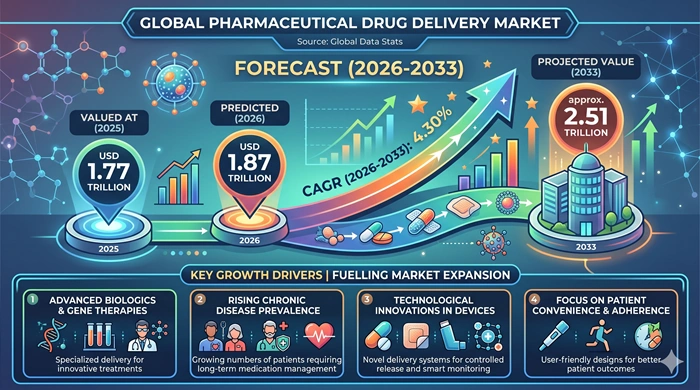
The global pharmaceutical drug delivery market size is valued at USD 1.77 trillion in 2025 and is predicted to increase from USD 1.87 trillion in 2026 to approximately USD 2.51 trillion by 2033, growing at a CAGR of 4.30% from 2026 to 2033. The rising burden of chronic diseases, growing preference for targeted therapies, and increasing adoption of advanced biologics and biosimilars are collectively fueling this robust expansion across global markets.
AI Impact on the Pharmaceutical Drug Delivery Industry
Artificial Intelligence Is Redefining How Drugs Are Formulated, Administered, and Monitored — Transforming Every Layer of the Delivery Value Chain*
AI is rapidly transforming the pharmaceutical drug delivery landscape by enhancing drug formulation design, improving patient monitoring systems, and enabling real-time dosage adjustments. Machine learning algorithms are being integrated into smart drug delivery devices such as insulin pumps, wearable injectors, and inhalation systems to predict therapeutic outcomes and minimize adverse effects. Companies like Pfizer and Johnson & Johnson have been actively incorporating AI-driven platforms into their R&D pipelines to develop next-generation oral and injectable formulations with improved bioavailability and targeted release profiles.
Beyond formulation, AI is enabling predictive analytics that help manufacturers forecast patient demand, optimize supply chains, and reduce clinical trial timelines for new delivery technologies. Natural language processing tools are also being used to analyze real-world evidence from patient databases and clinical registries, providing insights that support regulatory submissions and accelerate time-to-market for innovative drug delivery solutions. As AI tools become more embedded in pharmaceutical workflows, the speed and precision of delivering therapeutics to patients are expected to improve dramatically over the forecast period.
Growth Factors
Rising Disease Burden, Aging Populations, and Demand for Personalized Medicine Are Creating Powerful Tailwinds for the Pharmaceutical Drug Delivery Market*
The growing global prevalence of chronic conditions such as cancer, diabetes, cardiovascular disorders, and autoimmune diseases is one of the most significant growth drivers in the pharmaceutical drug delivery market. Patients managing long-term illnesses require consistent, effective, and convenient drug administration, which has spurred demand for sustained-release formulations, self-injectable devices, and home-based delivery platforms. According to global health data, over 500 million people worldwide live with diabetes alone, and the need for insulin delivery innovations continues to intensify across both developed and emerging markets.
Technological advancements in nanotechnology, biologic drug delivery, and transdermal systems are further expanding the therapeutic boundaries of what can be effectively delivered. Regulatory agencies such as the U.S. FDA and the European Medicines Agency have introduced supportive frameworks for approving drug-device combination products and novel delivery platforms, which has encouraged investment and innovation. Additionally, the increasing shift toward patient-centric healthcare — where ease of administration, reduced hospital visits, and improved adherence are top priorities — is compelling pharmaceutical companies to develop smarter, more intuitive delivery systems that improve clinical outcomes.
Market Outlook
Long-Term Growth Is Anchored by Expanding Biologics Pipelines, Smart Delivery Technologies, and Growing Healthcare Infrastructure in Emerging Economies*
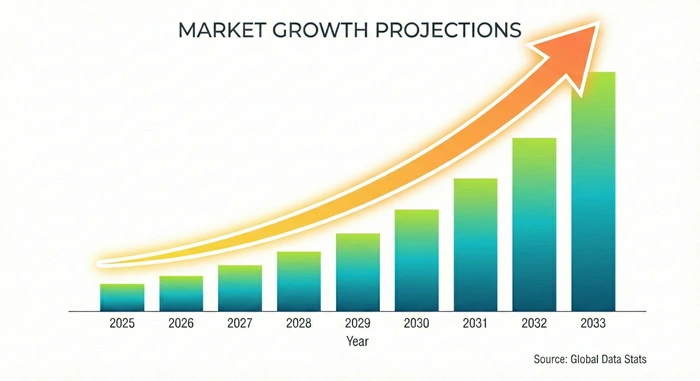
The long-term outlook for the pharmaceutical drug delivery market remains highly positive, driven by a robust global pipeline of biologics, gene therapies, and precision medicine platforms that require sophisticated delivery mechanisms. Large-molecule drugs such as monoclonal antibodies, mRNA-based therapeutics, and cell therapies demand advanced delivery vehicles — including lipid nanoparticles, microneedle patches, and prefilled syringes — which are expanding the technology landscape of the industry. The post-pandemic era has demonstrated the critical importance of scalable, efficient delivery platforms, accelerating investments in parenteral and pulmonary delivery systems.
Emerging economies in Asia Pacific, Latin America, and the Middle East & Africa represent significant untapped growth potential for the market. Improving healthcare infrastructure, rising middle-class populations, government-backed healthcare programs, and growing pharmaceutical manufacturing capacity in countries like India, China, and Brazil are expected to drive substantial demand through 2033. Companies are expanding their presence in these regions through strategic partnerships, licensing agreements, and local manufacturing facilities to capture a share of this high-growth opportunity.
Expert Speaks
-
"The convergence of digital health and drug delivery technologies is opening new frontiers for therapeutic precision. At Johnson & Johnson, we are committed to developing integrated delivery systems that make treatment more effective and accessible for patients globally." — Joaquin Duato, CEO, Johnson & Johnson
-
"Biologics and gene therapies are reshaping what is possible in medicine, and the delivery systems that support them must evolve at the same pace. Pfizer is investing heavily in next-generation delivery platforms to ensure that our most innovative therapies reach patients safely and effectively." — Albert Bourla, CEO, Pfizer Inc.
-
"Sustainable and patient-friendly drug delivery is not just a business priority — it is a public health imperative. At Novartis, we are working to ensure that breakthrough medicines are matched with delivery technologies that optimize the patient experience." — Vas Narasimhan, CEO, Novartis AG
Key Report Takeaways
-
North America dominates the global pharmaceutical drug delivery market, holding approximately 39–40% of total market share in 2025, owing to its advanced healthcare infrastructure, high per-capita pharmaceutical spending, and significant presence of leading global market players such as Johnson & Johnson, Pfizer, and Becton Dickinson.
-
Asia Pacific is the fastest-growing regional market, expanding at a notable CAGR of approximately 5.8% through 2033, driven by rising disease burden, government healthcare reforms, growing generic drug manufacturing, and an expanding middle-class population in China and India.
-
Hospitals are the dominant end-user segment, contributing the largest revenue share in the market, as they manage the administration of complex biologic therapies, parenteral drugs, and specialty injectable medications requiring professional supervision.
-
The oral route of administration holds the highest market share among all delivery routes, accounting for approximately 55% of market revenue in 2025, due to patient preference, ease of administration, low production costs, and wide therapeutic applicability.
-
The cancer application segment contributes the most to overall market revenue, reflecting the growing adoption of targeted oncology therapies and specialized delivery systems such as liposomal formulations and antibody-drug conjugates.
-
The injectable drug delivery segment is the fastest-growing route of administration, expected to expand at a CAGR of approximately 7.1% through 2033, fueled by the rapid expansion of biologics, biosimilars, and large-molecule therapies requiring parenteral administration.
-
The home care settings sub-segment is set to grow quickly through 2033, gaining significant market share as patients increasingly prefer self-administration at home; this segment is projected to maintain a strong CAGR supported by surging demand for auto-injectors, wearable delivery systems, and connected health platforms.
Market Scope
| Report Coverage | Details |
|---|---|
| Market Size by 2025 | USD 1.77 Trillion |
| Market Size by 2026 | USD 1.87 Trillion |
| Market Size by 2033 | USD 2.51 Trillion |
| Market Growth Rate (2026–2033) | CAGR of 4.30% |
| Dominating Region | North America |
| Fastest Growing Region | Asia Pacific |
| Base Year | 2025 |
| Forecast Period | 2026 to 2033 |
| Segments Covered | Route of Administration, Application, End User, Region |
| Regions Covered | North America, Europe, Asia Pacific, Latin America, Middle East & Africa |
Market Dynamics
Drivers Impact Analysis
Chronic Disease Prevalence, Biologics Expansion, and Patient-Centric Innovation Are the Three Pillars Fueling Consistent Growth in the Pharmaceutical Drug Delivery Market*
| Driver | ≈% Impact on CAGR Forecast | Geographic Relevance | Impact Timeline |
|---|---|---|---|
| Rising prevalence of chronic diseases | ~35% | Global, highest in North America & Asia Pacific | Near to long-term |
| Rapid growth in biologics and biosimilars | ~28% | North America, Europe | Medium to long-term |
| Increasing demand for self-administration and home care | ~18% | North America, Europe, Asia Pacific | Near to medium-term |
| Government support and favorable regulatory frameworks | ~12% | North America, Europe | Medium-term |
| Technological advancements in targeted delivery | ~7% | Global | Long-term |
The pharmaceutical drug delivery market is significantly driven by the rising global burden of chronic illnesses including cancer, diabetes, and cardiovascular diseases. These conditions require long-term, consistent drug administration, creating steady and growing demand for both oral and parenteral delivery platforms. As the global elderly population continues to grow and chronic disease management becomes a dominant healthcare priority, pharmaceutical companies are responding by developing increasingly sophisticated delivery systems tailored to individual patient needs and lifestyles.
At the same time, the explosive growth in biologics and large-molecule drug pipelines is creating new demand for advanced injectable, pulmonary, and targeted delivery technologies. The drug delivery market benefits directly from this trend, as biologics cannot be administered through conventional oral routes and require specialized parenteral or transdermal systems. The U.S. FDA's approval of multiple drug-device combination products over the past few years underscores the regulatory support that is helping accelerate time-to-market for innovative delivery platforms and driving overall market growth.
Restraints Impact Analysis
High Development Costs, Regulatory Complexity, and Cold Chain Challenges Remain Key Barriers Slowing Broader Market Penetration*
| Restraint | ≈% Impact on CAGR Forecast | Geographic Relevance | Impact Timeline |
|---|---|---|---|
| High R&D and manufacturing costs | ~38% | Global | Near to long-term |
| Complex regulatory approval processes | ~30% | North America, Europe | Near to medium-term |
| Cold chain and storage challenges for biologics | ~20% | Emerging markets | Medium-term |
| Patent expirations and generic competition | ~12% | North America, Europe | Near-term |
The high cost of developing and manufacturing advanced drug delivery systems poses a significant challenge, particularly for small and mid-size pharmaceutical companies. Formulating drug-device combinations, conducting bioequivalence studies, and meeting stringent quality manufacturing standards require substantial capital investment that can delay market entry and reduce profitability. For the pharmaceutical drug delivery market, these cost-related barriers can limit innovation speed and restrict access to advanced therapies in lower-income regions where healthcare budgets remain constrained.
Regulatory complexity is another persistent restraint shaping market dynamics. Gaining approval for novel drug delivery systems often requires extensive preclinical and clinical data, and regulatory agencies across different countries may impose varying standards. The divergence in requirements between the U.S., EU, and Asian markets adds both time and cost to global product rollouts. Cold chain logistics — especially for biologic therapies requiring strict temperature-controlled storage and transport — remain an acute challenge in Africa, Southeast Asia, and parts of Latin America where infrastructure development is still at an early stage.
Opportunities Impact Analysis
Emerging Market Expansion, mRNA Delivery Platforms, and Wearable Drug Delivery Devices Offer Transformative Growth Opportunities*
| Opportunity | ≈% Impact on CAGR Forecast | Geographic Relevance | Impact Timeline |
|---|---|---|---|
| Expansion into Asia Pacific and Latin America | ~35% | Asia Pacific, Latin America | Medium to long-term |
| mRNA and gene therapy delivery innovations | ~30% | North America, Europe | Long-term |
| Growth of wearable and smart delivery devices | ~22% | North America, Europe, Asia Pacific | Near to medium-term |
| Personalized medicine and precision delivery | ~13% | Global | Long-term |
The post-pandemic environment has firmly established mRNA-based delivery as one of the most compelling innovation areas in the pharmaceutical drug delivery market. Lipid nanoparticle platforms, initially developed for COVID-19 vaccines, are now being adapted for oncology, infectious disease, and rare genetic condition applications. Companies that invest in scalable mRNA delivery infrastructure today are well-positioned to capture disproportionate market share as gene therapy pipelines mature through the early 2030s and clinical outcomes data builds regulatory and commercial confidence.
Wearable drug delivery devices — such as on-body injectors, connected insulin pumps, and transdermal patches with embedded biosensors — represent a fast-growing opportunity. These systems improve patient compliance, reduce hospital dependency, and generate real-world data that can support product development and regulatory submissions. The growing digital health ecosystem, combining mobile apps, remote patient monitoring, and smart delivery hardware, is expected to be a key differentiator for leading companies in the pharmaceutical drug delivery market over the next decade.
Segment Analysis
By Route of Administration
Oral Drug Delivery Retains Leadership While Injectables Emerge as the High-Growth Segment Redefining the Future of the Market*
The oral route of administration continues to dominate the pharmaceutical drug delivery market, accounting for approximately 55% of total revenue in 2025. This segment's strength lies in its widespread acceptance among patients and healthcare providers, its applicability across a vast range of therapeutic categories, and its comparatively low manufacturing cost versus injectable or advanced delivery systems. Oral formulations — including tablets, capsules, liquids, and controlled-release systems — benefit from strong global demand for treatments targeting diabetes, hypertension, gastrointestinal conditions, and central nervous system disorders. In North America and Europe, oral drug delivery remains the first-line preference for managing chronic diseases, and companies such as Johnson & Johnson, Pfizer, and Merck & Co. maintain large oral therapeutic portfolios backed by robust distribution networks. The segment is projected to grow at a CAGR of approximately 3.8% through 2033, reflecting stable and mature but sustained market dynamics.
The injectable drug delivery segment is the fastest-growing route of administration, expanding at a projected CAGR of 7.1% during the forecast period. This momentum is directly linked to the rapid expansion of biologics, monoclonal antibodies, and vaccine pipelines that require parenteral administration for efficacy. The pharmaceutical drug delivery market is witnessing strong traction for prefilled syringes, auto-injectors, and wearable injectors — particularly in North America and Asia Pacific, where self-administration technologies are gaining rapid adoption. Leading players such as Becton Dickinson and Company, Novartis AG, and Sanofi S.A. are investing heavily in advanced injectable systems that offer improved dosing accuracy, reduced needle fear, and compatibility with high-viscosity biologic formulations. Asia Pacific, particularly China and India, is emerging as a high-growth geography for injectable delivery due to expanding biosimilars manufacturing and government-backed oncology treatment programs.
By Application
Oncology Leads Revenue Contribution While Diabetes and CNS Disorders Emerge as Rapidly Evolving Application Segments*
The cancer application segment holds the largest market share within the pharmaceutical drug delivery market, contributing approximately 28–30% of total revenues in 2025. This dominance reflects the high therapeutic complexity of oncology treatments, which require precision delivery mechanisms — such as antibody-drug conjugates, liposomal formulations, and targeted nanoparticle systems — to maximize efficacy while minimizing toxicity to healthy tissues. North America leads in this application area due to high cancer incidence rates, advanced oncology care infrastructure, and early adoption of novel biologic therapies by major healthcare networks. Companies including Pfizer, Roche, and AstraZeneca are among the top players in oncology-focused delivery innovation. The cancer segment is expected to maintain a CAGR of approximately 5.2% through 2033, driven by a growing pipeline of immuno-oncology and gene therapy products reaching the commercial stage.
The diabetes application segment is another high-priority area in the pharmaceutical drug delivery market, fueled by the global diabetes epidemic affecting over 537 million adults. Delivery systems targeting diabetes management — including insulin pens, smart pumps, and closed-loop systems — are seeing rapid adoption, particularly in North America and Europe where digital health integration is advancing at pace. Significant investments by companies such as Novo Nordisk and Eli Lilly in next-generation GLP-1 receptor agonist and insulin delivery systems are intensifying competitive activity in this space. The diabetes segment is growing at a robust CAGR of approximately 6.1% through 2033, with Asia Pacific registering particularly strong momentum as healthcare access improves and diabetes prevalence climbs in China, India, and Southeast Asia.
Regional Insights
North America
North America Maintains Its Dominant Position in the Pharmaceutical Drug Delivery Market Backed by Innovation, Infrastructure, and Strong Biopharmaceutical Investment*
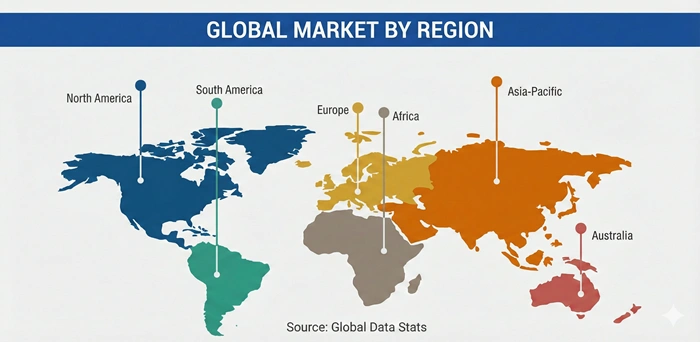
North America holds the largest share of the global pharmaceutical drug delivery market, capturing approximately 39–40% of global revenues in 2025, growing at a CAGR of around 4.5% during the forecast period. The region's leadership is underpinned by its world-class pharmaceutical R&D ecosystem, advanced regulatory frameworks, and high per-capita healthcare spending. The United States is home to some of the world's largest pharmaceutical and drug delivery device companies — including Johnson & Johnson, Pfizer Inc., Becton Dickinson and Company, and Merck & Co. — all of which maintain substantial manufacturing and R&D operations across the country. The robust adoption of biologics, specialty drugs, and combination drug-device products continues to sustain North America's dominant position in the global drug delivery landscape.
Canada also contributes meaningfully to North America's market share, with increasing government investment in domestic pharmaceutical manufacturing and a growing emphasis on biosimilar adoption. The region's strong reimbursement infrastructure, well-established hospital networks, and rapidly expanding home healthcare market are driving sustained demand for self-injectable devices, smart infusion systems, and transdermal delivery platforms. Regulatory innovation through the U.S. FDA's Combination Products program and the 505(b)(2) approval pathway continues to encourage pharmaceutical companies to develop and launch differentiated drug delivery products within the region, further reinforcing its leadership position.
Asia Pacific
Asia Pacific Is the Fastest-Growing Region, Propelled by Expanding Healthcare Access, Rising Disease Burden, and Growing Biopharmaceutical Manufacturing Capacity*
Asia Pacific is the fastest-growing region in the pharmaceutical drug delivery market, projected to expand at a CAGR of approximately 5.8% through 2033, with its current market share at around 19–20% in 2025. China and India are the primary growth engines, driven by rapidly expanding healthcare budgets, surging demand for generic and biosimilar medications, and government-led initiatives to strengthen domestic pharmaceutical production. China's pharmaceutical sector has seen significant investment in injectable and oral drug delivery systems, supported by national policies promoting healthcare innovation and self-sufficiency. Key players active in this region include Sun Pharmaceutical Industries, Cipla Limited, and Sinopharm Group, alongside global companies expanding through local partnerships and joint ventures.
India plays a critical role as a global supplier of oral solid dosage forms and active pharmaceutical ingredients, and its growing contract manufacturing base is attracting investment from multinational pharmaceutical companies seeking cost-effective, high-quality production hubs. Japan and South Korea contribute to regional market sophistication through advanced medical device technologies and regulatory alignment with global standards, particularly in parenteral and transdermal delivery. The pharmaceutical drug delivery market in Asia Pacific also benefits from rising adoption of patient-friendly self-administration platforms — including prefilled syringes and auto-injectors — as awareness of home-based care grows among aging populations across the region.
Top Key Players
-
Johnson & Johnson (United States)
-
Pfizer Inc. (United States)
-
Novartis AG (Switzerland)
-
F. Hoffmann-La Roche Ltd. (Switzerland)
-
Merck & Co., Inc. (United States)
-
Bayer AG (Germany)
-
GlaxoSmithKline plc (United Kingdom)
-
Sanofi S.A. (France)
-
AstraZeneca plc (United Kingdom)
-
Becton, Dickinson and Company (United States)
-
Novo Nordisk A/S (Denmark)
-
Eli Lilly and Company (United States)
-
AbbVie Inc. (United States)
-
Amgen Inc. (United States)
-
Sun Pharmaceutical Industries Ltd. (India)
-
Cipla Limited (India)
Recent Developments
-
2024 – Johnson & Johnson completed the acquisition of Shockwave Medical for approximately USD 13.1 billion, strengthening its cardiovascular treatment portfolio and expanding its device-based drug delivery capabilities in interventional cardiology.
-
2024 – Pfizer Inc. announced a strategic investment in its mRNA manufacturing infrastructure to expand capacity for next-generation vaccine and oncology drug delivery systems, signaling its long-term commitment to lipid nanoparticle-based delivery platforms.
-
2024 – Novartis AG completed the acquisition of MorphoSys AG for approximately EUR 2.7 billion, gaining access to an advanced antibody-based oncology pipeline that leverages targeted drug delivery mechanisms.
-
2025 – AstraZeneca plc entered a licensing agreement for an antibody-drug conjugate (ADC) platform designed to improve precision delivery in solid tumor indications, reflecting its growing strategic focus on targeted oncology delivery.
-
2025 – Becton, Dickinson and Company launched a new generation of prefilled syringe systems designed for high-viscosity biologic drugs, addressing a critical need in the injectable segment of the pharmaceutical drug delivery market and expanding its device portfolio for biologics manufacturers.
Market Trends
Digital Integration, Smart Packaging, and Patient-Centric Design Philosophies Are Reshaping the Competitive Dynamics of the Pharmaceutical Drug Delivery Market*
One of the most prominent trends in the pharmaceutical drug delivery market is the integration of digital technology and connectivity into delivery devices. Smart inhalers equipped with sensors, Bluetooth-enabled insulin pens, and connected auto-injectors are increasingly part of holistic disease management platforms that combine drug administration with real-time data capture and patient feedback. This convergence of digital health and drug delivery not only improves patient adherence but also generates clinical evidence supporting reimbursement decisions and regulatory filings. Pharmaceutical companies developing connected delivery ecosystems are differentiating their products beyond the molecule itself, creating new competitive advantages in an increasingly dynamic therapeutic landscape.
Another significant trend is the rapid advancement and commercial adoption of nanotechnology-based and targeted delivery systems. Lipid nanoparticles, polymeric nanoparticles, liposomes, and dendrimers are being developed to carry therapeutic payloads directly to disease sites while minimizing systemic exposure and side effects. The pharmaceutical drug delivery market is witnessing accelerating clinical activity in nanoparticle-based oncology and gene therapy delivery platforms, with multiple candidates advancing through Phase 2 and Phase 3 clinical trials. This push toward highly precise, site-specific delivery is expected to reshape the treatment paradigm for cancers, rare diseases, and autoimmune conditions, creating a new wave of value-added delivery products over the coming decade.
Segments Covered in the Report
By Route of Administration:
-
Oral
-
Injectable
-
Topical
-
Pulmonary
-
Nasal
-
Ocular
-
Other Routes of Administration
By Application:
-
Cancer
-
Cardiovascular Diseases
-
Diabetes
-
Infectious Diseases
-
Respiratory Diseases
-
Central Nervous System Disorders
-
Autoimmune Diseases
-
Other Applications
By End User:
-
Hospitals
-
Home Care Settings
-
Ambulatory Surgical Centers (ASC) / Clinics
-
Other End Users
By Region:
-
North America
-
United States
-
Canada
-
-
Europe
-
Germany
-
United Kingdom
-
France
-
Italy
-
Spain
-
Rest of Europe
-
-
Asia Pacific
-
China
-
India
-
Japan
-
South Korea
-
Australia
-
Rest of Asia Pacific
-
-
Latin America
-
Brazil
-
Mexico
-
Rest of Latin America
-
-
Middle East & Africa
-
GCC Countries
-
South Africa
-
Rest of Middle East & Africa
-
Frequently Asked Questions
Question 1: What is the current size of the pharmaceutical drug delivery market and how fast is it expected to grow?
Answer: The pharmaceutical drug delivery market is valued at USD 1.77 trillion in 2025 and is projected to reach USD 2.51 trillion by 2033. It is expected to grow at a CAGR of 4.30% from 2026 to 2033.
Question 2: Which route of administration leads the pharmaceutical drug delivery market?
Answer: The oral route of administration dominates the pharmaceutical drug delivery market, accounting for approximately 55% of market revenue in 2025. Its patient-friendly nature, wide therapeutic applicability, and cost efficiency are the key reasons for this leadership position.
Question 3: What are the primary growth drivers in the pharmaceutical drug delivery market?
Answer: The most important growth drivers include the rising global prevalence of chronic diseases and the rapid expansion of biologics and biosimilar pipelines that require advanced delivery systems. Increasing patient preference for self-administered, home-based therapies and favorable regulatory frameworks are further supporting market growth.
Question 4: Which region leads the pharmaceutical drug delivery market and which is growing fastest?
Answer: North America currently leads the pharmaceutical drug delivery market with the largest revenue share, driven by its advanced healthcare infrastructure and the presence of major global pharmaceutical companies. Asia Pacific is the fastest-growing region, supported by healthcare expansion, rising disease burden, and growing manufacturing capacity in China and India.
Question 5: Who are the major companies competing in the pharmaceutical drug delivery market?
Answer: Leading companies in the pharmaceutical drug delivery market include Johnson & Johnson, Pfizer Inc., Novartis AG, Roche, Merck & Co., AstraZeneca, GlaxoSmithKline, Sanofi, Becton Dickinson, and Eli Lilly. These companies are continuously innovating in areas such as injectable biologics, targeted oncology delivery, and connected drug delivery devices.