
Personal Care Ingredients Market Overview
Natural and Sustainable Formulation Components Drive Beauty and Wellness Industry Transformation
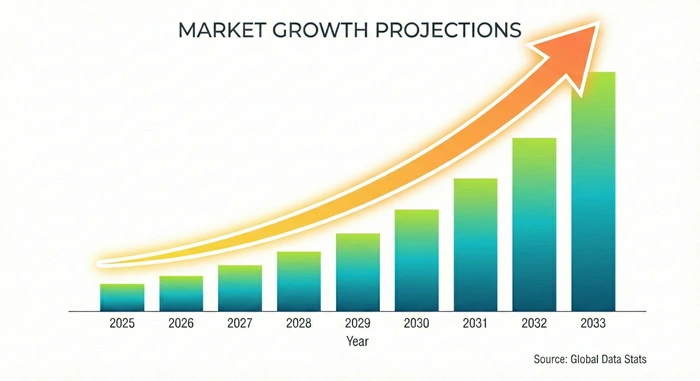
The global personal care ingredients market size is valued at USD 15.18 billion in 2025 and is predicted to increase from USD 16.11 billion in 2026 to approximately USD 25.66 billion by 2033, growing at a CAGR of 5.32% from 2026 to 2033. This industry encompasses diverse functional and active components utilized in skincare, haircare, cosmetics, and personal hygiene products including emollients, surfactants, conditioning polymers, preservatives, emulsifiers, and specialty actives delivering specific performance benefits. Personal care ingredients serve as foundational building blocks enabling product efficacy, sensory experience, stability, and safety across beauty formulations addressing consumer demands for appearance enhancement, skin health, and personal wellness.
The personal care ingredients market addresses escalating consumer expectations for natural, sustainable, and clinically effective formulations driving manufacturers to innovate beyond traditional petrochemical derivatives toward plant-based extracts, biotechnology-derived actives, and multifunctional compounds. These specialized ingredients demonstrate diverse properties including moisturization, anti-aging benefits, UV protection, texture modification, and antimicrobial activity enabling formulators to create differentiated products meeting clean beauty standards. Major application sectors including skincare, haircare, color cosmetics, and oral care consume substantial ingredient volumes as brands pursue premium positioning through advanced formulations incorporating peptides, ceramides, hyaluronic acid, and botanical extracts addressing specific consumer concerns.

AI Impact on the Personal Care Ingredients Industry
Machine Learning and Predictive Analytics Revolutionize Formulation Development and Consumer Personalization
Artificial intelligence transforms the personal care ingredients market through computational modeling that predicts ingredient interactions, stability profiles, and sensory characteristics before expensive laboratory testing, dramatically accelerating product development cycles from months to weeks. Machine learning algorithms analyze thousands of formulation variables including pH levels, viscosity modifiers, and active ingredient concentrations to identify optimal compositions delivering target benefits while maintaining regulatory compliance and cost parameters. These AI-powered systems enable virtual screening of botanical extracts and synthetic compounds predicting skin penetration, efficacy, and potential irritation through digital twin technology eliminating unsuitable candidates early in development. Deep learning models trained on consumer feedback data and clinical trial results recommend ingredient combinations most likely to achieve desired performance outcomes across diverse demographics and skin types.
Advanced AI applications extend beyond formulation optimization to revolutionize personalized beauty solutions within the personal care ingredients market landscape. Neural networks analyze individual consumer data including skin microbiome composition, genetic markers, environmental factors, and lifestyle patterns to recommend customized ingredient blends addressing specific concerns ranging from hyperpigmentation to barrier dysfunction. Computer vision systems integrated with smartphone cameras perform skin analysis detecting fine lines, pore size, hydration levels, and discoloration guiding selection of targeted active ingredients including retinoids, niacinamide, and antioxidants. Natural language processing mines social media conversations, product reviews, and beauty forums identifying emerging ingredient trends and consumer preferences enabling brands to anticipate market demands. These AI-driven capabilities position ingredient suppliers and formulators to deliver mass customization at scale while reducing development costs and time-to-market for innovative personal care solutions.
Growth Factors
Clean Beauty Movement and Wellness Trends Propel Demand for Natural and Functional Personal Care Ingredients
The personal care ingredients market experiences robust growth propelled by intensifying consumer preferences for natural, organic, and sustainably sourced components aligning with clean beauty philosophies that scrutinize ingredient safety, environmental impact, and ethical sourcing practices. Surveys indicate over 70% of consumers actively avoid synthetic chemicals including parabens, sulfates, phthalates, and silicones favoring botanical extracts, plant oils, and biotechnology-derived alternatives perceived as safer and more environmentally responsible. Beauty brands respond to these market dynamics by reformulating products incorporating natural emollients like shea butter and jojoba oil, plant-derived surfactants from coconut and sugar, and active ingredients including bakuchiol, squalane, and peptides extracted through green chemistry processes. Social media amplifies consumer awareness regarding ingredient transparency as beauty influencers and dermatologists educate audiences about formulation science, driving demand for brands demonstrating commitment to clean formulations through third-party certifications and comprehensive ingredient disclosure.
Rising disposable incomes across emerging markets and aging demographics in developed regions drive personal care ingredients market expansion through increased spending on premium skincare and anti-aging formulations incorporating advanced active ingredients. Asia Pacific consumers particularly demonstrate willingness to invest in multi-step skincare routines incorporating serums, essences, and treatments enriched with hyaluronic acid, vitamin C, peptides, and ceramides addressing specific concerns. North American and European markets exhibit strong growth in age-defying products as baby boomer populations seek formulations containing retinol, growth factors, and antioxidants maintaining youthful appearance. Male grooming segment emergence creates diversified demand as men increasingly adopt specialized skincare and haircare products beyond basic hygiene, consuming substantial ingredient volumes across beard care, anti-aging treatments, and styling products. These converging demographic and psychographic trends create sustained market momentum throughout the forecast period.
Market Outlook
Biotechnology Innovation and Sustainability Mandates Position Industry for Sustained Long-Term Growth
The personal care ingredients market outlook remains exceptionally positive as manufacturers invest substantially in biotechnology platforms producing high-performance actives through fermentation, enzymatic synthesis, and cellular agriculture addressing supply chain constraints and sustainability concerns associated with botanical extraction. Biotech-derived ingredients including lab-grown collagen, fermented hyaluronic acid, and microbially-produced squalane deliver identical molecular structures to natural sources while eliminating agricultural land requirements, water consumption, and seasonal harvest variability. These precision fermentation technologies enable production of rare botanical compounds including edelweiss extract, sea fennel, and resurrection plant derivatives at commercial scales previously impossible through traditional extraction, expanding formulator ingredient palettes. Upcycled ingredients created from food industry by-products including coffee grounds, fruit peels, and rice bran demonstrate circular economy principles while delivering antioxidant, exfoliating, and conditioning benefits resonating with environmentally conscious consumers.
Investment trends within the personal care ingredients market reflect growing confidence in long-term demand fundamentals as major chemical companies expand specialty ingredients divisions targeting beauty and personal care applications. BASF, Evonik, Croda, and Givaudan maintain robust research pipelines developing multifunctional ingredients combining multiple benefits including moisturization, anti-aging, and UV protection within single components simplifying formulations while reducing costs. Acquisition activity intensifies as ingredient suppliers pursue strategic combinations accessing complementary technologies, geographic markets, and customer relationships. Asia Pacific manufacturing capacity expansions target domestic consumption growth as Chinese, Indian, and Southeast Asian consumers increase personal care spending driven by urbanization, western beauty trends, and social media influence. Regulatory harmonization efforts across regions facilitate global ingredient approvals accelerating commercialization timelines. These favorable dynamics position the market for sustained expansion exceeding general cosmetics industry growth rates through 2033.
Expert Speaks
-
Steve Foots, Chief Executive Officer of Croda International, emphasized strategic priorities: "We want to accelerate growth through our transformation plan while making Croda structurally more efficient by doing good things in back office operations and supply chain. Our ambition is clear with sequential margin improvement quarter by quarter as we focus on profitable revenue growth getting every part of Croda involved in growth and efficiency initiatives".
-
Markus Kamieth, Chief Executive Officer of BASF, articulated execution focus: "Our third quarter has been very eventful with lots of strategic decisions putting things in motion. We're making good progress implementing our Winning Ways strategy and acting effectively in a persistently low demand environment, focusing on operational excellence and value creation across our portfolio including Care Chemicals division".
-
Naama Eylon, Chief Executive Officer of Sharon Personal Care, highlighted partnership synergies: "I see very positive outcomes as we enter this new partnership with Eternis Fine Chemicals. Our combined manufacturing and distribution footprints across India, Europe, Asia and US will offer robust supply chain enabling us to reach Asia-Pacific with personal care products ensuring more customers experience high-quality innovative offerings".
Key Report Takeaways
-
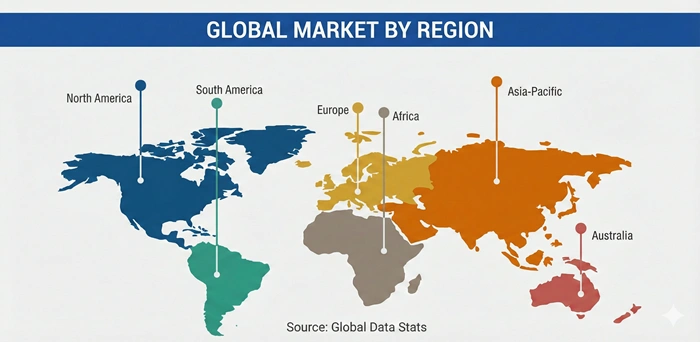
Asia Pacific dominates the personal care ingredients market with commanding share exceeding 38%, driven by concentrated manufacturing capacity across China, India, and Japan where beauty and wellness sectors consume substantial ingredient volumes supported by rising disposable incomes, urbanization, and western cosmetics adoption.
-
North America emerges as the fastest-growing regional market with projected CAGR approaching 5.8% through 2033, propelled by clean beauty movement momentum, premium skincare demand, anti-aging product adoption, and male grooming segment expansion requiring specialized functional and active ingredients.
-
Emollients represent the dominant ingredient segment accounting for approximately 34% market share due to fundamental role in moisturization, skin conditioning, and texture enhancement across skincare, haircare, and color cosmetics formulations where hydration and sensory experience drive consumer preferences.
-
Skincare applications constitute the largest end-use segment capturing over 30% market share, driven by consumer focus on skin health, anti-aging benefits, and therapeutic functions requiring advanced actives including peptides, retinoids, niacinamide, and hyaluronic acid delivering clinically proven results.
-
Active ingredients exhibit highest growth trajectory with anticipated CAGR exceeding 8.6% through 2033, attributed to increasing consumer demand for targeted benefits including anti-aging, UV protection, and brightening driving adoption of specialty actives commanding premium pricing.
-
Natural and organic ingredients maintain market leadership representing approximately 60% of formulation content in 2025, reflecting consumer preferences for plant-derived components, sustainability concerns regarding synthetic chemicals, and clean beauty positioning strategies adopted by major brands.
Market Scope
| Report Coverage Details | |
|---|---|
| Market Size by 2033 | USD 25.66 Billion |
| Market Size by 2025 | USD 15.18 Billion |
| Market Size by 2026 | USD 16.11 Billion |
| Market Growth Rate from 2026 to 2033 | CAGR of 5.32% |
| Dominating Region | Asia Pacific |
| Fastest Growing Region | North America |
| Base Year | 2025 |
| Forecast Period | 2026 to 2033 |
| Segments Covered | Ingredient Type, Source, Application, End-Use, Region |
| Regions Covered | North America, Europe, Asia Pacific, Latin America, Middle East & Africa |
Market Dynamics
Drivers Impact Analysis
Consumer Awareness and Clean Beauty Preferences Accelerate Natural Ingredient Adoption Across Formulations
| Impact Factor | (≈) % Impact on CAGR Forecast | Geographic Relevance | Impact Timeline |
|---|---|---|---|
| Clean Beauty Movement | +1.8% | North America, Europe | 2026-2033 |
| Aging Demographics | +1.4% | Global, Led by Developed Markets | 2026-2033 |
| Rising Disposable Incomes | +1.2% | Asia Pacific, Latin America | 2026-2033 |
| Male Grooming Expansion | +0.9% | Global Markets | 2027-2033 |
The personal care ingredients market benefits substantially from clean beauty movement acceleration as consumers increasingly scrutinize ingredient labels seeking natural, sustainable, and safe components avoiding synthetic chemicals associated with health concerns. Surveys conducted across North America and Europe indicate 73% of consumers actively research ingredient safety before purchasing beauty products, creating market pull for formulations incorporating botanical extracts, plant oils, and biotechnology-derived actives. Social media platforms and beauty influencers amplify ingredient education as dermatologists and skincare experts explain formulation science, functional benefits, and potential irritants driving informed purchasing decisions. Retailers including Sephora, Ulta, and Target establish clean beauty sections highlighting products meeting stringent ingredient criteria excluding parabens, sulfates, phthalates, mineral oils, and synthetic fragrances, creating competitive pressure for brands to reformulate legacy products.
Aging global demographics drive personal care ingredients market expansion through sustained demand for anti-aging formulations incorporating advanced active ingredients delivering clinically proven results. Population statistics indicate individuals aged 65 and above will reach 1.5 billion by 2050, representing 16% of global population compared to 10% in 2022, creating substantial market opportunity for age-defying products. Baby boomer cohorts in North America, Europe, and Japan demonstrate willingness to invest in premium skincare incorporating retinoids, peptides, growth factors, and antioxidants maintaining youthful appearance and skin health. Active ingredients including bakuchiol, niacinamide, vitamin C derivatives, and ceramides gain prominence as consumers seek alternatives to prescription retinoids delivering similar benefits without associated irritation. Anti-aging segment expansion extends beyond facial skincare into body care, neck treatments, and hand creams as consumers pursue comprehensive age management strategies consuming diverse ingredient types throughout forecast period.
Restraints Impact Analysis
Regulatory Complexity and Raw Material Costs Challenge Market Growth and Profitability
| Restraint Factor | (≈) % Impact on CAGR Forecast | Geographic Relevance | Impact Timeline |
|---|---|---|---|
| Stringent Regulatory Requirements | -1.1% | Global, Particularly Europe | 2026-2033 |
| Raw Material Price Volatility | -0.8% | Global Supply Chain | 2026-2030 |
| Sustainability Verification Costs | -0.6% | Developed Markets | 2026-2033 |
| Formulation Stability Challenges | -0.5% | Natural Ingredient Users | 2026-2031 |
The personal care ingredients market faces growth constraints from increasingly complex regulatory frameworks governing ingredient safety, labeling requirements, and environmental claims across major markets requiring substantial compliance investments. European Union's Cosmetics Regulation mandates extensive safety assessments, toxicological data, and stability testing before ingredient approval, with processes extending 12-18 months and costs exceeding 100000 euros for novel components. United States FDA monitors cosmetic ingredients through voluntary registration programs while state-level regulations including California's Proposition 65 create patchwork compliance requirements. China's evolving cosmetic ingredient regulations require domestic animal testing for certain categories despite international pressure for alternatives, complicating global product launches. These regulatory burdens disproportionately impact smaller ingredient suppliers lacking resources for comprehensive testing and documentation while creating barriers to innovation as companies avoid novel ingredients requiring extensive approval processes.
Raw material price volatility driven by agricultural commodity cycles, climate variability, and geopolitical factors constrains personal care ingredients market profitability particularly for natural and botanical components. Plant-derived ingredients including shea butter, coconut oil, argan oil, and essential oils experience 30-50% annual price fluctuations based on harvest yields, weather patterns, and competing demand from food and pharmaceutical industries. Biotechnology-derived ingredients require substantial capital investment in fermentation infrastructure with production costs sensitive to feedstock prices and energy expenses. Sustainable sourcing certifications including Fair Trade, Rainforest Alliance, and organic verification add 15-25% cost premiums that smaller brands struggle to absorb without price increases risking consumer resistance. Supply chain disruptions experienced during pandemic periods highlight dependence on concentrated sourcing regions creating vulnerability to logistics delays, quality inconsistencies, and availability constraints affecting formulation development timelines throughout forecast period.
Opportunities Impact Analysis
Biotechnology Advances and Personalization Trends Create Substantial Growth Avenues Beyond Traditional Markets
| Opportunity Factor | (≈) % Impact on CAGR Forecast | Geographic Relevance | Impact Timeline |
|---|---|---|---|
| Precision Fermentation Technology | +1.4% | Global Innovation Centers | 2027-2033 |
| Personalized Beauty Solutions | +1.1% | North America, Europe | 2026-2033 |
| Microbiome-Friendly Ingredients | +0.9% | Developed Markets | 2027-2033 |
| Waterless Formulations | +0.7% | Water-Stressed Regions | 2026-2033 |
The personal care ingredients market stands to capture substantial value from precision fermentation technologies producing high-performance actives including collagen, hyaluronic acid, and squalane through microbial biosynthesis eliminating agricultural dependencies and supply chain constraints. Biotech companies leverage genetically engineered microorganisms to produce identical molecular structures to rare botanical compounds at commercial scales with consistent quality unaffected by seasonal variations or geographic limitations. These precision fermentation platforms enable production of specialty ingredients including edelweiss extract, resurrection plant compounds, and marine actives commanding premium pricing while addressing sustainability concerns associated with overharvesting endangered plant species or deep-sea ecosystems. Investment capital flowing into beauty biotechnology startups exceeds 500 million dollars annually as major cosmetic companies establish venture arms and partnership programs accessing cutting-edge ingredient technologies.
Personalized beauty solutions present exceptional growth opportunities for the personal care ingredients market as brands deploy AI-powered diagnostic tools, genetic testing, and microbiome analysis recommending customized formulations addressing individual skin concerns. Direct-to-consumer companies including Proven, Curology, and Function of Beauty collect customer data through questionnaires, selfie analysis, and DNA testing creating bespoke products incorporating specific active ingredient combinations optimized for personal biology and environmental factors. Skin microbiome research reveals diverse bacterial communities influence conditions including acne, eczema, and aging, driving development of prebiotic and postbiotic ingredients supporting beneficial microflora. Major brands including L'Oréal, Unilever, and Estée Lauder invest substantially in personalization technologies including in-store diagnostic devices and mobile applications guiding product recommendations and creating opportunities for premium-priced customized formulations throughout forecast period.
Segment Analysis
By Ingredient Type: Emollients
Moisturization and Sensory Enhancement Properties Sustain Emollient Segment Market Leadership Position
Emollients command the largest share within the personal care ingredients market, accounting for approximately 34% of global revenue with continued expansion projected at steady CAGR of 5.1% through 2033. This ingredient category encompasses diverse lipophilic materials including plant oils, butter, esters, and silicones providing moisturization, occlusivity, and skin conditioning benefits fundamental to skincare, haircare, and color cosmetics formulations. The personal care ingredients market benefits from emollient versatility enabling formulation of products ranging from lightweight lotions to rich creams addressing diverse consumer preferences and seasonal needs. Natural emollients including shea butter, coconut oil, jojoba oil, and argan oil gain market share as clean beauty preferences drive substitution of petroleum-derived mineral oils and synthetic esters despite higher costs and formulation challenges including oxidative stability and sensory profiles.
Asia Pacific leads emollient consumption within the market, driven by substantial skincare and haircare manufacturing capacity across China, South Korea, and Japan where multi-step beauty routines consume diverse moisturizing ingredients. Leading regional ingredient suppliers including Croda, BASF, Evonik, and Kao Corporation develop specialized emollient systems combining natural oils with performance esters delivering enhanced spreadability, absorption, and non-greasy aesthetics. Korean beauty brands incorporate lightweight emollients including squalane, caprylic/capric triglycerides, and meadowfoam seed oil into essences, serums, and gel creams suiting humid climate preferences. Indian personal care manufacturers specify cost-effective emollients including coconut oil derivatives and palm-based esters for mass-market lotions and hair oils serving price-sensitive consumers. North American and European markets emphasize sustainable sourcing with brands pursuing Fair Trade certified shea butter, organic coconut oil, and responsibly harvested argan oil meeting consumer expectations for ethical ingredient procurement. The segment's market leadership continues strengthening as formulation innovation delivers multifunctional emollients combining moisturization with additional benefits including antioxidant activity and barrier repair throughout forecast period.
By Application: Skincare
Therapeutic Benefits and Anti-Aging Focus Position Skincare as Dominant Application Segment
Skincare represents the largest application segment within the personal care ingredients market, accounting for approximately 30% of global consumption with robust expansion anticipated at CAGR of 5.6% through 2033. This sector encompasses facial and body products including cleansers, moisturizers, serums, masks, and treatments requiring diverse ingredient types delivering hydration, anti-aging benefits, barrier protection, and targeted concern correction. The personal care ingredients market benefits from skincare category premiumization as consumers invest in advanced formulations incorporating specialty actives including peptides, growth factors, ceramides, and botanical extracts commanding higher price points compared to basic moisturizers. Clinical skincare brands including SkinCeuticals, Drunk Elephant, and The Ordinary educate consumers about ingredient efficacy through transparent labeling and scientific messaging creating informed demand for specific actives including vitamin C, niacinamide, hyaluronic acid, and retinol derivatives.
North America and Europe lead skincare ingredient adoption within the market, driven by aging demographics, dermatologist influence, and established prestige beauty channels distributing premium formulations. United States skincare consumers demonstrate strong preferences for active ingredient-focused products with retinoids, alpha hydroxy acids, and antioxidants consuming substantial specialty ingredient volumes across anti-aging, acne treatment, and brightening categories. European markets emphasize natural and organic skincare with France, Germany, and United Kingdom leading certified organic cosmetic sales incorporating botanical extracts, plant oils, and natural preservatives. Asia Pacific exhibits fastest regional growth as rising middle-class incomes in China, India, and Southeast Asia drive skincare adoption with consumers embracing K-beauty and J-beauty multi-step routines incorporating essences, serums, and sheet masks enriched with hyaluronic acid, snail mucin, and fermented ingredients. Leading ingredient suppliers including Ashland, Solvay, and Lonza develop comprehensive skincare portfolios offering emulsifiers, rheology modifiers, active delivery systems, and preservation solutions enabling formulators to create stable, efficacious products meeting diverse market requirements throughout forecast period.
Regional Insights
Asia Pacific
Manufacturing Excellence and Rising Consumer Spending Establish Regional Dominance in Personal Care Ingredients Consumption
Asia Pacific commands the personal care ingredients market with dominant share exceeding 38%, driven by concentrated beauty product manufacturing across China, South Korea, Japan, and India where domestic and export-oriented production consume substantial ingredient volumes. China alone accounts for over 30% of global cosmetics production serving domestic market exceeding 500 billion yuan annually while supplying international brands through contract manufacturing relationships. The region benefits from vertical integration spanning raw material sourcing through finished product packaging, with major ingredient suppliers maintaining local production facilities and technical centers supporting rapid formulation development. South Korea's innovation-driven beauty industry develops cutting-edge ingredient technologies including fermented botanicals, snail mucin, and marine extracts gaining global adoption through K-beauty trend influence. Japan's mature cosmetics market emphasizes premium formulations incorporating advanced actives and sophisticated sensory profiles setting quality benchmarks for Asia Pacific production.
India represents fastest-growing market within Asia Pacific driven by population demographics, rising disposable incomes, and increasing beauty consciousness across urban and semi-urban consumers. Leading ingredient suppliers including BASF, Croda, Clariant, and Dow operate regional manufacturing and distribution facilities serving Indian personal care manufacturers requiring cost-effective formulation solutions balancing performance with affordability. Southeast Asian nations including Thailand, Vietnam, and Indonesia develop personal care manufacturing capacity supported by favorable investment policies, growing domestic consumption, and proximity to raw material sources including coconut, palm, and botanical extracts. Chinese ingredient producers including Zhejiang Zanyu Technology, Guangzhou Tinci Materials, and Nanjing Cosmos Chemical expand production capacity serving domestic demand while pursuing international quality certifications enabling export growth. The region's market dominance continues strengthening through 2033 as consumption growth, manufacturing investment, and innovation leadership create self-reinforcing dynamics supporting continued expansion.
North America
Clean Beauty Leadership and Premium Market Development Drive Regional Growth Acceleration
North America emerges as the fastest-growing regional personal care ingredients market with projected CAGR of 5.8% through 2033, propelled by clean beauty movement leadership, premium skincare adoption, and active ingredient-focused consumer preferences. The United States dominates regional market activity through established prestige beauty channels including Sephora, Ulta, and department stores where educated consumers seek formulations incorporating clinically proven actives. Clean beauty retailer Credo Beauty and natural beauty chain The Detox Market establish ingredient standards excluding over 2700 potentially harmful substances, creating compliance requirements for brands pursuing distribution through these influential channels. California's regulatory leadership through Proposition 65 and cosmetic ingredient safety legislation influences national standards as brands reformulate products meeting strictest state requirements.
United States personal care ingredients market specifically benefits from innovation ecosystem connecting ingredient suppliers, contract manufacturers, indie beauty brands, and research institutions advancing formulation science. Silicon Valley beauty technology startups leverage artificial intelligence, genetic testing, and microbiome analysis creating personalized formulations requiring diverse active ingredient portfolios addressing individual consumer needs. Male grooming segment expansion creates incremental demand as men adopt specialized skincare, beard care, and anti-aging products beyond basic hygiene categories. Canada contributes to North American growth through natural beauty strength with brands including The Ordinary, Deciem, and Riversol emphasizing ingredient transparency and clinical efficacy. Mexico represents substantial manufacturing hub serving Latin American markets while supporting North American supply chains. Leading international ingredient suppliers maintain regional headquarters, innovation centers, and manufacturing operations enabling close collaboration with brands developing next-generation formulations throughout forecast period.
Top Key Players
-
BASF SE (Germany)
-
Evonik Industries AG (Germany)
-
Croda International Plc (United Kingdom)
-
Ashland Global Holdings Inc. (United States)
-
Clariant AG (Switzerland)
-
Dow Inc. (United States)
-
Solvay S.A. (Belgium)
-
Lonza Group AG (Switzerland)
-
Givaudan SA (Switzerland)
-
Symrise AG (Germany)
-
Kao Corporation (Japan)
-
Akzo Nobel N.V. (Netherlands)
-
Stepan Company (United States)
-
Innospec Inc. (United States)
-
Lucas Meyer Cosmetics (Canada)
Recent Developments
-
Eternis Fine Chemicals (2024): Completed strategic acquisition of Sharon Personal Care including 100% shares, gaining innovation labs and manufacturing capabilities in Italy and Israel, distribution sites in US, Italy, Germany and France, plus global distribution network expanding footprint in growing personal care segment addressing evolving consumer demands.
-
Givaudan (2023): Announced agreement to acquire certain cosmetic ingredients from Amyris including Neossance Squalane highest performant emollient, Neossance Hemisqualane plant-based silicone alternative, and CleanScreen sustainable sun protector, establishing long-term partnership for future sustainable beauty ingredient development and commercialization.
-
Croda International (2025): Implemented comprehensive transformation plan focusing on profitable revenue growth and structural efficiency improvements across operations and supply chain, targeting sequential margin progression and ambitious financial performance with enhanced R&D investment and potential strategic acquisitions accelerating innovation.
-
BASF (2025): Released preliminary full-year 2025 figures demonstrating progress implementing Winning Ways strategy focusing on operational excellence and value creation across Care Chemicals division serving personal care markets, with EBITDA expectations between 8.0-8.4 billion euros reflecting strategic portfolio management.
-
L'Oréal (2025): Advanced sustainability commitments targeting 75% of formula ingredients from natural sources or recycled materials by 2030, while sourcing 90% of biobased materials sustainably and regenerating more land than organizational footprint to enhance ecosystem health and resilience.
Market Trends
Biotechnology Integration and Sustainability Imperatives Reshape Industry Innovation and Sourcing Strategies
The personal care ingredients market experiences transformative trends centered on biotechnology adoption as manufacturers deploy precision fermentation, enzymatic synthesis, and cellular agriculture producing high-performance actives addressing supply chain constraints and sustainability concerns. Microbial biosynthesis enables production of identical molecular structures to rare botanical compounds including edelweiss extract, resurrection plant actives, and marine ingredients at commercial scales unaffected by seasonal harvest limitations or geographic dependencies. Biotech-derived ingredients including lab-grown collagen, fermented hyaluronic acid, and precision-produced squalane demonstrate environmental advantages eliminating agricultural land requirements, water consumption, and chemical extraction processes while maintaining identical efficacy to natural sources. These fermentation platforms expand formulator ingredient options as novel actives previously available only through expensive botanical extraction or chemical synthesis become economically viable for mass-market applications.
Upcycling and circular economy principles gain prominence within the personal care ingredients market as brands valorize food industry by-products creating sustainable ingredient supplies while reducing waste. Coffee grounds rich in antioxidants and exfoliating properties, grape seed extracts from winemaking, rice bran from milling operations, and citrus peels containing vitamin C and essential oils represent examples of upcycled ingredients delivering functional benefits with compelling sustainability narratives. Waterless formulation trends drive concentrated product development utilizing anhydrous bases, powder-to-liquid technologies, and solid formats reducing packaging, shipping costs, and water consumption during manufacturing. Refillable packaging systems gain adoption as brands including L'Oréal, Unilever, and Loop create subscription models and in-store refill stations reducing single-use container waste while maintaining ingredient efficacy through proper preservation and dispensing systems throughout forecast period.
Segments Covered in the Report
By Ingredient Type
-
Emollients
-
Surfactants
-
Conditioning Polymers
-
Emulsifiers
-
Rheology Modifiers
-
Active Ingredients
-
Preservatives
-
Others
By Source
-
Natural and Organic
-
Synthetic
-
Biotechnology-Derived
By Application
-
Skincare
-
Haircare
-
Color Cosmetics
-
Oral Care
-
Fragrances
-
Others
By End-Use
-
Mass Market
-
Premium/Prestige
-
Professional
-
Medical/Dermatological
By Region
-
North America (United States, Canada, Mexico)
-
Europe (Germany, United Kingdom, France, Italy, Spain, Rest of Europe)
-
Asia Pacific (China, Japan, South Korea, India, Southeast Asia, Rest of Asia Pacific)
-
Latin America (Brazil, Argentina, Rest of Latin America)
-
Middle East & Africa (UAE, Saudi Arabia, South Africa, Rest of MEA)
Frequently Asked Questions
Question 1: What is the projected size of the personal care ingredients market by 2033?
Answer: The global personal care ingredients market is expected to reach approximately USD 25.66 billion by 2033, growing from USD 16.11 billion in 2026. This substantial expansion reflects increasing adoption of natural ingredients, anti-aging actives, and sustainable formulation components across beauty and personal care products.
Question 2: Which region dominates the personal care ingredients market currently?
Answer: Asia Pacific leads the personal care ingredients market with over 38% share, driven by concentrated manufacturing capacity in China, Japan, and South Korea serving domestic and export markets. Leading suppliers including BASF, Croda, Evonik, and Kao Corporation maintain dominant regional positions.
Question 3: What are the primary drivers of personal care ingredients market growth?
Answer: Key growth drivers include clean beauty movement momentum demanding natural ingredients, aging demographics requiring anti-aging actives, rising disposable incomes in emerging markets, and male grooming segment expansion. Consumer preferences for transparency, sustainability, and clinically proven efficacy further accelerate ingredient innovation.
Question 4: Which ingredient type holds the largest personal care ingredients market share?
Answer: Emollients dominate with approximately 34% market share due to fundamental role in moisturization, skin conditioning, and sensory enhancement across skincare, haircare, and cosmetics formulations. Natural emollients including shea butter, coconut oil, and jojoba oil gain share reflecting clean beauty preferences.
Question 5: How do biotechnology-derived ingredients benefit the personal care ingredients market?
Answer: Biotechnology-derived ingredients produced through precision fermentation deliver identical molecular structures to natural sources while eliminating agricultural dependencies, seasonal variability, and supply chain constraints. These sustainable alternatives including lab-grown collagen and fermented hyaluronic acid enable scalable production of high-performance actives addressing formulator needs.