
Pancreatic and Bile Duct Stone Management Market Overview
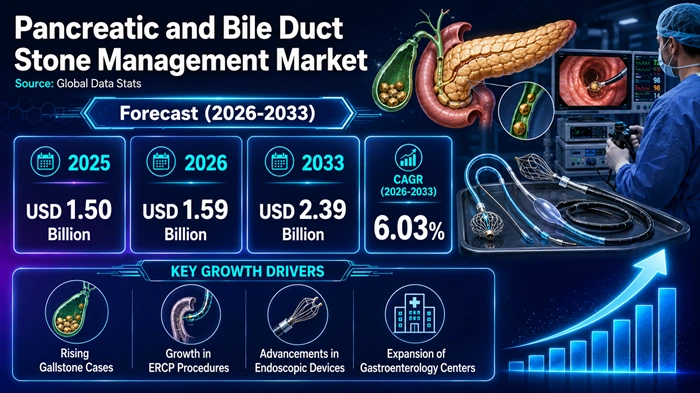
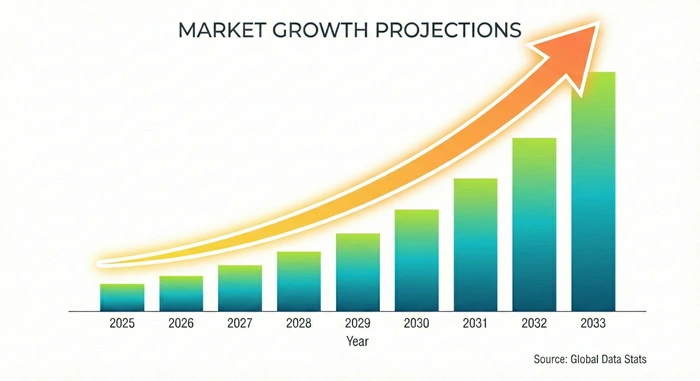
The global pancreatic and bile duct stone management market size is valued at USD 1.50 billion in 2025 and is predicted to increase from USD 1.59 billion in 2026 to approximately USD 2.39 billion by 2033, growing at a CAGR of 6.03% from 2026 to 2033.
This growth is underpinned by rising global rates of gallstone disease, increasing obesity and metabolic syndrome prevalence, an aging population more susceptible to biliary obstruction, and the rapid adoption of minimally invasive endoscopic procedures that have transformed how clinicians treat complex pancreatic and bile duct calculi. From endoscopic retrograde cholangiopancreatography (ERCP) and lithotripsy to advanced biliary stenting and cholangioscopy-guided stone fragmentation, the management of pancreaticobiliary stones is evolving rapidly as medical technology companies introduce next-generation tools that improve clearance rates and reduce procedural complications.
AI Impact on the Pancreatic and Bile Duct Stone Management Industry
AI-Assisted Imaging, Procedural Decision Support, and Robotic Endoscopy Platforms Are Redefining the Precision, Safety, and Accessibility of Pancreaticobiliary Stone Interventions
Artificial intelligence is beginning to reshape how pancreatic and bile duct stone management is approached at each stage of the clinical pathway — from initial detection through procedural planning to post-intervention monitoring. AI-powered imaging analysis platforms are being integrated into endoscopic ultrasound and fluoroscopy systems, enabling gastroenterologists to identify stone location, number, size, and composition with significantly greater accuracy than conventional unassisted review. Machine learning models trained on large endoscopic procedure datasets can flag subtle biliary obstruction patterns and predict stone complexity scores, helping clinicians pre-select the most appropriate intervention — whether standard basket extraction, balloon sweeping, or advanced lithotripsy — before the procedure begins. This upfront precision reduces procedural time, minimizes complication risk, and supports better resource allocation in high-volume endoscopy units.
Beyond diagnostic support, AI is being applied to the development of robotic-assisted endoscopic platforms designed to improve the navigation precision of ERCP instruments within the complex anatomy of the biliary and pancreatic duct system. Robotic endoscopy systems use AI-based motion control algorithms to stabilize catheter and guidewire movement, reducing the manual skill variance that currently makes ERCP one of the most technically demanding gastrointestinal procedures. For hospitals in regions with limited access to experienced endoscopists — particularly in emerging markets across Asia Pacific, Latin America, and the Middle East — AI-guided robotic assistance could democratize access to high-quality stone management procedures that today are available only at specialist centers. This has significant long-term implications for the commercial expansion of the pancreatic and bile duct stone management market into geographies that have historically been underserved.
Growth Factors
Rising Gallstone Disease Prevalence, Expanding ERCP Adoption, and the Shift Toward Minimally Invasive Management Are Three Interlocking Forces Driving Consistent Market Expansion
The most foundational driver of the pancreatic and bile duct stone management market is the growing global prevalence of gallstone disease and its downstream complications, including common bile duct stones (choledocholithiasis) and pancreatic duct calculi. Gallstones affect approximately 10–15% of adults in Western countries, and their incidence is rising globally in parallel with increasing rates of obesity, sedentary lifestyles, high-fat dietary patterns, and metabolic syndrome — all of which are established risk factors for cholesterol stone formation. Older age is an additional independent risk factor, meaning that the demographic aging of populations in North America, Europe, Japan, and China is simultaneously expanding the patient pool requiring active stone management. Each patient presenting with symptomatic biliary obstruction, cholangitis, or biliary pancreatitis requires endoscopic or surgical intervention, creating a direct and growing demand for stone management devices and procedures.
The near-universal adoption of ERCP as the first-line treatment for bile duct stone removal has transformed the procedural landscape and created a large, recurring market for ERCP accessories, including sphincterotomes, extraction baskets, balloon catheters, and biliary stents. Published clinical society guidelines — including those from the European Society of Gastrointestinal Endoscopy (ESGE) and the American Society for Gastrointestinal Endoscopy (ASGE) — recommend ERCP for 80–90% of common bile duct stone cases, effectively establishing it as the de facto standard of care. This guideline-driven adoption ensures a high baseline procedural volume that is relatively insensitive to market cyclicality. As endoscopy centers expand capacity globally and as new generations of gastroenterologists trained in advanced ERCP techniques enter practice, the total annual volume of stone management procedures is expected to increase consistently through 2033.
Market Outlook
The Pancreatic and Bile Duct Stone Management Market Is Entering a Phase of Meaningful Technological Advancement, Driven by Single-Use Endoscopic Accessories, Digital Cholangioscopy, and Emerging Market Expansion
The outlook for the pancreatic and bile duct stone management market through 2033 is shaped by a combination of technological innovation and geographic demand expansion. A particularly important technology trend is the shift toward single-use, disposable endoscopic accessories — including single-use cholangioscopes, sphincterotomes, and retrieval baskets — driven by infection control requirements, hospital accreditation standards, and the clinical risks associated with inadequate reprocessing of reusable instruments. Following high-profile contamination events linked to reusable duodenoscopes, U.S. and European regulatory agencies strengthened guidance on endoscope reprocessing, and many hospitals have proactively transitioned to single-use ERCP accessories. This trend is structurally increasing per-procedure device consumption and creating a significant and recurring revenue stream for single-use product manufacturers.
Digital cholangioscopy-guided lithotripsy is a second major technology platform reshaping the market. Systems that combine direct digital visualization inside the bile or pancreatic duct with laser or electrohydraulic lithotripsy in a single integrated procedure are achieving stone clearance rates of over 90% for complex, large-diameter, or impacted stones that were previously manageable only through surgery. As second-generation digital cholangioscopy systems become more compact, more affordable, and easier to integrate with existing ERCP platforms, their adoption is expected to spread from tertiary referral centers to community-level endoscopy units. This broader diffusion will increase the proportion of complex stone cases treated endoscopically rather than surgically, growing both procedural volumes and per-case device spending within the market.
Expert Speaks
-
"Minimally invasive endoscopic approaches to pancreatic and biliary stone management have fundamentally changed patient outcomes over the past two decades, and the next wave of innovation — including AI-assisted imaging, single-use cholangioscopes, and advanced lithotripsy integration — will take that transformation even further. We see this as one of the most commercially and clinically important segments within gastrointestinal endoscopy." — CEO, Boston Scientific Corporation
-
"The growing burden of gallstone disease globally, combined with the clinical shift away from open surgery toward ERCP-based management, is creating sustained demand growth for well-designed, high-performance endoscopic accessories. Our investment in next-generation biliary intervention tools reflects our conviction that this market will continue to expand meaningfully through the decade." — CEO, Olympus Corporation
-
"Advancing the safety and efficacy of biliary and pancreatic stone management procedures is a priority for our gastrointestinal device portfolio. We are particularly focused on innovations that reduce complication rates, improve stone clearance in complex cases, and extend the reach of advanced endoscopic techniques to hospitals and centers that do not currently have access to specialist-level ERCP capabilities." — CEO, Medtronic plc
Key Report Takeaways
-
North America leads the global pancreatic and bile duct stone management market with approximately 38% market share in 2025, supported by the highest per-capita ERCP procedure volumes globally, advanced endoscopy infrastructure, strong physician adoption of next-generation lithotripsy and cholangioscopy systems, and a favorable reimbursement environment for gastrointestinal intervention procedures
-
Asia Pacific is the fastest-growing regional market, projected to expand at approximately 7.1% CAGR through 2033, fueled by rapidly rising gallstone disease prevalence in China and India, expanding hospital and ambulatory endoscopy center capacity, growing availability of ERCP-trained gastroenterologists, and increasing government and private healthcare investment across the region
-
Endoscopic management dominates the management type segment with approximately 52% market share in 2026, reflecting the near-universal clinical guideline recommendation of ERCP as the first-line approach for bile duct and pancreatic stone removal, supported by its proven safety, efficacy, and significantly shorter patient recovery compared to surgical alternatives
-
Bile duct stones (choledocholithiasis) lead the indication segment with approximately 76% of total indication revenue in 2026, driven by their significantly higher prevalence versus pancreatic stones, close association with the global obesity and metabolic syndrome epidemic, and strong age-related incidence that grows directly with demographic aging trends across developed markets
-
Hospitals are the dominant end-user segment, accounting for approximately 58% of total end-user revenue in 2025, owing to their high-complexity case volume, comprehensive ERCP infrastructure, and capacity for managing complicated stone presentations requiring adjunctive procedures such as biliary stenting and intraductal lithotripsy
-
Lithotripsy-based management is the fastest-growing segment, expected to expand at the highest CAGR through 2033 as laser and electrohydraulic lithotripsy systems gain wider adoption under digital cholangioscopy guidance for large, impacted, or surgically unsuitable stones, creating a rapidly expanding commercial opportunity for specialist device manufacturers
Market Scope
| Report Coverage | Details |
|---|---|
| Market Size by 2033 | USD 2.39 Billion |
| Market Size by 2025 | USD 1.50 Billion |
| Market Size by 2026 | USD 1.59 Billion |
| Market Growth Rate from 2026 to 2033 | CAGR of 6.03% |
| Dominating Region | North America |
| Fastest Growing Region | Asia Pacific |
| Base Year | 2025 |
| Forecast Period | 2026 to 2033 |
| Segments Covered | Management Type, Indication, Device Type, End User, Region |
| Regions Covered | North America, Europe, Asia Pacific, Latin America, Middle East & Africa |
Market Dynamics
Drivers Impact Analysis
Rising Gallstone and Biliary Obstruction Incidence Combined with Guideline-Driven ERCP Adoption Are the Two Most Commercially Significant Demand Accelerators in This Market
| Driver | ≈ % Impact on CAGR Forecast | Geographic Relevance | Impact Timeline |
|---|---|---|---|
| Rising global gallstone disease prevalence linked to obesity and aging | ~36% | Global, led by North America, Asia Pacific | Short to long-term |
| Guideline-driven ERCP adoption as first-line stone management | ~27% | Global | Medium to long-term |
| Growing demand for single-use endoscopic accessories post-infection concerns | ~22% | North America, Europe | Short to medium-term |
| Healthcare infrastructure expansion driving endoscopy access in emerging markets | ~15% | Asia Pacific, Latin America, MEA | Medium to long-term |
The rising global burden of gallstone disease is the most direct and quantifiable commercial driver of the pancreatic and bile duct stone management market. Gallstones affect hundreds of millions of adults worldwide, and a meaningful proportion of these patients develop secondary bile duct stone migration that requires active endoscopic or surgical management. The clinical cascade from gallstone formation to symptomatic choledocholithiasis — involving biliary colic, obstructive jaundice, cholangitis, and biliary pancreatitis — creates multiple intervention touch points, each requiring specific stone management devices. Rising obesity rates in North America, Europe, and increasingly in Asia and Latin America are directly expanding the population at risk, while demographic aging in developed markets is compounding this effect by increasing age-related stone incidence in populations already living longer with underlying metabolic risk factors.
The clinical community's strong and well-documented preference for ERCP as the standard-of-care first-line intervention for bile duct stone management is a second structural demand driver that ensures a large, stable, and growing base of annual procedural volume. Professional society guidelines from ESGE, ASGE, and the British Society of Gastroenterology recommend ERCP for the vast majority of common bile duct stone cases, and these recommendations are followed at high rates by practicing gastroenterologists in markets where ERCP infrastructure is available. As specialist gastroenterology training expands globally — particularly in China, India, Brazil, and the Middle East — the procedural base will grow proportionately, increasing annual consumption of ERCP accessories, biliary stents, and lithotripsy devices across a broadening international geography.
Restraints Impact Analysis
Unfavorable Reimbursement Frameworks in Emerging Markets, High ERCP Complication Rates, and Specialist Skill Shortages Are the Primary Structural Constraints on Market Growth
| Restraint | ≈ % Impact on CAGR Forecast | Geographic Relevance | Impact Timeline |
|---|---|---|---|
| Inadequate reimbursement for advanced stone management devices in many markets | ~38% | Latin America, MEA, parts of Asia Pacific | Medium to long-term |
| ERCP complication risk dampening patient and physician uptake | ~29% | Global | Short to long-term |
| Shortage of ERCP-trained gastroenterologists in emerging regions | ~21% | Africa, South/Southeast Asia, Latin America | Long-term |
| Complex regulatory approval timelines for new endoscopic devices | ~12% | Global, especially Europe and North America | Medium-term |
Inadequate or restrictive reimbursement frameworks remain one of the most significant practical barriers to market growth in the pancreatic and bile duct stone management market, particularly in emerging economies across Asia, Latin America, and the Middle East and Africa. In many of these markets, public health insurance systems reimburse endoscopic stone management at rates that do not support the use of premium single-use ERCP accessories, advanced digital cholangioscopes, or next-generation self-expanding biliary stents. This creates a price-driven procurement environment that favors low-cost imported or locally manufactured alternatives over clinically superior but higher-priced devices, limiting the revenue per procedure achievable by premium device manufacturers and slowing the adoption of technological innovation outside of well-funded private hospital settings.
The inherent procedural risk of ERCP is a second meaningful restraint. Despite being the gold standard for bile duct stone management, ERCP carries a documented complication rate of approximately 5–10%, with post-ERCP pancreatitis being the most common adverse event at rates of 3–5% in unselected patient populations. Less frequent but serious complications include perforation, hemorrhage, and cholangitis. These risks require a significant level of procedural expertise and infrastructure support — including anesthesia services, fluoroscopy equipment, and intensive care backup — that is not universally available across all hospital tiers globally. In markets where endoscopic infrastructure is developing and specialist training is limited, the complication profile of ERCP can generate hesitancy among both patients and referring physicians, constraining procedure rates and consequently device demand.
Opportunities Impact Analysis
Next-Generation Stent Innovation, Digital Cholangioscopy Diffusion, and Emerging Market Procedural Capacity Expansion Are the Three Most Commercially Attractive Opportunities in This Market
| Opportunity | ≈ % Impact on CAGR Forecast | Geographic Relevance | Impact Timeline |
|---|---|---|---|
| Innovation in self-expandable and fully covered metal biliary stents | ~41% | North America, Europe, Asia Pacific | Medium to long-term |
| Broader adoption of digital cholangioscopy-guided lithotripsy systems | ~34% | North America, Europe | Short to medium-term |
| Healthcare infrastructure expansion increasing ERCP access in emerging markets | ~25% | Asia Pacific, Latin America, MEA | Medium to long-term |
The development of next-generation biliary stent technology represents one of the highest-value innovation opportunities in the pancreatic and bile duct stone management market. Fully covered self-expanding metal stents (FCSEMS) are increasingly being used for difficult biliary strictures and complex stone cases where conventional plastic stents provide inadequate patency duration. Clinical evidence supporting extended stent patency, reduced tissue ingrowth, and improved retrievability of fully covered stents is accumulating rapidly, broadening their use from malignant biliary obstruction to benign stricture management and complex stone extraction support. The integration of radiofrequency ablation capabilities into endoscopic biliary platforms — enabling simultaneous stone management and intraductal tissue treatment in a single session — represents a further dimension of procedural innovation that is generating strong clinical interest and commercial investment.
The diffusion of digital cholangioscopy-guided laser lithotripsy from tertiary referral centers to community and regional hospitals is a second major opportunity that will directly increase market volume. As per-system pricing for digital cholangioscopy platforms falls and single-use cholangioscope options become commercially available, the clinical and economic barriers to routine cholangioscopy adoption at non-specialist centers are progressively decreasing. Expanded access to direct intraductal visualization will increase detection and management rates for complex stones that are currently undertreated — either deferred to surgery or managed suboptimally with repeated conventional ERCP attempts — creating meaningful incremental device consumption across a broadening base of hospital customers globally.
Segment Analysis
By Management Type
Endoscopic Management Dominates the Market with Over Half of Segment Revenue, While Lithotripsy-Based Approaches Are the Fastest-Growing Category Across the Forecast Period
Endoscopic management holds the leading position in the pancreatic and bile duct stone management market, accounting for approximately 52% of total management type segment share in 2026. This dominance reflects the strong clinical guideline support for ERCP as the first-line intervention, the established infrastructure of endoscopy suites and trained gastroenterologists in high-income markets, and the broad portfolio of ERCP accessories — including sphincterotomes, extraction baskets, balloon catheters, and biliary stents — that enable physicians to manage the full clinical spectrum of bile duct stone presentations. High procedural volumes in U.S. and European tertiary hospitals drive the majority of revenue in this segment, with companies like Boston Scientific, Olympus, and Cook Medical maintaining strong commercial positions through comprehensive product portfolios and physician training programs.
North America leads endoscopic management adoption, and the region is expected to sustain a CAGR of approximately 5.8% through 2033, driven by growing ambulatory endoscopy center capacity and the progressive migration of routine ERCP procedures from inpatient hospital settings to lower-cost outpatient facilities. This procedural migration is increasing total ERCP volume by making the procedure more accessible and cost-efficient for health systems. Europe is a secondary but significant revenue contributor, with Germany, France, and the UK maintaining high per-capita ERCP rates and strong adoption of single-use accessory innovations driven by infection control requirements under EU Medical Device Regulation.
By Indication
Bile Duct Stones Command Nearly Three-Quarters of Indication Revenue, Anchored in Their High Global Prevalence and Direct Clinical Linkage to the Obesity and Metabolic Syndrome Epidemic
Bile duct stones dominate the indication segment in the pancreatic and bile duct stone management market, accounting for approximately 76% of total indication segment revenue in 2026. This commanding share reflects the significantly higher prevalence of common bile duct stones compared to pancreatic duct calculi, the direct association between gallstone disease and bile duct migration, and the frequent clinical urgency of choledocholithiasis management — where untreated stones can rapidly cause life-threatening cholangitis or biliary pancreatitis. The patient population requiring bile duct stone management is growing in direct proportion to the expanding global burden of obesity and metabolic syndrome, particularly among middle-aged and older adults in North America and Europe who have the highest rates of cholesterol gallstone formation.
Asia Pacific is the most dynamic regional growth market for bile duct stone management, expanding at approximately 7.3% CAGR through 2033, driven by China and India's large and rapidly aging populations, shifting dietary patterns toward higher-fat and calorie-dense foods, and expanding access to diagnostic imaging and endoscopic intervention that is converting a large previously unmanaged patient pool into active treatment demand. Boston Scientific, Olympus, and Taewoong Medical are competing actively in these markets through local distributor partnerships, regulatory approvals, and physician education programs targeting gastrointestinal specialists at tier 1 and tier 2 hospital networks. Pancreatic stone management represents a smaller but higher-complexity and faster-growing indication subset, where the adoption of laser and electrohydraulic lithotripsy under direct cholangioscopy guidance is improving outcomes for patients with chronic pancreatitis and pancreatic calculi.
Regional Insights
North America
North America's Advanced Endoscopy Infrastructure, High ERCP Procedure Volumes, and Rapid Adoption of Minimally Invasive Stone Management Technologies Make It the Clear Global Market Leader
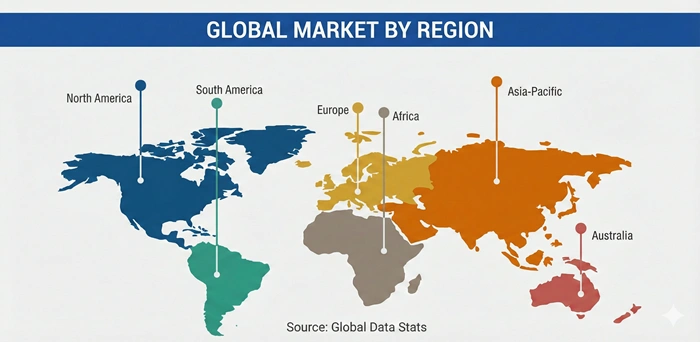
North America holds the dominant position in the global pancreatic and bile duct stone management market, commanding approximately 38% market share in 2025 and expanding at a regional CAGR of approximately 5.7% through 2033. The United States accounts for the overwhelming majority of regional revenue, driven by some of the world's highest per-capita rates of gallstone disease, a deeply established culture of ERCP-based biliary stone management, and a well-funded endoscopy infrastructure network spanning academic medical centers, community hospitals, and a rapidly growing base of ambulatory endoscopy centers. Leading companies with dominant North American presence include Boston Scientific, Cook Medical, Medtronic, and Conmed Endoscopic Technologies, all of which maintain large direct sales forces, GPO relationships, and comprehensive physician training programs that support adoption of their latest ERCP and lithotripsy product portfolios.
The U.S. regulatory environment — through FDA 510(k) and PMA pathways — has enabled a continuous stream of new device clearances for innovative ERCP accessories, single-use cholangioscopes, and advanced lithotripsy platforms, ensuring that U.S. gastroenterologists have rapid access to the latest clinical tools. Strong Medicare and commercial insurance reimbursement for ERCP procedures and associated device utilization provides the financial framework that sustains high procedural volumes and supports premium device adoption. Canada contributes to regional growth through its publicly funded health system's investment in endoscopy capacity, while Mexico's growing private hospital sector is creating new demand for quality ERCP device distribution as its endoscopy specialist community expands.
Asia Pacific
Asia Pacific Is the Fastest-Growing Region in the Pancreatic and Bile Duct Stone Management Market, Powered by a Rising Disease Burden, Expanding Endoscopy Infrastructure, and Growing Specialist Gastroenterologist Availability
Asia Pacific is expected to register the highest regional CAGR globally at approximately 7.1% through 2033, making it the most strategically important growth region for manufacturers of pancreatic and bile duct stone management devices. China leads regional demand by a substantial margin, driven by its enormous and rapidly aging population, rapidly rising obesity and metabolic syndrome prevalence, massive ongoing investment in hospital endoscopy capacity, and an expanding cohort of ERCP-trained gastroenterologists graduating from Chinese medical centers annually. Domestic companies including Taewoong Medical (Korea) and Zeon Medical (Japan) compete actively alongside international players, while Boston Scientific, Olympus, and Medtronic are investing in China-specific regulatory approvals and local distribution infrastructure to capture growing public and private hospital procurement demand.
India represents a second high-priority growth market, where the convergence of a large and largely undiagnosed gallstone disease population, rapidly expanding private hospital investment, and government health insurance programs covering gastrointestinal procedures is creating a significant new demand base for ERCP devices and stone management accessories. Japan and South Korea are more mature but high-value regional markets, characterized by premium product adoption, well-developed endoscopy training ecosystems, and strong local medical device manufacturing capabilities. The combination of demographic aging, dietary transition, and healthcare infrastructure investment across Southeast Asia — including Vietnam, Indonesia, and Thailand — is creating additional medium-term growth opportunities that are attracting distributor-led market entry strategies from international device manufacturers operating in the pancreatic and bile duct stone management market.
Customization Available for This Report
This report offers comprehensive region-wise and country-wise customization, providing tailored market intelligence on demand drivers, competitive positioning, device adoption trends, regulatory landscape, and growth opportunities specifically aligned to your selected geography and the pancreatic and bile duct stone management keyword combination.
A fully customized version of this report can be developed for any region or country below, ensuring that insights are precisely relevant to the healthcare market dynamics, endoscopy infrastructure, reimbursement environment, and key player competitive landscape of your target geography:
North America
-
U.S. — FDA regulatory environment, GPO and hospital procurement dynamics, ambulatory endoscopy center growth, Medicare reimbursement for ERCP, and competitive device landscape analysis
-
Canada — Provincial health plan coverage for biliary interventions, hospital endoscopy capacity investment, and key distributor and manufacturer landscape
-
Mexico — Private hospital expansion, growing ERCP specialist community, and market entry opportunity for pancreatic and biliary stone management devices
Europe
-
U.K. — NHS endoscopy capacity programs, MHRA regulatory framework, single-use device adoption trends, and ERCP procedure volume forecasting
-
Germany — Hospital endoscopy infrastructure, EU MDR compliance dynamics, statutory health insurance coverage, and premium device adoption analysis
-
France — HAS reimbursement for ERCP and lithotripsy, public and private hospital procurement, and competitive device landscape
-
Italy — Regional health system endoscopy investment, ERCP procedure volumes, and key distributor network analysis
-
Rest of Europe — Eastern European healthcare infrastructure development, regulatory harmonization, and emerging endoscopy market growth
Asia Pacific
-
China — NMPA approval dynamics, public hospital tender procurement, domestic vs. international device competition, and endoscopy center capacity forecasting
-
India — Government health insurance coverage of gastrointestinal procedures, private hospital ERCP adoption, and cost-sensitive device market analysis
-
Japan — Advanced endoscopy market, Olympus and domestic manufacturer competition, reimbursement framework, and aging-driven demand growth
-
South Korea — KFDA regulatory pathway, Taewoong and domestic company competitive landscape, and hospital endoscopy technology adoption
-
Australia — TGA regulatory environment, hospital and day procedure center ERCP volumes, and key player distribution analysis
-
Rest of Asia Pacific — Country-level opportunity analysis for Vietnam, Indonesia, Thailand, Philippines, and Malaysia
Latin America
-
Brazil — ANVISA regulatory framework, public and private hospital endoscopy capacity, and gallstone disease-driven demand forecasting
-
Argentina — Healthcare access and reimbursement dynamics, ERCP specialist community development, and device market entry analysis
-
Rest of Latin America — Colombia, Peru, Chile, and Mexico country-level biliary stone management market analysis
Middle East & Africa
-
UAE — Premium private healthcare market, international device brand penetration, and medical tourism-driven endoscopy demand
-
Saudi Arabia — Vision 2030 hospital infrastructure investment, specialist gastroenterology capacity expansion, and device procurement landscape
-
Rest of MEA — Sub-Saharan Africa healthcare development, NGO and government endoscopy program analysis, and emerging market entry opportunity
Top Key Players
-
Boston Scientific Corporation (United States)
-
Olympus Corporation (Japan)
-
Cook Medical (United States)
-
Medtronic plc (Ireland / United States)
-
Conmed Endoscopic Technologies (United States)
-
Becton Dickinson and Company (BD / CR Bard) (United States)
-
Cardinal Health Inc. (Cordis) (United States)
-
Taewoong Medical Co. Ltd (South Korea)
-
Zeon Medical Co. Ltd (Japan)
-
Medi-Globe GmbH (ENDO-Flex) (Germany)
-
Argon Medical Devices (United States)
-
Micro-Tech Endoscopy (United States / China)
-
Hobbs Medical Inc. (United States)
-
ENDO-FLEX GmbH (Germany)
-
Terumo Corporation (Japan)
Recent Developments
-
In April 2025, Medtronic plc announced a strategic distribution agreement with Dragonfly Endoscopy Inc. to commercialize the Dragonfly pancreaticobiliary system across U.S. hospital and ambulatory endoscopy center networks — a move designed to strengthen Medtronic's position in the advanced biliary intervention and stone management segment through a high-performance single-use cholangioscopy platform offering superior intraductal visualization
-
In January 2025, Boston Scientific Corporation expanded its SpyGlass DS II digital cholangioscopy product line with a new compact integration module designed to simplify setup and reduce footprint in ambulatory endoscopy center environments, directly addressing the growing migration of ERCP procedures from hospitals to outpatient facilities and extending the reach of cholangioscopy-guided lithotripsy beyond specialist tertiary centers
-
In November 2024, Olympus Corporation received CE marking under the EU Medical Device Regulation for its updated single-use biliary sphincterotome range, enabling continued commercial access to its ERCP accessory portfolio within European hospital procurement networks and demonstrating compliance with the stricter post-market surveillance requirements introduced under EU MDR
-
In March 2025, Cook Medical launched a new generation of its Evolution biliary stent system incorporating updated anti-migration coating technology and enhanced radiopacity markers, designed to improve stent positioning accuracy during placement and reduce the incidence of stent migration — one of the most common complications associated with benign biliary stricture management and post-stone extraction duct support
-
In September 2024, Micro-Tech Endoscopy announced FDA clearance for its new single-use extraction balloon catheter specifically designed for difficult common bile duct stone cases, featuring an enlarged maximum inflation diameter and reinforced balloon membrane that enables effective stone sweeping in anatomically challenging bile duct presentations where standard-sized balloons have historically achieved suboptimal clearance
Market Trends
Two Major Trends Are Driving Structural Change in the Pancreatic and Bile Duct Stone Management Market: The Rapid Transition to Single-Use Endoscopic Accessories and the Commercial Advancement of Integrated Cholangioscopy-Lithotripsy Platforms
The most commercially impactful near-term trend in the pancreatic and bile duct stone management market is the accelerating shift from reusable to single-use endoscopic accessories across hospital and ambulatory center endoscopy suites worldwide. This transition was catalyzed by regulatory guidance following contamination incidents linked to inadequately reprocessed duodenoscopes, and it has been reinforced by hospital infection control committees, accreditation body requirements, and growing clinical risk management awareness. Single-use sphincterotomes, retrieval baskets, balloon catheters, and increasingly single-use cholangioscopes are replacing reusable equivalents in a growing proportion of ERCP procedures globally. This shift is structurally increasing per-procedure device spending and creating a large, predictable, and growing recurring revenue stream for manufacturers that have invested in single-use product development, high-volume manufacturing capability, and hospital supply chain partnerships.
The second defining trend is the commercial progression of integrated digital cholangioscopy with intraductal lithotripsy toward broader clinical deployment outside of specialist referral centers. The combination of direct visualization inside the bile and pancreatic duct with real-time laser or electrohydraulic lithotripsy has demonstrated stone clearance rates exceeding 90% for complex presentations, and the clinical evidence base supporting routine cholangioscopy adoption is now sufficiently robust to support expansion into community and regional hospitals that previously referred complex stone cases to tertiary centers. New-generation single-use digital cholangioscopes — which eliminate the reprocessing cost and complexity of reusable fiber-optic systems — are making this technology economically viable at a much broader range of institutions, and their commercial adoption is accelerating across North America, Europe, and the most advanced Asia Pacific markets.
Segments Covered in the Report
By Management Type
-
Endoscopic Management
-
ERCP-Based Stone Extraction
-
Cholangioscopy-Guided Procedures
-
Sphincterotomy and Balloon Sweep
-
-
Lithotripsy-Based Management
-
Laser Lithotripsy (Holmium, SpyBite)
-
Electrohydraulic Lithotripsy (EHL)
-
Extracorporeal Shock Wave Lithotripsy (ESWL)
-
-
Medical Management
-
Bile Acid Dissolution Therapy
-
Pancreatic Enzyme Supplementation
-
-
Surgical Management
-
Laparoscopic Common Bile Duct Exploration (LCBDE)
-
Open Surgical Stone Removal
-
By Indication
-
Bile Duct Stones (Choledocholithiasis)
-
Primary Bile Duct Stones
-
Secondary/Migrated Gallstones
-
-
Pancreatic Stones
-
Chronic Pancreatitis-Related Calculi
-
Pancreatic Duct Calculi
-
By Device Type
-
ERCP Accessories
-
Sphincterotomes and Papillotomes
-
Extraction Baskets
-
Balloon Catheters
-
-
Lithotripsy Devices
-
Laser Lithotripsy Systems
-
Electrohydraulic Lithotripsy Systems
-
Mechanical Lithotripsy Baskets
-
-
Biliary Stents
-
Plastic Biliary Stents
-
Self-Expanding Metal Stents (SEMS)
-
Fully Covered Metal Stents (FCSEMS)
-
-
Retrieval Baskets and Balloon Catheters
-
Dormia-Style Extraction Baskets
-
Occlusion Balloon Catheters
-
-
Others
-
Cholangioscopes (Digital, Single-Use)
-
Guidewires and Cannulas
-
By End User
-
Hospitals
-
Tertiary and Academic Medical Centers
-
Community Hospitals with Endoscopy Units
-
-
Ambulatory Endoscopy Centers
-
Free-Standing Outpatient Endoscopy Facilities
-
Hospital-Based Outpatient ERCP Units
-
-
Specialty Gastroenterology Clinics
-
Hepatobiliary Specialty Clinics
-
-
Others
By Region
-
North America (U.S., Canada, Mexico)
-
Europe (U.K., Germany, France, Italy, Rest of Europe)
-
Asia Pacific (China, India, Japan, South Korea, Australia, Rest of Asia Pacific)
-
Latin America (Brazil, Argentina, Rest of Latin America)
-
Middle East and Africa (UAE, Saudi Arabia, Rest of MEA)
❝ Built for Every Level — From Startups to Industry Giants ❞
Here Is Exactly How This Report Works for You
-
For tier 1 medical device corporations, strategic investors, and senior commercial strategy executives, this report delivers granular competitor revenue analysis — including product-level and geography-level revenue source breakdowns for Boston Scientific, Olympus, Cook Medical, Medtronic, and other leading players — alongside a structured assessment of how geopolitical supply chain dynamics, regulatory changes, and healthcare reimbursement policy shifts are creating measurable commercial risks and opportunities in the pancreatic and bile duct stone management sector, equipping you to make fully informed decisions on product portfolio investment, geographic expansion, and M&A targeting
-
For tier 2 and tier 3 device companies, specialist endoscopy startups, contract manufacturers, and regional distributors, this report maps the specific product categories, therapeutic subsegments, and geographic markets where competitive positioning is most accessible and growth momentum is strongest — providing an evidence-based strategic roadmap to grow market share in a highly specialized and technically demanding sector where clinical credibility, regulatory compliance, and physician training partnerships are decisive competitive factors
-
For all decision-makers across the value chain — from R&D directors and regulatory affairs leaders to commercial directors and supply chain managers — this report translates complex market signals including single-use transition momentum, digital cholangioscopy adoption curves, AI-assisted imaging integration timelines, and emerging market infrastructure investment patterns into clear, actionable strategic intelligence that drives better product launch decisions, smarter distribution investments, and stronger long-term competitive outcomes
Frequently Asked Questions
Question 1: What is the current size of the global pancreatic and bile duct stone management market and where is it headed by 2033?
Answer: The global pancreatic and bile duct stone management market was valued at USD 1.50 billion in 2025 and is projected to reach approximately USD 2.39 billion by 2033. The market is growing at a CAGR of 6.03% from 2026 to 2033, driven by rising gallstone disease prevalence, aging populations, and expanding adoption of ERCP-based minimally invasive stone management worldwide.
Question 2: What are the primary treatment methods used in the pancreatic and bile duct stone management market?
Answer: Endoscopic management — primarily through ERCP — is the dominant treatment approach in the pancreatic and bile duct stone management market, recommended by clinical society guidelines for approximately 80–90% of bile duct stone cases. Lithotripsy-based management, including laser and electrohydraulic lithotripsy under digital cholangioscopy guidance, is the fastest-growing treatment segment for managing complex, large, or impacted stones.
Question 3: Which region dominates the pancreatic and bile duct stone management market and why?
Answer: North America leads the pancreatic and bile duct stone management market with approximately 38% market share in 2025, supported by the highest per-capita ERCP volumes globally, advanced hospital and ambulatory endoscopy infrastructure, and strong reimbursement frameworks for biliary intervention procedures. Asia Pacific is the fastest-growing region, expanding at approximately 7.1% CAGR through 2033, driven by China and India's rising gallstone disease burden and expanding endoscopy capabilities.
Question 4: What are the major challenges limiting growth in the pancreatic and bile duct stone management market?
Answer: The pancreatic and bile duct stone management market faces restraints including inadequate reimbursement for premium endoscopic devices in emerging economies, the inherent complication risk of ERCP — including post-ERCP pancreatitis in 3–5% of cases — and a shortage of trained ERCP specialists in lower-income markets. These factors create barriers to both premium device adoption and procedural volume growth in cost-sensitive healthcare environments.
Question 5: Who are the leading companies in the pancreatic and bile duct stone management market?
Answer: The leading global players in the pancreatic and bile duct stone management market include Boston Scientific Corporation, Olympus Corporation, Cook Medical, Medtronic, and Conmed Endoscopic Technologies. These companies compete through comprehensive ERCP accessory portfolios, advanced biliary stent systems, digital cholangioscopy platforms, and ongoing physician training and clinical education programs that reinforce product adoption at specialist centers globally.