
Paints And Coatings Market Overview
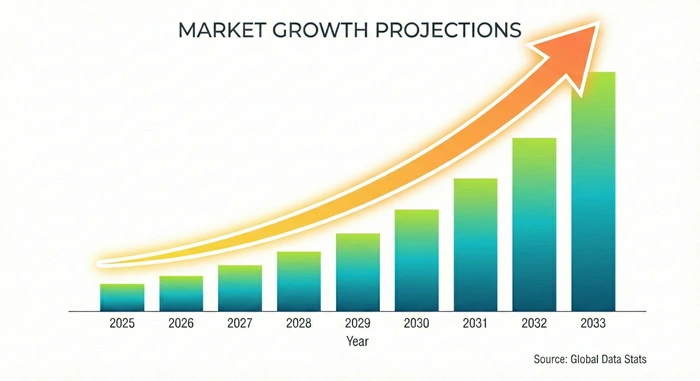
The global paints and coatings market size is valued at USD 193.61 billion in 2025 and is predicted to increase from USD 201.95 billion in 2026 to approximately USD 269.24 billion by 2033, growing at a CAGR of 3.93% from 2026 to 2033.
The industry supplies protective and decorative finishes for buildings, vehicles, machinery, furniture, and countless other applications. These specialized formulations protect surfaces from weather, corrosion, wear, and damage while providing aesthetic appeal. Manufacturing facilities worldwide produce billions of gallons annually serving construction, automotive, industrial, and consumer sectors.
The sector plays a crucial role in infrastructure development and economic growth across regions. Rising urbanization and construction activities drive steady demand for architectural coatings. Meanwhile, automotive production and industrial manufacturing create substantial volumes for specialized protective finishes that extend asset life and reduce maintenance costs.

AI Impact on the Paints And Coatings Industry
Revolutionizing Color Matching and Production Efficiency
Artificial intelligence has begun transforming how manufacturers develop formulations and match colors with unprecedented precision. Modern AI systems analyze thousands of color combinations and ingredient interactions to suggest optimal formulations that meet performance specifications while minimizing costs. These technologies help companies reduce trial-and-error in product development, accelerating time-to-market for new coating solutions. Machine learning algorithms can predict how different pigments, resins, and additives will interact under various environmental conditions, ensuring consistent quality across production batches.
Advanced AI-powered color matching systems now enable retailers and contractors to scan surfaces and instantly generate exact color matches from vast databases of formulations. These tools eliminate guesswork in custom color creation and reduce waste from incorrect matches that customers reject. Computer vision technology analyzes paint samples at molecular levels to identify precise pigment compositions, allowing for perfect replication even from weathered or aged surfaces that have changed appearance over time.
Growth Factors
Urbanization and Infrastructure Development Driving Demand
The rapid urbanization happening across developing countries creates fundamental demand for the paints and coatings market as new cities require millions of square feet of residential, commercial, and industrial buildings. Urban populations in Asia, Africa, and Latin America continue expanding at rates exceeding 3% annually in many regions, necessitating massive construction programs for housing, schools, hospitals, and office complexes. These infrastructure buildouts consume enormous quantities of architectural coatings for interior walls, exterior facades, roofs, and protective applications on structural elements.
Government infrastructure spending on roads, bridges, railways, airports, and public facilities drives substantial volumes for specialized protective coatings and marking paints. Countries worldwide invest trillions in upgrading aging infrastructure while building new transportation networks to support economic development. These projects require high-performance coatings that withstand harsh environmental conditions, heavy traffic, chemical exposure, and decades of service life. The infrastructure sector represents one of the most stable long-term growth drivers as governments prioritize resilient construction that reduces lifecycle maintenance costs.
Market Outlook
Regional Dynamics and Sustainability Trends Shaping Future
Asia Pacific maintains its position as the dominant regional market, driven by massive construction sectors and growing manufacturing bases in China, India, and Southeast Asia. The region benefits from rapid economic development, rising disposable incomes, and government initiatives promoting affordable housing and infrastructure modernization. Paint manufacturers continue investing billions in new production capacity throughout Asia to serve local demand and export to global markets from cost-competitive manufacturing locations.
Environmental regulations increasingly shape market dynamics as governments implement stricter limits on volatile organic compound emissions and hazardous substances in coating formulations. Europe leads this regulatory trend with comprehensive REACH regulations and national VOC limits pushing manufacturers toward waterborne and powder coating technologies. These sustainability pressures drive innovation in bio-based resins, low-VOC formulations, and circular economy approaches including paint recycling programs that recover and reuse materials from construction waste streams.
Expert Speaks
-
Tim Knavish, Chairman and CEO of PPG Industries – "Our coatings business continues adapting to customer needs for sustainable solutions that deliver superior performance. We're investing in next-generation technologies that reduce environmental impact while meeting the demanding requirements of automotive, aerospace, and architectural markets worldwide."
-
Vincent Morette, Chairman of AkzoNobel – "The transition toward more sustainable coatings accelerates as customers prioritize products with lower carbon footprints and circular economy attributes. Our innovation pipeline focuses on bio-based raw materials, waterborne technologies, and digital solutions that improve application efficiency and reduce waste."
-
Lori Ryerkerk, CEO of Axalta Coating Systems – "Market dynamics in 2026 reflect both opportunities from infrastructure investment and challenges from raw material volatility. Our strategy emphasizes technological differentiation, operational excellence, and sustainability leadership to maintain competitive advantages across key end markets."
Key Report Takeaways
-
Asia Pacific dominates the global paints and coatings market with approximately 46% market share, powered by massive construction activity, growing automotive production, and expanding manufacturing sectors across China, India, and Southeast Asian nations driving architectural and industrial coating demand
-
Latin America represents the fastest-growing region with projected CAGR exceeding 5.2% through 2033, driven by urban development, infrastructure modernization programs, rising middle-class consumer spending on home improvement, and automotive industry expansion particularly in Brazil, Mexico, and Colombia
-
Architectural and decorative coatings dominate applications capturing roughly 60% market share as residential and commercial construction consumes billions of gallons annually for interior walls, exterior facades, trim, doors, and protective applications worldwide
-
Waterborne coatings lead product segments accounting for approximately 39% of volumes due to environmental regulations favoring low-VOC formulations, improved performance characteristics matching solventborne alternatives, and consumer preference for safer indoor application products
-
Acrylic resins represent the largest material category holding over 45% market share thanks to excellent durability, color retention, adhesion properties, and versatility across architectural, automotive, and industrial applications serving diverse customer needs
-
Polyurethane coatings show the strongest growth trajectory among resin types with highest projected CAGR exceeding 5.8% as automotive OEMs, industrial manufacturers, and wood finishing operations demand superior scratch resistance, chemical resistance, and aesthetic properties
Market Scope
| Report Coverage | Details |
|---|---|
| Market Size by 2033 | USD 269.24 Billion |
| Market Size by 2025 | USD 193.61 Billion |
| Market Size by 2026 | USD 201.95 Billion |
| Market Growth Rate from 2026 to 2033 | CAGR of 3.93% |
| Dominating Region | Asia Pacific |
| Fastest Growing Region | Latin America |
| Base Year | 2025 |
| Forecast Period | 2026 to 2033 |
| Segments Covered | Product Type, Resin Type, Application, Technology, Region |
| Regions Covered | North America, Europe, Asia Pacific, Latin America, Middle East & Africa |
Market Dynamics
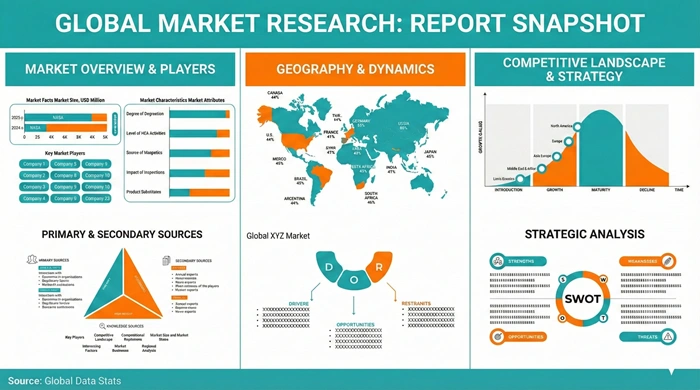
Drivers Impact Analysis
Positive Forces Accelerating Market Expansion
| Driver | Impact on CAGR Forecast | Geographic Relevance | Impact Timeline |
|---|---|---|---|
| Rising construction and infrastructure development | ≈ 1.5% positive impact | Global, strongest in Asia Pacific and Latin America | Immediate and long-term |
| Growing automotive production and refinishing demand | ≈ 0.8% positive impact | Global, particularly Asia Pacific and North America | Immediate |
| Industrial manufacturing expansion | ≈ 0.9% positive impact | Asia Pacific, emerging markets | Immediate and long-term |
| Increasing renovation and remodeling activities | ≈ 0.7% positive impact | Developed markets, North America and Europe | Immediate |
The construction boom across developing nations creates unprecedented demand for the paints and coatings market as billions of square feet of new buildings require protective and decorative finishes. Urbanization rates exceeding 3% annually in many Asian and African cities necessitate rapid construction of residential towers, commercial complexes, and industrial facilities that consume enormous paint volumes. Government affordable housing initiatives in India, Southeast Asia, and Latin America particularly drive architectural coating demand as millions of families gain access to formal housing requiring interior and exterior finishes.
Automotive sector growth, especially in emerging markets, sustains steady demand for original equipment and refinish coatings that protect vehicles and provide aesthetic appeal. Global automotive production approaches 100 million units annually with each vehicle requiring multiple coating layers from electrocoat primers to basecoat/clearcoat topcoat systems. The growing vehicle fleet worldwide also generates substantial refinish demand as owners repair accident damage, address corrosion, and refresh faded paint requiring billions in coating materials annually through independent body shops and dealer networks.
Restraints Impact Analysis
Challenges Limiting Market Growth Potential
| Restraint | Impact on CAGR Forecast | Geographic Relevance | Impact Timeline |
|---|---|---|---|
| Volatile raw material costs and supply disruptions | ≈ 0.8% negative impact | Global | Immediate |
| Stringent environmental regulations | ≈ 0.6% negative impact | Europe, North America | Immediate and long-term |
| Price competition from regional manufacturers | ≈ 0.5% negative impact | Asia Pacific, emerging markets | Immediate |
| Economic slowdowns affecting construction activity | ≈ 0.7% negative impact | Global | Short to medium-term |
Raw material price volatility creates significant margin pressure for the paints and coatings market as titanium dioxide, epoxy resins, solvents, and other key ingredients experience price swings based on energy costs, supply disruptions, and demand fluctuations. Titanium dioxide alone represents 15-30% of coating formulation costs in many white and light-colored paints, so price changes dramatically impact profitability when manufacturers cannot immediately pass increases through to customers locked into fixed-price contracts. Supply chain disruptions from geopolitical tensions, natural disasters, or pandemic-related factory closures compound these challenges by creating spot shortages that force producers to source premium-priced materials from alternate suppliers.
Environmental regulations mandating low-VOC formulations require substantial reformulation investments and often increase production costs compared to traditional solventborne technologies. European Union regulations limiting VOC emissions to 30 grams per liter for certain coating categories force manufacturers to adopt waterborne, high-solids, or powder technologies that may cost more than conventional alternatives. Compliance with these evolving standards requires ongoing R&D spending, production equipment modifications, and raw material substitutions that strain budgets while potentially impacting product performance characteristics that customers have relied on for decades.
Opportunities Impact Analysis
Emerging Avenues for Market Expansion
| Opportunity | Impact on CAGR Forecast | Geographic Relevance | Impact Timeline |
|---|---|---|---|
| Smart coating technology development | ≈ 0.9% positive impact | Global, led by developed markets | Medium to long-term |
| Bio-based and sustainable formulation adoption | ≈ 0.7% positive impact | Global, strongest in Europe and North America | Medium to long-term |
| Emerging market infrastructure investment | ≈ 1.3% positive impact | Asia Pacific, Africa, Latin America | Immediate and long-term |
| Powder coating expansion into new applications | ≈ 0.6% positive impact | Global | Medium-term |
Smart coating technologies incorporating self-healing, anti-microbial, thermal regulation, and sensing capabilities create premium market opportunities for the paints and coatings market as customers seek multifunctional solutions beyond basic protection and aesthetics. Self-healing coatings that automatically repair minor scratches and damage find growing applications in automotive, consumer electronics, and architectural markets where maintaining appearance reduces replacement costs. Anti-microbial coatings gained significant attention following pandemic experiences, with hospitals, schools, public transportation, and commercial buildings specifying formulations that inhibit bacterial and viral growth on high-touch surfaces.
Infrastructure modernization in developing countries presents enormous long-term opportunities as governments invest trillions upgrading transportation networks, water systems, power generation, and telecommunications requiring specialized protective coatings. Bridge and highway construction consumes substantial volumes of high-performance coatings designed for decades of service under harsh environmental exposure including salt spray, temperature extremes, UV radiation, and chemical attack. Rail infrastructure expansion across Asia, Africa, and Latin America creates demand for specialized coatings protecting rolling stock, track components, stations, and signaling equipment from corrosion and weathering while providing safety markings and aesthetic finishes.
Segment Analysis
Waterborne Coatings
Environmental Regulations Driving Technology Leadership
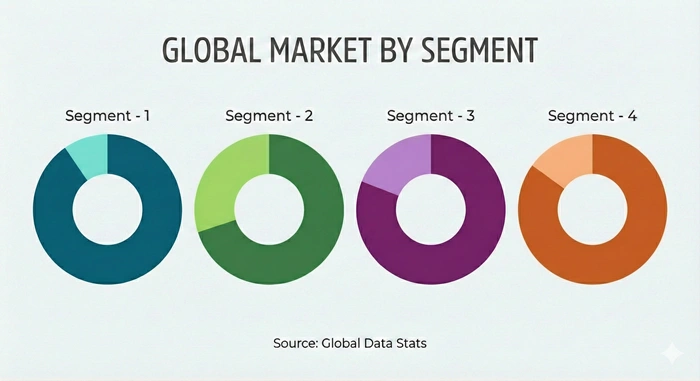
Waterborne coatings dominate the paints and coatings market with approximately 39% market share in 2025, expanding at 4.3% CAGR through the forecast period. This segment leads due to environmental advantages including minimal VOC emissions, reduced fire hazards, easy cleanup, and improved indoor air quality compared to solventborne alternatives. North America and Europe represent the most mature waterborne markets as stringent environmental regulations essentially mandate water-based technologies for most architectural applications. Asia Pacific shows the strongest growth rates as regulations tighten and consumers become more environmentally conscious about product selections for home applications.
Major producers including PPG Industries, Sherwin-Williams, AkzoNobel, and Asian Paints invest heavily in waterborne technology development to match solventborne performance while maintaining environmental benefits. These companies have achieved remarkable progress in durability, adhesion, color retention, and application properties that once favored solventborne alternatives. The automotive industry increasingly adopts waterborne basecoat technologies after decades of solventborne dominance, driven by regulatory requirements and improved formulations that meet stringent OEM performance specifications for chip resistance, weatherability, and color matching precision across global production facilities.
Architectural & Decorative Coatings
Dominant Application Driving Overall Market Growth
Architectural and decorative applications represent the largest segment capturing approximately 60% market share in 2025, growing at 4.1% CAGR as residential and commercial construction consumes billions of gallons annually. This category includes interior paints, exterior finishes, primers, stains, and specialty products for walls, ceilings, trim, doors, windows, and other building surfaces. Asia Pacific leads global consumption as rapid urbanization and affordable housing programs drive enormous paint volumes throughout China, India, Indonesia, and other developing nations experiencing construction booms that dwarf developed market activity levels.
Leading architectural coating producers including Sherwin-Williams, PPG, Nippon Paint, Asian Paints, and Berger Paints dominate through extensive distribution networks, strong brand recognition, and comprehensive product portfolios serving professional contractors and DIY consumers. These companies differentiate through color systems offering thousands of custom shades, innovative application features like one-coat coverage and stain resistance, and digital tools helping customers visualize paint selections before purchase. The renovation and remodeling segment provides stable demand even during new construction downturns as homeowners refresh interiors and exteriors every 5-7 years maintaining appearance and protecting property values through regular maintenance painting cycles.
Regional Insights
Asia Pacific
Market Leadership Through Construction and Manufacturing Strength
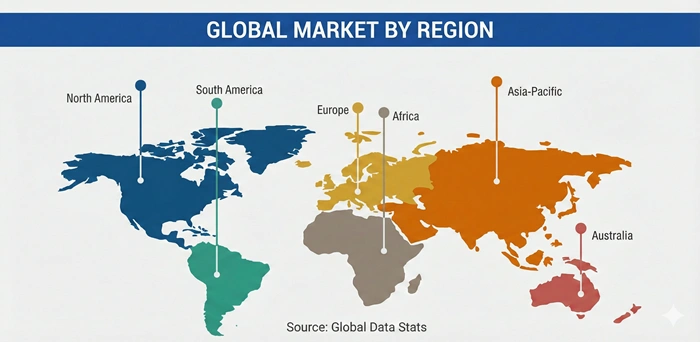
Asia Pacific dominates with approximately 46% of the global paints and coatings market share, valued at over USD 89 billion in 2025 and growing at 4.5% CAGR through 2033. The region benefits from massive construction sectors, rapidly growing automotive production, expanding manufacturing bases, and rising consumer purchasing power driving architectural coating demand. China alone represents nearly half of Asia Pacific consumption while India shows the fastest growth rates as urbanization accelerates and government housing initiatives provide access to formal construction for hundreds of millions of citizens.
Leading regional producers including Nippon Paint, Asian Paints, Kansai Paint, Berger Paints, and AkzoNobel dominate through localized manufacturing, extensive distribution networks, and product formulations optimized for regional climate conditions and application methods. These companies benefit from cost advantages in raw material sourcing, labor, and manufacturing operations while maintaining quality standards meeting international specifications. The region's competitive dynamics feature intense price competition from numerous local and regional manufacturers operating across different quality and price segments serving diverse customer needs from premium architectural coatings to economy-grade industrial finishes.
Latin America
Fastest Regional Growth Through Development and Urbanization
Latin America represents the fastest-growing regional market expanding at approximately 5.2% CAGR as urban development, infrastructure modernization, and rising middle-class incomes drive construction activity and coating demand. Brazil and Mexico dominate regional consumption accounting for over 60% of Latin American volumes while Colombia, Argentina, and Chile show strong growth from smaller bases. Government infrastructure programs focusing on transportation, housing, and public facilities create substantial demand for architectural and protective coatings that withstand tropical climates with intense UV exposure, high humidity, and temperature variations.
Major players including Sherwin-Williams, PPG, Comex, and regional manufacturers serve Latin American markets through local production facilities, distribution partnerships, and product lines adapted to regional preferences and application techniques. These companies navigate challenging economic volatility, currency fluctuations, and varying regulatory environments across countries while building brand loyalty through marketing programs and technical support for professional contractors. The growing DIY market in urban centers creates opportunities for branded consumer products through home improvement retailers as rising incomes allow more homeowners to invest in property improvements rather than relying exclusively on professional contractors for basic maintenance painting.
Top Key Players
-
Sherwin-Williams (United States)
-
PPG Industries (United States)
-
AkzoNobel (Netherlands)
-
Nippon Paint Holdings (Japan)
-
BASF SE (Germany)
-
Asian Paints (India)
-
Axalta Coating Systems (United States)
-
Jotun (Norway)
-
Hempel (Denmark)
-
Kansai Paint (Japan)
-
RPM International (United States)
-
Berger Paints (India)
-
Benjamin Moore (United States)
-
Masco Corporation (United States)
Recent Developments
-
Sherwin-Williams (2024) – Completed USD 11 billion acquisition of specialty chemicals company expanding portfolio into high-performance industrial coatings and automotive refinish segments, strengthening global market position and distribution capabilities
-
PPG Industries (2025) – Opened new waterborne coatings manufacturing facility in India with USD 75 million investment, increasing production capacity 35% to serve growing Asian architectural and automotive markets with environmentally compliant products
-
AkzoNobel (2024) – Launched bio-based paint line using 75% renewable raw materials while maintaining performance equivalent to conventional formulations, targeting sustainability-focused customers in European architectural markets
-
Nippon Paint (2025) – Announced strategic partnership with leading Chinese real estate developers to supply architectural coatings for residential projects totaling over 50 million square meters annually
-
Asian Paints (2024) – Invested USD 200 million in manufacturing capacity expansion across India and Southeast Asia, adding production lines for premium waterborne architectural coatings and texture finishes
Market Trends
Industry Evolution Toward Sustainability and Technology
The paints and coatings market undergoes fundamental transformation toward sustainable formulations as environmental regulations tighten and consumers demand lower-impact products meeting performance standards. Major manufacturers commit to ambitious sustainability targets including carbon neutrality, renewable raw material sourcing, and circular economy initiatives that recover and reuse materials from waste streams. Bio-based resins derived from plant oils, recycled content incorporation, and solvent-free formulations gain market share as technology improvements close performance gaps with conventional petroleum-derived alternatives that dominated for decades.
Digitalization transforms how customers select, purchase, and apply coatings as augmented reality apps allow homeowners to visualize paint colors on their walls before buying, online color matching tools identify precise shades from uploaded photos, and social media platforms influence color trend adoption. Paint retailers invest heavily in digital infrastructure connecting online browsing with in-store fulfillment while manufacturers develop smart mixing systems that ensure color accuracy and reduce waste from incorrect matches. These technological advances improve customer experiences while creating efficiency gains throughout distribution chains from manufacturing facilities to retail locations and ultimately application on customer surfaces.
Segments Covered in the Report
By Product Type
-
Waterborne
-
Solventborne
-
Powder Coatings
-
UV-Cured Coatings
By Resin Type
-
Acrylic
-
Alkyd
-
Epoxy
-
Polyurethane
-
Polyester
-
Others
By Application
-
Architectural & Decorative
-
Industrial
-
Automotive
-
Wood
-
Marine
-
Others
By Technology
-
Water-Based
-
Solvent-Based
-
High-Solids
-
Radiation-Cured
-
Powder
By Region
-
North America
-
Europe
-
Asia Pacific
-
Latin America
-
Middle East & Africa
Frequently Asked Questions
What drives growth in the paints and coatings market globally?
The paints and coatings market experiences robust growth from rising construction activity in developing countries and growing automotive production worldwide. Infrastructure investment and renovation activities also contribute significantly to steady coating demand across regions.
Which region leads the paints and coatings market currently?
Asia Pacific dominates the paints and coatings market with approximately 46% share backed by massive construction sectors and manufacturing growth. The region benefits from urbanization trends and rising consumer purchasing power driving architectural coating consumption.
How do environmental regulations affect the paints and coatings market?
Environmental regulations significantly impact the paints and coatings market by mandating low-VOC formulations and restricting hazardous substances. These requirements drive innovation in waterborne technologies and bio-based raw materials while potentially increasing production costs.
What applications consume the most paints and coatings market production?
Architectural and decorative applications dominate the paints and coatings market representing approximately 60% of consumption. Industrial, automotive, and specialty applications account for the remaining volumes serving equipment manufacturers and maintenance sectors.
Which technology segment shows fastest growth in the paints and coatings market?
Waterborne technology shows strong growth in the paints and coatings market driven by environmental regulations and consumer preferences. Powder coatings also expand rapidly as manufacturers adopt solvent-free alternatives for metal finishing applications.