
Organic Food and Beverages Market Overview
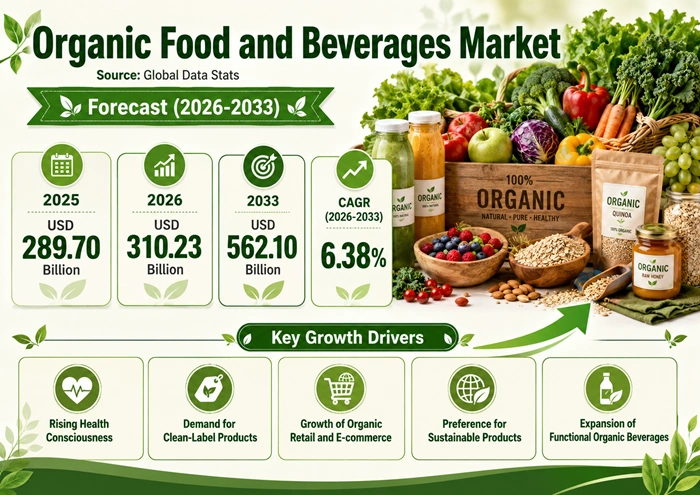
The global organic food and beverages market size is valued at USD 289.70 billion in 2025 and is predicted to increase from USD 310.23 billion in 2026 to approximately USD 562.10 billion by 2033, growing at a CAGR of 6.38% from 2026 to 2033.
Growing health consciousness among consumers worldwide drives unprecedented demand for chemical-free, pesticide-free, and naturally produced food products. Organic certification provides assurance about production methods excluding synthetic fertilizers, genetically modified organisms, artificial additives, and harmful chemicals throughout cultivation and processing.
AI Impact on the Organic Food and Beverages Industry
Artificial Intelligence Transforming Supply Chain Optimization and Consumer Engagement
Artificial intelligence is fundamentally revolutionizing the organic food and beverages market by enabling precision agriculture, supply chain transparency, personalized nutrition recommendations, and quality assurance systems that enhance production efficiency while meeting stringent organic certification standards. Machine learning algorithms analyze soil composition data, weather patterns, pest populations, and crop health indicators to optimize organic farming practices including natural fertilization timing, biological pest control deployment, and irrigation scheduling maximizing yields without synthetic chemical inputs. AI-powered supply chain platforms track organic products from farm to retail through blockchain integration, ensuring certification compliance, preventing cross-contamination with conventional products, and providing consumers transparent information about product origins, farming practices, and sustainability credentials accessible through smartphone scanning.
Computer vision systems inspect organic produce quality, detect pesticide residues, identify disease markers, and grade products automatically, ensuring only certified organic items reach consumers while reducing labor costs and human error in quality control processes. Natural language processing technologies analyze consumer reviews, social media conversations, and search queries identifying emerging organic product preferences, flavor trends, packaging desires, and health benefit expectations guiding manufacturers' product development strategies. Predictive analytics forecast organic product demand patterns across seasons, regions, and demographic segments enabling retailers to optimize inventory levels, reduce food waste from spoilage, and ensure product availability matching consumer purchasing behaviors. The organic food and beverages market benefits from AI-driven personalized nutrition platforms recommending organic products based on individual dietary restrictions, health goals, ethical values, and taste preferences, creating customized shopping experiences that increase organic product discovery and purchase frequency among health-conscious consumers seeking tailored wellness solutions.
Growth Factors
Health Awareness and Sustainability Consciousness Drive Market Expansion
The organic food and beverages market is experiencing robust growth driven by escalating consumer health consciousness, rising awareness about pesticide dangers, growing environmental sustainability concerns, and increasing disposable incomes enabling premium organic product purchases. Global health trends emphasizing disease prevention through nutrition motivate consumers to actively seek foods free from synthetic pesticides, chemical fertilizers, artificial preservatives, hormones, and antibiotics associated with adverse health effects including cancer risks, hormone disruption, and antibiotic resistance. High-profile studies linking pesticide residues in conventional produce to neurological disorders, childhood development issues, and chronic diseases amplify consumer concerns driving preference shifts toward certified organic alternatives perceived as safer nutritional choices. Wellness movements promoting clean eating, detoxification, and holistic health position organic foods as essential components of healthy lifestyles, with health-conscious millennials and Gen Z consumers particularly prioritizing organic purchases despite higher price points.
Environmental sustainability consciousness drives organic adoption as consumers increasingly recognize that conventional agriculture contributes significantly to soil degradation, water pollution, biodiversity loss, and greenhouse gas emissions, while organic farming practices support ecosystem health, carbon sequestration, and sustainable land management. Social media influencers, environmental activists, and celebrity endorsements amplifying organic food benefits through compelling storytelling, beautiful imagery, and authentic testimonials create aspirational associations that transform organic purchases from purely health-driven decisions into lifestyle statements and identity expressions. The organic food and beverages market benefits from expanding retail distribution as major supermarket chains, specialty organic stores, farmers markets, and e-commerce platforms dramatically increase organic product availability, variety, and visibility making organic options convenient and accessible to mainstream consumers beyond niche health food enthusiasts. Government initiatives including organic certification standards, financial incentives for organic farming conversion, public awareness campaigns, and school lunch programs incorporating organic foods legitimize organic production while supporting infrastructure development enabling market scaling.
Market Outlook
Innovation and Mainstream Adoption Define Future Industry Evolution
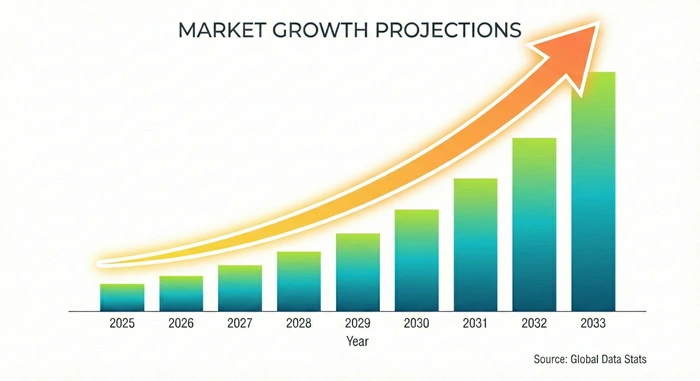
The organic food and beverages market is positioned for sustained expansion through 2033 as manufacturers invest heavily in product innovation, processing technologies, distribution infrastructure, and marketing strategies that bring organic products into mainstream consumer consciousness and purchasing habits. Processed organic food segments including ready-to-eat meals, snacks, frozen foods, and convenience items represent fastest-growing categories as busy consumers seek healthy convenient options combining organic integrity with time-saving preparation, driving innovation in organic packaged foods beyond traditional fresh produce and dairy staples. Organic beverage innovations spanning functional drinks, cold-pressed juices, plant-based milk alternatives, organic wines, craft beers, and ready-to-drink coffees attract younger demographics seeking premium beverage experiences with organic certification, natural ingredients, and health benefits like enhanced energy, immunity support, or digestive wellness.
Plant-based organic foods merging two powerful consumer trends create compelling market opportunities as vegan and vegetarian populations prioritize organic certification for fruits, vegetables, grains, legumes, nuts, and plant-based protein alternatives ensuring chemical-free production aligning with ethical consumption values. The organic food and beverages market witnesses technological innovations including vertical farming systems producing organic greens and herbs year-round in urban settings, advanced packaging solutions extending organic produce shelf life naturally without chemical preservatives, and regenerative agriculture practices exceeding traditional organic standards through enhanced ecosystem restoration. Private label organic brands from major retailers competing on price with established organic brands democratize organic access by offering affordable alternatives that broaden market penetration among price-sensitive middle-income consumers previously deterred by premium pricing. Emerging markets across Asia, Latin America, and Africa present enormous growth opportunities as economic development, urbanization, rising middle classes, and growing health awareness create favorable conditions for organic market establishment in regions historically dominated by conventional agricultural products.
Expert Speaks
-
Ramon Laguarta, Chairman and Chief Executive Officer of PepsiCo, emphasized that sustainability and health trends fundamentally reshape food and beverage industries, with PepsiCo investing significantly in organic product portfolios, regenerative agriculture partnerships, and clean-label formulations responding to consumer demands for transparency, environmental responsibility, and nutritional integrity across snacks and beverages.
-
Miguel Patricio, former Chief Executive Officer of The Kraft Heinz Company, highlighted that organic and natural food categories represent strategic growth platforms as consumers increasingly scrutinize ingredient lists and production methods, with successful brands requiring authentic commitments to organic sourcing, transparent communication, and product quality justifying premium pricing positions.
-
Jeff Harmening, Chairman and Chief Executive Officer of General Mills, stated that organic food momentum reflects irreversible consumer trends prioritizing health, sustainability, and transparency, with General Mills' organic brands including Annie's and Cascadian Farm demonstrating strong growth potential when supported by proper investments in supply chains, marketing, and product innovation addressing evolving consumer preferences.
Key Report Takeaways
-
North America leads the organic food and beverages market with approximately 43% market share in 2025, driven by mature organic infrastructure, strong consumer awareness about health benefits, established certification systems, widespread retail availability, and high disposable incomes enabling premium organic product purchases across diverse categories.
-
Asia Pacific is growing the fastest with a projected CAGR of 7.56% from 2026 to 2033, fueled by rapid urbanization, rising middle-class populations, increasing health consciousness, food safety concerns following scandals, and government initiatives promoting organic farming particularly in China, India, Japan, and Australia.
-
Fresh and chilled products dominate with approximately 63% market share as consumers associate organic value most strongly with fresh formats particularly fruits, vegetables, dairy, meat, and eggs where pesticide residue concerns, antibiotic usage worries, and nutritional integrity priorities drive purchasing decisions.
-
The organic food segment contributes the most to overall market revenue with approximately 87% share in 2025, reflecting that food categories including produce, dairy, meat, frozen items, and packaged staples represent daily consumption items where organic attributes deliver perceived health benefits justifying premium pricing.
-
Supermarkets and hypermarkets dominate with approximately 57% market share as large-format retailers provide extensive organic product assortments, dedicated organic sections, competitive pricing through volume purchasing, and convenient one-stop shopping experiences that mainstream consumers prefer for routine grocery purchases.
-
The online stores segment will grow quickly with an estimated CAGR of 8.49% as e-commerce platforms offer unlimited organic product selections, detailed certification information, customer reviews, convenient home delivery, subscription services, and competitive pricing particularly appealing to younger tech-savvy health-conscious consumers.
Market Scope
| Report Coverage | Details |
|---|---|
| Market Size by 2033 | USD 562.10 Billion |
| Market Size by 2025 | USD 289.70 Billion |
| Market Size by 2026 | USD 310.23 Billion |
| Market Growth Rate from 2026 to 2033 | CAGR of 6.38% |
| Dominating Region | North America |
| Fastest Growing Region | Asia Pacific |
| Base Year | 2025 |
| Forecast Period | 2026 to 2033 |
| Segments Covered | Product Type, Form, Distribution Channel, Region |
| Regions Covered | North America, Europe, Asia Pacific, Latin America, Middle East and Africa |
Market Dynamics
Driver Impact Analysis
Health Consciousness and Chemical-Free Preferences Propel Market Growth
The escalating global health consciousness combined with growing concerns about synthetic chemicals in conventional food production represents the most powerful driver propelling the organic food and beverages market toward sustained expansion across all geographic regions and consumer demographics. Mounting scientific evidence linking pesticide exposure to serious health conditions including certain cancers, neurological disorders, reproductive issues, and childhood developmental problems motivates consumers to actively seek organic alternatives perceived as safer nutritional choices for families. High-profile studies revealing pesticide residues in conventionally grown produce, antibiotics and hormones in meat and dairy products, and artificial additives in processed foods amplify consumer anxiety about conventional food safety driving preference shifts toward organic certification as trusted verification of chemical-free production methods.
Wellness movements emphasizing disease prevention through nutrition rather than reactive treatment position organic foods as proactive health investments, with consumers increasingly willing to pay premium prices for perceived long-term health benefits including reduced cancer risks, improved immune function, and better overall wellbeing. The organic food and beverages market benefits from generational shifts as millennials and Gen Z consumers demonstrate significantly higher organic purchase propensity compared to older generations, prioritizing health and sustainability over price considerations when making food purchasing decisions. Social media influence through health influencers, nutritionists, fitness experts, and wellness bloggers sharing organic lifestyle content, recipes, and product recommendations reaches millions of engaged followers creating aspirational associations and normalizing organic consumption as desirable lifestyle choice. Celebrity endorsements and documentaries exposing conventional agricultural practices, factory farming conditions, and chemical usage in food production create powerful emotional responses motivating behavior changes toward organic purchasing particularly among impressionable younger consumers forming lifelong dietary habits.
| Driver | ≈ % Impact on CAGR Forecast | Geographic Relevance | Impact Timeline |
|---|---|---|---|
| Health Consciousness | +2.00% | Global, strongest in developed markets | 2026-2033 |
| Chemical-Free Preferences | +1.70% | North America, Europe, Urban Asia | 2026-2033 |
| Environmental Sustainability | +1.40% | Europe, North America, millennials | 2026-2033 |
| Rising Disposable Income | +1.20% | Emerging markets, middle classes | 2026-2033 |
Restraints Impact Analysis
Premium Pricing and Limited Supply Constrain Market Penetration
The organic food and beverages market confronts significant barriers related to substantial price premiums compared to conventional products, limited organic supply availability, shorter shelf life concerns, and distribution challenges that constrain adoption among price-sensitive consumers and certain geographic regions. Organic products typically cost 20-100% more than conventional equivalents due to labor-intensive farming practices, lower yields, expensive organic certification processes, and premium positioning creating affordability barriers for middle and lower-income consumers who recognize health benefits but cannot justify significantly higher grocery expenses within constrained budgets. Economic downturns, inflation pressures, and household financial stress disproportionately impact organic purchases as consumers prioritize affordability over perceived health benefits, treating organic products as discretionary premium items easily eliminated during budget tightening.
Limited certified organic farmland availability constrains supply growth as agricultural land conversion to organic methods requires three-year transition periods without synthetic inputs before certification, during which farmers incur production costs without premium pricing benefits discouraging conversions particularly when conventional farming profits remain strong. The organic food and beverages market suffers from yield gaps as organic farming techniques typically produce 20-25% lower outputs compared to conventional methods utilizing synthetic fertilizers and pesticides, creating persistent supply-demand imbalances that maintain high prices and limit mass market accessibility. Perishability concerns particularly for organic produce lacking chemical preservatives or post-harvest treatments create logistical challenges, higher waste rates, and consumer hesitation about purchasing organic items that may spoil faster than conventional alternatives especially in markets with underdeveloped cold chain infrastructure. Certification confusion and greenwashing concerns erode consumer trust as inconsistent organic standards across countries, fraudulent organic claims from unscrupulous producers, and complex certification requirements create skepticism about authenticity of organic labels particularly in developing markets lacking robust enforcement mechanisms.
| Restraint | ≈ % Impact on CAGR Forecast | Geographic Relevance | Impact Timeline |
|---|---|---|---|
| Premium Pricing | -1.50% | Price-sensitive markets globally | 2026-2033 |
| Limited Supply Availability | -1.20% | Developing markets, high-demand categories | 2026-2033 |
| Shorter Shelf Life | -0.90% | Regions with weak cold chains | 2026-2033 |
| Certification Complexity | -0.70% | Emerging markets, small producers | 2026-2030 |
Opportunities Impact Analysis
Plant-Based Integration and E-Commerce Expansion Create Growth Avenues
The convergence of organic certification with plant-based food trends presents enormous opportunities for the organic food and beverages market as health-conscious consumers increasingly seek products meeting multiple wellness criteria including organic production, plant-based ingredients, non-GMO verification, and sustainable sourcing. Plant-based organic proteins including tofu, tempeh, legumes, nuts, seeds, and innovative plant-based meat alternatives attract dual-motivated consumers pursuing both health benefits from organic farming and environmental benefits from reduced animal agriculture, creating premium market segments willing to pay substantial premiums for products meeting both standards. Organic plant-based dairy alternatives including almond milk, oat milk, coconut yogurt, and cashew cheese represent fastest-growing beverage and dairy substitute categories as lactose-intolerant, vegan, and health-conscious consumers prioritize organic certification alongside plant-based formulations avoiding conventional dairy concerns about antibiotics, hormones, and factory farming practices.
E-commerce transformation of organic retail creates unprecedented market access as online platforms including Amazon Fresh, Thrive Market, specialized organic retailers, and direct-to-consumer brands eliminate geographic barriers enabling rural consumers, small town residents, and international buyers to access extensive organic product selections previously unavailable through local conventional retailers. The organic food and beverages market benefits from subscription box services delivering curated organic produce, specialty products, and meal kits directly to consumers' homes creating convenient discovery mechanisms for new organic brands while building recurring revenue streams and customer loyalty through automated replenishment. Technology-enabled traceability including QR codes linking to farm information, blockchain verification of organic supply chains, and augmented reality packaging showing farming practices builds consumer confidence in organic authenticity while commanding premium pricing through differentiated transparency versus conventional products lacking origin visibility. Regenerative organic agriculture emerging as superior standard beyond traditional organic certification attracts environmentally committed consumers willing to pay additional premiums for farming practices that actively restore soil health, sequester carbon, enhance biodiversity, and reverse agricultural environmental damage rather than merely avoiding synthetic inputs.
| Opportunity | ≈ % Impact on CAGR Forecast | Geographic Relevance | Impact Timeline |
|---|---|---|---|
| Plant-Based Integration | +1.60% | North America, Europe, urban areas | 2026-2033 |
| E-Commerce Expansion | +1.50% | Developed and emerging markets | 2026-2033 |
| Emerging Market Growth | +1.30% | Asia Pacific, Latin America, Africa | 2027-2033 |
| Regenerative Agriculture | +1.10% | Premium segments, sustainability leaders | 2028-2033 |
Segment Analysis
Organic Food
Dominant Segment Driven by Daily Consumption and Health Priorities
The organic food segment dominates the organic food and beverages market with approximately 87% share in 2025 and steady CAGR of 6.30% from 2026 to 2033, driven by the segment's encompassing of daily consumption staples including fresh produce, dairy products, meat, eggs, packaged foods, and frozen items where organic certification delivers perceived health benefits justifying premium pricing. Fruits and vegetables represent largest organic food category accounting for approximately 41% of organic food sales as consumers prioritize organic certification most strongly for produce items consumed with skins or peels where pesticide residue concerns peak, with apples, strawberries, spinach, and lettuce consistently ranking among most pesticide-contaminated conventional produce motivating organic purchases. Organic dairy products including milk, yogurt, cheese, and butter attract health-conscious consumers concerned about hormones, antibiotics, and pesticides in conventional dairy production, with organic certification providing assurance about grass-fed livestock, humane treatment, and chemical-free feed driving premium pricing acceptance.
North America shows particularly strong organic food adoption with approximately 44% regional segment share and CAGR of 6.35%, driven by established organic farming infrastructure, widespread retail availability through mainstream supermarkets and specialty stores, strong consumer awareness about health benefits, and high disposable incomes enabling premium purchases. Leading companies serving the organic food and beverages market including General Mills, Danone, Nestlé, The Hain Celestial Group, Organic Valley, Amy's Kitchen, and Whole Foods Market dominate through extensive product portfolios, established distribution networks, trusted brand reputations, and continuous innovation in organic product categories. The segment continues expanding through processed organic foods including frozen meals, snacks, baby food, and convenience items that combine organic integrity with busy lifestyle convenience requirements, attracting working professionals and families seeking healthy time-saving options. Organic meat and poultry gaining traction as consumers concerned about factory farming practices, antibiotic usage, and animal welfare prioritize organic and grass-fed certifications despite substantial price premiums reflecting higher production costs and lower yields.
Online Stores
Fastest Growing Distribution Channel Capitalizing on Digital Commerce Revolution
The online stores segment represents the fastest-growing distribution channel in the organic food and beverages market with a projected CAGR of 8.49% from 2026 to 2033, driven by accelerating e-commerce adoption, convenient home delivery services, unlimited product selections, detailed product information accessibility, and competitive pricing particularly appealing to younger tech-savvy health-conscious demographics. Online platforms including Amazon Fresh, specialized organic retailers like Thrive Market, grocery delivery services, and direct-to-consumer organic brands offer exponentially larger organic product assortments than physical stores constrained by shelf space limitations, enabling consumers to discover niche organic brands, international products, and specialty items unavailable through local conventional retailers. Detailed product information including organic certifications, ingredient lists, nutritional facts, farming practices, and customer reviews available online empowers informed purchasing decisions, with transparency about product origins and production methods particularly important for organic shoppers seeking authentic certified products.
Asia Pacific shows particularly explosive online organic sales growth with CAGR exceeding 9.20%, driven by massive smartphone penetration, mobile commerce adoption, expanding middle classes comfortable with digital purchasing, improving delivery infrastructure, and younger populations lacking attachment to traditional grocery shopping habits. Key players serving the organic food and beverages market including established retailers expanding digital channels, specialized organic e-commerce platforms, and direct-to-consumer organic brands invest heavily in online marketing, social media engagement, influencer partnerships, and digital advertising reaching target demographics where they spend time online. The segment benefits from subscription services offering automatic delivery of organic staples, curated discovery boxes introducing new organic products, and membership programs providing discounts incentivizing recurring purchases while building customer lifetime value and reducing acquisition costs. COVID-19 pandemic permanently accelerated online organic purchasing as consumers forced to adopt grocery delivery discovered convenience, safety, and selection advantages continuing post-pandemic as established shopping habits, with many first-time organic buyers introduced to category through online purchases maintaining organic purchasing patterns.
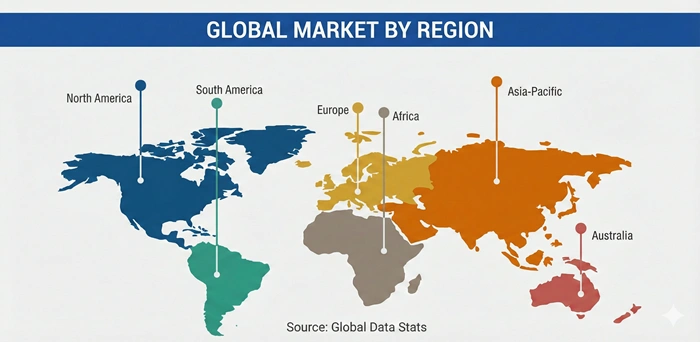
Regional Insights
North America
Market Dominance Through Mature Infrastructure and Health Consciousness
North America maintains its position as the dominant region in the organic food and beverages market, commanding approximately 43% of global market share in 2025 with an estimated value of USD 124.57 billion, projected to reach USD 228.46 billion by 2033 growing at a CAGR of 6.30%. The region's leadership stems from mature organic farming infrastructure, established certification systems through USDA Organic and Canadian organic standards, widespread consumer awareness about health and environmental benefits, and strong retail distribution through supermarkets, specialty stores, farmers markets, and e-commerce platforms. The United States dominates regional demand with approximately 75% share driven by large health-conscious population, extensive organic product availability across categories, influential wellness movements, celebrity endorsements, and high disposable incomes enabling premium organic purchases.
Leading companies serving the North American organic food and beverages market including General Mills, Danone North America, Nestlé USA, The Hain Celestial Group, Whole Foods Market, Organic Valley, Amy's Kitchen, and Stonyfield Farm create competitive dynamic through continuous innovation, aggressive marketing, and expansion of organic product lines across food and beverage categories. Canada contributes approximately 20% of North American revenue through similar consumer health consciousness, government support for organic farming, strong environmental awareness, and retail infrastructure supporting organic product availability nationwide. The region benefits from influential organic advocacy organizations including Organic Trade Association conducting consumer education, industry lobbying, research funding, and market data collection that professionalize organic sector while supporting sustainable growth and mainstream adoption.
Asia Pacific
Fastest Regional Growth Through Urbanization and Safety Concerns
Asia Pacific represents the fastest-growing region in the organic food and beverages market with a projected CAGR of 7.56% from 2026 to 2033, with market value expected to increase from USD 72.41 billion in 2025 to USD 138.42 billion by 2033, capturing expanding global revenue share. The region's exceptional growth trajectory stems from rapid urbanization creating health-conscious middle-class populations, food safety scandals increasing distrust of conventional agricultural products, rising disposable incomes enabling premium purchases, and government initiatives promoting organic farming particularly in China, India, Japan, and Australia. China emerges as dynamic growth market with government explicitly promoting organic agriculture through subsidies, certification infrastructure development, and public awareness campaigns responding to consumer concerns about pesticide contamination, heavy metals in soil, and food safety following numerous scandals eroding trust in conventional food supply chains.
Leading companies serving the Asia Pacific organic food and beverages market include international brands including Nestlé, Danone, General Mills adapting products for local tastes, domestic companies including Indian organic brands and Chinese organic producers, and specialized importers bringing premium Western organic products to affluent Asian consumers. India demonstrates particularly strong organic potential with massive agricultural sector, traditional farming practices amenable to organic conversion, growing urban middle class prioritizing health and food safety, and government National Programme for Organic Production supporting certification and export-oriented organic farming. The region benefits from cultural traditions emphasizing natural foods, herbal medicines, and holistic health aligning naturally with organic principles, creating receptive consumer mindsets toward organic products when supported by education about modern organic certification standards and health benefits backed by scientific research.
Top Key Players
-
General Mills Inc. (United States)
-
Danone S.A. (France)
-
Nestlé S.A. (Switzerland)
-
The Hain Celestial Group Inc. (United States)
-
CROPP Cooperative (United States)
-
Amy's Kitchen Inc. (United States)
-
Organic Valley (United States)
-
Whole Foods Market LP (United States)
-
The Kroger Co. (United States)
-
Conagra Brands Inc. (United States)
-
Dean Foods Company (United States)
-
Dole Food Company Inc. (United States)
-
Eden Foods Inc. (United States)
-
The Hershey Company (United States)
-
SunOpta Inc. (Canada)
Recent Developments
-
Akshayakalpa Organic (2025): Introduced High-Protein Milk in November 2025 made from fresh organic cow milk using ultrafiltration technology, providing 25 grams protein per 250 ml serving with lactose-free formulation, addressing growing consumer demand for functional organic dairy products combining nutritional benefits with organic integrity and dietary accommodation for lactose intolerant consumers.
-
LT Foods (2025): Inaugurated cutting-edge organic food processing facility in Rotterdam in July 2025 optimizing and expanding direct-to-consumer sales strategy across Europe, strengthening regional distribution capabilities, reducing delivery times, and enhancing competitive positioning in rapidly growing European organic market through localized processing and fulfillment infrastructure.
-
Hewitt Foods USA (2025): Introduced The Organic Meat Co. brand in May 2025 featuring USDA-certified organic, grass-fed, and finished beef product line, addressing increasing consumer demand for organic meat and grass-fed beef as health-conscious consumers seek protein sources free from antibiotics, hormones, and synthetic feed additives while supporting humane livestock practices.
-
Natural Grocers (2025): Launched private-label organic soup line in January 2025 including six varieties certified organic, non-GMO, gluten-free, and dairy-free in 14-ounce BPA-free pouches designed to reduce environmental impact, expanding affordable organic product accessibility through competitive private-label pricing while maintaining rigorous quality and sustainability standards.
-
Dole Food Company (2023): Announced Dole Organics division launch and 'GO Organic!' consumer brand at Fruit Attraction 2023 in Madrid in October, focusing on jumpstarting organic fresh produce category through cross-sector collaboration, streamlined supply chains, and ongoing continuity and consistency of organic product availability addressing supply challenges constraining organic market growth.
Market Trends
Clean Label Demands and Regenerative Agriculture Reshape Production Standards
The organic food and beverages market is experiencing transformative shifts driven by clean label demands exceeding basic organic certification, regenerative agriculture adoption raising environmental standards, and functional organic products merging health benefits with organic integrity. Clean label movements demanding radical ingredient transparency, simple recognizable ingredient lists, and elimination of artificial additives, preservatives, colors, and stabilizers push organic brands beyond mere organic certification toward formulations using minimal processing, whole food ingredients, and traditional preparation methods consumers perceive as authentically natural and nutritious. QR codes, blockchain verification, augmented reality packaging, and farm visit programs provide unprecedented supply chain transparency enabling consumers to verify organic claims, learn about farming practices, meet farmers, and understand environmental impacts creating emotional connections and justifying premium pricing through storytelling and authenticity.
Regenerative organic agriculture emerging as superior standard combines organic certification with holistic land management practices actively restoring soil health, sequestering atmospheric carbon, enhancing biodiversity, improving water retention, and reversing agricultural environmental degradation rather than merely avoiding synthetic inputs. The organic food and beverages market witnesses functional organic products proliferating including adaptogenic ingredients, probiotic formulations, fortified organic foods, and therapeutic organic beverages combining organic certification with specific health benefits like immunity support, stress reduction, digestive wellness, or cognitive enhancement appealing to wellness-focused consumers seeking maximum health returns on premium organic investments. Personalized organic nutrition leveraging genetic testing, microbiome analysis, and health data creates tailored organic product recommendations matching individual nutritional needs, food sensitivities, health goals, and taste preferences through AI-powered platforms offering customized organic meal plans, subscription boxes, and product suggestions optimizing health outcomes while expanding organic consumption beyond general wellness motivations.
Segments Covered in the Report
By Product Type
-
Organic Food
-
Fruits and Vegetables
-
Meat, Fish and Poultry
-
Dairy Products
-
Frozen and Processed Foods
-
Others
-
-
Organic Beverages
-
Non-dairy Beverages
-
Coffee and Tea
-
Beer and Wine
-
Others
-
By Form
-
Fresh and Chilled
-
Canned
-
Frozen
By Distribution Channel
-
Supermarkets and Hypermarkets
-
Convenience Stores
-
Specialty Stores
-
Online Stores
-
Others
By Process
-
Processed
-
Unprocessed
By Region
-
North America
-
United States
-
Canada
-
Mexico
-
-
Europe
-
Germany
-
United Kingdom
-
France
-
Italy
-
Spain
-
Rest of Europe
-
-
Asia Pacific
-
China
-
India
-
Japan
-
Australia
-
South Korea
-
Rest of Asia Pacific
-
-
Latin America
-
Brazil
-
Argentina
-
Rest of Latin America
-
-
Middle East and Africa
-
United Arab Emirates
-
Saudi Arabia
-
South Africa
-
Rest of Middle East and Africa
-
Frequently Asked Questions
Question 1: What is the projected organic food and beverages market size by 2033?
Answer: The organic food and beverages market is projected to reach USD 562.10 billion by 2033, growing from USD 310.23 billion in 2026. This represents steady expansion driven by rising health consciousness, chemical-free food preferences, environmental sustainability concerns, increasing disposable incomes, and growing retail availability making organic products accessible to mainstream consumers.
Question 2: Which region dominates the global organic food and beverages market share?
Answer: North America dominates the global organic food and beverages market with approximately 43% market share in 2025, valued at USD 124.57 billion. This leadership position reflects mature organic farming infrastructure, established certification systems, widespread consumer awareness, extensive retail distribution, and high disposable incomes enabling premium organic purchases across diverse product categories.
Question 3: What factors are driving the organic food and beverages market growth?
Answer: Key factors driving organic food and beverages market growth include escalating health consciousness about pesticide dangers and chronic diseases, chemical-free food preferences, environmental sustainability concerns, rising disposable incomes in emerging markets, expanding retail distribution through supermarkets and e-commerce, and social media influence normalizing organic consumption. Government support for organic farming and certification infrastructure also contributes significantly.
Question 4: Which product segment holds the largest share in the organic food and beverages market?
Answer: The organic food segment holds the largest share in the organic food and beverages market with approximately 87% in 2025. This dominance reflects that food categories including produce, dairy, meat, frozen items, and packaged staples represent daily consumption products where organic certification delivers perceived health benefits from pesticide-free production justifying premium pricing.
Question 5: What are the emerging trends in the organic food and beverages market?
Answer: Emerging trends in the organic food and beverages market include clean label demands for radical ingredient transparency beyond basic certification, regenerative agriculture adoption raising environmental standards, plant-based organic product proliferation, functional organic foods combining health benefits with organic integrity, and e-commerce transformation expanding market access. Personalized organic nutrition and blockchain traceability also gain significant traction.