
Ophthalmology Market Overview
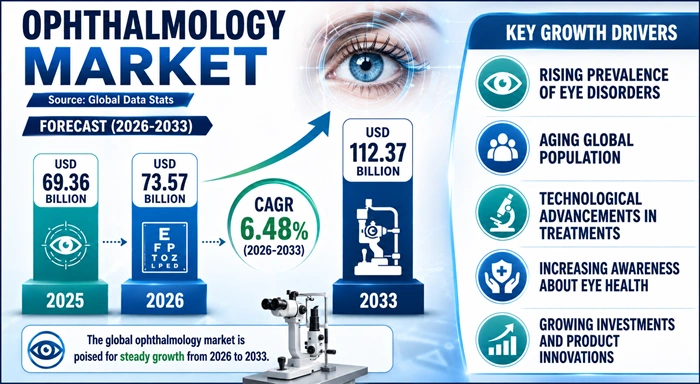
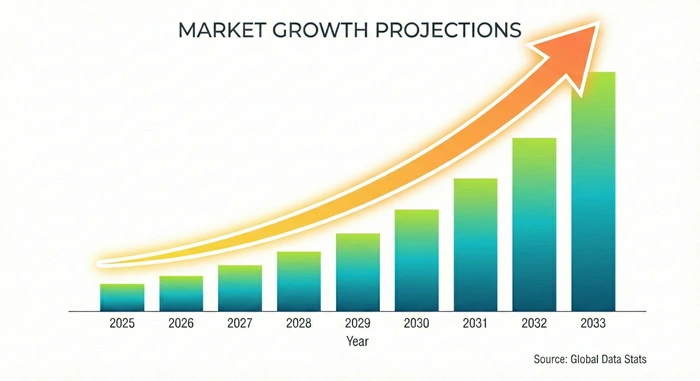
The global ophthalmology market size is valued at USD 69.36 billion in 2025 and is predicted to increase from USD 73.57 billion in 2026 to approximately USD 112.37 billion by 2033, growing at a CAGR of 6.48% from 2026 to 2033. This consistent and substantial growth is driven by the rapidly rising global prevalence of visual impairment and age-related eye diseases, the accelerating adoption of advanced diagnostic and surgical technologies, growing investment in anti-VEGF and gene therapy pipelines for retinal diseases, and the expanding demand for eye care services across aging populations in both developed and rapidly developing markets worldwide.
Eye health is increasingly recognized by governments, healthcare systems, and insurance providers as a public health priority — a reclassification that is improving reimbursement landscapes, expanding access to screening programs, and accelerating institutional investment in diagnostic and therapeutic infrastructure across the ophthalmology ecosystem.
AI Impact on the Ophthalmology Industry
Artificial Intelligence Is Transforming Ophthalmic Diagnostics and Screening — Enabling Earlier Detection of Sight-Threatening Diseases, Reducing Diagnostic Bottlenecks, and Improving Clinical Outcomes at Scale Across Both Advanced and Emerging Healthcare Settings
Artificial intelligence is delivering some of its most clinically validated and commercially significant impact in the ophthalmology market, where the image-rich nature of ophthalmic diagnostics — retinal fundus photography, optical coherence tomography (OCT), visual fields, and slit-lamp imaging — provides exactly the type of structured, reproducible data on which deep learning algorithms perform most powerfully. AI-powered diabetic retinopathy screening systems have achieved diagnostic sensitivity and specificity comparable to specialist ophthalmologists in multiple landmark clinical validation studies, and several platforms — including Google's DeepMind-developed tools, IDx-DR (the first FDA-cleared autonomous AI diagnostic device), and Eyenuk's EyeArt — have achieved regulatory clearance in major markets and are being deployed at scale in primary care, endocrinology, and diabetes management programs where ophthalmologist access is limited. These deployments are enabling the detection of sight-threatening disease at much earlier stages, before patients have developed symptoms, dramatically improving the outcomes achievable with available therapies.
Beyond diabetic retinopathy, AI applications in the ophthalmology market are rapidly expanding to encompass glaucoma detection from optic disc imaging, macular degeneration progression prediction from OCT volume scans, cataract severity grading, and even systemic disease detection from retinal vasculature imaging — with published studies demonstrating that AI models can predict cardiovascular risk, blood pressure, and renal function from retinal photographs with clinically meaningful accuracy. The integration of AI-driven analysis into electronic health records and ophthalmic practice management platforms is enabling asynchronous screening workflows — where imaging technicians capture retinal photographs that are automatically analyzed by AI and escalated to ophthalmologists only when abnormalities are detected — dramatically improving the efficiency and reach of preventive eye care programs. As regulatory frameworks for AI medical devices mature and reimbursement pathways for AI-assisted ophthalmic screening are established in more markets, the commercial deployment of AI tools will become a standard component of modern ophthalmic practice infrastructure globally.
Growth Factors
An Aging Global Population, the Diabetic Eye Disease Pandemic, and the Rapid Clinical Adoption of Anti-VEGF Therapies and Advanced Surgical Technologies Are the Three Primary Forces Driving Sustained Expansion in the Ophthalmology Market
The global aging population is the most fundamental structural driver of the ophthalmology market. The prevalence of virtually every major eye disease — including age-related macular degeneration (AMD), glaucoma, cataract, and diabetic macular edema — increases significantly with age, making the demographic expansion of the over-60 and over-70 age cohorts globally a direct predictor of rising demand for ophthalmic diagnostics, pharmaceuticals, and surgical services. The WHO estimates that approximately 2.2 billion people worldwide currently suffer from vision impairment or blindness, and that a significant proportion of these cases are preventable or treatable with existing technologies — representing a substantial unmet clinical need that both drives market demand and attracts ongoing pharmaceutical and device innovation investment. As the global elderly population continues to expand — driven by demographic trends in North America, Europe, Japan, and increasingly in China, India, and Latin America — the structural demand for ophthalmology services and products will grow reliably for decades.
The global diabetes epidemic is adding an equally powerful and growing demand vector through the prevalence of diabetic retinopathy (DR) and diabetic macular edema (DME) — sight-threatening complications affecting approximately one-third of all diabetic patients worldwide. With over 500 million adults currently living with diabetes and projections pointing to 780 million by 2045, the pipeline of patients requiring ophthalmic screening, monitoring, and treatment for diabetic eye disease is growing at a rate that challenges the capacity of existing eye care delivery systems in every market. Anti-VEGF intravitreal injection therapies — including Eylea (aflibercept, Regeneron/Bayer), Lucentis (ranibizumab, Roche/Genentech), and Vabysmo (faricimab, Roche) — have become the standard of care for neovascular AMD and DME, generating multi-billion dollar annual revenues and sustaining significant market growth. The combination of a growing patient population, increasing treatment duration, and the emergence of longer-acting and biosimilar anti-VEGF formulations that expand market access is expected to sustain strong pharmaceutical segment growth throughout the forecast period.
Market Outlook
Gene Therapy and Sustained-Release Ocular Drug Delivery Innovation, Combined With the Global Expansion of Refractive Surgery and Premium IOL Procedures, Are Setting the Stage for a Decade of Dynamic Growth in the Ophthalmology Market Through 2033
The long-term outlook for the ophthalmology market is defined by several powerful innovation themes that are simultaneously expanding the clinical capabilities of eye care and creating new high-value commercial segments. Gene therapy for inherited retinal dystrophies — led by Spark Therapeutics' Luxturna, the first FDA-approved in vivo gene therapy, and a growing pipeline of candidates targeting conditions including Stargardt disease, choroideremia, and X-linked retinitis pigmentosa — represents a transformative new treatment paradigm that addresses conditions for which no effective therapy previously existed. As the gene therapy regulatory and manufacturing infrastructure matures and pricing access challenges are addressed, the market opportunity for ocular gene therapy will expand substantially over the forecast horizon.
The premium consumer eye care segment — encompassing laser refractive surgery (LASIK, SMILE, PRK), premium intraocular lenses (IOLs) for cataract surgery (toric, multifocal, extended depth of focus lenses), and cosmetic procedures — represents a significant and growing market driver that operates largely outside insurance reimbursement structures and is therefore relatively insensitive to healthcare budget cycles. Rising consumer income levels in Asia Pacific and Latin America, combined with growing awareness of premium vision correction options and the strong quality-of-life outcomes associated with presbyopia-correcting procedures, are expanding this premium segment rapidly. Device companies including Alcon, Johnson & Johnson Vision, Carl Zeiss Meditec, and STAAR Surgical are all investing heavily in premium IOL and refractive surgery platform innovation to capture the growing consumer spending on life-improving vision correction procedures that are expected to represent an increasing share of total ophthalmology market revenue through 2033.
Expert Speaks
-
"At Alcon, we believe that vision is truly priceless, and the demand we are seeing for our surgical and vision care products continues to grow strongly as more people globally seek access to the advanced treatments and devices that can restore or preserve their sight. Innovation in our cataract surgery, glaucoma, and contact lens portfolios positions Alcon extremely well for the expanding market opportunity ahead." — CEO, Alcon Inc.
-
"Johnson & Johnson Vision is committed to solving the world's most significant vision challenges — from myopia progression in children to age-related conditions affecting hundreds of millions of adults. Our investment in refractive surgery technology, premium IOLs, and contact lens innovation reflects our conviction that the eye care market will continue to grow as both medical need and consumer demand for superior vision outcomes intensify globally." — CEO, Johnson & Johnson Vision
-
"Novartis has built an ophthalmology franchise that encompasses some of the most clinically important retinal therapies in the world, and we see the innovation pipeline for eye diseases as one of the most exciting in all of medicine. Gene therapies, extended-release delivery systems, and next-generation anti-VEGF treatments are all converging in ways that will meaningfully expand the therapeutic scope and commercial scale of the ophthalmology market in the years ahead." — CEO, Novartis AG
Key Report Takeaways
-
North America leads the ophthalmology market with approximately 38% of global revenue share in 2025, supported by the highest per-capita healthcare expenditure, strong anti-VEGF drug utilization, well-developed ophthalmic surgical infrastructure, broad insurance reimbursement for ophthalmic procedures, and the leading presence of major pharmaceutical and device companies including Regeneron, Alcon, and Abbott Medical Optics
-
Asia Pacific is the fastest-growing region, projected to expand at a CAGR of approximately 8.2% from 2026 to 2033, driven by rapidly expanding access to ophthalmic care in China and India, large untreated patient populations with cataract and diabetic retinopathy, government investment in vision health programs, and growing adoption of premium surgical and pharmaceutical treatments as healthcare systems modernize
-
Pharmaceuticals/drugs is the dominant product segment, accounting for approximately 54% of total market revenue in 2025, driven by the enormous anti-VEGF injection therapy franchise for AMD and DME, sustained prescription volumes for glaucoma medications, and strong dry eye pharmaceutical sales — collectively representing the largest and most consistent commercial revenue stream in the market
-
Retinal diseases — including AMD and diabetic macular edema — constitute the leading disease indication, contributing approximately 35% of total ophthalmology market revenue in 2025, driven by the large and growing patient population, the need for ongoing intravitreal injection therapy in most patients, and the high per-patient annual treatment cost associated with anti-VEGF regimens
-
Hospitals and ophthalmic specialty centers are the dominant end-user segment, collectively accounting for approximately 60% of market revenue in 2025, as the majority of ophthalmic surgical procedures, diagnostic imaging, and intravitreal injection procedures are performed in institutional settings requiring specialized equipment, trained staff, and sterile procedure rooms
-
The diagnostic devices segment is expected to grow the fastest, projected at a CAGR of approximately 9.5% through 2033, fueled by AI integration into imaging platforms, increasing population-level screening adoption, OCT angiography technology advances, and the growing demand for point-of-care diagnostic tools that can expand ophthalmic screening beyond specialist clinic settings into primary care environments
Market Scope
| Report Coverage | Details |
|---|---|
| Market Size by 2033 | USD 112.37 Billion |
| Market Size by 2025 | USD 69.36 Billion |
| Market Size by 2026 | USD 73.57 Billion |
| Market Growth Rate from 2026 to 2033 | CAGR of 6.48% |
| Dominating Region | North America |
| Fastest Growing Region | Asia Pacific |
| Base Year | 2025 |
| Forecast Period | 2026 – 2033 |
| Segments Covered | Product Type, Disease Indication, End User, Distribution Channel, Region |
| Regions Covered | North America, Europe, Asia Pacific, Latin America, Middle East & Africa |
Market Dynamics
Drivers Impact Analysis
Rising Global Prevalence of Aging-Related and Diabetes-Driven Eye Diseases, Anti-VEGF Therapy Expansion, and Technological Innovation in Ophthalmic Surgery and Diagnostics Are the Core Forces Propelling the Ophthalmology Market Forward
| Driver | ≈ % Impact on CAGR Forecast | Geographic Relevance | Impact Timeline |
|---|---|---|---|
| Aging population and rising AMD, glaucoma, and cataract burden | ~30% | Global, strongest in North America, Europe, Asia Pacific | Short to Long Term |
| Diabetes epidemic and diabetic retinopathy/DME disease burden | ~25% | Global, highest impact in Asia Pacific, Middle East | Short to Long Term |
| Anti-VEGF therapy adoption and biosimilar market expansion | ~22% | North America, Europe | Short to Medium Term |
| Premium IOL and refractive surgery consumer demand growth | ~14% | Asia Pacific, North America | Medium to Long Term |
| AI diagnostic tool deployment and screening program expansion | ~9% | Global | Medium to Long Term |
The ophthalmology market is benefiting from a combination of demographic inevitability and pharmaceutical innovation that makes its demand profile unusually durable across economic cycles. AMD alone affects approximately 196 million people globally, with projections indicating growth to 288 million by 2040 as the elderly population expands — each newly diagnosed wet AMD patient represents a multi-year course of monthly or bi-monthly anti-VEGF injections with current-generation therapies, generating sustained per-patient revenue for the pharmaceutical segment that is not dependent on broader healthcare budget conditions. The commercial success of Roche's Vabysmo (faricimab) — which achieved peak annual sales exceeding $2 billion within two years of launch through its differentiated longer-treatment-interval profile — illustrates how pharmaceutical innovation can create meaningful new commercial value within the anti-VEGF category even in a field considered mature.
The global cataract surgery market represents the highest-volume procedural segment in all of medicine, with over 25 million cataract procedures performed annually worldwide, and this volume is growing at approximately 4–5% per year driven by aging demographics and the enormous backlog of untreated cataracts in Asia Pacific, Africa, and Latin America. The trend toward premium IOL upgrades — in which patients pay out-of-pocket for toric or multifocal lenses that correct astigmatism or presbyopia simultaneously with cataract removal — is significantly increasing the revenue per procedure captured by device companies, creating a strong commercial incentive for device manufacturers to invest in premium lens innovation and to expand surgeon training and patient education programs that increase premium lens adoption rates.
Restraints Impact Analysis
High Treatment Costs and Access Disparities, Shortage of Ophthalmic Specialists in Developing Markets, and Patent Expiry Pressure on Leading Anti-VEGF Drugs Are the Primary Factors Limiting Faster Growth in the Ophthalmology Market
| Restraint | ≈ % Impact on CAGR Forecast | Geographic Relevance | Impact Timeline |
|---|---|---|---|
| High cost of anti-VEGF therapies and ophthalmic surgery | ~-28% | Emerging markets, underinsured populations | Ongoing |
| Shortage of ophthalmologists and ophthalmic infrastructure | ~-24% | Africa, South Asia, Latin America | Ongoing |
| Anti-VEGF brand patent expiry and biosimilar price erosion | ~-20% | North America, Europe | Short to Medium Term |
| Reimbursement and coverage constraints in developing markets | ~-18% | Asia Pacific, MEA, Latin America | Medium Term |
| Patient compliance challenges with frequent intravitreal injection schedules | ~-10% | Global | Ongoing |
The high and persistent cost of anti-VEGF intravitreal injection therapy represents one of the most significant access barriers in the global ophthalmology market. In markets without comprehensive government or insurance coverage — which encompasses a large proportion of patients in emerging economies — the annual cost of treating neovascular AMD or DME with brand anti-VEGF agents is simply beyond what most patients can afford, creating a situation where effective treatments exist but cannot reach the majority of people who need them. Off-label use of bevacizumab (Avastin), which costs a fraction of licensed anti-VEGF agents and has demonstrated comparable efficacy in multiple randomized trials, addresses some of this access gap in clinical practice, but its use introduces complexity around liability, dose preparation quality, and regulatory status that constrains its deployment in formal healthcare programs.
The global shortage of trained ophthalmologists — estimated at approximately 20,000 specialists short of what is needed to serve the current global patient population — creates a structural supply constraint on the delivery of ophthalmic care that particularly affects rural areas of Asia Pacific, Sub-Saharan Africa, and Latin America. This shortage simultaneously limits the speed at which diagnosed patients can receive treatment, creates long surgical waiting lists for cataract procedures, and restricts the capacity to deliver the ongoing monitoring visits required by anti-VEGF injection therapy protocols. Telemedicine and AI-powered screening programs are beginning to address this constraint by enabling trained technicians to capture diagnostic images that are remotely interpreted by specialists — but building the underlying digital and healthcare infrastructure to deploy these approaches at scale in low-resource settings requires sustained investment that many markets are only beginning to mobilize.
Opportunities Impact Analysis
Gene Therapy, Sustained-Release Ocular Drug Delivery, and Teleophthalmology Expansion in Emerging Markets Represent the Highest-Value Strategic Growth Opportunities in the Ophthalmology Market Through 2033
| Opportunity | ≈ % Impact on CAGR Forecast | Geographic Relevance | Impact Timeline |
|---|---|---|---|
| Ocular gene therapy for inherited retinal dystrophies | ~+30% | North America, Europe | Medium to Long Term |
| Sustained-release and refillable ocular drug delivery systems | ~+25% | Global | Medium to Long Term |
| Teleophthalmology and AI screening expansion in emerging markets | ~+22% | Asia Pacific, MEA, Latin America | Short to Medium Term |
| Myopia control therapeutics and specialty contact lens growth | ~+14% | Asia Pacific, globally | Short to Medium Term |
| Anti-VEGF biosimilar market expansion improving access | ~+9% | Global | Short to Medium Term |
The emerging sustained-release and refillable ocular drug delivery opportunity is one of the most transformative long-term commercial opportunities in the ophthalmology market, with the potential to fundamentally transform the patient experience and treatment economics of anti-VEGF therapy for AMD and DME. Genentech/Roche's Port Delivery System (PDS) for ranibizumab — a surgically implanted refillable reservoir that delivers continuous drug to the vitreous cavity — received FDA approval in 2021 and represents a proof of concept for a new treatment paradigm in which patients transition from monthly injections to refill procedures every six months or longer. Multiple additional sustained-release systems for anti-VEGF and other ophthalmic drugs are in clinical development, and if these platforms achieve the injection-burden reduction they promise, they have the potential to improve patient adherence, expand treatment access in capacity-constrained settings, and create new long-term revenue models for pharmaceutical companies.
The global myopia epidemic — affecting approximately 2.2 billion people worldwide with projections indicating that half the global population may be myopic by 2050 — is creating an enormous and rapidly growing commercial opportunity for myopia control therapeutics and specialty contact lenses. Low-dose atropine eye drops, orthokeratology (overnight corneal reshaping) lenses, and specialized soft contact lens designs including HOYA's MiSight and Coopervision's myopia management portfolio have all demonstrated clinically meaningful rates of myopia progression slowing in children, and the commercial market for these products is growing rapidly — particularly in Asia Pacific where myopia prevalence rates are highest and parental investment in children's vision health is culturally strong. As long-term myopia management becomes standard pediatric practice, the commercial scale of this segment within the overall ophthalmology landscape will grow substantially through 2033.
Segment Analysis
By Product Type
Pharmaceuticals Lead the Ophthalmology Market Revenue While Ophthalmic Devices Register the Higher Growth Rate, Reflecting the Dual Commercial Engines of Drug Innovation and Surgical Technology Advancement
Pharmaceuticals and drugs hold approximately 54% of the total ophthalmology market revenue in 2025, growing at a CAGR of approximately 6.2% through 2033, anchored by the enormous and growing anti-VEGF injection therapy franchise across neovascular AMD, DME, and retinal vein occlusion indications globally. The pharmaceutical segment's dominance reflects the recurring, long-term nature of drug treatment demand in chronic retinal diseases, the premium pricing of branded anti-VEGF agents, and the growing prescription volume of glaucoma medications, prostaglandin analogs, and dry eye therapeutic agents as more patients receive timely diagnosis and begin treatment. North America and Europe collectively represent the largest pharmaceutical segment markets, supported by strong insurance reimbursement for anti-VEGF therapies and well-developed ophthalmic prescribing infrastructure; major companies driving this segment include Regeneron Pharmaceuticals (USA), Roche/Genentech (Switzerland/USA), Novartis (Switzerland), AbbVie (USA), and Santen Pharmaceutical (Japan).
The ophthalmic devices segment — comprising diagnostic equipment, surgical instruments, intraocular lenses, contact lenses, and vision care products — accounts for approximately 46% of market revenue in 2025 and is growing at a slightly higher CAGR of approximately 7.1% through 2033, reflecting the strong commercial momentum of premium IOL upgrading, AI-powered diagnostic imaging platforms, and the rapidly growing contact lens and myopia management products market. The diagnostic devices sub-segment is growing particularly rapidly, driven by OCT and OCT-A technology upgrades, AI integration into retinal imaging workflows, and the expansion of automated visual field and confocal microscopy platforms that are becoming standard diagnostic infrastructure in both specialty and community ophthalmic practices. Asia Pacific is the most dynamic regional growth geography for ophthalmic devices, driven by rapid expansion of cataract surgical volumes, government investment in ophthalmic equipment for primary and secondary care facilities, and strong consumer demand for premium vision correction procedures in China, Japan, and South Korea; key device companies active in this region include Alcon (Switzerland/USA), Carl Zeiss Meditec (Germany), Topcon Corporation (Japan), and NIDEK Co. Ltd. (Japan).
By Disease Indication
Retinal Diseases Lead Disease Indication Revenue While Dry Eye Syndrome Emerges as the Fastest-Growing Indication Expanding the Ophthalmology Market Commercial Opportunity
Retinal diseases — principally neovascular AMD, non-exudative AMD, diabetic retinopathy, and diabetic macular edema — constitute the leading disease indication in the ophthalmology market, contributing approximately 35% of total market revenue in 2025 and growing at a CAGR of approximately 6.5% through 2033. This dominance is anchored by the massive and growing commercial scale of anti-VEGF intravitreal injection therapy, which generates billions of dollars in annual pharmaceutical revenue from the large patient populations requiring ongoing treatment for neovascular retinal conditions. North America leads retinal disease segment revenue due to the high per-patient treatment cost of branded anti-VEGF agents and strong clinical adoption of regular injection monitoring schedules; key companies active in this indication include Regeneron (USA), Roche (Switzerland), Novartis (Switzerland), Bayer AG (Germany), and Apellis Pharmaceuticals (USA), the latter having launched the first complement pathway inhibitor (Syfovre/pegcetacoplan) approved for geographic atrophy — a form of advanced dry AMD representing a major unmet need now entering active treatment.
Dry eye disease (DED) is the fastest-growing disease indication within the ophthalmology market, projected to expand at a CAGR of approximately 9.8% through 2033, driven by the rapidly growing global prevalence of digital eye strain, contact lens use, environmental pollution exposure, and autoimmune conditions that contribute to DED development, combined with the emergence of effective pharmaceutical treatments that are converting what was historically managed with over-the-counter lubricants into a commercially significant prescription drug market. Allergan/AbbVie's Restasis (cyclosporine), Sun Pharmaceutical's Cequa (cyclosporine nanomicellar formulation), and Novartis' Xiidra (lifitegrast) have collectively built a substantial prescription DED market in North America and Europe, while the recent approval of Ojemda and new investigational peptide-based therapies signals continued pharmaceutical innovation interest in this indication. The enormous global DED patient population — estimated at over 360 million people worldwide — and the low current rate of prescription treatment relative to the total disease burden represent a substantial long-term commercial opportunity for ophthalmic pharmaceutical companies targeting this indication.
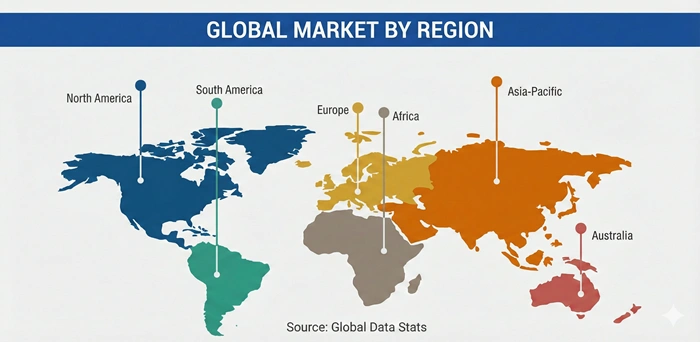
Regional Insights
North America's Pharmaceutical and Device Innovation Leadership Paired With Asia Pacific's Explosive Unmet Need and Growing Healthcare Investment Define the Two Most Strategically Important Geographies in the Global Ophthalmology Market
North America
North America's Comprehensive Insurance Reimbursement for Anti-VEGF Therapies, World-Leading Ophthalmic R&D Investment, and Large Aging Population Make It the Dominant Revenue Region in the Ophthalmology Market
North America leads the ophthalmology market with approximately 38% of global revenue in 2025 and a regional CAGR of approximately 5.9% from 2026 to 2033. The United States accounts for the large majority of regional revenue, driven by the combination of the world's most comprehensive commercial insurance coverage for ophthalmic pharmaceuticals and surgical procedures, the highest per-procedure reimbursement rates for anti-VEGF injections globally, and the large and rapidly growing elderly population that drives AMD, glaucoma, and cataract procedure volumes. The U.S. retinal pharmaceutical market — led by Eylea HD (high-dose aflibercept), Vabysmo, and emerging biosimilars including Samsung Bioepis' Opuviz and Coherus BioSciences' Cimerli — collectively represents the single largest commercial opportunity in the entire ophthalmology ecosystem.
Major companies with dominant North American market positions include Regeneron Pharmaceuticals (USA), Alcon (Switzerland/USA), AbbVie (USA), Johnson & Johnson Vision (USA), Bausch & Lomb (Canada/USA), and Carl Zeiss Meditec (Germany, with major U.S. presence), together covering the full spectrum of pharmaceuticals, surgical devices, and diagnostic platforms. Canada contributes meaningful additional demand through its publicly funded provincial health systems and growing private ophthalmic service sector, while Mexico is an expanding secondary market with growing private healthcare adoption of anti-VEGF therapies and premium cataract surgery procedures.
Asia Pacific
Asia Pacific's Enormous Untreated Cataract and Diabetic Retinopathy Burden, Combined With Growing Government Healthcare Investment and Rising Consumer Demand for Premium Eye Care, Is Driving the Fastest Regional Growth in the Global Ophthalmology Market
Asia Pacific is the fastest-growing region in the ophthalmology market, projected to expand at a CAGR of approximately 8.2% from 2026 to 2033, driven by the convergence of enormous unmet ophthalmic disease need, rapidly expanding healthcare system capacity, and growing consumer demand for premium vision care across China, India, Japan, South Korea, and Australia. China represents the region's largest and most dynamic national market, with the government's Healthy China 2030 vision health initiative driving investment in cataract surgical capacity, diabetic retinopathy screening programs, and the build-out of ophthalmic specialty hospital networks; Aier Eye Hospital Group — the world's largest ophthalmology hospital chain by number of facilities — is headquartered in China and continues to expand aggressively both domestically and internationally, creating sustained institutional demand for ophthalmic pharmaceuticals, surgical devices, and diagnostic imaging platforms.
India holds the second-largest volume of untreated cataracts globally, representing a massive backlog of surgical demand that government and non-governmental eye care programs are working to address through subsidized surgical camps, mobile eye care units, and public-private partnership models. Japan and South Korea are among the world's most technologically advanced ophthalmic care markets, with high adoption of OCT-A imaging, premium IOL procedures, and gene therapy clinical programs; key Japanese companies including Topcon Corporation, Nidek, and Santen Pharmaceutical are important contributors to the Asia Pacific ophthalmology industry as both technology providers and pharmaceutical innovators. The region's favorable demographic trends, rising middle-class healthcare spending, and government commitment to expanding ophthalmic care infrastructure collectively ensure that Asia Pacific will remain the highest-growth regional market throughout the 2026–2033 forecast period.
Report Customization Available by Region and Country
This report is fully customizable to deliver targeted ophthalmology market intelligence for specific regions, countries, and geographies, providing localized market sizing, disease burden analysis, competitive landscape profiles, reimbursement environment assessments, and strategic growth opportunity maps tailored to your precise geographic focus.
Customized versions of this report are available for every major global region and their constituent countries, ensuring that market entry, investment, and product strategy decisions are supported by granular, locally validated intelligence specific to the ophthalmology ecosystem in each target geography.
North America
-
United States — World's largest ophthalmology market with dominant anti-VEGF pharmaceutical revenue, premium surgical device adoption, and leading ophthalmic R&D investment
-
Canada — Established ophthalmic care market with publicly funded provincial healthcare coverage and growing private premium eye care sector
-
Mexico — Expanding private ophthalmology market with growing anti-VEGF adoption and increasing premium cataract surgery demand
Europe
-
United Kingdom — Active ophthalmology market with NHS diabetic eye screening program, strong anti-VEGF drug utilization, and important ophthalmic clinical research infrastructure
-
Germany — Europe's largest ophthalmology market with strong institutional ophthalmic device adoption, leading pharmaceutical research, and Carl Zeiss Meditec headquartered presence
-
France — Growing ophthalmology market with national AMD screening investments, strong anti-VEGF reimbursement, and expanding surgical center infrastructure
-
Italy — Active ophthalmic care market with growing cataract surgery volumes, anti-VEGF utilization, and increasing dry eye pharmaceutical prescription rates
-
Rest of Europe — Includes Spain, Netherlands, and Switzerland as active ophthalmic pharmaceutical and device markets
Asia Pacific
-
China — Largest Asia Pacific ophthalmology market driven by Aier Eye Hospital Group expansion, government vision health programs, and rapidly growing anti-VEGF adoption
-
India — High-volume cataract surgery market with enormous untreated disease burden and growing diabetic retinopathy screening program investment
-
Japan — Advanced ophthalmology market with high OCT diagnostic adoption, premium IOL growth, and key domestic device and pharmaceutical companies
-
South Korea — Growing premium eye care market with strong consumer demand for refractive surgery and advanced ophthalmic diagnostics
-
Australia — Established ophthalmology market with strong PBS reimbursement for anti-VEGF therapies and growing teleophthalmology program adoption
-
Rest of Asia Pacific — Includes Singapore, Taiwan, and Malaysia as growing advanced eye care markets with expanding specialist ophthalmic infrastructure
Latin America
-
Brazil — Largest Latin American ophthalmology market with growing anti-VEGF adoption, expanding premium cataract surgery, and government diabetic retinopathy program investment
-
Argentina — Developing ophthalmic care market with growing private sector pharmaceutical and device adoption
-
Rest of Latin America — Includes Colombia, Chile, and Mexico as emerging ophthalmology markets with increasing institutional eye care investment
Middle East & Africa
-
UAE — Premium healthcare market with strong adoption of anti-VEGF therapies, advanced diagnostic imaging, and refractive surgery in internationally accredited hospital facilities
-
Saudi Arabia — Expanding ophthalmology market driven by Vision 2030 healthcare investment, high diabetic retinopathy burden, and rapid specialist ophthalmic hospital capacity growth
-
Rest of MEA — Includes South Africa, Egypt, and Turkey as growing ophthalmology markets with increasing public and private investment in eye care infrastructure and specialty services
Top Key Players
-
Alcon Inc. (Switzerland / United States)
-
Novartis AG (Switzerland)
-
Regeneron Pharmaceuticals Inc. (United States)
-
Bausch + Lomb Corporation (Canada / United States)
-
Johnson & Johnson Vision Care Inc. (United States)
-
AbbVie Inc. (United States)
-
Roche Holding AG / Genentech (Switzerland / United States)
-
Carl Zeiss Meditec AG (Germany)
-
Topcon Corporation (Japan)
-
Bayer AG (Germany)
-
STAAR Surgical Company (United States)
-
Santen Pharmaceutical Co. Ltd. (Japan)
-
EssilorLuxottica SA (France)
-
NIDEK Co. Ltd. (Japan)
-
Apellis Pharmaceuticals Inc. (United States)
Recent Developments
-
In 2025, Regeneron Pharmaceuticals received FDA approval for Eylea HD (8 mg high-dose aflibercept) label expansion to include additional retinal vascular disease indications, extending its clinical utility and reinforcing its market leadership position against both brand competitors and the growing wave of anti-VEGF biosimilars entering the U.S. market
-
In 2025, Roche/Genentech announced strong commercial progress for Vabysmo (faricimab) globally, with the product achieving block buster status ahead of schedule and surpassing $3 billion in annual sales — driven by its differentiated twice-annual maintenance dosing profile in AMD and DME that reduces patient treatment burden relative to monthly anti-VEGF alternatives
-
In 2024, Alcon completed the acquisition of Aerie Pharmaceuticals' glaucoma surgical device portfolio, including the MIGS (minimally invasive glaucoma surgery) product line, strengthening its position in the high-growth glaucoma surgery segment and complementing its existing surgical ophthalmology franchise
-
In 2025, Apellis Pharmaceuticals reported strong uptake of Syfovre (pegcetacoplan intravitreal injection) for geographic atrophy secondary to AMD — the first approved treatment for this prevalent and previously untreatable form of advanced AMD — establishing a new commercial category within the ophthalmology market that is expected to grow significantly as awareness and diagnosis rates improve
-
In 2024, Carl Zeiss Meditec launched the next generation of its CIRRUS HD-OCT platform with AI-powered automated layer segmentation, progression analysis, and glaucoma risk stratification capabilities — directly addressing growing clinical demand for intelligent, workflow-integrated diagnostic tools that reduce the time burden of image interpretation in high-volume ophthalmic practices
Market Trends
The Convergence of Gene Therapy Clinical Approvals, AI-Powered Screening Platforms, and the Premium Consumer Eye Care Boom Are Simultaneously Transforming Clinical Practice and Commercial Dynamics Across the Ophthalmology Market
The most clinically transformative trend in the ophthalmology market is the accelerating progression of gene therapy from regulatory approval for a single rare condition (Luxturna for RPE65-mediated retinal dystrophy) toward a broader therapeutic platform targeting multiple inherited and acquired retinal diseases. The clinical pipeline includes candidates for Stargardt disease, choroideremia, achromatopsia, X-linked retinitis pigmentosa, and even common complex diseases like AMD through complement pathway gene silencing approaches under investigation by companies including Adverum Biotechnologies, Ocugen, and REGENXBIO. As gene therapy manufacturing scales up, cost-of-goods decrease, and the regulatory framework for ocular gene products matures, the ophthalmology sector is positioning to offer potentially curative single-treatment interventions for conditions that currently require either lifelong pharmacological management or for which no effective therapy exists — a paradigm shift that will create significant new commercial value within the market.
In parallel, the premium consumer eye care segment is growing at a rate meaningfully above the overall market, driven by rising global consumer willingness to invest in superior visual outcomes that improve quality of life beyond basic functional vision correction. The market for extended depth-of-focus (EDOF) and accommodating IOLs — which aim to restore near, intermediate, and distance vision simultaneously after cataract surgery, reducing or eliminating spectacle dependence — is expanding rapidly as surgical outcomes improve, patient experience data strengthens, and surgeons become more comfortable with premium lens selection and patient counseling protocols. SMILE Pro (small incision lenticule extraction) refractive surgery, which offers bladeless laser vision correction with faster recovery and lower dry eye risk than LASIK, is also growing rapidly — particularly in Asia Pacific and European markets where premium out-of-pocket spending on vision correction is strong — creating sustained high-margin revenue opportunities for device companies including Carl Zeiss Meditec and SCHWIND eye-tech-solutions in the competitive refractive surgery technology market.
Segments Covered in the Report
-
By Product Type
-
Pharmaceuticals/Drugs
-
Anti-VEGF Agents
-
Glaucoma Medications
-
Dry Eye Therapies
-
Anti-Infectives & Anti-Inflammatory Agents
-
Others
-
-
Devices
-
Diagnostic Devices (OCT, Fundus Cameras, Perimeters)
-
Surgical Devices (Phacoemulsification Systems, Vitrectomy)
-
Intraocular Lenses (Standard, Toric, Multifocal, EDOF)
-
Vision Care Products (Contact Lenses, Spectacle Lenses)
-
Others
-
-
-
By Disease Indication
-
Glaucoma
-
Age-Related Macular Degeneration (AMD)
-
Diabetic Retinopathy & Diabetic Macular Edema
-
Cataract
-
Dry Eye Syndrome
-
Refractive Disorders
-
Others
-
-
By End User
-
Hospitals & Clinics
-
Ophthalmic Specialty Centers
-
Ambulatory Surgical Centers
-
Academic & Research Institutions
-
Others
-
-
By Distribution Channel
-
Hospital Pharmacies
-
Retail Pharmacies & Optical Stores
-
Online Channels
-
Others
-
-
By Region
-
North America (U.S., Canada, Mexico)
-
Europe (U.K., Germany, France, Italy, Rest of Europe)
-
Asia Pacific (China, India, Japan, South Korea, Australia, Rest of Asia Pacific)
-
Latin America (Brazil, Argentina, Rest of Latin America)
-
Middle East & Africa (UAE, Saudi Arabia, Rest of MEA)
-
❝ Built for Every Level — From Startups to Industry Giants ❞
Here Is Exactly How This Report Works for You
-
For global pharmaceutical corporations, ophthalmic device companies, and institutional investors evaluating the ophthalmology landscape, this report delivers precise market sizing by disease indication and geography, competitor revenue and pipeline analysis, anti-VEGF biosimilar impact modeling, and geopolitical risk intelligence — including how U.S. drug pricing reform, European health technology assessment changes, and China's volume-based procurement policy for ophthalmic drugs are reshaping competitive dynamics, margin pressure, and geographic growth prioritization across the global ophthalmology market
-
For mid-market ophthalmic device manufacturers, specialty pharmaceutical companies, and diagnostic platform developers, the report provides segment-level demand forecasts, clinical adoption rate benchmarking, end-user purchasing behavior analysis, and top competitor technology roadmap intelligence — enabling sales and product teams to identify which ophthalmic disease categories are generating the fastest treatment adoption, how pricing is evolving across branded and biosimilar anti-VEGF segments, and which regional markets offer the strongest unmet need opportunity for targeted commercial investment
-
Startups developing AI diagnostic tools, sustained-release ocular drug delivery platforms, or gene therapy manufacturing solutions for ophthalmology will find the report's technology adoption curve mapping, regulatory pathway analysis, payer reimbursement landscape benchmarking, and competitive white-space identification essential for refining product-market fit, building credible investor narratives grounded in verified market data, and making informed go-to-market prioritization decisions within the rapidly evolving and high-value ophthalmology market
Frequently Asked Questions
Question 1: What is the projected size of the ophthalmology market by 2033?
Answer: The ophthalmology market is projected to reach approximately USD 112.37 billion by 2033, growing from USD 73.57 billion in 2026 at a CAGR of 6.48%. This growth is driven by the aging global population, rising diabetic eye disease burden, anti-VEGF pharmaceutical expansion, and accelerating innovation in surgical devices and AI diagnostics.
Question 2: What are the key drivers of growth in the ophthalmology market?
Answer: The primary drivers of the ophthalmology market include the rising global burden of AMD, glaucoma, and diabetic retinopathy in aging and diabetic patient populations, combined with the strong commercial performance of anti-VEGF intravitreal therapies and the growing adoption of premium surgical and diagnostic technologies. Expanding healthcare infrastructure in Asia Pacific and increased insurance reimbursement for ophthalmic procedures in emerging markets are also contributing meaningfully to market growth.
Question 3: Which region leads the ophthalmology market?
Answer: North America dominates the ophthalmology market with approximately 38% of global revenue share in 2025, driven by comprehensive insurance coverage for anti-VEGF therapies, high cataract surgery volumes with strong premium IOL upgrade rates, and the presence of leading pharmaceutical and device companies. Asia Pacific is the fastest-growing region, expanding at approximately 8.2% CAGR from 2026 to 2033.
Question 4: How is AI technology impacting the ophthalmology market?
Answer: AI is transforming the ophthalmology market by enabling autonomous screening of diabetic retinopathy and AMD from retinal photographs with specialist-level accuracy — significantly expanding the capacity of early detection programs beyond specialist clinic settings into primary care. AI-powered OCT analysis, glaucoma progression prediction, and intelligent diagnostic reporting tools are increasingly being integrated into standard ophthalmic practice workflows, improving diagnostic efficiency and clinical outcomes.
Question 5: What are the leading disease indications driving ophthalmology market revenue?
Answer: Retinal diseases — principally neovascular AMD and diabetic macular edema — lead the ophthalmology market, contributing approximately 35% of total revenue in 2025 through the enormous commercial scale of anti-VEGF intravitreal injection therapy. Glaucoma and dry eye syndrome are the other major revenue-generating indications, with dry eye disease emerging as the fastest-growing indication driven by rising prevalence, effective prescription treatments, and improving diagnostic awareness globally.