
Oleochemicals Market Overview
Bio-Based Chemical Derivatives Transform Industrial Manufacturing Through Sustainable Feedstock Alternatives
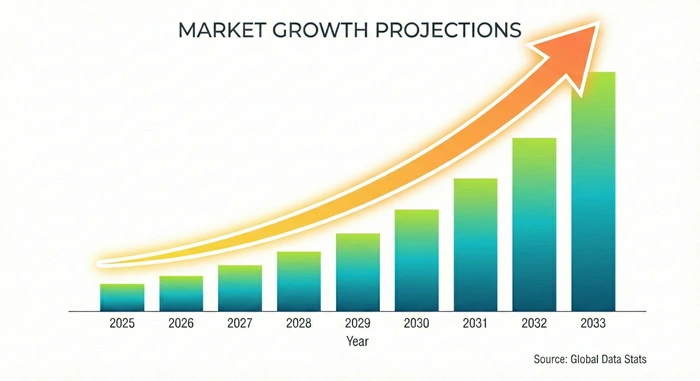
The global oleochemicals market size is valued at USD 27.59 billion in 2025 and is predicted to increase from USD 29.62 billion in 2026 to approximately USD 53.49 billion by 2033, growing at a CAGR of 7.00% from 2026 to 2033. This industry encompasses chemical compounds derived from natural fats and oils sourced from plants and animals, providing renewable alternatives to petroleum-based chemicals across diverse applications. Oleochemicals include fatty acids, fatty alcohols, glycerin, and various derivatives utilized in personal care products, industrial lubricants, food additives, pharmaceuticals, and biodegradable plastics.
The oleochemicals market addresses growing demand for sustainable chemical solutions as industries transition away from fossil fuel dependence toward bio-based feedstock alternatives. These natural derivatives offer biodegradability, lower toxicity profiles, and reduced carbon footprints compared to petrochemical equivalents while delivering comparable or superior performance characteristics. Major feedstock sources including palm oil, soybean oil, coconut oil, and animal fats undergo chemical processes such as hydrolysis, transesterification, and hydrogenation to produce functional ingredients serving multiple industrial sectors prioritizing environmental responsibility and regulatory compliance.

AI Impact on the Oleochemicals Industry
Machine Learning Optimization and Process Automation Revolutionize Production Efficiency and Product Development Cycles
Artificial intelligence transforms the oleochemicals market through advanced process control systems optimizing production parameters including temperature profiles, catalyst dosing, and residence times to maximize yield while minimizing energy consumption. Machine learning algorithms analyze thousands of process variables across fat splitting, esterification, and hydrogenation operations to identify optimal conditions that reduce waste generation and improve product consistency. These AI-powered systems continuously adapt to feedstock variations, automatically adjusting parameters to maintain target specifications despite natural fluctuations in raw material composition from seasonal harvests and regional sources. Predictive maintenance applications monitor equipment performance data to forecast mechanical failures before costly unplanned downtime occurs, enabling proactive intervention that sustains production continuity.
Deep learning accelerates new product development within the oleochemicals market by simulating molecular interactions between fatty acid chains and functional groups, predicting performance characteristics before expensive pilot plant trials. Computational modeling powered by artificial intelligence evaluates thousands of formulation combinations to identify optimal ingredient blends for specific applications including surfactants, emulsifiers, and biolubricants. Natural language processing extracts insights from decades of technical literature and patent databases, revealing correlations between chemical structures and functional properties that guide research priorities. These AI-driven capabilities enable oleochemical manufacturers to reduce development cycles from years to months while expanding product portfolios addressing specialized customer requirements across personal care, food processing, and industrial applications.
Growth Factors
Consumer Demand for Natural Products and Regulatory Mandates Drive Unprecedented Bio-Based Chemical Adoption
The oleochemicals market experiences robust growth propelled by intensifying consumer preferences for natural, biodegradable products that align with sustainability values driving purchasing decisions across personal care and household cleaning sectors. Millennials and Generation Z consumers increasingly scrutinize product ingredient labels, favoring formulations derived from renewable plant sources over synthetic petrochemicals associated with environmental concerns. Personal care manufacturers respond to these market dynamics by reformulating products with oleochemical-based surfactants, emollients, and conditioning agents that deliver natural positioning and clean beauty claims. Biodegradable cleaning products incorporating fatty alcohol ethoxylates and alkyl polyglucosides gain market share as consumers prioritize environmentally responsible choices, creating sustained demand for oleochemical ingredients throughout the forecast period.
Regulatory frameworks mandating biofuel blending and restricting petroleum-derived chemicals accelerate oleochemicals market expansion across multiple geographic regions. European Union directives requiring minimum biodiesel percentages in transportation fuels drive fatty acid methyl ester consumption, with oleochemical derivatives constituting primary feedstocks for renewable diesel production. Environmental regulations phasing out nonylphenol ethoxylates and other synthetic surfactants create substitution opportunities for oleochemical-based alternatives meeting toxicity and biodegradability criteria. Pharmaceutical applications increasingly specify oleochemical excipients and capsule materials derived from plant sources, supporting market growth as drug manufacturers address regulatory preferences for natural ingredients. These regulatory tailwinds combine with consumer demand to create favorable market conditions sustaining above-average growth rates through 2033.
Market Outlook
Technology Advances and Feedstock Diversification Position Industry for Sustained Long-Term Expansion
The oleochemicals market outlook remains exceptionally positive as enzymatic processing technologies enable more efficient, lower-temperature production pathways that reduce energy consumption while expanding viable feedstock options. Novonesis and thyssenkrupp Uhde launched breakthrough enzymatic fat-splitting processes operating at 70 degrees Celsius compared to 250 degrees for conventional thermal methods, slashing energy requirements by up to 60% while enabling smaller production scales economically viable for regional manufacturers. These enzyme-based technologies accept diverse feedstock qualities including waste cooking oils and industrial by-products previously unsuitable for traditional processing, expanding raw material availability while addressing sustainability concerns. Microbial fermentation pathways under development promise direct conversion of plant sugars into specialty oleochemicals, bypassing conventional oil extraction and chemical processing steps entirely.
Investment trends within the oleochemicals market reflect growing confidence in bio-based chemical economics as production costs decline through process innovations and economies of scale. Major chemical companies including BASF, Cargill, and Wilmar International allocate substantial capital toward oleochemical capacity expansion, particularly in Asia Pacific regions offering proximity to palm and coconut oil feedstocks. Specialty oleochemical producers develop high-value derivatives including emulsifiers, polymers, and biolubricants commanding premium pricing that supports continued research investment. Bioplastic applications create emerging growth opportunities as brands pursue packaging alternatives to fossil-fuel polymers, with oleochemical-based polyols serving as building blocks for bio-polyurethanes and other sustainable materials. These favorable dynamics position the market for sustained expansion exceeding petrochemical industry growth rates throughout the forecast period.
Expert Speaks
-
Vishal Sharma, Executive Director and CEO of Godrej Industries Limited (Chemicals), emphasized sustainability leadership: "The chemical industry must prioritize the development of products that provide sustainability benefits and are manufactured through green, sustainable processes using renewable feedstocks. Oleochemicals, derived from renewable sources, exemplify this approach and contribute to a more sustainable future in the chemical industry through our GEM Mantra—Green, Effective, and Multifunctional".
-
Hans Ole-Klingenberg, Vice President of Global Marketing at Novonesis, highlighted technological transformation: "With this collaboration, we simplify the transition from conventional fat splitting to an enzymatic alternative, designed for a landscape of rising energy costs, evolving sustainability standards, and growing demands for production flexibility. This advancement not only enhances producers' agility and profitability but also supports a more sustainable future for the oleochemicals industry".
-
Brian Sikes, President and Chief Operating Officer of Cargill, articulated integrated strategy: "We prioritize three key areas—Climate, Land and Water, and People—with an integrated strategy that aligns with our purpose and aims to deliver multiple benefits, from reducing emissions and improving soil health to strengthening farmer livelihoods and advancing food security across our global oleochemicals and agricultural operations".
Key Report Takeaways
-
Asia Pacific dominates the oleochemicals market with commanding share exceeding 45%, driven by concentrated palm oil production across Indonesia and Malaysia, substantial manufacturing capacity, cost-competitive labor, and proximity to raw materials supporting regional producers including Wilmar International, IOI Oleochemical, and KLK OLEO serving domestic and export markets.
-
North America emerges as the fastest-growing regional market with projected CAGR approaching 8.5% through 2033, propelled by consumer demand for natural personal care products, regulatory support for biofuels, expanding pharmaceutical applications, and sustainability initiatives driving oleochemical adoption across food processing and industrial sectors.
-
Fatty acids represent the dominant product segment accounting for approximately 40% market share due to versatile applications across soap manufacturing, food additives, rubber processing, and biodiesel production, with demand growth sustained by expanding personal care and industrial lubricant markets requiring biodegradable functional ingredients.
-
Personal care and cosmetics constitute the largest application segment capturing over 30% market share, driven by consumer preferences for natural ingredients in skincare formulations, hair care products, and color cosmetics, with oleochemical-derived emollients, surfactants, and conditioning agents replacing synthetic alternatives.
-
Specialty esters emerge as the fastest-growing derivative category with anticipated CAGR exceeding 9% through 2033, attributed to expanding applications in high-performance lubricants, plasticizers for biodegradable polymers, and specialty food additives meeting clean label requirements across processed food sectors.
-
Glycerin experiences robust demand growth with projected CAGR of 8.5%, driven by pharmaceutical applications including tablet binding and capsule manufacturing, food industry usage as humectant and sweetener, and expanding personal care formulations requiring natural moisturizing ingredients meeting clean beauty specifications.
Market Scope
| Report Coverage Details | |
|---|---|
| Market Size by 2033 | USD 53.49 Billion |
| Market Size by 2025 | USD 27.59 Billion |
| Market Size by 2026 | USD 29.62 Billion |
| Market Growth Rate from 2026 to 2033 | CAGR of 7.00% |
| Dominating Region | Asia Pacific |
| Fastest Growing Region | North America |
| Base Year | 2025 |
| Forecast Period | 2026 to 2033 |
| Segments Covered | Product Type, Application, End-Use Industry, Region |
| Regions Covered | North America, Europe, Asia Pacific, Latin America, Middle East & Africa |
Market Dynamics
Drivers Impact Analysis
Sustainability Mandates and Clean Beauty Movement Accelerate Oleochemical Ingredient Adoption Across Consumer Product Industries
| Impact Factor | (≈) % Impact on CAGR Forecast | Geographic Relevance | Impact Timeline |
|---|---|---|---|
| Consumer Demand for Natural Products | +2.4% | North America, Europe, Asia Pacific | 2026-2033 |
| Biofuel Mandates and Regulations | +1.9% | Europe, North America, Brazil | 2026-2031 |
| Petrochemical Substitution Initiatives | +1.6% | Global, Led by Europe | 2026-2033 |
| Pharmaceutical Bio-Based Preference | +1.1% | North America, Europe | 2027-2033 |
The oleochemicals market benefits substantially from accelerating consumer preferences for natural, plant-derived ingredients in personal care and household products, with surveys indicating over 70% of consumers willing to pay premium prices for sustainably sourced formulations. Clean beauty movements gaining momentum across North America and Europe compel cosmetic manufacturers to reformulate products eliminating synthetic chemicals in favor of oleochemical alternatives including fatty alcohols, glycerin, and specialty esters. Major beauty brands publicly commit to increasing natural ingredient percentages, creating sustained demand for oleochemical suppliers capable of delivering consistent quality at scale. Social media amplifies consumer awareness regarding ingredient origins and environmental impacts, pressuring brands to adopt transparent sourcing practices favoring renewable feedstocks over petroleum derivatives.
Regulatory frameworks mandating renewable fuel blending and restricting toxic chemical usage accelerate oleochemicals market expansion across multiple industries. European Union Renewable Energy Directive requires member states achieve 14% renewable energy in transportation by 2030, driving fatty acid methyl ester consumption for biodiesel production. Environmental regulations including REACH restrictions on nonylphenol ethoxylates create market opportunities for oleochemical-based surfactants meeting toxicity and biodegradability criteria. Food safety authorities increasingly approve oleochemical derivatives including mono- and diglycerides as emulsifiers and stabilizers, supporting market growth as food manufacturers pursue clean label positioning. These regulatory tailwinds combine with economic incentives including tax credits for bio-based chemical production to create favorable market dynamics sustaining above-average growth throughout the forecast period.
Restraints Impact Analysis
Feedstock Price Volatility and Land Use Concerns Challenge Market Economics and Sustainability Credentials
| Restraint Factor | (≈) % Impact on CAGR Forecast | Geographic Relevance | Impact Timeline |
|---|---|---|---|
| Raw Material Price Volatility | -1.3% | Global Supply Chain | 2026-2033 |
| Palm Oil Sustainability Controversies | -1.0% | Europe, North America | 2026-2030 |
| Competition from Petrochemicals | -0.8% | Price-Sensitive Markets | 2026-2029 |
| Technical Performance Limitations | -0.6% | Industrial Applications | 2026-2033 |
The oleochemicals market faces growth constraints from significant raw material price volatility driven by agricultural commodity cycles, weather patterns, and geopolitical factors affecting palm oil, soybean oil, and coconut oil markets. Palm oil prices fluctuate 30-50% annually based on harvest cycles, Southeast Asian weather conditions, and competing demand from food and biofuel sectors, creating margin pressures for oleochemical producers unable to pass costs to customers. Soybean oil prices correlate with broader grain markets influenced by global trade policies, currency fluctuations, and competing uses including food processing and biodiesel feedstock. These price dynamics create planning challenges for manufacturers requiring stable input costs while customers resist frequent price adjustments disrupting their own product economics.
Sustainability concerns regarding palm oil production including deforestation, habitat destruction, and social impacts constrain oleochemicals market growth in environmentally conscious markets despite industry certification efforts. European consumers and regulatory bodies increasingly scrutinize palm-derived ingredients, with some brands pursuing palm-free formulations despite technical challenges and higher costs. Roundtable on Sustainable Palm Oil certification addresses some concerns but faces criticism regarding enforcement effectiveness and continued deforestation in certified supply chains. Alternative feedstocks including rapeseed and sunflower oils offer European sourcing but command premium prices while delivering different performance characteristics requiring product reformulation. These sustainability challenges create reputational risks for oleochemical-dependent brands while supporting development of alternative feedstocks including algae oils and waste cooking oil recycling pathways.
Opportunities Impact Analysis
Advanced Processing Technologies and Novel Applications Create Substantial Growth Avenues Beyond Traditional Markets
| Opportunity Factor | (≈) % Impact on CAGR Forecast | Geographic Relevance | Impact Timeline |
|---|---|---|---|
| Enzymatic Processing Technologies | +1.7% | Global Manufacturing Centers | 2027-2033 |
| Bioplastic and Polymer Applications | +1.5% | Europe, North America, Asia | 2026-2033 |
| Specialty Chemical Derivatives | +1.3% | Developed Markets | 2027-2033 |
| Alternative Feedstock Development | +1.0% | Global Research Hubs | 2028-2033 |
The oleochemicals market stands to capture substantial value from enzymatic processing innovations that dramatically reduce energy consumption, capital investment, and environmental footprint compared to conventional thermal processes. Novonesis enzymatic fat-splitting technology operating at 70 degrees Celsius versus 250 degrees for traditional methods cuts energy requirements by 60% while reducing capital expenditure for new plants by similar percentages. These technologies enable economically viable production scales starting at 50 tons per day compared to hundreds of tons for conventional facilities, supporting regional producers serving local markets. Enzyme-based processes accept diverse feedstock qualities including high free fatty acid oils previously unsuitable for traditional processing, expanding raw material options while valorizing waste streams.
Bioplastic applications present exceptional growth opportunities for the oleochemicals market as packaging manufacturers pursue alternatives to fossil-fuel polymers meeting corporate sustainability commitments and regulatory mandates. Oleochemical-derived polyols serve as building blocks for bio-based polyurethanes used in flexible foams, coatings, and adhesives replacing petroleum equivalents. Fatty acid esters function as plasticizers for polylactic acid and other biodegradable polymers, enabling flexible film applications for food packaging and agricultural mulch films. Biolubricant applications expand across automotive, industrial, and marine sectors where regulations mandate environmentally acceptable lubricants meeting biodegradability and toxicity criteria. These emerging applications complement traditional markets while commanding premium pricing that supports continued innovation investment throughout the forecast period.
Segment Analysis
By Product Type: Fatty Acids
Versatile Building Blocks for Soap, Industrial, and Food Applications Sustain Product Category Market Leadership
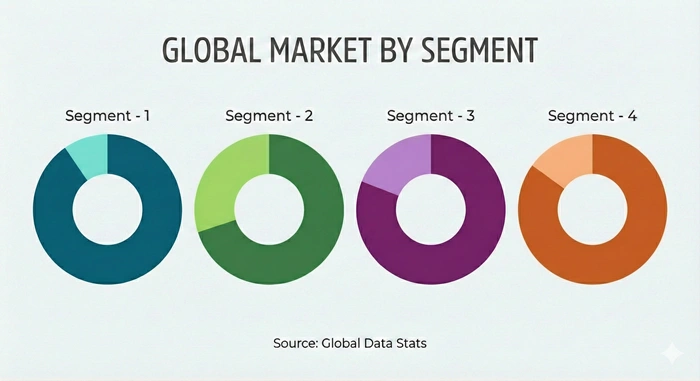
Fatty acids command the largest share within the oleochemicals market, accounting for approximately 40% of global revenue with continued expansion projected at steady CAGR of 6.8% through 2033. This product category encompasses saturated and unsaturated fatty acid chains obtained through hydrolysis of triglycerides from plant oils and animal fats, serving as foundational ingredients across soap manufacturing, rubber processing, food additives, and biodiesel production. The oleochemicals market benefits from fatty acid versatility enabling diverse derivative production including fatty alcohols, fatty amines, and specialty esters addressing specific application requirements. Soap and detergent applications consume substantial fatty acid volumes with manufacturers including Procter & Gamble, Unilever, and regional producers formulating bars, liquids, and powders incorporating lauric, myristic, palmitic, and stearic acids delivering cleansing and lathering properties.
Asia Pacific leads fatty acid consumption within the oleochemicals market, driven by concentrated soap manufacturing, expanding processed food sectors requiring emulsifiers and stabilizers, and growing industrial applications across India, China, and Southeast Asian nations. Leading regional producers including IOI Oleochemical, KLK OLEO, and Wilmar International maintain integrated operations spanning oil refining through fatty acid distillation serving domestic and export markets. North American fatty acid applications particularly emphasize food-grade derivatives including stearic acid for chewing gum and candy manufacturing, with pharmaceutical applications requiring high-purity grades for tablet coating and controlled-release formulations. European markets focus on specialty fatty acids including conjugated linoleic acid for nutritional supplements and medium-chain fatty acids for specialty food applications. The segment's market leadership continues strengthening as biodiesel production drives oleic and linoleic acid demand while personal care applications consume coconut-derived lauric acid for surfactant manufacturing.
By Application: Personal Care and Cosmetics
Natural Ingredient Preferences and Clean Beauty Movement Position Consumer Products as Dominant Application Segment
Personal care and cosmetics represent the largest application segment within the oleochemicals market, accounting for approximately 30% of global consumption with robust expansion anticipated at CAGR of 8.2% through 2033. This sector encompasses skincare products, hair care formulations, color cosmetics, and personal hygiene items incorporating oleochemical-derived emollients, surfactants, conditioning agents, and emulsifiers. The oleochemicals market benefits from beauty industry transformation toward natural positioning as consumers increasingly scrutinize ingredient labels favoring plant-derived components over synthetic alternatives. Fatty alcohols including cetyl and stearyl alcohols function as emollients and emulsion stabilizers in lotions and creams, while glycerin serves as primary humectant retaining moisture across diverse formulations.
North America and Europe lead personal care oleochemical adoption within the market, driven by mature beauty industries, strong clean beauty movements, and premium pricing supporting natural ingredient costs. United States beauty brands including Estée Lauder Companies, L'Oréal USA, and specialty clean beauty companies formulate products featuring oleochemical-derived ingredients meeting consumer demands for transparency and sustainability. European cosmetic regulations including COSMOS certification for natural and organic cosmetics create framework supporting oleochemical adoption across mass market and premium segments. Asia Pacific exhibits fastest regional growth as rising incomes, urbanization, and Western beauty trends drive cosmetic consumption across China, India, and Southeast Asian markets. Leading oleochemical suppliers including BASF, Croda International, and Evonik Industries develop specialty derivatives including PEG-free emulsifiers, natural thickeners, and conditioning polymers addressing evolving formulation requirements throughout the forecast period.
Regional Insights
Asia Pacific
Integrated Supply Chains and Cost Advantages Establish Regional Dominance in Oleochemical Production and Consumption
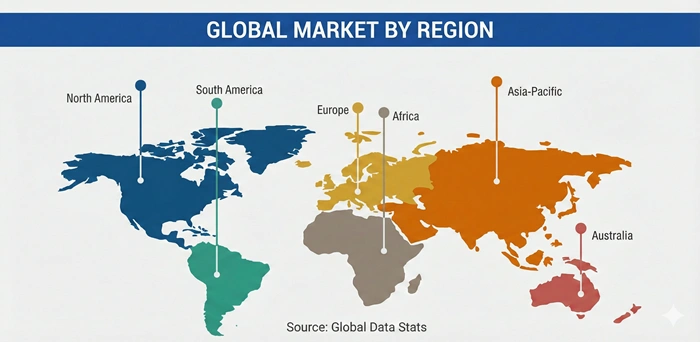
Asia Pacific commands the oleochemicals market with dominant share exceeding 45%, driven by concentrated feedstock production across Indonesia and Malaysia supplying over 85% of global palm oil, integrated manufacturing infrastructure, and cost-competitive operations serving domestic and export markets. Indonesia and Malaysia host major oleochemical complexes operated by Wilmar International, IOI Oleochemical, KLK OLEO, and Musim Mas producing fatty acids, fatty alcohols, glycerin, and specialty derivatives at scales exceeding 100000 metric tons annually. Regional producers benefit from vertical integration spanning oil palm plantations through oleochemical production, minimizing feedstock costs and ensuring consistent quality. China represents substantial consumption market for oleochemicals across personal care, industrial lubricants, and food processing applications, with domestic manufacturers including Zhejiang Wansheng and Jiangsu Haian expanding production capacity.
India exhibits fastest growth within Asia Pacific oleochemicals market, expanding at CAGR approaching 9% driven by rising personal care consumption, expanding pharmaceutical manufacturing, and government initiatives supporting domestic chemical production. Godrej Industries Limited maintains leadership position in Indian oleochemical production through integrated facilities producing fatty acids, fatty alcohols, and specialty derivatives serving regional markets. Southeast Asian nations including Thailand, Vietnam, and Philippines develop oleochemical capacity leveraging coconut oil feedstock advantages for lauric acid and derivatives production. The region's market dominance continues strengthening as Chinese demand growth, Indian capacity expansion, and sustained ASEAN consumption create favorable dynamics supporting regional producers throughout the forecast period.
North America
Consumer Preferences and Sustainability Initiatives Drive Regional Market Emergence as Fastest-Growing Geography
North America emerges as the fastest-growing regional oleochemicals market with projected CAGR of 8.5% through 2033, propelled by robust consumer demand for natural personal care products, expanding pharmaceutical applications, biofuel mandates, and corporate sustainability commitments driving bio-based chemical adoption. The United States dominates regional market activity with mature personal care industry incorporating oleochemical-derived ingredients across skincare, hair care, and cosmetic formulations serving consumer preferences for natural positioning. Procter & Gamble, Colgate-Palmolive, and specialty beauty brands source fatty alcohols, glycerin, and specialty esters from suppliers including BASF, Croda, and international producers. Pharmaceutical applications drive high-value oleochemical consumption for tablet excipients, capsule manufacturing, and topical formulation bases requiring USP-grade specifications.
United States oleochemicals market specifically benefits from renewable fuel standards requiring biodiesel blending that consumes soybean-derived fatty acid methyl esters, while California and Northeast states implement low-carbon fuel standards incentivizing bio-based chemical adoption. Industrial applications including biolubricants for forestry equipment, biodegradable hydraulic fluids, and specialty solvents expand as environmental regulations restrict petroleum product usage in sensitive environments. Canada contributes to North American market growth through canola-based oleochemical production serving regional food and industrial applications. Leading international suppliers including Emery Oleochemicals, KLK OLEO, and Wilmar International maintain North American distribution networks and technical service capabilities supporting continued regional market expansion through product innovation and customer collaboration addressing evolving sustainability requirements throughout the forecast period.
Top Key Players
-
Wilmar International Limited (Singapore)
-
BASF SE (Germany)
-
Cargill, Incorporated (United States)
-
Emery Oleochemicals Group (Malaysia)
-
Evonik Industries AG (Germany)
-
KLK OLEO (Malaysia)
-
Kao Corporation (Japan)
-
Oleon NV (Belgium)
-
Godrej Industries Limited (India)
-
IOI Oleochemical (Malaysia)
-
Procter & Gamble Company (United States)
-
Croda International Plc (United Kingdom)
-
PTT Global Chemical Public Company Limited (Thailand)
-
Vantage Specialty Chemicals (United States)
-
Corbion N.V. (Netherlands)
Recent Developments
-
Wilmar International (2025): Finalized strategic acquisition of additional 20% stake in AWL Agri Business from Adani Group for Rs 7150 crore, increasing ownership to 64% and establishing majority control of integrated agribusiness operations spanning edible oils, oleochemicals, and consumer brands including Fortune products.
-
Novonesis and thyssenkrupp Uhde (2025): Launched breakthrough enzymatic fat-splitting technology utilizing Lipura Split enzyme enabling production at 70 degrees Celsius and atmospheric pressure, reducing energy consumption by 60% and capital expenditure by similar percentage while supporting production scales from 50 tons per day.
-
KLK OLEO (2015): Completed strategic acquisition of Emery Oleochemicals fatty acid business in Düsseldorf, Germany, expanding European production footprint and strengthening global market position across commodity and specialty oleochemical product lines serving industrial and consumer applications.
-
BASF (2024): Advanced sustainability initiatives targeting 100% certified sustainable palm oil sourcing by 2025 through comprehensive Responsible Sourcing Report and implementation of renewable energy across global Care Chemicals division facilities supporting oleochemical production.
-
Godrej Industries (2024): Commercialized GCB-SL50 sophorolipid bio-surfactant produced through yeast fermentation using renewable non-edible vegetable oil feedstocks, demonstrating green chemistry principles with reduced carbon footprint addressing clean beauty market demands.
Market Trends
Enzymatic Processing and Alternative Feedstocks Transform Industry Production Economics and Sustainability Profile
The oleochemicals market experiences transformative trends centered on enzymatic processing technologies that fundamentally improve production economics, environmental performance, and operational flexibility compared to conventional thermal methods. Enzyme-catalyzed fat splitting, esterification, and interesterification reactions operate at ambient pressure and temperatures below 100 degrees Celsius, slashing energy consumption that represents 30-40% of traditional oleochemical production costs. These mild conditions preserve sensitive fatty acid structures while accepting diverse feedstock qualities including waste cooking oils, high free fatty acid materials, and unconventional sources previously unsuitable for conventional processing. Modular enzyme-based systems enable economically viable production scales starting at 50 tons daily compared to hundreds of tons for thermal facilities, supporting regional manufacturers serving local markets while reducing capital investment barriers. Major enzymes suppliers including Novonesis collaborate with engineering firms to commercialize integrated processing solutions accelerating technology adoption throughout the forecast period.
Alternative feedstock development increasingly influences oleochemicals market dynamics as producers diversify beyond palm oil addressing sustainability concerns while expanding raw material availability. Algae cultivation produces oil yields per hectare exceeding terrestrial crops by 10-30 times without competing for agricultural land, though commercial viability requires further cost reduction. Waste cooking oil collection and processing valorizes post-consumer materials while addressing disposal challenges, with European and Chinese producers establishing supply chains supporting circular economy principles. Microbial fermentation technologies under development promise direct production of specialty fatty acids from plant sugars, bypassing conventional oil extraction and chemical processing entirely. These alternative pathways complement conventional feedstocks while addressing supply constraints and sustainability controversies, creating diversified sourcing portfolios supporting continued market expansion.
Segments Covered in the Report
By Product Type
-
Fatty Acids
-
Fatty Alcohols
-
Glycerin
-
Fatty Acid Methyl Esters
-
Others
By Derivative Type
-
Specialty Esters
-
Alkoxylates
-
Glycerol Esters
-
Nitrogen Derivatives
By Application
-
Personal Care and Cosmetics
-
Food and Beverages
-
Pharmaceuticals and Healthcare
-
Soaps and Detergents
-
Polymers and Plastics
-
Industrial and Institutional Cleaning
-
Others
By End-Use Industry
-
Consumer Goods
-
Healthcare and Pharmaceuticals
-
Food Processing
-
Industrial Manufacturing
-
Agriculture
-
Others
By Region
-
North America (United States, Canada, Mexico)
-
Europe (Germany, France, United Kingdom, Italy, Spain, Rest of Europe)
-
Asia Pacific (China, India, Japan, Indonesia, Malaysia, Thailand, Rest of Asia Pacific)
-
Latin America (Brazil, Argentina, Rest of Latin America)
-
Middle East & Africa (Saudi Arabia, UAE, South Africa, Rest of MEA)
Frequently Asked Questions
Question 1: What is the projected size of the oleochemicals market by 2033?
Answer: The global oleochemicals market is expected to reach approximately USD 53.49 billion by 2033, growing from USD 29.62 billion in 2026. This substantial expansion reflects increasing adoption across personal care, food processing, pharmaceutical applications, and industrial sectors demanding sustainable bio-based chemical alternatives.
Question 2: Which region dominates the oleochemicals market currently?
Answer: Asia Pacific leads the oleochemicals market with over 45% share, driven by concentrated palm oil production in Indonesia and Malaysia, integrated manufacturing infrastructure, and substantial consumption across personal care and industrial sectors. Regional producers including Wilmar International, IOI Oleochemical, and KLK OLEO maintain dominant positions serving domestic and export markets.
Question 3: What are the primary drivers of oleochemicals market growth?
Answer: Key growth drivers include consumer demand for natural products, biofuel mandates requiring renewable diesel production, regulatory restrictions on petroleum-based chemicals, and pharmaceutical industry preferences for bio-based excipients. Clean beauty movements and sustainability initiatives across consumer goods industries further accelerate oleochemical adoption globally.
Question 4: Which product type holds the largest oleochemicals market share?
Answer: Fatty acids dominate with approximately 40% market share due to versatile applications across soap manufacturing, food additives, rubber processing, and biodiesel production. Demand growth sustains through expanding personal care formulations and industrial applications requiring biodegradable functional ingredients.
Question 5: How do enzymatic technologies impact oleochemicals market development?
Answer: Enzymatic processing dramatically reduces energy consumption by 60% compared to conventional thermal methods while enabling smaller production scales and accepting diverse feedstock qualities. These innovations improve production economics, environmental performance, and operational flexibility, accelerating market expansion throughout the forecast period.