
OEM Insulation Market Overview
Thermal Management and Energy Efficiency Solutions Transform Original Equipment Manufacturing Across Industries
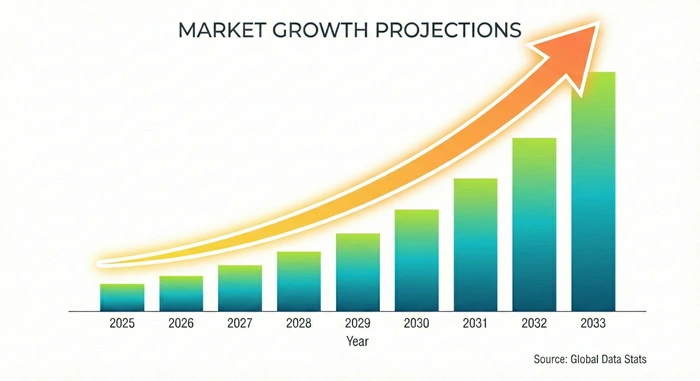
The global OEM insulation market size is valued at USD 36.99 billion in 2025 and is predicted to increase from USD 39.01 billion in 2026 to approximately USD 59.57 billion by 2033, growing at a CAGR of 6.08% from 2026 to 2033. This industry encompasses specialized insulation materials and components integrated directly into original equipment during manufacturing processes across automotive, HVAC, appliances, industrial machinery, and electronics sectors. OEM insulation includes glass wool, mineral wool, foam plastics, ceramic fibers, aerogels, and reflective materials delivering thermal resistance, acoustic dampening, fire protection, and energy efficiency essential for equipment performance, regulatory compliance, and end-user satisfaction.
The OEM insulation market addresses escalating demand for energy-efficient products driven by stringent government regulations, consumer awareness, and operational cost optimization requiring manufacturers to incorporate advanced insulation solutions from design phases. These specialized materials demonstrate exceptional thermal conductivity values, temperature resistance, and durability enabling equipment to maintain performance specifications across extreme operating conditions while minimizing energy consumption. Major application sectors including automotive thermal barriers, HVAC ductwork, refrigeration cabinets, industrial boilers, and consumer electronics consume substantial insulation volumes as manufacturers pursue product differentiation through superior efficiency ratings, reduced noise levels, and enhanced safety features throughout equipment lifecycles.

AI Impact on the OEM Insulation Industry
Machine Learning and Predictive Analytics Revolutionize Material Selection and Performance Optimization
Artificial intelligence transforms the OEM insulation market through computational modeling that simulates thermal performance, acoustic absorption, and fire resistance across diverse material compositions before physical prototyping, dramatically accelerating product development cycles. Machine learning algorithms analyze historical performance data from thousands of equipment installations identifying optimal insulation thickness, material combinations, and installation patterns achieving target R-values while minimizing weight and cost constraints. These AI-powered systems enable virtual testing of material behavior under extreme temperature fluctuations, humidity exposure, and mechanical stress predicting long-term degradation patterns and warranty risks before market introduction. Deep learning models trained on energy consumption data recommend customized insulation configurations for specific equipment applications where geographic climate variations, usage patterns, and efficiency regulations require tailored solutions balancing performance against manufacturing complexity.
Advanced AI applications extend beyond material optimization to revolutionize supply chain management and quality control within the OEM insulation market landscape. Computer vision systems integrated into manufacturing lines perform automated defect detection identifying density variations, contamination, fiber misalignment, and dimensional inconsistencies at production speeds impossible through manual inspection. Neural networks predict raw material price fluctuations and supply disruptions analyzing global commodity trends, weather patterns affecting natural fiber availability, and geopolitical factors enabling proactive procurement strategies. Natural language processing mines customer feedback, warranty claims, and field service reports identifying insulation performance issues correlating with specific equipment models, installation methods, or operating conditions guiding continuous improvement initiatives. These AI-driven capabilities position OEM manufacturers and insulation suppliers to achieve 15-25% cost reductions while improving product consistency, reliability, and customer satisfaction throughout forecast period.
Growth Factors
Energy Regulations and Electric Vehicle Adoption Drive Unprecedented OEM Insulation Demand Globally
The OEM insulation market experiences robust growth propelled by increasingly stringent energy efficiency regulations mandating improved thermal performance across HVAC systems, appliances, and industrial equipment requiring manufacturers to upgrade insulation specifications meeting updated standards. United States Department of Energy efficiency regulations raise minimum performance requirements for residential water heaters, commercial refrigeration, and air conditioning systems compelling equipment redesigns incorporating higher R-value insulation materials. European Union EcoDesign Directive establishes mandatory efficiency criteria for energy-related products with periodic revisions tightening thermal loss allowances driving continuous insulation innovation. China's energy efficiency labeling system creates consumer awareness and market demand for top-tier rated appliances pushing manufacturers toward premium insulation solutions achieving competitive differentiation. These regulatory frameworks create sustained replacement demand as OEMs reformulate product lines while stimulating innovation in advanced materials including vacuum insulation panels, aerogel blankets, and nano-enhanced foam delivering superior performance within space-constrained applications.
Electric vehicle production expansion drives OEM insulation market growth through specialized thermal management requirements for battery packs, power electronics, and cabin comfort systems where temperature control directly impacts range, safety, and user experience. Lithium-ion battery packs require sophisticated thermal barriers maintaining optimal operating temperatures between 20-40 degrees Celsius preventing thermal runaway while maximizing energy density and charging performance across diverse climate conditions. Power inverters and onboard chargers generate substantial heat during operation necessitating high-temperature insulation protecting adjacent components while enabling compact packaging critical for vehicle design flexibility. Acoustic insulation demand intensifies as electric powertrains eliminate engine noise making road noise, wind noise, and electric motor whine more apparent to passengers requiring comprehensive underbody shielding, wheelhouse liners, and cabin treatments. Global electric vehicle sales projected to exceed 40 million units annually by 2030 create sustained insulation demand as established automakers and new entrants develop diverse model ranges spanning entry-level compacts through premium SUVs throughout forecast period.
Market Outlook
Sustainability Initiatives and Advanced Material Technologies Position Industry for Sustained Long-Term Expansion
The OEM insulation market outlook remains exceptionally positive as manufacturers invest substantially in bio-based and recycled content materials addressing environmental concerns regarding petroleum-derived foam plastics and mineral fiber production impacts. Bio-based polyurethane foams incorporating vegetable oils, recycled PET content, and plant-derived polyols demonstrate thermal performance comparable to conventional materials while reducing carbon footprints by 30-50% resonating with corporate sustainability commitments and green building certifications. Recycled glass wool and mineral wool manufactured from post-consumer glass bottles, industrial slag, and reclaimed materials achieve circular economy objectives while maintaining performance specifications for HVAC, appliance, and industrial applications. Manufacturers pursuing Environmental Product Declarations, Life Cycle Assessments, and carbon neutrality targets create competitive advantages as building codes, procurement specifications, and consumer preferences increasingly weight environmental attributes alongside traditional performance and cost metrics.
Investment trends within the OEM insulation market reflect growing confidence in long-term demand fundamentals as leading materials suppliers expand production capacity targeting high-growth segments including electric vehicles, heat pumps, and premium appliances. Owens Corning, Saint-Gobain, ROCKWOOL, and Kingspan maintain robust capital expenditure programs commissioning new manufacturing lines, upgrading existing facilities with Industry 4.0 technologies, and establishing regional production footprints serving localized demand while minimizing logistics costs and carbon emissions. Acquisition activity intensifies as insulation suppliers pursue strategic combinations accessing complementary technologies, customer relationships, and geographic markets accelerating innovation cycles and market penetration. Asia Pacific capacity expansions target domestic consumption growth as Chinese, Indian, and Southeast Asian OEM sectors increase insulation adoption driven by energy regulations, quality improvements, and export competitiveness. These favorable dynamics position the market for sustained expansion exceeding general industrial growth rates through 2033.
Expert Speaks
-
Brian Chambers, Chair and Chief Executive Officer of Owens Corning, emphasized strategic priorities: "Our renewed enterprise strategy capitalizes on market-leading positions across three businesses and unique OC Advantage capabilities generating revenue growth, resilient margins, and substantial cash flow. The Insulation segment raised its long-term adjusted EBITDA margin guide to 24% on average, supported by structural cost improvements, growing markets, and flexible efficient manufacturing network".
-
Jes Munk Hansen, Chief Executive Officer of ROCKWOOL, articulated market perspective: "Although volumes declined in some markets and growth slowed in others, we delivered overall acceptable revenue and profitability for H1 2025. Notwithstanding near-term difficulties, we remain optimistic about the future and will continue investing in capacity expansion, decarbonisation, and digitalisation supporting long-term industry transformation".
-
Remco Boerefijn, Chief Executive Officer of IPCOM Group, highlighted acquisition strategy: "SIS represents perfect strategic fit with IPCOM's core business ISOPARTNER unit. This transaction underlines our ambition to continue expansion strategy also in United Kingdom. We are confident this excellent team will build very strong cooperation to benefit of our customers across technical insulation applications in various industries".
Key Report Takeaways
-
Asia Pacific dominates the OEM insulation market with commanding share exceeding 42%, driven by concentrated manufacturing capacity across China, India, and Japan where automotive, HVAC, appliances, and industrial equipment production consume substantial insulation volumes supported by energy efficiency regulations and export-oriented manufacturing.
-
North America emerges as the fastest-growing regional market with projected CAGR approaching 6.9% through 2033, propelled by stringent DOE efficiency regulations, electric vehicle platform adoption, heat pump deployment supporting building electrification, and robust construction activities across United States and Canada requiring high-performance insulation solutions.
-
Glass wool represents the dominant material segment accounting for approximately 22% market share due to cost-effectiveness compared to alternatives, lightweight characteristics reducing equipment weight, excellent thermal resistance, acoustic absorption, and fire resistance properties essential for HVAC ductwork, appliance cabinets, and industrial equipment enclosures.
-
Automotive applications constitute the largest end-use segment capturing over 26% market share, driven by electric vehicle battery thermal management requirements, cabin noise reduction demands, underbody heat shielding, and lightweight material adoption reducing vehicle weight while maintaining performance and safety standards across diverse powertrain configurations.
-
Blankets dominate product form segment representing approximately 28% market share, reflecting versatility in automotive underbody applications, HVAC ductwork lining, and appliance cabinet insulation where flexible conformability and acoustic absorption support complex geometries, ease of installation in automated manufacturing lines, and cost-effective material utilization.
-
HVAC and refrigeration applications exhibit substantial growth potential with anticipated CAGR exceeding 6.4% through 2033, attributed to heat pump technology deployment, commercial refrigeration efficiency upgrades, and ductwork insulation requirements where energy savings of 30-50% justify premium insulation investments delivering rapid payback periods.
Market Scope
| Report Coverage Details | |
|---|---|
| Market Size by 2033 | USD 59.57 Billion |
| Market Size by 2025 | USD 36.99 Billion |
| Market Size by 2026 | USD 39.01 Billion |
| Market Growth Rate from 2026 to 2033 | CAGR of 6.08% |
| Dominating Region | Asia Pacific |
| Fastest Growing Region | North America |
| Base Year | 2025 |
| Forecast Period | 2026 to 2033 |
| Segments Covered | Material Type, Product Form, Application, End-Use, Region |
| Regions Covered | North America, Europe, Asia Pacific, Latin America, Middle East & Africa |
Market Dynamics
Drivers Impact Analysis
Stringent Energy Standards and Thermal Management Requirements Accelerate Advanced Insulation Adoption Across Equipment Manufacturing
| Impact Factor | (≈) % Impact on CAGR Forecast | Geographic Relevance | Impact Timeline |
|---|---|---|---|
| Energy Efficiency Regulations | +2.2% | Global, Led by US and Europe | 2026-2033 |
| Electric Vehicle Production Growth | +1.8% | Asia Pacific, North America, Europe | 2026-2033 |
| HVAC and Heat Pump Adoption | +1.4% | North America, Europe | 2026-2033 |
| Industrial Equipment Modernization | +0.9% | Global Manufacturing Regions | 2026-2031 |
The OEM insulation market benefits substantially from escalating energy efficiency regulations across major economies mandating improved thermal performance specifications for HVAC systems, appliances, and industrial equipment driving continuous innovation in insulation materials and application methods. United States Department of Energy minimum efficiency standards updated every 5-7 years raise performance requirements for water heaters, commercial refrigeration units, and residential HVAC systems requiring manufacturers to redesign equipment incorporating higher R-value insulation achieving 15-30% energy consumption reductions. European Union EcoDesign Directive establishes mandatory efficiency criteria with periodic revisions tightening thermal loss allowances compelling appliance manufacturers to upgrade foam insulation thickness, improve seal integrity, and adopt vacuum insulation panels in premium refrigerator models. China's energy efficiency labeling creates consumer awareness where top-tier rated appliances command 10-20% price premiums justifying advanced insulation investments. These regulatory pressures create sustained demand as equipment replacement cycles accelerate and manufacturers reformulate product portfolios meeting evolving standards.
Electric vehicle production expansion drives OEM insulation market growth through sophisticated battery thermal management requirements where temperature control directly impacts vehicle range, charging performance, and safety preventing thermal runaway scenarios. Lithium-ion battery packs operating optimally between 20-40 degrees Celsius require multi-layer insulation systems combining aerogel blankets, ceramic fiber barriers, and phase-change materials maintaining thermal stability across ambient conditions ranging -40 to +50 degrees Celsius encountered globally. Power electronics including inverters, DC-DC converters, and onboard chargers generate concentrated heat loads exceeding 10 kilowatts requiring high-temperature insulation protecting adjacent components while enabling compact packaging critical for vehicle design flexibility and cargo space maximization. Acoustic insulation demand intensifies as electric powertrains eliminate engine masking effects making road noise, wind noise, and high-frequency motor whine more apparent requiring comprehensive underbody treatment, wheelhouse liners, dashboard barriers, and headliner applications. Global electric vehicle production projected to exceed 40 million units annually by 2030 with average insulation content valued 150-250 dollars per vehicle creates substantial market opportunity throughout forecast period.
Restraints Impact Analysis
Raw Material Costs and Performance Trade-offs Challenge Market Growth and Profitability Margins
| Restraint Factor | (≈) % Impact on CAGR Forecast | Geographic Relevance | Impact Timeline |
|---|---|---|---|
| Volatile Raw Material Pricing | -1.1% | Global Supply Chain | 2026-2030 |
| Installation Complexity Costs | -0.8% | Labor-Intensive Markets | 2026-2033 |
| Performance vs. Cost Trade-offs | -0.7% | Price-Sensitive Segments | 2026-2033 |
| Regulatory Compliance Costs | -0.5% | Developed Markets | 2026-2031 |
The OEM insulation market faces growth constraints from substantial raw material cost volatility where petroleum-derived chemicals for polyurethane foam, natural gas for glass fiber production, and specialty additives for flame retardants experience 20-40% annual price fluctuations impacting profitability margins. Polyurethane foam precursors including isocyanates and polyols track crude oil pricing with spot market variations creating quarterly cost uncertainty requiring manufacturers to implement surcharge mechanisms or absorb margin compression risking competitive positioning. Glass wool and mineral wool production energy costs representing 30-40% of manufacturing expenses create vulnerability to natural gas and electricity price volatility particularly acute in European markets experiencing energy transition disruptions. Specialty materials including aerogels, vacuum insulation panels, and ceramic fibers command premium pricing 5-10 times conventional alternatives limiting adoption to applications where space constraints, extreme temperature requirements, or performance specifications justify expenditures despite superior thermal efficiency benefits.
Installation complexity and manufacturing integration challenges constrain OEM insulation market penetration across cost-sensitive equipment segments where labor expenses and production line modifications outweigh long-term energy savings benefits. Automotive underbody insulation requiring hand placement around exhaust components, suspension elements, and electrical harnesses adds 15-30 minutes per vehicle assembly time with labor costs exceeding material expenses in developed markets. Appliance cabinet insulation foam-in-place processes require specialized mixing equipment, temperature-controlled curing chambers, and quality assurance systems representing capital investments exceeding 500000 dollars per production line limiting adoption among smaller manufacturers. Vacuum insulation panel integration into refrigerator doors requires precision cutting, edge sealing, and careful handling preventing panel puncture during assembly adding complexity and scrap rates 5-10% higher than conventional foam systems. These installation barriers disproportionately impact emerging market manufacturers lacking automation capabilities and technical expertise while constraining addressable market expansion throughout forecast period.
Opportunities Impact Analysis
Bio-Based Materials and Smart Insulation Technologies Create Substantial Growth Avenues Beyond Traditional Applications
| Opportunity Factor | (≈) % Impact on CAGR Forecast | Geographic Relevance | Impact Timeline |
|---|---|---|---|
| Bio-Based Insulation Development | +1.5% | Europe, North America | 2027-2033 |
| Phase-Change Material Integration | +1.2% | Premium Equipment Segments | 2027-2033 |
| Smart Insulation Systems | +0.9% | Connected Equipment Markets | 2028-2033 |
| 3D Printing Applications | +0.7% | Customized Solutions | 2028-2033 |
The OEM insulation market stands to capture substantial value from bio-based material development addressing environmental concerns regarding petroleum-derived foam plastics while meeting performance specifications across automotive, appliance, and HVAC applications. Bio-based polyurethane foams incorporating soybean oil, castor oil, and plant-derived polyols achieve thermal conductivity values comparable to conventional materials ranging 0.020-0.025 W/mK while reducing carbon footprints by 30-50% appealing to manufacturers pursuing sustainability certifications. Natural fiber insulation including hemp, flax, and recycled cotton demonstrates excellent acoustic absorption properties ideal for automotive cabin treatments, appliance vibration dampening, and HVAC ductwork lining applications where renewable content supports green marketing initiatives. Cork-based insulation materials offering natural fire resistance, moisture tolerance, and thermal stability gain traction in premium equipment segments where differentiation justifies 20-30% cost premiums. Leading insulation suppliers invest substantially in bio-based research developing commercial-scale production processes, securing sustainable feedstock supplies, and achieving performance certifications enabling mainstream adoption throughout forecast period.
Phase-change material integration presents exceptional growth opportunities for the OEM insulation market as manufacturers deploy advanced thermal storage systems maintaining equipment temperature stability during transient operating conditions. Battery thermal management systems incorporating paraffin wax or salt hydrate phase-change materials absorb heat during fast charging or high-power discharge events preventing temperature excursions beyond safe operating limits while releasing stored energy during ambient cooling periods. Refrigeration equipment utilizing phase-change materials in door panels and cabinet walls maintains internal temperatures during door opening events and compressor cycling reducing energy consumption by 10-15% compared to conventional insulation alone. HVAC systems integrating phase-change materials into thermal storage tanks enable load shifting strategies charging during off-peak electricity periods and discharging during peak demand reducing utility costs 20-30% in time-of-use rate structures. These advanced thermal management solutions command premium pricing while delivering measurable performance benefits creating opportunities for insulation suppliers developing integrated material systems throughout forecast period.
Segment Analysis
By Material Type: Glass Wool
Cost-Effective Performance and Versatile Applications Sustain Glass Wool Segment Market Leadership Position
Glass wool commands the largest share within the OEM insulation market, accounting for approximately 22% of global revenue with continued expansion projected at steady CAGR of 5.8% through 2033. This material category encompasses spun glass fiber insulation products manufactured through melting recycled glass and spinning into fine fibers bonded with thermosetting resins delivering excellent thermal resistance, acoustic absorption, and fire resistance properties. The OEM insulation market benefits from glass wool's cost-effectiveness compared to alternatives including mineral wool, foam plastics, and specialty materials enabling widespread adoption across HVAC ductwork, appliance cabinets, water heater tanks, and industrial equipment enclosures. Thermal conductivity values ranging 0.032-0.040 W/mK combined with non-combustible properties meeting building codes and equipment safety standards support diverse applications where balanced performance and affordability drive specification decisions.
Asia Pacific leads glass wool consumption within the market, driven by concentrated HVAC manufacturing, appliance production, and industrial equipment assembly across China, India, and Japan where export-oriented sectors require cost-competitive insulation solutions. Leading regional suppliers including Owens Corning Asia Pacific, Saint-Gobain Insulation, and Chinese manufacturers including Shandong Luyang Energy-Saving Materials operate integrated production facilities supplying automotive OEMs, appliance brands including Haier, Midea, and Samsung, and HVAC manufacturers including Gree, Daikin, and Carrier. Chinese glass wool producers leverage scale economies and vertical integration achieving landed costs 20-30% below Western suppliers enabling aggressive export pricing across Southeast Asian and Middle Eastern markets. North American and European glass wool applications emphasize premium formulations incorporating bio-based binders, reduced formaldehyde emissions, and enhanced compression recovery properties meeting stringent indoor air quality standards for residential HVAC systems and commercial refrigeration equipment. The segment's market leadership continues strengthening as manufacturers develop high-density variants achieving superior acoustic performance and lightweight formulations reducing equipment weight throughout forecast period.
By Application: Automotive
Electric Vehicle Thermal Management and Acoustic Comfort Position Automotive as Dominant Application Segment
Automotive represents the largest application segment within the OEM insulation market, accounting for approximately 26% of global consumption with robust expansion anticipated at CAGR of 6.7% through 2033. This sector encompasses thermal barriers for battery packs, underbody heat shields, engine compartment insulation, cabin acoustic treatments, and firewall barriers requiring specialized materials withstanding temperature extremes, vibration exposure, and space constraints. The OEM insulation market benefits from automotive industry transformation toward electric vehicles where battery thermal management assumes critical importance maintaining optimal operating temperatures between 20-40 degrees Celsius preventing thermal runaway while maximizing range and charging performance. Acoustic insulation demand intensifies as electric powertrains eliminate engine noise masking road noise, wind noise, and high-frequency motor whine requiring comprehensive treatment including underbody mats, wheelhouse liners, dashboard barriers, and headliner applications achieving interior sound levels below 60 decibels at highway speeds.
Asia Pacific and North America lead automotive insulation adoption within the market, driven by concentrated vehicle production and accelerating electric vehicle platform development across China, United States, Japan, and South Korea. Chinese electric vehicle manufacturers including BYD, Geely, and NIO specify advanced battery thermal barriers combining aerogel blankets, ceramic fiber insulation, and phase-change materials maintaining temperature stability across extreme ambient conditions from -40 to +50 degrees Celsius encountered in diverse Chinese climate zones. United States automotive OEMs including General Motors, Ford, and Tesla deploy comprehensive thermal management systems incorporating liquid cooling loops, refrigerant circuits, and multi-layer insulation achieving battery temperature uniformity within 5 degrees Celsius across all cells. Leading insulation suppliers including Autoneum, Lydall, Auria, and UGN develop integrated acoustic packages combining mass-loaded vinyl, polyurethane foam, and nonwoven fiber layers achieving 6-10 decibel noise reduction across frequency ranges. European premium automakers emphasize lightweight insulation solutions incorporating recycled PET content, bio-based foams, and nano-enhanced materials reducing vehicle weight 5-10 kilograms while maintaining acoustic performance supporting emissions compliance and driving dynamics throughout forecast period.
Regional Insights
Asia Pacific
Manufacturing Dominance and Electric Vehicle Production Establish Regional Leadership in OEM Insulation Consumption
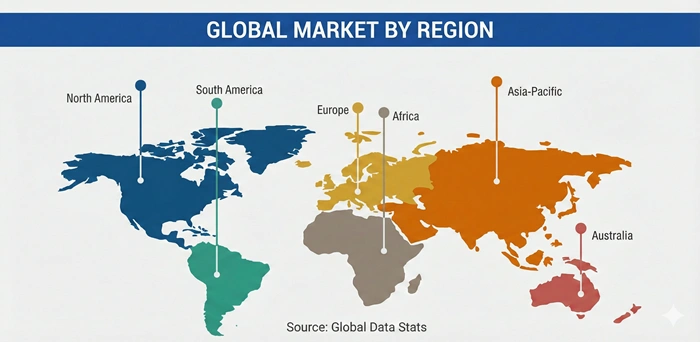
Asia Pacific commands the OEM insulation market with dominant share exceeding 42%, driven by concentrated automotive manufacturing, HVAC production, appliance assembly, and industrial equipment fabrication across China, Japan, India, and South Korea consuming substantial insulation volumes supporting domestic sales and global exports. China alone accounts for over 30% of global automotive production, 40% of HVAC equipment manufacturing, and 35% of major appliance assembly creating sustained insulation demand as manufacturers upgrade product specifications meeting domestic energy regulations and international quality standards. The region benefits from vertical integration spanning raw material production through finished equipment assembly, with glass fiber, polyurethane chemicals, and specialty additives manufactured locally reducing supply chain costs and delivery lead times compared to import-dependent regions. Electric vehicle production concentrated in China exceeding 10 million units annually and expanding rapidly across Japan, South Korea, and India drives specialized battery thermal barrier demand where temperature control assumes critical importance for safety, range, and warranty performance.
India represents fastest-growing market within Asia Pacific driven by appliance market expansion, automotive sector growth, and HVAC adoption across urban residential and commercial segments as rising incomes enable consumer product upgrades. Leading insulation suppliers including Owens Corning India, Saint-Gobain India, and ROCKWOOL Asia establish local manufacturing operations and technical centers supporting Indian OEMs including Tata Motors, Mahindra, Godrej Appliances, and Voltas requiring cost-effective solutions balancing performance against price sensitivity. Japanese automotive and electronics manufacturers maintain technological leadership in advanced insulation applications including vacuum insulation panels for premium refrigerators, aerogel blankets for hybrid vehicle batteries, and nano-enhanced foam for compact HVAC systems. Southeast Asian nations including Thailand, Vietnam, and Indonesia develop automotive and appliance manufacturing capacity supported by foreign investment creating diversified demand across equipment categories. The region's market dominance continues strengthening through 2033 as domestic consumption growth, manufacturing capacity expansion, and technology advancement create self-reinforcing dynamics supporting continued leadership position.
North America
Regulatory Leadership and Technology Innovation Position Region as Fastest-Growing Geographic Market
North America emerges as the fastest-growing regional OEM insulation market with projected CAGR of 6.9% through 2033, propelled by stringent Department of Energy efficiency regulations, electric vehicle platform adoption by major automakers, heat pump deployment supporting building electrification, and robust commercial construction driving HVAC demand. The United States dominates regional market activity through established automotive production across Michigan, Tennessee, Kentucky, and Texas, HVAC manufacturing concentrated in Tennessee, Texas, and Oklahoma, and appliance assembly in Ohio, Tennessee, and South Carolina. DOE efficiency standards requiring 15-30% energy consumption improvements for water heaters, commercial refrigeration, and air conditioning equipment stimulate insulation upgrades as manufacturers redesign products meeting updated specifications taking effect 2026-2029 across equipment categories. Electric vehicle production projected to exceed 5 million units annually in United States by 2030 driven by GM, Ford, Stellantis, Tesla, and emerging manufacturers creates substantial battery thermal barrier demand.
United States OEM insulation market specifically benefits from heat pump technology adoption accelerating through Inflation Reduction Act incentives and state-level building electrification mandates requiring natural gas replacement with electric heating systems. Heat pump installations projected to exceed 7 million units annually by 2030 require comprehensive refrigerant line insulation, ductwork treatment, and outdoor unit acoustic dampening maintaining efficiency across winter heating seasons where ambient temperatures fall below -15 degrees Celsius. Canada contributes to North American growth through automotive production concentrated in Ontario, appliance manufacturing, and industrial equipment sectors requiring cold-climate rated insulation withstanding temperature extremes. Mexico represents substantial manufacturing hub as automotive suppliers establish operations supporting United States assembly plants with just-in-time insulation component delivery. Leading insulation suppliers including Owens Corning, Johns Manville, CertainTeed (Saint-Gobain), and Knauf Insulation maintain regional manufacturing operations, research facilities, and technical support teams enabling close OEM collaboration advancing material innovation, application engineering, and manufacturing process optimization throughout forecast period.
Top Key Players
-
Owens Corning (United States)
-
Saint-Gobain S.A. (France)
-
ROCKWOOL International A/S (Denmark)
-
Kingspan Group plc (Ireland)
-
Knauf Insulation (Germany)
-
Johns Manville (United States)
-
Armacell International S.A. (Luxembourg)
-
Paroc Group (Finland)
-
Asahi Kasei Corporation (Japan)
-
Recticel NV (Belgium)
-
Huntsman Corporation (United States)
-
Covestro AG (Germany)
-
Autoneum Holding Ltd (Switzerland)
-
Lydall Inc. (United States)
-
Morgan Advanced Materials (United Kingdom)
Recent Developments
-
Aptyx (2025): Completed strategic acquisition of Medical Murray's Charlotte, North Carolina facility on January 8, 2025, expanding life science component manufacturing capabilities and driving innovation in high-quality insulation materials for medical devices requiring thermal stability, electrical insulation, and biocompatibility with expected investments in bio-compatible and lightweight polymer insulation solutions.
-
IPCOM Group (2024): Announced acquisition of Specialist Insulation Supplies Ltd in October 2024, strengthening European distribution leadership in technical insulation with strategic fit complementing ISOPARTNER business unit operations, combining with IBSL/MW teams acquired earlier in 2024 to offer complete range of standard and bespoke materials for technical insulation applications across various industries.
-
Owens Corning (2025): Hosted 2025 Investor Day in May announcing renewed enterprise strategy and multi-year financial targets through 2028 including revenue goal of 12.5 billion dollars, raised Insulation segment long-term adjusted EBITDA margin guide to 24% on average supported by structural cost improvements and flexible manufacturing network, with commitment to return 2 billion dollars to shareholders through dividends and share repurchases by end of 2026.
-
Owens Corning (2025): Announced leadership transitions in July 2025 appointing Nico Del Monaco as President of Roofing business and Günter Scheurenbrand as President of Composites business, leveraging their extensive experience to drive long-term growth strategy execution and deliver on enterprise commitment to leverage OC Advantage across market-leading businesses capitalizing on secular trends.
-
ROCKWOOL International (2025): Released H1 2025 results in August demonstrating acceptable revenue and profitability despite volume declines in some markets and growth slowdowns in others, affirming continued investments in capacity expansion, decarbonisation initiatives, and digitalisation programs supporting long-term industry transformation and sustainable building solutions despite near-term market challenges.
Market Trends
Lightweight Materials and Thermal Storage Integration Reshape Industry Competitive Dynamics and Application Portfolios
The OEM insulation market experiences transformative trends centered on lightweight material development as automotive manufacturers pursue vehicle weight reductions supporting electric vehicle range extension and emissions compliance while maintaining thermal and acoustic performance specifications. Advanced foam formulations incorporating microcellular structures achieve densities below 30 kg/m3 compared to 40-60 kg/m3 for conventional polyurethane foam delivering equivalent R-values at 40-50% weight reduction enabling 5-10 kilogram vehicle weight savings across comprehensive insulation systems. Aerogel blankets delivering thermal conductivity below 0.015 W/mK at thicknesses 50% below fiberglass equivalents enable space-constrained applications including battery pack integration, underbody packaging, and firewall barriers where every millimeter thickness reduction enables design flexibility. Nano-enhanced materials incorporating graphene, carbon nanotubes, and ceramic nanoparticles improve thermal conductivity, mechanical strength, and fire resistance enabling multi-functional insulation systems eliminating separate components for thermal, acoustic, and structural requirements. These lightweight innovations position automotive and appliance manufacturers to achieve aggressive efficiency targets while maintaining interior space, cargo capacity, and design aesthetics throughout forecast period.
Phase-change material integration trends reshape the OEM insulation market as manufacturers deploy advanced thermal storage systems maintaining equipment temperature stability during transient operating conditions reducing energy consumption and improving performance consistency. Battery thermal management systems incorporating paraffin wax phase-change materials with melting points calibrated to optimal battery temperatures absorb heat during fast charging preventing temperature spikes while releasing stored energy during ambient cooling maintaining thermal uniformity. Refrigeration equipment utilizing phase-change materials in door panels and sidewalls maintain internal temperatures during door opening events reducing compressor cycling frequency and energy consumption by 10-15% compared to conventional insulation alone. HVAC systems integrating phase-change materials into ductwork and air handlers dampen temperature swings during intermittent operation improving comfort while reducing peak demand loads. Smart insulation systems incorporating embedded temperature sensors, heating elements, and IoT connectivity enable active thermal management responding to real-time conditions optimizing equipment performance, predicting maintenance requirements, and enabling remote diagnostics creating service revenue opportunities for OEMs and insulation suppliers throughout forecast period.
Segments Covered in the Report
By Material Type
-
Glass Wool
-
Mineral Wool
-
Foam Plastics (Polyurethane, Polystyrene, Polyethylene)
-
Ceramic Fibers
-
Aerogels
-
Reflective Insulation
-
Others
By Product Form
-
Blankets and Rolls
-
Boards and Panels
-
Foams and Sprays
-
Wraps and Tapes
-
Others
By Application
-
Automotive (Battery Thermal Barriers, Underbody Insulation, Cabin Acoustic Treatment)
-
HVAC and Refrigeration
-
Consumer Appliances (Refrigerators, Ovens, Water Heaters)
-
Industrial Equipment
-
Electronics and Telecommunications
-
Others
By End-Use
-
Passenger Vehicles
-
Commercial Vehicles
-
Residential HVAC
-
Commercial HVAC
-
White Goods
-
Industrial Machinery
-
Others
By Region
-
North America (United States, Canada, Mexico)
-
Europe (Germany, United Kingdom, France, Italy, Spain, Rest of Europe)
-
Asia Pacific (China, Japan, India, South Korea, Southeast Asia, Rest of Asia Pacific)
-
Latin America (Brazil, Argentina, Rest of Latin America)
-
Middle East & Africa (UAE, Saudi Arabia, South Africa, Rest of MEA)
Frequently Asked Questions
Question 1: What is the projected size of the OEM insulation market by 2033?
Answer: The global OEM insulation market is expected to reach approximately USD 59.57 billion by 2033, growing from USD 39.01 billion in 2026. This substantial expansion reflects increasing energy efficiency regulations, electric vehicle production growth, and HVAC equipment adoption requiring advanced thermal management solutions.
Question 2: Which region dominates the OEM insulation market currently?
Answer: Asia Pacific leads the OEM insulation market with over 42% share, driven by concentrated automotive, HVAC, and appliance manufacturing across China, Japan, India, and South Korea. Leading suppliers including Owens Corning, Saint-Gobain, and ROCKWOOL maintain dominant regional positions supporting diverse OEM sectors.
Question 3: What are the primary drivers of OEM insulation market growth?
Answer: Key growth drivers include stringent energy efficiency regulations mandating improved thermal performance, electric vehicle production requiring sophisticated battery thermal management, HVAC and heat pump adoption supporting building electrification, and industrial equipment modernization programs. These factors create sustained demand across equipment manufacturing sectors.
Question 4: Which material type holds the largest OEM insulation market share?
Answer: Glass wool dominates with approximately 22% market share due to cost-effectiveness, excellent thermal resistance, acoustic absorption, and fire resistance properties essential for HVAC ductwork, appliance cabinets, and industrial equipment. Lightweight characteristics and proven performance across diverse applications support continued market leadership.
Question 5: How does electric vehicle adoption impact the OEM insulation market?
Answer: Electric vehicle production drives specialized insulation demand for battery thermal management maintaining optimal temperatures, cabin acoustic treatment compensating for quiet powertrains, and underbody heat shielding protecting components. With global EV production projected to exceed 40 million units by 2030, automotive insulation represents fastest-growing application segment.