
Nuclear Medicine Software Market Overview
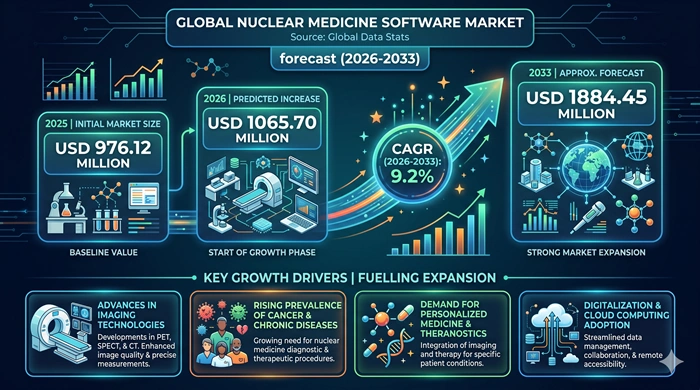
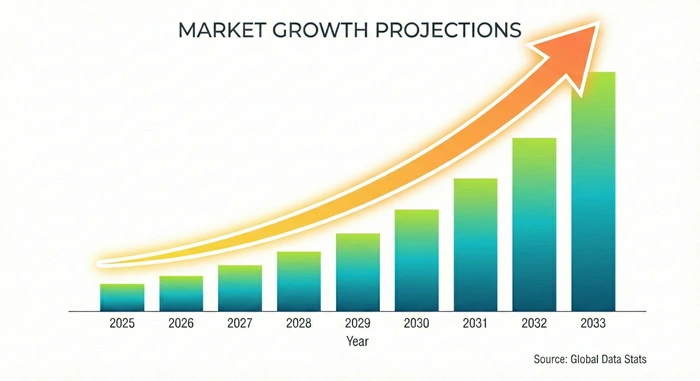
The global nuclear medicine software market size is valued at USD 976.12 million in 2025 and is predicted to increase from USD 1065.70 million in 2026 to approximately USD 1884.45 million by 2033, growing at a CAGR of 9.2% from 2026 to 2033.
Nuclear medicine software has become an indispensable component of modern clinical nuclear medicine practice, enabling the acquisition, processing, analysis, quantification, and reporting of complex diagnostic imaging data generated by PET and SPECT scanners, as well as the treatment planning and dosimetry workflows essential for targeted radionuclide therapy. As nuclear medicine transitions from its traditional role as a primarily diagnostic imaging specialty toward a dual role encompassing both diagnosis and targeted cancer treatment — the theranostic paradigm — the clinical complexity and informatics demands placed on nuclear medicine software platforms are expanding considerably. Growing cancer incidence, accelerating adoption of radioligand therapies, and the rapid integration of artificial intelligence into imaging workflows are collectively positioning this market for consistent above-average growth through 2033.
AI Impact on the Nuclear Medicine Software Industry
Artificial Intelligence Is Fundamentally Transforming Nuclear Medicine Software Capabilities — From Automated PET/SPECT Image Analysis and Quantification to AI-Powered Dosimetry Calculation and Adaptive Theranostic Treatment Planning
Artificial intelligence is rapidly redefining what nuclear medicine software platforms can deliver across the full spectrum of clinical applications. In diagnostic imaging, deep learning models trained on large annotated PET and SPECT imaging datasets are being integrated directly into image reconstruction, segmentation, and lesion quantification workflows — enabling automated detection of oncological lesions, quantification of metabolic activity, and comparison against longitudinal scan series with a speed and consistency that manual review cannot match. AI-enhanced image reconstruction algorithms are also enabling equivalent or superior diagnostic image quality from lower-administered radiotracer doses and shorter acquisition times, improving patient safety and departmental efficiency simultaneously.
In the therapeutic domain, AI is beginning to address one of the most technically challenging areas of nuclear medicine — personalized dosimetry for radioligand therapy. Traditional dosimetry approaches require labor-intensive post-treatment imaging at multiple time points and complex mathematical modeling of radiopharmaceutical pharmacokinetics — a process so cumbersome that it is rarely performed in routine clinical practice. AI-driven dosimetry platforms that integrate pre-treatment SPECT/CT imaging, pharmacokinetic modeling, and patient anatomical data are now emerging as practical clinical tools that can automate individualized dose calculation, enabling more precise and personalized radioligand therapy dosing. This development is particularly commercially significant for the nuclear medicine software market as the volume of patients receiving targeted radionuclide therapy grows substantially over the forecast period.
Growth Factors
Rising Global Cancer Burden Driving Nuclear Medicine Procedure Volumes, Landmark Radioligand Therapy Approvals Creating New Software Demand, and AI Integration Elevating Clinical Capabilities Are the Primary Drivers of the Nuclear Medicine Software Market
The accelerating global adoption of targeted radionuclide therapy — most notably lutetium-177-based radioligand therapies including Novartis's Pluvicto (lutetium-177 PSMA-617) and Lutathera (lutetium-177 DOTATATE) — is creating powerful new demand for sophisticated nuclear medicine software capabilities that go well beyond traditional diagnostic imaging workflows. Radioligand therapy centers require purpose-built treatment planning software, dosimetry calculation platforms, patient dosimetry reporting systems, and post-therapy SPECT/CT imaging analysis tools — software capabilities that are fundamentally different from, and additive to, the diagnostic imaging software platforms that historically dominated the nuclear medicine software market. Every new radioligand therapy program opened at a hospital or treatment center creates a recurring software procurement and licensing opportunity for nuclear medicine software vendors with relevant therapeutic workflow tools.
The continued growth of diagnostic nuclear medicine procedure volumes globally provides the stable and expanding baseline demand that underpins the nuclear medicine software market. FDG-PET/CT is now standard of care for staging and treatment response assessment across numerous cancer types — including lung, colorectal, lymphoma, and head and neck cancers — while next-generation molecular imaging tracers including PSMA-PET for prostate cancer, amyloid and tau PET for Alzheimer's disease, and fibroblast activation protein (FAP) PET are progressively receiving guideline adoption and reimbursement approvals that drive additional diagnostic procedure volume. Each new molecular imaging indication that enters routine clinical practice requires updated software support for new tracer-specific image processing, quantification algorithms, and normal database references — creating recurring software update and upgrade revenue opportunities for nuclear medicine software platform providers globally.
Market Outlook
The Nuclear Medicine Software Market Is on Track for Sustained Mid-to-High Single-Digit Growth Through 2033, Driven by Theranostic Program Expansion, AI Software Integration, and Interoperable Nuclear Medicine Informatics Platform Development
The outlook for the nuclear medicine software market through 2033 is grounded in a combination of steady diagnostic procedure volume growth and the rapid commercial expansion of therapeutic nuclear medicine software requirements. As the number of authorized radioligand therapy treatment centers grows globally — driven by the commercial scaling of Pluvicto, Lutathera, and the anticipated launch of next-generation targeted alpha therapy agents — the demand for radioligand therapy workflow management software, treatment planning tools, and post-therapy dosimetry systems will expand proportionally. This creates a more complex and higher-value software opportunity per nuclear medicine department compared to the historically simpler diagnostic-only software requirements that characterized the market in previous decades.
The progressive integration of nuclear medicine software platforms with broader hospital enterprise imaging and clinical information systems is creating additional commercial opportunity through expanded interoperability and data integration functionality. As PACS/VNA integration, EHR connectivity, radiation oncology treatment planning system linkage, and cloud-based image archiving and sharing become standard expectations for nuclear medicine software deployments, the average complexity and value of each software implementation project increases substantially. This platform complexity trend benefits larger, well-resourced nuclear medicine software vendors with the development capabilities to deliver comprehensive, fully integrated solutions — and is expected to drive market consolidation and average contract value growth across the nuclear medicine software market through the forecast period.
Expert Speaks
-
Peter Arduini, President & CEO, GE HealthCare — "AI-powered software is increasingly the layer that creates clinical and operational value from nuclear medicine imaging hardware investments. Our focus is on delivering software platforms that not only enhance image quality and workflow efficiency but also enable quantitative precision medicine approaches — and we see this as one of the most compelling growth areas within our connected imaging portfolio."
-
Bernd Montag, CEO, Siemens Healthineers — "The combination of advanced imaging modalities and intelligent software analysis platforms represents the core of what precision oncology requires. The nuclear medicine software market is evolving rapidly, and companies that can deliver AI-powered quantification, theranostic treatment planning, and seamlessly integrated informatics will define the standard of care in nuclear medicine imaging and therapy for the next decade."
-
Vas Narasimhan, CEO, Novartis — "The clinical success of radioligand therapy creates both a responsibility and an opportunity to ensure that the software infrastructure supporting these therapies is as advanced as the therapies themselves. Precision dosimetry, treatment planning, and patient monitoring tools are essential partners to the radiopharmaceuticals we develop, and we actively support the ecosystem of nuclear medicine software innovation that enables our therapies to reach their full clinical potential."
Key Report Takeaways
-
North America leads the nuclear medicine software market, accounting for approximately 43.3% of global revenue in 2025, driven by the world's highest density of PET/CT-equipped nuclear medicine departments, the earliest commercial deployment of radioligand therapy software workflows following FDA approvals of Pluvicto and Lutathera, strong healthcare IT investment culture, and the concentration of leading nuclear medicine software companies including Siemens Healthineers, GE HealthCare, Mirada Medical, and MIM Software
-
Asia-Pacific is the fastest-growing regional market, projected to expand at a CAGR of over 11.4% through 2033, driven by rapidly expanding PET/CT infrastructure in China, Japan, India, and South Korea, increasing government investment in cancer care informatics, and the progressive adoption of nuclear medicine software platforms in newly established and expanding nuclear medicine departments across the region
-
Image processing and analysis software is the dominant software type segment, accounting for approximately 32% of total software type revenue in 2025, reflecting the essential and universal role of image processing and analysis tools in every nuclear medicine imaging procedure globally — from FDG-PET oncology to myocardial perfusion SPECT and bone scan interpretation
-
Oncology is the leading therapeutic area segment in the nuclear medicine software market, holding approximately 35.5% of total therapeutic area revenue in 2026, driven by the clinical demand for PET/CT-based tumor staging, metabolic response assessment, radioligand therapy planning, and post-therapy SPECT/CT monitoring across the most common and high-incidence cancer types
-
PET software holds the dominant modality segment share, accounting for approximately 38.8% of modality-based revenue in 2026, driven by the universal adoption of FDG-PET/CT in oncology, the rapid clinical uptake of PSMA-PET imaging in prostate cancer, and the expanding use of next-generation molecular PET tracers across neurology and cardiology applications
-
AI and advanced analytics software is the fastest-growing sub-segment in the nuclear medicine software market, projected to grow at a CAGR of over 14.1% through 2033 and expected to reach approximately 19% of total software type market share by 2033, driven by the accelerating adoption of deep learning-based image analysis tools, automated lesion quantification platforms, and AI-powered dosimetry and treatment planning systems across nuclear medicine departments globally
Market Scope
| Report Coverage | Details |
|---|---|
| Market Size by 2033 | USD 1884.45 Million |
| Market Size by 2025 | USD 976.12 Million |
| Market Size by 2026 | USD 1065.70 Million |
| Market Growth Rate (2026–2033) | CAGR of 9.2% |
| Dominating Region | North America |
| Fastest Growing Region | Asia-Pacific |
| Base Year | 2025 |
| Forecast Period | 2026 – 2033 |
| Segments Covered | Software Type, Modality, Functionality/Workflow, Therapeutic Area, Deployment Mode, End User |
| Regions Covered | North America, Europe, Asia-Pacific, Latin America, Middle East & Africa |
Market Dynamics
Drivers Impact Analysis
Rapid Expansion of Radioligand Therapy Programs, Rising PET/CT Procedure Volumes, and Accelerating AI Integration Into Nuclear Medicine Imaging Workflows Are the Core Engines Driving the Nuclear Medicine Software Market
| Driver | ≈ % Impact on CAGR Forecast | Geographic Relevance | Impact Timeline |
|---|---|---|---|
| Radioligand therapy commercial expansion creating new treatment planning software demand | ~29% | North America, Europe | Short to Long-term |
| Rising global cancer incidence and PET/CT procedure volume growth | ~25% | Global | Short to Long-term |
| AI and deep learning integration into nuclear medicine image analysis and dosimetry | ~22% | North America, Europe | Short to Long-term |
| Expanding PSMA-PET and next-generation molecular imaging tracer adoption | ~15% | North America, Europe, Asia-Pacific | Short to Medium-term |
| Healthcare IT infrastructure investment and PACS/EHR integration requirements | ~9% | Global | Medium to Long-term |
The commercial launch and rapid clinical adoption of lutetium-177-based radioligand therapies has created a genuinely new software demand category within the nuclear medicine software market. Nuclear medicine departments establishing radioligand therapy programs must invest in purpose-built treatment planning software capable of integrating pre-therapy SPECT/CT dosimetry data with patient anatomical models to calculate individualized radiation dose estimates for both tumor targets and at-risk healthy organs. This requirement — largely absent from the workflow of traditional diagnostic-only nuclear medicine departments — is driving new software procurement cycles and creating additional recurring licensing revenue for vendors with radioligand therapy-specific software capabilities. As the number of active radioligand therapy treatment centers grows globally in line with the commercial scaling of existing approved therapies and the anticipated approval of next-generation agents, this new software demand category will represent an increasingly meaningful proportion of total nuclear medicine software market revenue.
The growing clinical adoption of AI-powered image analysis tools within nuclear medicine departments is simultaneously raising the average software complexity and value of each nuclear medicine workstation installation. Automated lesion detection and segmentation tools for oncological PET imaging — which can rapidly identify and quantify all metabolically active lesions across a whole-body PET scan with minimal manual intervention — are being adopted by leading nuclear medicine centers as productivity tools that allow physicians to report higher imaging volumes without compromising diagnostic accuracy. Standardized quantitative metrics derived from AI segmentation — including total lesion glycolysis and metabolic tumor volume — are becoming established clinical endpoints in oncology treatment response assessment, creating a strong clinical rationale for upgrading existing nuclear medicine software platforms to AI-enabled versions across hospital and imaging center settings.
Restraints Impact Analysis
High Software Implementation and Upgrade Costs, Cybersecurity and Data Privacy Compliance Challenges, Integration Complexity With Legacy Healthcare IT Systems, and Skilled Workforce Shortages Are the Primary Constraints on the Nuclear Medicine Software Market
| Restraint | ≈ % Impact on CAGR Forecast | Geographic Relevance | Impact Timeline |
|---|---|---|---|
| High cost of advanced nuclear medicine software platforms and upgrade cycles | ~30% | Emerging markets, small-medium hospitals | Ongoing |
| Complex integration requirements with existing PACS, EHR, and RIS systems | ~27% | Global | Ongoing |
| Cybersecurity and healthcare data privacy regulatory compliance burden | ~22% | Global | Ongoing |
| Shortage of nuclear medicine informatics specialists for system implementation and operation | ~14% | Global | Short to Medium-term |
| Stringent medical device software regulatory requirements limiting speed to market | ~7% | Global | Ongoing |
The high cost of advanced nuclear medicine software platforms — particularly those incorporating AI-powered image analysis, radioligand therapy dosimetry, and comprehensive enterprise imaging integration — represents a significant barrier to adoption for smaller nuclear medicine departments, community hospitals, and healthcare facilities in emerging markets. Enterprise nuclear medicine software deployments at large academic medical centers can require multi-million-dollar investments encompassing software licenses, hardware infrastructure, integration services, staff training, and ongoing maintenance contracts — a financial commitment that stretches the capital budgets of many healthcare institutions, particularly in the context of competing clinical technology investment priorities. This cost barrier contributes to the geographic concentration of advanced nuclear medicine software capabilities in large tertiary care centers in high-income countries, limiting the overall addressable market penetration rate for premium software platforms.
The shortage of nuclear medicine informatics specialists — including nuclear medicine physicians with advanced software proficiency, medical physicists with nuclear medicine dosimetry expertise, and IT professionals experienced in healthcare imaging system integration — creates meaningful operational constraints for nuclear medicine software deployments globally. Advanced software capabilities in AI image analysis, radioligand therapy dosimetry, and quantitative imaging require both clinical expertise to validate and interpret outputs and technical expertise to configure, calibrate, and maintain the software systems. The limited availability of professionals with this specific combination of clinical and technical expertise creates implementation delays, under-utilization of advanced software capabilities post-installation, and dependence on vendor support services that raise total cost of ownership for nuclear medicine software deployments.
Opportunities Impact Analysis
AI-Powered Dosimetry Platform Development, Cloud-Based Nuclear Medicine Informatics Deployment, Emerging Market Software Adoption, and Next-Generation Molecular Imaging Tracer Software Support Are the Most Compelling Growth Opportunities
| Opportunity | ≈ % Impact on CAGR Forecast | Geographic Relevance | Impact Timeline |
|---|---|---|---|
| AI-driven automated dosimetry platforms for radioligand therapy optimization | ~32% | North America, Europe | Short to Long-term |
| Cloud-based nuclear medicine software deployment improving accessibility and scalability | ~27% | Global | Short to Medium-term |
| Emerging market nuclear medicine department buildout creating new software procurement | ~21% | Asia-Pacific, Latin America | Medium to Long-term |
| New molecular imaging tracer approvals requiring updated software support packages | ~13% | North America, Europe, Asia-Pacific | Short to Medium-term |
| Standardized quantitative imaging biomarker tools for clinical trial support | ~7% | Global | Medium to Long-term |
Cloud-based deployment of nuclear medicine software represents one of the most commercially promising near-term opportunities within the nuclear medicine software market. Cloud delivery models dramatically lower the upfront capital investment required for nuclear medicine software adoption — replacing large server infrastructure investments with subscription-based access fees — while simultaneously enabling remote image reading, teleradiology, multi-site image sharing, and centralized software updates that benefit healthcare networks with multiple nuclear medicine facilities. The shift to cloud-native architectures also enables easier integration of AI model updates, new tracer-specific analysis tools, and interoperability standards compliance — providing a continuously improving product for subscribing healthcare institutions without the disruption of traditional major version upgrade cycles.
The rapid expansion of the global nuclear medicine market into new molecular imaging indications — including FAP-PET for cancer stroma imaging, amyloid and tau PET for neurodegenerative disease, FAPI for multiple cancer types, and novel theranostic pair tracers in clinical development — creates recurring software upgrade and new product development opportunities for nuclear medicine software vendors. Each new tracer requires dedicated software support encompassing tracer-specific normal database references, standardized quantification protocols, reporting templates, and AI model training on new image characteristics. Vendors that can rapidly develop and deploy new tracer-specific software modules maintain a compelling competitive advantage and capture recurring revenue from each new molecular imaging indication that achieves guideline adoption and clinical-scale deployment.
Segment Analysis
By Software Type
Image Processing and Analysis Software Leads the Nuclear Medicine Software Market as the Most Universally Adopted Software Category, While AI and Advanced Analytics Software Emerges as the Fastest-Growing Sub-Segment
Image processing and analysis software holds the dominant position in the nuclear medicine software market, accounting for approximately 32% of total software type revenue in 2025. This segment is projected to maintain a steady CAGR of 8.9% through 2033, driven by its universal adoption across every nuclear medicine imaging procedure — from basic FDG-PET/CT oncology staging to advanced cardiac SPECT and brain amyloid PET imaging. Image processing software provides the essential clinical functionality of reconstructing raw detector data into interpretable images, applying attenuation and scatter corrections, generating standardized uptake value (SUV) maps, and enabling side-by-side comparison with reference atlases and prior imaging studies. North America is the dominant region for this segment, where mature PET/CT infrastructure and high procedure volumes create strong and stable demand for both established and next-generation image processing platforms. Key companies competing in this segment include Siemens Healthineers (syngo.via), GE HealthCare (Advantage Workstation), Philips Healthcare (IntelliSpace Portal), and specialized vendors including MIM Software and Mirada Medical.
Asia-Pacific is the fastest-growing region for image processing and analysis software adoption within the nuclear medicine software market, driven by rapid expansion of PET/CT-equipped nuclear medicine departments across China, India, Japan, and South Korea — and the progressive upgrading of software capabilities in these departments to match international clinical standards. The AI and advanced analytics software sub-segment is the fastest-growing within the overall software type category, projected to grow at a CAGR of over 14.1% through 2033 as nuclear medicine departments globally invest in deep learning-based automated lesion detection, PET quantification, and radioligand therapy dosimetry platforms. Specialized AI software vendors including EXINI Diagnostics (acquired by Lantheus), Subtle Medical, and AIQ Solutions are competing with integrated software offerings from large imaging platform vendors to capture this rapidly growing opportunity within the nuclear medicine software market.
By Modality
PET Software Holds the Dominant Modality Share in the Nuclear Medicine Software Market, Driven by the Universal Clinical Adoption of FDG-PET/CT in Oncology and the Rapid Expansion of Next-Generation Molecular PET Imaging
PET software is the dominant modality segment in the nuclear medicine software market, accounting for approximately 38.8% of total modality-based revenue in 2026. This segment is projected to grow at a CAGR of 10.1% through 2033, driven by the continued growth of oncological FDG-PET/CT procedure volumes globally, the rapid clinical adoption of PSMA-PET imaging for prostate cancer staging and treatment response assessment, and the expanding use of amyloid and tau PET imaging in Alzheimer's disease diagnosis and treatment monitoring. North America is the dominant geography for PET software revenue, where the combination of high PET/CT scanner density, comprehensive insurance reimbursement for FDG-PET and PSMA-PET procedures, and early adoption of AI-enhanced PET image analysis tools creates a high-value and high-volume software market. Key vendors active in the PET software segment include Siemens Healthineers, GE HealthCare, Philips Healthcare, MIM Software (United States), and Mirada Medical (United Kingdom).
The SPECT software segment is the second-largest modality segment in the nuclear medicine software market, reflecting the continued global clinical dominance of SPECT/CT imaging in myocardial perfusion scintigraphy, bone scanning, and general nuclear medicine diagnostic procedures. SPECT scanners remain more widely distributed globally than PET/CT systems — particularly in developing country healthcare settings and community hospital environments — ensuring a large and stable installed base for SPECT software products. Asia-Pacific is the fastest-growing region for both PET and SPECT software adoption, where government-funded nuclear medicine infrastructure investment and the progressive establishment of new nuclear medicine departments in secondary and tertiary care hospitals across China, India, and Southeast Asia are creating sustained new software procurement demand across the entire nuclear medicine software market.
Regional Insights
North America
North America Leads the Global Nuclear Medicine Software Market With the Largest Revenue Share, Driven by Advanced Nuclear Medicine Clinical Infrastructure, Early AI Software Adoption, and Strong Radioligand Therapy Program Expansion
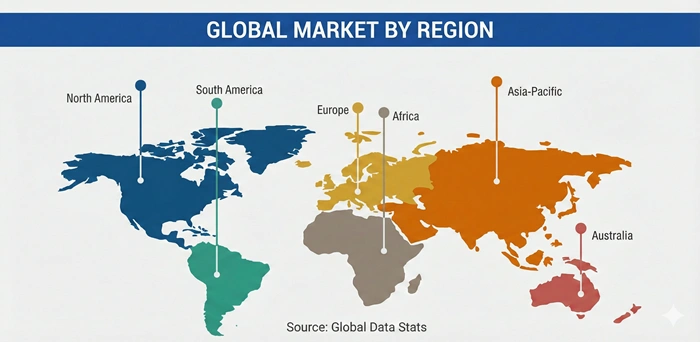
North America dominates the nuclear medicine software market, accounting for approximately 43.3% of total global revenue in 2025 and projected to maintain a CAGR of 8.8% through 2033. The United States is the primary national market, where the combination of the world's highest density of PET/CT scanners, near-universal deployment of nuclear medicine information systems in academic and community hospital settings, early FDA approvals and rapid clinical adoption of radioligand therapies, and the concentration of leading nuclear medicine software companies creates a uniquely fertile commercial environment. Major companies driving North American nuclear medicine software market growth include Siemens Healthineers (syngo.via), GE HealthCare (Advantage Workstation), Philips Healthcare (IntelliSpace Nuclear Medicine), MIM Software (MIM SurePlan, MIM Cloud), and Mirada Medical, alongside specialized AI software vendors serving the diagnostic and therapeutic workflow segments. The commercial launch of Pluvicto and Lutathera has directly stimulated demand for radioligand therapy dosimetry and treatment planning software at authorized treatment centers across the United States, creating a new and growing revenue category within the regional nuclear medicine software market.
Canada maintains a strong secondary position within North America, where provincial healthcare system investments in nuclear medicine infrastructure — including new PET/CT installations and nuclear medicine department expansions — are driving consistent software procurement alongside the US market. Federal and state-level healthcare IT interoperability mandates in the United States — requiring nuclear medicine imaging systems to integrate with EHR platforms through standardized FHIR APIs and DICOM imaging standards — are creating additional software upgrade and integration service demand that benefits established nuclear medicine software vendors with strong health informatics capabilities.
Asia-Pacific
Asia-Pacific Is the Fastest-Growing Regional Market for Nuclear Medicine Software, Fueled by Rapid PET/CT Infrastructure Expansion, Government Cancer Control Investment, and Increasing Software Capability Adoption in New Nuclear Medicine Departments
Asia-Pacific is the most rapidly growing regional market in the nuclear medicine software landscape, projected to expand at a CAGR of 11.4% from 2026 to 2033. The region currently accounts for approximately 24% of global nuclear medicine software market revenue, with Japan, China, South Korea, India, and Australia as the primary national markets. Japan has the most mature and sophisticated nuclear medicine software ecosystem in Asia-Pacific — with a highly advanced hospital imaging informatics infrastructure, strong adoption of international nuclear medicine software platforms, and active research and clinical use of next-generation molecular imaging applications. China is the fastest-growing national market within the region, where a massive government-funded expansion of PET/CT-equipped cancer centers and nuclear medicine departments — part of the Healthy China 2030 national healthcare program — is driving extraordinary new software procurement demand alongside parallel hardware investments. Key companies active in the Asia-Pacific nuclear medicine software market include GE HealthCare, Siemens Healthineers, Philips Healthcare, Neusoft Medical Systems (China), and United Imaging Healthcare (China).
India represents a transformational emerging market opportunity within the Asia-Pacific nuclear medicine software market. A rapidly growing private hospital sector investing in nuclear medicine capabilities, combined with government healthcare digital infrastructure programs and increasing awareness of nuclear medicine's clinical value in oncology, cardiology, and neurology, is creating an expanding software procurement market at institutions that are establishing or upgrading their nuclear medicine services. Southeast Asian markets including Thailand, Malaysia, South Korea, and Vietnam are also developing their nuclear medicine programs at an accelerating pace, creating new demand across the spectrum of nuclear medicine software categories and contributing to the region's above-market-average growth trajectory.
Top Key Players
-
Siemens Healthineers AG (Germany)
-
GE HealthCare Technologies Inc. (United States)
-
Philips Healthcare (Netherlands)
-
MIM Software Inc. (United States)
-
Mirada Medical Ltd. (United Kingdom)
-
Hermes Medical Solutions AB (Sweden)
-
PMOD Technologies LLC (Switzerland)
-
Segami Corporation (United States)
-
Invia Medical Imaging Solutions (United States)
-
Neuroimaging Tools and Technology Repository (NITRC) / Academic Software Vendors (United States)
-
Mediso Medical Imaging Systems (Hungary)
-
Subtle Medical Inc. (United States)
Recent Developments
-
Siemens Healthineers (2025) — Released major updates to its syngo.via nuclear medicine imaging platform incorporating new AI-powered automated lesion segmentation tools for oncological PET/CT imaging, alongside enhanced SPECT/CT quantification capabilities and improved integration with radioligand therapy dosimetry workflows — strengthening its position as the leading enterprise nuclear medicine software platform provider globally
-
GE HealthCare (2025) — Expanded its nuclear medicine software portfolio with new AI-assisted myocardial perfusion SPECT analysis capabilities within its Advantage Workstation platform, and announced partnerships with multiple US academic medical centers to co-develop radioligand therapy treatment planning software tools that address the growing clinical demand for personalized dosimetry in lutetium-177-based cancer treatment programs
-
MIM Software (2024–2025) — Launched updated versions of its MIM SurePlan platform specifically enhanced for radioligand therapy dosimetry at lutetium-177 PSMA therapy treatment centers in the United States and Europe, reporting significant growth in authorized treatment center installations driven by the rapid commercial expansion of Pluvicto — establishing MIM as one of the most commercially significant specialized nuclear medicine software vendors in the theranostics segment
-
Philips Healthcare (2025) — Updated its IntelliSpace Nuclear Medicine software suite with enhanced AI-based quantification tools for PSMA-PET imaging and new workflow integration capabilities connecting nuclear medicine imaging data with radiation oncology treatment planning systems, addressing the growing clinical need for seamlessly integrated theranostic planning workflows across nuclear medicine and radiation oncology departments at comprehensive cancer centers
-
Hermes Medical Solutions (2025) — Expanded its HERMES Hybrid Viewer and dosimetry software capabilities with new support for alpha-emitting isotope therapy dosimetry calculations and enhanced integration with commercial SPECT/CT systems, positioning the company to serve the emerging market demand for targeted alpha therapy treatment planning software as actinium-225 and thorium-227-based therapies advance through clinical development toward anticipated commercial launch
Market Trends
Radioligand Therapy Software Integration and the Rise of Cloud-Native Nuclear Medicine Informatics Platforms Are the Most Commercially Consequential Trends Currently Shaping the Nuclear Medicine Software Market
The integration of radioligand therapy planning and dosimetry capabilities into nuclear medicine software platforms is the most clinically and commercially transformative trend reshaping the nuclear medicine software market today. As the number of hospitals and cancer centers establishing radioligand therapy programs grows globally — driven by the commercial success of Pluvicto and Lutathera and the anticipation of additional radioligand therapy approvals — the demand for purpose-built software tools that support the full radioligand therapy workflow is expanding rapidly. This workflow encompasses pre-therapy SPECT/CT-based patient selection dosimetry, personalized treatment planning, therapy administration documentation, post-therapy SPECT/CT imaging and absorbed dose calculation, and long-term patient monitoring — a complex multi-step software-intensive process that requires dedicated platforms well beyond the scope of traditional diagnostic nuclear medicine software.
The adoption of cloud-native deployment architectures in nuclear medicine software is the second major trend reshaping the competitive landscape. Smaller nuclear medicine departments and healthcare networks with multiple imaging sites are increasingly attracted to cloud-based software subscription models that eliminate large upfront infrastructure investments, enable continuous software updates without disruptive on-site upgrade processes, and provide access to centralized AI model improvements deployed across all subscribing sites simultaneously. Major vendors including Siemens Healthineers, GE HealthCare, and specialized providers like MIM Software are expanding cloud delivery options for their nuclear medicine software platforms, and the pace of cloud adoption within the nuclear medicine software market is expected to accelerate meaningfully across the forecast period — particularly in Asia-Pacific, where new nuclear medicine departments can adopt cloud-native software architectures without the legacy system integration constraints that complicate cloud migration in more established markets.
Segments Covered in the Report
By Software Type:
-
Image Processing and Analysis Software
-
Patient Data Management Software
-
AI and Advanced Analytics Software
-
Dosimetry and Treatment Planning Software
-
Workflow Management and Reporting Software
-
PACS and Archiving Integration Software
-
Others
By Modality:
-
PET Software
-
SPECT Software
-
PET/CT Software
-
SPECT/CT Software
-
Others
By Functionality / Workflow:
-
Image Acquisition and Reconstruction
-
Image Processing and Visualization
-
Quantitative Analysis and Biomarker Extraction
-
Dosimetry and Treatment Planning
-
Reporting and Documentation
-
Others
By Therapeutic Area:
-
Oncology
-
Cardiology
-
Neurology
-
Thyroid Disease
-
Others
By Deployment Mode:
-
On-Premises
-
Cloud-Based
-
Hybrid
By End User:
-
Hospitals and Academic Medical Centers
-
Diagnostic Imaging Centers
-
Nuclear Medicine Specialty Clinics
-
Research and Academic Institutions
-
Others
By Region:
-
North America (United States, Canada, Mexico)
-
Europe (Germany, United Kingdom, France, Netherlands, Sweden, Rest of Europe)
-
Asia-Pacific (Japan, China, India, South Korea, Australia, Rest of Asia-Pacific)
-
Latin America (Brazil, Argentina, Rest of Latin America)
-
Middle East & Africa (UAE, Saudi Arabia, South Africa, Rest of MEA)
Frequently Asked Questions
Question 1: What is the current size of the global nuclear medicine software market?
Answer: The global nuclear medicine software market is valued at USD 976.12 million in 2025 and is projected to reach USD 1884.45 million by 2033. The market is growing at a CAGR of 9.2% from 2026 to 2033, driven by rising PET/CT procedure volumes, radioligand therapy commercial expansion, AI integration into imaging workflows, and increasing adoption of dosimetry and treatment planning software globally.
Question 2: Which software type leads the nuclear medicine software market?
Answer: Image processing and analysis software holds the dominant position in the nuclear medicine software market, accounting for approximately 32% of total software type revenue in 2025, driven by its universal clinical adoption across all nuclear medicine imaging procedures. AI and advanced analytics software is the fastest-growing sub-segment, projected to expand at a CAGR of over 14.1% through 2033 as automated lesion detection, PET quantification, and radioligand therapy dosimetry tools see accelerating adoption globally.
Question 3: How is radioligand therapy driving growth in the nuclear medicine software market?
Answer: The commercial launch of lutetium-177-based radioligand therapies — including Pluvicto and Lutathera — has created substantial new demand for radioligand therapy dosimetry, treatment planning, and post-therapy imaging software within the nuclear medicine software market. Every new authorized treatment center establishing a radioligand therapy program requires purpose-built software platforms for personalized dosimetry calculation and treatment documentation, creating recurring procurement and licensing revenue beyond traditional diagnostic imaging software.
Question 4: Which region dominates the nuclear medicine software market?
Answer: North America leads the nuclear medicine software market with approximately 43.3% of global revenue in 2025, driven by the world's highest density of PET/CT installations, early adoption of AI-powered image analysis platforms, and the concentration of leading nuclear medicine software vendors including Siemens Healthineers, GE HealthCare, MIM Software, and Mirada Medical. The rapid expansion of radioligand therapy programs at US hospital cancer centers is creating significant additional software demand that reinforces the region's dominant market position.
Question 5: What are the key trends shaping the nuclear medicine software market through 2033?
Answer: The most defining trends in the nuclear medicine software market through 2033 are the integration of radioligand therapy dosimetry and treatment planning capabilities into mainstream nuclear medicine software platforms, and the adoption of cloud-native deployment architectures that improve accessibility and reduce upfront costs for smaller healthcare institutions. AI-powered automated image analysis, quantitative biomarker standardization for clinical trials, and expanding interoperability with EHR and radiation oncology systems are additional trends reinforcing the commercial growth trajectory of the nuclear medicine software market.