
Nuclear Medicine Market Overview
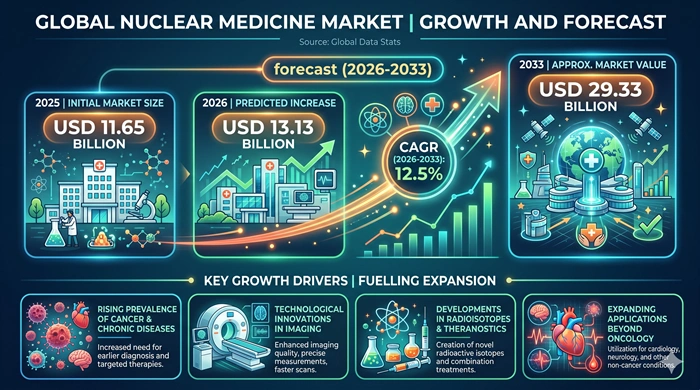
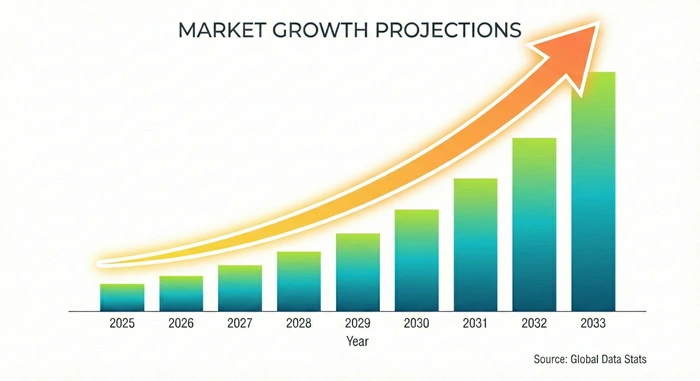
The global nuclear medicine market size is valued at USD 11.65 billion in 2025 and is predicted to increase from USD 13.13 billion in 2026 to approximately USD 29.33 billion by 2033, growing at a CAGR of 12.5% from 2026 to 2033.
Nuclear medicine stands at the forefront of modern diagnostic and therapeutic medicine, utilizing radioactive isotopes and radiopharmaceuticals to deliver unparalleled precision in both disease detection and targeted treatment. From PET and SPECT imaging in oncology and cardiology to lutetium-based targeted radionuclide therapies in prostate and neuroendocrine cancers, the clinical scope and commercial momentum of nuclear medicine is expanding at a remarkable pace. Growing global cancer burden, accelerating radiopharmaceutical innovation, and increasing adoption of theranostic approaches are collectively positioning this market for sustained exceptional growth through 2033.
AI Impact on the Nuclear Medicine Industry
Artificial Intelligence Is Revolutionizing Nuclear Medicine Image Interpretation, Radiopharmaceutical Dose Optimization, and Theranostic Treatment Planning Across Global Oncology and Cardiology Settings
Artificial intelligence is transforming the nuclear medicine market at multiple levels of clinical and operational practice. In diagnostic nuclear medicine, AI-powered image reconstruction algorithms are dramatically improving the quality and resolution of PET and SPECT scans while simultaneously reducing the required radiotracer dose and scan time — a development that improves both patient safety and departmental throughput. Deep learning models trained on large imaging datasets are enabling automated lesion detection, quantification, and standardized reporting in oncological PET imaging, reducing inter-reader variability and allowing nuclear medicine physicians to process higher scan volumes without compromising diagnostic accuracy.
In the therapeutic and theranostic domain, AI is beginning to play a meaningful role in treatment planning for targeted radionuclide therapy. Dosimetry calculation — the process of estimating the radiation dose delivered to tumor targets versus healthy tissues — has historically been a complex and time-consuming process that limited the individualization of radionuclide therapy. AI-driven dosimetry platforms that integrate pre-treatment imaging, patient anatomy, and pharmacokinetic modeling are now emerging as practical tools for optimizing radionuclide therapy dosing on a patient-by-patient basis, potentially improving tumor response rates and reducing treatment toxicity. This capability is particularly critical as more complex alpha- and beta-emitting radiopharmaceuticals enter clinical practice, where precise dosimetry becomes even more important for clinical and regulatory compliance.
Growth Factors
Rising Global Cancer and Cardiovascular Disease Burden, Landmark Approvals of Targeted Radionuclide Therapies, and Rapid Expansion of the Radiopharmaceutical Pipeline Are Driving the Nuclear Medicine Market Forward
The expanding global burden of cancer is the most powerful structural driver of growth in the nuclear medicine market. Cancer remains one of the leading causes of death worldwide, and nuclear medicine plays an indispensable role at multiple stages of oncological care — from initial staging with FDG-PET/CT to treatment response assessment and post-therapy surveillance. As cancer incidence continues to rise with aging populations globally, the volume of oncological nuclear medicine procedures grows proportionally. The growing recognition among oncologists that PET-guided treatment decisions improve outcomes — including treatment selection, dose optimization, and early identification of non-responders — is driving increasing integration of nuclear medicine into mainstream oncology care pathways across developed and emerging markets alike.
The landmark FDA approvals of lutetium-177 DOTATATE (Lutathera) and lutetium-177 PSMA-617 (Pluvicto) have fundamentally transformed the nuclear medicine market by establishing targeted radionuclide therapy as a proven and commercially viable treatment modality for neuroendocrine tumors and metastatic castration-resistant prostate cancer respectively. These approvals have catalyzed enormous new investment into the radiopharmaceutical sector — from large pharmaceutical companies including Eli Lilly, Bristol Myers Squibb, and AstraZeneca to numerous specialized radiopharmaceutical startups — driving a pipeline of next-generation targeted alpha therapy and beta therapy candidates that will continue to expand the therapeutic opportunity within nuclear medicine through 2033.
Market Outlook
The Nuclear Medicine Market Is Entering a Period of Exceptional Expansion, Driven by Theranostic Paradigm Adoption, Radiopharmaceutical Manufacturing Scale-Up, and Growing Emerging Market Healthcare Investment
The outlook for the nuclear medicine market through 2033 is among the most dynamic in the broader healthcare sector. The rapid adoption of the theranostic approach — where the same molecular target is used for both imaging diagnosis and therapeutic delivery — is creating powerful clinical and commercial feedback loops that are expanding the addressable market simultaneously in diagnostics and treatment. As the theranostic model becomes established in prostate cancer and neuroendocrine tumors, pharmaceutical and nuclear medicine companies are aggressively extending this approach to breast cancer, glioblastoma, melanoma, and multiple myeloma — each representing substantial new commercial opportunity within the nuclear medicine therapeutics segment.
A critical enabling condition for nuclear medicine market growth — adequate radiopharmaceutical manufacturing capacity — is actively being addressed through substantial global capital investment. Novartis/Advanced Accelerator Applications, Lantheus, POINT Biopharma, and multiple new entrants are investing heavily in new radiopharmaceutical production facilities, cyclotron networks, and distribution infrastructure to ensure supply chain reliability for both diagnostic and therapeutic isotopes. Government investment in expanding national nuclear medicine infrastructure — including new reactor-based and non-reactor Mo-99 production facilities — is also improving isotope supply security globally. This combination of clinical innovation and infrastructure development supports a highly constructive commercial outlook for the nuclear medicine market through the forecast period.
Expert Speaks
-
Vas Narasimhan, CEO, Novartis — "Targeted radioligand therapy is one of the most exciting oncology treatment modalities of our time. Our investment in the nuclear medicine space reflects our conviction that radiopharmaceutical therapies will become a cornerstone of precision cancer care, and the commercial trajectory of Pluvicto and Lutathera demonstrates that this conviction is well-founded."
-
Robert Ford, President & CEO, Abbott Laboratories — "The precision and specificity that nuclear medicine brings to both diagnosis and treatment represents exactly the kind of innovation that healthcare systems need as they work to improve patient outcomes while managing costs. The convergence of advanced molecular imaging and targeted therapeutic delivery is reshaping what is possible in oncology and cardiology."
-
Chris Boerner, CEO, Bristol Myers Squibb — "We see radioligand therapy and nuclear medicine more broadly as a critical pillar of next-generation cancer care. The ability to deliver therapeutic payloads directly to tumor cells based on specific molecular targeting — combined with the companion diagnostic dimension of nuclear imaging — creates an extraordinarily powerful clinical tool that we are committed to advancing."
Key Report Takeaways
-
North America leads the nuclear medicine market, holding approximately 45% of global revenue in 2025, driven by the highest concentration of nuclear medicine departments, PET/CT scanner installations, and radiopharmaceutical manufacturing facilities globally, combined with the earliest commercial uptake of FDA-approved targeted radionuclide therapies including lutetium-177 PSMA-617 (Pluvicto) and lutetium-177 DOTATATE (Lutathera)
-
Asia-Pacific is the fastest-growing region, projected to expand at a CAGR of over 15.2% through 2033, driven by rapidly growing cancer incidence in China, India, Japan, and South Korea, government healthcare infrastructure investment expanding nuclear medicine access, and increasing adoption of PET/CT imaging in major tertiary care centers across the region
-
Diagnostic nuclear medicine is the dominant type segment, accounting for approximately 66% of total type-based revenue in 2025, reflecting the extensive clinical use of FDG-PET/CT, myocardial perfusion SPECT, and bone scans across oncology, cardiology, and neurology applications globally
-
Oncology is the leading application segment in the nuclear medicine market, contributing approximately 41% of total application revenue in 2025, driven by the critical role of PET imaging in cancer staging, treatment response assessment, and radiation therapy planning, as well as the growing adoption of targeted radionuclide therapy in cancer treatment
-
Hospitals and clinics are the dominant end-user segment, accounting for approximately 26% of total end-user revenue in 2025, reflecting the high concentration of nuclear medicine services within tertiary care hospital settings that have the infrastructure, radiation safety facilities, and specialist staffing required to operate nuclear medicine departments safely
-
Therapeutic radiopharmaceuticals represent the fastest-growing segment in the nuclear medicine market, projected to grow at a CAGR of 20.2% through 2033 and reach approximately 35% of total type-based market share by 2033, fueled by the continued commercial expansion of Pluvicto and Lutathera, the accelerating pipeline of next-generation targeted alpha therapy agents, and growing oncologist adoption of radioligand therapy as a standard treatment option
Market Scope
| Report Coverage | Details |
|---|---|
| Market Size by 2033 | USD 29.33 Billion |
| Market Size by 2025 | USD 11.65 Billion |
| Market Size by 2026 | USD 13.13 Billion |
| Market Growth Rate (2026–2033) | CAGR of 12.5% |
| Dominating Region | North America |
| Fastest Growing Region | Asia-Pacific |
| Base Year | 2025 |
| Forecast Period | 2026 – 2033 |
| Segments Covered | Type, Application, End User, Product, Isotope |
| Regions Covered | North America, Europe, Asia-Pacific, Latin America, Middle East & Africa |
Market Dynamics
Drivers Impact Analysis
Rapidly Expanding Radiopharmaceutical Pipeline, FDA-Approved Radioligand Therapies, and Rising Global Cancer and Cardiovascular Disease Burden Are the Core Forces Accelerating the Nuclear Medicine Market
| Driver | ≈ % Impact on CAGR Forecast | Geographic Relevance | Impact Timeline |
|---|---|---|---|
| Growing global cancer burden driving diagnostic and therapeutic nuclear medicine volume | ~30% | Global, especially North America and Asia-Pacific | Short to Long-term |
| Landmark approvals of targeted radionuclide therapies (Pluvicto, Lutathera) driving market expansion | ~28% | North America, Europe, Japan | Short to Long-term |
| Accelerating theranostic approach adoption integrating diagnosis and therapy | ~20% | North America, Europe | Short to Medium-term |
| Expansion of PET/CT infrastructure and radiopharmaceutical manufacturing capacity | ~14% | Global | Medium to Long-term |
| Rising cardiovascular and neurological disease diagnosis using nuclear imaging | ~8% | Global | Medium to Long-term |
The commercial success of lutetium-177-based radioligand therapies — most notably Novartis's Pluvicto (lutetium-177 PSMA-617) for metastatic castration-resistant prostate cancer and Lutathera (lutetium-177 DOTATATE) for neuroendocrine tumors — has conclusively validated targeted radionuclide therapy as a major commercial opportunity within the nuclear medicine market. These products achieved blockbuster revenue status more rapidly than most pharmaceutical analysts anticipated, demonstrating the genuine clinical demand for effective targeted radiotherapy options in patient populations where conventional treatments had limited efficacy. The competitive response from Eli Lilly, Bristol Myers Squibb, AstraZeneca, and numerous specialized radiopharmaceutical companies has been decisive — creating the most active and well-funded radiopharmaceutical development pipeline in the history of nuclear medicine.
The parallel growth of diagnostic nuclear medicine procedure volumes is equally important to the overall market trajectory. FDG-PET/CT has become the standard of care for staging and treatment response assessment in a wide range of cancers, while next-generation molecular imaging agents — including PSMA-PET for prostate cancer, amyloid and tau PET for neurodegenerative disease, and fibroblast activation protein (FAP) PET for cancer stroma imaging — are rapidly expanding the clinical utility and volume of nuclear medicine diagnostic services. Each new molecular imaging indication that achieves guideline adoption translates directly into additional procedure volume and radiotracer demand, creating compounding commercial growth across the diagnostic segment of the nuclear medicine market.
Restraints Impact Analysis
Radioisotope Supply Chain Vulnerabilities, High Capital Investment Requirements for Nuclear Medicine Infrastructure, and Radiation Safety Regulatory Complexity Are the Primary Challenges Facing the Nuclear Medicine Market
| Restraint | ≈ % Impact on CAGR Forecast | Geographic Relevance | Impact Timeline |
|---|---|---|---|
| Radioisotope supply chain vulnerabilities and Mo-99 production concentration risks | ~31% | Global | Ongoing |
| High capital investment required for cyclotrons, PET scanners, and hot labs | ~26% | Emerging markets, community settings | Ongoing |
| Complex radiation safety regulations and licensing requirements limiting market entry | ~22% | Global | Ongoing |
| Short half-life of many radioisotopes creating distribution logistics complexity | ~14% | Emerging markets, remote geographies | Ongoing |
| Reimbursement limitations for newer diagnostic tracers and therapeutic agents | ~7% | Europe, emerging markets | Short to Medium-term |
Radioisotope supply chain security remains one of the most structurally significant challenges facing the nuclear medicine market. Molybdenum-99 (Mo-99) — the parent isotope of technetium-99m, which is used in approximately 80% of all global nuclear medicine diagnostic procedures — is primarily produced in a small number of aging nuclear reactors concentrated in Europe and Canada. Any planned or unplanned reactor shutdown at these facilities can rapidly create global shortages of diagnostic radioisotopes, disrupting patient care and eroding prescribing confidence in nuclear medicine services. While significant investments are being made in non-reactor Mo-99 production technologies and new cyclotron-based technetium production, meaningful diversification of the supply chain will take years to fully implement at the scale required.
The capital intensity of establishing and operating nuclear medicine departments creates a significant structural barrier to market expansion in emerging economies. A fully equipped nuclear medicine department — including PET/CT scanner, cyclotron or reliable radiotracer supply contract, radiation shielding infrastructure, hot laboratory facilities, and trained nuclear medicine physician and radiopharmacist staff — represents an investment of tens of millions of dollars that most hospitals in developing countries cannot readily make. This capital barrier concentrates nuclear medicine infrastructure heavily in urban tertiary care centers in high-income countries, limiting the geographic reach of nuclear medicine services and constraining market penetration of both diagnostic and therapeutic applications in Asia, Latin America, and Africa.
Opportunities Impact Analysis
Next-Generation Alpha Particle Therapy, Expansion of Theranostic Applications Into New Oncology Indications, and Emerging Market Nuclear Medicine Infrastructure Development Are the Most Compelling Growth Opportunities
| Opportunity | ≈ % Impact on CAGR Forecast | Geographic Relevance | Impact Timeline |
|---|---|---|---|
| Targeted alpha therapy development for blood cancers and solid tumors | ~33% | North America, Europe | Medium to Long-term |
| Expanding theranostic application to new cancer indications (breast, glioblastoma, melanoma) | ~28% | North America, Europe, Japan | Medium to Long-term |
| Emerging market nuclear medicine center buildout and PET/CT adoption | ~20% | Asia-Pacific, Latin America, MEA | Medium to Long-term |
| Development of non-reactor-based Mo-99 and new cyclotron-produced isotopes | ~12% | Global | Medium to Long-term |
| AI-assisted dosimetry and treatment planning tools improving radioligand therapy outcomes | ~7% | North America, Europe | Short to Medium-term |
Targeted alpha therapy (TAT) represents the most exciting next frontier within the nuclear medicine market. Alpha particles deliver a densely ionizing, short-range radiation dose that is highly lethal to tumor cells while sparing surrounding healthy tissue to a far greater degree than beta-emitting agents. Actinium-225, thorium-227, and bismuth-213-based alpha-emitting radiopharmaceuticals are under active clinical investigation for indications including prostate cancer, leukemia, and multiple myeloma, with early clinical data demonstrating promising anti-tumor activity at doses that are well-tolerated. Positive Phase 3 data from any of these programs would create a new major commercial category within the nuclear medicine market with potentially greater clinical impact than current beta-based radioligand therapies.
The extension of the theranostic model to new and larger cancer indications — including breast cancer, glioblastoma multiforme, ovarian cancer, and melanoma — represents a compelling medium-term growth opportunity for the nuclear medicine market. Each of these cancers affects large patient populations globally, and the identification of tumor-specific molecular targets that can be exploited for both imaging and therapeutic delivery using the paired theranostic approach is an active area of research across academic and commercial settings. Clinical programs targeting fibroblast activation protein, HER2, carbonic anhydrase IX, and other tumor markers are advancing toward pivotal trial stages, with positive results expected to expand the theranostic treatment opportunity significantly over the forecast period.
Segment Analysis
By Type
Diagnostic Nuclear Medicine Leads the Market by Revenue Share While Therapeutic Radiopharmaceuticals Are the Fastest-Growing Segment, Fueled by the Radioligand Therapy Revolution in Oncology
Diagnostic nuclear medicine is the dominant type segment in the nuclear medicine market, accounting for approximately 66% of total type-based revenue in 2025. This segment is projected to maintain a steady CAGR of 9.7% through 2033, driven by the continued high-volume utilization of FDG-PET/CT in oncological staging and response assessment, myocardial perfusion SPECT imaging in cardiology, and bone scanning in metastatic disease evaluation globally. North America holds the largest regional revenue share for diagnostic nuclear medicine, where the density of PET/CT scanners, established reimbursement coverage for FDG-PET in major cancer indications, and the rapid adoption of next-generation molecular imaging tracers support high annual procedure volumes. Key companies dominating the diagnostic segment include Lantheus Holdings (the leading US diagnostic radiopharmaceutical company), Curium Pharma, GE HealthCare, Bracco Imaging, and Jubilant Radiopharma.
Europe represents the second-largest market for diagnostic nuclear medicine, with Germany, France, the United Kingdom, and the Netherlands maintaining particularly advanced nuclear medicine departments. Asia-Pacific is the fastest-growing region for diagnostic nuclear medicine, driven by China's rapidly expanding PET/CT infrastructure, India's growing private hospital investment in nuclear medicine capabilities, and Japan's long-standing advanced nuclear medicine ecosystem. The introduction of new molecular imaging probes — including PSMA-PET agents (Pylarify from Lantheus, LOCAMETZ from Novartis) — is creating substantial additional diagnostic volume in prostate cancer and progressively in other indications, reinforcing the diagnostic segment's dominant position in the overall nuclear medicine market across all major geographies.
By Application
Oncology Represents the Largest and Most Strategically Important Application Segment in the Nuclear Medicine Market, Encompassing Both High-Volume Diagnostic Imaging and Rapidly Growing Therapeutic Radionuclide Procedures
The oncology application segment is the largest revenue contributor in the nuclear medicine market, accounting for approximately 41% of total application-based revenue in 2025. This segment is projected to grow at a CAGR of 14.2% through 2033, driven by the combined and mutually reinforcing growth of oncological PET/CT imaging volumes and the accelerating commercial adoption of targeted radionuclide therapy for prostate cancer, neuroendocrine tumors, and emerging indications. North America leads the oncology application segment, where Pluvicto and Lutathera are generating significant and rapidly growing revenues as treatment adoption matures, and where the dense network of nuclear medicine and oncology centers capable of administering these therapies continues to expand. Key companies driving oncology nuclear medicine growth include Novartis/Advanced Accelerator Applications, Eli Lilly (POINT Biopharma acquisition), Lantheus Holdings, and AstraZeneca.
The cardiology application segment is the second-largest in the nuclear medicine market, contributing approximately 23% of total application revenue in 2025 and projected to grow at a CAGR of 9.1% through 2033, reflecting the continued widespread use of myocardial perfusion imaging (MPI) with SPECT and the growing adoption of PET myocardial perfusion assessment as a more sensitive and quantitative alternative. North America is the leading region for cardiology nuclear medicine, where myocardial perfusion SPECT remains a cornerstone of non-invasive coronary artery disease evaluation. Asia-Pacific is the fastest-growing region for cardiology nuclear medicine applications, where rapidly growing rates of cardiovascular disease — particularly in China, India, and Southeast Asia — combined with expanding tertiary care infrastructure are creating substantial new procedure volume across the nuclear medicine market in this indication.
Regional Insights
North America
North America Leads the Global Nuclear Medicine Market With the Largest Revenue Share, Supported by World-Class Radiopharmaceutical Manufacturing, FDA Approval Leadership, and Advanced Clinical Infrastructure
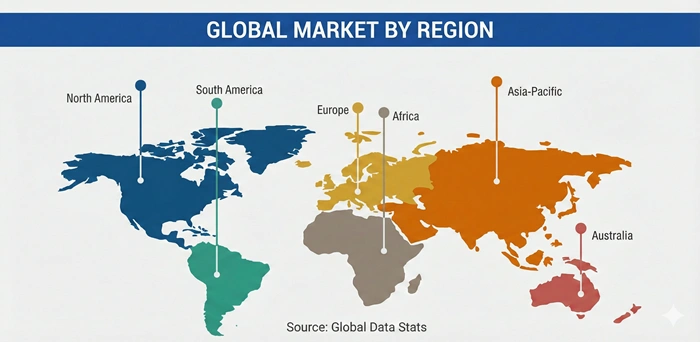
North America holds the dominant position in the global nuclear medicine market, accounting for approximately 45% of total global revenue in 2025 and projected to maintain a CAGR of 11.9% through 2033. The United States is by far the most significant national market, driven by the world's most advanced nuclear medicine clinical infrastructure, the earliest commercial launches of targeted radionuclide therapies, comprehensive reimbursement coverage for established nuclear medicine procedures, and the presence of the world's leading radiopharmaceutical companies — including Lantheus Holdings, Novartis Advanced Accelerator Applications, Eli Lilly, Bristol Myers Squibb, and Curium Pharma. The rapid commercial scaling of Pluvicto for metastatic castration-resistant prostate cancer — which achieved extraordinary uptake following FDA approval — has been a landmark event that validated the commercial potential of the entire radioligand therapy segment and triggered a wave of investment into nuclear medicine manufacturing infrastructure across the country.
Canada contributes meaningfully to regional market strength, with Health Canada approvals for lutetium-based therapies and a growing network of PET/CT-equipped academic and community hospitals providing expanding nuclear medicine services. The robust FDA regulatory pathway for radiopharmaceuticals — including expedited approval mechanisms for innovative oncology applications — ensures continued innovation-driven market expansion in North America. Federal investment in nuclear science infrastructure through the Department of Energy and NIH funding of nuclear medicine research at academic medical centers further strengthens the region's long-term leadership in developing and adopting next-generation nuclear medicine technologies.
Asia-Pacific
Asia-Pacific Is the Fastest-Growing Region in the Nuclear Medicine Market, Driven by Rapidly Expanding PET/CT Infrastructure, Rising Cancer Burden, and Government Investment in Nuclear Medicine Capabilities
Asia-Pacific is the most dynamic regional growth market in the global nuclear medicine landscape, projected to expand at a CAGR of 15.2% from 2026 to 2033 — the highest rate of any global region. The region currently accounts for approximately 28% of global nuclear medicine market revenue, with Japan, China, South Korea, India, and Australia representing the largest national markets. Japan is the most mature nuclear medicine market in Asia-Pacific, with a long-established network of PET/CT centers, strong regulatory approvals for radiopharmaceutical products, and growing adoption of radioligand therapies consistent with the country's advanced oncology care standards. China is the fastest-growing national market within the region, where an aggressive government program of hospital and imaging center construction — combined with rapidly rising cancer incidence — is driving extraordinary growth in nuclear medicine procedure volumes and expanding demand for both diagnostic tracers and therapeutic radiopharmaceuticals. Leading companies active across the Asia-Pacific nuclear medicine market include Siemens Healthineers, GE HealthCare, Lantheus Holdings, Nihon Medi-Physics, and Fujifilm Toyama Chemical.
India represents a transformational long-term growth opportunity within Asia-Pacific for the nuclear medicine market. While currently limited in nuclear medicine infrastructure relative to its population, India is investing meaningfully in building new PET/CT-equipped cancer centers across major metro areas, supported by government cancer control programs and growing private hospital investment. The number of nuclear medicine centers in India has been growing steadily, and the entry of international radiopharmaceutical companies through local partnerships and distribution agreements is gradually improving access to a broader range of diagnostic and therapeutic nuclear medicine products. Southeast Asia — including Thailand, Malaysia, Vietnam, and Indonesia — is also developing its nuclear medicine capabilities as rising middle-class healthcare investment and growing cancer awareness drive demand for advanced diagnostic imaging services across the region.
Top Key Players
-
Novartis AG / Advanced Accelerator Applications (Switzerland)
-
Lantheus Holdings Inc. (United States)
-
Eli Lilly and Company (United States)
-
Bristol Myers Squibb (United States)
-
Curium Pharma (France)
-
GE HealthCare Technologies Inc. (United States)
-
Siemens Healthineers AG (Germany)
-
AstraZeneca plc (United Kingdom)
-
Bracco Imaging S.p.A. (Italy)
-
Jubilant Radiopharma (Canada)
-
Nihon Medi-Physics Co. Ltd. (Japan)
-
RayzeBio Inc. (United States)
Recent Developments
-
Novartis / Advanced Accelerator Applications (2025) — Continued the global commercial expansion of Pluvicto (lutetium-177 PSMA-617) for metastatic castration-resistant prostate cancer, adding new authorized treatment centers across the United States and European markets, while reporting strong Phase 3 clinical data for actinium-225 PSMA-targeted alpha therapy in an expanded patient population — a potential next-generation successor to the current beta-emitting radioligand therapy
-
Eli Lilly (2024–2025) — Completed the acquisition of POINT Biopharma and its radiopharmaceutical manufacturing infrastructure, acquiring significant PB2452 and other pipeline radioligand therapy assets, while simultaneously advancing clinical programs targeting multiple solid tumor indications and investing in new radiopharmaceutical production facility capacity to support anticipated commercial-scale manufacturing demands
-
Lantheus Holdings (2025) — Reported continued strong revenue growth for its PYLARIFY (piflufolastat F18) PSMA-PET imaging agent and expanded its commercial partnerships with PET manufacturing sites globally, while advancing its pipeline of therapeutic and diagnostic radiopharmaceuticals including MK-6240 tau PET tracer and multiple oncology-focused molecular imaging agents through clinical development
-
Bristol Myers Squibb (2025) — Advanced its radioligand therapy pipeline through a series of strategic collaborations with academic nuclear medicine centers and specialized radiopharmaceutical development companies, focusing on targeted alpha-emitting agents for hematological malignancies and solid tumors where current treatment options remain limited and nuclear medicine-based approaches show early promise
-
AstraZeneca (2025) — Strengthened its nuclear medicine and theranostics strategy through a major licensing agreement with a specialized radiopharmaceutical developer focused on fibroblast activation protein (FAP)-targeted theranostics, representing a strategic commitment to expanding beyond established PSMA and SSTR targets toward novel molecular targets with broad oncology applicability across the nuclear medicine market
Market Trends
The Theranostics Paradigm Expansion Into New Cancer Indications and the Rising Investment in Alpha-Emitting Radiopharmaceuticals Are the Most Transformative Trends Shaping the Nuclear Medicine Market Today
The most consequential trend in the nuclear medicine market is the rapid broadening of the theranostic paradigm beyond its current stronghold in prostate cancer and neuroendocrine tumors into a wide array of additional oncology indications. Theranostic pairs — where a diagnostic imaging agent and a therapeutic radioligand share the same targeting vector — are being developed for breast cancer (HER2-targeted), glioblastoma (integrin-targeted), melanoma, ovarian cancer, and multiple myeloma, among others. The theranostic concept's fundamental appeal — that patients who demonstrate good tumor targeting on diagnostic imaging are inherently selected for a high probability of therapeutic benefit — is compelling to oncologists, regulators, and payers alike, creating a streamlined clinical development and approval pathway that is expected to accelerate market entry of new theranostic pairs across the forecast period.
The growing investment in alpha-emitting radiopharmaceuticals represents the second major trend. While lutetium-177-based beta-emitting therapies have validated the radioligand therapy concept, alpha particles — with their shorter range, higher linear energy transfer, and correspondingly greater cancer cell killing efficiency — are expected to deliver superior tumor control, particularly in cancers with low radiosensitivity or heterogeneous expression of target antigens. Actinium-225 is the most actively developed alpha-emitting isotope, and multiple programs targeting prostate cancer, acute myeloid leukemia, and metastatic solid tumors are advancing through clinical trials. Supply chain development for actinium-225 — which is currently extremely limited — is an active area of strategic investment by governments, academic institutions, and commercial entities seeking to enable the clinical and commercial scaling of targeted alpha therapy across the nuclear medicine market.
Segments Covered in the Report
By Type:
-
Diagnostic Nuclear Medicine
-
Therapeutic Nuclear Medicine (Radioligand Therapy)
By Product:
-
Radiopharmaceuticals (Technetium-99m, FDG, PSMA Ligands, DOTATATE, Others)
-
Nuclear Medicine Equipment (PET Scanners, SPECT Scanners, PET/CT Systems, Cyclotrons)
-
Dosimetry and Treatment Planning Systems
-
Others
By Isotope:
-
Technetium-99m (Tc-99m)
-
Fluorine-18 (F-18)
-
Lutetium-177 (Lu-177)
-
Iodine-131 (I-131)
-
Actinium-225 (Ac-225)
-
Others
By Application:
-
Oncology
-
Cardiology
-
Neurology
-
Thyroid Disorders
-
Others
By End User:
-
Hospitals and Clinics
-
Diagnostic Imaging Centers
-
Research and Academic Institutions
-
Cancer Treatment Centers
-
Others
By Region:
-
North America (United States, Canada, Mexico)
-
Europe (Germany, United Kingdom, France, Netherlands, Italy, Spain, Rest of Europe)
-
Asia-Pacific (Japan, China, India, South Korea, Australia, Rest of Asia-Pacific)
-
Latin America (Brazil, Argentina, Rest of Latin America)
-
Middle East & Africa (UAE, Saudi Arabia, South Africa, Rest of MEA)
Frequently Asked Questions
Question 1: What is the current size of the global nuclear medicine market?
Answer: The global nuclear medicine market is valued at USD 11.65 billion in 2025 and is projected to reach USD 29.33 billion by 2033. The market is growing at a CAGR of 12.5% from 2026 to 2033, driven by the commercial expansion of targeted radionuclide therapies, rising cancer diagnostic imaging volumes, and accelerating adoption of the theranostic treatment paradigm.
Question 2: Which application segment leads the nuclear medicine market?
Answer: Oncology is the leading application segment in the nuclear medicine market, contributing approximately 41% of total application revenue in 2025, driven by the extensive clinical use of PET/CT imaging for cancer staging and treatment monitoring alongside rapidly growing radioligand therapy adoption. Cardiology is the second-largest application, with myocardial perfusion SPECT maintaining high utilization in coronary artery disease evaluation globally.
Question 3: What is driving the fastest growth in the nuclear medicine market?
Answer: Therapeutic radiopharmaceuticals — particularly lutetium-177-based radioligand therapies such as Pluvicto and Lutathera — are driving the fastest growth in the nuclear medicine market, projected to expand at a CAGR of 20.2% through 2033. The expanding pipeline of next-generation targeted alpha therapy agents and the broadening theranostic application into new oncology indications are expected to sustain this exceptional growth trajectory throughout the forecast period.
Question 4: Which region dominates the nuclear medicine market globally?
Answer: North America holds the leading position in the nuclear medicine market, accounting for approximately 45% of global revenue in 2025, supported by the world's most advanced radiopharmaceutical manufacturing infrastructure, earliest FDA approvals of radioligand therapies, and comprehensive clinical adoption of both diagnostic and therapeutic nuclear medicine services. The United States is the primary national market, anchored by the commercial success of Pluvicto and Lutathera and a rapidly expanding pipeline of next-generation radiopharmaceuticals.
Question 5: What are the key trends shaping the nuclear medicine market through 2033?
Answer: The expansion of the theranostic paradigm into new cancer indications including breast cancer, glioblastoma, and melanoma is the most defining commercial trend in the nuclear medicine market through 2033. The growing investment in targeted alpha therapy using actinium-225 and other alpha-emitting isotopes represents the next major technological wave, potentially delivering superior tumor control compared to current beta-emitting radioligand therapies and creating important new treatment categories within the market.