
Non-Invasive Body Contouring Market Overview
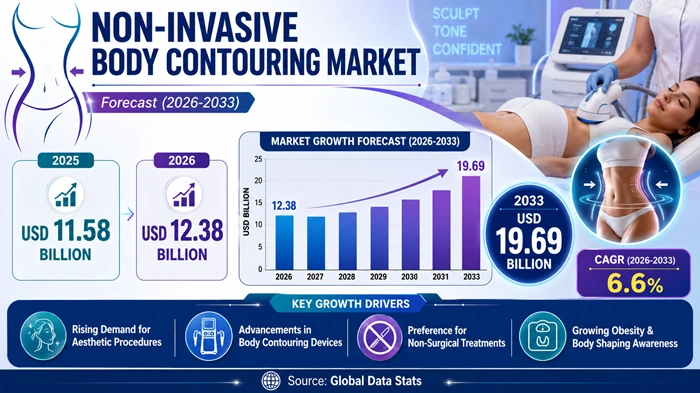
The global Non-Invasive Body Contouring market size is valued at USD 11.58 billion in 2025 and is predicted to increase from USD 12.38 billion in 2026 to approximately USD 19.69 billion by 2033, growing at a CAGR of 6.6% from 2026 to 2033. Non-invasive body contouring encompasses a broad range of aesthetic technologies — including cryolipolysis, high-intensity focused ultrasound (HIFU), radiofrequency (RF) energy treatments, laser-based fat reduction, and electromagnetic muscle stimulation — that reshape and tone the body without surgical incisions, anesthesia, or extended recovery periods. Rising aesthetic consciousness globally, growing dissatisfaction with surgical procedures due to risks and downtime, expanding medical spa and aesthetic clinic networks, and continuous innovation in device technology are collectively driving robust demand for non-invasive body shaping solutions across diverse consumer demographics.
AI Impact on the Non-Invasive Body Contouring Industry
Artificial Intelligence Is Transforming How Body Contouring Treatments Are Personalized, Delivered, and Monitored — Setting a New Standard for Treatment Precision, Patient Satisfaction, and Practice Revenue
Artificial intelligence is rapidly becoming embedded in the non-invasive body contouring industry — reshaping everything from patient consultation to treatment delivery to outcome measurement. AI-powered body scanning and analysis platforms are enabling clinicians to create highly accurate three-dimensional body maps, quantify localized fat deposits, and identify areas of skin laxity or muscle imbalance with a precision that was previously unavailable in the aesthetic treatment setting. These detailed assessments allow practitioners to design customized, multi-technology treatment protocols tailored to each patient's unique anatomy and aesthetic goals — driving meaningfully better outcomes and stronger patient retention. Leading device companies are integrating AI consultation tools directly into their clinical platforms, streamlining the journey from initial patient inquiry through treatment planning and outcomes documentation.
Beyond clinical applications, AI is being deployed across the business operations of aesthetic practices to optimize booking systems, predict patient no-shows, identify cross-selling opportunities, and generate personalized follow-up communication. Machine learning algorithms are analyzing large treatment outcome datasets to identify which device combinations, treatment protocols, and patient profiles produce the highest satisfaction rates — enabling continuous protocol improvement at both individual practice and manufacturer levels. In device manufacturing, AI is accelerating the development of next-generation platforms by enabling faster simulation of energy delivery patterns, optimizing applicator design parameters, and predicting clinical performance under diverse tissue conditions. As these capabilities mature, AI is expected to be a central competitive differentiator in the non-invasive body contouring market, rewarding technology companies that invest in data-driven innovation with stronger market positioning and clinical credibility.
Growth Factors
Rising Global Obesity Rates, Growing Aesthetic Consciousness Among Millennials and Gen Z, and the Proliferation of Medical Spa Culture Are Powering Sustained Market Expansion
The most foundational growth driver for the non-invasive body contouring market is the escalating global prevalence of overweight and obesity, which now affects more than 2.5 billion adults worldwide. As excess body fat becomes an increasingly widespread concern across all age groups, demand for safe, effective, and convenient body reshaping solutions has grown dramatically. Non-invasive treatments offer consumers a medically credible option for reducing stubborn fat deposits and improving body contour without the complications, scarring, and extended recovery associated with liposuction or surgical tucks. The growing clinical evidence base supporting the efficacy of cryolipolysis, RF body sculpting, and electromagnetic muscle stimulation in achieving measurable, lasting results is reinforcing consumer confidence and driving repeat treatment rates at aesthetic clinics globally.
The dramatic rise of social media culture and the aesthetic expectations it creates — particularly among Millennials and Generation Z consumers — has been a powerful commercial accelerant for non-invasive body contouring. Platforms like Instagram, TikTok, and YouTube have dramatically increased awareness of body sculpting treatments, normalized their use among younger demographics, and created strong word-of-mouth recommendation dynamics through before-and-after content. Simultaneously, the explosive growth of the medical spa industry — particularly in North America, Europe, and urban Asia Pacific centers — has dramatically expanded the point-of-care access for these treatments, making them available in a much broader and more convenient retail healthcare setting than was possible through traditional dermatology or plastic surgery practices. The growing participation of general practitioners and OB-GYN providers in the aesthetic treatment space is also expanding the addressable patient population.
Market Outlook
A Maturing Technology Landscape, Expanding Consumer Demographics, and the Entry of High-Net-Worth Emerging Market Consumers Are Building a Compelling Growth Environment for the Non-Invasive Body Contouring Market Through 2033
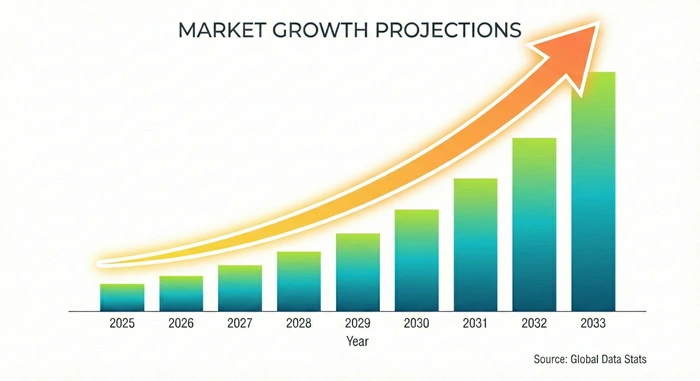
The non-invasive body contouring market is positioned for sustained and diversified growth through 2033, driven by both the maturation of existing technology categories and the emergence of new treatment modalities that expand clinical capabilities and addressable patient populations. Cryolipolysis and RF-based treatments have established deep market penetration in North America and Europe, and their continued evolution — particularly through combination protocols and next-generation applicator designs — is sustaining treatment volume growth in these developed markets. Asia Pacific represents the most dynamic expansion frontier, where rising disposable incomes, growing aesthetic service adoption among middle-class consumers, and expanding medical aesthetic clinic networks in China, South Korea, Japan, and India are driving rapidly accelerating demand for non-invasive body sculpting treatments.
Looking forward to 2033, the growth of at-home and wearable body contouring devices represents an important emerging market dimension. Consumer-grade low-level laser therapy, EMS devices, and RF wearables are gaining traction as affordable complements to in-clinic professional treatments, expanding the overall market by reaching consumers who seek body contouring benefits outside of a clinical setting. The growing integration of body contouring treatments into comprehensive wellness programs — combining non-invasive fat reduction with nutritional counseling, lifestyle coaching, and metabolic health monitoring — is also opening new revenue opportunities at premium wellness centers and medical weight management clinics. Companies that successfully combine clinical efficacy with digital engagement tools and comprehensive consumer wellness ecosystems will be best positioned to capture the full breadth of market growth through the forecast horizon.
Expert Speaks
-
"The aesthetic medical device industry is experiencing a defining transformation — as AI-powered personalization, combination treatment protocols, and the medical spa expansion continue to reshape how consumers access and experience non-invasive body contouring, the companies that invest in both clinical innovation and consumer experience will define the next decade of market leadership," — Anne White, President, AbbVie Aesthetics, underscoring the strategic importance of technology and consumer engagement in the aesthetic body contouring space.
-
"We are seeing powerful momentum across our body sculpting portfolio — patients increasingly prefer outcomes-driven non-invasive treatments that fit into their lives without the downtime of surgery, and our focus remains on developing next-generation platforms that deliver transformative results with the convenience and safety that today's aesthetic consumer demands," — Todd Fruchterman, President & CEO, Invacare Corporation (Medical Aesthetics Segment), highlighting the patient-centric drivers reshaping the body contouring technology landscape.
-
"The global body aesthetics market is growing faster than almost any other segment in medical devices, and the non-invasive contouring category is at the heart of that growth — driven by a new generation of consumers who view aesthetic treatments as a routine part of their self-care and wellness routines rather than an exceptional or stigmatized decision," — Liselotte Munk, CEO, Lumenis Ltd., highlighting the normalization of aesthetic treatments that is structurally expanding the addressable market for non-invasive body reshaping.
Key Report Takeaways
-
North America leads the global non-invasive body contouring market with approximately 38% revenue share in 2025, driven by the highest per-capita concentration of medical spas, aesthetic dermatology practices, and plastic surgery centers that actively invest in advanced non-invasive body sculpting technology, combined with strong consumer willingness to pay for premium aesthetic treatments and comprehensive private health insurance coverage for medical aesthetic consultations
-
Asia Pacific is the fastest-growing region, projected to expand at a CAGR of approximately 8.2% through 2033, fueled by South Korea's globally recognized medical aesthetics culture, China's rapidly expanding urban middle class with growing disposable income for aesthetic services, and Japan's advanced cosmetic medicine market that is increasingly adopting next-generation non-invasive fat reduction and skin tightening platforms
-
Medical spas and aesthetic clinics represent the dominant end-user segment, commanding approximately 52% market share in 2025, as these settings offer the combination of professional-grade device access, experienced clinician oversight, and premium consumer experience that drives the highest average treatment spend and strongest repeat visit rates
-
Cryolipolysis is the most widely adopted non-invasive body contouring technology, holding a 28% technology segment share in 2025, supported by more than a decade of clinical evidence validating its safety and efficacy for fat reduction, extensive brand recognition driven by the CoolSculpting platform, and its strong position across both premium and mid-market aesthetic clinic networks globally
-
Fat reduction and body sculpting is the leading application area, contributing approximately 46% of total procedure revenue in 2025, driven by the enormous volume of cryolipolysis, laser lipolysis, and RF fat reduction procedures performed annually at medical spas and aesthetic dermatology practices worldwide
-
Electromagnetic muscle stimulation (EMS) is the fastest-growing technology segment, expected to grow at a CAGR of approximately 10.5% through 2033 with a current share of 18%, propelled by the clinical dual benefit of simultaneous fat reduction and muscle building offered by platforms such as Emsculpt NEO, strong social media marketing, and expanding adoption among fitness-conscious consumers who seek body toning results beyond what fat reduction alone can achieve
Market Scope
| Report Coverage | Details |
|---|---|
| Market Size by 2025 | USD 11.58 Billion |
| Market Size by 2026 | USD 12.38 Billion |
| Market Size by 2033 | USD 19.69 Billion |
| Market Growth Rate from 2026 to 2033 | CAGR of 6.6% |
| Dominating Region | North America |
| Fastest Growing Region | Asia Pacific |
| Base Year | 2025 |
| Forecast Period | 2026 to 2033 |
| Segments Covered | By Technology, By Application, By End-User, By Gender, By Region |
| Regions Covered | North America, Europe, Asia Pacific, Latin America, Middle East & Africa |
Market Dynamics
Drivers Impact Analysis
Growing Obesity Prevalence, Surging Medical Spa Industry Expansion, and Continuous Technology Innovation Are Delivering Consistent and Measurable Upward Momentum in the Non-Invasive Body Contouring Market
| Driver | ≈ % Impact on CAGR Forecast | Geographic Relevance | Impact Timeline |
|---|---|---|---|
| Rising Global Obesity and Overweight Prevalence | ~2.0% | Global | Near to Long Term |
| Expansion of Medical Spa and Aesthetic Clinic Networks | ~1.7% | North America, Asia Pacific, Europe | Near to Long Term |
| Growing Aesthetic Consciousness Among Millennials/Gen Z | ~1.3% | Global | Near to Medium Term |
| Continuous Innovation in Device Technology (EMS, RF, Cryo) | ~1.0% | North America, Europe, Asia Pacific | Medium to Long Term |
| Increasing Social Media Influence on Aesthetic Treatment Demand | ~0.6% | Global | Near Term |
The rising global burden of obesity and excess body fat creates an enormous and consistently growing addressable market for non-invasive body contouring solutions. Unlike surgical alternatives, non-invasive technologies offer patients a practical, low-risk pathway to improving body composition without the financial burden, medical risk, or social stigma associated with cosmetic surgery. As healthcare professionals increasingly recognize the psychological and metabolic health impacts of body composition concerns, and as aesthetic treatments become more integrated into medical wellness programs, the overlap between clinical motivation and cosmetic desire is broadening the consumer base for non-invasive body sculpting significantly. This structural demand foundation is expected to sustain robust market growth regardless of economic cycles, as demonstrated by the resilience of aesthetic treatment spending through recent periods of macroeconomic uncertainty.
The explosive expansion of the medical spa industry is the most commercially significant near-term demand driver for non-invasive body contouring technology manufacturers and distributors. The number of operating medical spas in North America alone has grown at double-digit rates year-over-year, driven by the proliferation of franchise-format aesthetic wellness chains, the growing participation of primary care and OB-GYN physicians in aesthetic service delivery, and strong consumer preference for spa-like environments over clinical hospital settings for elective aesthetic procedures. Each new medical spa opening represents a fresh device procurement opportunity for manufacturers, and the competitive pressure among clinics to offer the latest body sculpting technologies — necessary to attract and retain demanding aesthetic consumers — drives continuous equipment refresh cycles that sustain device revenue streams.
Restraints Impact Analysis
High Device Acquisition Costs, Inconsistent Treatment Outcomes, and Growing Competition from Pharmacological Weight Loss Interventions Are Creating Meaningful Headwinds for the Non-Invasive Body Contouring Market
| Restraint | ≈ % Impact on CAGR Forecast | Geographic Relevance | Impact Timeline |
|---|---|---|---|
| High Cost of Professional-Grade Device Procurement | ~-1.2% | Latin America, MEA, Southeast Asia | Near to Medium Term |
| Competition from GLP-1 Weight Loss Drugs (Ozempic, Wegovy) | ~-1.0% | North America, Europe | Medium to Long Term |
| Inconsistent Patient Outcomes Reducing Repeat Treatment Rates | ~-0.6% | Global | Near Term |
| Lack of Regulatory Clarity for New Technologies in Emerging Markets | ~-0.4% | Asia Pacific, MEA, Latin America | Medium Term |
The competitive threat from GLP-1 receptor agonist weight loss medications — including semaglutide (Ozempic, Wegovy) and tirzepatide (Mounjaro) — represents the most actively debated restraint in the non-invasive body contouring market as of 2026. These pharmacological agents have demonstrated remarkable efficacy in achieving significant total body weight loss, and their rapidly growing consumer adoption — particularly in North America and Europe — is reshaping the body transformation landscape in ways that could divert some potential body contouring patients toward pharmaceutical solutions. Some aesthetic practitioners have observed a near-term softening in patient consultations for fat reduction treatments among weight loss drug users, though the longer-term clinical picture is more nuanced, as many GLP-1 users experience skin laxity and muscle loss that may actually increase demand for skin tightening and muscle stimulation treatments. The medium-term impact of this pharmacological disruption on the body contouring market remains actively evolving.
High device acquisition and maintenance costs present a persistent barrier to adoption, particularly in price-sensitive emerging markets and among small-to-mid-sized aesthetic practices. Professional-grade cryolipolysis systems, multi-platform RF combination devices, and EMS body sculpting platforms can require investments ranging from USD 50000 to over USD 200000 per unit, making them inaccessible without financing arrangements for many clinic operators. The leasing and subscription-based device access models introduced by manufacturers like BTL Aesthetics and Cutera are helping to address this barrier, but affordability remains a challenge that limits the pace of device penetration in markets outside of North America, Europe, and top-tier Asia Pacific cities. Manufacturers that develop more affordable, scalable platforms for mid-tier markets without compromising clinical outcomes will capture significant untapped commercial opportunity.
Opportunities Impact Analysis
Combination Treatment Protocols, At-Home Device Expansion, and the Intersection of Body Contouring with Medical Weight Management Are Creating Major New Growth Pathways
| Opportunity | ≈ % Impact on CAGR Forecast | Geographic Relevance | Impact Timeline |
|---|---|---|---|
| Combination Body Contouring Protocol Development | ~+2.0% | North America, Europe, Asia Pacific | Near to Long Term |
| At-Home and Consumer-Grade Body Sculpting Devices | ~+1.5% | North America, Europe | Near to Medium Term |
| Integration with Medical Weight Management Programs | ~+1.3% | North America, Europe | Medium to Long Term |
| Expanding Male Consumer Demographics for Body Contouring | ~+0.8% | Global | Near to Medium Term |
Combination treatment protocols — using multiple non-invasive technologies in a single treatment session or coordinated series — represent the most exciting clinical and commercial opportunity in the non-invasive body contouring market. Combining cryolipolysis for fat reduction with RF skin tightening for post-fat-removal skin laxity, or pairing EMS muscle stimulation with high-intensity ultrasound for simultaneous fat disruption and core strengthening, produces superior aesthetic outcomes that neither technology achieves alone. These multi-modality protocols drive higher per-patient revenue for clinics, justify premium pricing, and deliver the comprehensive body transformation that discerning aesthetic consumers increasingly demand. Device companies that develop multi-platform treatment ecosystems — or that design devices capable of delivering multiple energy modalities in a single system — are best positioned to capitalize on this growing demand for integrated treatment solutions.
The male aesthetic consumer market is an underappreciated but rapidly growing opportunity for non-invasive body contouring businesses. While female consumers have historically represented the majority of treatment volume, male demand for abdominal sculpting, chest definition, love handle reduction, and jaw contouring through non-invasive techniques is growing at a notably faster rate than the overall market. Platforms like Emsculpt NEO and Emsella have gained particular traction with male consumers who associate muscle-building EMS technology with fitness and performance rather than vanity — framing body sculpting in terms that resonate more naturally with male consumer psychology. Marketing initiatives that speak directly to male aesthetic preferences and fitness goals, combined with treatment positioning in gym and wellness center environments rather than traditional spa settings, represent a significant and underexploited growth lever for market participants.
Segment Analysis
By Technology
Cryolipolysis Leads the Non-Invasive Body Contouring Market in Procedure Volume While Electromagnetic Muscle Stimulation Emerges as the Fastest-Growing and Most Commercially Exciting Technology Category
Cryolipolysis holds the dominant position among body contouring technologies with a 28% share in 2025, generating approximately USD 3.24 billion in global revenue. This technology — which uses precisely controlled cooling to freeze and destroy subcutaneous fat cells without damaging surrounding skin or tissue — was pioneered by Allergan Aesthetics' CoolSculpting platform and has since become the most clinically validated and widely recognized non-invasive fat reduction technology in the world. The procedure's strong patient satisfaction scores, proven efficacy in multiple independent clinical studies, and the widespread brand awareness of CoolSculpting have made cryolipolysis the entry point for many first-time body contouring patients. North America is the largest market for cryolipolysis procedures, with Allergan Aesthetics (AbbVie) and Cynosure holding dominant market positions through their respective device platforms and treatment franchises. The segment is expected to grow at a CAGR of approximately 5.8% through 2033, supported by ongoing applicator innovation and expansion into new treatment areas including the submental region and back.
Electromagnetic muscle stimulation (EMS) is the fastest-growing technology in the non-invasive body contouring market, with a current 18% share in 2025 and a projected CAGR of approximately 10.5% through 2033. EMS platforms like BTL Aesthetics' Emsculpt NEO and Emsella deliver high-intensity focused electromagnetic energy that induces supramaximal muscle contractions — the equivalent of thousands of crunches or squats in a single session — while simultaneously delivering RF energy for fat reduction. This dual-action clinical profile distinguishes EMS from single-modality fat reduction technologies and appeals strongly to fitness-conscious consumers seeking body transformation results beyond what diet or exercise alone can achieve. Asia Pacific is the fastest-growing regional market for EMS technology, driven by South Korea's advanced aesthetic medicine ecosystem, China's growing urban wellness culture, and the rapid expansion of fitness-integrated aesthetic clinics in major metropolitan areas across the region. BTL Aesthetics and InMode are the leading companies driving innovation and market expansion in this rapidly evolving technology category.
By End-User
Medical Spas and Aesthetic Clinics Dominate Treatment Volume While Dermatology and Plastic Surgery Practices Command the Highest Average Revenue Per Procedure in the Body Contouring Landscape
Medical spas and aesthetic clinics represent the dominant end-user category in the non-invasive body contouring market, commanding approximately 52% of total market revenue in 2025 and generating around USD 6.02 billion. The explosive growth of the medical spa sector — driven by franchise expansion, direct-to-consumer digital marketing capabilities, and the consumer preference for accessible, spa-like aesthetic environments — has made these settings the primary access point for non-invasive body sculpting treatments globally. Medical spas typically invest in multiple device platforms to offer comprehensive treatment menus, creating strong recurring demand for device purchases, upgrades, and consumables from manufacturers. North America leads globally in medical spa density and revenue, with major aesthetic chains such as Ideal Image, Sono Bello, and LaserAway operating hundreds of locations that collectively generate billions in annual treatment revenue from non-invasive body contouring procedures. This segment is projected to grow at a CAGR of approximately 7.0% through 2033.
Dermatology and plastic surgery practices represent a smaller but high-value end-user segment at approximately 26% market share in 2025, distinguished by their higher average procedure value, physician-supervised treatment protocols, and preference for the most clinically sophisticated and highest-performing device platforms. These practices serve patients seeking the most effective and customized non-invasive body contouring treatment plans, and they typically invest in premium multi-platform systems that command the highest price points in the market. Europe is a particularly strong market for physician-delivered body contouring, where regulatory frameworks require medical supervision of energy-based aesthetic treatments, channeling a larger share of treatment volume through dermatology and plastic surgery offices compared to the less regulated medical spa environment in North America. Key device companies including Hologic (Cynosure), Candela Medical, and Cutera specifically target this segment through their clinical sales teams and medical education programs.
Regional Insights
North America
North America's Unmatched Medical Spa Density, High Consumer Spending on Aesthetic Treatments, and Market-Leading Device Innovation Position It as the Dominant Force in the Global Non-Invasive Body Contouring Market
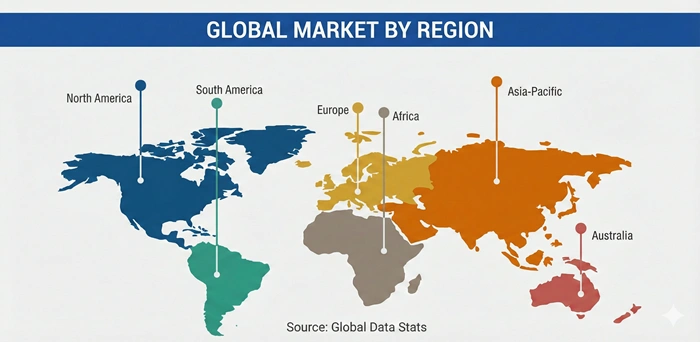
North America holds the largest share of the global non-invasive body contouring market at approximately 38% in 2025, generating around USD 4.40 billion in revenue, and is expected to grow at a CAGR of 5.8% through 2033. The United States is the engine of regional and global market activity, home to the largest number of operating medical spas and aesthetic clinics in the world, a highly brand-aware consumer base, and the primary global R&D and commercial launch market for new non-invasive body sculpting technologies. Strong consumer spending on aesthetic wellness, supported by flexible financing options widely available at aesthetic clinics, ensures high treatment volumes despite the out-of-pocket nature of most body contouring procedures. Leading companies including Allergan Aesthetics (AbbVie), Hologic (Cynosure), BTL Aesthetics, and InMode maintain their primary commercial operations and key account relationships within the North American market.
Canada contributes a meaningful and growing share of North American body contouring revenue, driven by a health-conscious urban population concentrated in cities like Toronto, Vancouver, and Montreal that closely mirrors U.S. consumer aesthetic preferences. The growing integration of non-invasive body contouring treatments into corporate wellness programs and preventive health platforms in North America is creating new institutional demand channels that could significantly expand treatment volumes beyond the traditional individual consumer market over the forecast period. The region is also the primary battleground for emerging GLP-1 drug competition with body contouring devices — and the clinical response from the aesthetic industry, focusing on skin tightening and muscle restoration for post-weight-loss patients, is actively reshaping the regional treatment landscape and generating new clinical positioning opportunities for non-invasive body contouring technologies.
Asia Pacific
Asia Pacific's Fastest-Growing Urban Middle Class, South Korea's Influential Medical Aesthetic Culture, and China's Rapidly Expanding Aesthetic Clinic Ecosystem Are Making It the Most Dynamic Growth Region in the Body Contouring Market
Asia Pacific is the fastest-growing region in the non-invasive body contouring market, holding approximately 24% market share in 2025 and projected to grow at the highest regional CAGR of approximately 8.2% through 2033. South Korea is the region's most advanced aesthetic medicine market and a global trendsetter in non-invasive body sculpting, with high treatment adoption rates driven by deeply embedded aesthetic culture, world-leading medical aesthetic training programs, and a dense concentration of cutting-edge aesthetic clinics serving both domestic patients and a large medical tourism clientele from across Asia. China represents the largest growth opportunity in absolute volume terms, with a massive and rapidly growing urban middle class embracing aesthetic wellness as a standard component of lifestyle spending, and government healthcare modernization programs creating infrastructure that supports the expansion of aesthetic medicine services across tier-2 and tier-3 cities. Key players active in Asia Pacific include BTL Aesthetics, Classys Inc. (South Korea), Hironic Co. Ltd. (South Korea), and global leaders like InMode who are expanding dedicated Asia Pacific commercial teams.
Japan's highly developed and discerning aesthetic consumer market continues to generate strong demand for premium, clinically validated non-invasive body contouring technologies, with a particular emphasis on gentle, comfortable treatment experiences and scientifically verified results that align with Japanese consumer expectations for medical-grade service quality. India represents a significant and rapidly emerging growth market within Asia Pacific, as rising disposable incomes among the urban professional class, growing awareness of body contouring technologies through social media, and expanding private aesthetic clinic infrastructure in metropolitan centers like Mumbai, Delhi, and Bangalore are creating a growing addressable market for non-invasive body sculpting services. The region's overall trajectory is reinforced by strong local manufacturing investment from South Korean and Chinese device companies, which are producing cost-competitive body contouring platforms that are making treatments accessible at lower price points across Southeast Asia and other price-sensitive regional markets.
Report Customization: Region-Wise and Country-Wise Insights Available on Request
This Report Can Be Fully Customized for Every Region and Country — Providing the Locally Specific Market Intelligence Your Business Needs to Succeed in the Rapidly Growing Global Non-Invasive Body Contouring Landscape
Customized versions of this report are available for each region and country listed below. Every customized report delivers in-depth market analysis, local consumer demand trends, competitive landscape, regulatory environment, key player profiles, and growth opportunity assessments specifically tailored to the selected geography and the non-invasive body contouring market topic combination.
North America
-
U.S. — medical spa industry growth analysis, state-level regulatory landscape for energy-based aesthetic devices, leading device platform market share, and treatment volume trends across major metropolitan aesthetic markets
-
Canada — provincial healthcare framework impacts on aesthetic services, major aesthetic chain expansion, and consumer spending trends on non-invasive body sculpting treatments
-
Mexico — medical tourism dynamics for aesthetic procedures, growing private aesthetic clinic market, and device procurement trends among leading treatment providers
Europe
-
U.K. — MHRA regulatory environment for aesthetic devices, private aesthetic clinic competitive landscape, and consumer demand trends for non-invasive fat reduction and skin tightening
-
Germany — physician-supervised aesthetic treatment framework, leading medical aesthetic clinic landscape, and premium device adoption trends among German dermatology and aesthetic medicine practices
-
France — haute aesthetic culture and premium body contouring demand, regulatory environment under ANSM, and medical spa expansion analysis
-
Italy — aesthetic medicine tradition and professional body contouring adoption, regulatory landscape, and device market competitive dynamics
-
Rest of Europe — Eastern and Northern European aesthetic clinic market development, cross-border treatment tourism flows, and consumer awareness growth for non-invasive body sculpting
Asia Pacific
-
China — tier-1 and tier-2 city medical aesthetic clinic expansion, domestic device manufacturer competitive landscape, and government healthcare investment impacts on aesthetic treatment access
-
India — urban middle-class aesthetic spending growth, private clinic investment in premium body sculpting devices, and social media-driven treatment awareness trends
-
Japan — premium aesthetic technology adoption, consumer preference for comfort-focused non-invasive treatments, and competitive clinic market analysis
-
South Korea — global aesthetic leadership role, medical tourism body contouring market, and leading domestic device manufacturer analysis including Classys and Hironic
-
Australia — TGA regulatory framework for aesthetic devices, medical spa market growth analysis, and consumer spending trends across major Australian metropolitan markets
-
Rest of Asia Pacific — Southeast Asian country-level aesthetic clinic market development, affordability-focused device adoption, and medical tourism opportunity analysis
Latin America
-
Brazil — Latin America's largest aesthetic market, ANViSA regulatory environment, and leading aesthetic clinic competitive landscape for body contouring services
-
Argentina — growing aesthetic medicine market, local economic dynamics impacting premium device adoption, and consumer trend analysis
-
Rest of Latin America — regional aesthetic market development, cross-border treatment flow analysis, and device distribution channel opportunities
Middle East & Africa
-
UAE — Dubai and Abu Dhabi's world-class medical aesthetic hub analysis, health tourism body contouring market, and regulatory framework under DHA and DOH
-
Saudi Arabia — Vision 2030 healthcare investment impacts on aesthetic medicine, growing domestic aesthetic clinic market, and premium device adoption trends
-
Rest of MEA — GCC aesthetic clinic market expansion, growing African middle-class aesthetic treatment demand, and device market entry opportunity analysis
Top Key Players
-
Allergan Aesthetics (AbbVie Inc.) (United States)
-
Hologic Inc. (Cynosure) (United States)
-
BTL Aesthetics (Czech Republic)
-
InMode Ltd. (Israel)
-
Candela Medical (United States)
-
Cutera Inc. (United States)
-
Solta Medical (Bausch Health) (United States)
-
Classys Inc. (South Korea)
-
Lumenis Ltd. (Israel)
-
Syneron-Candela (United States)
-
Hironic Co. Ltd. (South Korea)
-
Venus Concept (Canada)
-
Merz Aesthetics (Germany)
-
Palomar Medical Technologies (United States)
-
Zemits Group (United States)
Recent Developments
-
In 2025, AbbVie (Allergan Aesthetics) launched the next-generation CoolSculpting Elite platform with enhanced applicator coverage areas and improved treatment cycle time, reinforcing its position as the global market leader in cryolipolysis-based non-invasive fat reduction and responding competitively to growing EMS-based body sculpting technology penetration.
-
In 2025, BTL Aesthetics expanded its Emsculpt NEO commercial network into 12 new Asia Pacific markets, establishing dedicated clinical training centers in South Korea, Japan, and China to accelerate physician adoption of its electromagnetic muscle stimulation and RF combination platform across the region's rapidly growing aesthetic medicine ecosystem.
-
In 2026, InMode Ltd. reported record annual revenue growth driven primarily by its body contouring technology portfolio, including Evolve and BodyTite platforms, and announced plans to expand its Asia Pacific commercial operations with dedicated regional sales and clinical support teams to capitalize on accelerating market demand in China and Southeast Asia.
-
In 2025, Classys Inc. (South Korea) received FDA 510(k) clearance for its Ultraformer III HIFU platform for non-invasive body contouring and skin tightening indications, enabling the company to formally enter the premium U.S. medical spa market and compete directly with established North American device brands for the first time.
-
In 2024, Cutera Inc. completed a strategic restructuring of its aesthetics device portfolio, refocusing commercial investment on its highest-performing non-invasive body contouring platforms — including TruSculpt iD and TruSculpt flex — while streamlining its product line to improve operational efficiency and strengthen margins in a competitive device market environment.
Market Trends
The Convergence of Body Contouring with Medical Weight Management and the Rise of Subscription-Based Treatment Models Are Defining the Next Competitive Era in the Non-Invasive Body Contouring Market
One of the most strategically significant trends reshaping the non-invasive body contouring market is the growing integration of body sculpting treatments within comprehensive medical weight management programs. As GLP-1 medications drive significant weight loss in a growing patient population, aesthetic practitioners are increasingly positioning non-invasive body contouring technologies — particularly skin tightening, muscle-building EMS, and targeted fat reduction platforms — as essential post-weight-loss body refinement tools. This clinical repositioning creates a compelling new patient pathway that actually leverages the GLP-1 adoption trend rather than competing against it, and it has driven meaningful increases in treatment volume at aesthetic practices that have proactively developed weight management partnership programs. Device companies that create clinical protocols specifically addressing the body composition changes associated with pharmacological weight loss are capturing a first-mover advantage in this emerging market segment.
A second defining trend is the rapid growth of subscription-based and membership treatment models at medical spas and aesthetic clinics. Rather than selling individual body contouring treatment packages at high upfront costs, forward-thinking clinic operators are offering monthly membership programs that include a set number of sessions per period, encouraging consistent treatment frequency that improves patient outcomes while generating predictable recurring revenue for the practice. These models dramatically improve patient retention, increase lifetime customer value, and lower the psychological barrier to initiating treatment — particularly among younger consumers accustomed to subscription-based service models in other areas of their lives. For device manufacturers, the growth of membership programs increases overall treatment volume per device, improving the ROI calculation for clinic operators and supporting stronger device procurement investment across the medical spa market.
Segments Covered in the Report
By Technology
-
Cryolipolysis
-
Single Cycle
-
DualSculpting (Simultaneous Dual Treatment)
-
-
High-Intensity Focused Ultrasound (HIFU)
-
Radiofrequency (RF) Body Contouring
-
Monopolar RF
-
Bipolar RF
-
Multipolar RF
-
-
Laser-Based Fat Reduction
-
Low-Level Laser Therapy (LLLT)
-
High-Intensity Laser
-
-
Electromagnetic Muscle Stimulation (EMS)
-
High-Intensity Focused Electromagnetic (HIFEM)
-
HIFEM + RF Combination
-
-
Others (Ultrasound Cavitation, LED Therapy)
By Application
-
Fat Reduction and Body Sculpting
-
Skin Tightening and Cellulite Reduction
-
Muscle Toning and Definition
-
Post-Weight-Loss Body Refinement
-
Others
By End-User
-
Medical Spas and Aesthetic Clinics
-
Dermatology Practices
-
Plastic and Cosmetic Surgery Practices
-
Hospitals and Outpatient Surgical Centers
-
At-Home Users (Consumer-Grade Devices)
By Gender
-
Female
-
Male
By Region
-
North America (U.S., Canada, Mexico)
-
Europe (U.K., Germany, France, Italy, Rest of Europe)
-
Asia Pacific (China, India, Japan, South Korea, Australia, Rest of Asia Pacific)
-
Latin America (Brazil, Argentina, Rest of Latin America)
-
Middle East & Africa (UAE, Saudi Arabia, Rest of MEA)
❝ Built for Every Level — From Startups to Industry Giants ❞
Here Is Exactly How This Report Works for You
-
For Tier 1 medical device corporations, major medical spa chains, and institutional investors evaluating the non-invasive body contouring market, this report provides a detailed competitor revenue analysis — including device platform revenue streams, treatment protocol market share, and corporate strategic moves by Allergan Aesthetics, BTL Aesthetics, InMode, and Hologic — alongside a structured assessment of how geopolitical factors such as U.S.-China trade dynamics, EU MDR device regulation, and emerging market healthcare policy are shaping supply chain decisions, device pricing strategy, and international market expansion planning in the aesthetic device sector.
-
For Tier 2 and Tier 3 aesthetic device distributors, independent medical spa operators, emerging technology developers, and regional clinic chains, this report maps supply-demand dynamics across all major body contouring technology categories and geographic markets — identifying the highest-growth application segments, most underserved regional opportunities, and strategic positioning approaches that allow mid-market players to compete effectively against well-financed incumbents through technology specialization, geographic market focus, and consumer experience differentiation.
-
For private equity investors, venture capital firms, and strategic corporate acquirers evaluating aesthetics medical device and clinic platform investments, this report provides a rigorous forecast with segment-level CAGR projections, a comprehensive review of M&A activity and clinical technology launches, and a forward-looking assessment of how the GLP-1 disruption, subscription treatment models, combination protocol development, and at-home device market expansion are collectively reshaping competitive dynamics and value creation opportunities in the global non-invasive body contouring market through 2033.
Frequently Asked Questions
Question 1: What is the current market size of the non-invasive body contouring market and how will it grow by 2033?
Answer: The non-invasive body contouring market is valued at USD 11.58 billion in 2025 and is projected to reach approximately USD 19.69 billion by 2033. The market is expanding at a CAGR of 6.6% from 2026 to 2033, driven by rising aesthetic demand, medical spa industry growth, and continuous technology innovation.
Question 2: Which technologies are most widely used in the non-invasive body contouring market?
Answer: Cryolipolysis holds the largest share at 28% in 2025, supported by years of clinical evidence and the global CoolSculpting brand dominance, while electromagnetic muscle stimulation (EMS) is the fastest-growing technology segment in the non-invasive body contouring market. Radiofrequency, HIFU, and laser-based fat reduction platforms also represent significant and growing procedure volumes across major global markets.
Question 3: How are GLP-1 weight loss drugs affecting the non-invasive body contouring market?
Answer: GLP-1 medications like Ozempic and Wegovy present a complex dynamic for the non-invasive body contouring market, as they are driving significant weight loss in a growing patient population while simultaneously creating new demand for skin tightening, muscle building, and body refinement treatments among post-weight-loss patients. Many aesthetic practitioners are repositioning body contouring technologies as complementary tools for GLP-1 users rather than competing alternatives, creating new treatment protocols that leverage rather than conflict with the weight loss drug trend.
Question 4: Which region leads the non-invasive body contouring market and which is growing fastest?
Answer: North America leads the non-invasive body contouring market with approximately 38% revenue share in 2025, supported by the world's highest medical spa density and strong consumer spending on aesthetic treatments. Asia Pacific is the fastest-growing region with a CAGR of approximately 8.2% through 2033, driven by South Korea's aesthetic leadership, China's expanding urban middle class, and rapidly growing aesthetic clinic networks across the region.
Question 5: What are the key growth opportunities in the non-invasive body contouring market through 2033?
Answer: The most significant growth opportunities in the non-invasive body contouring market include the development of combination multi-technology treatment protocols that deliver superior aesthetic outcomes, the expansion of male consumer demographics for body sculpting services, and the integration of non-invasive body contouring within comprehensive medical weight management programs for GLP-1 drug users. Growing at-home device adoption and the expansion of subscription-based treatment membership models at medical spas also represent important commercial growth dimensions through the forecast period.