
Nexletol Market Overview
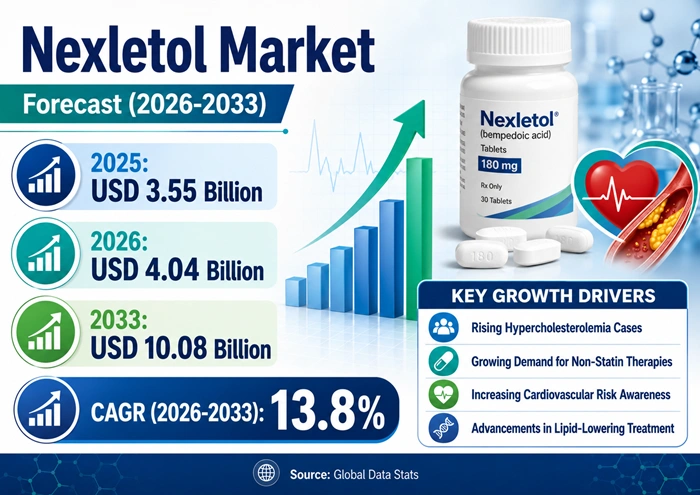
The global Nexletol market size is valued at USD 3.55 billion in 2025 and is predicted to increase from USD 4.04 billion in 2026 to approximately USD 10.08 billion by 2033, growing at a CAGR of 13.8% from 2026 to 2033. Nexletol (bempedoic acid) is an oral, non-statin lipid-lowering therapy developed by Esperion Therapeutics that works by inhibiting ATP-citrate lyase — an enzyme upstream of HMG-CoA reductase in the cholesterol biosynthesis pathway — to reduce low-density lipoprotein cholesterol (LDL-C) levels in patients with hypercholesterolemia and atherosclerotic cardiovascular disease (ASCVD). The growing global burden of cardiovascular disease, rising rates of statin intolerance among patients requiring LDL-C management, expanding clinical evidence supporting bempedoic acid's cardiovascular risk reduction benefits, increasing physician acceptance of non-statin alternatives in lipid management guidelines, and ongoing label expansion efforts are collectively driving strong and sustained commercial momentum for the broader bempedoic acid therapeutics market through 2033.
AI Impact on the Nexletol Industry
Artificial Intelligence Is Transforming Patient Identification, Clinical Development Acceleration, and Commercial Strategy Optimization for the Nexletol Market — Enabling Faster Access, Better Patient Outcomes, and More Efficient Prescribing Decisions Across the Global Cardiovascular Therapeutics Landscape
Artificial intelligence is beginning to reshape how bempedoic acid therapies are developed, prescribed, and managed across the global cardiovascular drug market. AI-powered real-world data analytics platforms are helping pharmaceutical companies and healthcare systems identify the specific patient subpopulations most likely to benefit from Nexletol — including statin-intolerant patients, those with residual LDL-C elevation on maximum-dose statin therapy, and high-risk ASCVD patients who require additional LDL-C lowering beyond what statins alone can achieve. These patient identification and segmentation tools are improving prescribing precision, reducing clinical inertia in lipid management, and accelerating the appropriate deployment of bempedoic acid therapy to the patients who will derive the greatest cardiovascular risk reduction benefit. Machine learning models analyzing electronic health record data are also enabling proactive identification of at-risk patients who have not yet been evaluated for non-statin LDL-lowering therapy — expanding the addressable prescribing market for the Nexletol market beyond the currently treated patient pool.
In clinical development, AI-driven drug discovery and clinical trial optimization tools are supporting Esperion Therapeutics and potential future competitors in identifying new combination therapy strategies, patient selection biomarkers, and label expansion opportunities for bempedoic acid. Predictive modeling of clinical trial outcomes, AI-assisted patient recruitment optimization, and digital biomarker development for cardiovascular disease monitoring are all accelerating the pace at which clinical evidence supporting expanded use of bempedoic acid can be generated and presented to regulatory agencies. On the commercial side, AI-powered physician engagement platforms are enabling more targeted and personalized medical education and promotional outreach to cardiologists, lipidologists, and primary care physicians — improving the efficiency of commercial investment and accelerating prescription adoption in key physician segments with the highest patient volume potential for non-statin LDL-lowering therapy.
Growth Factors
The Accelerating Global Cardiovascular Disease Burden, Widespread Statin Intolerance in LDL Management, and Landmark Clinical Evidence Demonstrating Nexletol's Hard Cardiovascular Endpoint Benefits Are the Primary Commercial Growth Engines for the Nexletol Market
The most fundamental driver of the Nexletol market is the enormous and growing global prevalence of cardiovascular disease and hypercholesterolemia, which together constitute the world's leading cause of death and represent the largest single area of pharmaceutical expenditure globally. Elevated LDL cholesterol is a primary modifiable risk factor for atherosclerotic cardiovascular disease, and despite decades of statin therapy availability, a substantial proportion of high-risk patients remain inadequately controlled due to statin intolerance, insufficient efficacy of available doses, or persistent residual LDL-C elevation requiring additional therapeutic intervention. The World Health Organization estimates that cardiovascular diseases kill approximately 17.9 million people annually, and the growing prevalence of obesity, type 2 diabetes, sedentary lifestyles, and metabolic syndrome in both developed and developing countries is expanding the patient population requiring LDL-C management. This growing disease burden creates an expanding and highly motivated addressable market for effective, well-tolerated non-statin lipid-lowering therapies in the bempedoic acid class.
The landmark CLEAR Outcomes clinical trial — which demonstrated that bempedoic acid significantly reduced major adverse cardiovascular events (MACE) including cardiovascular death, non-fatal myocardial infarction, non-fatal stroke, and coronary revascularization in statin-intolerant patients — was a pivotal commercial catalyst for the Nexletol market. This cardiovascular outcomes data established bempedoic acid as not merely a lipid parameter improvement therapy, but a drug with proven ability to reduce hard clinical cardiovascular endpoints in real-world patient populations — elevating its standing in prescriber confidence and clinical guideline positioning relative to therapies supported only by LDL-C surrogate endpoint data. The incorporation of bempedoic acid into major cardiology and lipidology guidelines — including endorsements from the American College of Cardiology (ACC) and European Society of Cardiology (ESC) — has materially improved physician familiarity and prescribing confidence, driving broader uptake across both specialist cardiology and primary care channels.
Market Outlook
A Strengthening Clinical Evidence Base, Expanding Geographic Market Access, Growing Combination Therapy Development, and the Rising Adoption of Non-Statin LDL Therapy in Global Clinical Guidelines Are Creating a Compelling Long-Term Commercial Trajectory for the Nexletol Market Through 2033
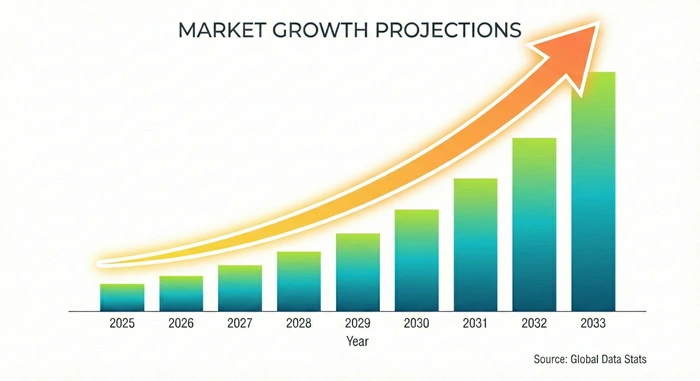
The Nexletol market is set for robust commercial growth through 2033, supported by the maturation of bempedoic acid's commercial infrastructure in its primary North American market, continued geographic expansion into European and emerging market patient populations, and the development of next-generation combination therapy products that pair bempedoic acid with ezetimibe — the fixed-dose combination marketed as Nexlizet/Nustendi — to deliver enhanced LDL-C reduction in a convenient single oral tablet. The growing recognition among physicians, payers, and clinical guidelines that non-statin therapy intensification is both necessary and appropriate for a large proportion of cardiovascular high-risk patients is structurally expanding the prescribing market beyond early adopter cardiologists to primary care physicians who manage the largest volumes of dyslipidemia patients. The oral, once-daily dosing convenience of Nexletol — contrasted with the injectable administration required by PCSK9 inhibitors — is a meaningful prescribing preference driver, particularly in primary care settings where patient adherence and treatment simplicity are paramount.
Looking toward 2033, the pipeline of clinical development activity in the bempedoic acid space — including ongoing evaluation of triple combination therapy regimens, cardiovascular outcomes studies in additional patient subpopulations, and potential label expansions into primary prevention indications — provides a strong foundation for sustained market growth beyond the current approved ASCVD and familial hypercholesterolemia indications. Esperion Therapeutics' growing manufacturing and commercial capabilities, combined with international licensing and distribution partnerships with established pharmaceutical companies in Europe, Asia Pacific, and Latin America, are progressively building the geographic revenue base that will drive the Nexletol market toward the USD 10.08 billion valuation projected for 2033. The continued market expansion of bempedoic acid-based therapy represents one of the most commercially compelling stories in the cardiovascular pharmaceutical sector over the forecast period.
Expert Speaks
-
"The CLEAR Outcomes trial results were a genuine watershed moment for the non-statin lipid-lowering therapy category — demonstrating hard cardiovascular endpoint reduction with bempedoic acid in statin-intolerant patients answered the most important clinical question about this drug class, and we have seen a meaningful and sustained improvement in physician prescription confidence and patient access programs since that data was published and incorporated into major cardiology guidelines," — Sheldon Koenig, CEO, Esperion Therapeutics, reflecting on the pivotal role of clinical outcomes evidence in establishing Nexletol's commercial positioning in the global cardiovascular therapeutics market.
-
"The cardiovascular lipid management market is at an important evolution point — physicians increasingly recognize that single-agent statin therapy is insufficient for a substantial proportion of high-risk patients, and the availability of well-tolerated, evidence-based oral non-statin options like bempedoic acid is genuinely changing how lipidologists and cardiologists approach combination therapy for the most challenging patients to control," — Pascal Soriot, CEO, AstraZeneca PLC, highlighting the evolving lipid management treatment landscape that is expanding commercial opportunities for novel LDL-lowering therapies in the cardiovascular pharmaceutical market.
-
"Non-statin lipid-lowering therapy is going to be one of the defining growth areas in cardiovascular medicine through the rest of this decade — the combination of a large undertreated patient population, strong clinical evidence, increasing guideline support, and growing payer acceptance of non-statin alternatives is creating the conditions for sustained double-digit market growth that makes this therapeutic area extremely commercially attractive for pharmaceutical investment," — Robert Davis, CEO, Merck & Co. Inc., underscoring the long-term commercial growth potential of the non-statin cardiovascular lipid management sector of which the Nexletol market is a primary beneficiary.
Key Report Takeaways
-
North America dominates the global Nexletol market with approximately 58% revenue share in 2025, driven by Esperion Therapeutics' primary commercial infrastructure in the United States, the highest per-capita cardiovascular pharmaceutical expenditure globally, strong reimbursement coverage by major U.S. payers following the CLEAR Outcomes cardiovascular endpoint demonstration, and the highest density of specialist cardiologists and lipidologists driving bempedoic acid awareness and prescription adoption
-
Asia Pacific is the fastest-growing regional market, projected to expand at a CAGR of approximately 16.5% through 2033, driven by rapidly increasing cardiovascular disease prevalence in China and India, growing healthcare expenditure and pharmaceutical market access improvements, expanding regulatory approvals for bempedoic acid across Asian markets, and rising physician and patient awareness of non-statin LDL-C management options in the region's evolving cardiovascular care infrastructure
-
Statin-intolerant patients represent the largest and most commercially defined end-user segment, contributing approximately 48% of total Nexletol market prescription volume in 2025, as this patient population was the primary target for bempedoic acid development and has the most well-established clinical evidence base, prescriber familiarity, and payer reimbursement pathway supporting treatment initiation
-
The ASCVD (atherosclerotic cardiovascular disease) indication is the dominant clinical application, representing approximately 62% of total Nexletol market prescriptions in 2025, encompassing patients with established coronary artery disease, prior myocardial infarction or stroke, peripheral artery disease, or other high-risk atherosclerotic conditions who require maximum LDL-C lowering and benefit most directly from the cardiovascular risk reduction demonstrated in the CLEAR Outcomes trial
-
Hospital and specialty clinic channels are the primary distribution channel, accounting for approximately 55% of Nexletol market revenue in 2025, reflecting the specialist-driven initial prescribing pathway for bempedoic acid — though primary care channels are growing rapidly as physician education programs expand and repeat prescribing shifts to primary care providers following specialist initiation
-
Fixed-dose combination products (Nexlizet/Nustendi — bempedoic acid + ezetimibe) represent the fastest-growing product segment, expected to grow at a CAGR of approximately 17.5% through 2033 with a rapidly expanding share now approaching 35% of total bempedoic acid market revenue, driven by the superior LDL-C reduction achieved with combination therapy, prescriber preference for simplifying patient regimens, and growing guideline endorsement of combination non-statin approaches for inadequately controlled dyslipidemia
Market Scope
| Report Coverage | Details |
|---|---|
| Market Size by 2025 | USD 3.55 Billion |
| Market Size by 2026 | USD 4.04 Billion |
| Market Size by 2033 | USD 10.08 Billion |
| Market Growth Rate from 2026 to 2033 | CAGR of 13.8% |
| Dominating Region | North America |
| Fastest Growing Region | Asia Pacific |
| Base Year | 2025 |
| Forecast Period | 2026 to 2033 |
| Segments Covered | By Product Type, By Indication, By Route of Administration, By End-User, By Distribution Channel, By Region |
| Regions Covered | North America, Europe, Asia Pacific, Latin America, Middle East & Africa |
Market Dynamics
Drivers Impact Analysis
The Rising Global Cardiovascular Disease Burden, the CLEAR Outcomes Trial's Hard Endpoint Evidence, and the Expanding Integration of Bempedoic Acid into Major Clinical Practice Guidelines Are the Most Powerful Commercial Growth Accelerators in the Nexletol Market
| Driver | ≈ % Impact on CAGR Forecast | Geographic Relevance | Impact Timeline |
|---|---|---|---|
| Rising Global Prevalence of Cardiovascular Disease and Hypercholesterolemia | ~4.5% | Global | Near to Long Term |
| CLEAR Outcomes Hard Cardiovascular Endpoint Evidence | ~3.5% | North America, Europe | Near to Long Term |
| Statin Intolerance Driving Non-Statin Prescribing Need | ~3.0% | Global | Near to Long Term |
| Guideline Endorsements from ACC and ESC | ~2.0% | North America, Europe | Near to Medium Term |
| Expanding Label Indications and Combination Products | ~1.5% | Global | Medium to Long Term |
The expanding global cardiovascular disease epidemic is the most powerful and structurally durable growth driver for the Nexletol market. Cardiovascular disease is the leading cause of death globally — accounting for 32% of all deaths annually — and the modifiable risk factor of elevated LDL cholesterol is both pervasive and undercontrolled in clinical practice. Despite the widespread availability of generic statin therapy, a large proportion of high-risk patients remain well above recommended LDL-C targets due to statin intolerance, inadequate statin response, patient non-adherence, or clinical inertia among prescribers. The total addressable patient population for bempedoic acid — encompassing statin-intolerant patients, statin-insufficient patients requiring add-on therapy, and patients with familial hypercholesterolemia — numbers in the tens of millions across North America and Europe alone, representing a commercial opportunity that the current Nexletol market has only begun to penetrate. The growing prevalence of metabolic syndrome, type 2 diabetes, and obesity across all geographies is expanding this patient pool continuously.
The CLEAR Outcomes cardiovascular outcomes trial was the defining commercial event in bempedoic acid's market development, providing the hard clinical evidence required to convince cardiologists, clinical guidelines, and payers that Nexletol delivers genuine cardiovascular risk reduction rather than simply improving a lipid biomarker. The trial demonstrated a statistically significant 13% reduction in four-component MACE risk in statin-intolerant patients — a clinically meaningful effect size that directly justifies the prescription decision and supports favorable payer coverage determinations. The subsequent incorporation of bempedoic acid into the ACC's cardiovascular risk reduction algorithm and the ESC's dyslipidemia treatment guidelines provided an authoritative prescribing framework that normalized the use of Nexletol as a standard second-line option for statin-intolerant high-risk cardiovascular patients — materially expanding the prescribing physician base and accelerating commercial momentum.
Restraints Impact Analysis
High Drug Pricing and Payer Access Barriers, Competition from PCSK9 Inhibitors and Generic Statins, and Limited Awareness of Bempedoic Acid in Primary Care Settings Are Creating Meaningful Commercial Headwinds for Faster Nexletol Market Growth
| Restraint | ≈ % Impact on CAGR Forecast | Geographic Relevance | Impact Timeline |
|---|---|---|---|
| High Branded Drug Pricing and Payer Prior Authorization Requirements | ~-3.0% | North America, Europe | Near to Medium Term |
| Competition from PCSK9 Inhibitors with Superior LDL-C Reduction | ~-2.5% | North America, Europe | Near to Long Term |
| Limited Physician Awareness and Prescribing Experience in Primary Care | ~-2.0% | Global | Near to Medium Term |
| Generic Statin Availability as Lower-Cost Treatment Alternative | ~-1.2% | Emerging Markets | Near to Long Term |
High pricing and insurance prior authorization barriers represent the most significant near-term commercial constraint on the Nexletol market in the United States — its primary revenue market. As a branded specialty cardiovascular pharmaceutical, Nexletol carries a list price that requires most commercially insured patients to navigate payer prior authorization processes that add administrative friction, delay therapy initiation, and in some cases result in coverage denial that prevents access to prescribed therapy. The prior authorization burden also creates physician workflow inefficiencies that can reduce prescribing willingness for physicians with limited administrative support capacity. While Esperion Therapeutics has invested in patient assistance programs and copay support to address affordability barriers for commercially insured patients, the challenge of achieving broad, unrestricted payer coverage remains an ongoing commercial obstacle that constrains the size and growth rate of the accessible prescribing market.
Competition from PCSK9 inhibitors — including evolocumab (Repatha) and alirocumab (Praluent), as well as the newer oral PCSK9 inhibitor inclisiran — represents a significant therapeutic positioning challenge for the Nexletol market, as PCSK9 inhibitors deliver substantially greater LDL-C reduction (50–60% vs. approximately 18–28% for bempedoic acid monotherapy). In patients with the most severe LDL-C elevation or the highest cardiovascular risk, physicians and guidelines may prefer PCSK9 inhibitors despite their higher cost and injectable administration requirement — limiting the patient segments where bempedoic acid is the clearly preferred therapeutic choice to the specific niche of statin-intolerant patients requiring moderate additional LDL-C reduction where Nexletol's oral convenience, tolerability profile, and cardiovascular outcomes data create a compelling competitive position.
Opportunities Impact Analysis
Expanding Global Geographic Market Access, Growing Combination Therapy with Ezetimibe, Emerging Triple Therapy Regimens, and the Substantial Untreated Dyslipidemia Patient Population in Developing Markets Are Creating High-Value Commercial Growth Opportunities for the Nexletol Market
| Opportunity | ≈ % Impact on CAGR Forecast | Geographic Relevance | Impact Timeline |
|---|---|---|---|
| Geographic Expansion into European and Asian Pacific Markets | ~+4.0% | Europe, Asia Pacific, Latin America | Near to Long Term |
| Fixed-Dose Combination Product (Bempedoic Acid + Ezetimibe) Growth | ~+3.5% | Global | Near to Long Term |
| Primary Prevention Label Expansion for Broader Patient Population | ~+3.0% | North America, Europe | Medium to Long Term |
| Triple Combination Therapy Development with Statin + Ezetimibe | ~+2.5% | Global | Medium to Long Term |
Geographic expansion into European, Asian, and Latin American markets represents the most important medium-term commercial growth opportunity for the Nexletol market beyond its primary U.S. revenue base. Daiichi Sankyo has commercialized bempedoic acid products across European markets under partnership with Esperion, and ongoing market access negotiations, reimbursement pathway development, and physician education programs across major European countries are progressively building the commercial infrastructure required for meaningful European revenue contribution. Asia Pacific — where cardiovascular disease is a rapidly growing public health priority and pharmaceutical market access is expanding across China, India, Japan, and South Korea — represents a major untapped market opportunity where bempedoic acid prescribing has barely begun despite enormous patient population potential. As regulatory approvals are secured and commercial partnerships are established across Asian markets, geographic diversification will become an increasingly important driver of overall Nexletol market growth through 2033.
Fixed-dose combination therapy with ezetimibe (marketed as Nexlizet in the U.S. and Nustendi in Europe) represents the highest-growth product opportunity within the bempedoic acid commercial portfolio. The combination product delivers LDL-C reductions of 38–40% — substantially greater than either agent alone — while maintaining the oral, once-daily convenience that distinguishes non-statin combination therapy from injectable PCSK9 inhibitor alternatives. Growing physician recognition that combination non-statin therapy can achieve LDL-C reductions approaching those of PCSK9 inhibitors at significantly lower cost and with oral administration convenience is driving accelerating prescribing of the fixed-dose combination product, making it the fastest-growing component of the Nexletol market commercial portfolio and the product with the greatest revenue expansion potential through 2033.
Segment Analysis
By Product Type
Nexletol Monotherapy Leads Current Prescription Volume While the Fixed-Dose Bempedoic Acid and Ezetimibe Combination Product Is the Fastest-Growing and Most Commercially Dynamic Product Segment in the Nexletol Market
Nexletol monotherapy (bempedoic acid 180 mg) represents the foundational product in the Nexletol market with approximately 65% of total product revenue in 2025, generating around USD 2.31 billion. Monotherapy prescribing is concentrated among statin-intolerant patients who require moderate additional LDL-C reduction and cannot tolerate standard statin regimens — a clearly defined and well-evidenced patient population with established prescribing guidelines and payer coverage pathways. North America is the dominant market for Nexletol monotherapy, where Esperion Therapeutics has built its primary commercial infrastructure and where the CLEAR Outcomes data has had the greatest immediate impact on prescribing confidence among U.S. cardiologists and lipidologists. The segment is projected to grow at a CAGR of approximately 11.5% through 2033, with growth driven by continued market penetration in the U.S. statin-intolerant patient population and expanding geographic revenues as European and Asian market access develops. Key commercial activity supporting this segment includes Esperion Therapeutics' patient support programs, managed care contracting, and ongoing medical education initiatives targeted at cardiologists and primary care physicians.
Nexlizet/Nustendi (bempedoic acid + ezetimibe fixed-dose combination) represents approximately 35% of total Nexletol market revenue in 2025 at approximately USD 1.24 billion, and is the fastest-growing product segment with a projected CAGR of approximately 17.5% through 2033. This product addresses the growing physician preference for intensified non-statin combination therapy in patients requiring greater LDL-C reduction than bempedoic acid monotherapy can deliver — particularly relevant as clinical practice guidelines increasingly recommend targeting more aggressive LDL-C goals for very high-risk cardiovascular patients. Europe is a particularly important growth market for the fixed-dose combination, where Daiichi Sankyo markets Nustendi and where the combination's competitive LDL-C reduction relative to injectable PCSK9 inhibitors resonates strongly with physicians and payers prioritizing cost-effective oral treatment options. Asia Pacific is the fastest-growing regional market for the combination product, as growing guideline adoption, payer coverage expansion, and physician education programs are driving accelerating prescribing across China, Japan, and South Korea.
By Indication
ASCVD Dominates Current Prescription Volume While Familial Hypercholesterolemia and Primary Prevention Represent the Most Significant Long-Term Growth Indications for the Nexletol Market
The ASCVD indication accounts for approximately 62% of total Nexletol market prescriptions in 2025, representing the primary approved and guideline-supported use of bempedoic acid in patients with established atherosclerotic cardiovascular disease — including those with prior myocardial infarction, stroke, coronary artery disease, or peripheral artery disease — who require additional LDL-C lowering beyond maximum tolerated statin therapy. The CLEAR Outcomes trial was conducted in this statin-intolerant ASCVD patient population, providing the hard cardiovascular event reduction evidence that underpins guideline recommendations and payer coverage decisions for bempedoic acid in this indication. North America leads this indication segment with the largest prescribing volume, supported by the U.S. commercial infrastructure of Esperion Therapeutics and the deep penetration of CLEAR Outcomes data into American cardiology and internal medicine prescribing practice. The segment is projected to grow at a CAGR of approximately 12.5% through 2033, driven by growing market penetration of the large statin-intolerant ASCVD patient population and expanding international market access. Esperion Therapeutics (United States) and Daiichi Sankyo (Japan) are the primary commercial operators in this indication segment.
Familial hypercholesterolemia (FH) represents approximately 22% of total Nexletol market prescription volume in 2025, with a projected CAGR of approximately 15.0% through 2033, driven by the high unmet need in this genetic disorder characterized by severely elevated LDL-C levels from birth and dramatically elevated lifetime cardiovascular risk. Bempedoic acid is approved as an adjunct to diet and maximally tolerated statin therapy in patients with heterozygous FH who require additional LDL-C lowering, and its LDL-C reduction provides meaningful additional benefit in these high-need patients. Europe is a growing market for the FH indication, where national FH registries and screening programs in the Netherlands, Spain, and the United Kingdom have established well-defined patient identification infrastructure that facilitates systematic prescribing of non-statin add-on therapies for inadequately controlled FH patients. The growing diagnosis rate for heterozygous FH — historically an underdiagnosed condition — is expanding the addressable patient population for this indication, supporting sustained market growth through the forecast period.
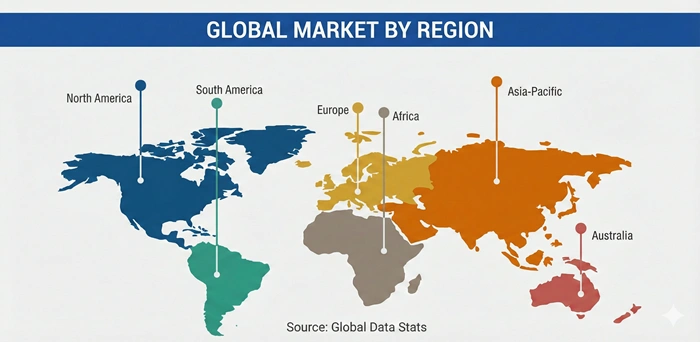
Regional Insights
North America
North America's Dominant Commercial Infrastructure, Highest-Density Specialist Prescribing Network, and Unmatched Clinical Outcomes Evidence Adoption Make It the Undisputed Leader in the Global Nexletol Market
North America commands approximately 58% of the global Nexletol market revenue in 2025, generating around USD 2.06 billion, and is projected to grow at a CAGR of 12.8% through 2033 — driven primarily by the United States, where Esperion Therapeutics maintains its primary commercial headquarters and has built the most advanced commercial infrastructure for bempedoic acid prescribing globally. The U.S. market benefits from the highest per-capita cardiovascular pharmaceutical expenditure in the world, a dense network of specialist cardiologists and lipidologists who were early adopters of CLEAR Outcomes data, and an established managed care coverage landscape that has progressively improved bempedoic acid formulary access following the publication of cardiovascular endpoint data. Esperion Therapeutics has invested significantly in patient support programs, prior authorization navigation assistance, and physician engagement initiatives that have materially improved access to Nexletol for eligible U.S. patients.
Canada represents a smaller but growing component of the North American Nexletol market, with Health Canada approval of bempedoic acid and ongoing provincial formulary listing negotiations progressing across major provincial health plans. The growing recognition within Canadian cardiology circles of the clinical utility of bempedoic acid for statin-intolerant patients — supported by CLEAR Outcomes data and ACC/AHA guideline endorsements that are widely referenced by Canadian physicians — is driving prescribing growth in the specialist segment. Esperion Therapeutics' North American commercial momentum — evidenced by its reported USD 156–160 million in preliminary U.S. net product sales in 2025, representing 35–38% year-over-year growth — demonstrates the strong and accelerating commercial trajectory that makes North America the global anchor for the Nexletol market through 2033.
Asia Pacific
Asia Pacific's Rapidly Growing Cardiovascular Disease Burden, Expanding Pharmaceutical Market Access, and Growing Regulatory Approvals Are Positioning It as the Most Commercially Dynamic High-Growth Region in the Nexletol Market
Asia Pacific is the fastest-growing regional market in the Nexletol landscape, holding approximately 15% market share in 2025 at around USD 533 million and projected to grow at a CAGR of approximately 16.5% through 2033 — the highest growth rate of any region. The region's enormous cardiovascular disease patient population — China and India alone account for a combined estimated 280 million people with cardiovascular disease — combined with rapidly growing pharmaceutical market access, rising healthcare expenditure, and improving clinical guideline adoption across Asian healthcare systems is creating powerful structural demand growth for bempedoic acid-based therapy. Japan — where Daiichi Sankyo has a strong domestic commercial presence — represents an important regional market for Nexletol, with Japanese cardiology guidelines increasingly incorporating non-statin LDL-lowering recommendations aligned with global ACC/ESC frameworks that include bempedoic acid as a recommended therapeutic option.
South Korea, China, and Australia are progressively developing regulatory and commercial frameworks for bempedoic acid market access, with growing physician awareness programs, expanding specialist prescribing, and improving health insurance coverage for non-statin cholesterol management therapies. The Asia Pacific Nexletol market is also benefiting from growing partnerships between Esperion Therapeutics, Daiichi Sankyo, and regional pharmaceutical distributors that are building the local market access, medical education, and commercial support infrastructure required for sustained prescribing growth across the region's diverse national healthcare systems. As these market development investments mature through the forecast period, Asia Pacific is expected to progressively increase its share of global Nexletol market revenue — making it the most commercially important growth driver for the global bempedoic acid market outside of the established North American base.
Report Customization: Region-Wise and Country-Wise Insights Available on Request
This Report Is Fully Customizable for All Major Regions and Countries — Providing Locally Specific Nexletol Market Intelligence, Regulatory Landscape Analysis, Reimbursement Pathway Assessments, Competitive Positioning Insights, and Patient Population Estimates Precisely Tailored to Your Geographic and Strategic Focus
Customized versions of this report are available for all major regions and countries listed below, providing in-depth market analysis, healthcare regulatory framework assessments, reimbursement and formulary coverage landscape, physician prescribing behavior analysis, competitive intelligence profiles, and patient population opportunity analysis tailored to the Nexletol market in each selected geography.
North America
-
U.S. — FDA approval and label status, managed care formulary coverage landscape, prior authorization burden analysis, Esperion Therapeutics commercial performance, key payer access programs, and specialist versus primary care prescribing channel dynamics
-
Canada — Health Canada approval status, provincial formulary listing analysis, Canadian cardiology guideline adoption of bempedoic acid, and domestic prescribing market development
-
Mexico — COFEPRIS regulatory framework, pharmaceutical market access landscape, growing cardiovascular disease burden, and market entry opportunity assessment for bempedoic acid
Europe
-
U.K. — NICE technology appraisal status for bempedoic acid, NHS formulary access, NHS England prescribing data analysis, and Daiichi Sankyo UK commercial activity
-
Germany — AMNOG benefit assessment outcome for bempedoic acid, GKV reimbursement status, German cardiology guideline adoption, and domestic prescribing volume analysis
-
France — HAS evaluation status, French health insurance reimbursement framework, domestic cardiovascular pharmaceutical market dynamics, and prescribing access analysis
-
Italy — AIFA reimbursement status, Italian cardiology prescribing landscape, domestic non-statin therapy adoption trends, and regional market access variation analysis
-
Rest of Europe — Benelux, Nordic, and Eastern European regulatory and reimbursement framework analysis, prescribing volume estimates, and market access development timelines
Asia Pacific
-
China — NMPA regulatory approval status, National Reimbursement Drug List inclusion analysis, domestic patient population opportunity, and commercial partnership landscape for bempedoic acid market development
-
India — CDSCO regulatory pathway, domestic pharmaceutical market dynamics, growing cardiovascular disease burden, prescribing physician landscape, and market entry opportunity assessment
-
Japan — PMDA approval status, NHI price listing and reimbursement framework, Daiichi Sankyo Japan commercial activity, and domestic cardiology guideline adoption of bempedoic acid
-
South Korea — MFDS approval status, NHIS reimbursement coverage analysis, domestic cardiovascular pharmaceutical market, and growing non-statin therapy adoption landscape
-
Australia — TGA approval status, PBS listing and reimbursement framework, domestic prescribing market, and specialist cardiovascular prescribing network analysis
-
Rest of Asia Pacific — Southeast Asian regulatory landscape, commercial development timelines, growing cardiovascular disease burden, and pharmaceutical market access assessment for bempedoic acid
Latin America
-
Brazil — ANVISA regulatory status, SUS and private payer coverage landscape, growing cardiovascular disease burden, and domestic pharmaceutical market dynamics for non-statin therapies
-
Argentina — ANMAT regulatory framework, domestic pharmaceutical market, cardiovascular disease prevalence, and commercial development opportunity assessment for bempedoic acid
-
Rest of Latin America — regional regulatory development, growing cardiovascular pharmaceutical market, and market entry opportunity analysis for bempedoic acid in key Latin American countries
Middle East & Africa
-
UAE — MOH regulatory approval framework, private healthcare sector coverage landscape, growing cardiovascular disease burden, and specialist prescribing opportunity for non-statin therapies
-
Saudi Arabia — SFDA regulatory status, national health insurance landscape, Saudi Vision 2030 healthcare investment impacts, and cardiovascular pharmaceutical market development
-
Rest of MEA — Sub-Saharan African and North African pharmaceutical regulatory landscape, cardiovascular disease burden analysis, and strategic market development opportunity assessment for bempedoic acid
Top Key Players
-
Esperion Therapeutics Inc. (United States)
-
Daiichi Sankyo Company Limited (Japan)
-
Johnson & Johnson (United States)
-
Merck & Co. Inc. (United States)
-
AstraZeneca PLC (United Kingdom)
-
Novartis AG (Switzerland)
-
Sanofi S.A. (France)
-
AbbVie Inc. (United States)
-
Amgen Inc. (United States)
-
Bristol-Myers Squibb Company (United States)
-
Eli Lilly and Company (United States)
-
Teva Pharmaceutical Industries Ltd. (Israel)
-
Sun Pharmaceutical Industries Limited (India)
-
Dr. Reddy's Laboratories Limited (India)
-
Menarini Group (Italy)
Recent Developments
-
In 2026, Esperion Therapeutics announced its agreement to acquire Corstasis Therapeutics and its next-generation cardiovascular therapy pipeline, strategically expanding the company's cardiovascular pharmaceutical portfolio beyond bempedoic acid to position it as a broader cardiovascular specialty pharmaceutical company — a significant business development milestone that signals confidence in the company's growing commercial and financial strength built on Nexletol market success.
-
In 2025, Esperion Therapeutics reported preliminary full-year U.S. net product sales of USD 156 to 160 million — representing a 35% to 38% increase compared to full-year 2024 — marking the company's strongest annual commercial performance to date and demonstrating the sustained acceleration of bempedoic acid prescription adoption in the U.S. cardiovascular care market.
-
In 2025, Daiichi Sankyo expanded its commercial efforts for Nustendi (bempedoic acid + ezetimibe fixed-dose combination) across multiple European markets, securing new national formulary listings and reimbursement agreements in key EU member states and investing in expanded physician education programs targeting cardiologists and primary care physicians with updated CLEAR Outcomes data supporting broader non-statin combination therapy prescribing.
-
In 2025, Esperion Therapeutics entered into a new managed care contract with a major U.S. pharmacy benefit manager to improve formulary tier positioning for Nexletol and Nexlizet — reducing patient out-of-pocket costs and prior authorization burden for a significant segment of commercially insured U.S. patients, a development expected to materially improve prescription conversion rates and patient access to bempedoic acid therapy.
-
In 2024, the American College of Cardiology and the American Heart Association incorporated updated guidance explicitly recommending bempedoic acid as a non-statin LDL-lowering option for statin-intolerant patients in their revised cardiovascular risk management guidelines — providing the authoritative clinical practice endorsement that materially strengthened physician prescribing confidence and payer coverage justification for Nexletol across the United States and internationally.
Market Trends
The Accelerating Shift Toward Combination Non-Statin LDL-Lowering Therapy and the Growing Integration of Digital Health Platforms in Cardiovascular Risk Management Are Defining the Most Important Commercial Trends Shaping the Nexletol Market Through 2033
One of the most commercially significant trends shaping the Nexletol market is the progressive shift in clinical practice toward combination non-statin therapy approaches for patients with inadequately controlled LDL-C on maximum tolerated statin therapy. As clinical guidelines from the ACC, ESC, and national lipidology societies increasingly recommend targeting more aggressive LDL-C goals for high- and very-high-risk cardiovascular patients, the combination of bempedoic acid and ezetimibe — delivering 38–40% LDL-C reduction in a single convenient oral tablet — is gaining traction as a cost-effective, well-tolerated, and clinically evidence-supported alternative to expensive injectable PCSK9 inhibitors. This combination therapy trend is accelerating growth of the Nexlizet/Nustendi product segment and is expected to be the primary driver of incremental prescription volume growth in the Nexletol market through 2033, as guideline-concordant prescribing practices become more deeply embedded in both specialist and primary care cardiovascular management.
A second important trend is the growing integration of digital health technologies, telemedicine platforms, and remote patient monitoring tools into cardiovascular risk management programs that include bempedoic acid therapy. Digital health tools that enable remote LDL-C monitoring, medication adherence tracking, and telemedicine-based follow-up consultations are improving patient persistence on therapy — a critical commercial metric for the Nexletol market given that consistent long-term adherence is required to realize the cardiovascular risk reduction benefits demonstrated in clinical trials. Pharmaceutical companies in the cardiovascular space are increasingly partnering with digital health platforms to offer connected care programs that pair Nexletol prescriptions with monitoring and adherence support services — improving clinical outcomes, reducing treatment discontinuation, and creating differentiated patient and physician engagement value that supports premium market positioning and long-term revenue sustainability.
Segments Covered in the Report
By Product Type
-
Nexletol Monotherapy (Bempedoic Acid 180 mg)
-
Nexlizet / Nustendi Fixed-Dose Combination (Bempedoic Acid + Ezetimibe)
By Indication
-
Atherosclerotic Cardiovascular Disease (ASCVD)
-
Familial Hypercholesterolemia (Heterozygous FH)
-
Hyperlipidemia / Mixed Dyslipidemia
-
Primary Prevention (Emerging / Pipeline)
By Route of Administration
-
Oral (Primary Approved Route)
-
Injectable (Investigational / Comparator Class)
-
Intravenous (Comparator Class)
By End-User
-
Hospitals
-
Specialty Cardiology and Lipid Clinics
-
Outpatient / Ambulatory Care Centers
-
Homecare Settings
-
Long-Term Care Facilities
By Distribution Channel
-
Hospital Pharmacies
-
Retail / Community Pharmacies
-
Specialty Pharmacies
-
Online / Mail-Order Pharmacies
By Region
-
North America (U.S., Canada, Mexico)
-
Europe (U.K., Germany, France, Italy, Rest of Europe)
-
Asia Pacific (China, India, Japan, South Korea, Australia, Rest of Asia Pacific)
-
Latin America (Brazil, Argentina, Rest of Latin America)
-
Middle East & Africa (UAE, Saudi Arabia, Rest of MEA)
❝ Built for Every Level — From Startups to Industry Giants ❞
Here Is Exactly How This Report Works for You
-
For Tier 1 pharmaceutical companies, global cardiovascular drug manufacturers, and institutional healthcare investors evaluating the competitive landscape and commercial opportunity of the bempedoic acid non-statin therapy market, this report delivers detailed competitor revenue analysis for Esperion Therapeutics and Daiichi Sankyo alongside a structured assessment of how geopolitical factors — including U.S. IRA drug pricing negotiations, EU pharmaceutical pricing reform, China's National Reimbursement Drug List dynamics, and evolving global payer access frameworks for cardiovascular specialty drugs — are reshaping the commercial and pricing strategy landscape for the Nexletol market through 2033, enabling high-confidence strategic investment and competitive positioning decisions.
-
For Tier 2 and Tier 3 specialty pharmaceutical companies, regional cardiovascular drug distributors, and generic pharmaceutical manufacturers monitoring bempedoic acid patent landscape and market entry opportunities, this report maps detailed prescribing dynamics, patient population sizing, reimbursement coverage status, and competitive positioning across North America, Europe, and Asia Pacific — providing actionable market intelligence on where commercial gaps, unmet patient access needs, and partnership or licensing opportunities exist in the rapidly growing non-statin cardiovascular therapy market that surrounds the Nexletol brand.
-
For private equity investors, healthcare-focused venture capital firms, corporate development teams, and buy-side analysts evaluating investment opportunities in the cardiovascular specialty pharmaceutical sector, this report provides rigorous market size and CAGR forecasting through 2033 by segment and geography, a comprehensive review of Esperion Therapeutics' recent commercial performance and business development activity, and a forward-looking analysis of how cardiovascular outcomes evidence strength, guideline evolution, combination product growth, and geographic market access expansion are creating compelling and highly visible revenue growth drivers that make the Nexletol market one of the most commercially attractive stories in cardiovascular pharmaceutical investment today.
Frequently Asked Questions
Question 1: What is the current global size of the Nexletol market and what is it projected to reach by 2033?
Answer: The global Nexletol market is valued at USD 3.55 billion in 2025 and is projected to grow to approximately USD 10.08 billion by 2033. The market is expanding at a CAGR of 13.8% from 2026 to 2033, driven by the growing cardiovascular disease burden, increasing statin intolerance recognition, and the strong clinical outcomes evidence supporting bempedoic acid use in high-risk patients.
Question 2: What is Nexletol used for and what makes it different from statins?
Answer: Nexletol (bempedoic acid) is an oral, non-statin medication used to lower LDL cholesterol in adults with heterozygous familial hypercholesterolemia or established ASCVD who require additional LDL-C lowering beyond what statins provide or cannot tolerate. Unlike statins, which are activated in both the liver and muscle tissue, bempedoic acid is only activated in the liver — reducing the risk of muscle-related side effects that cause statin intolerance in a significant patient population and making the Nexletol market particularly relevant for this underserved patient group.
Question 3: Which region leads the Nexletol market and what is driving its dominance?
Answer: North America leads the Nexletol market with approximately 58% revenue share in 2025, driven by the strong U.S. commercial presence of Esperion Therapeutics, broad specialist prescribing adoption following the CLEAR Outcomes trial publication, and progressively improving managed care formulary coverage. The United States remains the single largest national market for bempedoic acid and the primary driver of the global Nexletol market commercial trajectory.
Question 4: What is the CLEAR Outcomes trial and why is it important for the Nexletol market?
Answer: The CLEAR Outcomes trial was a landmark cardiovascular outcomes study that demonstrated bempedoic acid significantly reduced major adverse cardiovascular events — including cardiovascular death, heart attack, and stroke — in statin-intolerant patients with high cardiovascular risk. This hard endpoint evidence is critically important for the Nexletol market because it established that bempedoic acid reduces actual cardiovascular events rather than just improving LDL-C biomarkers — the evidence standard required for major guideline endorsements and confident payer coverage decisions.
Question 5: What is Nexlizet and how does it differ from Nexletol in terms of market potential?
Answer: Nexlizet is a fixed-dose combination tablet containing both bempedoic acid and ezetimibe — two complementary non-statin cholesterol-lowering mechanisms — that delivers approximately 38–40% LDL-C reduction compared to around 18–28% for Nexletol monotherapy alone. In terms of Nexletol market potential, Nexlizet represents the fastest-growing product segment with a projected CAGR of approximately 17.5% through 2033, driven by physician preference for greater LDL-C reduction, guideline support for combination therapy, and the product's competitive positioning versus injectable PCSK9 inhibitors for cost-sensitive healthcare systems.