
Native Grass Seeds Market Overview
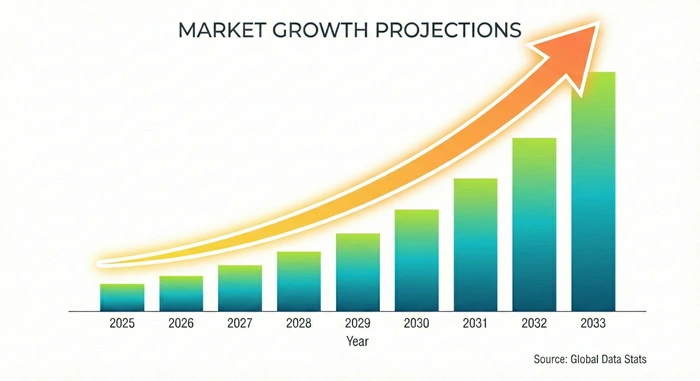
The global native grass seeds market size is valued at USD 12.49 billion in 2025 and is predicted to increase from USD 13.59 billion in 2026 to approximately USD 26.51 billion by 2033, growing at a CAGR of 7.97% from 2026 to 2033. This substantial growth reflects the increasing global emphasis on biodiversity conservation, ecological restoration projects, and sustainable land management practices that prioritize environmental stewardship. Native grass seeds represent grass species that are indigenous to specific regions and naturally adapted to local climate conditions, soil types, and ecosystems, making them essential for habitat restoration and environmental conservation initiatives.
The native grass seeds market encompasses diverse product offerings designed to support land rehabilitation, prevent soil erosion, enhance wildlife habitats, and promote ecosystem stability across various applications. These seeds play a critical role in restoring degraded landscapes, supporting pollinator populations, improving soil health, and contributing to carbon sequestration efforts that help mitigate climate change impacts. Growing awareness among farmers, landscapers, conservation organizations, and government agencies about the ecological benefits of native grasses has positioned this market for sustained expansion throughout the forecast period.

AI Impact on the Native Grass Seeds Industry
Revolutionizing Seed Selection and Distribution Through Intelligent Agricultural Technologies
Artificial intelligence is transforming the native grass seeds market by introducing unprecedented efficiency across the entire value chain from seed selection to distribution and field management. Advanced AI-powered algorithms analyze vast datasets encompassing soil conditions, climate patterns, historical growth performance, and ecological requirements to recommend optimal native grass species for specific restoration projects and geographic locations. Machine learning models process information about moisture levels, temperature ranges, nutrient availability, and regional biodiversity needs to generate precise recommendations that maximize establishment success rates and ecological outcomes. Smart farming technologies utilizing drones equipped with multispectral cameras and ground-based sensors monitor soil moisture retention capacity and nutrient profiles, enabling farmers and land managers to make data-driven decisions regarding irrigation schedules and fertilizer applications for newly established native grass stands.
The integration of AI technologies extends beyond initial planting recommendations to encompass ongoing management optimization and predictive analytics that improve long-term success rates for native grass establishment projects. Computer vision systems analyze satellite imagery and drone footage to assess native grass growth patterns, identify potential stress conditions, and detect invasive species encroachment that threatens establishment success. AI-driven trait identification programs help seed producers select superior genetic lines with enhanced characteristics such as drought resistance, rapid establishment capabilities, and improved adaptability to challenging environmental conditions. These technological advancements are making native grass seed products more accessible and effective for a broader range of users, from large-scale conservation organizations to individual landowners seeking to implement sustainable landscaping solutions on their properties.
Growth Factors
Rising Environmental Awareness and Government Conservation Initiatives Drive Market Expansion
The explosive growth of environmental consciousness among consumers, businesses, and government agencies represents the most powerful driver propelling the native grass seeds market forward across all geographic regions. Increasing recognition of biodiversity loss, habitat fragmentation, pollinator population declines, and ecosystem degradation has created urgent demand for proven restoration solutions that can reverse environmental damage and rebuild healthy ecosystems. Native grasses provide foundational habitat structure for countless wildlife species, support essential pollinator populations including bees and butterflies, prevent soil erosion that degrades water quality, and contribute to carbon sequestration efforts that help mitigate climate change impacts. Conservation organizations, environmental nonprofits, and government agencies are implementing ambitious restoration programs that rely heavily on native grass seed plantings to restore prairies, wetlands, riparian corridors, and other critical habitats that have been lost or degraded through agricultural conversion and urban development.
Government funding programs and regulatory incentives across multiple countries are accelerating native grass seeds market adoption by providing financial support and creating policy frameworks that encourage sustainable land management practices. The United States Department of Agriculture Conservation Reserve Program offers substantial payments to farmers who convert marginal cropland to native grass plantings that provide conservation benefits including wildlife habitat, erosion control, and water quality protection. European Union biodiversity strategies allocate billions of euros toward ecosystem restoration initiatives that prominently feature native plant species including grasses as essential components. State and local governments are implementing green infrastructure requirements for new development projects, mandating the incorporation of native plant species in landscaping plans to support urban biodiversity and reduce maintenance requirements. Insurance premium reductions for properties utilizing native landscaping and demonstrated water conservation benefits are creating additional economic incentives that strengthen the business case for native grass seed adoption across residential, commercial, and agricultural applications.
Market Outlook
Sustainability Mandates and Carbon Markets Create Long-Term Growth Trajectory
The native grass seeds market is positioned for sustained growth throughout the forecast period driven by converging trends including heightened sustainability commitments from corporations, expanding carbon credit markets, and increasing consumer preference for environmentally responsible products and services. Major food companies, retail chains, and agricultural commodity buyers are establishing supplier sustainability requirements that include habitat conservation provisions, biodiversity protection measures, and environmental stewardship certifications that can be achieved through native grass plantings on farm margins and conservation areas. Carbon offset markets are creating new revenue opportunities for landowners who establish native grass stands that sequester atmospheric carbon in extensive root systems and improve soil organic matter content, with verification protocols increasingly recognizing native grassland restoration as qualifying for carbon credit generation.
Looking toward 2033, the market outlook remains exceptionally positive as technological innovations reduce establishment costs, improve seed germination rates, and expand the range of native grass species available for diverse ecological conditions and restoration objectives. Seed treatment technologies utilizing beneficial microorganisms and protective coatings enhance seedling survival rates and accelerate establishment timelines, making native grass plantings more economically viable for cost-sensitive applications. Regional seed production facilities are expanding capacity to meet growing demand while ensuring genetic integrity and local adaptation of seed sources, addressing previous supply constraints that limited market growth. The convergence of ecological necessity, economic opportunity, and social responsibility is creating powerful momentum that will sustain native grass seeds market expansion across developed and emerging markets throughout the forecast period.
Expert Speaks
-
Christophe Jolly, Organic Farmer partnering with Syngenta, emphasized the importance of biodiversity in modern farming systems, stating that cover crops and native plant integration improve soil structure at different levels while supporting diverse animal populations both in and on the soil, creating more resilient agricultural ecosystems that can withstand environmental stresses.
-
Dr. Qu Dongyu, Director-General of Food and Agriculture Organization (FAO), highlighted during the UN Decade on Ecosystem Restoration regional meetings that ecosystem restoration including native vegetation rehabilitation enhances water quality, supports sustainable food production, and benefits both people and the environment while advancing critical goals like biodiversity conservation and climate change mitigation.
-
Erik Fyrwald, CEO of Syngenta Group, noted in sustainability communications that the company supports biodiversity protection through comprehensive approaches spanning from laboratory innovation to field-level implementation, recognizing that healthy soils with diverse microbial communities including those supported by native plants are crucial for productive agriculture and climate change mitigation through carbon sequestration.
Key Report Takeaways
-
North America dominates the global native grass seeds market with approximately 46% market share driven by extensive Conservation Reserve Program participation, strong environmental regulations supporting habitat restoration, and well-established distribution networks connecting seed producers with conservation practitioners and landowners across the United States and Canada.
-
Asia-Pacific emerges as the fastest-growing regional market with projected CAGR exceeding 9.2% through 2033, fueled by massive urbanization pressures creating demand for sustainable landscaping solutions, government-led ecosystem restoration programs in China, India, and Australia, and increasing environmental awareness among rapidly expanding middle-class populations seeking low-maintenance landscaping alternatives.
-
Land conservation and rehabilitation application segment leads market consumption accounting for approximately 39.25% of global revenue as governments, conservation organizations, and land management agencies invest billions annually in ecosystem restoration projects that rely on native grass seeds to restore degraded habitats, prevent soil erosion, and rebuild biodiversity in damaged landscapes.
-
Warm season grass varieties dominate product type segmentation representing around 44.8% market share due to their superior drought tolerance, lower water requirements, and strong performance in regions experiencing climate warming trends, making them particularly attractive for xeriscaping applications and water-conservation-focused landscaping projects.
-
Offline distribution channels maintain leading market position capturing approximately 58.6% of sales through garden centers, agricultural supply stores, and conservation organization partnerships that provide personalized consultation, seed quality verification, and technical guidance supporting successful native grass establishment.
-
Landscaping application segment exhibits highest future growth potential expected to expand at CAGR exceeding 9.5% through 2033 as residential and commercial property owners increasingly adopt native grass alternatives to traditional turf grass, driven by water conservation mandates, reduced maintenance requirements, and growing consumer preference for environmentally sustainable landscaping practices.
Market Scope
| Report Coverage Details | |
|---|---|
| Market Size by 2033 | USD 26.51 Billion |
| Market Size by 2025 | USD 12.49 Billion |
| Market Size by 2026 | USD 13.59 Billion |
| Market Growth Rate from 2026 to 2033 | CAGR of 7.97% |
| Dominating Region | North America |
| Fastest Growing Region | Asia-Pacific |
| Base Year | 2025 |
| Forecast Period | 2026 to 2033 |
| Segments Covered | Product Type, Application, Distribution Channel, Region |
| Regions Covered | North America, Europe, Asia-Pacific, Latin America, Middle East and Africa |
Market Dynamics
Drivers Impact Analysis
Government Conservation Programs and Biodiversity Protection Mandates Accelerate Adoption
| Factor | Details |
|---|---|
| ≈ % Impact on CAGR Forecast | +2.8% to +3.4% |
| Geographic Relevance | Global, particularly strong in North America and Europe |
| Impact Timeline | Immediate to Long-term (2026-2033) |
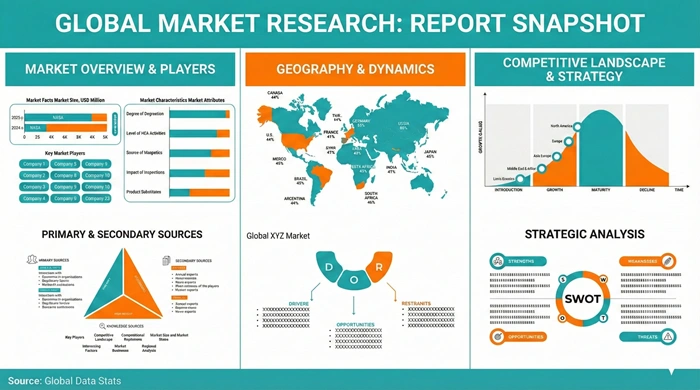
The escalating global commitment to biodiversity conservation represents the most powerful growth driver for the native grass seeds market as governments, international organizations, and conservation groups recognize native grassland ecosystems as critical components of healthy environmental systems. Wildlife habitat loss, pollinator population declines, and ecosystem fragmentation have reached crisis levels in many regions, creating urgent demand for proven restoration solutions that rebuild functional habitats supporting diverse species communities. Native grasses provide essential food sources, nesting materials, and shelter for countless wildlife species ranging from ground-nesting birds to beneficial insects that support agricultural productivity through pollination services and natural pest control. Government agencies are implementing ambitious conservation programs that provide substantial financial incentives for landowners who establish native grass plantings, with the United States Conservation Reserve Program alone enrolling millions of acres annually and providing billions in payments to participating farmers and ranchers.
International biodiversity frameworks including the European Union Biodiversity Strategy for 2030 and the United Nations Decade on Ecosystem Restoration are driving unprecedented investment in habitat restoration projects that rely heavily on native grass seeds as foundational species for ecosystem rebuilding efforts. These programs set specific measurable targets for ecosystem restoration including the rehabilitation of thousands of kilometers of degraded river systems, restoration of millions of hectares of damaged lands, and protection of threatened species populations that depend on native grassland habitats. The native grass seeds market benefits directly from these policy commitments as government funding flows to conservation organizations, land management agencies, and private landowners implementing restoration projects. Growing recognition that native grasslands provide valuable ecosystem services including carbon sequestration, water filtration, and flood control is expanding the economic justification for native grass establishment beyond purely ecological considerations to encompass climate mitigation and water resource management objectives.
Restraints Impact Analysis
Competition from Synthetic Alternatives and Conventional Turf Grass Limits Market Penetration
| Factor | Details |
|---|---|
| ≈ % Impact on CAGR Forecast | -1.2% to -1.7% |
| Geographic Relevance | Urban markets in developed regions, particularly Europe and Asia-Pacific |
| Impact Timeline | Short to Medium-term (2026-2029) |
The native grass seeds market faces significant competitive pressure from synthetic turf products and conventional non-native grass seed varieties that dominate established landscaping markets through aesthetic appeal, rapid establishment characteristics, and deeply entrenched consumer preferences. Artificial turf installations have grown substantially in recent years driven by water conservation mandates in drought-prone regions, zero maintenance requirements that appeal to time-constrained property owners, and technological improvements that create increasingly realistic visual appearance mimicking natural grass. Synthetic turf sales have increased approximately ten percent annually in European markets as municipalities, sports facilities, and commercial properties adopt artificial grass alternatives to eliminate irrigation requirements, reduce maintenance labor costs, and ensure consistent year-round appearance regardless of weather conditions or usage intensity.
Conventional non-native grass varieties including Kentucky bluegrass, perennial ryegrass, and tall fescue maintain dominant market positions in residential and commercial landscaping applications through immediate visual appeal, rapid germination producing quick results, and extensive distribution networks built over decades of market presence. These traditional grass seed products benefit from strong brand recognition, well-established supply chains connecting major seed companies with retail garden centers, and consumer familiarity that makes them default choices for property owners without specialized knowledge about native plant alternatives. The native grass seeds market struggles to overcome perceptions that native species appear less manicured than conventional turf, require longer establishment periods before achieving desired density, and may have higher upfront costs compared to widely available non-native alternatives. Lack of standardized certification systems verifying native seed genetic purity and regional adaptation creates quality uncertainty that undermines consumer confidence and complicates purchasing decisions for buyers seeking reliable products with predictable performance characteristics.
Opportunities Impact Analysis
Carbon Credit Markets and Corporate Sustainability Programs Create New Revenue Streams
| Factor | Details |
|---|---|
| ≈ % Impact on CAGR Forecast | +1.9% to +2.6% |
| Geographic Relevance | North America and Europe leading; expanding to Australia and Latin America |
| Impact Timeline | Medium to Long-term (2027-2033) |
The emergence of voluntary and compliance carbon credit markets represents a transformative opportunity for the native grass seeds market by creating direct financial incentives for landowners to establish native grassland ecosystems that sequester atmospheric carbon in extensive root systems and soil organic matter. Native grass species including big bluestem, switchgrass, and Indian grass develop deep root systems extending several meters into soil profiles, enabling substantial carbon storage in below-ground biomass and contributing to long-term soil organic carbon accumulation that persists for decades. Companies seeking to offset corporate carbon emissions are purchasing verified carbon credits generated through grassland restoration projects, with prices ranging from twenty to sixty dollars per metric ton of carbon dioxide equivalent depending on project quality, verification standards, and co-benefits including biodiversity enhancement and water quality improvement.
Government programs and private sector sustainability initiatives are directing unprecedented funding toward ecosystem restoration projects that incorporate native grass establishments as core components of landscape-scale conservation strategies. Major corporations including technology companies, financial institutions, and consumer product manufacturers are establishing ambitious net-zero carbon commitments that require substantial carbon offset purchases, creating robust demand for high-quality carbon credits generated through verifiable grassland restoration projects. The native grass seeds market benefits from this emerging carbon economy as project developers purchase seed in large quantities for restoration plantings designed specifically to maximize carbon sequestration while delivering co-benefits valued by credit buyers including habitat creation and soil health improvement. Growing recognition that native grasslands provide resilience benefits including flood mitigation through improved water infiltration and drought resistance through deep root systems is attracting climate adaptation funding that supplements carbon market revenues and creates additional financial support for native grass establishment projects.
Segment Analysis
By Product Type: Warm Season Segment
Climate Adaptation and Water Conservation Drive Warm Season Dominance
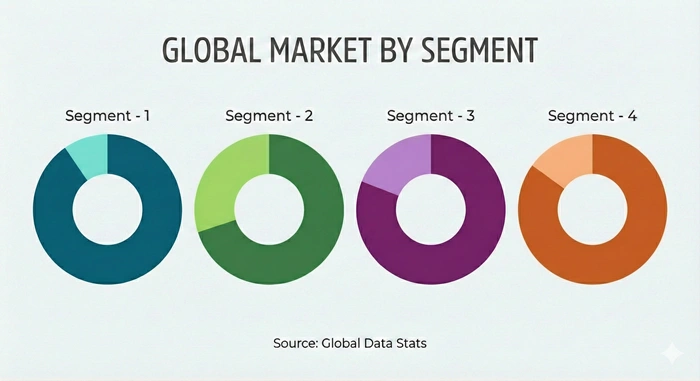
The warm season native grass seeds segment commands dominant market positioning capturing approximately 44.8% of global revenue as these species demonstrate exceptional performance characteristics ideally suited for regions experiencing hot summers, water scarcity challenges, and climate warming trends. Warm season grasses including buffalo grass, blue grama, switchgrass, Indian grass, and big bluestem exhibit peak growth during summer months when temperatures exceed 70 degrees Fahrenheit, utilizing efficient C4 photosynthetic pathways that enable superior water use efficiency compared to cool season alternatives. These species require approximately thirty percent less irrigation water than cool season grasses while maintaining vigorous growth and ground coverage, making them increasingly attractive for landscaping applications in water-scarce regions facing irrigation restrictions and rising water costs. North America leads warm season segment adoption with extensive plantings across southern United States, Great Plains, and southwestern regions where these native species are indigenous and particularly well-adapted to local climate conditions, drought patterns, and soil characteristics.
The warm season segment growth trajectory remains robust throughout the forecast period driven by accelerating climate change impacts that favor heat-tolerant species, expanding geographic ranges where warm season grasses perform optimally, and increasing adoption in xeriscaping projects that prioritize water conservation. Leading seed companies including Ernst Conservation Seeds, Prairie Moon Nursery, and Roundstone Native Seeds dominate this segment through extensive warm season grass portfolios offering diverse species and cultivar selections tailored to specific ecological restoration objectives and landscape design preferences. The segment benefits from growing scientific evidence demonstrating that warm season native grasses provide superior wildlife habitat compared to non-native alternatives, supporting higher density and diversity of grassland bird species, pollinating insects, and small mammals that depend on native plant communities. Market opportunities continue expanding as researchers develop improved warm season grass cultivars with enhanced establishment characteristics, broader adaptation ranges, and specialized traits supporting specific applications including biofuel production, forage quality improvement, and erosion control on steep slopes.
By Application: Land Conservation and Rehabilitation Segment
Ecosystem Restoration Mandates Position Conservation as Leading Application Market
The land conservation and rehabilitation application segment maintains leading market position accounting for approximately 39.25% of global native grass seeds consumption as governments, conservation organizations, and land management agencies invest billions annually in ambitious ecosystem restoration programs addressing decades of habitat degradation and biodiversity loss. Soil erosion represents a critical environmental challenge threatening agricultural productivity, water quality, and ecosystem integrity, with native grass plantings providing proven solutions that stabilize soils through extensive root systems, reduce surface runoff that carries sediments and pollutants into waterways, and rebuild organic matter content that improves soil health and fertility. The United States Environmental Protection Agency documents that native vegetation restoration can reduce soil erosion by up to seventy-five percent compared to conventional land management approaches, creating compelling justification for native grass seed investments in conservation applications.
The conservation segment exhibits strong growth momentum through 2033 driven by expanding government restoration budgets, increasing private sector engagement in habitat conservation through corporate sustainability programs, and growing recognition that ecosystem restoration provides valuable climate mitigation benefits through carbon sequestration. The United States Bureau of Land Management invested nearly eighteen million dollars in 2024 to enhance native seed supply infrastructure supporting landscape-scale restoration projects, demonstrating sustained government commitment to conservation programs that drive native grass seeds market demand. Europe follows similar trajectory with the European Green Deal allocating substantial funding toward biodiversity protection and ecosystem restoration initiatives featuring native plant species as essential components. Leading companies serving this segment including Bamert Seed Company, Stock Seed Farms, and Native American Seed provide specialized native grass seed mixtures designed for specific restoration objectives such as prairie reconstruction, riparian zone stabilization, mine reclamation, and post-fire rehabilitation that require carefully selected species combinations matching local ecological conditions and restoration goals.
Regional Insights
North America
Conservation Policy Leadership and Established Distribution Networks Sustain Regional Dominance
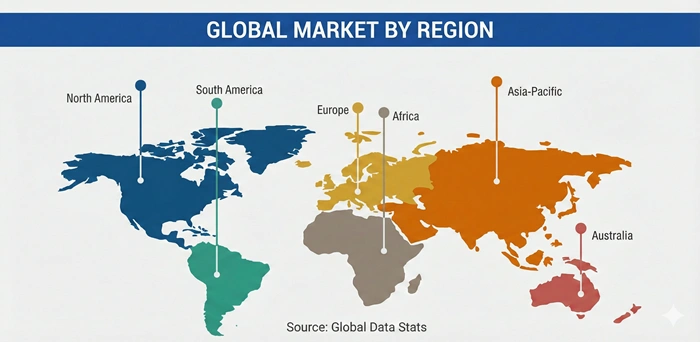
North America maintains commanding leadership in the global native grass seeds market with approximately 46% market share driven by the region's extensive conservation program infrastructure, strong environmental regulations supporting habitat restoration, and mature distribution networks connecting seed producers with end users across diverse market segments. The United States dominates regional consumption through massive Conservation Reserve Program enrollment that contracts millions of acres of environmentally sensitive agricultural land for conversion to native grass plantings that provide wildlife habitat, prevent soil erosion, and protect water quality. The United States Department of Agriculture reported that over two million acres of grassland were restored through conservation programs in 2023, creating substantial seed demand that supports a thriving regional native grass seed industry. Canada contributes significant market activity through prairie restoration initiatives, agricultural margin management programs, and biodiversity conservation efforts focused on protecting endangered grassland bird species and rebuilding native plant communities across prairie provinces.
Major seed companies headquartered in North America including Prairie Moon Nursery, Ernst Conservation Seeds, Millborn Seeds, and American Meadows maintain strong market presence through comprehensive product portfolios, technical expertise supporting customer success, and established relationships with conservation agencies and land management organizations. The regional market exhibits approximately 7.5% CAGR through 2033 as adoption expands from traditional conservation applications into mainstream residential and commercial landscaping driven by water conservation mandates, sustainable landscape design preferences, and growing consumer environmental awareness. Emerging opportunities in carbon credit markets position North America as the testing ground for innovative business models that monetize ecosystem services provided by native grassland restorations, with pilot programs in states including Iowa, Montana, and Kansas establishing protocols for measuring and verifying carbon sequestration in native grass plantings that can generate revenue streams supplementing traditional agricultural income.
Asia-Pacific
Rapid Urbanization and Government Restoration Programs Drive Fastest Regional Growth
Asia-Pacific emerges as the fastest-growing regional market for native grass seeds with projected CAGR exceeding 9.2% through 2033, propelled by explosive urbanization creating demand for sustainable landscaping solutions, ambitious government-led ecosystem restoration programs, and rising environmental consciousness among rapidly expanding middle-class populations. China leads regional growth through massive investments in ecological restoration programs addressing decades of environmental degradation, with government initiatives targeting millions of hectares for grassland restoration, desertification prevention, and biodiversity conservation that rely heavily on native plant species including indigenous grasses adapted to diverse regional ecosystems. India represents enormous growth potential as government programs promote sustainable land management practices preventing soil degradation, the National Biodiversity Action Plan emphasizes native plant conservation, and urban green space development accelerates in rapidly expanding cities where native grasses offer low-maintenance landscaping alternatives suitable for water-scarce conditions.
Australia contributes substantial regional market activity through the National Landcare Program allocating over one billion Australian dollars toward environmental restoration from 2023 to 2026, with native grass seeds playing central roles in projects addressing soil erosion, biodiversity loss, and invasive species control across agricultural and conservation lands. The regional native grass seeds market benefits from favorable demographic trends including younger property owner populations more receptive to sustainable landscaping concepts, increasing smartphone penetration enabling access to digital educational resources about native plant benefits, and growing venture capital investment in agricultural technology startups developing innovative native seed products and application methods. Key regional players include both international companies establishing local production facilities to serve growing demand and emerging domestic seed producers developing products tailored to specific regional species requirements, climate conditions, and market preferences in countries including Thailand, Vietnam, Japan, and South Korea where native grass adoption is accelerating across diverse applications.
Top Key Players
-
Prairie Moon Nursery (United States)
-
Ernst Conservation Seeds (United States)
-
S&S Seeds (United States)
-
Stock Seed Farms (United States)
-
Millborn Seeds Inc (United States)
-
Sharp Brothers Seed Company (United States)
-
Native American Seed (United States)
-
Roundstone Native Seeds LLC (United States)
-
Bamert Seed Company (United States)
-
American Meadows (United States)
-
Wildflower Farm (Canada)
-
Everwilde Farms Inc (United States)
-
Prairie Nursery (United States)
-
Applewood Seed Company (United States)
-
Turner Seed Company (United States)
Recent Developments
-
February 2024: The United States Bureau of Land Management announced an investment of nearly USD 18 million to enhance native seed supply infrastructure across the country, supporting the National Seed Strategy Keystone Initiative aimed at restoring native vegetation and improving seed collection and production capabilities through partnerships with local farmers and Tribal greenhouse facilities as part of President Biden's climate change agenda.
-
August 2024: Native Seed Company based in Oklahoma unveiled a comprehensive new product line of native grass seeds specifically tailored for restoration projects in the Southern Great Plains region, featuring drought-resistant species including Little Bluestem and Big Bluestem designed to improve soil health and provide critical habitat for local wildlife populations adapted to regional ecosystem conditions.
-
March 2023: Millborn Seeds expanded its operational footprint in Nebraska through the strategic acquisition of Prairie Sky Seed, a prominent seed-cleaning and conditioning facility located in Western Nebraska, enabling the company to enhance its retail distribution network, processing capabilities, and service offerings to farmers, ranchers, and landowners throughout the region seeking specialized native seed solutions.
-
March 2023: Millborn Seeds introduced innovative additions to its native grass seed product lineup including the Boost hay and pasture mix series and Grass Max formulations, representing cutting-edge genetics and carefully designed species combinations aimed at optimizing agricultural operations, improving forage quality, and maximizing sustainability outcomes for livestock producers and land managers.
-
January 2023: GROWMARK Inc, a leading agricultural cooperative, completed its acquisition of Allied Seed LLC based in the United States, significantly expanding its product portfolio to encompass comprehensive forage, turfgrass, and cover crop seed offerings along with extensive production, blending, packaging, and seed treatment service capabilities that strengthen the company's position as a diversified agricultural solutions provider.
Market Trends
Integration of Native Grasses into Regenerative Agriculture and Carbon Farming Systems
The native grass seeds market is experiencing fundamental transformation as regenerative agriculture principles gain mainstream adoption across farming communities, with native perennial grasses increasingly recognized as essential components of holistic land management systems that rebuild soil health, enhance biodiversity, and generate ecosystem service revenues. Progressive farmers are incorporating native grass plantings into crop rotation schemes, establishing permanent conservation buffers along field margins, and converting marginal cropland to native grass stands that provide habitat corridors connecting fragmented ecosystems while generating income through activities including managed grazing, native seed harvesting, and carbon credit sales. This agricultural integration creates sustained demand for native grass seed products beyond traditional conservation applications, expanding market opportunities into mainstream production agriculture where economic viability requirements drive purchasing decisions. Technology companies are developing digital platforms that connect landowners establishing native grass plantings with buyers seeking verified carbon credits, creating transparent marketplaces that streamline transactions and provide price discovery mechanisms supporting informed investment decisions.
Corporate sustainability programs and supply chain transparency initiatives represent rapidly emerging market drivers as food companies, retailers, and consumer product manufacturers establish environmental performance requirements for agricultural suppliers that include habitat conservation provisions and biodiversity protection measures achievable through native grass establishments. Major corporations are setting ambitious commitments to source commodities from farms implementing regenerative practices, offering premium payments and long-term contracts to producers who demonstrate measurable progress toward soil health improvement, wildlife habitat enhancement, and carbon sequestration goals that native grass plantings help achieve. Insurance companies and agricultural lenders are beginning to recognize native grass diversity as risk mitigation factors that improve farm resilience to climate variability, with some programs offering favorable terms for operations incorporating conservation practices including native grass buffers that reduce erosion risk and improve water management capabilities during extreme weather events.
Segments Covered in the Report
By Product Type:
-
Warm Season
-
Buffalo Grass
-
Blue Grama
-
Switchgrass
-
Indian Grass
-
Big Bluestem
-
-
Cool Season
-
Canada Wild Rye
-
Virginia Wild Rye
-
Slender Wheatgrass
-
Green Needlegrass
-
-
Mixture
-
Warm and Cool Season Blends
-
Region-Specific Mixtures
-
Application-Specific Formulations
-
By Application:
-
Land Conservation and Rehabilitation
-
Habitat Restoration
-
Erosion Control
-
Mine Reclamation
-
Riparian Zone Stabilization
-
-
Landscaping
-
Residential Properties
-
Commercial Developments
-
Municipal Green Spaces
-
Xeriscaping Projects
-
-
Animal Grazing and Hay
-
Pasture Establishment
-
Hay Production
-
Wildlife Food Plots
-
-
Biofuel
-
Biomass Production
-
Cellulosic Ethanol Feedstock
-
-
Fertilizers
-
Green Manure
-
Soil Amendment
-
By Distribution Channel:
-
Offline Stores
-
Garden Centers
-
Agricultural Supply Stores
-
Conservation Organization Sales
-
Specialty Native Plant Nurseries
-
-
Online Stores
-
E-commerce Platforms
-
Company Direct Sales Websites
-
Conservation Organization Online Stores
-
By Region:
-
North America
-
United States
-
Canada
-
Mexico
-
-
Europe
-
Germany
-
United Kingdom
-
France
-
Italy
-
Spain
-
Netherlands
-
Rest of Europe
-
-
Asia-Pacific
-
China
-
India
-
Australia
-
Japan
-
South Korea
-
Thailand
-
Rest of Asia-Pacific
-
-
Latin America
-
Brazil
-
Argentina
-
Rest of Latin America
-
-
Middle East and Africa
-
Saudi Arabia
-
UAE
-
South Africa
-
Rest of Middle East and Africa
-
Frequently Asked Questions
Question 1: What is the projected size of the native grass seeds market by 2033?
Answer: The global native grass seeds market is expected to reach approximately USD 26.51 billion by 2033, growing from USD 13.59 billion in 2026. This substantial expansion reflects increasing adoption of sustainable land management practices, growing government investment in ecosystem restoration programs, and rising demand for environmentally friendly landscaping solutions across residential and commercial applications.
Question 2: Which region currently dominates the native grass seeds market?
Answer: North America leads the global native grass seeds market with approximately 46% market share, driven by extensive conservation program infrastructure including the Conservation Reserve Program, strong environmental regulations supporting habitat restoration, and well-established distribution networks. The region benefits from mature market development and sustained government funding for conservation initiatives utilizing native grass plantings.
Question 3: What are the primary growth drivers for the native grass seeds market?
Answer: The native grass seeds market growth is primarily driven by increasing biodiversity conservation awareness, substantial government funding for ecosystem restoration projects, expanding carbon credit markets that monetize grassland carbon sequestration, and growing water conservation mandates favoring drought-tolerant native species. Corporate sustainability programs and consumer preference for environmentally responsible landscaping further accelerate market adoption across multiple application segments.
Question 4: Which application segment accounts for the largest share in the native grass seeds market?
Answer: Land conservation and rehabilitation represents the dominant application segment accounting for approximately 39.25% of the global native grass seeds market. This segment encompasses habitat restoration projects, erosion control initiatives, mine reclamation activities, and riparian zone stabilization efforts undertaken by government agencies, conservation organizations, and land management entities investing billions annually in ecosystem restoration programs.
Question 5: What is the expected growth rate for the native grass seeds market from 2026 to 2033?
Answer: The native grass seeds market is projected to grow at a CAGR of 7.97% from 2026 to 2033. This robust growth rate reflects sustained expansion across both traditional conservation applications and emerging market segments including carbon farming, regenerative agriculture integration, and sustainable commercial landscaping driven by environmental awareness, policy support, and economic incentives for native grass adoption.