
N-Heptane Market Overview
Specialty Solvent Applications Drive Pharmaceutical Manufacturing, Laboratory Analysis, and Industrial Processing Sectors
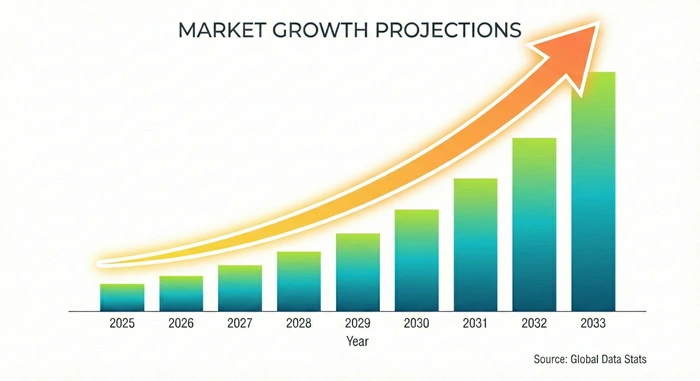
The global n-heptane market size is valued at USD 508.16 million in 2025 and is predicted to increase from USD 548.41 million in 2026 to approximately USD 948.30 million by 2033, growing at a CAGR of 8.00% from 2026 to 2033. This specialized hydrocarbon solvent industry encompasses production, distribution, and application of normal heptane, a straight-chain alkane demonstrating exceptional solvency properties, low toxicity, and narrow boiling range characteristics. N-heptane serves critical functions across pharmaceutical synthesis, laboratory analysis, paints and coatings formulation, adhesives manufacturing, and chemical processing where precise solvent specifications and regulatory compliance drive purchasing decisions.
The n-heptane market addresses escalating demand for high-purity solvents where pharmaceutical manufacturing requires analytical-grade materials for API extraction and chromatography applications. This colorless liquid hydrocarbon derived from petroleum refining or natural gas processing demonstrates volatile organic compound (VOC) classification requiring careful handling but delivering superior performance in dissolution, extraction, and cleaning operations. Major industrial sectors including pharmaceutical production, electronics manufacturing, specialty chemicals processing, coatings formulation, and laboratory research consume substantial n-heptane volumes as manufacturers pursue quality standards, regulatory compliance, and operational efficiency throughout production processes requiring reliable solvent performance and consistent product specifications.

AI Impact on the N-Heptane Industry
Predictive Analytics and Supply Chain Optimization Revolutionize Distribution Efficiency and Inventory Management
Artificial intelligence transforms the n-heptane market through demand forecasting systems analyzing pharmaceutical production schedules, laboratory consumption patterns, and industrial manufacturing cycles predicting regional requirements enabling optimized inventory positioning reducing stockouts during peak usage periods. Machine learning algorithms evaluate historical sales data, seasonal pharmaceutical campaigns, regulatory approval timelines, and economic indicators identifying demand signals weeks before traditional forecasting methods. These AI-powered platforms enable distributors and chemical suppliers to maintain optimal stock levels across warehouses, distribution centers, and customer facilities minimizing carrying costs while ensuring product availability. Predictive models incorporate factors including pharmaceutical manufacturing locations, electronics production facilities, coating operations, and laboratory networks creating granular demand projections at regional and facility-specific levels supporting precision logistics planning.
Advanced AI applications extend beyond demand forecasting to revolutionize quality control and regulatory compliance within the n-heptane market landscape. Automated spectroscopic analysis systems utilizing machine learning algorithms evaluate gas chromatography data, infrared spectroscopy results, and mass spectrometry outputs detecting impurities and compositional variations at parts-per-million concentrations ensuring pharmaceutical-grade specifications. Computer vision systems monitor packaging processes, labeling accuracy, and documentation completeness preventing regulatory non-compliance issues before product shipment. Neural networks analyze transportation routes, handling conditions, and storage environments optimizing logistics to maintain product integrity throughout supply chains spanning refineries to end-user facilities. These AI-driven capabilities position suppliers to achieve six-sigma quality levels while reducing analytical costs by 25-35% and improving regulatory compliance throughout forecast period.
Growth Factors
Pharmaceutical Industry Expansion and Analytical Laboratory Growth Drive Unprecedented N-Heptane Demand
The n-heptane market experiences robust growth propelled by pharmaceutical industry expansion where active pharmaceutical ingredient manufacturing requires high-purity solvents for extraction, crystallization, and purification processes. Global pharmaceutical production projected to exceed 1.5 trillion dollars annually by 2030 creates substantial solvent consumption supporting API synthesis, formulation development, and quality control operations. Generic drug manufacturing particularly in India, China, and emerging markets relies heavily on cost-effective yet high-purity solvents including n-heptane meeting USP, EP, and IP pharmacopeial standards. Chromatography applications including HPLC and GC analysis for pharmaceutical testing consume specialized analytical-grade n-heptane ensuring accurate results and regulatory compliance. Biopharmaceutical production including antibody purification and vaccine manufacturing utilizes n-heptane in specialized extraction procedures requiring trace-metal-free specifications supporting breakthrough therapies and personalized medicine applications throughout forecast period.
Laboratory and research sector growth drives n-heptane market expansion through academic institutions, contract research organizations, government laboratories, and corporate R&D facilities requiring analytical-grade solvents for diverse applications. University chemistry departments, materials science laboratories, and pharmaceutical research centers consume substantial volumes supporting teaching activities, fundamental research, and applied development programs. Environmental testing laboratories analyzing soil samples, water quality, and air pollutants utilize n-heptane as extraction solvent meeting EPA method specifications. Food safety laboratories testing pesticide residues, contaminants, and adulterants require HPLC-grade n-heptane ensuring detection accuracy at ppb concentrations. Forensic laboratories, quality control facilities, and reference standard producers maintain consistent n-heptane consumption independent of economic cycles supporting baseline market demand. Research funding growth particularly government science programs, pharmaceutical R&D investments, and university research budgets creates sustained consumption growth throughout forecast period.
Market Outlook
Sustainability Initiatives and Specialty Applications Position Industry for Sustained Long-Term Expansion
The n-heptane market outlook remains exceptionally positive as manufacturers invest substantially in bio-based production methods and sustainable sourcing initiatives addressing environmental concerns and regulatory pressures. Next-generation production technologies including Fischer-Tropsch synthesis from biomass, algae-derived hydrocarbons, and renewable feedstock processing create sustainable alternatives to petroleum-derived n-heptane reducing carbon footprints. Low-VOC formulation development incorporating n-heptane in specialized solvent blends maintains performance characteristics while meeting increasingly stringent environmental regulations across North America, Europe, and developed markets. Recycling and recovery systems capturing used solvents from pharmaceutical manufacturing, laboratory operations, and industrial processes enable circular economy approaches reducing virgin material consumption. Green chemistry initiatives particularly in pharmaceutical development pursue solvent minimization, substitution strategies, and process intensification reducing overall n-heptane consumption per unit production while maintaining critical applications requiring irreplaceable solvent properties.
Investment trends within the n-heptane market reflect growing confidence in long-term demand fundamentals as petrochemical companies, specialty chemical distributors, and pharmaceutical suppliers expand production capacity and distribution infrastructure. Leading producers including Shell Chemicals, ExxonMobil Chemical, Chevron Phillips Chemical, and regional refineries maintain capital expenditure programs upgrading separation units, purification systems, and quality control laboratories achieving pharmaceutical-grade specifications. Acquisition activity intensifies as multinational chemical distributors pursue market consolidation through strategic acquisitions of regional suppliers, specialty chemical companies, and laboratory supply distributors accessing established customer relationships and technical service capabilities. Vertical integration strategies connecting crude oil refining with specialty chemical production and pharmaceutical distribution create streamlined supply chains reducing costs and ensuring quality consistency. These favorable dynamics position the market for sustained expansion exceeding general chemical solvents industry growth rates through 2033.
Expert Speaks
-
Darren Woods, Chairman and CEO of ExxonMobil, emphasized strategic execution: "The second quarter, once again, proved the value of our strategy and competitive advantages, which continue to deliver for our shareholders no matter the market conditions or geopolitical developments. Our performance chemicals segment including specialty solvents demonstrates resilience through operational excellence and customer focus supporting consistent earnings growth".
-
Wael Sawan, CEO of Shell plc, articulated transformation goals: "Through performance, discipline, and simplification we will deliver what we say, and confidence that we are strongly positioning Shell for the future, resilient irrespective of how the energy system evolves. The trough that we have seen in chemicals margins has been one of the longest we have seen, and we continue to have important turnaround plans to be able to alleviate that".
-
ExxonMobil Leadership, highlighted innovation commitment: "Performance products including performance chemicals provide differentiated performance for multiple applications through enhanced properties versus commodity alternatives and bring significant additional value to customers and end-users. Our 2030 plans build on unique advantages in specialty chemical production supporting pharmaceutical, electronics, and industrial sectors requiring high-quality materials".
Key Report Takeaways
-
Asia Pacific dominates the n-heptane market with commanding share exceeding 42%, driven by concentrated pharmaceutical manufacturing, electronics production, and chemical processing across China, India, and Southeast Asia where domestic API production, generic drug manufacturing, and laboratory infrastructure consume substantial analytical-grade solvent volumes supported by cost-competitive production.
-
North America emerges as the fastest-growing regional market with projected CAGR approaching 8.8% through 2033, propelled by established pharmaceutical manufacturing, stringent regulatory standards, and growing API production capabilities where VOC management frameworks, quality requirements, and pharmaceutical excellence drive high-purity n-heptane demand supporting innovation leadership.
-
High purity grades above 99% represent the dominant purity segment accounting for approximately 42% market share due to pharmaceutical synthesis requirements, HPLC analysis specifications, and electronics cleaning applications where analytical-grade materials meet stringent regulatory compliance and quality standards justifying premium pricing.
-
Pharmaceutical applications constitute the largest end-use segment capturing substantial market share driven by API extraction, drug formulation, chromatography analysis, and quality control testing where high-purity solvents ensure product safety, regulatory compliance, and analytical accuracy across diverse therapeutic categories.
-
Paints and coatings maintain significant industrial application share representing established market segment utilizing n-heptane as thinning agent, cleaning solvent, and formulation component where low toxicity, consistent performance, and regulatory acceptance support continued consumption across architectural, automotive, and industrial coating applications.
-
Direct sales channels dominate distribution with pharmaceutical manufacturers representing substantial market share driven by quality assurance requirements, regulatory documentation, and technical support needs where established supplier relationships and validated supply chains justify premium pricing and long-term supply agreements throughout forecast period.
Market Scope
| Report Coverage Details | |
|---|---|
| Market Size by 2033 | USD 948.30 Million |
| Market Size by 2025 | USD 508.16 Million |
| Market Size by 2026 | USD 548.41 Million |
| Market Growth Rate from 2026 to 2033 | CAGR of 8.00% |
| Dominating Region | Asia Pacific |
| Fastest Growing Region | North America |
| Base Year | 2025 |
| Forecast Period | 2026 to 2033 |
| Segments Covered | Purity Grade, Application, End-Use Industry, Distribution Channel, Region |
| Regions Covered | North America, Europe, Asia Pacific, Latin America, Middle East & Africa |
Market Dynamics
Drivers Impact Analysis
Pharmaceutical Manufacturing Growth and Laboratory Expansion Accelerate N-Heptane Adoption
| Impact Factor | (≈) % Impact on CAGR Forecast | Geographic Relevance | Impact Timeline |
|---|---|---|---|
| Pharmaceutical Industry Growth | +2.8% | Asia Pacific, North America | 2026-2033 |
| Analytical Laboratory Expansion | +2.2% | Global Markets | 2026-2033 |
| Electronics Manufacturing | +1.6% | Asia Pacific | 2026-2033 |
| Quality Control Requirements | +1.4% | Regulated Markets | 2026-2033 |
The n-heptane market benefits substantially from pharmaceutical industry expansion where global drug production growth particularly generic medications, biosimilars, and active pharmaceutical ingredients requires high-purity solvents for synthesis and purification processes. India alone producing over 3000 API varieties and accounting for 20% of global generic supply creates concentrated demand for pharmaceutical-grade solvents. Chinese pharmaceutical manufacturers expanding domestic production capabilities and export operations consume substantial n-heptane volumes supporting contract manufacturing, API production, and finished dosage formulation. United States pharmaceutical manufacturing particularly sterile injectables, oncology drugs, and specialized therapies utilizes ultra-high purity n-heptane meeting USP specifications and FDA compliance requirements. European pharmaceutical production particularly in Germany, Switzerland, and Ireland serving global markets maintains consistent solvent consumption supporting both innovator drugs and generic manufacturing operations throughout forecast period.
Analytical laboratory growth accelerates n-heptane market adoption as environmental testing, food safety analysis, pharmaceutical quality control, and research institutions expand capabilities requiring HPLC-grade and GC-grade solvents. Contract research organizations supporting pharmaceutical development, agrochemical testing, and materials characterization consume substantial analytical-grade n-heptane volumes. Government regulatory agencies including EPA laboratories, FDA testing facilities, and customs inspection stations require consistent solvent supplies meeting method specifications. University research programs particularly chemistry departments, materials science centers, and interdisciplinary institutes maintain baseline consumption supporting teaching activities and fundamental research. Private testing laboratories serving environmental compliance, industrial quality control, and forensic analysis demonstrate growing consumption as regulatory requirements expand across industries. These diverse analytical applications create sustained demand independent of pharmaceutical manufacturing cycles supporting market stability throughout forecast period.
Restraints Impact Analysis
VOC Regulations and Alternative Solvents Challenge Market Penetration Across Environmental-Sensitive Applications
| Restraint Factor | (≈) % Impact on CAGR Forecast | Geographic Relevance | Impact Timeline |
|---|---|---|---|
| VOC Regulatory Restrictions | -1.8% | North America, Europe | 2026-2033 |
| Alternative Solvent Competition | -1.4% | Industrial Applications | 2026-2031 |
| Price Volatility | -1.1% | Global Markets | 2026-2033 |
| Environmental Concerns | -0.9% | Developed Markets | 2026-2030 |
The n-heptane market faces growth constraints from volatile organic compound regulations where air quality standards, emission limits, and workplace exposure restrictions constrain industrial usage particularly in coatings, adhesives, and cleaning applications. California Air Resources Board regulations, European Union Solvents Directive, and similar jurisdictions implement strict VOC limits forcing reformulation toward water-based systems, high-solids coatings, or exempt solvents. Architectural coatings particularly consumer paints and wood finishes transition away from conventional solvents including n-heptane reducing addressable market volumes. Automotive refinishing operations implement low-VOC clearcoats and basecoats meeting regulatory requirements while reducing traditional solvent consumption. Industrial cleaning operations particularly precision electronics and metal degreasing evaluate alternative technologies including aqueous cleaning, semi-aqueous systems, or exempt hydrocarbon solvents. These regulatory constraints limit market growth outside pharmaceutical and analytical applications where solvent performance requirements justify continued usage despite VOC classification throughout forecast period.
Alternative solvent competition challenges n-heptane market penetration where substitute materials offering comparable performance with reduced environmental impact capture market share. Acetone, ethyl acetate, and isopropanol demonstrate similar solvency properties with lower toxicity profiles and more favorable regulatory classifications appealing to formulation chemists. Hydrocarbon blends incorporating exempt solvents or modified compositions achieve comparable performance while meeting VOC compliance requirements. Green solvents including bio-based esters, terpenes, and renewable hydrocarbons appeal to customers pursuing sustainability initiatives and environmental credentials. Water-based formulation technologies eliminate organic solvent requirements entirely across applications including coatings, adhesives, and cleaning products. Pharmaceutical applications demonstrate relative immunity to substitution due to validated processes, regulatory submissions, and pharmacopeial specifications preventing routine solvent changes. These competitive dynamics create pricing pressures and volume challenges particularly in industrial applications lacking regulatory barriers to substitution throughout forecast period.
Opportunities Impact Analysis
Biotechnology Applications and Emerging Markets Create Substantial Growth Avenues Beyond Traditional Uses
| Opportunity Factor | (≈) % Impact on CAGR Forecast | Geographic Relevance | Impact Timeline |
|---|---|---|---|
| Biotechnology Expansion | +1.6% | North America, Europe | 2027-2033 |
| Emerging Market Growth | +1.4% | Asia Pacific, Latin America | 2026-2033 |
| Specialty Applications | +1.0% | Advanced Manufacturing | 2027-2033 |
| Contract Manufacturing | +0.8% | Global Pharmaceutical | 2026-2033 |
The n-heptane market stands to capture substantial value from biotechnology sector expansion where antibody purification, vaccine production, and cell culture manufacturing require specialized extraction solvents meeting pharmaceutical-grade specifications. Monoclonal antibody production projected to exceed 300 billion dollars by 2030 utilizes n-heptane in lipid extraction procedures supporting downstream purification processes. mRNA vaccine manufacturing following COVID-19 success requires lipid nanoparticle formulations utilizing organic solvents including pharmaceutical-grade n-heptane. Cell and gene therapy production incorporating viral vectors, cell harvesting, and purification operations consumes specialty solvents meeting GMP requirements. Biopharmaceutical contract manufacturing particularly in Singapore, Ireland, and United States serves global markets requiring validated solvent supply chains. These advanced biologic applications create premium pricing opportunities and sustained volume growth throughout forecast period.
Emerging market pharmaceutical development presents exceptional growth opportunities for the n-heptane market as countries including Indonesia, Vietnam, Brazil, and African nations establish domestic manufacturing capabilities. Government initiatives promoting pharmaceutical self-sufficiency, generic drug production, and API manufacturing create new consumption markets requiring solvent supplies. Local pharmaceutical companies pursuing WHO prequalification, export certifications, and international quality standards specify high-purity solvents including pharmaceutical-grade n-heptane. Contract research organizations establishing operations in emerging markets support clinical trials, analytical testing, and pharmaceutical development requiring analytical-grade materials. Laboratory infrastructure expansion including university research facilities, government testing laboratories, and private analytical services creates baseline demand. These geographic expansion opportunities enable market growth beyond saturated developed markets supporting sustained industry expansion throughout forecast period.
Segment Analysis
By Purity Grade: High Purity Above 99%
Pharmaceutical and Analytical Applications Drive High-Purity Segment Market Leadership
High purity n-heptane above 99% commands the largest share within the n-heptane market, accounting for approximately 42% of global revenue with continued expansion projected at robust CAGR of 8.4% through 2033. This purity category encompasses pharmaceutical-grade materials meeting USP, EP, and JP specifications along with HPLC-grade and GC-grade solvents for analytical applications demonstrating minimal impurities, consistent specifications, and comprehensive documentation. The n-heptane market benefits from pharmaceutical applications' stringent quality requirements where API synthesis, drug formulation, and analytical testing cannot tolerate impurities interfering with chemical reactions or analytical methods. Regulatory compliance including FDA validation requirements, European Medicines Agency standards, and ICH guidelines mandate high-purity solvents with certificate of analysis documentation, batch traceability, and quality assurance systems. Analytical laboratories particularly those operating under ISO 17025 accreditation specify HPLC-grade n-heptane ensuring reproducible chromatographic separations and accurate quantification supporting regulatory submissions and publication-quality research.
North America and Europe lead high-purity n-heptane consumption within the market, driven by established pharmaceutical manufacturing, stringent regulatory environments, and advanced analytical infrastructure. United States pharmaceutical companies including both innovator drug manufacturers and generic producers maintain validated processes specifying pharmaceutical-grade n-heptane from approved suppliers. Contract manufacturing organizations serving global pharmaceutical clients require comprehensive supply chain qualification, regulatory documentation, and quality systems supporting customer audits. European pharmaceutical production particularly in Switzerland, Germany, and Ireland utilizes high-purity solvents meeting European Pharmacopoeia standards supporting both domestic consumption and export manufacturing. Leading chemical distributors including Merck KGaA, Thermo Fisher Scientific, VWR International, and Sigma-Aldrich maintain inventory systems, quality control laboratories, and technical support capabilities serving pharmaceutical and analytical customers. Asia Pacific particularly Japan, South Korea, and Singapore demonstrates growing high-purity consumption supporting regional pharmaceutical manufacturing, biotechnology production, and advanced research facilities. Premium pricing for pharmaceutical-grade materials creates attractive margins justifying specialized production, quality control, and distribution infrastructure throughout forecast period.
By Application: Pharmaceuticals
API Production and Drug Development Position Pharmaceuticals as Dominant Application Category
Pharmaceutical applications represent the largest segment within the n-heptane market, capturing substantial market share driven by active pharmaceutical ingredient synthesis, drug formulation, chromatography analysis, and quality control testing. This sector encompasses diverse pharmaceutical manufacturing processes including extraction operations, crystallization procedures, reaction solvents, and analytical methods where n-heptane demonstrates optimal performance characteristics. The n-heptane market benefits from pharmaceutical segment's quality focus where validated processes, regulatory submissions, and pharmacopeial methods specify particular solvents preventing routine substitution. Generic drug manufacturing particularly production of cardiovascular medications, antibiotics, analgesics, and gastrointestinal drugs relies heavily on cost-effective solvents meeting quality standards. Specialty pharmaceuticals including oncology drugs, immunosuppressants, and hormonal therapies utilize high-purity solvents throughout synthesis and purification sequences supporting complex multi-step manufacturing processes.
Asia Pacific leads pharmaceutical n-heptane applications within the market, driven by concentrated API manufacturing, generic drug production, and growing contract manufacturing operations. India alone accounting for 20% of global generic supply and exporting to over 200 countries consumes substantial pharmaceutical-grade n-heptane volumes. Major Indian pharmaceutical companies including Sun Pharma, Dr. Reddy's Laboratories, and Cipla maintain extensive manufacturing facilities requiring consistent solvent supplies meeting international standards. Chinese pharmaceutical manufacturers serving domestic market exceeding 1.4 billion population and expanding export operations consume growing n-heptane volumes supporting API production and finished drug manufacturing. Contract manufacturing organizations particularly in India, China, and Southeast Asia serving multinational pharmaceutical clients specify high-purity solvents meeting customer quality requirements. Leading pharmaceutical solvent suppliers including Loba Chemie, Merck Life Science, and regional chemical distributors maintain technical service capabilities supporting manufacturing optimization and regulatory compliance. North American and European pharmaceutical applications emphasize innovator drugs, specialized therapies, and high-value products where solvent costs represent minor production inputs compared to quality assurance importance. Biotechnology applications particularly antibody production and vaccine manufacturing create emerging consumption opportunities supporting sustained market growth throughout forecast period.
Regional Insights
Asia Pacific
Manufacturing Concentration and Cost Competitiveness Establish Regional Dominance in N-Heptane Consumption
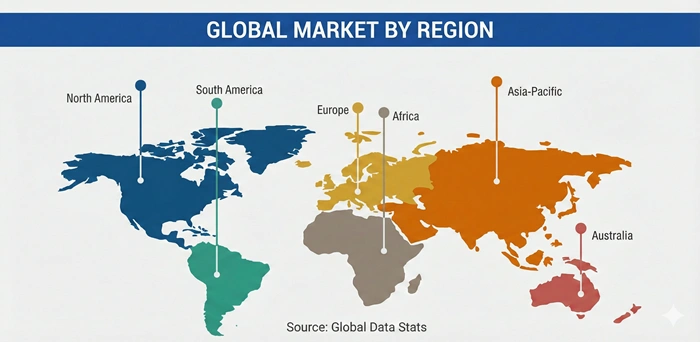
Asia Pacific commands the n-heptane market with dominant share exceeding 42%, driven by concentrated pharmaceutical manufacturing, electronics production, and chemical processing across China, India, and Southeast Asia where domestic consumption, export manufacturing, and laboratory infrastructure consume substantial analytical-grade solvent volumes. India alone accounts for approximately 35% of Asia Pacific market share with pharmaceutical industry producing over 3000 API varieties supporting domestic healthcare needs and global generic supply. Chinese pharmaceutical manufacturers expanding production capabilities to meet domestic demand and international quality standards consume growing n-heptane volumes. Japanese precision manufacturing particularly electronics, specialty chemicals, and analytical laboratories maintain consistent high-purity solvent consumption supporting quality-focused industries. South Korea's pharmaceutical and biotechnology sectors demonstrate growing consumption supporting both domestic healthcare and export-oriented contract manufacturing operations.
Regional cost competitiveness strengthens Asia Pacific's market position through integrated petroleum refining, chemical production, and pharmaceutical manufacturing creating streamlined supply chains. Chinese petrochemical companies including Sinopec, CNPC, and regional refineries produce n-heptane as refinery stream or through specialized separation processes serving domestic markets. Indian chemical distributors including Loba Chemie, Thomas Baker, and SD Fine Chemicals supply pharmaceutical and laboratory customers with locally-sourced and imported materials. Southeast Asian nations particularly Singapore, Thailand, and Malaysia develop pharmaceutical manufacturing capabilities supporting regional healthcare needs and attracting multinational contract manufacturing investments. Electronics manufacturing particularly semiconductor production and display panel fabrication utilizes n-heptane in cleaning and processing applications. Laboratory expansion including university research facilities, government testing centers, and private analytical services creates baseline consumption growth. The region's market dominance continues through 2033 as pharmaceutical manufacturing expansion, electronics growth, and analytical infrastructure development create sustained consumption supporting continued leadership position throughout forecast period.
North America
Regulatory Excellence and Innovation Leadership Position Region as Fastest-Growing Geographic Market
North America emerges as the fastest-growing regional n-heptane market with projected CAGR of 8.8% through 2033, propelled by established pharmaceutical manufacturing infrastructure, stringent regulatory standards, and growing API production capabilities. United States pharmaceutical industry alone generating over 500 billion dollars annually supports substantial solvent consumption across innovator drug production, generic manufacturing, and contract development operations. FDA regulatory framework requiring comprehensive validation, quality systems, and supply chain controls creates barriers favoring established suppliers with proven track records. Pharmaceutical manufacturing particularly sterile injectables, oncology drugs, and specialized therapies consumes high-purity n-heptane meeting USP specifications. Biotechnology sector particularly monoclonal antibody production, gene therapy manufacturing, and vaccine development utilizes specialty-grade solvents supporting advanced production processes. Canada's pharmaceutical manufacturing particularly generic production and API synthesis maintains consistent consumption supporting domestic healthcare needs.
Regional innovation leadership strengthens North America's market growth through research institutions, pharmaceutical development, and analytical capabilities driving high-value applications. Major pharmaceutical companies including Pfizer, Johnson & Johnson, Merck, and Eli Lilly maintain extensive R&D operations consuming analytical-grade n-heptane supporting drug discovery and development programs. Contract research organizations including Charles River Laboratories, PPD, and Covance serve pharmaceutical clients requiring comprehensive analytical services. Academic research institutions particularly major universities and medical schools maintain chemistry departments, pharmaceutical sciences programs, and interdisciplinary research centers. Leading chemical distributors including Thermo Fisher Scientific, VWR International, Merck KGaA, and Sigma-Aldrich operate extensive distribution networks, quality control laboratories, and technical support organizations serving diverse customer segments. Environmental testing laboratories, food safety operations, and forensic facilities maintain consistent consumption supporting regulatory compliance and quality assurance programs. The region's market growth continues accelerating through 2033 as pharmaceutical innovation, regulatory excellence, and quality focus create favorable dynamics supporting sustained market expansion throughout forecast period.
Top Key Players
-
Shell Chemicals (Netherlands)
-
ExxonMobil Chemical Company (United States)
-
Chevron Phillips Chemical Company (United States)
-
TotalEnergies (France)
-
SK Global Chemical (South Korea)
-
Merck KGaA (Germany)
-
Thermo Fisher Scientific (United States)
-
Loba Chemie (India)
-
Sankyo Chemical (Japan)
-
China National Petroleum Corporation (China)
-
SABIC (Saudi Arabia)
-
Idemitsu Kosan (Japan)
-
S-Oil Corporation (South Korea)
-
Phillips 66 Company (United States)
-
Tokyo Chemical Industry (Japan)
Recent Developments
-
ExxonMobil Chemical (2025): Commenced start-up operations at Fawley Hydrofiner facility in United Kingdom upgrading high-sulfur distillates to produce additional 37,000 barrels per day of ultra-low sulfur diesel expanding portfolio of higher-value products including specialty solvents supporting pharmaceutical and industrial customers with enhanced product availability and quality consistency.
-
Shell Chemicals (2025): Announced comprehensive transformation plans addressing chemicals business performance challenges implementing turnaround strategies focusing on operational excellence, cost reduction, and portfolio optimization while maintaining commitment to specialty products including pharmaceutical-grade solvents serving critical industries requiring high-quality materials.
-
ExxonMobil (2024): Announced 2030 strategic plans emphasizing performance products including performance chemicals providing differentiated performance versus commodity alternatives bringing significant value to pharmaceutical, electronics, and specialty industrial customers requiring consistent quality and reliable supply supporting operational excellence and earnings growth.
-
Merck KGaA (2024): Expanded pharmaceutical and laboratory chemical distribution capabilities strengthening position as leading supplier of analytical-grade solvents including HPLC-grade n-heptane through enhanced inventory management, quality control systems, and technical support services addressing growing demand from pharmaceutical manufacturers and research laboratories globally.
-
Loba Chemie (2024): Increased production capacity and quality certifications for pharmaceutical-grade solvents including n-heptane serving growing Indian pharmaceutical industry and expanding export markets through ISO certifications, GMP compliance, and regulatory documentation supporting domestic API manufacturers and international contract manufacturing organizations.
Market Trends
Sustainable Production and Pharmaceutical Integration Reshape Industry Competitive Dynamics
The n-heptane market experiences transformative trends centered on sustainable production methods as environmental regulations, carbon footprint reduction initiatives, and circular economy principles drive process innovation. Manufacturers explore bio-based production routes utilizing biomass gasification, Fischer-Tropsch synthesis, and renewable feedstock processing creating sustainable alternatives to petroleum-derived n-heptane reducing greenhouse gas emissions. Solvent recovery and recycling systems particularly in pharmaceutical manufacturing capture used solvents from extraction operations, chromatography systems, and cleaning procedures enabling redistillation and reuse reducing virgin material consumption by 30-50%. Closed-loop solvent management systems particularly in large pharmaceutical facilities integrate recovery equipment, purification systems, and quality control protocols maintaining pharmaceutical-grade specifications while reducing waste disposal costs and environmental impacts. Green chemistry initiatives within pharmaceutical development pursue solvent minimization strategies, alternative reaction conditions, and continuous manufacturing processes reducing overall n-heptane consumption per unit production while maintaining critical applications requiring irreplaceable solvent properties throughout forecast period.
Pharmaceutical supply chain integration trends reshape the n-heptane market as drug manufacturers implement stringent supplier qualification, quality assurance requirements, and supply chain security measures. Regulatory frameworks including FDA Drug Supply Chain Security Act, European Falsified Medicines Directive, and ICH Q7 guidelines mandate comprehensive supplier audits, quality agreements, and change control procedures creating barriers to supplier switching. Pharmaceutical companies pursue preferred supplier relationships with established chemical distributors demonstrating quality systems, regulatory expertise, and technical capabilities supporting GMP compliance. Digital supply chain platforms incorporating blockchain technology, IoT sensors, and real-time tracking enable end-to-end visibility from refinery through pharmaceutical manufacturing ensuring chain-of-custody documentation and quality maintenance. These integration trends create competitive advantages for established suppliers with proven track records while creating entry barriers for new market participants supporting price stability and long-term customer relationships throughout forecast period.
Segments Covered in the Report
By Purity Grade
-
High Purity (Above 99% / HPLC Grade)
-
Standard Purity (95% to 99%)
-
Technical Grade (Below 95%)
By Application
-
Pharmaceuticals (API Synthesis, Drug Formulation, Chromatography)
-
Paints and Coatings (Thinners, Formulation Components)
-
Adhesives and Sealants
-
Laboratory and Analytical (Research, Testing, Quality Control)
-
Electronics (Cleaning, Processing)
-
Chemical Synthesis
-
Others
By End-Use Industry
-
Pharmaceutical Manufacturing
-
Chemical Processing
-
Paints and Coatings Industry
-
Research Institutions and Laboratories
-
Electronics Manufacturing
-
Others
By Distribution Channel
-
Direct Sales (Large Pharmaceutical Companies, Industrial Users)
-
Chemical Distributors and Wholesalers
-
Specialty Chemical Suppliers
-
Online Portals and E-commerce
By Region
-
North America (United States, Canada, Mexico)
-
Europe (Germany, United Kingdom, France, Switzerland, Italy, Rest of Europe)
-
Asia Pacific (China, India, Japan, South Korea, Singapore, Rest of Asia Pacific)
-
Latin America (Brazil, Argentina, Rest of Latin America)
-
Middle East & Africa (Saudi Arabia, UAE, South Africa, Rest of MEA)
Frequently Asked Questions
Question 1: What is the projected size of the n-heptane market by 2033?
Answer: The global n-heptane market is expected to reach approximately USD 948.30 million by 2033, growing from USD 548.41 million in 2026. This substantial expansion reflects pharmaceutical industry growth, analytical laboratory expansion, electronics manufacturing, and quality control requirements driving high-purity solvent demand across diverse applications.
Question 2: Which region dominates the n-heptane market currently?
Answer: Asia Pacific leads the n-heptane market with over 42% share, driven by concentrated pharmaceutical manufacturing, API production, and laboratory infrastructure across China, India, and Southeast Asia. Leading suppliers including Loba Chemie, Sankyo Chemical, and regional distributors maintain dominant production and distribution positions serving domestic and export markets.
Question 3: What are the primary drivers of n-heptane market growth?
Answer: Key growth drivers include pharmaceutical industry expansion requiring high-purity solvents for API synthesis and analytical testing, laboratory infrastructure development supporting research and quality control, electronics manufacturing utilizing specialty cleaning solvents, and regulatory compliance mandating validated materials. These factors create sustained demand across quality-focused sectors throughout forecast period.
Question 4: Which purity grade holds the largest n-heptane market share?
Answer: High purity grades above 99% dominate the n-heptane market with approximately 42% share driven by pharmaceutical synthesis requirements, HPLC analysis specifications, and electronics cleaning applications. Analytical-grade materials meeting USP and pharmacopeial standards command premium pricing justified by regulatory compliance and quality assurance requirements supporting market leadership.
Question 5: How do VOC regulations impact the n-heptane market?
Answer: VOC regulations constrain industrial n-heptane usage particularly in coatings, adhesives, and cleaning applications where emission limits and workplace exposure standards force reformulation toward alternatives. However, pharmaceutical and analytical applications demonstrate relative immunity to restrictions due to validated processes and regulatory submissions preventing routine substitution, maintaining market stability in high-value segments throughout forecast period.