
Myocardial Ischemia Market Overview
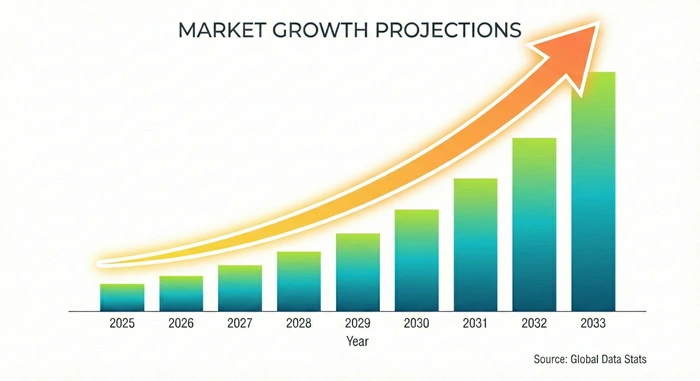
The global myocardial ischemia market size is valued at USD 4.53 billion in 2025 and is predicted to increase from USD 4.86 billion in 2026 to approximately USD 7.91 billion by 2033, growing at a CAGR of 6.16% from 2026 to 2033.
Myocardial ischemia represents a critical cardiovascular condition characterized by reduced blood flow to the heart muscle due to coronary artery narrowing or blockage, resulting in oxygen deprivation that can lead to angina, heart attacks, and chronic heart failure if left untreated. This life-threatening condition affects millions worldwide, driving substantial demand for diagnostic technologies including electrocardiograms, stress tests, cardiac imaging, and innovative therapeutic interventions encompassing pharmacological treatments, minimally invasive procedures, and surgical interventions. Healthcare systems globally prioritize myocardial ischemia management through comprehensive care pathways combining early detection, risk factor modification, medical therapy optimization, and timely revascularization procedures supporting improved patient outcomes and reduced cardiovascular mortality throughout diverse populations experiencing varying disease severity and comorbidity burdens.

AI Impact on the Myocardial Ischemia Industry
Revolutionizing Cardiac Diagnosis and Treatment Planning Through Advanced Predictive Analytics and Machine Learning Algorithms
Artificial intelligence transforms the myocardial ischemia market by introducing sophisticated diagnostic capabilities analyzing electrocardiogram patterns, cardiac imaging data, and patient clinical parameters to detect subtle ischemic changes often missed by traditional interpretation methods, enabling earlier diagnosis and timely intervention. Machine learning algorithms process vast datasets containing cardiac biomarker levels, stress test results, angiographic findings, and patient demographics identifying high-risk individuals requiring aggressive preventive measures or immediate therapeutic interventions before catastrophic cardiac events occur. AI-powered clinical decision support systems integrate real-time patient monitoring data, laboratory results, and imaging findings generating personalized treatment recommendations optimized for individual patient characteristics, comorbidities, and response patterns supporting evidence-based care delivery throughout complex clinical scenarios. These technological innovations enable healthcare providers to stratify patient risk accurately, predict treatment responses, and optimize therapeutic strategies maximizing clinical effectiveness while minimizing adverse events and unnecessary resource utilization throughout myocardial ischemia management continuum.
Predictive analytics within the myocardial ischemia market leverage artificial intelligence forecasting disease progression, complication risks, and long-term outcomes based on comprehensive patient data including genetic markers, lifestyle factors, medication adherence patterns, and serial diagnostic assessments enabling proactive care adjustments preventing deterioration. Natural language processing technologies analyze electronic health records, cardiology consultation notes, and diagnostic reports extracting critical information supporting population health management, quality improvement initiatives, and clinical research identifying optimal treatment approaches for specific patient subgroups. Computer vision integration enables automated cardiac imaging analysis detecting wall motion abnormalities, perfusion defects, and coronary artery stenosis with accuracy approaching expert cardiologist interpretation while reducing analysis time and inter-observer variability. Digital health platforms connect diagnostic devices, treatment monitoring systems, and patient-reported outcomes creating comprehensive care coordination supporting shared decision-making, medication adherence support, and lifestyle modification programs addressing modifiable risk factors throughout long-term disease management requiring sustained patient engagement and behavioral change.
Growth Factors
Rising Cardiovascular Disease Burden and Aging Demographics Drive Robust Myocardial Ischemia Market Expansion
The myocardial ischemia market experiences accelerated growth propelled by alarming increases in cardiovascular disease prevalence worldwide, with estimates indicating over 200 million people affected by coronary artery disease globally, creating massive demand for diagnostic services, therapeutic interventions, and long-term disease management solutions. Growing scientific evidence documenting the critical importance of early myocardial ischemia detection and aggressive risk factor modification motivates healthcare systems implementing comprehensive screening programs, preventive care initiatives, and quality improvement projects targeting cardiovascular disease reduction. The market gains tremendous momentum from aging demographics throughout developed and emerging economies, with elderly populations experiencing substantially higher myocardial ischemia incidence rates due to age-related arterial changes, accumulated cardiovascular risk factor exposure, and increased comorbidity burdens requiring specialized cardiac care.
Healthcare infrastructure development throughout emerging economies creates favorable conditions for myocardial ischemia market expansion, with governments investing in cardiac catheterization laboratories, advanced imaging facilities, and specialized cardiac care units supporting comprehensive diagnosis and treatment capabilities previously unavailable. The myocardial ischemia market benefits from technological advancement delivering improved diagnostic accuracy through high-resolution cardiac imaging, functional assessment techniques, and biomarker panels enabling precise ischemia detection and severity quantification guiding appropriate therapeutic strategies. Favorable reimbursement policies and clinical guideline updates incorporating evidence-based diagnostic algorithms and treatment protocols create standardized care pathways supporting consistent utilization of proven therapies including antiplatelet agents, statins, revascularization procedures, and cardiac rehabilitation programs. Rising awareness among general populations regarding cardiovascular disease symptoms, risk factors, and prevention strategies drives earlier healthcare seeking behavior, supporting timely diagnosis and intervention preventing disease progression to advanced stages requiring complex treatments and generating worse outcomes despite aggressive therapeutic approaches.
Market Outlook
Strategic Innovation and Personalized Medicine Approaches Shape Promising Myocardial Ischemia Market Trajectory
The myocardial ischemia market outlook reflects optimistic projections supported by continuing cardiovascular disease burden growth, advancing diagnostic and therapeutic technologies, and expanding recognition of myocardial ischemia as preventable and treatable condition requiring systematic healthcare system responses. Manufacturers invest substantially in research activities exploring novel therapeutic targets including inflammation pathways, metabolic modulators, and regenerative approaches promoting myocardial recovery beyond traditional antiplatelet and cholesterol-lowering strategies. Market dynamics increasingly favor personalized medicine incorporating genetic testing, biomarker profiling, and advanced imaging phenotyping enabling tailored treatment selection based on individual patient characteristics, disease mechanisms, and predicted treatment responses rather than one-size-fits-all protocols.
The industry witnesses consolidation trends as major pharmaceutical corporations acquire specialized cardiovascular companies, integrate complementary diagnostic technologies, and establish comprehensive cardiac care portfolios combining medications, devices, and digital health solutions creating integrated offerings for healthcare providers. The myocardial ischemia market adapts to value-based care models emphasizing outcomes over procedural volumes, with payment structures rewarding risk factor control, complication prevention, and long-term patient wellness supporting preventive interventions and chronic disease management programs. Healthcare system integration advances through electronic health record connectivity, automated quality reporting, and population health management platforms identifying at-risk patients, monitoring treatment adherence, and coordinating multidisciplinary care teams throughout complex cardiac disease management requiring collaboration among primary care, cardiology, cardiac surgery, and rehabilitation specialties. Emerging market penetration represents substantial growth opportunity as cardiac care capabilities expand throughout Asia-Pacific, Latin America, Middle East, and African regions where rising cardiovascular disease rates, improving healthcare infrastructure, and expanding insurance coverage create favorable conditions for advanced myocardial ischemia diagnostic and therapeutic technology adoption.
Expert Speaks
-
Giovanni Caforio, Former CEO of Bristol Myers Squibb, emphasized the company's commitment to cardiovascular disease research and development, noting that innovative therapies addressing unmet needs in cardiovascular medicine remain strategic priorities, with ongoing clinical trials investigating novel mechanisms for preventing and treating myocardial ischemia and related conditions supporting long-term growth while improving patient outcomes globally.
-
Vas Narasimhan, CEO of Novartis, highlighted during investor communications that cardiovascular disease represents significant therapeutic area focus with innovative pipeline assets addressing heart failure, hypertension, and ischemic heart disease, noting the company's commitment to developing transformative medicines improving cardiovascular outcomes while pursuing strategic partnerships and acquisitions strengthening cardiovascular portfolio positioning throughout competitive global markets.
-
Pascal Soriot, CEO of AstraZeneca, stated that cardiovascular, renal, and metabolism therapeutic area represents core growth driver with established products including antiplatelet agents and cholesterol-lowering therapies complemented by innovative pipeline candidates addressing residual cardiovascular risk, emphasizing commitment to scientific innovation, clinical evidence generation, and global access initiatives supporting improved cardiovascular health outcomes throughout diverse patient populations worldwide.
Key Report Takeaways
-
North America leads the myocardial ischemia market with approximately 44 percent regional share, driven by high cardiovascular disease prevalence, advanced healthcare infrastructure, comprehensive diagnostic capabilities, established treatment protocols, favorable reimbursement coverage, and presence of major pharmaceutical companies including Pfizer, Bristol Myers Squibb, and AstraZeneca supporting continuous innovation and market leadership.
-
Asia-Pacific demonstrates the fastest growth trajectory in the myocardial ischemia market, expanding at a CAGR of approximately 7.8 percent, propelled by rapidly increasing cardiovascular disease burden, aging populations, rising healthcare expenditure, expanding insurance coverage, and growing awareness regarding cardiac health supporting diagnostic and therapeutic service utilization throughout China, India, and Southeast Asian nations.
-
Pharmacological therapy represents the largest treatment segment consuming myocardial ischemia market with approximately 58 percent market share, as antiplatelet agents, statins, beta-blockers, and other cardiovascular medications form foundational treatment approaches managing symptoms, preventing complications, and reducing cardiovascular events throughout diverse patient populations requiring long-term medical management.
-
Hospitals and cardiac care centers dominate end-user categories accounting for approximately 62 percent market share, based on high patient volumes, comprehensive diagnostic infrastructure, availability of specialized cardiology teams, established protocols, and capacity for performing advanced procedures including cardiac catheterization, angioplasty, and coronary artery bypass surgery.
-
Diagnostic imaging applications contribute substantial revenue share at approximately 35 percent, driven by critical role of cardiac imaging including stress echocardiography, nuclear perfusion imaging, cardiac CT, and cardiac MRI in detecting myocardial ischemia, assessing disease severity, guiding treatment selection, and monitoring therapeutic effectiveness throughout patient care continuum.
-
Regenerative therapies will experience rapid future growth through 2033, expanding at a CAGR of approximately 9.2 percent and capturing increasing market share percentage as stem cell therapies, gene treatments, and bioengineered cardiac tissues emerge as innovative approaches promoting myocardial repair and functional recovery beyond traditional symptom management and procedural interventions.
Market Scope
| Report Coverage Details | |
|---|---|
| Market Size by 2033 | USD 7.91 Billion |
| Market Size by 2025 | USD 4.53 Billion |
| Market Size by 2026 | USD 4.86 Billion |
| Market Growth Rate from 2026 to 2033 | CAGR of 6.16% |
| Dominating Region | North America |
| Fastest Growing Region | Asia-Pacific |
| Base Year | 2025 |
| Forecast Period | 2026 to 2033 |
| Segments Covered | By Treatment Type, By Diagnostic Method, By End-User, By Region |
| Regions Covered | North America, Europe, Asia-Pacific, Latin America, Middle East & Africa |
Market Dynamics
Drivers Impact Analysis
Escalating Cardiovascular Disease Prevalence and Advanced Diagnostic Technology Adoption Propel Sustained Myocardial Ischemia Market Momentum
The myocardial ischemia market benefits tremendously from relentless increases in cardiovascular disease prevalence globally, driven by aging demographics, rising obesity rates, increasing diabetes prevalence, persistent hypertension, dyslipidemia, sedentary lifestyles, and smoking creating massive populations at risk for coronary artery disease and myocardial ischemia requiring diagnostic evaluation and therapeutic intervention. Growing scientific evidence documenting critical importance of early ischemia detection and aggressive risk factor modification motivates healthcare providers implementing systematic screening programs, preventive care initiatives, and quality improvement projects targeting cardiovascular disease reduction through evidence-based approaches. The market gains momentum from technological advancement delivering improved diagnostic capabilities including high-resolution cardiac CT angiography, stress cardiac MRI, positron emission tomography, and fractional flow reserve measurement enabling accurate ischemia detection, precise anatomic localization, and functional significance assessment guiding appropriate treatment selection.
Healthcare infrastructure development throughout emerging economies creates favorable conditions for myocardial ischemia market expansion, with governments investing in cardiac catheterization laboratories, advanced imaging facilities, and specialized cardiac care units supporting comprehensive diagnosis and treatment capabilities. The myocardial ischemia market benefits from favorable reimbursement policies and clinical guideline updates incorporating evidence-based diagnostic algorithms and treatment protocols creating standardized care pathways supporting consistent utilization of proven therapies. Pharmaceutical innovation delivers novel therapeutic agents including P2Y12 inhibitors, PCSK9 inhibitors, and anti-inflammatory medications addressing residual cardiovascular risk beyond traditional statin and antiplatelet therapy expanding treatment options for high-risk patients. Rising awareness among general populations regarding cardiovascular disease symptoms, risk factors, and prevention strategies drives earlier healthcare seeking behavior, supporting timely diagnosis and intervention preventing disease progression to advanced stages requiring complex treatments.
| Driver Factor | ≈ Impact on CAGR Forecast | Geographic Relevance | Impact Timeline |
|---|---|---|---|
| Rising cardiovascular disease prevalence and aging demographics | +1.8% to +2.3% | Global, particularly strong in aging populations | Immediate and ongoing |
| Advanced diagnostic technology adoption and imaging innovation | +1.4% to +1.8% | Primarily developed markets with advanced equipment | Immediate and ongoing |
| Healthcare infrastructure development and cardiac care expansion | +1.0% to +1.4% | Emerging markets with infrastructure gaps | Short to medium-term |
| Pharmaceutical innovation and novel therapeutic development | +0.8% to +1.2% | Technology-enabled developed markets | Short to medium-term |
Restraints Impact Analysis
High Treatment Costs and Healthcare Access Disparities Moderate Myocardial Ischemia Market Growth Expectations
The myocardial ischemia market confronts significant challenges from high treatment costs associated with advanced cardiac imaging, interventional procedures, novel pharmaceutical therapies, and long-term disease management creating substantial financial burdens for patients, healthcare systems, and payers particularly acute in resource-limited settings and uninsured populations. Reimbursement limitations affect market penetration as insurance coverage policies implement prior authorization requirements, utilization management protocols, and formulary restrictions limiting access to expensive diagnostic tests and specialty medications despite clinical appropriateness and potential long-term value. The market experiences headwinds from healthcare access disparities with rural populations, underserved communities, and developing regions lacking adequate cardiac care infrastructure, trained specialists, and diagnostic capabilities creating treatment gaps despite growing disease burden requiring intervention.
The myocardial ischemia market faces challenges from medication adherence issues as complex polypharmacy regimens, medication side effects, cost concerns, and inadequate patient education contribute to suboptimal treatment adherence reducing therapeutic effectiveness and increasing adverse outcome risks. Adverse event concerns including bleeding complications from antiplatelet therapy, statin-associated muscle symptoms, and procedural risks associated with cardiac catheterization create hesitation among risk-averse patients and physicians requiring careful risk-benefit discussions and shared decision-making processes. Competitive pressure from alternative cardiovascular disease management approaches including lifestyle modification programs, preventive care initiatives, and emerging device-based therapies potentially displacing traditional pharmacological and interventional treatments in specific patient populations. Regulatory complexity and approval delays affect novel therapy commercialization timelines, with stringent cardiovascular outcome requirements, large trial populations, and lengthy follow-up periods creating substantial development costs and market entry barriers limiting innovation pace.
| Restraint Factor | ≈ Impact on CAGR Forecast | Geographic Relevance | Impact Timeline |
|---|---|---|---|
| High treatment costs and financial burden concerns | -0.9% to -1.3% | Strongest in price-sensitive and resource-limited markets | Immediate and ongoing |
| Healthcare access disparities and infrastructure gaps | -0.7% to -1.0% | Particularly challenging in underserved regions | Immediate and ongoing |
| Medication adherence challenges and polypharmacy complexity | -0.5% to -0.8% | Global, particularly pronounced in chronic disease management | Medium to long-term |
| Adverse event concerns and treatment risks | -0.4% to -0.6% | Primarily affecting high-risk patient populations | Ongoing |
Opportunities Impact Analysis
Personalized Medicine Integration and Emerging Market Expansion Create Substantial Myocardial Ischemia Market Growth Potential
The myocardial ischemia market presents compelling opportunities through personalized medicine integration incorporating genetic testing, biomarker profiling, and advanced imaging phenotyping enabling tailored treatment selection based on individual patient characteristics, disease mechanisms, and predicted treatment responses optimizing therapeutic effectiveness while minimizing adverse events. Research and development activities focused on novel therapeutic targets including inflammation pathways, metabolic modulators, and regenerative approaches offer differentiation opportunities addressing residual cardiovascular risk despite optimal conventional therapy creating premium market positioning. The myocardial ischemia market benefits from digital health integration including remote monitoring platforms, mobile health applications, and telemedicine consultations supporting chronic disease management, medication adherence improvement, and lifestyle modification programs enhancing patient engagement and therapeutic outcomes.
Geographic expansion into rapidly developing regions throughout Asia-Pacific, Latin America, Middle East, and Africa where cardiovascular disease burden increases, healthcare infrastructure improves, and insurance coverage expands creates substantial growth opportunities. Partnership opportunities between pharmaceutical companies, medical device manufacturers, and digital health platforms create synergistic product portfolios combining complementary technologies, expanded distribution networks, and shared research capabilities accelerating innovation and market penetration. The myocardial ischemia market benefits from regenerative medicine advancement incorporating stem cell therapies, gene treatments, and tissue engineering approaches representing paradigm shift from symptom management toward myocardial repair and functional recovery. Value-based care model adoption creates opportunities for outcome-focused solutions demonstrating measurable improvements in cardiovascular events, hospitalizations, and quality of life metrics justifying premium positioning compared to conventional approaches throughout evolving healthcare reimbursement environments.
| Opportunity Factor | ≈ Impact on CAGR Forecast | Geographic Relevance | Impact Timeline |
|---|---|---|---|
| Personalized medicine integration and biomarker-guided therapy | +1.2% to +1.7% | Initially developed markets expanding globally | Short to medium-term |
| Emerging market healthcare infrastructure expansion | +0.9% to +1.3% | Asia-Pacific, Latin America, Middle East, Africa | Short to medium-term |
| Digital health integration and remote monitoring platforms | +0.7% to +1.0% | Technology-enabled healthcare systems globally | Short to medium-term |
| Regenerative medicine and novel therapeutic approaches | +0.5% to +0.8% | Research-intensive developed markets | Medium to long-term |
Segment Analysis
By Treatment Type - Pharmacological Therapy
Comprehensive Medication Regimens Establish Pharmacological Therapy as Dominant Myocardial Ischemia Market Segment
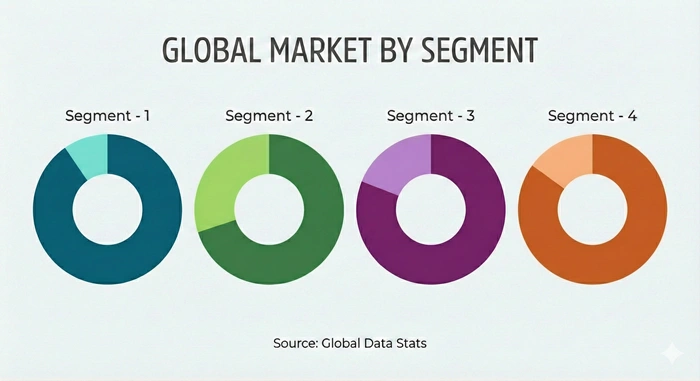
Pharmacological therapy commands approximately 58 percent of the myocardial ischemia market share, expanding at a CAGR of 5.8 percent throughout the forecast period as antiplatelet agents, statins, beta-blockers, ACE inhibitors, and other cardiovascular medications form foundational treatment approaches managing symptoms, preventing complications, and reducing cardiovascular events. Healthcare professionals appreciate pharmacological therapy versatility addressing multiple therapeutic targets simultaneously including platelet aggregation inhibition, cholesterol reduction, blood pressure control, heart rate optimization, and myocardial oxygen demand reduction through comprehensive medication regimens tailored to individual patient needs. The segment benefits from particularly strong evidence base accumulated through decades of large-scale clinical trials demonstrating mortality benefits, cardiovascular event reduction, and quality of life improvements with optimal medical therapy supporting guideline recommendations and clinical practice standardization.
North America maintains dominant pharmacological therapy consumption within the myocardial ischemia market, supported by high prescription rates, comprehensive insurance coverage, established clinical protocols, and strong physician adherence to evidence-based guidelines incorporating multiple medication classes. Europe demonstrates substantial utilization with particular strength in countries including Germany, United Kingdom, and France where quality-focused healthcare systems prioritize comprehensive cardiovascular risk reduction through intensive pharmacological interventions. Leading pharmaceutical companies serving the pharmacological therapy segment include Pfizer marketing antiplatelet agents including clopidogrel, AstraZeneca providing comprehensive cardiovascular portfolio including antiplatelet and cholesterol-lowering therapies, Bristol Myers Squibb supplying anticoagulant and antiplatelet medications, Novartis offering diverse cardiovascular treatments, and Bayer manufacturing antiplatelet agents and cardiovascular medications. The myocardial ischemia market benefits from continuing innovation including novel P2Y12 inhibitors offering improved efficacy and safety profiles, PCSK9 inhibitors achieving unprecedented LDL cholesterol reduction, and combination therapies simplifying medication regimens supporting improved adherence and therapeutic effectiveness throughout long-term cardiovascular disease management requiring sustained patient engagement.
By Diagnostic Method - Cardiac Imaging
Advanced Visualization Technologies Position Cardiac Imaging as Critical Myocardial Ischemia Market Diagnostic Segment
Cardiac imaging accounts for approximately 35 percent of the myocardial ischemia market diagnostic consumption, growing at a CAGR of 6.9 percent as stress echocardiography, nuclear perfusion imaging, cardiac CT angiography, and cardiac MRI enable accurate ischemia detection, anatomic coronary artery visualization, and functional assessment guiding treatment decisions. Healthcare providers appreciate cardiac imaging non-invasive capabilities providing comprehensive cardiac evaluation without requiring arterial catheterization, offering superior diagnostic information compared to electrocardiography alone, and enabling risk stratification supporting appropriate patient triage between medical management and invasive interventions. The segment encompasses diverse modalities including stress echocardiography combining exercise or pharmacological stress with ultrasound imaging, single-photon emission computed tomography assessing myocardial perfusion, and advanced techniques including cardiac MRI offering superior soft tissue characterization and functional assessment.
North America maintains the largest cardiac imaging segment share for the myocardial ischemia market, supported by widespread availability of advanced imaging equipment, comprehensive insurance coverage for cardiac imaging procedures, established referral patterns, and strong evidence supporting imaging-guided treatment strategies. Europe demonstrates strong cardiac imaging utilization with particular emphasis on countries including Germany, United Kingdom, and France where advanced healthcare systems support routine access to sophisticated diagnostic technologies. Major companies specializing in cardiac imaging include GE Healthcare providing comprehensive imaging equipment portfolio, Siemens Healthineers offering advanced cardiac imaging systems, Philips Healthcare supplying ultrasound and advanced imaging solutions, Canon Medical Systems manufacturing CT and MRI equipment, and Bracco Imaging providing contrast agents supporting enhanced cardiac visualization. The segment benefits from extensive clinical validation demonstrating diagnostic accuracy, prognostic value, and treatment selection guidance supporting appropriate imaging utilization throughout myocardial ischemia evaluation, continuing technological refinement improving image quality, reducing radiation exposure, and shortening examination times supporting efficient utilization and patient satisfaction throughout cardiac diagnostic workflows.
Regional Insights
North America
Advanced Healthcare Infrastructure and High Disease Prevalence Establish North America as Dominant Myocardial Ischemia Market Leader
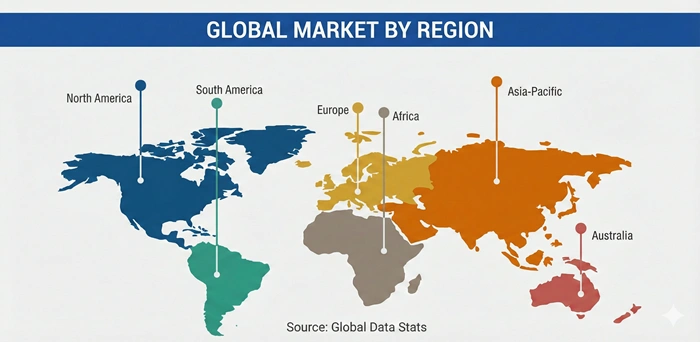
North America commands approximately 44 percent of the global myocardial ischemia market share, expanding at a CAGR of 5.9 percent from 2026 to 2033, driven by sophisticated healthcare infrastructure, high cardiovascular disease prevalence affecting over 120 million Americans, comprehensive cardiac care networks, favorable reimbursement coverage, and presence of major pharmaceutical companies including Pfizer, Bristol Myers Squibb, and AstraZeneca maintaining market leadership through continuous innovation. The region benefits from well-established cardiac care pathways incorporating systematic risk assessment, evidence-based treatment protocols, advanced diagnostic capabilities including widespread cardiac catheterization laboratory access, and comprehensive rehabilitation programs supporting optimal patient outcomes. United States represents the dominant country market within North America, with healthcare expenditure exceeding 4 trillion USD annually including substantial cardiovascular disease management allocations supporting advanced diagnostic technologies, innovative pharmaceutical therapies, and quality improvement initiatives.
The North American myocardial ischemia market features leading manufacturers including Pfizer marketing cardiovascular medications, AstraZeneca providing comprehensive cardiac therapy portfolio, Bristol Myers Squibb supplying antiplatelet agents, Novartis offering diverse cardiovascular treatments, and Bayer manufacturing antiplatelet medications. Regulatory framework emphasizes rigorous cardiovascular outcome trials, comprehensive safety monitoring, and post-market surveillance ensuring therapeutic effectiveness and patient safety throughout product lifecycle. The region demonstrates strong adoption of advanced technologies including fractional flow reserve measurement, intravascular imaging, and novel pharmaceutical agents addressing residual cardiovascular risk. Market dynamics include intense competition among established pharmaceutical companies, continuous innovation cycles, sophisticated healthcare delivery systems implementing evidence-based protocols, and evolving reimbursement models emphasizing value-based care supporting outcome optimization over procedural volume maximization throughout cardiovascular disease management continuum.
Asia-Pacific
Rapid Healthcare Development and Rising Disease Burden Position Asia-Pacific as Fastest Growing Myocardial Ischemia Market
Asia-Pacific demonstrates the fastest myocardial ischemia market growth trajectory, expanding at a CAGR of 7.8 percent from 2026 to 2033, propelled by massive population bases exceeding 4.5 billion people, rapidly increasing cardiovascular disease burden driven by urbanization and lifestyle changes, rising healthcare expenditure, expanding middle-class populations with insurance access, and growing awareness regarding cardiac health. The region encompasses diverse market characteristics ranging from highly developed systems in Japan, South Korea, Singapore, and Australia to rapidly emerging capabilities throughout China, India, Southeast Asian nations, and developing economies experiencing accelerated infrastructure investment. China represents particularly substantial growth opportunity with 1.4 billion population, rapidly expanding cardiac care capacity, increasing healthcare expenditure, and government initiatives prioritizing cardiovascular disease prevention and treatment quality improvement.
The Asia-Pacific myocardial ischemia market features diverse competitive dynamics combining multinational pharmaceutical corporations including Pfizer, AstraZeneca, and Novartis establishing regional presence alongside domestic producers throughout China, India, Japan, and South Korea supplying local markets with products meeting regional preferences and price points. Healthcare infrastructure development throughout the region includes hospital construction, cardiac catheterization laboratory installation, advanced imaging equipment deployment, and medical education expansion producing larger trained cardiology workforce populations. Government healthcare initiatives implement cardiovascular disease prevention programs, treatment guideline standardization, and reimbursement system development supporting appropriate diagnostic and therapeutic technology utilization. The region's market outlook remains exceptionally favorable based on continuing economic development, urbanization concentrating populations near advanced healthcare facilities, rising health insurance coverage expanding cardiovascular care access, and increasing integration with global pharmaceutical supply chains supporting international quality standards throughout myocardial ischemia management protocols.
Top Key Players
-
Pfizer Inc. (United States)
-
AstraZeneca plc (United Kingdom)
-
Bristol Myers Squibb Company (United States)
-
Novartis AG (Switzerland)
-
Bayer AG (Germany)
-
Sanofi S.A. (France)
-
Boehringer Ingelheim International GmbH (Germany)
-
Daiichi Sankyo Company Limited (Japan)
-
Eli Lilly and Company (United States)
-
Merck & Co. Inc. (United States)
-
Johnson & Johnson (United States)
-
Abbott Laboratories (United States)
-
Boston Scientific Corporation (United States)
-
Medtronic plc (Ireland)
-
Edwards Lifesciences Corporation (United States)
Recent Developments
-
AstraZeneca - 2025: Advanced cardiovascular portfolio through continued investment in clinical development programs investigating novel therapeutic approaches for managing myocardial ischemia and reducing cardiovascular events, while strengthening commercial presence throughout emerging markets supporting global access to innovative cardiovascular therapies and maintaining competitive positioning throughout rapidly evolving cardiovascular pharmaceutical landscape with emphasis on outcomes-based evidence generation.
-
Pfizer - 2024: Completed strategic collaboration agreements with healthcare organizations advancing real-world evidence generation supporting cardiovascular medication value demonstration, while investing in digital health partnerships enabling remote patient monitoring and medication adherence support programs enhancing therapeutic effectiveness and patient outcomes throughout chronic cardiovascular disease management requiring sustained engagement and behavioral modification supporting long-term cardiovascular health maintenance.
-
Bristol Myers Squibb - 2024: Expanded cardiovascular portfolio through continued investment in antiplatelet and anticoagulant therapy development, manufacturing capacity enhancement, and strategic partnerships with healthcare systems implementing value-based care models, while maintaining focus on evidence generation demonstrating clinical and economic value supporting favorable reimbursement positioning and guideline incorporation throughout competitive cardiovascular therapeutics market requiring differentiation beyond efficacy alone.
-
Novartis - 2023: Advanced cardiovascular, renal, and metabolism therapeutic area strategy through pipeline development, strategic acquisitions, and commercial expansion throughout key markets, while investing in digital health solutions supporting comprehensive patient management beyond pharmaceutical therapy alone, recognizing that successful cardiovascular disease management requires integrated approaches addressing medication optimization, lifestyle modification, and chronic disease monitoring throughout patient care continuum.
-
Boston Scientific - 2025: Enhanced interventional cardiology portfolio through continued innovation in coronary stent technology, imaging systems, and procedural guidance tools supporting optimal myocardial revascularization outcomes, while expanding global manufacturing and distribution capabilities ensuring consistent product availability throughout diverse markets with varying infrastructure capabilities and regulatory requirements supporting comprehensive cardiovascular care delivery across clinical complexity spectrum.
Market Trends
Personalized Treatment Strategies and Digital Health Integration Define Contemporary Myocardial Ischemia Market Evolution
The myocardial ischemia market increasingly emphasizes personalized treatment strategies incorporating genetic testing, biomarker profiling, and advanced imaging phenotyping enabling tailored therapy selection based on individual patient characteristics, disease mechanisms, and predicted treatment responses rather than population-based guidelines applied uniformly. Manufacturers develop innovative diagnostic platforms combining multiple assessment modalities including coronary flow reserve measurement, plaque characterization, and inflammatory marker quantification creating comprehensive risk profiles supporting precise intervention targeting. Clinical evidence demonstrates that personalized approaches improve outcomes through appropriate therapy intensification for high-risk patients while avoiding unnecessary treatments and associated costs for lower-risk individuals, supporting adoption throughout value-conscious healthcare environments.
Digital health integration advances as manufacturers explore remote monitoring platforms, mobile health applications, and telemedicine consultations supporting chronic disease management, medication adherence improvement, and lifestyle modification programs enhancing patient engagement and therapeutic outcomes beyond traditional episodic care models. The myocardial ischemia market adapts to regenerative medicine innovations including stem cell therapies, gene treatments, and bioengineered cardiac tissues representing paradigm shift from symptom management toward myocardial repair and functional recovery. Application system innovation introduces combination therapies addressing multiple cardiovascular risk factors simultaneously, novel drug delivery mechanisms enabling sustained therapeutic levels, and patient-friendly formulations simplifying complex medication regimens supporting improved adherence. Value-based care adoption creates opportunities for integrated solutions demonstrating measurable cardiovascular event reduction, hospitalization prevention, and quality of life improvement justifying premium positioning while supporting healthcare system efficiency objectives throughout evolving reimbursement landscapes rewarding outcomes over activity volumes throughout chronic disease management.
Segments Covered in the Report
By Treatment Type
-
Pharmacological Therapy (Antiplatelet Agents, Statins, Beta-Blockers, ACE Inhibitors, Calcium Channel Blockers, Nitrates)
-
Interventional Procedures (Percutaneous Coronary Intervention, Coronary Artery Bypass Grafting)
-
Cardiac Rehabilitation
By Diagnostic Method
-
Electrocardiography
-
Cardiac Imaging (Stress Echocardiography, Nuclear Perfusion Imaging, Cardiac CT, Cardiac MRI)
-
Cardiac Biomarkers
-
Coronary Angiography
By End-User
-
Hospitals
-
Cardiac Care Centers
-
Ambulatory Surgical Centers
-
Diagnostic Centers
By Region
-
North America (United States, Canada, Mexico)
-
Europe (Germany, United Kingdom, France, Italy, Spain, Rest of Europe)
-
Asia-Pacific (China, India, Japan, South Korea, Australia, Southeast Asia, Rest of Asia-Pacific)
-
Latin America (Brazil, Argentina, Rest of Latin America)
-
Middle East & Africa (Saudi Arabia, UAE, South Africa, Rest of MEA)
Frequently Asked Questions
Question 1: What is the expected myocardial ischemia market size by 2033?
Answer: The global myocardial ischemia market is projected to reach approximately USD 7.91 billion by 2033, growing from USD 4.86 billion in 2026. This substantial expansion reflects increasing cardiovascular disease prevalence, aging demographics, advanced diagnostic technology adoption, pharmaceutical innovation, and expanding healthcare infrastructure throughout emerging economies supporting comprehensive cardiac care capabilities.
Question 2: Which region dominates the myocardial ischemia market currently?
Answer: North America dominates the myocardial ischemia market with approximately 44 percent share, driven by advanced healthcare infrastructure and high disease prevalence. The region benefits from comprehensive cardiac care networks, favorable reimbursement coverage, established treatment protocols, and presence of major pharmaceutical companies including Pfizer, AstraZeneca, and Bristol Myers Squibb maintaining market leadership through continuous innovation.
Question 3: What factors drive myocardial ischemia market growth during the forecast period?
Answer: Rising cardiovascular disease prevalence, aging demographics, advanced diagnostic technology adoption, and pharmaceutical innovation drive myocardial ischemia market growth. These factors collectively expand diagnostic and therapeutic demand, support advanced technology adoption, enhance clinical outcomes, and deliver improved patient management throughout diverse populations requiring comprehensive cardiovascular care.
Question 4: Which treatment type segment holds the largest myocardial ischemia market share?
Answer: Pharmacological therapy represents the largest treatment segment with approximately 58 percent myocardial ischemia market share based on foundational role in disease management. These medications including antiplatelet agents, statins, beta-blockers, and ACE inhibitors form comprehensive treatment regimens managing symptoms, preventing complications, and reducing cardiovascular events throughout diverse patient populations.
Question 5: How do cardiac imaging methods contribute to the myocardial ischemia market?
Answer: Cardiac imaging accounts for approximately 35 percent of myocardial ischemia market diagnostic consumption through critical role in disease detection and assessment. Advanced imaging techniques including stress echocardiography, nuclear perfusion imaging, cardiac CT, and cardiac MRI enable accurate ischemia detection, anatomic visualization, and functional assessment guiding appropriate treatment selection.