
Mobility as a Service Market Overview
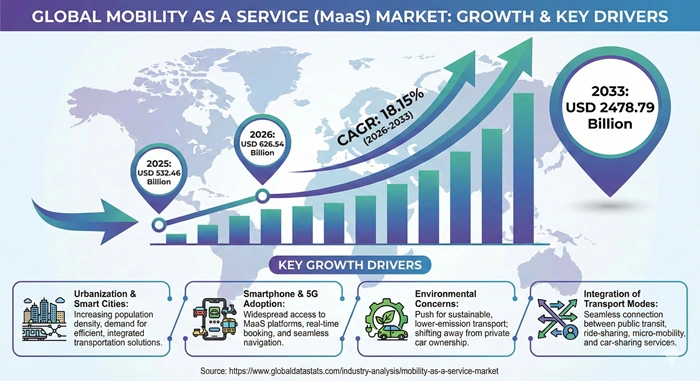
The global mobility as a service market size is valued at USD 532.46 billion in 2025 and is predicted to increase from USD 626.54 billion in 2026 to approximately USD 2478.79 billion by 2033, growing at a CAGR of 18.15% from 2026 to 2033.
Mobility as a Service represents a transformative transportation model integrating multiple shared mobility services into unified digital platforms. Users access public transit, ride-hailing, car-sharing, bike rentals, and micro-mobility options through single applications that simplify journey planning, booking, and payment processes. This service-based approach shifts focus from vehicle ownership to access-based transportation, enabling consumers to select optimal travel modes based on convenience, cost, and sustainability preferences. The seamless integration of diverse transportation options creates flexible mobility ecosystems that address urban congestion, environmental concerns, and changing consumer expectations across metropolitan regions worldwide.
AI Impact on the Mobility as a Service Industry
Intelligent Technologies Revolutionizing Transportation Planning and User Experience Optimization
Artificial intelligence transforms how mobility as a service platforms operate, enabling sophisticated data analytics that optimize route planning and resource allocation. Machine learning algorithms analyze historical travel patterns, real-time traffic conditions, and user preferences to deliver personalized journey recommendations that minimize travel time and costs. AI-powered systems predict transportation demand across different city zones and time periods, allowing operators to position vehicles strategically and reduce wait times. Real-time traffic management solutions utilize AI to identify congestion patterns and suggest alternative routes, improving overall network efficiency. These intelligent capabilities enhance user satisfaction while reducing operational costs for service providers through optimized fleet utilization and maintenance scheduling.
Automation extends beyond basic routing to encompass comprehensive service delivery across mobility ecosystems. Voice-activated interfaces enable hands-free booking and navigation, improving accessibility for diverse user populations including elderly riders and individuals with disabilities. AI-driven chatbots provide instant customer support, answering queries about pricing, service availability, and route options without human intervention. Predictive maintenance algorithms analyze vehicle sensor data to identify potential mechanical issues before failures occur, reducing downtime and ensuring service reliability. Computer vision systems monitor vehicle conditions and user behavior patterns, enhancing safety protocols and preventing misuse of shared mobility resources. These artificial intelligence applications position technology as the fundamental enabler of efficient, scalable mobility as a service platforms that deliver superior user experiences while maintaining operational excellence.
Growth Factors
Urbanization and Smartphone Penetration Accelerating Integrated Mobility Adoption
The mobility as a service market benefits significantly from rapid urbanization creating concentrated population centers where traditional transportation infrastructure struggles to meet demand. Metropolitan areas experience severe traffic congestion that wastes commuter time and reduces productivity, creating strong demand for integrated mobility solutions that optimize travel efficiency. Rising urban populations strain existing public transit capacity, necessitating flexible alternatives that supplement fixed-route services with on-demand options. Parking scarcity in city centers increases costs and frustration for private vehicle owners, making shared mobility economically attractive. These urban challenges combine with environmental awareness as cities implement policies restricting polluting vehicles and promoting sustainable transportation modes that reduce carbon emissions and improve air quality.
Smartphone proliferation and improved internet connectivity provide technological foundations enabling seamless mobility as a service adoption. High-speed mobile networks support real-time data exchange between users, vehicles, and platform operators, ensuring accurate information about service availability and estimated arrival times. Digital payment systems integrated within applications eliminate cash transaction friction, enabling contactless payments that enhance convenience and safety. GPS technology delivers precise navigation and location tracking that optimizes route selection and facilitates efficient vehicle dispatch. Government investments in smart city infrastructure including intelligent traffic management systems, connected transportation networks, and data-sharing frameworks accelerate market development. Private sector partnerships between technology companies, automotive manufacturers, and traditional transit operators create comprehensive ecosystems that expand service coverage and functionality, establishing strong foundations for sustained mobility as a service market growth through 2033.
Market Outlook
Strategic Partnerships and Regulatory Support Shaping Integrated Transportation Ecosystems
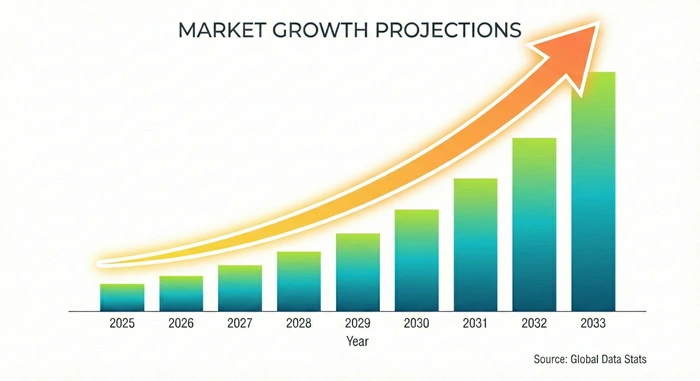
The mobility as a service market demonstrates exceptional expansion potential supported by evolving business models that prioritize user-centric solutions over asset ownership. Transportation providers transition from traditional vehicle sales toward subscription-based services offering bundled access to multiple mobility modes through fixed monthly fees. These subscription models provide predictable revenue streams for operators while delivering cost transparency and convenience for consumers. Platform providers invest heavily in user experience enhancements including simplified interfaces, personalized recommendations, and loyalty programs that increase customer retention. Collaboration among previously competing transportation sectors creates integrated networks where public transit agencies, ride-hailing companies, and micro-mobility operators share data and coordinate services to eliminate journey friction and improve multimodal trip planning.
Regulatory frameworks increasingly support mobility as a service development through policies promoting open data sharing and interoperability standards. European Union initiatives allocate billions in funding toward smart mobility projects that integrate transportation services across member nations. Governments implement pilot programs testing MaaS solutions in major cities, providing valuable insights that inform broader deployment strategies. Environmental regulations restricting fossil fuel vehicle access in urban cores create favorable conditions for electric and shared mobility alternatives central to MaaS ecosystems. The integration of autonomous vehicle technologies promises revolutionary changes as self-driving shuttles and robotaxis eliminate driver costs and enable 24/7 service availability. These technological, regulatory, and business model innovations converge to create optimistic projections for the mobility as a service market, positioning integrated digital transportation platforms as essential components of future urban infrastructure across developed and emerging markets worldwide.
Expert Speaks
-
Dara Khosrowshahi, CEO of Uber Technologies Inc. emphasized the company's strategic evolution beyond ride-hailing toward comprehensive mobility platforms integrating public transit, micro-mobility, and delivery services, highlighting investments in autonomous vehicle technology and sustainability initiatives that position Uber as a central player in future urban transportation ecosystems.
-
Jean-Christophe Babin, former CEO of MaaS Global Oy (Whim) stressed that successful mobility as a service implementation requires collaboration among public authorities, private operators, and technology providers to create seamless user experiences, noting that regulatory frameworks supporting data sharing and service integration are essential for scaling multimodal transportation platforms across cities.
-
Will Coleman, CEO of Moovit Inc. highlighted the critical role of real-time data analytics and artificial intelligence in optimizing journey planning across fragmented transportation networks, explaining that integrating diverse mobility services into unified platforms creates substantial value by reducing travel complexity and improving accessibility for urban populations worldwide.
Key Report Takeaways
-
Asia Pacific dominates the mobility as a service market with 40.87% revenue share in 2025, driven by high urbanization rates, population density in major cities, government subsidies promoting shared mobility, and rapid adoption of smartphone-based transportation services particularly in China, India, and Southeast Asian nations
-
Europe represents the fastest-growing regional market during the forecast period with anticipated CAGR exceeding industry average, propelled by stringent environmental regulations, advanced public transit infrastructure, comprehensive data-sharing frameworks, and strong policy support for integrated multimodal transportation platforms across member states
-
The ride-hailing segment holds the largest market share at 52.18% in 2026, benefiting from established user bases, extensive driver networks, convenient door-to-door service, and seamless smartphone application interfaces that dominate urban transportation preferences across demographic segments
-
Android operating system applications command 59.91% market share in 2026 due to platform accessibility across diverse income groups, device compatibility, and particularly strong adoption in emerging markets where affordability considerations favor Android over premium iOS alternatives
-
The B2C business model accounts for the majority of market revenue as individual consumers prioritize convenience and flexibility over vehicle ownership, utilizing integrated platforms for daily commuting, occasional travel, and recreational purposes in urban and suburban environments
-
Electric vehicles represent the fastest-growing propulsion type segment within MaaS fleets, driven by environmental sustainability goals, declining battery costs, expanding charging infrastructure, and regulatory incentives favoring zero-emission transportation alternatives that align with smart city initiatives globally
Market Scope
| Report Coverage | Details |
|---|---|
| Market Size by 2033 | USD 2478.79 Billion |
| Market Size by 2025 | USD 532.46 Billion |
| Market Size by 2026 | USD 626.54 Billion |
| Market Growth Rate from 2026 to 2033 | CAGR of 18.15% |
| Dominating Region | Asia Pacific |
| Fastest Growing Region | Europe |
| Base Year | 2025 |
| Forecast Period | 2026 to 2033 |
| Segments Covered | Service Type, Solution Type, Transportation Type, Vehicle Type, Application, Operating System, Business Model, Propulsion Type, End-use, Region |
| Regions Covered | North America, Europe, Asia Pacific, Latin America, Middle East & Africa |
Market Dynamics
Drivers Impact Analysis
Government Initiatives and Environmental Consciousness Propelling Market Expansion
| Impact Factor | ≈ % Impact on CAGR Forecast | Geographic Relevance | Impact Timeline |
|---|---|---|---|
| Smart city investments and infrastructure | 3.0-3.5% | Global, particularly Asia Pacific and Europe | 2026-2033 |
| Environmental regulations and sustainability | 2.5-3.0% | Europe, North America, developed markets | 2026-2033 |
| Smartphone penetration and connectivity | 2.0-2.5% | Emerging markets, developing regions | 2026-2033 |
| Urbanization and congestion challenges | 1.5-2.0% | Global metropolitan areas | 2026-2033 |
The mobility as a service market experiences robust growth driven by comprehensive government initiatives supporting smart city development and integrated transportation networks. National and municipal authorities allocate substantial funding toward digital infrastructure, intelligent traffic management systems, and data-sharing platforms that enable seamless coordination among diverse mobility providers. The European Union's Horizon Europe program commits billions toward sustainable mobility research and MaaS platform deployment across member states. China's government mandates smart city pilot projects in major metropolitan areas, requiring integration of public transit, ride-hailing, and micro-mobility services into unified platforms accessible through smartphone applications. These public sector investments reduce deployment costs for private operators while establishing regulatory frameworks that promote interoperability and open data standards essential for comprehensive mobility ecosystems.
Environmental awareness drives consumer preference shifts away from private vehicle ownership toward shared, sustainable transportation alternatives. Rising fuel costs combined with increasing environmental consciousness motivate urban residents to evaluate mobility options based on carbon footprint considerations. Cities implement low-emission zones restricting access for polluting vehicles, creating favorable conditions for electric and shared mobility services central to MaaS platforms. Corporate sustainability commitments lead businesses to adopt mobility as a service solutions for employee commuting, reducing company fleet emissions and parking infrastructure requirements. The mobility as a service market benefits from converging economic, environmental, and regulatory factors that collectively establish strong foundations for sustained growth as consumers and governments prioritize sustainable urban transportation solutions that reduce congestion, improve air quality, and enhance quality of life in densely populated metropolitan regions worldwide through 2033.
Restraints Impact Analysis
Regulatory Complexity and Data Privacy Concerns Limiting Market Development
| Impact Factor | ≈ % Impact on CAGR Forecast | Geographic Relevance | Impact Timeline |
|---|---|---|---|
| Regulatory and licensing hurdles | -2.0 to -2.5% | Global, particularly regulated markets | 2026-2033 |
| Data privacy and security concerns | -1.5 to -2.0% | Europe, developed markets with strict regulations | 2026-2033 |
| Infrastructure and connectivity gaps | -1.0 to -1.5% | Emerging markets, rural areas | 2026-2033 |
The mobility as a service market faces significant constraints related to complex regulatory environments that vary substantially across jurisdictions. Transportation licensing requirements, safety regulations, and operational standards differ between countries and even within regions of individual nations, creating compliance challenges for platforms attempting to scale services across geographic markets. Traditional taxi operators and public transit agencies often resist MaaS integration, lobbying for restrictive regulations that protect established business models from disruption. Labor classification disputes regarding gig economy workers providing ride-hailing and delivery services generate legal uncertainties that increase operational risks. Insurance requirements, liability frameworks, and vehicle inspection standards add regulatory complexity that slows market entry and increases costs for mobility service providers.
Data privacy regulations present substantial operational challenges as mobility as a service platforms collect extensive user information including travel patterns, location data, payment details, and personal preferences. The European Union's General Data Protection Regulation imposes strict requirements for data collection, storage, and sharing that necessitate significant compliance investments and limit cross-border data transfers. Security breaches exposing user information damage platform reputations and trigger substantial financial penalties under privacy regulations. Consumers express concerns about location tracking and behavioral profiling, creating hesitation about adopting mobility services that require sharing personal information. Interoperability requirements between competing platforms raise antitrust concerns while data-sharing mandates conflict with competitive advantages derived from proprietary algorithms and user insights. These regulatory and privacy constraints create barriers limiting the mobility as a service market growth rate, particularly in developed markets with stringent oversight frameworks that prioritize consumer protection over rapid innovation and market expansion.
Opportunities Impact Analysis
Autonomous Vehicles and Subscription Models Creating Transformative Growth Avenues
| Impact Factor | ≈ % Impact on CAGR Forecast | Geographic Relevance | Impact Timeline |
|---|---|---|---|
| Autonomous vehicle integration | +2.5 to +3.0% | North America, Asia Pacific, developed markets | 2028-2033 |
| Subscription and bundled services | +2.0 to +2.5% | Global, particularly urban centers | 2026-2033 |
| Corporate and B2B adoption | +1.5 to +2.0% | Developed markets, enterprise segments | 2026-2033 |
The mobility as a service market presents substantial opportunities through integration of autonomous vehicle technologies that promise revolutionary cost reductions and service improvements. Self-driving cars eliminate driver labor costs that represent the largest operational expense for ride-hailing services, enabling dramatic price reductions that expand addressable market size. Autonomous vehicles operate continuously without rest requirements, maximizing asset utilization and service availability across 24-hour cycles. Robotaxi deployments in cities like Austin demonstrate technical feasibility while generating valuable operational data that accelerates regulatory approval processes. Major automotive manufacturers including Tesla, Waymo, and traditional automakers invest billions in autonomous technology development specifically targeting MaaS applications. The convergence of autonomous capabilities with mobility platforms creates opportunities for entirely new service models including automated shuttles serving fixed routes, on-demand robotaxis replacing traditional ride-hailing, and autonomous delivery vehicles supporting logistics operations.
Subscription-based business models offer compelling growth opportunities by providing predictable revenue streams and enhanced customer loyalty. Monthly mobility bundles combine unlimited access to public transit, ride-hailing credits, and micro-mobility services at fixed prices that simplify budgeting for consumers. Tiered subscription offerings accommodate diverse user needs from occasional travelers to daily commuters, maximizing market coverage across demographic segments. Corporate mobility programs provide employers with consolidated billing and administrative simplicity while employees benefit from seamless access to transportation options for business and personal travel. Bundled services create switching costs that reduce customer churn while enabling operators to cross-sell additional mobility options and complementary services. The B2B segment experiences particularly rapid growth as businesses recognize operational efficiency gains and sustainability benefits from replacing company vehicle fleets with comprehensive mobility subscriptions that reduce capital expenditure, eliminate maintenance costs, and provide flexible transportation capacity matching variable workforce requirements across geographic locations and business cycles.
Segment Analysis
Service Type - Ride-Hailing Segment
Established Infrastructure and User Familiarity Driving Market Leadership Position
The ride-hailing segment commands the mobility as a service market with dominant 52.18% revenue share in 2026, reflecting deep market penetration achieved through decade-long investment in platform development and network effects. This segment benefits from established brand recognition among urban consumers who associate companies like Uber, Lyft, and Didi Chuxing with convenient, reliable transportation. Extensive driver networks ensure vehicle availability across diverse geographic areas and time periods, minimizing wait times that represent critical user experience factors. Sophisticated matching algorithms optimize driver-passenger pairing, reducing pickup times and idle driving that improves profitability while enhancing customer satisfaction. The segment's maturity provides operational advantages including refined quality control processes, comprehensive insurance frameworks, and proven safety protocols that build consumer trust and regulatory acceptance.
Technological sophistication within ride-hailing platforms establishes competitive moats difficult for newer entrants to replicate. Dynamic pricing algorithms balance supply and demand in real-time, maximizing revenue during peak periods while ensuring service availability. Integrated payment systems supporting multiple methods including credit cards, digital wallets, and cash accommodate diverse user preferences across global markets. Rating systems for both drivers and passengers maintain service quality through reputation mechanisms that incentivize professional behavior. Asia Pacific leads ride-hailing segment growth with companies like Didi Chuxing dominating Chinese markets while Grab holds strong positions across Southeast Asian nations. North American market leaders including Uber Technologies Inc. and Lyft Inc. expand service portfolios beyond basic ride-hailing to include food delivery, freight logistics, and public transit integration that transform platforms into comprehensive mobility ecosystems capturing increasing share of urban transportation spending through 2033.
Operating System - Android Segment
Platform Accessibility and Affordability Establishing Dominant Market Position
The Android operating system segment maintains commanding market leadership with 59.91% revenue share in 2026, driven by platform characteristics that align with mobility as a service market dynamics. Android's open-source architecture enables developers to create feature-rich applications with minimal licensing costs, reducing development expenses for mobility service providers. Device compatibility across thousands of smartphone models from numerous manufacturers ensures broad user accessibility regardless of income level or brand preference. This universality proves particularly valuable in emerging markets where consumers prioritize affordability over premium features, selecting budget Android devices over expensive iPhones. The platform's flexibility allows extensive customization supporting diverse payment methods, local language interfaces, and region-specific features that accommodate varied market requirements across global mobility ecosystems.
Android dominance reflects fundamental demographic and economic factors shaping smartphone adoption patterns in high-growth markets. Asia Pacific and Latin American regions driving global mobility as a service market expansion demonstrate overwhelming preference for Android devices due to cost considerations and availability of locally-manufactured handsets. Google's ecosystem integration provides valuable services including Google Maps navigation essential for ride-hailing and route planning functionality. Regular operating system updates deliver security enhancements and performance improvements that maintain platform reliability and user trust. Leading mobility providers including Uber Technologies Inc., Didi Chuxing Technology Co., and Grab prioritize Android application development given the platform's dominance in key growth markets. While iOS maintains strong presence in developed markets with affluent user bases, Android's accessibility advantages position the platform for continued market leadership as mobility as a service adoption accelerates in emerging economies where smartphone penetration expands primarily through affordable Android devices throughout the forecast period.
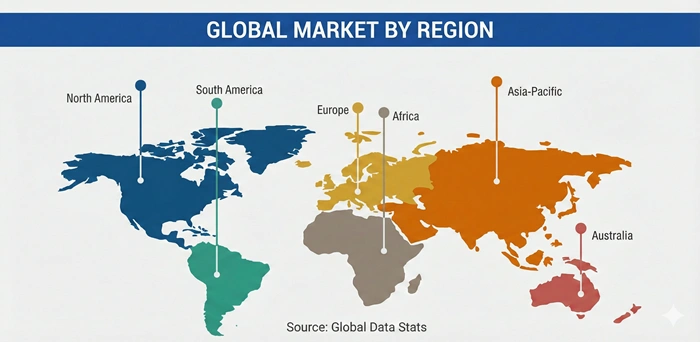
Regional Insights
Asia Pacific
Manufacturing Excellence and High Urbanization Establishing Regional Market Dominance
Asia Pacific dominates the mobility as a service market with commanding 40.87% revenue share in 2025, supported by the region's massive urban populations and rapid technology adoption. China leads regional and global markets with extensive smart city initiatives integrating diverse transportation modes into unified digital platforms accessible through popular super-apps including WeChat and Alipay. The country's population concentration in megacities creates intense demand for efficient mobility solutions addressing severe traffic congestion that impedes economic productivity. Government policies restricting private vehicle ownership in major cities through license plate lotteries create favorable conditions for shared mobility alternatives. India demonstrates explosive growth driven by rising middle-class incomes, smartphone proliferation, and inadequate public transit infrastructure that creates opportunities for app-based transportation services filling critical gaps in urban mobility networks.
Regional market dynamics reflect diverse national characteristics and development stages across Asia Pacific markets. Japan showcases advanced technology integration with mobility platforms incorporating artificial intelligence, predictive analytics, and seamless payment systems that deliver sophisticated user experiences. Southeast Asian nations including Singapore, Malaysia, Vietnam, and Indonesia experience rapid adoption driven by urbanization, traffic congestion, and strong presence of regional champions like Grab that dominate ride-hailing and delivery services. Major industry players including Didi Chuxing Technology Co., Ola Cabs, and Grab Holdings Ltd. leverage first-mover advantages and network effects to maintain market leadership while expanding service portfolios beyond basic transportation toward comprehensive super-apps offering payments, food delivery, and financial services. The region's combination of dense urban populations, supportive government policies, technological sophistication, and favorable demographics positions Asia Pacific for continued mobility as a service market dominance with strong growth rates persisting through 2033.
Europe
Regulatory Support and Sustainability Focus Driving Fastest Regional Growth
Europe represents the fastest-growing mobility as a service market region during the forecast period, propelled by comprehensive regulatory frameworks supporting integrated transportation solutions. The region's strong emphasis on environmental sustainability drives aggressive policies promoting public transit, shared mobility, and zero-emission vehicles that reduce urban carbon footprints. European Union initiatives establish data-sharing standards and interoperability requirements that facilitate seamless coordination among diverse mobility providers, eliminating technical barriers that fragment transportation networks. Smart city investments across major metropolitan areas including Helsinki, Amsterdam, Berlin, and Barcelona demonstrate commitment to integrated mobility platforms that prioritize user experience and environmental outcomes over traditional transportation models favoring private vehicle ownership.
Regional leadership reflects advanced public transit infrastructure providing strong foundations for multimodal integration. Finland pioneered comprehensive MaaS platforms through Whim application offering subscription-based access to buses, trains, taxis, bikes, and car-sharing through unified interfaces. Germany integrates extensive rail networks with urban transit systems and micro-mobility options, creating comprehensive mobility ecosystems. France supports MaaS development through sustainability policies and urban planning initiatives prioritizing walkability, cycling infrastructure, and electric vehicle adoption. The United Kingdom advances digital transport strategies encouraging collaboration between public authorities and private operators to expand service coverage. Major regional players including Free NOW, Bolt Technology OU, and Tier Mobility SE compete alongside global platforms while European automotive manufacturers including BMW Group and Daimler AG invest in mobility services diversifying revenue streams beyond traditional vehicle sales, positioning Europe for exceptional growth rates through 2033 as comprehensive regulatory support and environmental priorities accelerate integrated transportation platform adoption.
Top Key Players
-
Uber Technologies Inc. (United States)
-
Didi Chuxing Technology Co. (China)
-
Lyft Inc. (United States)
-
Grab Holdings Ltd. (Singapore)
-
Ola Cabs (India)
-
FREE NOW GmbH (Germany)
-
Bolt Technology OU (Estonia)
-
MaaS Global Oy (Finland)
-
Moovit Inc. (Israel)
-
Citymapper Ltd. (United Kingdom)
-
Via Transportation Inc. (United States)
-
Moovel Group GmbH (Germany)
-
UbiGo AB (Sweden)
-
Lime Technology Inc. (United States)
-
Tier Mobility SE (Germany)
Recent Developments
-
2025 - Bengaluru launched first-ever Mobility-as-a-Service applications Tummoc and Namma Yatri in July as part of Enroute Open Data Startup Challenge led by Mercedes-Benz Research and Development India, marking significant milestone in integrated urban mobility platform deployment in Indian markets targeting improved public transport accessibility and multimodal journey planning
-
2025 - Tesla launched robotaxi service in Austin, Texas during June representing significant shift in mobility market dynamics through autonomous vehicle integration, showcasing unique approach to cost efficiency and artificial intelligence strategy that positions company for future transportation service leadership as self-driving technology matures
-
2025 - Didi Chuxing introduced Overseas Travel feature in January available in over 80 cities targeting Chinese tourists traveling to South Korea, Singapore, Malaysia, Indonesia, Vietnam and other regions, expanding international service footprint and addressing cross-border mobility needs for frequent travelers
-
2024 - Transdev acquired Ride Systems in May, a technology company specializing in mobility as a service solutions, to expand digital services portfolio and strengthen market position through enhanced platform capabilities supporting public transport operators implementing integrated mobility solutions across global markets
-
2024 - European Union approved 2.3 billion Euro Horizon Europe research and innovation program in April with specific focus on mobility as a service and sustainable mobility solutions, providing substantial funding expected to significantly boost development and adoption of integrated transportation platforms across member states
Market Trends
Subscription Models and Multimodal Integration Reshaping Transportation Consumption Patterns
The mobility as a service market demonstrates accelerating shift toward subscription-based business models that fundamentally alter how consumers access and pay for transportation. Monthly mobility packages bundle unlimited public transit access with ride-hailing credits, bike-sharing allowances, and car rental options at fixed prices that provide cost predictability and usage flexibility. Tiered subscription offerings accommodate diverse user needs from light occasional travelers requiring basic connectivity to heavy commuters demanding comprehensive multimodal access. These bundled services create customer lock-in effects through convenience and switching costs while generating predictable recurring revenue streams for platform operators. Corporate mobility subscriptions replace traditional company vehicle fleets, providing employees with flexible transportation allowances that reduce capital expenditure and administrative complexity for employers while offering workers freedom to select optimal travel modes matching specific journey requirements.
Platform integration advances rapidly as previously isolated transportation services converge into seamless digital ecosystems accessible through unified interfaces. Real-time data sharing among public transit agencies, ride-hailing operators, and micro-mobility providers enables sophisticated journey planning that optimizes routes across multiple transportation modes. Single-account payment systems eliminate transaction friction, allowing users to access diverse services without managing separate applications or payment methods for each mobility option. Artificial intelligence powers personalized recommendations analyzing historical travel patterns and current conditions to suggest optimal journey combinations balancing cost, time, and convenience preferences. Loyalty programs reward frequent users with credits and discounts that incentivize continued platform engagement. These technological and business model innovations position the mobility as a service market for transformative growth as integrated platforms deliver superior user experiences that make private vehicle ownership increasingly obsolete for urban residents seeking convenient, cost-effective, sustainable transportation solutions through 2033.
Segments Covered in the Report
By Service Type
-
Ride-Hailing
-
Car-Sharing
-
Bike-Sharing
-
Micro-Mobility (Scooters, E-bikes)
-
Taxi Services
-
Bus Services
-
Train Services
By Solution Type
-
Technology Platforms
-
Payment Engines
-
Navigation Solutions
-
Telecom Connectivity Providers
-
Ticketing Solutions
-
Insurance Services
By Transportation Type
-
Public Transportation
-
Private Transportation
By Vehicle Type
-
Four-wheelers (Cars, Taxis)
-
Micro-mobility (Bikes, Scooters)
-
Buses
-
Trains
By Application
-
Personalized Application Services
-
Journey Management
-
Journey Planning
-
Flexible Payments & Transactions
By Operating System
-
Android
-
iOS
-
Others (Windows, Linux, Others)
By Business Model
-
Business-to-Business (B2B)
-
Business-to-Consumer (B2C)
-
Peer-to-Peer (P2P)
By Propulsion Type
-
Internal Combustion Engine (ICE) Vehicles
-
Electric Vehicles (EVs)
-
Hybrid Electric Vehicles
-
CNG/LPG Vehicles
By End-use
-
Individual/Personal Use
-
Corporate/Enterprise Use
-
Government/Municipal Services
By Region
-
North America (United States, Canada, Mexico)
-
Europe (United Kingdom, Germany, France, Netherlands, Italy, Spain, Finland)
-
Asia Pacific (China, Japan, India, Singapore, South Korea, Australia, Vietnam, Malaysia, Indonesia)
-
Latin America (Brazil, Argentina)
-
Middle East & Africa (UAE, Saudi Arabia, South Africa)
Frequently Asked Questions
Question 1: What is the expected mobility as a service market size by 2033?
Answer: The global mobility as a service market is projected to reach approximately USD 2478.79 billion by 2033. This substantial growth reflects increasing urbanization, smartphone adoption, and shift toward sustainable transportation solutions.
Question 2: Which region dominates the mobility as a service market currently?
Answer: Asia Pacific leads the mobility as a service market with 40.87% revenue share in 2025. The region benefits from high urban density, government support, and strong presence of major platforms.
Question 3: What drives rapid growth in the mobility as a service market?
Answer: Key mobility as a service market drivers include smart city investments, environmental regulations, smartphone penetration, urbanization, traffic congestion, and government policies promoting integrated transportation. Subscription models and platform integration also accelerate adoption.
Question 4: Which service type dominates the mobility as a service market?
Answer: Ride-hailing holds the largest mobility as a service market share at 52.18% in 2026. This segment benefits from established infrastructure, user familiarity, extensive driver networks, and convenient door-to-door transportation.
Question 5: What is the fastest-growing region in the mobility as a service market?
Answer: Europe represents the fastest-growing mobility as a service market region during the forecast period. Strong regulatory support, sustainability focus, advanced public transit infrastructure, and comprehensive data-sharing frameworks drive exceptional growth.