
Micronutrients Fertilizers Market Overview
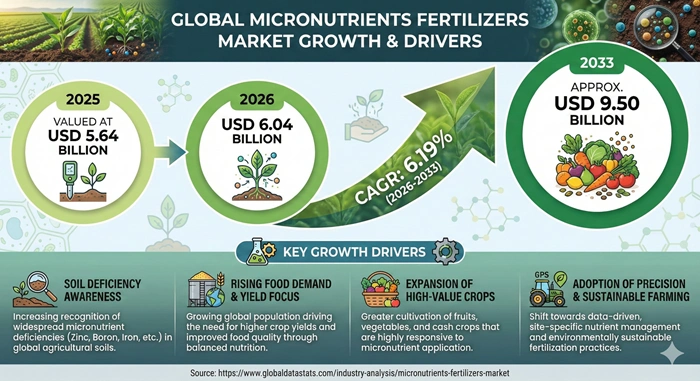
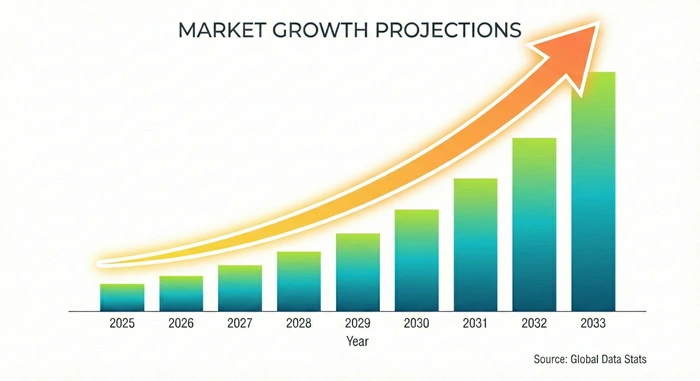
The global micronutrients fertilizers market size is valued at USD 5.64 billion in 2025 and is predicted to increase from USD 6.04 billion in 2026 to approximately USD 9.50 billion by 2033, growing at a CAGR of 6.19% from 2026 to 2033. This impressive expansion underscores the growing recognition among farmers and agricultural professionals worldwide that essential trace elements play critical roles in crop development, yield optimization, and nutritional quality improvement. Micronutrients including zinc, iron, manganese, boron, copper, and molybdenum serve as catalysts for numerous biochemical reactions within plants, enabling proper enzyme function, photosynthesis efficiency, and disease resistance mechanisms that directly impact agricultural productivity.
The micronutrients fertilizers market encompasses diverse product formulations designed to address widespread soil deficiencies that limit crop potential across various agricultural systems globally. Intensive farming practices, continuous cropping without adequate nutrient replenishment, and excessive reliance on macronutrient fertilizers have depleted micronutrient reserves in agricultural soils worldwide, creating urgent demand for targeted supplementation strategies. Modern precision agriculture technologies enable farmers to identify specific deficiencies through soil testing and tissue analysis, allowing targeted micronutrient applications that maximize return on investment while minimizing environmental impact and preventing nutrient toxicity issues.
AI Impact on the Micronutrients Fertilizers Industry
Revolutionizing Nutrient Management Through Data-Driven Precision and Predictive Analytics
Artificial intelligence is fundamentally transforming the micronutrients fertilizers market by enabling unprecedented precision in nutrient deficiency diagnosis, application timing optimization, and dosage calculations that maximize crop response while minimizing input costs. Advanced machine learning algorithms analyze vast datasets encompassing soil test results, plant tissue samples, satellite imagery, weather patterns, and historical yield records to identify micronutrient deficiencies before visible symptoms appear in crops, allowing proactive interventions that prevent yield losses. Computer vision systems equipped on drones and ground-based sensors assess crop health indicators including leaf color variations, canopy density patterns, and growth uniformity to detect subtle signs of micronutrient stress that human observation might miss. These AI-powered diagnostic tools generate precise prescription maps that guide variable rate application equipment, ensuring each field zone receives optimal micronutrient dosages tailored to specific soil conditions and crop requirements.
The integration of artificial intelligence extends throughout the entire micronutrients value chain from product formulation to field application and performance monitoring, creating comprehensive decision support ecosystems that enhance agricultural efficiency. Neural networks process complex interactions between soil pH levels, organic matter content, moisture conditions, and micronutrient availability to predict bioavailability challenges and recommend appropriate chelation strategies or application methods. Predictive analytics models forecast optimal application windows by analyzing weather forecasts, crop growth stage progression, and nutrient uptake patterns to maximize absorption efficiency and minimize losses through leaching or volatilization. Smart irrigation systems integrated with AI platforms coordinate fertigation schedules that deliver water-soluble micronutrient fertilizers precisely when crops exhibit peak uptake capacity, improving utilization efficiency and reducing waste. This technological transformation is democratizing access to sophisticated nutrient management strategies previously available only to large commercial operations with dedicated agronomic support teams.
Growth Factors
Soil Depletion Challenges and Precision Agriculture Adoption Drive Market Momentum
The accelerating global depletion of soil micronutrient reserves represents the most fundamental growth driver propelling the micronutrients fertilizers market forward across all major agricultural regions. Decades of intensive farming focused predominantly on nitrogen, phosphorus, and potassium applications have systematically mined soils of essential trace elements without adequate replacement, creating widespread deficiencies that limit crop productivity and nutritional quality. Scientific research documents that approximately fifty percent of agricultural soils worldwide exhibit zinc deficiency, while iron, boron, and manganese deficiencies affect substantial portions of cropland across diverse climatic zones. These deficiencies translate directly into reduced crop yields ranging from ten to thirty percent depending on severity, crop sensitivity, and growth stage when stress occurs, creating compelling economic incentives for farmers to adopt micronutrient supplementation strategies that restore soil fertility and unlock genetic yield potential.
Growing awareness about the critical relationship between crop micronutrient content and human nutrition is creating additional demand momentum as governments, international development organizations, and agricultural value chain participants prioritize biofortification strategies addressing malnutrition challenges. The World Health Organization estimates that over two billion people worldwide suffer from micronutrient deficiencies including zinc, iron, and selenium inadequacies that cause serious health consequences ranging from compromised immune function to impaired cognitive development in children. Agricultural micronutrient fortification through targeted fertilizer applications represents a cost-effective approach to increasing nutrient density in food crops, with documented research showing that zinc fertilizer applications can increase grain zinc content by thirty to seventy percent depending on soil conditions and crop varieties. Government initiatives in countries including India, China, and several African nations are promoting micronutrient fertilizer adoption through subsidy programs, awareness campaigns, and fortification mandates that create sustained market demand growth supporting human health objectives alongside agricultural productivity goals.
Market Outlook
Sustainable Agriculture Mandates and Technological Innovations Shape Future Trajectory
The micronutrients fertilizers market outlook through 2033 remains exceptionally positive as converging trends including sustainable agriculture commitments, precision farming technology proliferation, and climate adaptation requirements drive sustained adoption growth across developed and emerging agricultural markets. Major food companies and agricultural commodity buyers are establishing supplier sustainability requirements that include soil health metrics, with micronutrient management recognized as essential for maintaining productive capacity while reducing dependence on excessive macronutrient applications that contribute to environmental degradation. Carbon farming initiatives and regenerative agriculture programs emphasize soil health improvement as foundational to climate mitigation strategies, with balanced micronutrient availability playing crucial roles in supporting soil microbial communities and plant root systems that sequester atmospheric carbon and improve resilience to environmental stresses.
Looking toward the forecast period conclusion in 2033, technological innovations in micronutrient fertilizer formulation and delivery systems promise to expand market accessibility and improve utilization efficiency, making products more economically attractive for diverse farm sizes and cropping systems. Nanotechnology applications are enabling development of controlled-release micronutrient formulations that extend availability throughout growing seasons while reducing application frequency requirements and minimizing losses through fixation or leaching. Chelation technology advances are improving micronutrient bioavailability in challenging soil conditions characterized by high pH, excessive calcium levels, or organic matter imbalances that traditionally limit uptake efficiency. Biological enhancement strategies incorporating beneficial microorganisms that solubilize bound micronutrients or produce organic chelating compounds represent emerging product categories that align with organic agriculture requirements and environmental sustainability preferences. The convergence of agronomic necessity, technological capability, and economic incentives positions the micronutrients fertilizers market for sustained expansion throughout the forecast period.
Expert Speaks
-
Mr. Suresh Krishnan, Managing Director and CEO of Paradeep Phosphates Limited, emphasized following the merger with Mangalore Chemicals and Fertilizers that operating at a larger scale enables offering a stronger and more agile product portfolio including specialized micronutrient formulations, with the expanded distribution network and streamlined supply chain positioning the company to serve farmers more effectively across India through crop-specific fertilizer solutions.
-
Karsten Temme, Co-founder and CEO of Pivot Bio, highlighted the transformative role of biological solutions in modern agriculture, stating that innovative approaches using microbes to deliver nutrients consistently when plants need them not only increases yields by an average of six bushels per acre for corn farmers but also eliminates runoff and emissions that harm the environment, creating significant positive impacts on both agricultural productivity and ecological sustainability.
-
Rob Dunlop, Vice President of Innovation and Technology Adoption at Nutrien Ag Solutions, noted that while investing heavily in technology, the company still relies on relationships between crop consultants and growers, building digital tools that provide consultants with data and insights needed to deliver recommendations that make growers profitable and efficient through comprehensive planning and season-long nimbleness enabled by precision agriculture platforms.
Key Report Takeaways
-
Asia-Pacific dominates the global micronutrients fertilizers market with approximately 38.8% market share driven by extensive agricultural activities in China and India, widespread soil deficiencies affecting major croplands, government subsidy programs supporting micronutrient adoption, and rapidly modernizing farming practices that incorporate precision nutrient management technologies across diverse cropping systems.
-
North America emerges as a significant growth region with projected CAGR around 6.5% through 2033, fueled by precision agriculture technology proliferation, increasing adoption of soil health management practices, premium crop production emphasizing quality alongside yield, and growing awareness among farmers about economic returns from targeted micronutrient applications based on comprehensive soil testing programs.
-
Zinc-based products lead the micronutrients fertilizers market accounting for approximately 31.2% of global revenue as zinc deficiency represents the most widespread micronutrient limitation affecting cereals and grain crops worldwide, with documented yield responses and biofortification benefits driving sustained demand across diverse agricultural applications from soil incorporation to foliar supplementation strategies.
-
Soil application method dominates market consumption representing around 56.8% of total applications as farmers prefer incorporating micronutrients during pre-planting or early-season fertilizer programs that ensure availability throughout critical growth stages, though foliar applications are gaining market share for addressing in-season deficiencies and high-value crop production requiring rapid response interventions.
-
Chelated formulations command premium market positioning capturing approximately 42.6% segment share due to superior performance characteristics in alkaline soils, reduced fixation rates, enhanced plant uptake efficiency, and consistent availability across varying soil conditions that justify higher price points for quality-focused farmers and high-value crop producers seeking reliable performance.
-
Fruits and vegetables application segment exhibits highest growth potential expected to expand at CAGR exceeding 7.8% through 2033 as specialty crop producers increasingly recognize that proper micronutrient management enhances marketable quality attributes including color, size, shelf life, and nutritional content that command premium pricing and improve profitability beyond basic yield optimization.
Market Scope
| Report Coverage Details | |
|---|---|
| Market Size by 2033 | USD 9.50 Billion |
| Market Size by 2025 | USD 5.64 Billion |
| Market Size by 2026 | USD 6.04 Billion |
| Market Growth Rate from 2026 to 2033 | CAGR of 6.19% |
| Dominating Region | Asia-Pacific |
| Fastest Growing Region | North America |
| Base Year | 2025 |
| Forecast Period | 2026 to 2033 |
| Segments Covered | Product Type, Application, Form, Crop Type, Region |
| Regions Covered | North America, Europe, Asia-Pacific, Latin America, Middle East and Africa |
Market Dynamics
Drivers Impact Analysis
Widespread Soil Deficiencies and Crop Quality Requirements Accelerate Adoption
| Factor | Details |
|---|---|
| ≈ % Impact on CAGR Forecast | +2.3% to +2.8% |
| Geographic Relevance | Global, particularly acute in Asia-Pacific and Latin America |
| Impact Timeline | Immediate to Long-term (2026-2033) |
The pervasive depletion of soil micronutrient reserves across global agricultural landscapes represents the fundamental driver propelling micronutrients fertilizers market expansion as farmers confront yield-limiting deficiencies that directly impact farm profitability and food production capacity. Intensive agricultural practices emphasizing high-yielding crop varieties with elevated nutrient removal rates, continuous monocropping systems that exhaust specific micronutrient pools, and excessive reliance on macronutrient fertilizers without balanced micronutrient supplementation have created widespread deficiency conditions affecting major production regions worldwide. Scientific surveys document that zinc deficiency alone affects approximately thirty percent of global cropland, iron deficiency limits productivity on alkaline soils covering vast areas across arid and semi-arid regions, and boron deficiency constrains crop development on highly weathered tropical soils and calcareous formations. These deficiency conditions translate into measurable economic losses for farmers through reduced yields, poor crop quality affecting marketability, and increased susceptibility to diseases and environmental stresses that compound production challenges.
The economic case for micronutrient fertilizer investment has become increasingly compelling as research demonstrates substantial return-on-investment ratios ranging from five to twenty dollars of additional crop value per dollar invested in appropriate micronutrient applications, depending on deficiency severity and crop type. Wheat farmers applying zinc fertilizers in deficient soils consistently document yield increases of fifteen to thirty percent, representing substantial income improvements that easily justify input costs and establish micronutrient management as essential production practice. Specialty crop producers growing fruits, vegetables, and high-value horticultural products recognize that micronutrient optimization enhances quality attributes including uniform coloring, improved size distribution, enhanced shelf life, and superior nutritional profiles that command premium pricing in quality-conscious markets. The micronutrients fertilizers market benefits from growing technical support infrastructure including expanded soil testing laboratory networks, university extension programs providing farmers with science-based recommendations, and agronomic consulting services that help producers implement effective nutrient management strategies tailored to specific soil conditions and crop requirements.
Restraints Impact Analysis
High Product Costs and Application Complexity Limit Adoption in Price-Sensitive Markets
| Factor | Details |
|---|---|
| ≈ % Impact on CAGR Forecast | -0.9% to -1.3% |
| Geographic Relevance | Developing markets in Sub-Saharan Africa, Southeast Asia, Latin America |
| Impact Timeline | Short to Medium-term (2026-2029) |
The micronutrients fertilizers market faces significant adoption barriers related to product cost considerations, particularly for premium formulations like chelated micronutrients that offer superior performance but carry price premiums that challenge economic viability for smallholder farmers and price-sensitive crop production systems. Chelated micronutrient products typically cost two to five times more per unit of micronutrient element compared to inorganic sulfate or oxide forms, creating affordability challenges especially in developing agricultural markets where farmers operate on extremely tight profit margins and prioritize essential macronutrient inputs over supplemental micronutrient applications. Even though agronomic research consistently demonstrates positive return-on-investment from micronutrient applications in deficient soils, the higher upfront costs and perceived risks associated with new input adoption create hesitation among conservative farmers accustomed to traditional fertilization practices focused exclusively on nitrogen, phosphorus, and potassium.
Technical complexity surrounding proper micronutrient application represents another significant market restraint as improper dosing, incorrect timing, or inappropriate application methods can result in limited effectiveness or even crop toxicity issues that discourage continued use. The narrow range between deficiency and toxicity levels for micronutrients like boron and copper requires precise application rates based on accurate soil testing and crop-specific recommendations, creating risks for farmers lacking access to quality diagnostic services or technical guidance. Many smallholder farmers in developing regions lack awareness about micronutrient deficiency symptoms, available product options, and proper application methodologies, limiting market penetration in regions with greatest agronomic need. The micronutrients fertilizers market struggles with limited distribution infrastructure in remote agricultural areas where specialty fertilizer products may not reach local retail outlets, forcing farmers to rely on generic NPK blends that lack essential micronutrient components. Quality control challenges including adulterated products, mislabeled micronutrient content, and ineffective formulations in some markets undermine farmer confidence and slow adoption rates.
Opportunities Impact Analysis
Biofortification Programs and Precision Agriculture Integration Create Expansion Pathways
| Factor | Details |
|---|---|
| ≈ % Impact on CAGR Forecast | +1.5% to +2.1% |
| Geographic Relevance | Asia-Pacific, Latin America, Sub-Saharan Africa |
| Impact Timeline | Medium to Long-term (2027-2033) |
The emergence of biofortification as a mainstream strategy for addressing human micronutrient malnutrition creates transformative opportunities for the micronutrients fertilizers market by establishing nutritional enhancement alongside yield optimization as dual objectives for agricultural production systems. International organizations including the World Health Organization and HarvestPlus program have documented that agronomic biofortification through targeted zinc and selenium fertilizer applications represents one of the most cost-effective interventions for improving micronutrient intake among populations consuming locally produced staple crops. Government programs in countries including India, Bangladesh, and several African nations are promoting biofortified crop production through policy initiatives, subsidy programs, and public awareness campaigns that create sustained demand for micronutrient fertilizers beyond traditional agronomic considerations. Premium pricing opportunities for biofortified crops in health-conscious consumer markets provide economic incentives for farmers to adopt micronutrient fertilization practices, with some supply chain participants offering contractual arrangements guaranteeing price premiums for crops meeting specific micronutrient content thresholds.
The rapid proliferation of precision agriculture technologies including variable rate application equipment, GPS-guided systems, and prescription mapping software is creating opportunities to integrate micronutrient management into comprehensive farm management platforms that optimize all input applications based on spatial variability within fields. Digital agriculture platforms that combine soil testing data, yield mapping, satellite imagery, and agronomic algorithms can generate precise micronutrient application prescriptions that maximize efficiency and return-on-investment by targeting applications only where deficiencies exist and at optimal dosage rates. The micronutrients fertilizers market benefits from growing partnerships between technology providers, fertilizer manufacturers, and agricultural retailers that bundle products with precision application services, making sophisticated nutrient management accessible to mainstream farmers beyond early-adopter segments. Emerging opportunities in organic agriculture and sustainable farming systems create demand for biological micronutrient products including microbial inoculants that enhance nutrient availability, organic chelates acceptable under organic certification standards, and integrated nutrient management approaches that align with environmental sustainability principles.
Segment Analysis
By Product Type: Zinc Segment
Widespread Deficiency and Multiple Crop Benefits Establish Zinc as Market Leader
The zinc segment maintains dominant positioning within the micronutrients fertilizers market landscape, capturing approximately 31.2% of global revenue driven by the widespread prevalence of zinc deficiency affecting agricultural soils worldwide and the well-documented crop response across diverse agricultural systems. Zinc deficiency represents the most common micronutrient limitation in crop production globally, affecting approximately half of all agricultural soils particularly in regions characterized by alkaline pH, high carbonate content, low organic matter, or intensive cropping that depletes available zinc reserves faster than natural replenishment occurs. Cereals and grains including wheat, rice, maize, and barley exhibit particularly strong responses to zinc fertilization when grown in deficient soils, with yield increases ranging from fifteen to thirty-five percent depending on deficiency severity and application methodology. Asia-Pacific leads zinc-based micronutrient consumption with extensive applications across rice-wheat cropping systems in India and China where soil testing programs have documented severe deficiency conditions affecting millions of hectares of productive cropland.
The zinc segment growth trajectory remains robust throughout the forecast period supported by expanding biofortification initiatives that target zinc enhancement in staple food crops, growing recognition of zinc's role in plant disease resistance and stress tolerance, and increasing adoption of high-yielding crop varieties with elevated micronutrient requirements. Leading micronutrients fertilizers market participants including The Mosaic Company, Yara International, and Haifa Group maintain comprehensive zinc product portfolios encompassing multiple formulations from cost-effective zinc sulfate for soil application to premium chelated zinc products designed for foliar feeding and fertigation systems in high-value crop production. The segment benefits from substantial research investment documenting optimal application rates, timing strategies, and delivery methods that help farmers maximize return-on-investment while preventing toxicity issues associated with excessive applications. Market opportunities continue expanding as researchers develop innovative zinc formulations including nano-zinc particles offering enhanced uptake efficiency, coated granules providing extended availability, and combination products integrating zinc with complementary nutrients or biological enhancers that improve overall effectiveness.
By Form: Chelated Segment
Superior Performance Characteristics Drive Premium Product Adoption in Quality-Focused Applications
The chelated formulations segment commands substantial market positioning accounting for approximately 42.6% of micronutrients fertilizers market share as farmers and agronomic professionals increasingly recognize performance advantages that justify premium pricing in challenging soil conditions and high-value crop production systems. Chelated micronutrients feature organic molecules that bind mineral elements in stable complexes protecting them from fixation reactions with soil components, maintaining availability for plant uptake across varying pH conditions, and enabling efficient absorption through both root systems and foliar pathways. These formulations deliver superior performance in alkaline soils where traditional inorganic forms rapidly convert to insoluble precipitates unavailable for plant use, in high-calcium environments where competing reactions limit micronutrient availability, and in fertigation applications where water-soluble chelates move efficiently through drip irrigation systems delivering nutrients precisely to root zones. North America and Europe lead chelated product adoption with sophisticated farmers managing high-value specialty crops, greenhouse production systems, and precision agriculture operations where consistent performance justifies higher input costs.
The chelated segment exhibits strong growth momentum through 2033 driven by expanding adoption in developing markets as farmers gain experience with premium products, technological advances reducing production costs making chelates more economically accessible, and growing availability of environmentally friendly chelating agents addressing sustainability concerns. Major manufacturers serving the micronutrients fertilizers market including BASF, Nouryon, and COMPO EXPERT develop proprietary chelation technologies optimizing stability across pH ranges, maximizing plant uptake efficiency, and minimizing environmental persistence concerns associated with certain synthetic chelating compounds. The segment benefits from increasing integration with liquid fertilizer systems and foliar application programs where water-soluble chelated forms offer distinct advantages over solid granular products, enabling rapid correction of in-season deficiencies and allowing farmers to adjust nutrient programs based on real-time crop monitoring. Market opportunities continue evolving as biodegradable chelating agents derived from natural organic acids gain market acceptance, combination chelates incorporating multiple micronutrients in single formulations simplify application logistics, and customized chelate products tailored to specific crop requirements and soil conditions optimize performance in niche applications.
Regional Insights
Asia-Pacific
Agricultural Intensity and Soil Depletion Position Region as Market Powerhouse
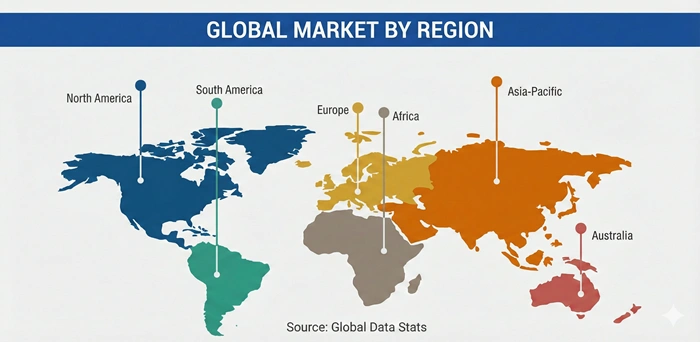
Asia-Pacific maintains commanding market leadership in the global micronutrients fertilizers market with approximately 38.8% share, propelled by the region's massive agricultural base, intensive cropping systems that rapidly deplete soil micronutrient reserves, and growing farmer awareness about yield-limiting deficiencies following extensive government education programs and demonstration projects. China and India dominate regional consumption as the world's largest agricultural producers confronting severe micronutrient deficiency challenges affecting hundreds of millions of hectares of cropland, with zinc and iron deficiencies particularly widespread across rice-wheat cropping systems, cotton production regions, and major horticultural zones. Government initiatives including India's National Mission on Sustainable Agriculture and China's soil testing and formula fertilization program actively promote micronutrient adoption through farmer subsidies, technical training, and public awareness campaigns that drive market expansion. The region exhibits projected CAGR around 6.8% through 2033 as adoption penetrates beyond early-adopter segments into mainstream farming communities across Southeast Asian nations including Thailand, Vietnam, Indonesia, and Philippines where soil testing infrastructure improvements and agricultural modernization programs support market development.
Regional market dynamics benefit from strong domestic manufacturing capabilities as companies including Coromandel International, Zuari Agrochemicals, and Yara's regional subsidiaries establish local production facilities serving growing demand while controlling costs through proximity to agricultural markets and raw material sources. Distribution infrastructure continues expanding through agricultural retailer networks, farmer cooperatives, and direct company-to-farmer programs that improve product accessibility in remote rural areas where micronutrient deficiencies create greatest agronomic need. The Asia-Pacific micronutrients fertilizers market demonstrates unique characteristics including strong preference for combination products blending multiple micronutrients with macronutrients in single applications, growing adoption of foliar micronutrient sprays for rapid deficiency correction in vegetable and fruit production, and increasing demand for organic-compatible formulations supporting expansion of certified organic agriculture. Market opportunities continue emerging as countries including Australia and Japan leverage advanced precision agriculture technologies creating demand for sophisticated micronutrient management solutions, while developing economies in South Asia and Southeast Asia represent substantial untapped growth potential.
North America
Precision Agriculture Integration and Premium Crop Production Drive Regional Growth
North America represents a significant and rapidly growing regional market for micronutrients fertilizers with approximately 22.5% global market share, driven by widespread adoption of precision agriculture technologies, increasing focus on soil health management practices, and growing production of high-value crops where quality optimization alongside yield maximization justifies premium input investments. The United States dominates regional consumption with extensive micronutrient applications across corn belt states addressing zinc deficiencies in alkaline soils, southeastern cotton production utilizing boron and manganese formulations, and specialty crop operations in California, Florida, and Pacific Northwest employing comprehensive micronutrient management programs. The region exhibits robust CAGR around 6.5% through 2033 as adoption expands from traditional deficiency correction applications into proactive soil fertility management strategies, carbon farming initiatives emphasizing soil health improvement, and regenerative agriculture programs integrating balanced nutrition as foundational to sustainable production systems.
Leading companies serving the North American micronutrients fertilizers market including The Mosaic Company, Yara North America, Wilbur-Ellis Company, and The Andersons maintain sophisticated distribution networks connecting manufacturing capabilities with agricultural retailers, agronomic consulting services, and direct farmer sales programs that provide comprehensive technical support. The regional market demonstrates strong preference for chelated micronutrient formulations offering consistent performance across diverse soil conditions, increasing adoption of liquid micronutrient products compatible with modern application equipment and fertigation systems, and growing demand for combination products integrating micronutrients with crop protection chemicals or biological enhancers that reduce application passes and optimize operational efficiency. Market dynamics benefit from well-developed soil testing infrastructure including commercial laboratories, university diagnostic services, and precision agriculture companies offering comprehensive nutrient analysis supporting data-driven fertilization decisions. Emerging opportunities include organic agriculture expansion creating demand for approved micronutrient sources, carbon credit programs monetizing improved soil health practices including balanced micronutrient management, and technology integration enabling variable rate micronutrient applications that optimize inputs based on spatial variability within fields.
Top Key Players
-
Yara International ASA (Norway)
-
The Mosaic Company (United States)
-
BASF SE (Germany)
-
Haifa Group (Israel)
-
ICL Group Ltd (Israel)
-
Coromandel International Limited (India)
-
Nutrien Ltd (Canada)
-
K+S Aktiengesellschaft (Germany)
-
Sociedad Quimica y Minera de Chile SA (Chile)
-
Nouryon (Netherlands)
-
Valagro SpA (Italy)
-
The Andersons Inc (United States)
-
Wilbur-Ellis Company LLC (United States)
-
Compass Minerals International Inc (United States)
-
AgroLiquid (United States)
Recent Developments
-
October 2025: Paradeep Phosphates Limited completed its strategic merger with Mangalore Chemicals and Fertilizers Limited, creating one of India's largest private sector fertilizer producers with enhanced manufacturing capacity of 3.7 million metric tonnes per annum and significantly expanded product portfolio including specialized micronutrient formulations serving farmers across all regions of India through strengthened distribution networks and optimized supply chain infrastructure.
-
March 2024: Yara International announced the commercial launch of a breakthrough bio-stimulant enhanced micronutrient fertilizer line specifically designed to improve plant resilience against abiotic stress conditions including drought, salinity, and temperature extremes, combining essential trace elements with proprietary biological compounds that enhance nutrient uptake efficiency and activate plant defense mechanisms for improved crop performance under challenging environmental conditions.
-
January 2024: BASF Agricultural Solutions division reported substantial growth in its micronutrient product portfolio driven by accelerating demand for zinc-based and iron-based fertilizer formulations across key agricultural markets in Asia-Pacific, Europe, and Latin America, with the company's advanced chelation technologies and precision agriculture integration supporting expanded market penetration among quality-focused commercial farmers and specialty crop producers.
-
December 2023: ICL Group completed its strategic acquisition of Nitro 1000, a leading Brazilian manufacturer and developer of biological products for agriculture, for approximately USD 30 million, expanding the company's portfolio with innovative microbial solutions that enhance nutrient availability and complement its existing micronutrient fertilizer offerings while strengthening market position in the rapidly growing Latin American agricultural inputs market.
-
November 2023: Haifa Group unveiled an innovative water-soluble micronutrient fertilizer formulation combining boron and molybdenum specifically engineered for enhanced fruit set and quality improvement in high-value horticultural crops including almonds, citrus, and berries, with the advanced product designed for fertigation and foliar application systems providing flexible delivery options that optimize nutrient timing and uptake efficiency during critical reproductive growth stages.
Market Trends
Integration with Biological Solutions and Sustainable Agriculture Systems Reshapes Market Dynamics
The micronutrients fertilizers market is experiencing fundamental transformation as biological products and sustainable agriculture principles reshape traditional approaches to crop nutrition management, with growing emphasis on enhancing natural nutrient cycling processes rather than relying exclusively on synthetic inputs. Progressive farmers and agronomic advisors are adopting integrated nutrient management strategies that combine micronutrient fertilizers with beneficial microorganisms including mycorrhizal fungi that extend root systems and improve mineral uptake, plant growth-promoting rhizobacteria that solubilize bound nutrients making them plant-available, and organic amendments that enhance cation exchange capacity and nutrient retention in soil profiles. This systems approach recognizes that micronutrient availability depends not only on total soil content but also on biological, chemical, and physical factors that influence conversion from unavailable to plant-accessible forms. Technology companies are developing combination products that merge conventional micronutrient formulations with biological inoculants, producing synergistic effects that enhance overall effectiveness while aligning with sustainability principles and organic agriculture certification requirements.
Climate adaptation strategies and regenerative agriculture initiatives are driving new applications for micronutrients fertilizers as farmers seek to build soil health resilience and ecosystem functionality supporting long-term productivity under increasingly variable environmental conditions. Research demonstrates that balanced micronutrient availability enhances crop stress tolerance including drought resistance through improved root development, heat tolerance via enhanced enzyme function, and disease resistance by supporting plant immune system compounds. Carbon farming programs recognize that micronutrient management supports soil microbial communities essential for carbon sequestration, with trace elements serving as cofactors for enzymes involved in organic matter decomposition and humus formation. The micronutrients fertilizers market is evolving toward outcome-based approaches where products are positioned not merely as deficiency correction tools but as investments in comprehensive soil health improvement delivering multiple benefits including yield optimization, quality enhancement, environmental sustainability, and climate resilience that justify adoption across diverse farming systems and economic contexts.
Segments Covered in the Report
By Product Type:
-
Zinc
-
Zinc Sulfate
-
Zinc Oxide
-
Zinc Chelates
-
-
Iron
-
Ferrous Sulfate
-
Ferric Chelates
-
Iron EDTA
-
-
Manganese
-
Manganese Sulfate
-
Manganese Oxide
-
Manganese Chelates
-
-
Boron
-
Borax
-
Boric Acid
-
Sodium Borate
-
-
Copper
-
Copper Sulfate
-
Copper Oxide
-
Copper Chelates
-
-
Molybdenum
-
Sodium Molybdate
-
Ammonium Molybdate
-
-
Others
-
Chlorine
-
Nickel
-
Cobalt
-
By Application:
-
Soil Application
-
Foliar Application
-
Fertigation
-
Others
-
Seed Treatment
-
Hydroponics
-
By Form:
-
Non-Chelated
-
Sulfates
-
Oxides
-
Nitrates
-
-
Chelated
-
EDTA Chelates
-
DTPA Chelates
-
EDDHA Chelates
-
Amino Acid Chelates
-
By Crop Type:
-
Cereals and Grains
-
Wheat
-
Rice
-
Corn
-
Barley
-
-
Fruits and Vegetables
-
Citrus
-
Apples
-
Tomatoes
-
Potatoes
-
-
Oilseeds and Pulses
-
Soybeans
-
Canola
-
Sunflower
-
-
Turf and Ornamentals
-
Others
-
Cotton
-
Sugarcane
-
Coffee
-
By Region:
-
North America
-
United States
-
Canada
-
Mexico
-
-
Europe
-
Germany
-
France
-
United Kingdom
-
Italy
-
Spain
-
Rest of Europe
-
-
Asia-Pacific
-
China
-
India
-
Japan
-
Australia
-
Thailand
-
Indonesia
-
Rest of Asia-Pacific
-
-
Latin America
-
Brazil
-
Argentina
-
Rest of Latin America
-
-
Middle East and Africa
-
Saudi Arabia
-
South Africa
-
UAE
-
Rest of Middle East and Africa
-
Frequently Asked Questions
Question 1: What is the projected size of the micronutrients fertilizers market by 2033?
Answer: The global micronutrients fertilizers market is expected to reach approximately USD 9.50 billion by 2033, growing from USD 6.04 billion in 2026. This substantial expansion reflects increasing recognition of micronutrient deficiencies as yield-limiting factors, growing adoption of precision agriculture technologies enabling targeted applications, and expanding biofortification initiatives that enhance crop nutritional quality alongside productivity improvements.
Question 2: Which region dominates the micronutrients fertilizers market currently?
Answer: Asia-Pacific leads the global micronutrients fertilizers market with approximately 38.8% market share, driven by extensive agricultural activities in China and India, widespread soil micronutrient deficiencies affecting major croplands, and government programs promoting balanced nutrition management. The region benefits from large-scale farming operations, growing farmer awareness, and expanding distribution infrastructure supporting market penetration across diverse agricultural systems.
Question 3: What are the primary drivers of micronutrients fertilizers market growth?
Answer: The micronutrients fertilizers market growth is primarily driven by widespread soil micronutrient depletion from intensive farming practices, increasing awareness about yield and quality improvements from balanced nutrition, expanding biofortification programs addressing human malnutrition, and growing adoption of precision agriculture technologies enabling efficient targeted applications. Government support programs and economic returns documented through research further accelerate market expansion.
Question 4: Which product type holds the largest share in the micronutrients fertilizers market?
Answer: Zinc-based products represent the dominant segment accounting for approximately 31.2% of the global micronutrients fertilizers market. This leadership reflects widespread zinc deficiency affecting agricultural soils worldwide, strong crop yield responses particularly in cereals and grains, well-documented biofortification benefits for human nutrition, and comprehensive research supporting optimal application strategies across diverse agricultural systems and environmental conditions.
Question 5: What is the expected CAGR for the micronutrients fertilizers market from 2026 to 2033?
Answer: The micronutrients fertilizers market is projected to grow at a CAGR of 6.19% from 2026 to 2033. This robust growth rate reflects sustained expansion driven by agricultural intensification creating deficiency conditions, precision farming technology adoption enabling efficient nutrient management, biofortification initiatives linking agriculture to human health objectives, and growing emphasis on soil health as foundational to sustainable and climate-resilient agricultural production systems.