
Micro Fulfillment Market Overview
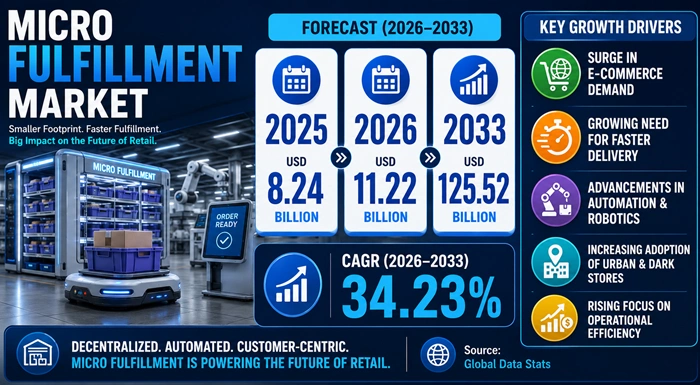
The global micro fulfillment market size is valued at USD 8.24 billion in 2025 and is predicted to increase from USD 11.22 billion in 2026 to approximately USD 125.52 billion by 2033, growing at a CAGR of 34.23% from 2026 to 2033. This explosive expansion reflects the retail industry's fundamental transformation as consumer expectations for rapid delivery converge with technological advances in warehouse automation, robotics, and artificial intelligence creating viable solutions for compact urban fulfillment operations. Micro fulfillment represents revolutionary approach to order processing where automated warehousing systems are deployed in small-format facilities positioned near dense population centers, enabling retailers to fulfill online orders within hours rather than days while dramatically reducing last-mile delivery costs that traditionally consumed substantial portions of e-commerce profit margins.
The micro fulfillment market encompasses compact automated warehouse solutions typically occupying spaces ranging from three thousand to ten thousand square feet, utilizing sophisticated robotic systems, automated storage and retrieval technologies, and intelligent software platforms that enable rapid order picking and packing in constrained urban environments. These facilities leverage vertical space through multi-story automated storage systems, employ autonomous mobile robots navigating tight aisles retrieving inventory, and integrate seamlessly with e-commerce platforms providing real-time inventory visibility and order management. Growing consumer demand for same-day and next-day delivery, accelerating e-commerce penetration driven by changing shopping behaviors, increasing urban population density creating concentration of delivery addresses, and improving economics of warehouse automation technologies are driving unprecedented investment in micro fulfillment infrastructure across grocery, retail, and logistics sectors worldwide.
AI Impact on the Micro Fulfillment Industry
Transforming Order Processing Through Intelligent Automation and Predictive Inventory Management
Artificial intelligence is revolutionizing the micro fulfillment market by enabling unprecedented levels of operational optimization, predictive accuracy, and autonomous decision-making that maximize throughput while minimizing space requirements and labor costs in compact urban facilities. AI-powered inventory management systems continuously analyze sales patterns, seasonal trends, promotional impacts, and external factors including weather conditions and local events to predict product demand with remarkable accuracy, enabling micro fulfillment centers to stock precisely the items most likely to be ordered within their service areas while avoiding inventory that generates holding costs without sales velocity. Machine learning algorithms optimize storage locations within facilities, positioning fast-moving items in easily accessible positions reducing robot travel distances while placing slower-moving products in higher-density storage areas, dynamically adjusting these placements as demand patterns shift ensuring maximum picking efficiency. Computer vision technologies integrated with robotic picking systems enable accurate item identification and gentle handling of diverse product types from canned goods through fresh produce and fragile items, expanding the range of products suitable for automated fulfillment beyond the uniform packaged goods that characterized early automation implementations.
The integration of AI extends throughout the entire micro fulfillment ecosystem from demand forecasting through route optimization for last-mile delivery, creating comprehensive intelligent operations that deliver superior customer experiences while maintaining profitability. Predictive analytics models forecast order volumes by time of day, day of week, and season, enabling dynamic labor scheduling that matches staffing levels to anticipated demand preventing both idle workers during slow periods and order backlogs during peak times. Neural networks analyze historical delivery data to identify optimal delivery routes considering traffic patterns, delivery time windows, order density, and vehicle capacity constraints, continuously learning from outcomes to improve routing efficiency. AI-driven coordination systems manage complex interactions between multiple autonomous robots operating simultaneously within constrained facility spaces, optimizing traffic flow, preventing collisions, and maximizing system throughput while ensuring safety. This technological transformation is democratizing access to sophisticated fulfillment capabilities, making automated micro fulfillment economically viable for mid-sized retailers previously unable to justify warehouse automation investments while enabling grocery chains and major retailers to dramatically expand rapid delivery service areas without proportional cost increases.
Growth Factors
Explosive E-Commerce Growth and Consumer Demand for Rapid Delivery Drive Market Momentum
The accelerating global shift toward online shopping represents the fundamental driver propelling micro fulfillment market expansion as e-commerce penetration increases across all product categories from grocery and household essentials through apparel, electronics, and specialized goods. Global e-commerce sales exceeded five trillion dollars in 2024 and continue growing at double-digit rates as consumers increasingly prefer online shopping convenience, digital natives enter peak spending years, and improving mobile commerce experiences make purchasing seamless across any location or time. Grocery represents particularly explosive e-commerce growth opportunity, with online grocery sales projected to exceed one trillion dollars globally by 2030 as consumers overcome historical reluctance about buying fresh products online and retailers develop capabilities ensuring product quality and convenient delivery. The micro fulfillment market benefits enormously from e-commerce growth as traditional fulfillment models utilizing large centralized warehouses located in low-cost suburban or rural areas cannot economically deliver the rapid fulfillment times that consumers increasingly demand and competitive dynamics require. Same-day and next-day delivery expectations that Amazon established for general merchandise are expanding into grocery and other categories, with consumers demonstrating willingness to pay modest delivery fees or subscription costs for reliable rapid delivery creating viable business models supporting micro fulfillment investments.
Urban population concentration intensifying globally creates ideal conditions for micro fulfillment economics as dense population centers generate sufficient order volumes within small geographic areas to justify automated fulfillment infrastructure investments. Over fifty-five percent of global population currently resides in urban areas with United Nations projections indicating urbanization will reach sixty-eight percent by 2050, with fastest growth occurring in Asian and African cities where middle-class expansion simultaneously drives consumer purchasing power. Urban environments present unique fulfillment challenges including high real estate costs limiting large warehouse viability, traffic congestion increasing last-mile delivery times and costs, and environmental regulations restricting delivery vehicle emissions pushing operations toward electric vehicles that benefit from shorter delivery routes. The micro fulfillment market expansion is accelerated by growing recognition among retailers that serving urban consumers requires fundamentally different fulfillment strategies compared to suburban and rural areas, with compact automated facilities positioned within cities enabling profitable rapid delivery that would be economically impossible from distant centralized warehouses. Real estate developers and property owners increasingly view micro fulfillment facilities as attractive tenants generating stable long-term leases, with creative conversions of retail spaces, parking structures, and light industrial buildings providing available locations without requiring purpose-built construction.
Market Outlook
Technological Maturation and Competitive Pressures Shape Robust Growth Trajectory
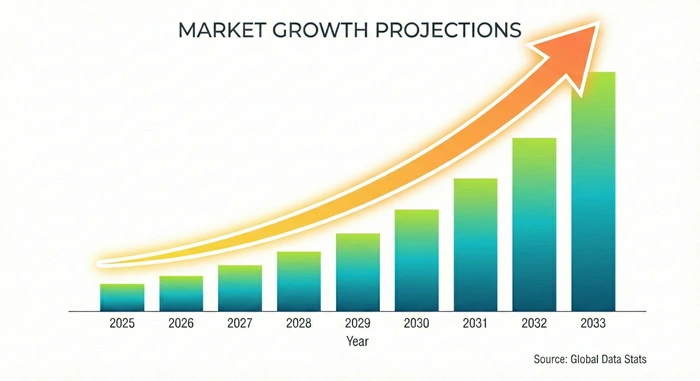
The micro fulfillment market outlook through 2033 remains exceptionally positive as technological maturation reduces implementation costs and complexity, expanding proven track records build confidence among potential adopters, and intensifying competitive pressures make rapid delivery capabilities essential for retail survival rather than optional competitive advantages. Warehouse automation technologies including autonomous mobile robots, automated storage and retrieval systems, and robotic picking solutions have advanced dramatically over recent years with improving reliability, declining costs, and expanding capabilities handling diverse product types and packaging configurations. Modular system architectures enable phased implementation where retailers can start with basic automation and incrementally add capabilities as volumes grow and operational expertise develops, reducing initial investment requirements and implementation risks that historically deterred adoption. Cloud-based software platforms simplify integration with existing e-commerce systems, point-of-sale platforms, and inventory management applications, reducing implementation timelines from months to weeks while enabling continuous updates incorporating new features without disruptive system replacements.
Looking toward the forecast period conclusion in 2033, market dynamics will be increasingly influenced by sustainability imperatives as retailers face growing pressure from consumers, investors, and regulators to reduce environmental impacts throughout supply chains. Micro fulfillment contributes directly to sustainability goals by dramatically reducing last-mile delivery distances compared to centralized warehouses, enabling consolidation of multiple orders for delivery to nearby addresses reducing vehicle miles traveled, and facilitating electric vehicle adoption through shorter ranges making battery-powered delivery economically viable. The micro fulfillment market is evolving beyond pure-play e-commerce applications into hybrid models where facilities serve multiple purposes including online order fulfillment, rapid replenishment for nearby retail stores, and click-and-collect locations where customers retrieve online orders, maximizing asset utilization and improving return on investment. Emerging applications include dark stores operating exclusively for online fulfillment without any customer-facing retail functions, enabling operations optimized purely for picking efficiency without accommodating browsing shoppers, and store-integrated micro fulfillment systems installed within existing retail locations utilizing back-room or mezzanine spaces currently used for static inventory storage. This model diversification creates multiple growth pathways sustaining market expansion throughout the forecast period.
Expert Speaks
-
Doug McMillon, CEO of Walmart, emphasized during the company's fiscal 2026 earnings calls that Walmart U.S. e-commerce business achieved profitability for the first time driven by marketplace growth, advertising revenue, and leveraging store networks for fulfillment, with seventy-five percent of U.S. population now having access to delivery within three hours through stores functioning as hybrid centers serving both in-store shoppers and fulfilling online orders, providing structural cost advantages and enabling rapid response to shifting customer demand.
-
Andy Jassy, CEO of Amazon, highlighted in his 2024 shareholder letter that Amazon achieved record delivery speeds with increasing numbers of same-day deliveries primarily through regionalization of fulfillment networks, new placement algorithms, and innovative same-day fulfillment centers, with continued investments planned to serve rural customers with faster delivery speeds matching urban areas, demonstrating commitment to expanding rapid fulfillment capabilities beyond dense metropolitan regions into smaller cities and towns across extensive geographic areas.
-
John David Rainey, CFO of Walmart, noted during fiscal third-quarter 2026 earnings discussions that Walmart has improved fulfillment efficiency with over sixty percent of stores receiving freight from automated distribution centers and more than fifty percent of e-commerce fulfillment center volume automated, driving better unit productivity and lowering cost to serve while enabling thirty-five percent of store-fulfilled orders to be completed in less than three hours with expedited deliveries increasing seventy percent demonstrating strong customer demand for rapid fulfillment.
Key Report Takeaways
-
North America dominates the global micro fulfillment market with approximately 38% market share driven by mature e-commerce infrastructure, early adoption of warehouse automation technologies, substantial investments by major retailers including Walmart, Target, and Kroger, and consumer expectations for rapid delivery established by Amazon Prime creating competitive pressures forcing widespread micro fulfillment adoption across grocery and retail sectors.
-
Asia-Pacific emerges as the fastest-growing regional market with projected CAGR exceeding 36.5% through 2033, fueled by explosive urbanization creating dense population centers ideal for micro fulfillment economics, rapid e-commerce growth particularly in China and India, substantial government investments supporting digital commerce infrastructure, and growing middle-class populations demanding convenient shopping experiences and rapid delivery matching developed market standards.
-
Store-integrated micro fulfillment segment leads type categorization accounting for approximately 43% of global market deployments as retailers leverage existing store networks and real estate footprints to implement fulfillment automation without acquiring separate warehouse facilities, reducing capital requirements while enabling utilization of stores as fulfillment nodes supporting online orders alongside traditional in-store retail functions maximizing asset productivity.
-
E-commerce platform end-users dominate market adoption representing around 47% of total micro fulfillment deployments as pure-play online retailers and omnichannel operators require sophisticated automated fulfillment capabilities supporting rapid order processing and delivery promises, with companies including Amazon, Walmart.com, Instacart, and emerging quick-commerce platforms driving substantial micro fulfillment investments supporting competitive differentiation through delivery speed and reliability.
-
Hardware component segment captures substantial market share accounting for approximately 52% of total market value as automated storage and retrieval systems, autonomous mobile robots, conveyor systems, and robotic picking equipment represent highest capital expenditure requirements within micro fulfillment implementations, with leading robotics companies including AutoStore, Exotec, Dematic, and Symbotic providing sophisticated systems enabling high-density storage and rapid order picking.
-
Grocery omnichannel segment exhibits highest growth potential expected to expand at CAGR exceeding 38% through 2033 as traditional grocery retailers accelerate online channel development responding to changing consumer shopping behaviors, with micro fulfillment enabling profitable online grocery operations through automated picking reducing labor costs and rapid delivery from urban facilities ensuring product freshness and customer satisfaction driving repeat purchase behavior and market share gains.
Market Scope
| Report Coverage Details | |
|---|---|
| Market Size by 2033 | USD 125.52 Billion |
| Market Size by 2025 | USD 8.24 Billion |
| Market Size by 2026 | USD 11.22 Billion |
| Market Growth Rate from 2026 to 2033 | CAGR of 34.23% |
| Dominating Region | North America |
| Fastest Growing Region | Asia-Pacific |
| Base Year | 2025 |
| Forecast Period | 2026 to 2033 |
| Segments Covered | Component, Type, End-User, Region |
| Regions Covered | North America, Europe, Asia-Pacific, Latin America, Middle East and Africa |
Market Dynamics
Drivers Impact Analysis
Intensifying Last-Mile Delivery Cost Pressures and Consumer Expectations Drive Automation Adoption
| Factor | Details |
|---|---|
| ≈ % Impact on CAGR Forecast | +12.5% to +14.8% |
| Geographic Relevance | Global, particularly strong in North America, Europe, Asia-Pacific |
| Impact Timeline | Immediate to Long-term (2026-2033) |
The escalating costs associated with last-mile delivery represent the most powerful economic driver propelling micro fulfillment market growth as this final delivery segment from fulfillment facility to customer doorstep consumes disproportionate share of total logistics expenses while directly impacting customer satisfaction and competitive positioning. Industry analysis indicates last-mile delivery represents forty to fifty-five percent of total supply chain costs despite covering shortest geographic distance, driven by labor-intensive nature of residential deliveries, traffic congestion in urban areas increasing delivery times, low package density per delivery stop reducing economies of scale, and failed delivery attempts when customers are unavailable requiring repeat visits. Traditional fulfillment models utilizing centralized warehouses located thirty to one hundred miles from urban customers face particularly severe last-mile challenges as delivery vehicles must travel substantial distances before reaching delivery territories, limiting number of deliveries per shift and increasing fuel costs. The micro fulfillment market benefits enormously from positioning automated facilities within or immediately adjacent to dense urban neighborhoods where customers reside, dramatically reducing average delivery distances from tens of miles to single-digit miles enabling completion of far more deliveries per vehicle per shift while reducing fuel consumption and vehicle wear.
Consumer delivery expectations have transformed dramatically over past decade as Amazon Prime established two-day delivery as standard with same-day delivery increasingly available, creating marketplace dynamics where retailers must match these service levels or risk customer defection to competitors offering superior delivery speed. Research indicates over sixty percent of online shoppers consider delivery speed important purchase decision factor, with nearly half willing to pay premium fees for same-day delivery on urgent purchases. The micro fulfillment market expansion is accelerated by growing recognition among retailers that rapid delivery capabilities represent essential competitive requirements rather than optional value-added services, with companies unable to offer same-day or next-day delivery at scale facing existential threats as customer expectations continue rising. Grocery sector exemplifies this dynamic particularly clearly, with traditional supermarket chains facing aggressive competition from pure-play online grocers and quick-commerce platforms promising delivery within thirty minutes to two hours, forcing established retailers to invest heavily in micro fulfillment infrastructure enabling competitive delivery speeds from automated urban facilities. Industry case studies demonstrate that retailers implementing micro fulfillment systems typically achieve delivery time reductions of fifty to seventy percent compared to centralized warehouse operations while simultaneously reducing delivery costs per order by twenty to forty percent through improved routing efficiency and increased deliveries per vehicle shift.

Restraints Impact Analysis
High Initial Capital Investment and Complex Integration Requirements Limit Adoption Pace
| Factor | Details |
|---|---|
| ≈ % Impact on CAGR Forecast | -3.2% to -4.5% |
| Geographic Relevance | Small-medium retailers globally, developing markets |
| Impact Timeline | Short to Medium-term (2026-2029) |
The micro fulfillment market faces significant adoption barriers related to substantial upfront capital investments required for automated warehouse systems, facility preparation, and technology integration, particularly challenging for small and medium-sized retailers operating with constrained budgets and competing capital priorities. Complete micro fulfillment installations including automated storage and retrieval systems, autonomous mobile robots, conveyor infrastructure, robotic picking equipment, and supporting software platforms typically require investments ranging from three to ten million dollars depending on facility size, automation level, and throughput capacity, representing major capital commitments that must be justified through detailed financial analysis demonstrating acceptable return on investment timeframes. Many mid-sized grocery chains, regional retailers, and specialty commerce operations struggle to justify these investments without confidence in sustained e-commerce volume growth sufficient to utilize automated capacity, creating adoption hesitation particularly among traditional retailers with limited online sales history. Real estate costs in urban locations where micro fulfillment economics work best represent additional significant expenses, with premium pricing for industrial and commercial space in dense neighborhoods creating total project costs that may exceed twenty million dollars including facility acquisition or long-term lease commitments, construction modifications, and equipment installations.
Technical complexity associated with implementing automated micro fulfillment systems and integrating with existing retail technology infrastructure creates substantial barriers requiring specialized expertise that many organizations lack internally. Successful implementations demand coordination across multiple technical domains including warehouse automation engineering, robotics programming, enterprise software integration, network infrastructure, and ongoing system optimization requiring cross-functional teams with diverse skills typically unavailable within traditional retail organizations. Integration with legacy inventory management systems, point-of-sale platforms, e-commerce websites, and order management applications presents particular challenges as these systems often lack modern application programming interfaces enabling seamless data exchange, requiring expensive custom integration development and creating ongoing maintenance burdens. The micro fulfillment market struggles with limited availability of experienced implementation partners capable of executing complete turnkey projects from facility design through automation commissioning and operational handoff, forcing retailers to either manage complex multi-vendor relationships coordinating separate robotics, software, and systems integration providers or accept extended implementation timelines and risks associated with first-generation deployments. Labor transition challenges represent additional concerns as automated facilities require fundamentally different workforce skills compared to traditional warehouses, with needs shifting from manual picking and packing toward system monitoring, exception handling, and maintenance requiring retraining existing employees or recruiting technical personnel commanding premium compensation in competitive labor markets.
Opportunities Impact Analysis
Emerging Quick Commerce and Hybrid Retail Models Create Expansion Pathways
| Factor | Details |
|---|---|
| ≈ % Impact on CAGR Forecast | +8.7% to +11.2% |
| Geographic Relevance | Urban centers globally, particularly Asia-Pacific, Europe |
| Impact Timeline | Medium to Long-term (2027-2033) |
The explosive emergence of quick commerce business models promising delivery within fifteen to thirty minutes creates transformative opportunities for the micro fulfillment market as these ultra-rapid delivery services require dense networks of automated micro fulfillment facilities positioned throughout urban areas. Quick commerce platforms including Gorillas, Getir, Gopuff, and Jokr achieved multi-billion-dollar valuations despite recent market corrections, demonstrating substantial investor confidence in business models predicated on instant gratification meeting consumer demand for immediate needs. These operations depend fundamentally on micro fulfillment infrastructure enabling rapid order picking and immediate dispatch to nearby delivery addresses, with facilities typically stocking two to three thousand SKUs covering most-purchased convenience items and positioned within one to two miles of target customer clusters. The micro fulfillment market benefits from quick commerce expansion as these operators require multiple facilities per city to achieve promised delivery speeds, creating substantial equipment demand as platform expansions into new markets and service area densification within existing markets drive continuous facility openings. While quick commerce profitability remains unproven and several operators have failed or retreated from markets, survivor consolidation and operational improvements suggest viable long-term models will emerge, with winners requiring sophisticated automated micro fulfillment as foundational capability enabling sustainable unit economics.
Hybrid retail models combining traditional in-store shopping with integrated micro fulfillment capabilities represent substantial opportunities as retailers recognize that physical store networks can serve dual purposes maximizing asset utilization and return on investment. Store-integrated micro fulfillment installations utilize back-room spaces, mezzanine levels, or adjacent facilities to deploy compact automated systems fulfilling online orders while stores simultaneously serve walk-in shoppers, creating synergies where shared inventory supports both channels and stores become local fulfillment nodes reducing delivery distances. Major grocery chains including Kroger, Ahold Delhaize, and Albertsons are piloting and expanding store-integrated micro fulfillment recognizing that existing store networks positioned in residential neighborhoods already provide ideal geographic distribution for rapid delivery, with automation enabling profitable online operations that manual in-store picking cannot support at scale. The micro fulfillment market expansion is accelerated by hybrid model adoption as store-integrated installations typically require lower capital investment than standalone facilities by leveraging existing buildings and utilities, face fewer permitting and zoning challenges compared to new warehouse construction, and achieve faster implementation timelines enabling rapid deployment across store fleets. Dark store conversions represent related opportunities where retailers close underperforming retail locations and repurpose spaces entirely for online fulfillment, eliminating customer-facing operations and optimizing layouts purely for picking efficiency. These flexible deployment models enable retailers with diverse store portfolios to implement micro fulfillment strategies tailored to specific markets and locations while maintaining unified technology platforms and operational approaches.
Segment Analysis
By Type: Store-Integrated Micro Fulfillment Segment
Leveraging Existing Retail Infrastructure and Real Estate Enables Cost-Effective Deployment
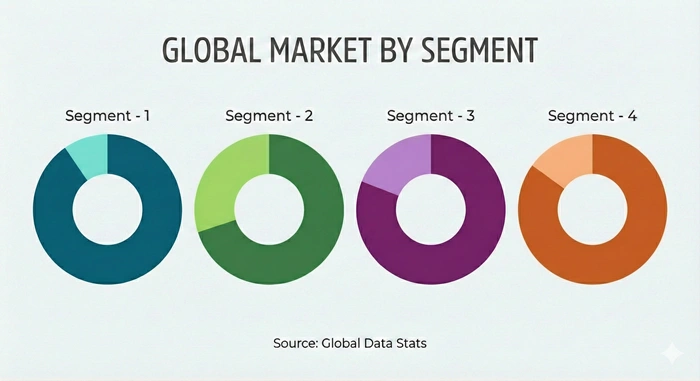
The store-integrated micro fulfillment segment maintains commanding market dominance within the micro fulfillment market landscape, capturing approximately 43% of global deployments driven by compelling economics leveraging existing retail locations, reduced implementation complexity compared to standalone facilities, and ability to serve dual purposes supporting both in-store shopping and online order fulfillment maximizing asset utilization. Store-integrated systems typically occupy spaces ranging from three to ten thousand square feet within retail stores, utilizing back-room areas, mezzanine levels constructed above sales floors, or adjacent spaces within shopping centers, installing compact automated storage and retrieval systems or autonomous mobile robot solutions that integrate with store inventory management systems. This approach enables retailers to transform existing store networks into distributed fulfillment networks without acquiring separate warehouse properties, dramatically reducing real estate costs that represent substantial barriers to standalone micro fulfillment adoption particularly in expensive urban markets. North America leads store-integrated adoption with major grocery chains including Kroger, Albertsons, and regional operators piloting and expanding installations, recognizing that stores already positioned in residential neighborhoods provide ideal geographic distribution for rapid delivery while existing employees can support hybrid operations with appropriate training.
The store-integrated segment growth trajectory remains robust throughout the forecast period supported by proven operational successes, technology improvements enhancing system compactness and flexibility, and growing recognition that omnichannel strategies require seamless integration between physical and digital retail operations. Leading technology providers serving the micro fulfillment market including Fabric, Alert Innovation, Takeoff Technologies, and AutoStore develop solutions specifically optimized for retail store environments, featuring modular designs accommodating diverse space configurations, vertical storage maximizing density in constrained footprints, and quiet operation enabling installation adjacent to active sales floors without disturbing shopping experiences. The segment benefits from lower customer acquisition costs as stores provide natural pick-up locations for click-and-collect services enabling retailers to offer customers choice between home delivery and store retrieval, with many consumers preferring pick-up options avoiding delivery fees and providing control over timing. Market opportunities continue expanding as smaller-format stores including convenience stores and urban market locations adopt scaled-down micro fulfillment systems handling limited SKU assortments but enabling rapid delivery or pick-up for convenience purchases, while larger-format stores implement multiple automated zones handling different product categories including shelf-stable goods, refrigerated products, and frozen items requiring specialized temperature-controlled automation. Hybrid inventory approaches combining automated storage for fast-moving items with manual picking for slow-moving products optimize capital efficiency while maintaining comprehensive product selection.
By End-User: E-Commerce Platform Segment
Pure-Play Online Operators and Omnichannel Retailers Drive Dominant Market Position
The e-commerce platform end-user segment maintains overwhelming market dominance accounting for approximately 47% of micro fulfillment deployments as pure-play online retailers, grocery delivery platforms, and omnichannel operators require sophisticated automated fulfillment capabilities supporting rapid order processing, high-volume throughput, and delivery speed commitments that manual fulfillment operations cannot economically sustain. E-commerce platforms including Amazon, Walmart.com, Instacart, and emerging quick-commerce services operate business models fundamentally dependent on logistics excellence, with order fulfillment speed, accuracy, and cost directly impacting customer satisfaction, repeat purchase rates, and profitability. These operators typically process thousands of orders daily per facility requiring automation to achieve labor productivity and throughput levels justifying urban real estate costs while maintaining service levels including same-day or next-day delivery that customers expect. Europe demonstrates particularly strong e-commerce platform adoption with Ocado, Picnic, and regional grocery delivery services implementing extensive micro fulfillment networks, while Asia-Pacific markets including China, India, and Southeast Asian nations show explosive growth as platforms including Alibaba Fresh Hema, JD.com, and local operators deploy automated fulfillment supporting rapid grocery delivery in dense urban markets.
The e-commerce platform segment exhibits sustained growth momentum through 2033 driven by online shopping penetration increases, platform business model expansion into new product categories and geographic markets, and intensifying competition requiring continuous operational improvements and service level enhancements. Companies operating in the micro fulfillment market including Exotec, Dematic, Symbotic, and Hai Robotics demonstrate e-commerce segment leadership through advanced robotic systems featuring high picking speeds, accuracy rates exceeding 99.9%, and flexible configurations accommodating diverse product ranges from packaged groceries through fresh produce, frozen products, and general merchandise. The segment benefits from substantial venture capital and private equity investment flowing into e-commerce platforms and logistics technology companies, providing capital supporting aggressive micro fulfillment network expansion even during pre-profitability growth phases as investors prioritize market share capture over immediate profitability. Market dynamics favor large-scale platforms with sufficient order volumes justifying micro fulfillment investments across multiple facilities creating network effects where additional locations improve delivery coverage and service levels attracting more customers driving volume growth. Emerging opportunities include vertical-specific platforms focusing on particular product categories including meal kits, pet supplies, health and beauty products, or pharmacy goods where specialized fulfillment capabilities and rapid delivery create differentiated customer experiences supporting premium pricing and customer loyalty. Subscription models including meal kit deliveries and recurring consumable purchases provide predictable demand volumes improving capacity utilization and return on automation investments.
Regional Insights
North America
Mature E-Commerce Infrastructure and Retail Innovation Leadership Establish Regional Dominance
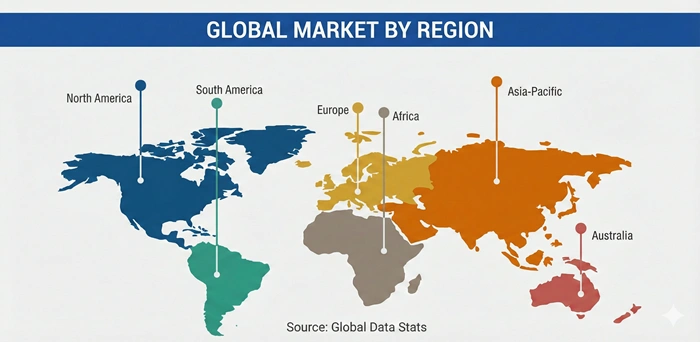
North America maintains commanding leadership in the global micro fulfillment market with approximately 38% share, propelled by the region's mature e-commerce infrastructure, early adoption of warehouse automation technologies, substantial investments by major retailers responding to Amazon competitive pressures, and consumer expectations for rapid delivery established through Prime membership creating market-wide service level standards. The United States dominates regional consumption with major retailers including Walmart, Kroger, Albertsons, Target, and regional grocery chains implementing micro fulfillment strategies supporting omnichannel operations, while pure-play e-commerce operators including Amazon, Instacart, and emerging quick-commerce platforms deploy automated fulfillment networks supporting rapid delivery promises. Technology providers including Alert Innovation, Fabric, Symbotic, and Berkshire Grey maintain strong North American presence through headquarters locations, extensive customer relationships, and close collaboration with leading retailers piloting and refining micro fulfillment solutions. The region benefits from sophisticated real estate markets providing available urban properties suitable for micro fulfillment conversions, established logistics infrastructure supporting last-mile delivery networks, and substantial venture capital availability funding both technology providers and e-commerce platforms driving market growth.
The regional micro fulfillment market exhibits projected CAGR around 32.5% through 2033 as adoption expands from early-adopter major retailers into mid-sized chains, specialty retailers, and diverse product categories beyond grocery including pharmacy, pet supplies, and general merchandise. Major retailers serving North America including Walmart operating over eleven thousand stores and Kroger with nearly three thousand locations recognize that extensive physical footprints provide ideal foundations for distributed micro fulfillment networks, implementing store-integrated systems transforming retail locations into omnichannel fulfillment nodes. The market demonstrates unique characteristics including strong preference for flexible modular systems enabling phased implementation and capacity expansion, emphasis on rapid return on investment given competitive market pressures, and sophisticated analytics measuring system performance including pick rates, order accuracy, and cost per order processed. Regional opportunities continue expanding as retailers explore micro fulfillment for non-food categories, third-party logistics providers offer micro fulfillment as service enabling smaller retailers to access automated capabilities without capital investments, and urban densification creates additional suitable locations for standalone dark store facilities. Labor market dynamics including persistently tight employment in warehouse and retail sectors strengthen business cases for automation reducing dependence on manual labor while improving workplace ergonomics and job satisfaction through elimination of repetitive walking and lifting.
Asia-Pacific
Explosive Urbanization and E-Commerce Growth Drive Fastest Regional Expansion
Asia-Pacific emerges as the fastest-growing regional market for micro fulfillment with projected CAGR exceeding 36.5% through 2033, driven by explosive urbanization concentrating populations in megacities, rapid e-commerce adoption particularly in China and India, substantial government investments supporting digital commerce infrastructure, and growing middle-class populations demanding convenient shopping experiences matching developed market standards. China dominates regional activity as home to world's largest e-commerce market with platforms including Alibaba, JD.com, Meituan, and Pinduoduo processing billions of orders annually, with Alibaba's Hema Fresh concept pioneering integrated store-fulfillment models combining supermarkets with robotic fulfillment supporting thirty-minute delivery while JD.com operates extensive automated warehouse networks featuring proprietary robotics and delivery infrastructure. India represents enormous growth potential as the country's e-commerce sector expands rapidly supported by improving internet connectivity, smartphone penetration, and digital payment adoption, with platforms including Flipkart, Amazon India, BigBasket, and emerging quick-commerce services deploying micro fulfillment enabling rapid delivery in major metropolitan areas including Mumbai, Delhi, Bangalore, and Hyderabad.
The regional market demonstrates approximately 35% global consumption characterized by rapid adoption growth as both international and domestic players invest heavily in fulfillment infrastructure supporting competitive differentiation through delivery speed and reliability. Leading international companies including Dematic, AutoStore, Exotec, and Swisslog maintain strong regional presence through local partnerships and project implementations, while emerging domestic technology providers including Hai Robotics based in China develop competitive automated solutions serving price-sensitive regional markets. The market exhibits unique characteristics including particularly strong emphasis on ultra-fast delivery with quick-commerce models promising fifteen to thirty-minute delivery gaining substantial traction, high population density in major cities creating ideal economics for micro fulfillment investments, and diverse market maturity levels with developed markets including Japan, South Korea, and Singapore showing sophisticated automation adoption while emerging markets including Southeast Asian nations demonstrate explosive growth from smaller bases. Regional opportunities continue expanding as grocery chains modernize operations implementing omnichannel capabilities, specialized platforms emerge focusing on fresh food delivery, pharmacy, and other categories, and second-tier cities beyond primary metropolitan areas develop sufficient e-commerce density justifying micro fulfillment investments. Government support through smart city initiatives, logistics infrastructure investments, and favorable policies toward automation and innovation accelerate market development across diverse regional markets.
Top Key Players
-
AutoStore (Norway)
-
Dematic (United States)
-
Exotec (France)
-
Alert Innovation (United States)
-
Ocado Group (United Kingdom)
-
Symbotic (United States)
-
Takeoff Technologies (United States)
-
Fabric (United States)
-
Berkshire Grey (United States)
-
Swisslog (Switzerland)
-
Fortna (United States)
-
Hai Robotics (China)
-
Attabotics (Canada)
-
Honeywell Intelligrated (United States)
-
Knapp AG (Austria)
Recent Developments
-
2024: AutoStore completed strategic partnership with SoftBank Group enabling expanded global market penetration particularly across Asia-Pacific region, with collaboration providing capital supporting research and development investments in next-generation robotic systems while leveraging SoftBank's extensive technology portfolio and regional relationships facilitating customer acquisitions and technology integration supporting micro fulfillment deployments across diverse retail and logistics applications in rapidly growing markets.
-
2024: Symbotic announced major capacity expansion of manufacturing facilities in New Hampshire supporting surging demand for automated warehouse systems from grocery and retail customers, with production increases enabling delivery of twenty-five complete systems annually representing substantial fulfillment infrastructure supporting billions of dollars in customer throughput, while company signed multi-year agreements with major retailers including Walmart extending deployments beyond initial pilot installations into fleet-wide implementations.
-
2024: Ocado Group expanded technology licensing agreements with international grocery retailers across multiple continents including partnerships in Asia, North America, and Europe, providing Ocado's advanced automated fulfillment technologies and operational expertise to established retailers implementing online grocery capabilities, with licensing model generating substantial recurring revenue while demonstrating proven viability of micro fulfillment solutions validated through Ocado's successful operations processing millions of online grocery orders weekly.
-
2023: Dematic secured major contract awards from leading North American and European retailers implementing micro fulfillment systems supporting omnichannel strategies, with projects encompassing both store-integrated installations and standalone urban fulfillment centers featuring advanced robotic picking systems, autonomous mobile robots, and integrated software platforms providing end-to-end order orchestration from customer purchase through delivery fulfillment demonstrating continued strong demand for automated fulfillment solutions.
-
2023: Fabric completed significant funding round attracting investment from strategic retail partners and financial investors, providing capital supporting geographic expansion into new markets, technology development advancing robotic picking capabilities and system throughput, and sales and implementation organization growth enabling simultaneous deployment of multiple fulfillment centers supporting aggressive retail customer expansion timelines as e-commerce competition intensifies requiring rapid deployment of automated fulfillment infrastructure.
Market Trends
Convergence of Autonomous Mobile Robots and Artificial Intelligence Reshape Operational Paradigms
The micro fulfillment market is experiencing fundamental transformation as autonomous mobile robot technologies and artificial intelligence platforms converge creating next-generation systems that dramatically improve operational flexibility, scalability, and efficiency compared to earlier automation generations. Modern micro fulfillment installations increasingly utilize autonomous mobile robots navigating facilities independently, transporting inventory from storage locations to picking stations, and adapting dynamically to changing conditions including temporary obstacles, variable order volumes, and evolving facility layouts without requiring fixed conveyor infrastructure. These systems provide substantial advantages including lower initial capital investment compared to conveyor-based automation, easier facility modifications as business needs evolve, and graceful degradation where individual robot failures minimally impact overall system throughput unlike conveyor breakdowns that can halt entire operations. AI integration enables these robotic systems to continuously learn and optimize, improving navigation efficiency through experience, coordinating multi-robot operations preventing traffic congestion, and intelligently managing battery charging ensuring adequate operational capacity during peak periods while minimizing energy consumption during slower times. This flexibility democratizes micro fulfillment access, making automation viable for smaller facilities and variable-volume operations previously unable to justify rigid fixed automation requiring consistent throughput for economic justification.
Vertical integration trends are reshaping market structures as leading retailers develop proprietary micro fulfillment technologies rather than solely relying on third-party system providers, seeking competitive advantages through customized solutions and potential intellectual property ownership. Amazon pioneered this approach through extensive internal robotics development including acquisition of Kiva Systems that became Amazon Robotics, developing proprietary automated systems deployed across fulfillment network while withholding technology from competitors creating sustained competitive advantages. Walmart similarly invested in internal automation development and strategic acquisitions including Alert Innovation gaining micro fulfillment technologies supporting store-integrated fulfillment across its extensive retail network. The micro fulfillment market witnesses increasing collaboration between technology providers and retailers through joint development partnerships, customization of standard platforms for specific retailer requirements, and licensing arrangements enabling retailers to leverage proven technologies while incorporating proprietary elements addressing unique operational needs. This evolution creates both opportunities and challenges for independent automation vendors as major retailers represent enormous potential market but may prefer developing internal capabilities or exclusive partnerships limiting broader market access. Market fragmentation continues with dozens of competing technology approaches including various robot designs, storage systems, picking technologies, and software platforms, though consolidation pressures are increasing as early-stage ventures struggle to achieve profitability and larger players acquire promising technologies and customer relationships.
Segments Covered in the Report
By Component:
-
Hardware
-
Automated Storage and Retrieval Systems
-
Autonomous Mobile Robots
-
Robotic Picking Systems
-
Conveyor Systems
-
Material Handling Equipment
-
-
Software
-
Warehouse Management Systems
-
Order Management Platforms
-
Inventory Optimization
-
Analytics and Reporting
-
-
Services
-
System Integration
-
Installation and Commissioning
-
Maintenance and Support
-
Consulting and Advisory
-
By Type:
-
Standalone
-
Purpose-Built Facilities
-
Converted Warehouses
-
Dark Stores
-
-
Dark Stores
-
Former Retail Locations
-
Dedicated E-Commerce Facilities
-
-
Store-Integrated
-
Back-Room Integration
-
Mezzanine Installations
-
Adjacent Facility Solutions
-
By End-User:
-
E-Commerce Platforms
-
Pure-Play Online Retailers
-
Marketplace Operators
-
Quick Commerce Services
-
-
Manufacturers
-
Direct-to-Consumer Brands
-
Consumer Packaged Goods
-
-
Retailers and Distributors
-
Grocery Omnichannel
-
General Merchandise
-
Specialty Retail
-
Third-Party Logistics
-
By Region:
-
North America
-
United States
-
Canada
-
Mexico
-
-
Europe
-
United Kingdom
-
Germany
-
France
-
Netherlands
-
Spain
-
Rest of Europe
-
-
Asia-Pacific
-
China
-
India
-
Japan
-
South Korea
-
Australia
-
Southeast Asia
-
Rest of Asia-Pacific
-
-
Latin America
-
Brazil
-
Argentina
-
Rest of Latin America
-
-
Middle East and Africa
-
UAE
-
Saudi Arabia
-
South Africa
-
Rest of Middle East and Africa
-
Frequently Asked Questions
Question 1: What is the projected size of the micro fulfillment market by 2033?
Answer: The global micro fulfillment market is expected to reach approximately USD 125.52 billion by 2033, growing from USD 11.22 billion in 2026. This explosive expansion reflects accelerating e-commerce adoption, intensifying consumer demands for same-day and rapid delivery, and improving economics of warehouse automation technologies enabling profitable urban fulfillment operations that traditional centralized warehouse models cannot match for speed and cost efficiency.
Question 2: Which region currently dominates the micro fulfillment market?
Answer: North America leads the global micro fulfillment market with approximately 38% market share, driven by mature e-commerce infrastructure, substantial retailer investments responding to competitive pressures, and established consumer expectations for rapid delivery. The region benefits from early technology adoption, available urban real estate for fulfillment facilities, and strong presence of both technology providers and leading retailers implementing automated micro fulfillment strategies across extensive store networks.
Question 3: What are the primary drivers of micro fulfillment market growth?
Answer: The micro fulfillment market growth is primarily driven by explosive e-commerce expansion creating unprecedented order volumes, escalating last-mile delivery costs demanding more efficient fulfillment approaches, and intensifying consumer expectations for same-day and next-day delivery. Urban population concentration, warehouse automation technology maturation, and competitive pressures requiring rapid delivery capabilities further accelerate adoption across grocery, retail, and logistics sectors worldwide.
Question 4: Which type holds the largest share in the micro fulfillment market?
Answer: Store-integrated micro fulfillment represents the dominant type segment accounting for approximately 43% of global market deployments. This leadership reflects compelling economics leveraging existing retail real estate, reduced implementation complexity compared to standalone facilities, and dual-purpose functionality supporting both in-store shopping and online fulfillment. Major grocery chains and retailers increasingly adopt store-integrated approaches transforming retail locations into distributed fulfillment networks maximizing asset utilization.
Question 5: What is the expected CAGR for the micro fulfillment market from 2026 to 2033?
Answer: The micro fulfillment market is projected to grow at a CAGR of 34.23% from 2026 to 2033. This remarkable growth rate reflects sustained expansion driven by continued e-commerce penetration, rapid delivery becoming competitive requirement rather than differentiator, and technology improvements reducing implementation costs and complexity. Growing adoption beyond grocery into diverse retail categories, geographic expansion into emerging markets, and innovative business models including quick commerce support robust market momentum.