
Methanol Market Overview
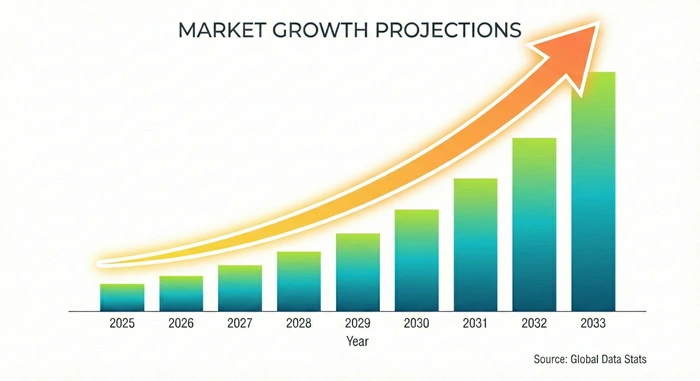
The global methanol market size is valued at USD 41.90 billion in 2025 and is predicted to increase from USD 43.75 billion in 2026 to approximately USD 64.18 billion by 2033, growing at a CAGR of 4.40% from 2026 to 2033.
The industry supplies one of the most versatile chemical building blocks and alternative fuel options serving countless industrial applications worldwide. This colorless, volatile liquid alcohol functions as a critical feedstock for producing formaldehyde, acetic acid, MTBE, and other essential chemical intermediates supporting plastics, resins, construction materials, and automotive components. Production facilities across the globe manufacture over 100 million metric tons annually through natural gas reforming, coal gasification, and emerging renewable pathways.
The sector represents fundamental infrastructure supporting global chemical manufacturing ecosystems and emerging clean energy transitions. Rising demand for chemical derivatives and growing interest in methanol as transportation fuel drive sustained market expansion. Industrial players invest substantially in production capacity additions, feedstock diversification strategies, and green methanol development meeting sustainability objectives while maintaining supply reliability.

AI Impact on the Methanol Industry
Intelligent Process Optimization and Predictive Analytics Transforming Production Operations
Artificial intelligence has begun revolutionizing how methanol production facilities optimize synthesis gas conversion, maximize catalyst performance, and predict maintenance requirements across complex chemical processes. Modern AI systems continuously analyze real-time data from steam reforming reactors, synthesis loops, and distillation columns monitoring temperature profiles, pressure conditions, catalyst activity levels, and product purity specifications. These intelligent platforms help process engineers adjust operating parameters automatically based on predictive models learning from thousands of production cycles achieving optimal conversion efficiency while minimizing energy consumption. Machine learning algorithms detect subtle process deviations indicating catalyst poisoning, heat exchanger fouling, or compression system inefficiencies enabling proactive interventions before performance degradation affects production volumes or product quality specifications.
Predictive maintenance powered by AI enables methanol facilities to forecast equipment failures, optimize shutdown scheduling, and coordinate maintenance activities minimizing unplanned downtime disrupting supply commitments. Neural networks analyze vibration signatures, acoustic emissions, thermal imaging data, and equipment performance trends predicting pump seal failures, compressor issues, and reactor catalyst deactivation weeks before critical failures occur. These systems also optimize feedstock selection and procurement strategies analyzing natural gas prices, coal availability, renewable biomass costs, and production economics recommending optimal raw material sourcing decisions. Computer vision technologies inspect catalyst pellets identifying physical degradation, carbon deposition, and structural changes indicating optimal regeneration or replacement timing maximizing catalyst lifecycle performance and production economics.
Growth Factors
Chemical Industry Expansion and Alternative Fuel Adoption Driving Sustained Market Growth
The global chemical manufacturing sector creates fundamental demand for the methanol market as formaldehyde production consumes approximately 28-30% of global methanol volumes supporting adhesive resins, molded plastics, and construction materials manufacturing. The wood products industry depends heavily on urea-formaldehyde and phenol-formaldehyde resins bonding particle boards, plywood, and oriented strand board serving construction and furniture markets worldwide. Formaldehyde derivatives also serve pharmaceutical manufacturing, textile finishing, and industrial applications requiring disinfection or preservation capabilities. Acetic acid production represents another major derivative consuming substantial methanol volumes for manufacturing vinyl acetate monomer, purified terephthalic acid, and acetic anhydride serving diverse end markets including paints, adhesives, synthetic fibers, and pharmaceutical intermediates.
Transportation fuel applications drive accelerating methanol consumption as countries pursue gasoline blending programs, direct methanol fuel development, and methanol-to-gasoline conversion technologies addressing energy security and emissions reduction objectives. China leads methanol fuel adoption with millions of vehicles operating on M15-M100 blends through extensive distribution infrastructure supporting automotive applications. Marine shipping industry increasingly adopts methanol as low-sulfur fuel alternative meeting International Maritime Organization emissions regulations without requiring expensive exhaust gas cleaning systems. The fuel's advantages include lower particulate emissions, reduced nitrogen oxide formation, and absence of sulfur compounds compared to conventional marine fuels. Several major shipping lines commit to methanol-powered vessel orders driving fuel demand growth throughout maritime transportation sectors.
Market Outlook
Regional Production Shifts and Sustainability Initiatives Reshaping Global Industry Landscape
Asia Pacific maintains its commanding market position as both the largest production region and fastest-growing consumption market, driven by massive chemical manufacturing capacity, expanding methanol-to-olefins facilities, and growing transportation fuel adoption throughout China and other regional economies. The region benefits from integrated coal-to-methanol production complexes leveraging abundant domestic coal reserves, natural gas imports from Middle East and Australia, and emerging renewable methanol pilot projects. China alone accounts for over 50% of global methanol production capacity and consumption as the country's dominant chemical industry, extensive MTO operations, and expanding fuel applications create enormous domestic demand. Government policies supporting coal chemical industry development, alternative fuel adoption, and petrochemical self-sufficiency reinforce China's production leadership despite environmental pressures intensifying across the region.
Sustainability initiatives increasingly influence production strategies and investment decisions as stakeholders demand reduced carbon intensity, renewable feedstock adoption, and circular economy approaches throughout methanol value chains. Green methanol production from renewable sources including biomass gasification, biogas reforming, and carbon dioxide hydrogenation using renewable hydrogen attracts substantial research funding and commercial pilot investments. Several European facilities announce green methanol production projects supplying maritime fuel applications and chemical manufacturing seeking sustainable feedstock alternatives. Major shipping companies commit to green methanol fuel adoption establishing offtake agreements supporting renewable production investments. These sustainability initiatives respond to regulatory pressures including carbon pricing mechanisms, renewable fuel mandates, and corporate environmental commitments driving industry transformation toward lower-carbon production pathways despite current cost premiums compared to conventional fossil-based methanol.
Expert Speaks
-
Darren Woods, CEO of ExxonMobil – "Methanol represents a versatile chemical building block and emerging energy solution supporting both traditional petrochemical applications and clean fuel transitions. Our integrated operations optimize production economics while advancing lower-carbon methanol pathways including carbon capture integration and renewable feedstock development meeting evolving customer sustainability requirements."
-
Wan Hua, President of Sinopec – "China's methanol industry continues expanding through coal chemical development, natural gas utilization, and innovative methanol-to-olefins technology supporting domestic chemical manufacturing growth. Strategic investments in production capacity, feedstock diversification, and downstream integration strengthen China's position as global methanol production and consumption leader."
-
Ben van Beurden, former CEO of Shell – "Methanol's role as marine fuel alternative and chemical feedstock positions the molecule at the intersection of energy transition and industrial chemistry. We're investing in renewable methanol production capabilities and fuel supply infrastructure supporting maritime decarbonization while serving traditional chemical market demands."
Key Report Takeaways
-
Asia Pacific dominates the global methanol market with approximately 62% market share, powered by massive chemical manufacturing capacity, extensive methanol-to-olefins operations, and growing transportation fuel adoption across China, India, and Southeast Asia driving both regional production leadership and consumption growth
-
Asia Pacific also represents the fastest-growing region with projected CAGR exceeding 4.9% through 2033, driven by continued chemical industry expansion, MTO capacity additions, coal-to-methanol project development, and increasing fuel blending mandates supporting domestic methanol demand growth
-
Formaldehyde derivatives lead application segments capturing roughly 28% market share as construction materials, wood products adhesives, molded plastics, and industrial resins consume vast methanol volumes supporting global building activity and furniture manufacturing
-
Chemical manufacturing dominates end-use sectors accounting for approximately 72% of market consumption as producers convert methanol into countless intermediate chemicals, polymer feedstocks, and specialty products supporting plastics, synthetic fibers, and industrial chemical applications
-
Natural gas feedstock leads production routes holding about 65% market share thanks to widespread steam reforming technology adoption, favorable economics in gas-rich regions, and established production infrastructure throughout Middle East, North America, and parts of Asia
-
Methanol-to-olefins applications show strongest growth trajectory among derivative segments with highest projected CAGR approaching 5.8% as China expands MTO capacity converting methanol into ethylene and propylene supporting domestic polymer production and reducing dependence on petroleum-based olefin sources
Market Scope
| Report Coverage | Details |
|---|---|
| Market Size by 2033 | USD 64.18 Billion |
| Market Size by 2025 | USD 41.90 Billion |
| Market Size by 2026 | USD 43.75 Billion |
| Market Growth Rate from 2026 to 2033 | CAGR of 4.40% |
| Dominating Region | Asia Pacific |
| Fastest Growing Region | Asia Pacific |
| Base Year | 2025 |
| Forecast Period | 2026 to 2033 |
| Segments Covered | Derivative, Feedstock, Application, End-Use Industry, Region |
| Regions Covered | North America, Europe, Asia Pacific, Latin America, Middle East & Africa |
Market Dynamics
Drivers Impact Analysis
Multiple Industrial Applications and Energy Transition Trends Supporting Robust Market Expansion
| Driver | Impact on CAGR Forecast | Geographic Relevance | Impact Timeline |
|---|---|---|---|
| Growing formaldehyde and chemical derivative demand | ≈ 1.5% positive impact | Global, strongest in Asia Pacific | Immediate and long-term |
| Transportation fuel applications and blending mandates | ≈ 1.2% positive impact | China, emerging markets | Immediate and long-term |
| Methanol-to-olefins capacity expansion | ≈ 1.0% positive impact | China, selective Asian markets | Immediate |
| Marine fuel adoption and shipping decarbonization | ≈ 0.8% positive impact | Global, led by Europe | Medium to long-term |
Formaldehyde production expansion creates sustained demand for the methanol market as construction activity, furniture manufacturing, and automotive production consume vast quantities of formaldehyde-based resins. Urea-formaldehyde adhesives dominate wood composite manufacturing bonding particle board, medium-density fiberboard, and plywood serving residential and commercial construction markets worldwide. These resin systems provide cost-effective bonding solutions with adequate moisture resistance and dimensional stability for indoor applications. Phenol-formaldehyde resins serve exterior-grade plywood, oriented strand board, and structural applications requiring superior water resistance and durability under harsh environmental exposures. The construction sector's recovery following economic disruptions and continuing urbanization throughout emerging markets drive steady formaldehyde resin demand supporting methanol consumption growth.
Methanol-to-olefins technology adoption accelerates particularly in China as the country pursues petrochemical feedstock diversification reducing dependence on petroleum-based naphtha cracking for ethylene and propylene production. MTO facilities convert methanol derived from domestic coal resources into light olefins supporting China's massive polyethylene, polypropylene, and downstream polymer industries. This technology enables countries with abundant coal reserves but limited petroleum resources to develop integrated chemical manufacturing capabilities. Current Chinese MTO capacity exceeds 12 million tons annually with substantial additional projects under construction or planning stages. The technology's economics depend heavily on coal prices, crude oil costs, and government policies supporting coal chemical development despite environmental concerns about carbon emissions from coal-based methanol production pathways.
Restraints Impact Analysis
Price Volatility and Environmental Concerns Creating Market Development Challenges
| Restraint | Impact on CAGR Forecast | Geographic Relevance | Impact Timeline |
|---|---|---|---|
| Feedstock price volatility affecting production economics | ≈ 1.2% negative impact | Global | Short to medium-term |
| Environmental regulations on coal-based production | ≈ 0.9% negative impact | China, developed markets | Immediate and long-term |
| Competition from alternative chemicals and fuels | ≈ 0.7% negative impact | Selective markets | Medium to long-term |
| Production overcapacity risks in certain regions | ≈ 0.8% negative impact | China, Asia Pacific | Short-term |
Feedstock cost fluctuations create substantial margin pressures for the methanol market as natural gas, coal, and renewable biomass prices vary with commodity markets, regional supply-demand dynamics, and geopolitical factors. Natural gas-based methanol production economics depend heavily on regional gas prices varying dramatically between gas-rich Middle East, North America shale regions, and gas-importing Asian markets. Coal-based production in China faces cost variations from domestic coal market dynamics, transportation expenses, and environmental compliance requirements including emission control investments. These feedstock cost swings directly impact methanol production profitability as product pricing follows global benchmarks while input costs respond to regional or local market conditions.
Environmental regulations increasingly constrain coal-based methanol production as governments impose stricter emissions standards, carbon pricing mechanisms, and air quality controls addressing climate change and pollution concerns. China implements increasingly stringent environmental policies including production capacity controls, emission performance standards, and regional air quality improvement mandates affecting coal chemical operations. These regulations require substantial investments in emission control equipment, wastewater treatment systems, and solid waste management infrastructure increasing production costs. Some regions restrict new coal-to-methanol projects or mandate existing facility upgrades meeting enhanced environmental performance standards. The regulatory trend toward carbon intensity reduction and renewable energy adoption creates long-term uncertainties for coal-based production pathways despite their current cost competitiveness in coal-rich regions.
Opportunities Impact Analysis
Green Methanol Development and Emerging Applications Creating Market Growth Avenues
| Opportunity | Impact on CAGR Forecast | Geographic Relevance | Impact Timeline |
|---|---|---|---|
| Renewable and green methanol production development | ≈ 1.4% positive impact | Europe, North America, emerging Asia | Medium to long-term |
| Marine fuel market penetration and shipping decarbonization | ≈ 1.1% positive impact | Global, led by Europe and Asia | Medium to long-term |
| Hydrogen carrier applications and energy storage | ≈ 0.8% positive impact | Developed markets initially | Long-term |
| Emerging market industrialization and chemical demand | ≈ 1.0% positive impact | India, Southeast Asia, Africa | Immediate and long-term |
Green methanol production from renewable feedstocks creates premium market opportunities as maritime shipping, chemical manufacturing, and fuel applications seek lower-carbon alternatives meeting sustainability objectives. Several European facilities develop bio-methanol production from biomass gasification, biogas reforming, and waste-based feedstocks achieving substantially reduced lifecycle carbon emissions compared to fossil-based methanol. Carbon dioxide hydrogenation using renewable hydrogen represents another pathway producing e-methanol from captured CO2 and electrolytic hydrogen generated with renewable electricity. Major shipping companies commit to green methanol fuel adoption establishing long-term offtake agreements supporting renewable production investments despite current production costs exceeding conventional methanol by 50-100%.
Marine fuel applications present substantial growth opportunities for the methanol market as international shipping pursues decarbonization meeting International Maritime Organization greenhouse gas reduction targets. Methanol offers several advantages as marine fuel including compatibility with modified diesel engines, lower capital costs compared to LNG conversion, and absence of sulfur emissions meeting current and future fuel sulfur content regulations. Several major shipping lines including Maersk order methanol-capable vessels with dual-fuel engines operating on conventional fuel or methanol depending on availability and economics. Port infrastructure investments establish methanol bunkering capabilities in major maritime hubs supporting fuel availability for growing methanol-powered vessel fleets. Industry experts project marine fuel demand could reach 5-10 million tons annually by 2030 if adoption trends continue accelerating throughout global shipping fleets.
Segment Analysis
Formaldehyde Derivatives
Dominant Application Serving Construction Materials and Wood Products Industries
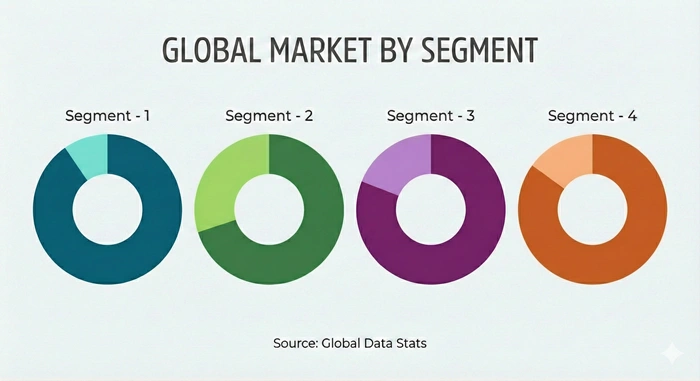
Formaldehyde derivatives represent the largest application segment capturing approximately 28% of the methanol market share in 2025, expanding at 4.2% CAGR through the forecast period. This derivative category encompasses urea-formaldehyde resins, phenol-formaldehyde resins, melamine-formaldehyde systems, and other formaldehyde-based products serving construction materials, furniture manufacturing, automotive components, and industrial applications. Asia Pacific dominates formaldehyde consumption as the region's massive construction activity, furniture production, and wood panel manufacturing drive enormous resin demand throughout China, India, Southeast Asia, and other developing economies. China alone consumes over 40% of global formaldehyde production serving the country's construction boom, furniture export industries, and automotive manufacturing sectors. The wood products industry particularly depends on formaldehyde resins bonding engineered wood panels including particle board, MDF, plywood, and OSB replacing solid lumber in cost-sensitive construction and furniture applications.
Major formaldehyde and resin producers including Georgia-Pacific, Hexion, Dynea, BASF, and Asian manufacturers like Yuntianhua and Foreverest Resources operate extensive production networks converting methanol through catalytic oxidation into formaldehyde serving downstream resin manufacturing. These companies invest substantially in production technology optimizing conversion efficiency, improving emission controls, and developing low-formaldehyde or formaldehyde-free resin alternatives addressing indoor air quality concerns. Construction sector growth throughout emerging markets drives robust demand as residential building, commercial development, and infrastructure projects consume vast quantities of engineered wood panels, laminates, and composite materials. Automotive applications utilize formaldehyde resins in sound-dampening components, interior panels, and under-hood parts requiring heat resistance and mechanical strength.
Chemical Manufacturing End-Use
Largest Consuming Sector Spanning Integrated Chemical Value Chains and Derivatives
Chemical manufacturing applications dominate end-use consumption capturing approximately 72% market share in 2025, growing at 4.5% CAGR as producers convert methanol into countless intermediate chemicals, polymer feedstocks, and specialty products. This segment encompasses acetic acid production, MTBE synthesis, methanol-to-olefins conversion, DME manufacturing, and numerous specialty chemical applications serving diverse industrial sectors. North America and Europe maintain substantial chemical methanol consumption despite production shifting toward Asia Pacific, as established chemical complexes continue operating efficiently producing acetic acid, MTBE, and specialty derivatives. The integrated nature of chemical production creates captive demand where methanol facilities supply co-located derivative plants minimizing transportation costs and supply chain complexities while maximizing production economics.
Leading global chemical companies including Celanese, BP, LyondellBasell, SABIC, and Asian producers including Sinopec and PetroChina operate extensive methanol derivative facilities producing thousands of downstream products. These corporations maintain vertically integrated operations controlling methanol supply through production capabilities or long-term purchase agreements while operating derivative plants converting methanol into acetic acid for vinyl acetate monomer, purified terephthalic acid, and solvent applications. MTBE and other fuel oxygenate production consumes substantial methanol volumes particularly in regions maintaining oxygenate blending mandates for gasoline quality and emissions control. Methanol-to-olefins technology represents a growing derivative application converting methanol into ethylene and propylene supporting polymer manufacturing in feedstock-constrained regions or countries pursuing petrochemical diversification strategies.
Regional Insights
Asia Pacific
Commanding Market Leadership Through Production Scale and Diverse Application Growth
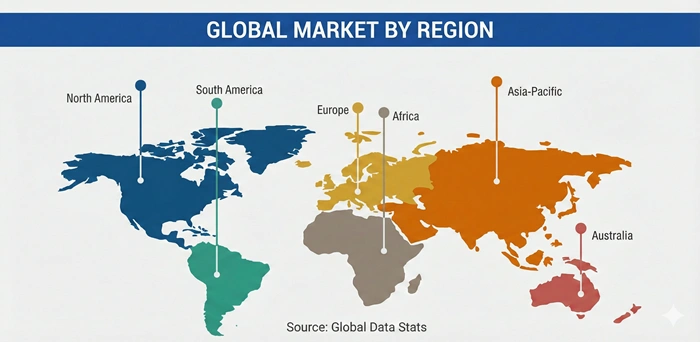
Asia Pacific dominates with approximately 62% of the global methanol market share, valued at over USD 26.0 billion in 2025 and growing at 4.9% CAGR through 2033. The region benefits from massive coal-to-methanol production capacity, extensive natural gas-based facilities, and growing methanol-to-olefins operations throughout China, India, and Southeast Asia. China represents the world's largest methanol producer and consumer accounting for over 50% of global capacity through integrated coal chemical complexes, natural gas reforming facilities, and substantial import volumes supplementing domestic production. The country's dominant position in formaldehyde production, extensive MTO capacity, and growing fuel applications create enormous consumption supporting domestic production while also driving substantial methanol imports from Middle East, Southeast Asia, and other exporting regions.
Major regional producers including Sinopec, PetroChina, China Coal Energy, Shenhua Group, along with international operations from Methanex, SABIC, and Mitsubishi Gas Chemical establish world-scale production throughout Asia Pacific. These companies benefit from access to diverse feedstock sources including domestic coal reserves, imported natural gas, and emerging renewable pathways supporting production growth. India emerges as a high-growth market as chemical manufacturing expansion, construction sector development, and potential fuel applications drive methanol demand increases. The country pursues production capacity additions through coal gasification projects and natural gas reforming facilities reducing import dependence. Southeast Asian nations including Malaysia, Indonesia, and Brunei leverage natural gas resources establishing methanol production serving regional chemical markets and global export opportunities through strategic port locations.
North America
Mature Market Emphasizing Natural Gas Advantages and Derivative Integration
North America represents approximately 13% of global market share, growing at 3.8% CAGR as chemical derivative demand, emerging fuel applications, and shale gas advantages support regional production and consumption. The region emphasizes natural gas-based production leveraging cost-competitive shale gas feedstock throughout United States and Canadian facilities. The shale revolution providing abundant low-cost natural gas dramatically improves North American methanol production economics enabling capacity expansion and export development serving international markets. United States operates several world-scale methanol facilities along Gulf Coast converting domestic natural gas into methanol for chemical derivatives and export markets throughout Latin America and Asia.
Leading North American producers including Methanex, OCI, Celanese, and LyondellBasell operate extensive methanol production and derivative manufacturing facilities throughout United States and Trinidad. These companies benefit from access to cost-competitive natural gas feedstock, established infrastructure, proximity to chemical derivative customers, and export capabilities through port facilities. The chemical industry concentrated in Gulf Coast region consumes substantial methanol volumes producing acetic acid, formaldehyde, MTBE, and specialty chemicals. Emerging fuel applications including marine fuel bunkering, fuel cell development, and potential blending programs create future growth opportunities though regulatory frameworks and infrastructure development remain limited compared to Asian markets. Environmental advantages of gas-based production compared to coal routes strengthen North American competitive position as sustainability considerations increasingly influence global methanol sourcing decisions.
Top Key Players
-
Methanex Corporation (Canada)
-
SABIC (Saudi Basic Industries Corporation) (Saudi Arabia)
-
Mitsubishi Gas Chemical Company (Japan)
-
Sinopec (China Petroleum & Chemical Corporation) (China)
-
PETRONAS (Malaysia)
-
Celanese Corporation (United States)
-
Qatar Fuel Additives Company Limited (QAFAC) (Qatar)
-
LyondellBasell Industries (Netherlands/United States)
-
OCI N.V. (Netherlands)
-
Helm AG (Germany)
-
Mitsui & Co., Ltd. (Japan)
-
China National Offshore Oil Corporation (CNOOC) (China)
-
Reliance Industries Limited (India)
-
BASF SE (Germany)
Recent Developments
-
Methanex Corporation (2024) – Completed restart of previously idled Geismar 3 production facility in Louisiana increasing North American production capacity by 1.3 million tons annually capitalizing on favorable natural gas economics and growing global methanol demand from chemical derivatives and emerging fuel applications
-
SABIC (2025) – Announced joint venture partnership developing USD 2.5 billion integrated methanol-to-acetic acid complex in Saudi Arabia leveraging low-cost natural gas feedstock and establishing downstream value chain integration serving Middle Eastern and Asian chemical markets
-
Mitsubishi Gas Chemical (2024) – Invested in renewable methanol technology development through partnership with European green hydrogen producer establishing pilot-scale e-methanol production using captured carbon dioxide and renewable hydrogen supporting maritime fuel decarbonization initiatives
-
Sinopec (2025) – Commissioned world-scale 1.8 million ton per year coal-to-methanol facility in Inner Mongolia incorporating advanced gasification technology and carbon capture readiness supporting China's chemical industry growth while addressing environmental performance requirements
-
OCI N.V. (2024) – Completed acquisition of additional methanol production assets in Texas expanding North American capacity by 750,000 tons annually strengthening position serving Gulf Coast chemical customers and export markets through established port infrastructure
Market Trends
Green Methanol Development and Circular Economy Approaches Reshaping Industry Dynamics
The methanol market experiences fundamental transformation toward renewable and low-carbon production pathways as stakeholders demand sustainable alternatives addressing climate change concerns and shipping decarbonization requirements. Green methanol production from biomass gasification, biogas reforming, and carbon dioxide hydrogenation using renewable hydrogen attracts substantial investment and pilot project development throughout Europe, North America, and progressive Asian markets. Several chemical companies and shipping firms announce long-term offtake agreements supporting renewable methanol production investments establishing commercial-scale facilities producing thousands of tons annually. Maritime fuel applications particularly drive green methanol development as shipping companies commit to methanol-powered vessel orders requiring sustainable fuel supplies meeting corporate environmental commitments and anticipated regulatory requirements.
Technology innovation focuses on production efficiency improvements, feedstock flexibility, and carbon intensity reduction across conventional and renewable production routes. Advanced catalyst systems improve conversion efficiency, extend catalyst lifespans, and enable operation under broader process conditions accommodating feedstock variations. Process intensification approaches integrating reaction and separation functions reduce capital costs and improve energy efficiency in new production facilities. Carbon capture integration with conventional methanol plants produces lower-carbon products qualifying for premium pricing in environmentally conscious markets while potentially enabling carbon credits under emission trading schemes. Chemical recycling technologies emerge enabling methanol production from plastic waste streams supporting circular economy principles though commercial deployment remains limited compared to conventional production pathways dominating global supply.
Segments Covered in the Report
By Derivative
-
Formaldehyde
-
MTBE (Methyl Tert-Butyl Ether)
-
Acetic Acid
-
Methanol-To-Olefins (MTO)
-
Dimethyl Ether (DME)
-
Gasoline Blending
-
Others
By Feedstock
-
Natural Gas
-
Coal
-
Biomass
-
Others
By Application
-
Construction Materials
-
Automotive Components
-
Electronics Manufacturing
-
Pharmaceuticals
-
Paints & Coatings
-
Textile Production
-
Others
By End-Use Industry
-
Chemical Manufacturing
-
Transportation Fuel
-
Power Generation
-
Others
By Region
-
North America
-
Europe
-
Asia Pacific
-
Latin America
-
Middle East & Africa
Frequently Asked Questions
Question 1: What drives growth in the methanol market globally?
Answer: The methanol market experiences robust growth from expanding formaldehyde production supporting construction materials and increasing methanol-to-olefins capacity throughout Asia. Transportation fuel applications including marine shipping decarbonization and automotive fuel blending also contribute significantly to sustained market demand growth.
Question 2: Which region leads the methanol market currently?
Answer: Asia Pacific dominates the methanol market with approximately 62% share backed by massive coal-to-methanol production capacity and extensive chemical manufacturing. The region benefits from China's dominant position in production and consumption while India and Southeast Asia show strong growth trajectories.
Question 3: How does green methanol impact the methanol market?
Answer: Green methanol significantly influences the methanol market through renewable production development targeting maritime fuel decarbonization and sustainable chemical manufacturing. Several commercial projects produce bio-methanol and e-methanol from renewable sources commanding premium pricing despite current cost disadvantages versus fossil-based production.
Question 4: What applications consume the most methanol market production?
Answer: Formaldehyde derivatives lead the methanol market representing approximately 28% of consumption for construction materials and wood products. Acetic acid production, MTBE synthesis, and methanol-to-olefins conversion follow as major derivative applications consuming substantial global methanol volumes.
Question 5: Which derivative shows fastest growth in the methanol market?
Answer: Methanol-to-olefins applications demonstrate the strongest growth trajectory in the methanol market with projected CAGR approaching 5.8%. China drives MTO expansion converting coal-based methanol into ethylene and propylene supporting domestic polymer production and petrochemical feedstock diversification strategies.