
Metformin Market Overview
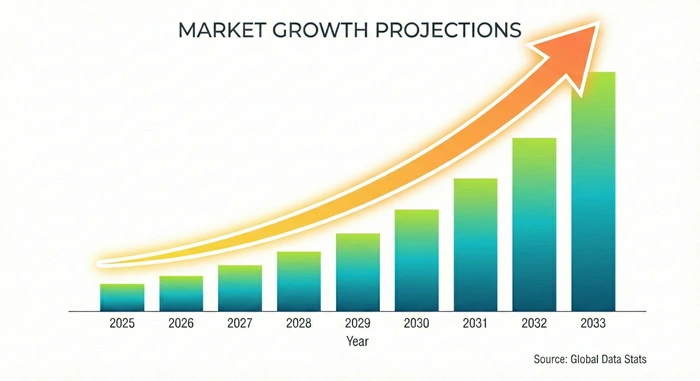
The global metformin market size is valued at USD 4.28 billion in 2025 and is predicted to increase from USD 4.57 billion in 2026 to approximately USD 6.90 billion by 2033, growing at a CAGR of 6.4% from 2026 to 2033.
Metformin remains the world's most widely prescribed oral antidiabetic agent and the unequivocal first-line pharmacological therapy for type 2 diabetes mellitus according to clinical guidelines globally — a status it has held for decades and shows no signs of relinquishing. Despite the emergence of newer antidiabetic drug classes including GLP-1 receptor agonists, SGLT2 inhibitors, and DPP-4 inhibitors, metformin's unmatched combination of clinical efficacy, tolerability, affordability, and safety record continues to make it the cornerstone of type 2 diabetes management worldwide. Rising global diabetes prevalence, expanding use in off-label indications including polycystic ovary syndrome and metabolic syndrome, and growing demand for extended-release formulations are collectively sustaining the metformin market's consistent and commercially dependable growth trajectory.

AI Impact on the Metformin Industry
Artificial Intelligence Is Transforming Metformin Therapy Optimization, Treatment Adherence Monitoring, Personalized Diabetes Management, and Next-Generation Metformin Formulation Development Across the Global Pharmaceutical Landscape
Artificial intelligence is beginning to create meaningful value within the metformin market through its application in personalized diabetes management and treatment adherence optimization. AI-powered clinical decision support systems integrated into electronic health record platforms are helping physicians identify patients most likely to respond optimally to metformin monotherapy — based on baseline HbA1c levels, kidney function, body mass index, and comorbidity profiles — versus those who would benefit from immediate combination therapy. This type of AI-guided prescribing support is improving the clinical targeting of metformin initiation and dose titration, reducing time to glycemic control, and helping healthcare systems manage the growing type 2 diabetes patient population more efficiently without proportional increases in specialist clinical resources.
In pharmaceutical development, AI is being applied to accelerate innovation within the metformin formulation space. Machine learning models are being used to optimize drug delivery system design for extended-release metformin formulations — predicting polymer matrix compositions, tablet coating parameters, and release kinetics with greater precision than conventional trial-and-error development methods. AI-powered pharmacovigilance platforms are also improving the monitoring of metformin-related adverse effects — particularly lactic acidosis risk in patients with renal impairment — by integrating real-world prescription data, laboratory monitoring results, and clinical outcome records to identify at-risk patient subgroups proactively. These AI applications are incrementally improving both the clinical value and the manufacturing efficiency of metformin products, supporting the long-term commercial resilience of the metformin market.
Growth Factors
Rising Global Type 2 Diabetes Prevalence, Universal Clinical Guideline Endorsement, Expanding Off-Label Therapeutic Applications, and Growing Demand for Extended-Release Formulations Are the Core Growth Drivers of the Metformin Market
The global epidemic of type 2 diabetes is the foundational growth driver of the metformin market. The International Diabetes Federation estimates that over 537 million adults worldwide currently live with diabetes, with projections indicating that this number will rise to approximately 783 million by 2045 — driven by aging populations, urbanization, physical inactivity, and dietary changes globally. As the single most clinically endorsed and cost-effective first-line pharmacological intervention for newly diagnosed type 2 diabetes, metformin is prescribed to the overwhelming majority of treatment-eligible patients across primary care settings worldwide. Each newly diagnosed type 2 diabetes patient who initiates pharmacological therapy represents a recurring prescription event that sustains consistent demand growth in the metformin market, particularly in developing economies where diagnosis rates continue to improve with expanding healthcare access.
The growing body of clinical evidence supporting metformin's utility beyond its established type 2 diabetes indication is creating meaningful additional market opportunity. Clinical research and clinical practice have progressively established metformin as an effective treatment for polycystic ovary syndrome (PCOS) — a common endocrine disorder affecting approximately 10% of women of reproductive age globally — improving menstrual regularity, insulin sensitivity, and hormonal balance in affected patients. Emerging research into metformin's potential anti-aging, anti-cancer, and cardioprotective properties — including the TAME (Targeting Aging with Metformin) clinical trial — is generating significant scientific interest and media attention that could ultimately expand the drug's recognized clinical utility and commercial market scope substantially beyond its current therapeutic positioning.
Market Outlook
The Metformin Market Is Positioned for Steady and Predictable Long-Term Growth Through 2033, Driven by Diabetes Epidemic Expansion, Increasing Combination Therapy Adoption, and Extended-Release Formulation Uptake in Premium Markets
The commercial outlook for the metformin market through 2033 is characterized by steady, predictable, and defensible growth rather than dramatic acceleration — a profile that reflects the drug's mature, generic, and universally adopted status in global diabetes pharmacotherapy. The primary commercial growth drivers are volumetric rather than price-driven: expanding type 2 diabetes patient populations across developing markets in Asia-Pacific, Africa, and Latin America — where healthcare access and diabetes diagnosis rates are improving continuously — and growing prescription volumes in combination therapy regimens where metformin is routinely paired with newer antidiabetic agents. The combination drug segment — encompassing fixed-dose combination tablets pairing metformin with sitagliptin, vildagliptin, dapagliflozin, empagliflozin, or other agents — represents an important premium product category within the metformin market that offers manufacturers significantly higher margins than standalone generic metformin.
In premium markets including the United States, Europe, Japan, and Australia, extended-release (XR) metformin formulations command a meaningful price premium over immediate-release generics and continue to capture prescription market share through their superior gastrointestinal tolerability profile — particularly relevant for patients who experience the nausea and gastrointestinal side effects that commonly limit immediate-release metformin dose escalation and adherence. Extended-release formulations are growing at an above-average CAGR within the broader metformin market, and continued pharmaceutical innovation in novel drug delivery systems — including polymer-coated extended-release technologies, multilayer tablet designs, and innovative fixed-dose combination formats — is expected to sustain this premium segment's outperformance relative to the overall market through 2033.
Expert Speaks
-
Vas Narasimhan, CEO, Novartis — "Metformin's role as the cornerstone of type 2 diabetes therapy remains as clinically secure as ever, and its enduring relevance in global diabetes management reflects the remarkable durability of well-established, evidence-based generic medicines. The commercial opportunity in diabetes pharmacotherapy continues to be driven both by innovative new agents and by expanding access to foundational treatments like metformin in underserved markets worldwide."
-
Albert Bourla, Chairman & CEO, Pfizer Inc. — "Diabetes remains one of the most urgent chronic disease challenges facing global healthcare systems, and foundational therapies that provide reliable, affordable glycemic control will remain critically important even as new treatment classes emerge. The growing body of research exploring metformin's broader metabolic and potentially anti-aging benefits makes it one of the most scientifically compelling molecules in pharmacology today."
-
Robert Ford, President & CEO, Abbott Laboratories — "The intersection of diabetes management and connected health technology is creating new opportunities to optimize the clinical use of established agents including metformin through data-driven personalization. AI-guided treatment selection, digital adherence monitoring, and precision medicine approaches to antidiabetic therapy are fundamentally changing how physicians approach glucose-lowering pharmacotherapy management for their patients."
Key Report Takeaways
-
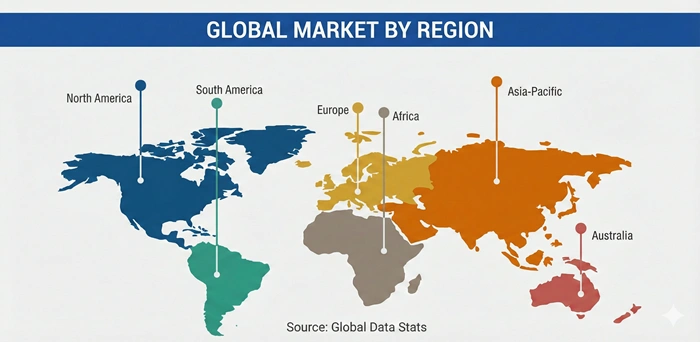
North America leads the metformin market, accounting for approximately 48.8% of global revenue in 2025, driven by the large and growing type 2 diabetes patient population, comprehensive prescription insurance coverage, strong clinical guideline adherence to metformin as first-line therapy, and the significant commercial contribution of premium extended-release formulations and fixed-dose combination metformin products that generate substantially higher revenue per prescription than basic generic immediate-release tablets
-
Asia-Pacific is the fastest-growing regional market, projected to expand at a CAGR of over 7.6% through 2033, driven by the world's largest and fastest-growing type 2 diabetes patient populations in China and India, rapidly improving healthcare access and diabetes diagnosis rates, government-funded public health programs promoting early diabetes pharmacological management, and increasing adoption of metformin extended-release formulations as patient and prescriber preferences evolve toward better-tolerated treatment options
-
Immediate-release metformin tablets dominate the product type segment, holding approximately 53.8% of total product type revenue in 2025, reflecting the universal availability and extremely low cost of generic immediate-release metformin that makes it the dominant dosage format in both public health program procurement in developing markets and primary care prescribing in high-income countries
-
Type 2 diabetes mellitus is the dominant application segment in the metformin market, accounting for approximately 45.4% of total application revenue in 2025, reflecting metformin's universal first-line prescribing status for newly diagnosed and established type 2 diabetes patients across all major clinical guidelines globally — from the American Diabetes Association to the European Association for the Study of Diabetes
-
Hospitals are the leading end-user segment, accounting for approximately 56.6% of total end-user revenue in 2025, reflecting the structured prescription initiation and titration management that occurs in hospital diabetes clinics, endocrinology departments, and inpatient settings where new diabetes diagnoses are frequently confirmed and metformin therapy initiated
-
Extended-release metformin formulations represent the fastest-growing product type segment in the metformin market, projected to expand at a CAGR of 7.2% through 2033 and expected to capture approximately 32% of total product type market share by 2033, driven by superior gastrointestinal tolerability compared to immediate-release formulations, growing prescriber preference for once-daily extended-release dosing in improving patient adherence, and the availability of extended-release metformin in fixed-dose combination products with premium antidiabetic agents
Market Scope
| Report Coverage | Details |
|---|---|
| Market Size by 2033 | USD 6.90 Billion |
| Market Size by 2025 | USD 4.28 Billion |
| Market Size by 2026 | USD 4.57 Billion |
| Market Growth Rate (2026–2033) | CAGR of 6.4% |
| Dominating Region | North America |
| Fastest Growing Region | Asia-Pacific |
| Base Year | 2025 |
| Forecast Period | 2026 – 2033 |
| Segments Covered | Product Type, Application, Route of Administration, Dosage Form, End User |
| Regions Covered | North America, Europe, Asia-Pacific, Latin America, Middle East & Africa |
Market Dynamics
Drivers Impact Analysis
Surging Global Type 2 Diabetes Prevalence, Universal First-Line Clinical Guideline Endorsement, Rising Demand for Extended-Release and Combination Metformin Formulations, and Expanding Emerging Market Healthcare Access Are the Core Drivers of the Metformin Market
| Driver | ≈ % Impact on CAGR Forecast | Geographic Relevance | Impact Timeline |
|---|---|---|---|
| Rising global type 2 diabetes prevalence expanding patient treatment base | ~31% | Global, especially Asia-Pacific and Africa | Short to Long-term |
| Universal ADA/EASD clinical guideline endorsement as first-line therapy maintaining prescription dominance | ~26% | Global | Ongoing |
| Growing demand for extended-release and fixed-dose combination metformin formulations | ~20% | North America, Europe | Short to Long-term |
| Expanding emerging market healthcare access driving new diabetes patient diagnosis and treatment | ~15% | Asia-Pacific, Latin America, MEA | Medium to Long-term |
| Off-label use in PCOS, metabolic syndrome, and potential anti-aging indications | ~8% | Global | Short to Medium-term |
Metformin's unassailable position as first-line type 2 diabetes pharmacotherapy — endorsed by every major global diabetes clinical guideline — creates a uniquely durable and non-cyclical commercial foundation for the metformin market. Unlike branded innovative drugs that face displacement risk from newer therapeutic entrants, metformin's first-line guideline status means it is the prescribed starting point for virtually every newly diagnosed type 2 diabetes patient who enters pharmacological management — regardless of whether they subsequently add or switch to newer agents. This clinical positioning creates a continuously self-renewing base of prescription demand that grows in direct proportion to the expansion of the diagnosed type 2 diabetes patient population, which itself is growing consistently across all regions as a consequence of aging demographics, improving diabetes screening, and rising metabolic risk factor prevalence.
The commercial trend toward fixed-dose combination metformin products — where metformin is paired in a single tablet with a DPP-4 inhibitor, SGLT2 inhibitor, or other antidiabetic agent — is an important driver of metformin market value growth in premium markets. Fixed-dose combinations incorporating metformin offer patient and prescriber convenience benefits that improve adherence to dual therapy, while allowing pharmaceutical companies to generate significantly higher per-tablet revenues than standalone generic metformin permits. Products including Janumet (sitagliptin + metformin), Xigduo XR (dapagliflozin + metformin), and Synjardy (empagliflozin + metformin) generate substantial branded revenues that contribute meaningfully to the overall commercial value of the metformin market, partially offsetting the pricing pressure from generic competition in the standalone metformin segment.
Restraints Impact Analysis
Generic Price Erosion Limiting Revenue Growth, Gastrointestinal Adverse Effects Affecting Patient Adherence, Competition From Premium Newer Antidiabetic Drug Classes, and Renal Impairment Prescribing Restrictions Are the Primary Challenges for the Metformin Market
| Restraint | ≈ % Impact on CAGR Forecast | Geographic Relevance | Impact Timeline |
|---|---|---|---|
| Severe generic price erosion limiting revenue per unit in standalone metformin | ~33% | Global | Ongoing |
| Gastrointestinal adverse effects (nausea, diarrhea) limiting dose escalation and adherence | ~26% | Global | Ongoing |
| Competitive displacement by premium GLP-1 agonists and SGLT2 inhibitors in high-income markets | ~22% | North America, Europe | Short to Medium-term |
| Renal impairment prescribing contraindications limiting metformin use in high-risk patient subgroups | ~12% | Global | Ongoing |
| Potential metformin supply contamination concerns (NDMA impurity recalls) affecting confidence | ~7% | Global | Short-term |
The pervasive and intense generic competition for standalone metformin products has driven pricing to extremely low levels globally, particularly in developed markets where multiple generic manufacturers compete aggressively on price for hospital and pharmacy contracts. The average retail price of generic immediate-release metformin tablets in the United States is among the lowest of any prescription drug category, and generic pricing competition in European and emerging market contexts is equally intense. This structural price floor severely limits the revenue growth potential from volume expansion alone in the standalone generic metformin segment — meaning that meaningful commercial growth requires either premium formulation differentiation (extended-release, fixed-dose combinations) or geographic volume expansion in emerging markets where per-unit pricing remains somewhat higher than in the most mature generic market environments.
The competition from newer antidiabetic drug classes — particularly GLP-1 receptor agonists including semaglutide (Ozempic, Wegovy) and liraglutide, and SGLT2 inhibitors including empagliflozin and dapagliflozin — presents a meaningful medium-term challenge to metformin's prescribing dominance in high-income healthcare markets. The extraordinary commercial success of GLP-1 receptor agonists as both diabetes and obesity treatments has generated enormous prescriber and patient enthusiasm for these agents, and some clinical opinion leaders are beginning to advocate for earlier initiation of GLP-1 or SGLT2 agents in high-risk diabetes patients rather than defaulting to metformin monotherapy as the universal starting point. While metformin's guideline endorsement remains robust, any meaningful erosion of its first-line prescribing share in developed markets would constrain the value growth trajectory of the metformin market over the forecast period.
Opportunities Impact Analysis
Novel Metformin Anti-Aging and Oncology Clinical Applications, Emerging Market Diabetes Treatment Scale-Up, Extended-Release Innovation, and Digital Health-Integrated Adherence Programs Are the Most Compelling Growth Opportunities
| Opportunity | ≈ % Impact on CAGR Forecast | Geographic Relevance | Impact Timeline |
|---|---|---|---|
| Emerging metformin anti-aging and longevity clinical applications (TAME trial) | ~30% | North America, Europe | Long-term |
| Expanding emerging market diabetes treatment coverage driving volume growth | ~28% | Asia-Pacific, Africa, Latin America | Medium to Long-term |
| Innovation in sustained-release and novel delivery system metformin formulations | ~22% | North America, Europe | Short to Medium-term |
| Growing PCOS and metabolic syndrome off-label prescribing expanding indications | ~13% | Global | Short to Medium-term |
| Digital health adherence platforms improving metformin treatment persistence | ~7% | Global | Short to Medium-term |
The emerging scientific investigation of metformin's potential anti-aging, cardioprotective, and anti-cancer properties represents the most commercially transformative long-term opportunity in the metformin market. The TAME (Targeting Aging with Metformin) trial — a landmark multi-center randomized controlled trial funded by the US National Institute on Aging and currently underway at 14 research sites across the United States — is specifically designed to test whether metformin can delay the onset of age-related diseases in non-diabetic older adults. Positive results from TAME could potentially support regulatory approval of metformin for aging-related indications, creating a dramatically expanded eligible patient population that could fundamentally transform the commercial scale and prescriber perception of the metformin market well beyond its current diabetes-focused profile.
The expansion of diabetes diagnosis and treatment programs across sub-Saharan Africa, South Asia, and Southeast Asia represents a substantial and growing volumetric opportunity for the metformin market. As healthcare system capacity expands in these regions — supported by government health programs, NGO partnerships, and improving primary care infrastructure — a much larger proportion of the estimated hundreds of millions of undiagnosed type 2 diabetes patients in these regions will be identified and initiated on pharmacological therapy. Metformin's combination of extreme affordability, proven efficacy, good safety profile, and universal clinical guideline endorsement makes it the overwhelmingly preferred first-choice agent for diabetes pharmacotherapy scale-up in resource-limited healthcare settings globally, ensuring that the metformin market captures a meaningful share of this expanding treatment access opportunity.
Segment Analysis
By Product Type
Immediate-Release Metformin Dominates the Market by Prescription Volume While Extended-Release Formulations Lead Revenue Growth, Reflecting Dual Dynamics of Generic Volume Demand and Premium Formulation Differentiation
Immediate-release (IR) metformin tablets are the dominant product type in the metformin market, accounting for approximately 53.8% of total product type market revenue in 2025. This segment is projected to grow at a CAGR of 5.9% through 2033, driven primarily by high-volume generic prescription demand across emerging markets in Asia-Pacific, Africa, and Latin America where affordability is the primary procurement determinant. Immediate-release metformin's extremely low cost and universal prescribing familiarity among primary care physicians globally make it the default option for initiating diabetes pharmacotherapy in both public health program and private prescription settings across developing country markets. North America remains the largest geography for IR metformin revenue — driven by high patient population volume — while the region's prescribing mix is progressively shifting toward extended-release formulations over the forecast period. Key companies supplying IR metformin globally include Sun Pharmaceutical Industries, Teva Pharmaceutical, Mylan/Viatris, Aurobindo Pharma, and Cipla.
Extended-release (XR) metformin represents the premium and fastest-growing product type segment in the metformin market, projected to grow at a CAGR of 7.2% through 2033 and expected to account for approximately 32% of total product type revenue by 2033. Asia-Pacific is emerging as the fastest-growing region for extended-release metformin adoption, where rising consumer healthcare expectations, improving physician familiarity with XR formulations, and the growing availability of branded and generic XR products are driving prescribing transitions from IR to XR formats. The superior once-daily dosing convenience and significantly improved gastrointestinal tolerability of extended-release metformin — which reduces the nausea and diarrhea side effects that frequently limit IR dose escalation and patient adherence — represent clinically meaningful differentiation advantages that are driving the gradual prescribing preference shift. Leading companies competing in the extended-release segment include Merck KGaA, AstraZeneca (Xigduo XR), Janssen Pharmaceuticals, and multiple specialized generic manufacturers producing bioequivalent XR metformin products.
By Application
Type 2 Diabetes Mellitus Is the Dominant Application Driving the Metformin Market Globally, While the PCOS Application Segment Grows at an Above-Average Rate Reflecting Expanding Off-Label Clinical Adoption
The type 2 diabetes mellitus (T2DM) application segment is the dominant revenue contributor in the metformin market, accounting for approximately 45.4% of total application revenue in 2025 and projected to grow at a CAGR of 6.1% through 2033. This segment's dominance reflects metformin's virtually universal status as the pharmacological treatment of choice for newly diagnosed T2DM patients — endorsed without qualification by the American Diabetes Association, European Association for the Study of Diabetes, World Health Organization, and equivalent national diabetes guidelines in over 100 countries. North America is the largest regional market for the T2DM application segment, driven by the enormous US type 2 diabetes patient population — estimated at over 37 million diagnosed cases — and the active prescription volume generated by primary care physicians, endocrinologists, and internists initiating and maintaining metformin therapy. Key companies generating the largest T2DM application revenues include Merck KGaA, Bristol Myers Squibb (via Glucophage licensing), and the major generic manufacturers supplying pharmacy and hospital channels.
The polycystic ovary syndrome (PCOS) application segment is the fastest-growing within the metformin market, projected to expand at a CAGR of 7.0% through 2033. PCOS affects approximately 10–13% of reproductive-age women globally and is characterized by insulin resistance, hyperandrogenism, and ovulatory dysfunction — conditions for which metformin's insulin-sensitizing mechanism provides meaningful clinical benefit. The growing clinical recognition of PCOS as a metabolic disorder requiring active pharmacological management — driven by rising diagnosis rates, increased public awareness, and the publication of practice guidelines recommending metformin for PCOS management — is progressively expanding the PCOS patient population actively treated with metformin. Asia-Pacific is the fastest-growing region for PCOS-indication metformin prescribing, where awareness of PCOS as a clinical diagnosis and treatment option is advancing rapidly, and where the enormous female population in countries like China and India creates a substantial addressable market within the PCOS application segment of the metformin market.
Regional Insights
North America
North America Leads the Global Metformin Market With the Largest Revenue Share, Driven by the World's Largest Diagnosed Diabetes Population, Premium Extended-Release Formulation Adoption, and Strong Generic and Combination Product Revenue
North America holds the dominant position in the global metformin market, accounting for approximately 48.8% of total global revenue in 2025 and projected to maintain a CAGR of 6.2% through 2033. The United States is the primary national market engine, home to approximately 37 million diagnosed type 2 diabetes patients — making it the largest single-country market for metformin prescriptions globally. While the per-tablet price of generic immediate-release metformin in the United States is extremely low, the North American market generates disproportionately high overall revenue through the combination of enormous prescription volumes, significant fixed-dose combination metformin product sales (including Janumet, Xigduo XR, and Synjardy), and above-average adoption of premium extended-release formulations. Key companies generating significant North American metformin revenue include Merck & Co. (Glucophage, Glumetza), AstraZeneca (Xigduo XR), Janssen/Johnson & Johnson (Invokamet), and major generic manufacturers including Teva Pharmaceuticals, Mylan/Viatris, and Sun Pharmaceutical Industries' US operations.
Canada also contributes meaningfully to North American metformin market revenues, with universal provincial drug benefit programs funding metformin prescribing across virtually all eligible diabetes patients. The US market is expected to see its prescribing mix continue shifting toward extended-release and combination formulations over the forecast period — a trend that will support per-prescription revenue improvement even in a low-price generic market environment — and the growing clinical discussion around metformin's potential off-label uses in PCOS, pre-diabetes management, and aging-related applications is generating additional prescribing interest that could support above-baseline volume growth in North American markets.
Asia-Pacific
Asia-Pacific Is the Fastest-Growing Regional Market for Metformin, Powered by the World's Largest Diabetes Patient Populations in China and India and Rapidly Improving Healthcare Access Across the Region
Asia-Pacific is the most rapidly expanding regional market in the global metformin landscape, projected to grow at a CAGR of 7.6% from 2026 to 2033 and currently accounting for approximately 35% of global metformin market revenue. China and India collectively account for the majority of the world's type 2 diabetes burden — with China alone having an estimated 140 million diagnosed diabetes patients and India approximately 77 million — creating an enormous and continuously growing base of patients requiring first-line antidiabetic pharmacotherapy. Government-funded public health diabetes management programs in both countries — including China's National Essential Medicines List (which includes metformin) and India's Pradhan Mantri Jan Arogya Yojana health insurance scheme — are driving significant procurement volumes through public health channels at extremely competitive prices. Key companies competing in the Asia-Pacific metformin market include Sun Pharmaceutical Industries, Cipla, Dr. Reddy's Laboratories, Aurobindo Pharma, Zhejiang Hisun Pharmaceutical, and the regional operations of global players including Merck KGaA and Novartis.
Japan, South Korea, and Australia represent the premium segment of the Asia-Pacific metformin market, where higher healthcare system spending per capita, established reimbursement for branded metformin products, and clinical familiarity with extended-release formulations support higher-value prescription patterns. The Southeast Asian markets of Thailand, Vietnam, Indonesia, and the Philippines are among the fastest-growing national markets within the region, driven by rapidly rising type 2 diabetes prevalence associated with urbanization, dietary transition, and aging demographics — combined with expanding pharmaceutical market development and improving public health investment that is creating new prescription demand for affordable first-line diabetes pharmacotherapy across the metformin market.
Top Key Players
-
Merck KGaA (Germany)
-
Teva Pharmaceutical Industries Ltd. (Israel)
-
Sun Pharmaceutical Industries Ltd. (India)
-
Cipla Ltd. (India)
-
Aurobindo Pharma Ltd. (India)
-
Mylan N.V. / Viatris Inc. (United States)
-
Dr. Reddy's Laboratories Ltd. (India)
-
Novartis AG (Switzerland)
-
AstraZeneca plc (United Kingdom)
-
Janssen Pharmaceuticals / Johnson & Johnson (United States)
-
Granules India Limited (India)
-
Zhejiang Hisun Pharmaceutical Co. Ltd. (China)
Recent Developments
-
Merck KGaA (2025) — Continued promotional investment in its Glucophage (metformin) branded extended-release portfolio across key emerging markets in Asia-Pacific, Latin America, and the Middle East, leveraging its well-established brand recognition among prescribers to maintain market share against generic competition, while also publishing new real-world evidence data supporting the clinical benefits of Glucophage XR's superior gastrointestinal tolerability in improving patient adherence in long-term type 2 diabetes management
-
Sun Pharmaceutical Industries (2025) — Expanded production capacity for extended-release metformin formulations at its Indian manufacturing facilities to meet growing demand across both domestic and export markets, filing additional abbreviated new drug applications (ANDAs) in the United States for premium extended-release metformin products, and strengthening its position as one of the leading global suppliers of both API and finished dose metformin formulations
-
AstraZeneca (2025) — Reported continued strong commercial performance for Xigduo XR (dapagliflozin plus metformin extended-release) across North American and European markets, with the fixed-dose combination product maintaining its position as one of the leading branded metformin-containing combination products, while advancing new patient support and adherence programs for Xigduo XR that leverage digital health tools to improve type 2 diabetes management outcomes in enrolled patients
-
Teva Pharmaceutical Industries (2025) — Strengthened its generics metformin product lineup with new high-capacity manufacturing agreements and expanded supply contracts with major pharmacy benefit managers and hospital group purchasing organizations in the United States, maintaining its leading position in the high-volume US generic metformin market while simultaneously growing its presence in European and emerging market generic diabetes drug segments
-
Cipla Ltd. (2025) — Launched new generic extended-release metformin formulations in both Indian domestic market channels and key international export markets, responding to growing prescriber preference for once-daily extended-release dosing in type 2 diabetes management, and entered new supply agreements with government-funded national diabetes treatment programs in multiple African and Southeast Asian countries — expanding access to affordable metformin therapy in underserved patient populations in the global metformin market
Market Trends
The Accelerating Transition Toward Extended-Release and Fixed-Dose Combination Metformin Products and the Emerging Scientific Exploration of Metformin's Anti-Aging and Oncology Properties Are the Most Consequential Trends Shaping the Metformin Market Today
The most commercially important trend currently reshaping the metformin market is the gradual but consistent prescribing transition from conventional immediate-release tablets toward extended-release formulations and fixed-dose combination products that incorporate metformin alongside newer antidiabetic agents. Extended-release metformin's once-daily dosing convenience, materially improved gastrointestinal tolerability, and equivalent glycemic efficacy to immediate-release formulations make it the increasingly preferred prescribing choice among physicians and patients alike — particularly in high-income markets where patient comfort and adherence optimization are weighted as important treatment selection criteria alongside cost. Simultaneously, the premium fixed-dose combination segment — pairing metformin with SGLT2 inhibitors, DPP-4 inhibitors, or GLP-1-related agents in convenient single tablets — continues to expand both in branded originator and generic versions, driving higher per-prescription revenue across the metformin market.
The emerging scientific interest in metformin's potential health benefits beyond type 2 diabetes represents the second major trend with long-term market implications. Research published in peer-reviewed journals continues to generate evidence for metformin's effects on cancer risk reduction, cardiovascular protection, cognitive decline prevention, and longevity in aging populations — with the TAME trial specifically designed to generate regulatory-grade evidence for an anti-aging indication. While these potential new indications remain under clinical investigation and are not yet reflected in approved prescribing information, the growing scientific and public awareness of metformin's broad biological effects is progressively influencing prescribing patterns in off-label contexts and creating a cultural narrative around metformin as a potentially transformative preventive health tool that could substantially expand the metformin market's commercial scope in the long term.
Segments Covered in the Report
By Product Type:
-
Immediate-Release (IR) Metformin Tablets
-
Extended-Release (XR/SR) Metformin Tablets
-
Metformin Oral Solution/Liquid Formulations
-
Fixed-Dose Combination Metformin Products (Metformin + DPP-4 Inhibitors, Metformin + SGLT2 Inhibitors, Metformin + Sulfonylureas, Others)
By Application:
-
Type 2 Diabetes Mellitus
-
Polycystic Ovary Syndrome (PCOS)
-
Pre-Diabetes / Metabolic Syndrome
-
Others (Anti-Aging Research, Oncology, Others)
By Route of Administration:
-
Oral
By Dosage Form:
-
Tablets
-
Capsules
-
Oral Solution
By End User:
-
Hospitals
-
Clinics and Ambulatory Care Centers
-
Retail and Community Pharmacies
-
Online Pharmacies
-
Others
By Region:
-
North America (United States, Canada, Mexico)
-
Europe (Germany, United Kingdom, France, Italy, Spain, Rest of Europe)
-
Asia-Pacific (China, India, Japan, South Korea, Australia, Rest of Asia-Pacific)
-
Latin America (Brazil, Argentina, Rest of Latin America)
-
Middle East & Africa (UAE, Saudi Arabia, South Africa, Rest of MEA)
Frequently Asked Questions
Question 1: What is the current size of the global metformin market?
Answer: The global metformin market is valued at USD 4.28 billion in 2025 and is projected to reach USD 6.90 billion by 2033. The market is growing at a CAGR of 6.4% from 2026 to 2033, driven by rising global type 2 diabetes prevalence, universal first-line clinical guideline endorsement, growing extended-release formulation demand, and expanding emerging market healthcare access.
Question 2: Why does metformin remain the leading first-line diabetes drug despite newer alternatives?
Answer: Metformin continues to lead the diabetes drug market because of its exceptional combination of clinical efficacy, proven long-term safety record, extremely low cost, broad tolerability across patient populations, and universal endorsement by major diabetes clinical guidelines worldwide. The drug's mechanisms — reducing hepatic glucose production, improving peripheral insulin sensitivity, and modestly reducing intestinal glucose absorption — complement all other antidiabetic drug classes, making metformin a natural foundation of both monotherapy and combination diabetes treatment strategies.
Question 3: Which region is driving the fastest growth in the metformin market?
Answer: Asia-Pacific is the fastest-growing regional market for metformin, projected to expand at a CAGR of 7.6% through 2033, driven by the world's largest type 2 diabetes patient populations in China and India and rapidly improving healthcare access expanding the diagnosed and treated diabetes patient base. Government-funded diabetes management programs, the inclusion of metformin on national essential medicines lists, and increasing prescriber familiarity with extended-release formulations are all reinforcing the region's above-average metformin market growth trajectory.
Question 4: What are the emerging non-diabetes applications being explored in the metformin market?
Answer: Beyond type 2 diabetes, the metformin market is seeing growing interest in applications including polycystic ovary syndrome (PCOS), pre-diabetes management, metabolic syndrome, potential anti-aging effects, and cancer risk reduction — with the landmark TAME clinical trial specifically designed to evaluate metformin's capacity to delay age-related disease onset in non-diabetic older adults. Positive results from TAME could potentially support regulatory approval for aging-related indications, dramatically expanding the eligible patient population and commercial scope of the metformin market beyond its current diabetes-focused positioning.
Question 5: Which product type is growing the fastest in the metformin market?
Answer: Extended-release metformin formulations are the fastest-growing product type in the metformin market, projected to grow at a CAGR of 7.2% through 2033, driven by their superior once-daily dosing convenience, significantly reduced gastrointestinal side effects compared to immediate-release formulations, and growing prescriber and patient preference for better-tolerated antidiabetic treatment options. Fixed-dose combination metformin products pairing with SGLT2 inhibitors and DPP-4 inhibitors are also growing rapidly, offering premium-priced alternatives that improve both clinical outcomes and patient adherence within the overall metformin market.