
Membrane Filtration Market Overview
Advanced Filtration Technologies Drive Water Treatment and Industrial Process Innovation Across Global Industries
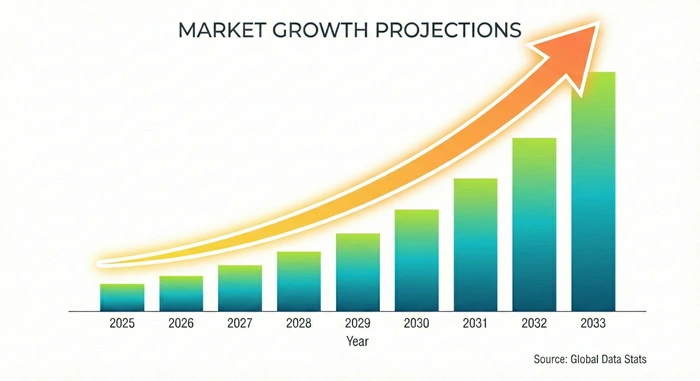
The global membrane filtration market size is valued at USD 21.55 billion in 2025 and is predicted to increase from USD 23.64 billion in 2026 to approximately USD 47.89 billion by 2033, growing at a CAGR of 8.90% from 2026 to 2033. This industry encompasses cutting-edge separation technologies that utilize selective barriers to remove contaminants, particles, and dissolved substances from liquids across diverse applications. Membrane filtration provides exceptional precision in separating target components, enabling industries to achieve stringent quality standards while reducing environmental impact through chemical-free treatment processes.
The membrane filtration market serves critical functions across water treatment, pharmaceutical manufacturing, food and beverage processing, and biotechnology sectors where purity requirements demand advanced separation capabilities. These systems employ various pore sizes and membrane configurations including microfiltration, ultrafiltration, nanofiltration, and reverse osmosis to address specific separation challenges. Growing water scarcity, tightening regulatory requirements, and expanding biopharmaceutical production create sustained demand for membrane technologies that deliver consistent performance while minimizing operational complexity and energy consumption.

AI Impact on the Membrane Filtration Industry
Intelligent Process Control and Predictive Analytics Revolutionize Membrane System Performance and Operational Efficiency
Artificial intelligence transforms the membrane filtration market through advanced process optimization, predictive maintenance, and intelligent system control that dramatically improve operational efficiency and reduce costs. Machine learning algorithms analyze historical performance data to identify optimal operating parameters including transmembrane pressure, crossflow velocity, and cleaning cycles that maximize permeate production while extending membrane lifespan. These AI-powered systems continuously monitor multiple performance indicators such as flux decline rates, pressure differentials, and water quality metrics to detect anomalies before they impact production. Real-time adjustments based on feed water characteristics and system conditions enable automated optimization that human operators cannot match, resulting in energy savings between 15-25% while maintaining product quality specifications across diverse industrial applications.
Deep learning applications accelerate membrane material innovation and fouling mitigation strategies within the membrane filtration market landscape. Neural networks trained on molecular simulation data predict membrane performance characteristics based on polymer composition and surface modifications, reducing development timelines from years to months for next-generation materials. Computer vision systems analyze membrane surface images to classify fouling types and recommend targeted cleaning protocols that restore flux without damaging membrane integrity. Natural language processing extracts insights from technical literature and patent databases to identify emerging trends and technology breakthroughs that inform research priorities. These AI-driven capabilities position advanced membrane filtration systems as intelligent assets that continuously learn and improve performance through operational experience accumulated across multiple installations.
Growth Factors
Escalating Water Scarcity and Stringent Quality Standards Propel Membrane Filtration Adoption Across Multiple Sectors
The membrane filtration market experiences robust expansion driven by intensifying global water stress that compels municipalities, industries, and agricultural operations to adopt advanced treatment and reuse technologies. Climate change exacerbates precipitation variability while population growth and economic development increase water demand beyond sustainable levels in numerous regions worldwide. Membrane systems provide proven pathways to augment conventional water supplies through desalination of brackish and seawater sources, reclamation of municipal wastewater for non-potable applications, and recycling of industrial process water to minimize freshwater withdrawal. Government initiatives across water-stressed regions prioritize infrastructure investments in membrane-based treatment facilities that deliver reliable water supplies independent of variable natural hydrology, creating substantial market opportunities throughout the forecast period.
Pharmaceutical and biotechnology industries drive membrane filtration market growth through expanding production of biologics, vaccines, and cell-based therapies that require ultrapure water and sterile filtration processes. Manufacturing these high-value products demands multiple filtration steps including virus removal, endotoxin elimination, and buffer exchange where membrane technologies provide validated solutions meeting regulatory requirements. The shift toward single-use manufacturing systems accelerates membrane adoption as disposable filter capsules eliminate cross-contamination risks while reducing validation burdens compared to reusable equipment. Rising healthcare spending in emerging markets combined with global capacity expansion for pandemic preparedness creates sustained demand for pharmaceutical-grade membrane filtration systems capable of supporting complex bioprocessing workflows.
Market Outlook
Technological Innovation and Sustainability Imperatives Position Membrane Solutions for Continued Market Leadership
The membrane filtration market outlook remains exceptionally favorable as industries recognize membrane technologies as essential enablers of circular economy principles and sustainable manufacturing practices. Zero liquid discharge configurations incorporating membrane systems allow industries to eliminate wastewater disposal while recovering valuable materials and water for reuse, transforming environmental liabilities into economic assets. Food and beverage processors increasingly deploy membrane technologies for product concentration, clarification, and fractionation that improve yields while reducing energy consumption compared to thermal processes. These non-thermal separation methods preserve heat-sensitive nutrients and flavors that would degrade during conventional processing, creating product quality advantages that justify membrane investment costs through premium pricing opportunities.
Investment trends within the membrane filtration market reflect growing confidence in the technology's versatility and long-term value proposition across expanding application portfolios. Municipal water utilities allocate substantial capital toward membrane infrastructure that addresses aging treatment facilities while accommodating stricter contaminant regulations including emerging pollutants such as PFAS, pharmaceuticals, and microplastics that conventional treatment inadequately removes. Industrial sectors including electronics manufacturing, power generation, and chemical processing integrate membrane systems into production workflows where high-purity water directly impacts product quality and equipment reliability. The convergence of modular system designs, remote monitoring capabilities, and membrane-as-a-service business models lowers entry barriers for smaller facilities while providing established operators with flexible capacity expansion options that align investment timing with market demand.
Expert Speaks
-
Estelle Brachlianoff, Chief Executive Officer of Veolia, emphasized strategic priorities: "This acquisition marks a pivotal step in unlocking the full value potential of Water Technologies, a growth booster identified as a priority in our GreenUp strategic plan, and a segment where we are already a market leader. Full ownership will enable us to accelerate growth, enhance operational efficiency and synergies as well as deepen the alignment with strategic priorities".
-
Gary Gu, Global Technology Leader at DuPont Water Solutions, highlighted innovation imperatives: "Innovation and sustainability should not operate on parallel paths; it's at their intersection where companies can make the biggest impact on society and solve for some of the biggest societal challenges. In the case of nanofiltration, DuPont's R&D team has continuously innovated our NF products to be more durable and require less energy and support customers' on their sustainability journey".
-
Christophe Beck, Chairman and CEO of Ecolab, articulated water management priorities: "Water waste needs to become a thing of the past—and growing a business goes hand in hand with solving the water crisis. We've made the commitment that by 2030, we'll help our customers save enough water for the drinking needs of one billion people, demonstrating that reducing net water usage is a smart, fiscally responsible business decision".
Key Report Takeaways
-
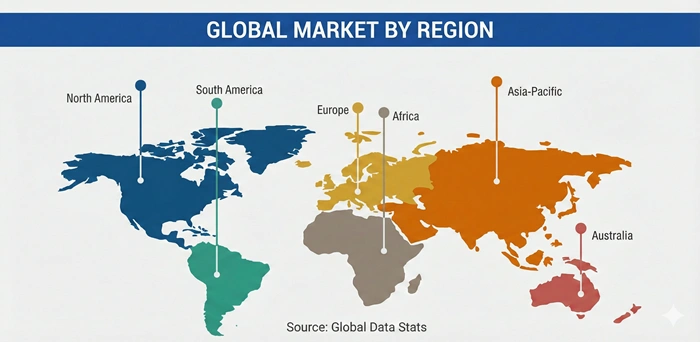
Asia Pacific leads the membrane filtration market with dominant market share of approximately 42.81%, propelled by rapid industrialization, significant water infrastructure investments, and expanding pharmaceutical manufacturing across China, India, and Southeast Asian emerging economies that create sustained filtration technology demand.
-
North America emerges as the fastest-growing regional market with projected CAGR approaching 9.8% through 2033, driven by aging infrastructure replacement, stringent Environmental Protection Agency regulations addressing emerging contaminants, and substantial pharmaceutical and biotechnology sector expansion requiring advanced filtration capabilities.
-
Water and wastewater treatment applications dominate end-use segments capturing over 53.23% market share due to escalating freshwater scarcity, increasingly stringent discharge regulations, and expanding municipal and industrial wastewater recycling initiatives that position membrane systems as preferred treatment technologies.
-
Ultrafiltration technology represents the fastest-growing process segment with anticipated CAGR exceeding 10% through 2033, attributed to versatile applications across drinking water treatment, industrial process water production, and biopharmaceutical manufacturing where moderate selectivity and high flux rates deliver optimal performance.
-
Polymeric membranes account for the largest material share representing approximately 65% of market volume, reflecting cost advantages, diverse chemical compositions enabling application-specific customization, and continuous performance improvements through surface modification and composite structure innovations.
-
Pharmaceutical and biotechnology applications exhibit the highest growth trajectory with projected CAGR of 11.2%, driven by biologics manufacturing expansion, single-use system adoption, and stringent sterility requirements that position membrane filtration as indispensable technology throughout bioprocessing workflows.
Market Scope
| Report Coverage Details | |
|---|---|
| Market Size by 2033 | USD 47.89 Billion |
| Market Size by 2025 | USD 21.55 Billion |
| Market Size by 2026 | USD 23.64 Billion |
| Market Growth Rate from 2026 to 2033 | CAGR of 8.90% |
| Dominating Region | Asia Pacific |
| Fastest Growing Region | North America |
| Base Year | 2025 |
| Forecast Period | 2026 to 2033 |
| Segments Covered | Technology, Material, Application, End-Use Industry, Region |
| Regions Covered | North America, Europe, Asia Pacific, Latin America, Middle East & Africa |
Market Dynamics
Drivers Impact Analysis
Regulatory Pressures and Industrial Water Demand Intensification Accelerate Membrane Technology Implementation
| Impact Factor | (≈) % Impact on CAGR Forecast | Geographic Relevance | Impact Timeline |
|---|---|---|---|
| Water Scarcity and Reuse Requirements | +2.8% | Middle East, Asia Pacific, Western USA | 2026-2033 |
| Pharmaceutical Manufacturing Expansion | +2.2% | North America, Europe, Asia Pacific | 2026-2033 |
| Environmental Discharge Regulations | +1.9% | Europe, North America, Developed Asia | 2026-2030 |
| Food Quality and Safety Standards | +1.5% | Global, particularly Developed Markets | 2027-2033 |
The membrane filtration market benefits substantially from escalating regulatory requirements governing drinking water quality and industrial effluent discharge that mandate advanced treatment capabilities exceeding conventional technology performance. Environmental protection agencies worldwide continuously tighten permissible contaminant concentrations while expanding regulated pollutant lists to address emerging threats including PFAS compounds, pharmaceutical residues, and microplastics that conventional treatment processes inadequately remove. Membrane technologies provide robust barriers achieving multi-log removal of diverse contaminant classes, enabling municipal utilities and industrial facilities to maintain compliance amid evolving standards while avoiding enforcement actions and reputation damage. The capital investment required for membrane system implementation proves economically rational when compared against penalties, legal liabilities, and market access restrictions resulting from non-compliance with environmental regulations.
Pharmaceutical and biotechnology sector expansion drives membrane filtration market growth through intensive filtration requirements embedded throughout manufacturing processes for sterile injectable drugs, biologics, and cell-based therapies. These products demand ultrapure water meeting stringent specifications for endotoxins, bioburden, and dissolved contaminants where membrane systems provide validated solutions with consistent performance. Virus filtration represents a critical safety step for biologics where nanofiltration membranes achieve complete virus removal while allowing therapeutic proteins to pass through, enabling manufacturers to meet regulatory safety requirements. The pharmaceutical industry's shift toward continuous manufacturing and single-use technologies accelerates membrane adoption as disposable filter capsules eliminate cleaning validation burdens while reducing contamination risks compared to traditional stainless steel equipment requiring complex sanitization protocols.
Restraints Impact Analysis
Membrane Fouling and Replacement Economics Constrain Market Penetration in Challenging Applications
| Restraint Factor | (≈) % Impact on CAGR Forecast | Geographic Relevance | Impact Timeline |
|---|---|---|---|
| Membrane Fouling and Maintenance Costs | -1.3% | Global, Industrial Applications | 2026-2033 |
| High Capital Investment Requirements | -1.0% | Emerging Markets, Small Facilities | 2026-2029 |
| Technical Expertise and Training Needs | -0.7% | Developing Regions | 2026-2030 |
| Pre-treatment Infrastructure Requirements | -0.6% | Industrial Facilities | 2026-2033 |
The membrane filtration market faces growth constraints stemming from membrane fouling phenomena that progressively reduce system productivity while increasing operational costs through frequent cleaning and premature membrane replacement. Fouling occurs when suspended solids, organic matter, biological growth, or mineral scales accumulate on membrane surfaces, restricting permeate flow and requiring higher operating pressures to maintain production rates. Industrial applications processing complex feed streams with high fouling potential experience accelerated productivity decline that necessitates intensive chemical cleaning protocols consuming resources while causing gradual membrane degradation. These fouling-related challenges prove particularly problematic in applications lacking adequate pre-treatment infrastructure or handling variable feed compositions where existing membrane materials struggle to maintain consistent performance across changing conditions.
Capital expenditure requirements for membrane filtration systems present barriers for smaller municipalities, food processors, and industrial facilities operating under budget constraints that prioritize lowest initial cost over total cost of ownership. Membrane installations demand significant upfront investments encompassing membrane modules, pressure vessels, pumping equipment, instrumentation, and pre-treatment systems that collectively exceed conventional treatment technology costs by substantial margins. While operational savings through reduced chemical consumption, smaller footprints, and superior treatment performance often justify investments over system lifetimes, limited capital availability and competing priorities frequently delay or prevent membrane technology adoption. Financing challenges prove particularly acute in emerging markets where institutional capacity for evaluating life-cycle economics remains underdeveloped, causing decision-makers to default toward familiar technologies despite inferior long-term value propositions.
Opportunities Impact Analysis
Circular Economy Principles and Emerging Markets Create Substantial Growth Avenues for Membrane Solutions
| Opportunity Factor | (≈) % Impact on CAGR Forecast | Geographic Relevance | Impact Timeline |
|---|---|---|---|
| Resource Recovery and Zero Discharge | +2.0% | Europe, North America, Advanced Asia | 2027-2033 |
| Emerging Market Infrastructure Development | +1.8% | India, Southeast Asia, Africa | 2026-2033 |
| Advanced Membrane Material Innovation | +1.4% | Global Technology Centers | 2028-2033 |
| Digitalization and Smart Systems | +1.2% | Developed Markets | 2027-2033 |
The membrane filtration market stands to capture substantial value from growing emphasis on circular economy business models that prioritize resource recovery and reuse over disposal, creating demand for specialized membrane configurations capable of extracting valuable materials from waste streams. Industries increasingly recognize economic value embedded in effluents that conventional approaches merely neutralize before discharge, whereas membrane technologies enable selective recovery of metals, chemicals, nutrients, and water for beneficial reuse. Dairy processors utilize membrane systems to fractionate whey into high-value protein concentrates and lactose products rather than disposing of these materials as waste. Mining operations employ membranes to recover process chemicals and metals from tailings streams while producing recycled water for reuse, transforming waste management costs into revenue-generating activities.
Infrastructure development initiatives across emerging economies present exceptional growth opportunities for the membrane filtration market as governments balance economic development with environmental protection and public health objectives. Nations including India, Indonesia, Vietnam, Philippines, and multiple African countries undertake ambitious programs expanding urban water supply systems, constructing wastewater treatment facilities, and upgrading industrial effluent management to support sustainable industrialization. International development banks increasingly condition infrastructure financing on adoption of environmentally sound technologies that deliver long-term reliability and performance, creating favorable conditions for membrane system deployment. These emerging markets offer substantial growth potential as membrane technology costs continue declining through manufacturing scale-up while rising incomes increase willingness to invest in advanced treatment solutions that deliver superior water quality compared to conventional alternatives.
Segment Analysis
By Application: Water and Wastewater Treatment
Municipal and Industrial Water Treatment Applications Dominate Market Through Essential Infrastructure Role
Water and wastewater treatment represents the largest application segment within the membrane filtration market, accounting for approximately 53.23% of global revenue with continued expansion projected at CAGR of 8.5% through 2033. This segment encompasses diverse applications including municipal drinking water production, industrial process water purification, and wastewater reclamation for reuse where membrane technologies provide superior contaminant removal compared to conventional treatment methods. Membrane systems effectively remove suspended solids, pathogens, organic compounds, and dissolved contaminants in single-stage processes that simplify treatment plant design while reducing chemical consumption and sludge production. Asia Pacific dominates this application segment with substantial installations across China, India, and Southeast Asian nations addressing acute water scarcity and pollution challenges through membrane-based treatment infrastructure.
Leading municipal water utilities and industrial water treatment specialists including Veolia, SUEZ, DuPont Water Solutions, and Toray Industries continuously expand membrane system deployments through large-scale projects addressing capacity expansion and quality improvement objectives. North American membrane filtration market participants particularly emphasize wastewater reuse applications where stringent regulations permit recycled water for irrigation, industrial cooling, and indirect potable reuse following advanced membrane treatment. European applications focus on drinking water treatment targeting pesticide removal, natural organic matter reduction, and micropollutant elimination where membrane technologies outperform conventional methods. The segment's market leadership continues strengthening as aging infrastructure replacement cycles favor membrane technologies offering compact footprints, modular expansion capabilities, and operational simplicity that reduce lifecycle costs compared to conventional treatment plant configurations requiring extensive land areas and complex chemical feed systems.
By Technology: Ultrafiltration
Versatile Mid-Range Separation Capabilities Position Ultrafiltration as Fastest-Growing Technology Segment
Ultrafiltration represents the fastest-growing technology segment within the membrane filtration market, projected to expand at CAGR exceeding 10% through 2033 while currently accounting for approximately 28% market share. This pressure-driven membrane process employs pore sizes ranging from 10 to 100 nanometers that effectively remove bacteria, viruses, suspended solids, and macromolecules while allowing dissolved salts and small organic compounds to pass through. The technology's versatility across diverse applications including drinking water treatment, industrial wastewater processing, food and beverage clarification, and pharmaceutical buffer preparation drives adoption across multiple industry sectors. Ultrafiltration systems operate at relatively low pressures compared to nanofiltration and reverse osmosis, reducing energy consumption while delivering sufficient separation performance for applications not requiring complete dissolved solids removal.
North America and Europe lead ultrafiltration technology adoption within the membrane filtration market, with substantial deployments across pharmaceutical manufacturing, dairy processing, and municipal water treatment where mid-range selectivity proves optimal for target applications. Key industry participants including Pall Corporation, Koch Membrane Systems, Pentair, and Nitto Denko invest heavily in hollow fiber and spiral wound ultrafiltration module development, advancing materials and configurations that enhance fouling resistance and extend membrane lifespan. Asia Pacific emerges as the fastest-growing regional market for ultrafiltration technology, particularly in China and India where expanding biopharmaceutical production and municipal water quality improvement initiatives create robust demand. The technology's growth trajectory reflects favorable economics combining moderate capital costs with low operating expenses that position ultrafiltration as an attractive solution for facilities requiring pathogen removal and turbidity reduction without the energy intensity associated with reverse osmosis systems.
Regional Insights
Asia Pacific
Industrial Growth and Water Infrastructure Investment Establish Regional Dominance in Membrane Filtration Adoption
Asia Pacific commands the membrane filtration market with dominant share of approximately 42.81%, driven by extraordinary industrial expansion, massive population concentrations, and critical water resource challenges that compel comprehensive treatment infrastructure development. The region encompasses economies at varying development stages, with Japan, South Korea, and Singapore representing mature markets characterized by advanced technology adoption and stringent quality standards, while China, India, Indonesia, and Vietnam exhibit rapid growth as infrastructure investment accelerates. Water stress affects hundreds of millions across the region, particularly in northern China, northwestern India, and densely populated coastal areas where groundwater depletion and surface water pollution necessitate alternative water sources accessible through membrane technologies. Government policies prioritizing water security and environmental protection drive substantial public and private investment in membrane-based treatment facilities.
China leads Asia Pacific membrane filtration market expansion, accounting for over 45% of regional revenue, with massive investments across municipal wastewater treatment, industrial water recycling, and drinking water quality improvement addressing environmental degradation accumulated during rapid industrialization. Government mandates requiring zero liquid discharge for industries in water-scarce regions and strict enforcement of effluent standards compel membrane technology adoption across textile, chemical, pharmaceutical, and electronics manufacturing sectors. India represents the fastest-growing national market within Asia Pacific, expanding at CAGR approaching 12% as Smart Cities initiatives, Clean Ganga programs, and industrial pollution control measures create substantial membrane system demand. Major international players including Toray Industries, DuPont, Veolia, Asahi Kasei, and Nitto Denko maintain significant manufacturing presence across Asia Pacific, while regional manufacturers such as Origin Water, Litree Purifying Technology, and Tianjin MOTIMO increasingly compete in cost-sensitive segments.
North America
Infrastructure Modernization and Regulatory Stringency Position Region as Fastest-Growing Market
North America emerges as the fastest-growing regional membrane filtration market with projected CAGR of 9.8% through 2033, propelled by comprehensive water infrastructure modernization programs, increasingly stringent water quality regulations, and substantial pharmaceutical and biotechnology sector expansion. The United States dominates regional market activity with mature water utility sector undertaking extensive infrastructure replacement that increasingly favors membrane technologies over conventional treatment processes for superior contaminant removal, operational reliability, and compact footprints. Regulatory drivers including Environmental Protection Agency drinking water standards addressing PFAS compounds, lead, and pathogenic organisms, combined with state-level restrictions on industrial discharge parameters, create compelling technical and compliance rationales for membrane system deployment across municipal and industrial applications.
The United States membrane filtration market specifically exhibits robust growth with California, Texas, Florida, and southwestern states leading adoption due to water scarcity, population growth, and extensive experience with membrane technologies including operating advanced wastewater reuse facilities and desalination plants. Pharmaceutical and biotechnology industries concentrated in Boston, San Francisco Bay Area, Research Triangle, and San Diego regions drive substantial ultrafiltration and virus filtration demand for biologics manufacturing and vaccine production. Food and beverage processors including dairy operations, breweries, and juice manufacturers increasingly deploy membrane systems for product concentration, clarification, and cold stabilization applications. Leading market participants including DuPont, Pall Corporation, Koch Membrane Systems, Evoqua Water Technologies, and Pentair maintain substantial North American operations encompassing manufacturing facilities, research and development centers, and comprehensive service networks supporting continued regional market expansion through technological innovation and superior customer support capabilities.
Top Key Players
-
Pall Corporation (United States)
-
DuPont Water Solutions (United States)
-
Toray Industries, Inc. (Japan)
-
Veolia Water Technologies & Solutions (France)
-
SUEZ Water Technologies & Solutions (France)
-
Koch Membrane Systems (United States)
-
Asahi Kasei Corporation (Japan)
-
3M Company (United States)
-
Pentair plc (United Kingdom)
-
Evoqua Water Technologies (United States)
-
Nitto Denko Corporation (Japan)
-
GEA Group Aktiengesellschaft (Germany)
-
Merck KGaA (Germany)
-
Sartorius AG (Germany)
-
Kovalus Separation Solutions (United States)
Recent Developments
-
Pall Corporation (2025): Launched Membralox GP-IC ceramic membrane system featuring graduated permeability design that boosts processing efficiency, reduces capital and operating costs by 20%, and recovers up to 95% of value-added products, significantly enhancing food production sustainability.
-
Veolia (2025): Completed strategic acquisition of CDPQ's 30% stake in Water Technologies and Solutions subsidiary for full ownership, enabling enhanced operational efficiency and unlocking additional €90 million in run-rate cost synergies by 2027 while strengthening global market leadership position.
-
Siemens Energy and Veolia (2024): Formed strategic partnership to jointly develop and commercialize advanced membrane technologies specifically targeting industrial water treatment and wastewater reuse projects, combining Siemens Energy's technical expertise with Veolia's global operational capabilities.
-
Air Liquide (2025): Finalized acquisition of Membranes et Produits Chimiques (MPC), French membrane technology specialist, for €240 million to strengthen market position in gas separation and water treatment applications, expanding industrial gas purification capabilities.
-
Toray Industries (2024): Announced expansion of membrane filtration manufacturing capacity through substantial facility investments targeting advanced water treatment and biopharmaceutical applications, enhancing production capabilities for high-performance filter systems.
Market Trends
Sustainable Manufacturing and Digital Integration Transform Membrane System Capabilities and Business Models
The membrane filtration market experiences transformative trends centered on sustainability, digitalization, and advanced materials that collectively reshape industry practices and competitive dynamics. Single-use membrane systems gain substantial traction across pharmaceutical and biotechnology manufacturing where disposable filter capsules eliminate cleaning validation requirements while reducing cross-contamination risks compared to reusable stainless steel equipment. These systems incorporate advanced membrane materials providing equivalent performance to traditional configurations while enabling flexible manufacturing that accommodates multiple products within single facilities. Internet of Things sensors, cloud computing platforms, and artificial intelligence algorithms integrate into membrane systems enabling real-time performance monitoring, predictive maintenance scheduling, and autonomous optimization of operating parameters including pressure, recovery rate, and cleaning protocols that maximize productivity while extending membrane lifespan.
Circular economy principles increasingly influence membrane filtration market development as manufacturers and end-users prioritize resource recovery and environmental responsibility alongside traditional performance metrics. Zero liquid discharge configurations incorporating multiple membrane stages achieve near-complete water recovery while concentrating dissolved solids into manageable volumes for crystallization or beneficial reuse, transforming wastewater from disposal liability into valuable resource stream. Food and beverage processors deploy membrane technologies for ingredient fractionation that separates valuable components including proteins, sugars, and minerals from by-product streams for sale into specialty ingredient markets rather than disposal as waste. The convergence of economic and environmental value propositions positions membrane technologies as preferred solutions for industries pursuing sustainability objectives while maintaining competitiveness, creating market opportunities extending beyond traditional water treatment applications into diverse industrial processes where separation efficiency directly impacts environmental footprints and operating costs.
Segments Covered in the Report
By Technology
-
Microfiltration
-
Ultrafiltration
-
Nanofiltration
-
Reverse Osmosis
By Material
-
Polymeric Membranes
-
Ceramic Membranes
-
Composite Membranes
By Application
-
Water and Wastewater Treatment
-
Food and Beverage Processing
-
Pharmaceutical and Biotechnology
-
Industrial Processing
-
Others
By End-Use Industry
-
Municipal Water Treatment
-
Industrial Manufacturing
-
Food and Beverage
-
Pharmaceuticals and Biotechnology
-
Chemical Processing
-
Others
By Region
-
North America (United States, Canada, Mexico)
-
Europe (Germany, France, United Kingdom, Italy, Spain, Rest of Europe)
-
Asia Pacific (China, Japan, India, South Korea, Australia, Southeast Asia, Rest of Asia Pacific)
-
Latin America (Brazil, Argentina, Rest of Latin America)
-
Middle East & Africa (Saudi Arabia, UAE, South Africa, Rest of MEA)
Frequently Asked Questions
Question 1: What is the projected size of the membrane filtration market by 2033?
Answer: The global membrane filtration market is expected to reach approximately USD 47.89 billion by 2033, growing from USD 23.64 billion in 2026. This substantial expansion reflects increasing adoption across water treatment, pharmaceutical manufacturing, and food processing applications worldwide.
Question 2: Which region dominates the membrane filtration market currently?
Answer: Asia Pacific leads the membrane filtration market with approximately 42.81% share, driven by rapid industrialization, significant water infrastructure investments, and expanding pharmaceutical manufacturing in China, India, and Southeast Asian nations. Water scarcity challenges and environmental regulations further accelerate regional adoption.
Question 3: What are the primary drivers of membrane filtration market growth?
Answer: Key growth drivers include escalating water scarcity, stringent environmental discharge regulations, pharmaceutical manufacturing expansion, and food safety standards requiring advanced filtration capabilities. These factors collectively create sustained demand for membrane technologies across multiple industries globally.
Question 4: Which application segment holds the largest membrane filtration market share?
Answer: Water and wastewater treatment dominates the application segment with approximately 53.23% market share due to critical infrastructure role in addressing freshwater scarcity and pollution control requirements. Municipal utilities and industrial facilities increasingly deploy membrane systems for treatment and reuse applications.
Question 5: How does membrane fouling impact the membrane filtration market development?
Answer: Membrane fouling represents a significant operational challenge that reduces system productivity and increases maintenance costs through frequent cleaning and premature replacement. Industry participants actively develop fouling-resistant materials and intelligent cleaning protocols to mitigate this constraint and improve economics.