
Medical Device Security Market Overview
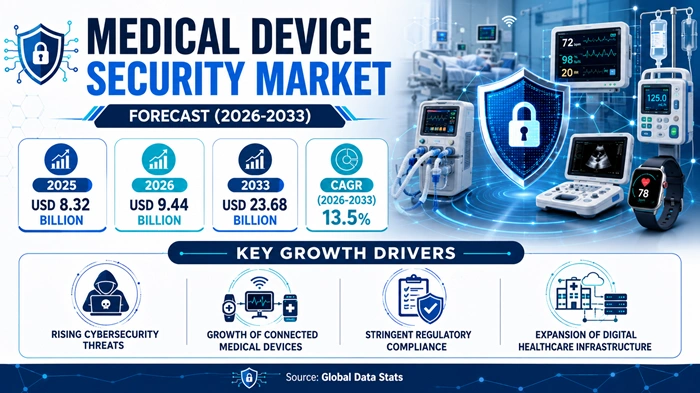
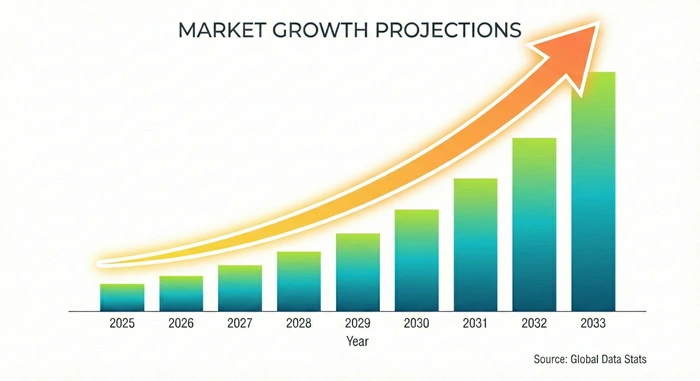
The global medical device security market size is valued at USD 8.32 billion in 2025 and is predicted to increase from USD 9.44 billion in 2026 to approximately USD 23.68 billion by 2033, growing at a CAGR of 13.5% from 2026 to 2033.
Medical device security refers to the set of technologies, processes, and frameworks deployed to protect connected medical devices — including hospital-grade equipment, wearable monitors, implantable devices, and IoMT-connected clinical systems — from cybersecurity threats. As healthcare organizations deepen their reliance on networked devices and digital health infrastructure, protecting these systems from unauthorized access, ransomware, and data breaches has become a critical patient safety and regulatory priority. The rapid proliferation of Internet of Medical Things (IoMT) devices is directly driving demand for robust cybersecurity solutions across the entire healthcare ecosystem.
AI Impact on the Medical Device Security Industry
Artificial Intelligence Is Revolutionizing Threat Detection, Vulnerability Management, and Real-Time Incident Response Across the Medical Device Security Landscape — Fundamentally Changing How Healthcare Organizations Protect Patient-Critical Systems
Artificial intelligence is transforming every dimension of the medical device security industry. Traditional security monitoring approaches relied on static rule sets and periodic vulnerability scans that struggled to keep pace with the speed and sophistication of modern healthcare cyberattacks. AI-powered security platforms are now capable of learning the normal communication and behavioral patterns of each connected medical device on a network and detecting anomalies — such as unusual data transmissions, unexpected firmware changes, or unauthorized network access attempts — in real time, enabling healthcare IT teams to respond to threats in minutes rather than hours or days.
AI is also enabling predictive vulnerability management that goes beyond reactive patch deployment. Machine learning models trained on healthcare device databases, known CVE libraries, and threat intelligence feeds can predict which devices in a healthcare network are most likely to be targeted and most vulnerable to specific attack types — enabling security teams to prioritize remediation efforts intelligently and allocate limited resources where they will have the greatest protective impact. As AI models continue to improve and as the volume of connected medical devices continues to grow, AI-driven security automation will become the only practical approach to managing the complexity and scale of modern healthcare device security at enterprise and health system levels.
Growth Factors
The Explosive Growth of IoMT Devices, Escalating Healthcare Cyberattacks, and Tightening Regulatory Requirements Are the Three Most Powerful Forces Accelerating the Medical Device Security Market
The most powerful structural driver of the medical device security market is the extraordinary growth in connected medical device deployments across hospitals, clinics, and home care settings. Healthcare organizations now operate thousands of networked devices per facility — from patient monitoring systems and infusion pumps to imaging equipment and surgical robots — each representing a potential entry point for malicious actors seeking access to hospital networks, patient data, or direct device manipulation. The scale of this attack surface is unprecedented in healthcare history, and managing it effectively is an organizational imperative that cannot be deferred.
The frequency and severity of cyberattacks targeting healthcare organizations are intensifying year after year. Healthcare now consistently ranks as one of the most-targeted sectors for ransomware attacks globally, with major health system disruptions causing not only financial damage but genuine patient safety risk when clinical workflows are disrupted and critical medical equipment is rendered inaccessible. Regulatory pressure is reinforcing market demand from both sides — the FDA's updated cybersecurity guidance for medical device manufacturers, the EU Medical Device Regulation (MDR), and HIPAA enforcement actions are collectively compelling both healthcare providers and device manufacturers to invest significantly in device security solutions that meet documented compliance standards.
Market Outlook
The Medical Device Security Market Is Positioned for Sustained High-Growth Through 2033, Driven by IoMT Expansion, Rising Healthcare IT Investment, and the Global Regulatory Push for Device Cybersecurity Compliance
The long-term commercial outlook for the medical device security market is exceptionally positive. Healthcare digital transformation programs globally are creating an ever-expanding installed base of connected devices that require comprehensive security coverage throughout their operational lifecycles. As hospitals, health systems, and payers invest in digital infrastructure to improve clinical efficiency, enable remote patient monitoring, and support value-based care models, the scope and complexity of their device security requirements will grow in direct proportion.
The shift toward proactive, continuous device security monitoring — rather than periodic assessments — is reshaping how healthcare organizations procure and deploy security solutions. Managed security service providers with healthcare device security specializations are gaining market traction, as health system CISOs recognize that internal teams rarely have the specialized expertise or bandwidth to manage device security at the scale and sophistication level now required. The integration of medical device security into broader zero-trust health network architectures is also accelerating, positioning this market for consistent double-digit growth through 2033 and making it one of the most strategically significant segments within the global healthcare IT ecosystem.
Expert Speaks
-
"The security of connected medical devices is no longer just a cybersecurity concern — it is a fundamental patient safety issue that deserves the same level of rigor and investment as clinical quality and safety programs. Healthcare organizations that do not treat device security as a board-level priority are taking risks with patient lives, not just patient data." — CEO, Philips Healthcare
-
"The Internet of Medical Things is creating an unprecedented volume of connected attack surfaces within healthcare networks, and traditional security tools simply were not designed for this environment. Our teams are working intensively to develop solutions that provide complete device visibility, continuous risk assessment, and automated response capabilities specifically for the unique protocols and communication patterns of clinical medical devices." — CEO, Cisco Systems, Inc.
-
"Regulatory expectations for medical device cybersecurity have advanced considerably in the last few years, and rightly so. The combination of updated FDA guidance, EU MDR requirements, and increasingly active enforcement of HIPAA security standards is creating a compliance imperative that is driving meaningful and durable investment in device security programs across the healthcare industry." — CEO, IBM Corporation
Key Report Takeaways
-
North America leads the medical device security market with approximately 40% of global market share in 2025, underpinned by the world's most advanced healthcare IT ecosystem, stringent FDA and HIPAA regulatory requirements for device security, high IoMT adoption density, and the concentration of leading cybersecurity vendors providing healthcare device security solutions
-
Asia Pacific is the fastest-growing regional market, projected to expand at a CAGR of approximately 15.8% from 2026 to 2033, driven by rapid healthcare digitization across China, India, Japan, and South Korea, increasing government investment in national healthcare cybersecurity frameworks, and the rapid growth of connected medical device deployments in emerging market hospital networks
-
Solutions (software and platforms) dominate the offering segment, accounting for approximately 58% of total market revenue in 2025, as healthcare organizations prioritize deployment of dedicated device security platforms that provide network visibility, anomaly detection, and automated vulnerability management across their connected device estates
-
Healthcare providers represent the largest end-user segment, contributing approximately 49% of total market revenue in 2025, as hospitals and health systems bear the primary responsibility for securing connected devices within their facilities and face the most severe operational and patient safety consequences from device security breaches
-
Network and IoMT security represents the most widely deployed security type, holding approximately 35% of the security type segment in 2025, as network-level monitoring and segmentation are the foundational security controls applied to manage the communication behavior of clinical devices across hospital networks
-
AI-integrated medical device security platforms represent the fastest-growing future product segment, projected to expand at a CAGR of approximately 18.2% from 2026 to 2033 and capture approximately 30% market share by 2033, as healthcare organizations increasingly demand automated threat detection and response capabilities that can operate at machine speed across large and heterogeneous device estates
Market Scope
| Report Coverage | Details |
|---|---|
| Market Size by 2033 | USD 23.68 Billion |
| Market Size by 2025 | USD 8.32 Billion |
| Market Size by 2026 | USD 9.44 Billion |
| Market Growth Rate (2026–2033) | CAGR of 13.5% |
| Dominating Region | North America |
| Fastest Growing Region | Asia Pacific |
| Base Year | 2025 |
| Forecast Period | 2026 – 2033 |
| Segments Covered | Offering, Security Type, Device Type, End User |
| Regions Covered | North America, Europe, Asia Pacific, Latin America, Middle East & Africa |
Market Dynamics
Drivers Impact Analysis
Surging IoMT Adoption, Escalating Healthcare Ransomware Attacks, and Mandatory Regulatory Compliance Are the Three Core Structural Drivers Generating Sustained High Growth in the Medical Device Security Market
| Driver | ≈ % Impact on CAGR Forecast | Geographic Relevance | Impact Timeline |
|---|---|---|---|
| Rapid proliferation of IoMT-connected medical devices expanding the healthcare attack surface | ~34% | Global | Short to Medium Term |
| Escalating frequency and severity of ransomware and cyberattacks targeting healthcare networks | ~28% | North America, Europe, Asia Pacific | Short to Medium Term |
| Mandatory regulatory compliance (FDA, EU MDR, HIPAA, NIS2) requiring device security investment | ~24% | North America, Europe | Medium to Long Term |
| Growing adoption of zero-trust security architectures in healthcare IT environments | ~14% | North America, Europe | Long Term |
The medical device security market is experiencing one of its most powerful growth phases as healthcare organizations globally confront the convergence of two urgent challenges: the unprecedented scale of connected device deployments and the rapid intensification of targeted cyberattacks. Modern hospitals operate tens of thousands of connected devices — from MRI machines and patient monitoring systems to smart infusion pumps and connected surgical equipment — each with its own firmware, communication protocol, and vulnerability profile. The complexity and heterogeneity of this device environment create security challenges that are fundamentally unlike any other sector, demanding purpose-built security solutions rather than generic enterprise IT security tools.
Healthcare has become the most targeted sector for ransomware globally, with a major health system cyberattack occurring somewhere in the world on an almost weekly basis. These attacks are no longer just data breaches — they are operational disruptions that force hospitals to divert patients, cancel surgeries, and revert to paper-based clinical workflows, directly threatening patient safety. The reputational, financial, and regulatory consequences of a major medical device security failure are severe, making this an area where healthcare organizations cannot afford to underinvest. This risk environment is creating non-discretionary and growing demand for comprehensive device security solutions across every category of healthcare provider.
Restraints Impact Analysis
Budget Constraints, Device Legacy and Complexity, and the Lack of Specialized Security Expertise in Healthcare Organizations Create Meaningful Barriers Slowing Faster Growth in the Medical Device Security Market
| Restraint | ≈ % Impact on CAGR Forecast | Geographic Relevance | Impact Timeline |
|---|---|---|---|
| Limited cybersecurity budgets and competing IT investment priorities in healthcare | ~34% | Developing markets, SME healthcare providers | Short Term |
| Large installed base of legacy medical devices without modern security capabilities | ~28% | Global | Medium to Long Term |
| Shortage of cybersecurity professionals with specialized healthcare device expertise | ~24% | Global | Medium Term |
| Complexity of integrating security tools with diverse device manufacturers and protocols | ~14% | Global | Medium to Long Term |
One of the most persistent challenges in the medical device security market is the massive installed base of legacy medical devices that were designed without cybersecurity in mind. Many clinical devices deployed in hospitals today run outdated operating systems, use unencrypted communication protocols, and cannot be patched without disrupting clinical operations or voiding manufacturer warranties. Addressing the security risks posed by these legacy devices requires creative approaches — including network segmentation, traffic monitoring, and compensating controls — rather than conventional endpoint security tools, which complicates and often prolongs the deployment of comprehensive device security programs.
The shortage of cybersecurity professionals with specific expertise in healthcare device security is equally constraining. Healthcare IT security teams are typically small relative to the size of the device estate they must protect, and the specialized knowledge required to understand medical device communication protocols, clinical workflow constraints, and healthcare-specific regulatory requirements is scarce. This talent gap is driving strong demand for managed security service providers with dedicated healthcare device security practices, but it also slows the pace at which healthcare organizations can implement and mature comprehensive security programs.
Opportunities Impact Analysis
Managed Security Services, AI-Powered Device Monitoring, and the Zero-Trust Health Network Transformation Represent the Highest-Value Growth Opportunities Available in the Medical Device Security Market
| Opportunity | ≈ % Impact on CAGR Forecast | Geographic Relevance | Impact Timeline |
|---|---|---|---|
| Growing demand for managed medical device security services from healthcare providers | ~36% | North America, Europe, Asia Pacific | Short to Medium Term |
| Adoption of AI and machine learning for automated device threat detection and response | ~28% | North America, Europe | Medium to Long Term |
| Zero-trust architecture adoption in healthcare creating demand for device identity and access management | ~22% | North America, Europe | Medium to Long Term |
| Expanding regulatory requirements in Asia Pacific and Latin America driving new security investment | ~14% | Asia Pacific, Latin America | Long Term |
Managed medical device security services represent a particularly high-value opportunity in the medical device security market. Healthcare organizations — particularly community hospitals, specialty clinics, and smaller health systems — frequently lack the internal resources and expertise to build and operate comprehensive device security programs independently. Managed security service providers that offer 24/7 device monitoring, incident response, vulnerability management, and regulatory compliance reporting as a subscription service are filling this gap rapidly and creating a recurring revenue model that is both commercially attractive and strategically defensible. This managed services opportunity is growing most rapidly in North America and Europe, and is beginning to gain meaningful traction in Asia Pacific.
The zero-trust security transformation of healthcare networks is creating a second major opportunity for device security vendors. Zero-trust frameworks require continuous verification of every device's identity and security posture before granting access to network resources — a capability that demands robust device inventory, classification, and real-time behavioral monitoring. Healthcare organizations implementing zero-trust architectures are creating strong demand for the device discovery, asset management, and dynamic access control capabilities that leading medical device security platforms provide. This structural alignment between zero-trust adoption and device security investment is expected to drive sustained double-digit market growth through 2033.
Segment Analysis
By Offering
Security Solutions Dominate the Medical Device Security Market Offering Segment as Healthcare Organizations Prioritize Platform-Based Protection That Delivers Device Visibility, Risk Assessment, and Automated Response
Security solutions — including device discovery software, network monitoring platforms, encryption tools, identity and access management systems, and vulnerability assessment applications — hold the largest share within the offering segment of the medical device security market at approximately 58% of total revenue in 2025. The dominance of solutions reflects the foundational need healthcare organizations have to first achieve complete visibility into their connected device estate before they can implement effective protection. Without accurate device inventory and real-time status monitoring, healthcare security teams cannot assess risk, prioritize remediation, or demonstrate compliance — making device security platforms the essential starting point for every healthcare cybersecurity program. North America leads in solutions adoption, driven by stringent FDA and HIPAA requirements and the presence of leading vendors including Claroty Ltd. (USA), Medigate (Claroty) (USA), and Armis Security (USA). The solutions segment is growing at a CAGR of approximately 13.8% from 2026 to 2033.
Security services — encompassing managed security services, professional services including implementation and consulting, and incident response services — account for approximately 42% of total offering revenue in 2025 and are growing at a particularly strong CAGR of approximately 14.2% from 2026 to 2033. The managed services subsegment is the fastest-growing component, as healthcare organizations seek to outsource the operational burden of device security to specialists with deep healthcare expertise and 24/7 monitoring capabilities. Europe is showing strong growth in managed device security services, driven by NIS2 Directive compliance requirements and growing health system awareness of the limitations of internally managed security programs. CrowdStrike Holdings, Inc. (USA), Fortinet, Inc. (USA), and Palo Alto Networks, Inc. (USA) are expanding their healthcare device security managed service offerings to capture this growing demand.
By End User
Healthcare Providers Lead as the Most Security-Intensive End-User Segment While Medical Device Manufacturers Emerge as the Fastest-Growing Customer Category Driven by Regulatory Design Requirements
Healthcare providers — including hospitals, health systems, and outpatient care facilities — represent the largest end-user segment in the medical device security market at approximately 49% of total revenue in 2025. As the operators of the largest and most complex connected device environments in healthcare, providers bear the greatest exposure to the operational, financial, and patient safety consequences of device security failures. Large academic medical centers and integrated delivery networks are among the most commercially significant customers, deploying comprehensive device security platforms that span thousands of endpoints across multiple campuses and affiliated facilities. The healthcare provider segment is growing at a CAGR of approximately 12.9% from 2026 to 2033, with North America accounting for the largest regional share. Key vendors serving the provider segment include Claroty Ltd. (USA), Cisco Systems, Inc. (USA), IBM Security (USA), and GE Healthcare (USA), all of which offer purpose-built healthcare device security solutions integrated with clinical network management.
Medical device manufacturers (MDMs) represent the fastest-growing end-user category in the medical device security market, projected to expand at a CAGR of approximately 16.3% from 2026 to 2033. Updated FDA guidance issued in 2023 now requires medical device manufacturers to submit documented cybersecurity plans — including design-phase security controls, software bill of materials, and post-market monitoring programs — as part of their device approval submissions. This regulatory mandate is compelling MDMs to invest significantly in product security programs, security testing capabilities, and post-market vulnerability management systems. Europe-based medical device manufacturers are experiencing similar investment pressure under EU MDR requirements. Key vendors providing security tools and consulting services to MDMs include Synopsys, Inc. (USA), Rapid7, Inc. (USA), and Forescout Technologies, Inc. (USA).
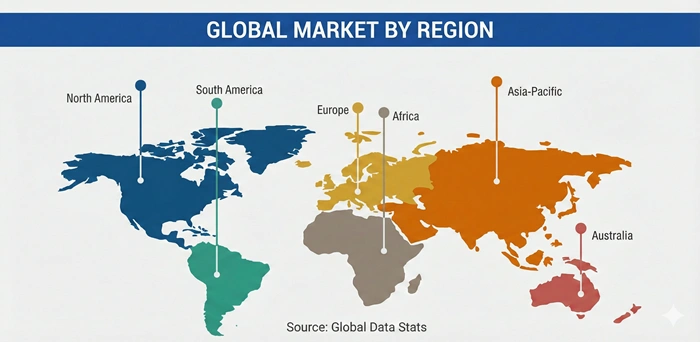
Regional Insights
North America's Regulatory Leadership and Asia Pacific's Accelerating Healthcare Digitization Are the Two Most Defining Geographic Forces Shaping the Global Medical Device Security Market Through 2033
North America
North America Leads the Medical Device Security Market Through Its Advanced Healthcare IT Infrastructure, Rigorous Regulatory Enforcement, and High-Density IoMT Deployment Environments
North America holds approximately 40% of global medical device security market share in 2025, growing at a regional CAGR of approximately 12.7% from 2026 to 2033. The United States is by far the dominant country market, where the FDA's updated cybersecurity guidance, HIPAA Security Rule enforcement, and the healthcare sector's high-frequency targeting by ransomware groups are creating powerful and compounding demand for device security investment. US health systems are among the world's most digitally complex organizations, and the scale and heterogeneity of their connected device estates make North America the epicenter of both the security challenge and the commercial opportunity in this market. Key vendors with dominant North American positions include Claroty Ltd. (USA), Armis Security (USA), Cisco Systems, Inc. (USA), CrowdStrike Holdings, Inc. (USA), and Forescout Technologies, Inc. (USA).
Canada is a growing contributor to North American device security revenues, with its public health system organizations investing increasingly in cybersecurity programs following high-profile healthcare ransomware incidents. The United States also hosts the most active ecosystem of healthcare cybersecurity startups globally, generating continuous product innovation and competitive intensity that benefits healthcare organizations through expanding solution capabilities and competitive pricing. This innovation ecosystem, combined with non-negotiable regulatory compliance requirements, will keep North America at the forefront of the global medical device security market through 2033.
Asia Pacific
Asia Pacific Is the Fastest-Growing Region in the Medical Device Security Market, Propelled by Rapid Healthcare Digitization, Expanding IoMT Deployments, and Strengthening National Cybersecurity Regulations
Asia Pacific is the fastest-growing region in the medical device security market, projected to expand at a CAGR of approximately 15.8% from 2026 to 2033 and holding approximately 22% of global market share in 2025. China and India are the primary growth engines, with their rapidly expanding hospital networks deploying connected medical devices at extraordinary scale as part of national healthcare modernization programs. Japan and South Korea are technologically sophisticated markets with well-developed medical device ecosystems and strong regulatory environments that are increasingly aligning with international cybersecurity standards for medical devices. The region's governments are actively developing national healthcare cybersecurity frameworks — including China's Multi-Level Protection Scheme and India's DPDP Act — that are driving enterprise-level security investment across healthcare organizations. Key vendors active in Asia Pacific include Cisco Systems, Inc. (USA), IBM Security (USA), GE Healthcare (USA), and Philips Healthcare (Netherlands), alongside growing regional players in Japan and South Korea.
Australia is another high-growth market within Asia Pacific, where the Australian Cyber Security Centre has issued specific guidance for healthcare providers on medical device security best practices, and where well-funded public and private hospital networks are investing in comprehensive device security programs. Southeast Asia represents an emerging growth frontier, as rapidly expanding hospital construction programs in Indonesia, Vietnam, and Malaysia create new connected device environments that require security coverage from deployment.
Customization Available by Region and Country
This Medical Device Security Market Report Is Fully Customizable to Deliver Targeted Regional and Country-Level Intelligence That Addresses Your Organization's Specific Healthcare Cybersecurity Market Intelligence and Business Strategy Requirements
Our medical device security market report offers complete region-wise and country-wise customization, enabling clients to obtain in-depth analysis, localized market sizing, healthcare regulatory environment reviews, IoMT adoption assessments, and competitive landscape mapping specific to any geography of strategic interest.
-
Customized medical device security market reports are available for all the following regions and countries:
North America
-
United States, Canada, Mexico — country-level device security market sizing, FDA and HIPAA regulatory compliance landscape, health system IoMT density analysis, leading vendor competitive positioning, and managed security service adoption trends
Europe
-
United Kingdom, Germany, France, Italy, Rest of Europe — EU MDR and NIS2 Directive compliance requirements, healthcare provider security investment trends, country-level connected device density, and competitive landscape for both international and domestic device security vendors
Asia Pacific
-
China, India, Japan, South Korea, Australia, Rest of Asia Pacific — detailed country breakdowns covering national healthcare digitization programs, regulatory cybersecurity frameworks, IoMT device deployment volumes, local vendor landscape, and sub-regional market growth forecast drivers
Latin America
-
Brazil, Argentina, Rest of Latin America — healthcare cybersecurity investment trends, hospital digitization activity, regulatory environment development, and market opportunity assessment for medical device security solutions in key Latin American markets
Middle East & Africa
-
UAE, Saudi Arabia, Rest of MEA — national digital health strategy impact on device security demand, government healthcare cybersecurity investment programs, and market opportunity assessment for device security vendors across the MEA region
Top Key Players
-
Claroty Ltd. (United States)
-
Armis Security (United States)
-
Cisco Systems, Inc. (United States)
-
IBM Security (IBM Corporation) (United States)
-
GE Healthcare (United States)
-
Forescout Technologies, Inc. (United States)
-
Philips Healthcare (Koninklijke Philips N.V.) (Netherlands)
-
CrowdStrike Holdings, Inc. (United States)
-
Palo Alto Networks, Inc. (United States)
-
Fortinet, Inc. (United States)
-
Synopsys, Inc. (United States)
-
Rapid7, Inc. (United States)
Recent Developments
-
In 2025, Claroty Ltd. launched an enhanced version of its Medigate medical device security platform with AI-powered risk scoring and automated network segmentation recommendations, enabling healthcare IT teams to prioritize device vulnerabilities more efficiently and reduce the time required to implement protective network controls across large hospital device estates.
-
In 2025, Armis Security expanded its healthcare device intelligence platform with a new clinical context layer that correlates device security risk data with patient care workflows, allowing security teams to assess the potential clinical impact of a device compromise and prioritize response actions accordingly.
-
In 2024, Cisco Systems, Inc. deepened its healthcare device security capabilities through its acquisition of Isovalent, bringing advanced eBPF-based network visibility technology into its healthcare security portfolio and significantly enhancing its ability to monitor encrypted medical device communications for anomalous behavior.
-
In 2025, Palo Alto Networks, Inc. integrated dedicated medical device security capabilities into its Prisma Access SASE platform, enabling healthcare organizations to apply consistent zero-trust access policies to connected medical devices regardless of their network location, supporting both on-premises and remote patient monitoring deployment scenarios.
-
In 2024–2025, Forescout Technologies, Inc. significantly expanded its healthcare sector go-to-market strategy with the launch of a dedicated medical device security managed service offering, targeting community hospitals and specialty care facilities that lack the internal cybersecurity resources to manage connected device security programs independently.
Market Trends
The Shift Toward Continuous Real-Time Device Monitoring and the Integration of Medical Device Security Into Zero-Trust Healthcare Network Architectures Are the Two Most Consequential Trends Reshaping the Market
The most transformative structural trend in the medical device security market is the industry-wide shift from periodic, point-in-time security assessments to continuous, real-time device monitoring. Healthcare organizations are recognizing that the dynamic nature of their device environments — with devices constantly connecting, disconnecting, receiving firmware updates, and changing operational states — makes static security assessments fundamentally inadequate. Continuous monitoring platforms that maintain a live, updated inventory of every connected device and its current security posture are rapidly becoming the operational standard for mature healthcare cybersecurity programs, driving strong and persistent demand for always-on device security platforms.
The adoption of zero-trust security principles in healthcare networks is fundamentally reshaping the medical device security product landscape. Zero-trust frameworks require organizations to continuously verify the identity and security posture of every device before granting access to network resources — a requirement that has elevated the strategic importance of device discovery, asset classification, and behavioral monitoring capabilities. Medical device security vendors with strong zero-trust integration capabilities — particularly those that can connect device security data to network access control and identity management systems — are gaining competitive advantage and displacing legacy security tools that cannot meet the dynamic verification requirements of zero-trust architectures.
Segments Covered in the Report
-
By Offering
-
Solutions (Encryption, Antivirus/Anti-Malware, Identity and Access Management, Disaster Recovery Solutions, Compliance Management, Other Solutions)
-
Services (Managed Services, Professional Services)
-
-
By Security Type
-
Network and IoMT Security
-
Endpoint Security
-
Application Security
-
Cloud Security
-
Other Security Types
-
-
By Device Type
-
Hospital Medical Devices
-
Wearable Medical Devices
-
Embedded Medical Devices
-
Other Device Types
-
-
By End User
-
Healthcare Providers
-
Healthcare Payers
-
Medical Device Manufacturers
-
Other End Users
-
-
By Region
-
North America (U.S., Canada, Mexico)
-
Europe (U.K., Germany, France, Italy, Rest of Europe)
-
Asia Pacific (China, India, Japan, South Korea, Australia, Rest of Asia Pacific)
-
Latin America (Brazil, Argentina, Rest of Latin America)
-
Middle East & Africa (UAE, Saudi Arabia, Rest of MEA)
-
❝ Built for Every Level — From Startups to Industry Giants ❞
Here Is Exactly How This Report Works for You
-
Whether you are a Tier 1 global cybersecurity vendor building out a dedicated healthcare practice, a Tier 2 regional health IT company identifying high-growth device security niches, or a startup developing next-generation AI-powered IoMT protection platforms — this report delivers comprehensive competitor revenue analysis, revenue source breakdowns, supply-demand dynamics, and geopolitical risk mapping that empowers every stakeholder across the medical device security market to make high-confidence, data-backed strategic decisions.
-
For investors and mid-level companies evaluating capital allocation, product portfolio strategy, or geographic market entry, the report provides rigorous analysis of how IoMT adoption rates, healthcare regulatory enforcement intensity, and health system cybersecurity investment trends across key geographies translate into specific and quantifiable medical device security revenue opportunities — including how the shift from on-premises to managed cloud security delivery is reshaping competitive economics and customer acquisition dynamics.
-
For senior executives and strategic planners at healthcare providers, device manufacturers, and cybersecurity vendors, this report maps how evolving FDA and EU MDR regulatory requirements, escalating ransomware threat activity, and geopolitical factors affecting healthcare technology supply chains are reshaping organizational security investment priorities — providing the intelligence your leadership team needs to build a winning strategy and protect both patients and your organization's commercial position through 2033.
Frequently Asked Questions
Question 1: What is the current size and growth forecast of the medical device security market?
Answer: The medical device security market is valued at USD 8.32 billion in 2025 and is projected to reach USD 23.68 billion by 2033. It is growing at a CAGR of 13.5% from 2026 to 2033, driven by rapid IoMT adoption and escalating healthcare cyberattacks.
Question 2: What are the key drivers of growth in the medical device security market?
Answer: The primary growth drivers of the medical device security market include the rapid proliferation of connected medical devices, escalating ransomware attacks targeting healthcare organizations, and mandatory regulatory requirements from the FDA, HIPAA, and EU MDR. The adoption of zero-trust security architectures in healthcare IT is also creating strong structural demand for device security solutions.
Question 3: Which region leads the medical device security market and which is growing fastest?
Answer: North America leads the medical device security market with approximately 40% of global share in 2025. Asia Pacific is the fastest-growing region, expanding at a CAGR of approximately 15.8% from 2026 to 2033, driven by rapid healthcare digitization and expanding regulatory requirements.
Question 4: What types of medical devices are most vulnerable and need security protection?
Answer: Hospital medical devices — including patient monitoring systems, infusion pumps, imaging equipment, and networked surgical tools — represent the highest-priority security targets in the medical device security market due to their direct connection to patient care workflows. Wearable and embedded devices such as connected insulin pumps and cardiac monitors are also increasingly targeted, as their direct interaction with patient physiology makes them particularly sensitive security risks.
Question 5: Who are the leading companies in the medical device security market?
Answer: The leading companies in the medical device security market include Claroty, Armis Security, Cisco Systems, IBM Security, GE Healthcare, Forescout Technologies, Palo Alto Networks, and Fortinet, among others. These vendors compete through device discovery capabilities, AI-powered threat detection, healthcare-specific compliance frameworks, and managed security service delivery.