
Maternal Health Therapeutics Market Overview
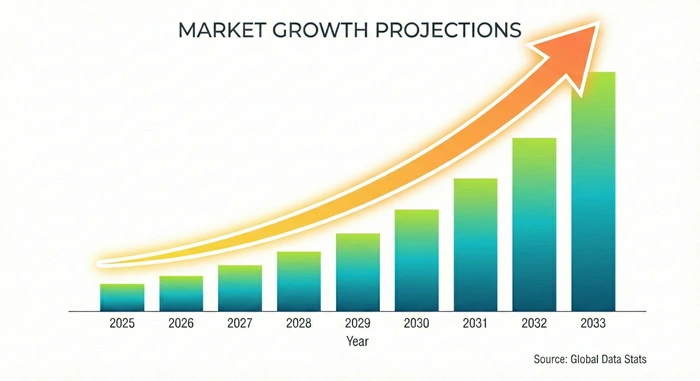
The global maternal health therapeutics market size is valued at USD 4.30 billion in 2025 and is predicted to increase from USD 4.61 billion in 2026 to approximately USD 8.54 billion by 2033, growing at a CAGR of 7.03% from 2026 to 2033.
Maternal health therapeutics encompass pharmaceutical drugs, biologics, and supportive treatments designed to prevent, manage, and treat medical conditions occurring during pregnancy, childbirth, and the postpartum period. These specialized medications address critical health challenges including gestational diabetes, preeclampsia, postpartum hemorrhage, infections, anemia, thrombosis risks, and various pregnancy-related complications requiring immediate intervention. Healthcare systems worldwide increasingly prioritize maternal health outcomes through comprehensive therapeutic protocols delivered across hospitals, maternity centers, specialty clinics, and outpatient facilities. The growing emphasis on reducing maternal mortality rates drives sustained demand for innovative treatment solutions that ensure safer pregnancies and healthier birth experiences for women globally.

AI Impact on the Maternal Health Therapeutics Industry
Revolutionizing Pregnancy Care Through Intelligent Risk Assessment and Personalized Treatment Protocols
Artificial intelligence transforms the maternal health therapeutics market by enabling sophisticated predictive analytics that identify high-risk pregnancies through comprehensive data analysis of medical histories, genetic markers, lifestyle factors, and real-time health monitoring. Machine learning algorithms process vast datasets to detect early warning signs of complications including preeclampsia, gestational diabetes, and placental abnormalities, facilitating timely therapeutic interventions that prevent adverse outcomes. AI-powered diagnostic tools enhance accuracy in identifying conditions requiring specific pharmaceutical treatments, reducing delays in critical care delivery while minimizing unnecessary medication exposure. Digital health platforms integrate artificial intelligence to create personalized treatment plans considering individual patient characteristics, comorbidities, and pregnancy progression patterns, optimizing therapeutic efficacy while reducing side effect risks.
Remote monitoring technologies leveraging artificial intelligence enable continuous maternal health assessment through wearable devices tracking vital signs, glucose levels, blood pressure fluctuations, and fetal movements, triggering alerts when parameters indicate potential complications requiring therapeutic intervention. The maternal health therapeutics market benefits from AI-driven clinical decision support systems that assist healthcare providers in selecting optimal medication regimens based on patient-specific factors, drug interaction analyses, and evidence-based treatment guidelines. Natural language processing capabilities analyze medical literature and clinical trial data to identify emerging therapeutic approaches and novel drug candidates addressing unmet needs in pregnancy care. Telemedicine platforms enhanced by artificial intelligence expand access to specialist consultations and medication management support for pregnant women in remote or underserved areas, improving treatment adherence and outcomes while reducing healthcare system burdens.
Growth Factors
Rising Pregnancy Complications and Enhanced Healthcare Access Drive Robust Maternal Health Therapeutics Market Expansion
The maternal health therapeutics market experiences accelerated growth driven by increasing rates of pregnancy complications associated with advanced maternal age, obesity, diabetes, and other lifestyle-related conditions prevalent across developed and developing nations. Women increasingly delay childbearing for career and educational pursuits, resulting in higher proportions of pregnancies occurring after age 35 when risks for gestational diabetes, hypertension, placental complications, and chromosomal abnormalities substantially increase. Healthcare infrastructure improvements throughout Asia-Pacific, Latin America, and Africa expand institutional delivery rates and prenatal care access, creating larger patient populations receiving medically supervised pregnancies requiring therapeutic interventions. Government initiatives worldwide prioritize maternal mortality reduction through enhanced healthcare funding, improved facility capabilities, trained birth attendant availability, and essential medicine accessibility including life-saving therapeutics for hemorrhage control, infection prevention, and complication management.
Pharmaceutical innovation delivers advanced therapeutic options with improved safety profiles specifically validated for pregnancy use, addressing historical gaps in medication development for pregnant populations excluded from clinical trials. The maternal health therapeutics market gains momentum from growing awareness regarding pregnancy health importance, prenatal care benefits, and available treatment options for managing complications that previously resulted in adverse outcomes. Rising healthcare expenditure across emerging economies enables greater medication access as improving insurance coverage, government health programs, and reduced out-of-pocket costs eliminate financial barriers preventing necessary therapeutic interventions. Research investments by pharmaceutical companies, academic institutions, and public health organizations accelerate development of novel therapeutics addressing conditions like postpartum depression, severe preeclampsia, and drug-resistant infections threatening maternal survival and long-term health.
Market Outlook
Strategic Innovation and Global Health Initiatives Shape Promising Maternal Health Therapeutics Market Trajectory
The maternal health therapeutics market outlook reflects optimistic projections supported by sustained global commitment to reducing preventable maternal deaths, expanding access to quality prenatal care, and developing innovative treatment solutions addressing complex pregnancy complications. Pharmaceutical companies recognize significant opportunities in maternal health segments historically underserved by research and development investments, stimulating pipeline activities focused on pregnancy-specific formulations, novel therapeutic mechanisms, and repurposed medications validated for obstetric applications. Market dynamics favor combination treatment approaches integrating multiple therapeutic modalities to comprehensively manage conditions like gestational diabetes requiring insulin therapy alongside nutritional supplementation and cardiovascular support. Healthcare systems implement evidence-based protocols standardizing therapeutic interventions for common pregnancy complications, ensuring consistent high-quality care delivery while optimizing medication utilization patterns.
Digital health integration including mobile applications for medication reminders, telemedicine consultations for dosage adjustments, and electronic health records enabling coordinated care enhances therapeutic effectiveness through improved adherence and timely intervention modifications. The maternal health therapeutics market adapts to evolving regulatory landscapes emphasizing pregnancy medication safety through enhanced pharmacovigilance, pregnancy exposure registries, and post-market surveillance identifying potential risks requiring label modifications or usage restrictions. Generic medication availability following patent expirations improves affordability for essential therapeutics including uterotonics, antihypertensives, and antibiotics widely utilized across low- and middle-income countries where cost considerations significantly impact treatment accessibility. Strategic partnerships between governments, non-governmental organizations, pharmaceutical manufacturers, and healthcare providers create coordinated ecosystems supporting comprehensive maternal health programs integrating therapeutic interventions with preventive care, nutritional support, and family planning services.
Expert Speaks
-
Dr. Albert Bourla, Chairman and CEO of Pfizer Inc., emphasized Pfizer's strong position to continue making positive impacts for patients and delivering financial commitments in 2025, highlighting disciplined execution achievements and a robust product portfolio while expressing concerns about recent policy changes affecting vaccination recommendations for pregnant women and emphasizing the importance of maintaining comprehensive healthcare ecosystem integrity.
-
Emma Walmsley, CEO of GSK plc, reported strong company results supporting upgraded guidance for 2025 and positioning GSK well for 2026 with continued momentum across all areas including significant research and development progress with four FDA approvals, emphasizing the company's commitment to involving pregnant and lactating women in clinical studies of HIV medications to inspire confidence in innovative medicine use for those needing treatment most.
-
Luke Miels, President and CEO-designate of AstraZeneca, discussed the company's strategic focus on advancing patient care through innovative therapies while emphasizing commitment to addressing healthcare disparities and supporting initiatives that improve access to essential medicines across diverse populations including pregnant women requiring specialized treatment options for chronic conditions managed during pregnancy.
Key Report Takeaways
-
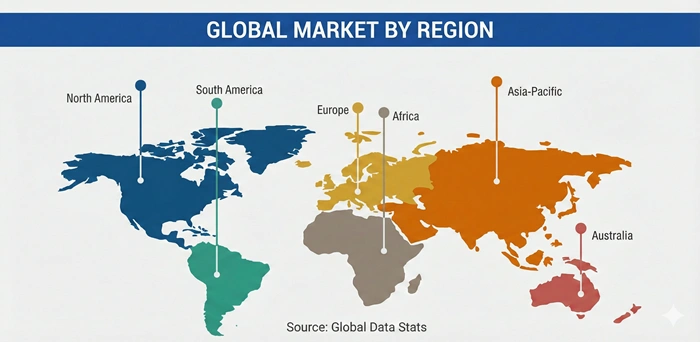
North America leads the maternal health therapeutics market with approximately 42 percent regional share, driven by advanced healthcare infrastructure, comprehensive insurance coverage, high awareness regarding pregnancy care, established prenatal monitoring systems, and strong pharmaceutical company presence supporting therapeutic innovation and clinical research initiatives focused on improving maternal outcomes across diverse patient populations.
-
Asia-Pacific demonstrates the fastest growth trajectory in the maternal health therapeutics market, expanding at a CAGR of approximately 7.6 percent, propelled by large population bases, rising healthcare expenditure, improving institutional delivery rates, expanding middle-class populations accessing quality prenatal care, and government initiatives prioritizing maternal mortality reduction through enhanced healthcare infrastructure and essential medicine availability.
-
Hormonal therapies represent the largest drug type segment consuming maternal health therapeutics with approximately 34 percent market share, as uterotonics addressing postpartum hemorrhage, hormone replacement addressing endocrine deficiencies, and fertility medications supporting conception and pregnancy maintenance create substantial demand volumes across hospitals, maternity centers, and outpatient facilities globally requiring immediate-use life-saving medications.
-
Gestational diabetes contributes the most substantial indication segment share at approximately 27 percent, driven by increasing prevalence associated with obesity, advanced maternal age, and lifestyle factors requiring insulin therapy, oral antidiabetic medications, and metabolic management drugs supporting glucose control throughout pregnancy while preventing maternal and fetal complications associated with poorly managed hyperglycemia conditions.
-
Oral administration route dominates medication delivery preferences as the most popular formulation type, accounting for approximately 55 percent market share, based on patient convenience, home-based medication administration, improved adherence compared to parenteral routes, and suitability for chronic condition management including gestational diabetes, hypertension, and thyroid disorders requiring daily therapeutic interventions throughout extended pregnancy periods.
-
The anticoagulant therapeutic category will experience rapid future growth through 2033, expanding at a CAGR of approximately 8.2 percent and capturing increasing market share percentage as awareness regarding thrombosis risks during pregnancy grows, advanced maternal age populations with cardiovascular comorbidities expand, and clinical guidelines increasingly recommend prophylactic anticoagulation for high-risk obstetric patients preventing potentially fatal thromboembolic complications.
Market Scope
| Report Coverage Details | |
|---|---|
| Market Size by 2033 | USD 8.54 Billion |
| Market Size by 2025 | USD 4.30 Billion |
| Market Size by 2026 | USD 4.61 Billion |
| Market Growth Rate from 2026 to 2033 | CAGR of 7.03% |
| Dominating Region | North America |
| Fastest Growing Region | Asia-Pacific |
| Base Year | 2025 |
| Forecast Period | 2026 to 2033 |
| Segments Covered | By Drug Type, By Indication, By Route of Administration, By Distribution Channel, By End-User, By Region |
| Regions Covered | North America, Europe, Asia-Pacific, Latin America, Middle East & Africa |
Market Dynamics
Drivers Impact Analysis
Escalating Pregnancy Complications and Enhanced Healthcare Infrastructure Propel Sustained Maternal Health Therapeutics Market Momentum
The maternal health therapeutics market benefits tremendously from rising prevalence of pregnancy-related complications including gestational diabetes affecting approximately 15 percent of pregnancies globally, preeclampsia impacting 5 to 8 percent of expectant mothers, and postpartum hemorrhage representing the leading cause of preventable maternal deaths worldwide. Advanced maternal age trends across developed nations correlate directly with increased complication rates, as women over 35 experience significantly higher risks for chromosomal abnormalities, placental dysfunction, multiple gestations, and chronic condition exacerbations requiring specialized therapeutic interventions throughout pregnancy and postpartum periods. Obesity epidemic expansion creates additional maternal health challenges, with overweight pregnant women demonstrating elevated risks for gestational diabetes, hypertensive disorders, thromboembolic events, and cesarean delivery complications necessitating comprehensive pharmaceutical management protocols.
Healthcare access improvements throughout low- and middle-income countries substantially expand patient populations receiving institutional prenatal care, skilled birth attendance, and access to essential medicines previously unavailable in resource-limited settings. The maternal health therapeutics market gains momentum from government initiatives prioritizing universal health coverage, maternal mortality reduction targets aligned with Sustainable Development Goals, and dedicated funding supporting reproductive health programs integrating therapeutic interventions with preventive services. Pharmaceutical innovation addresses historical gaps in pregnancy medication development through dedicated research programs, pregnancy exposure registries providing real-world safety data, and regulatory pathways encouraging therapeutic development for obstetric populations. Growing awareness among healthcare providers and pregnant women regarding available treatment options for managing complications encourages earlier intervention, appropriate medication utilization, and improved adherence to prescribed therapeutic regimens supporting optimal pregnancy outcomes.
| Driver Factor | ≈ Impact on CAGR Forecast | Geographic Relevance | Impact Timeline |
|---|---|---|---|
| Rising pregnancy complications and advanced maternal age | +2.2% to +2.8% | Global, particularly strong in developed nations | Immediate and ongoing |
| Healthcare infrastructure expansion and institutional delivery growth | +1.8% to +2.4% | Strongest in Asia-Pacific, Africa, Latin America | Short to medium-term |
| Government initiatives and maternal mortality reduction programs | +1.2% to +1.6% | Global, emphasis on low- and middle-income countries | Immediate and long-term |
| Pharmaceutical innovation and novel therapeutic development | +0.8% to +1.2% | Primarily North America, Europe, developed Asia | Medium to long-term |
Restraints Impact Analysis
Medication Safety Concerns and Limited Research Investment Moderate Maternal Health Therapeutics Market Growth Expectations
The maternal health therapeutics market confronts significant challenges from medication safety concerns during pregnancy, as pharmaceutical products carry potential risks including teratogenic effects, fetal developmental abnormalities, and neonatal complications that generate conservative prescribing practices among cautious healthcare providers prioritizing non-pharmacological interventions whenever possible. Historical thalidomide tragedy continues influencing regulatory frameworks, clinical guidelines, and public perceptions regarding pregnancy medication use, creating substantial barriers for new therapeutic development as pharmaceutical companies face extensive safety validation requirements, limited clinical trial participation by pregnant women, and liability concerns regarding potential adverse fetal outcomes. The market experiences headwinds from inadequate safety data for many commonly prescribed medications, as pregnant women remain excluded from most clinical trials resulting in off-label usage patterns lacking robust evidence supporting efficacy and safety profiles specific to pregnancy physiology.
Research and development underinvestment in maternal health therapeutics reflects pharmaceutical industry perspectives viewing pregnancy medications as commercially unattractive due to small patient populations, limited treatment durations, generic competition, liability risks, and complex regulatory pathways requiring extensive safety documentation. The maternal health therapeutics market faces constraints from healthcare system resource limitations in low-income countries where essential medicines remain unavailable, supply chain disruptions interrupt medication access, insufficient skilled personnel limit appropriate prescribing, and competing health priorities reduce funding allocated to maternal health programs. Cultural attitudes and traditional practices in certain regions discourage medication use during pregnancy, favoring alternative approaches including herbal remedies, dietary modifications, and spiritual interventions that delay or prevent necessary therapeutic interventions for serious complications requiring immediate pharmaceutical management. Affordability barriers persist as many pregnancy medications lack insurance coverage, require out-of-pocket expenditures creating financial hardships for economically disadvantaged populations, and face pricing pressures limiting commercial viability for manufacturers serving price-sensitive markets.
| Restraint Factor | ≈ Impact on CAGR Forecast | Geographic Relevance | Impact Timeline |
|---|---|---|---|
| Medication safety concerns and conservative prescribing patterns | -1.0% to -1.4% | Global, particularly impactful in risk-averse markets | Immediate and ongoing |
| Limited clinical research and inadequate safety data | -0.8% to -1.2% | Primarily affects developed markets with strict regulations | Long-term |
| Pharmaceutical industry underinvestment | -0.6% to -0.9% | Global impact on innovation pipeline | Medium to long-term |
| Healthcare resource limitations and access barriers | -0.5% to -0.8% | Concentrated in low- and middle-income countries | Immediate and ongoing |
Opportunities Impact Analysis
Emerging Markets and Technological Innovation Create Substantial Maternal Health Therapeutics Market Expansion Potential
The maternal health therapeutics market presents compelling opportunities through geographic expansion into rapidly developing regions across Asia-Pacific, Africa, and Latin America where improving economic conditions, healthcare infrastructure development, and growing middle-class populations create favorable environments for therapeutic adoption. Countries including India, China, Indonesia, Nigeria, Brazil, and Mexico demonstrate particularly strong growth potential based on large pregnant populations, rising institutional delivery rates, government health initiatives prioritizing maternal outcomes, and expanding pharmaceutical distribution networks reaching previously underserved rural communities. International development organizations, public-private partnerships, and non-governmental entities implement comprehensive maternal health programs integrating therapeutic interventions with skilled birth attendance, emergency obstetric care capabilities, and referral systems supporting complicated cases requiring specialized treatment.
Research and development initiatives focused on novel therapeutic mechanisms, improved formulations, and innovative delivery systems address unmet clinical needs including long-acting medications reducing dosing frequency, combination products simplifying treatment regimens, and targeted therapies minimizing systemic exposure while maximizing therapeutic efficacy. The maternal health therapeutics market benefits from digital health integration opportunities including mobile applications supporting medication adherence, telemedicine platforms enabling remote consultation and dosage adjustment, wearable devices monitoring therapeutic effectiveness, and artificial intelligence systems optimizing treatment selection based on individual patient characteristics. Repurposing existing medications for pregnancy applications through dedicated safety studies and pharmacokinetic research accelerates therapeutic availability compared to novel drug development timelines while reducing costs and regulatory burdens. Strategic collaborations between pharmaceutical manufacturers, academic research institutions, government health agencies, and international organizations create synergistic relationships advancing maternal health therapeutic development, access expansion, and outcome improvement initiatives benefiting underserved populations globally.
| Opportunity Factor | ≈ Impact on CAGR Forecast | Geographic Relevance | Impact Timeline |
|---|---|---|---|
| Emerging market expansion and healthcare infrastructure growth | +1.8% to +2.4% | Asia-Pacific, Africa, Latin America | Short to medium-term |
| Digital health integration and telemedicine adoption | +1.2% to +1.6% | Global, particularly beneficial for remote populations | Short to medium-term |
| Novel therapeutic development and formulation innovation | +0.9% to +1.3% | Primarily developed markets with R&D capabilities | Medium to long-term |
| Strategic partnerships and public-private collaborations | +0.6% to +1.0% | Global, emphasis on low- and middle-income countries | Medium-term |
Segment Analysis
By Drug Type - Hormonal Therapies
Critical Obstetric Applications and High-Volume Utilization Establish Hormonal Therapies as Dominant Maternal Health Therapeutics Market Segment
Hormonal therapies command approximately 34 percent of the maternal health therapeutics market share, expanding at a steady CAGR of 6.8 percent throughout the forecast period as these medications address life-threatening conditions requiring immediate intervention including postpartum hemorrhage prevention and treatment through uterotonic agents. Oxytocin represents the gold-standard medication administered universally during third-stage labor management, stimulating uterine contractions that prevent excessive bleeding following placental delivery, making it the highest-volume pharmaceutical product utilized across all institutional deliveries worldwide. Healthcare facilities maintain consistent oxytocin stockpiles as essential obstetric medications, with protocols mandating immediate administration for every delivery creating guaranteed demand independent of complication rates. Carbetocin, methylergometrine, and misoprostol provide alternative or adjunctive uterotonic options for managing refractory cases, hemorrhage prevention in high-risk patients, and resource-limited settings lacking cold-chain storage capabilities required for oxytocin stability.
North America maintains substantial hormonal therapy consumption within the maternal health therapeutics market, supported by comprehensive prenatal care systems, universal institutional delivery practices, evidence-based protocols emphasizing active management of third-stage labor, and pharmaceutical availability ensuring immediate medication access during obstetric emergencies. Europe demonstrates similar utilization patterns with established clinical guidelines, trained healthcare personnel, and quality assurance systems monitoring medication administration practices. Leading pharmaceutical companies serving the hormonal therapy segment include Pfizer Inc. offering oxytocin formulations, Merck & Co. Inc. providing various reproductive hormone preparations, Johnson & Johnson through subsidiary operations, Ferring Pharmaceuticals specializing in reproductive medicine including carbetocin products, and numerous generic manufacturers supplying cost-effective alternatives supporting widespread accessibility across low- and middle-income countries where affordability considerations significantly influence therapeutic selection and utilization patterns.
By Indication - Gestational Diabetes
Rising Prevalence and Chronic Management Requirements Position Gestational Diabetes as Leading Maternal Health Therapeutics Market Indication
Gestational diabetes accounts for approximately 27 percent of the maternal health therapeutics market share, growing at a robust CAGR of 7.4 percent as increasing obesity rates, advanced maternal age trends, and lifestyle factors drive escalating prevalence affecting approximately 15 percent of pregnancies globally. This condition requires comprehensive pharmaceutical management when dietary modifications and exercise interventions prove insufficient for maintaining target glucose levels, with insulin therapy representing the preferred treatment approach for moderate to severe hyperglycemia. Metformin gains acceptance as oral alternative for selected patients preferring non-injectable medications, demonstrating comparable efficacy with favorable safety profiles based on extensive real-world evidence accumulated across diverse populations. Treatment duration extends throughout second and third trimesters following diagnosis, creating sustained medication demand compared to acute complications requiring brief intervention periods. Healthcare providers implement intensive monitoring protocols including frequent glucose testing, medication dosage adjustments, and fetal surveillance ensuring optimal metabolic control while preventing maternal and fetal complications including macrosomia, birth trauma, neonatal hypoglycemia, and long-term metabolic programming effects.
Asia-Pacific demonstrates the fastest gestational diabetes segment growth within the maternal health therapeutics market, driven by ethnic predispositions among South Asian and East Asian populations experiencing higher diabetes susceptibility, rapidly rising obesity prevalence throughout developing economies, and improving diagnostic capabilities identifying previously undetected cases. India represents a particularly significant market as the country experiences epidemic-level diabetes prevalence extending into reproductive-age women, creating substantial patient populations requiring gestational diabetes management. Major pharmaceutical companies addressing this indication include Novo Nordisk A/S providing insulin formulations specifically indicated for pregnancy use, Sanofi S.A. offering comprehensive diabetes management portfolios including insulin products, Eli Lilly and Company supplying various insulin preparations, and regional generic manufacturers producing affordable insulin and metformin products expanding access across price-sensitive markets where out-of-pocket costs significantly influence treatment adherence and patient outcomes.
Regional Insights
North America
Advanced Healthcare Systems and Comprehensive Prenatal Care Establish North America as Dominant Maternal Health Therapeutics Market Leader
North America commands approximately 42 percent of the global maternal health therapeutics market share, expanding at a CAGR of 6.9 percent from 2026 to 2033, driven by sophisticated healthcare infrastructure, universal institutional delivery practices, comprehensive prenatal care programs, and advanced pharmaceutical access ensuring optimal therapeutic availability. The region benefits from well-established clinical protocols standardizing evidence-based interventions for pregnancy complications, electronic health record systems facilitating coordinated care delivery, and quality assurance mechanisms monitoring maternal outcome metrics including therapeutic utilization patterns and adverse event reporting. United States represents the dominant country market within North America, consuming substantial pharmaceutical volumes through extensive hospital networks, birthing centers, and outpatient obstetric facilities serving approximately 3.6 million births annually requiring various therapeutic interventions throughout pregnancy, delivery, and postpartum periods.
The North American maternal health therapeutics market features leading pharmaceutical companies including Pfizer Inc. offering comprehensive portfolios spanning antibiotics, uterotonics, and cardiovascular medications, Merck & Co. Inc. providing various therapeutic agents addressing pregnancy complications, Johnson & Johnson through subsidiary companies supplying women's health products, Bristol-Myers Squibb Company offering specialized pharmaceuticals, and Ferring Pharmaceuticals focusing on reproductive medicine therapeutics. Healthcare insurance coverage through private plans and government programs including Medicaid substantially supporting pregnancy-related care reduces financial barriers enabling appropriate medication access for medically indicated interventions. The region demonstrates concerning maternal mortality trends with rates exceeding other developed nations, particularly affecting African American and Native American populations experiencing significant health disparities driving policy initiatives, research investments, and quality improvement programs aimed at reducing preventable deaths through enhanced therapeutic access, evidence-based care delivery, and addressing social determinants influencing pregnancy outcomes.
Asia-Pacific
Rapid Healthcare Development and Large Population Bases Position Asia-Pacific as Fastest Growing Maternal Health Therapeutics Market
Asia-Pacific demonstrates the fastest maternal health therapeutics market growth trajectory, expanding at a CAGR of 7.6 percent from 2026 to 2033, propelled by massive population bases generating substantial birth volumes, rapidly improving healthcare infrastructure expanding institutional delivery access, and government initiatives prioritizing maternal mortality reduction through comprehensive health programs. The region encompasses diverse market dynamics ranging from highly developed systems in Japan, South Korea, and Singapore to rapidly emerging healthcare capabilities throughout China, India, Indonesia, Thailand, and Southeast Asian nations experiencing accelerated economic development. India and China collectively account for over one-third of global births, creating enormous patient populations requiring therapeutic interventions for pregnancy complications, preventive care, and routine obstetric management.
The Asia-Pacific maternal health therapeutics market features multinational pharmaceutical companies including Pfizer Inc., Merck & Co. Inc., and Sanofi S.A. establishing regional operations alongside domestic manufacturers like Sun Pharmaceutical Industries Ltd., Cipla Ltd., and numerous Chinese pharmaceutical enterprises supplying affordable generic medications supporting widespread therapeutic access. Government health initiatives throughout the region implement maternal mortality reduction strategies including skilled birth attendance programs, emergency obstetric care facility development, essential medicine availability improvement, and public awareness campaigns promoting institutional deliveries and appropriate healthcare-seeking behaviors. Countries including India launch dedicated programs such as Janani Suraksha Yojana providing financial incentives for institutional deliveries while addressing postpartum care including mental health screening and therapeutic interventions. The region demonstrates substantial growth potential based on continuing economic development, healthcare expenditure increases, expanding middle-class populations accessing quality prenatal care, and pharmaceutical market expansion supporting therapeutic innovation and improved medication availability across previously underserved populations.
Top Key Players
-
Pfizer Inc. (United States)
-
Merck & Co. Inc. (United States)
-
Johnson & Johnson Private Limited (United States)
-
Bristol-Myers Squibb Company (United States)
-
Sanofi S.A. (France)
-
Novo Nordisk A/S (Denmark)
-
Eli Lilly and Company (United States)
-
Ferring Pharmaceuticals (Switzerland)
-
Bayer AG (Germany)
-
AstraZeneca plc (United Kingdom)
-
Teva Pharmaceutical Industries Ltd. (Israel)
-
Sun Pharmaceutical Industries Ltd. (India)
-
Cipla Ltd. (India)
-
Novartis AG (Switzerland)
-
GlaxoSmithKline plc (United Kingdom)
Recent Developments
-
Pfizer Inc. - 2025: Emphasized strong positioning for continued patient impact and financial commitment delivery in 2025, highlighting disciplined execution achievements and robust product portfolio strength while expressing concerns regarding policy changes affecting vaccination recommendations for pregnant women and maintaining comprehensive healthcare ecosystem integrity supporting maternal health therapeutic access.
-
Merck & Co. Inc. - 2024: Advanced women's health research initiatives through strategic investments in reproductive medicine development programs, expanding clinical trial portfolios addressing pregnancy-related conditions and strengthening commitment to reducing maternal mortality through innovative therapeutic solutions and improved medication access across underserved populations globally.
-
Novo Nordisk A/S - 2024: Expanded insulin product portfolios specifically validated for pregnancy use, conducting additional safety studies and real-world evidence generation supporting gestational diabetes management while investing in patient education programs and healthcare provider training initiatives improving therapeutic outcomes for pregnant women with diabetes across multiple geographic markets.
-
Ferring Pharmaceuticals - 2024: Strengthened reproductive medicine leadership through continued carbetocin development initiatives and expanded market access programs supporting postpartum hemorrhage prevention efforts, particularly focusing on low- and middle-income countries where maternal mortality from preventable bleeding complications remains unacceptably high despite availability of effective therapeutic interventions.
-
Sanofi S.A. - 2024: Enhanced women's health therapeutic portfolios through strategic research investments and partnership developments addressing unmet needs in maternal health including novel formulations, improved delivery systems, and combination products simplifying treatment regimens while maintaining safety profiles appropriate for pregnancy use across diverse patient populations requiring specialized pharmaceutical interventions.
Market Trends
Personalized Medicine and Digital Health Integration Define Contemporary Maternal Health Therapeutics Market Evolution
The maternal health therapeutics market increasingly emphasizes personalized treatment approaches leveraging genetic testing, biomarker analysis, and individual risk profiling to optimize therapeutic selection, dosing regimens, and monitoring protocols based on patient-specific characteristics. Pharmacogenomic testing identifies variations influencing drug metabolism, response patterns, and adverse reaction susceptibility, enabling clinicians to prescribe medications most likely to achieve therapeutic goals while minimizing safety risks for mother and fetus. Precision medicine concepts extend into maternal health as research uncovers genetic factors predisposing women to preeclampsia, gestational diabetes, and other complications, potentially enabling preventive therapeutic interventions before clinical manifestations develop. Healthcare providers adopt comprehensive risk assessment tools integrating clinical parameters, laboratory markers, and imaging findings to stratify patients by complication probability, intensifying therapeutic interventions for high-risk populations while avoiding unnecessary medication exposure for low-risk pregnancies.
Digital health technologies transform maternal therapeutic delivery through mobile applications supporting medication adherence with reminder systems, educational content, and secure messaging connecting patients with healthcare providers for questions and concerns. Telemedicine platforms enable remote consultations reducing travel burdens for pregnant women in rural areas while facilitating specialist access for complicated cases requiring expert guidance on therapeutic management. Wearable devices and home monitoring systems track vital signs, glucose levels, and other parameters relevant to therapeutic effectiveness, transmitting data to healthcare teams enabling proactive dosage adjustments and early complication detection. The maternal health therapeutics market adapts to growing consumer preferences for natural products, evidence-based interventions, and shared decision-making approaches emphasizing patient autonomy, informed consent, and transparent communication regarding medication benefits, risks, and alternatives. Sustainability considerations influence pharmaceutical manufacturing practices as environmental awareness grows regarding medication production impacts, packaging waste, and disposal of unused therapeutics requiring industry responses addressing ecological concerns while maintaining product quality and accessibility.
Segments Covered in the Report
By Drug Type
-
Hormonal Therapies
-
GnRH Modulators
-
Pain Management Medications
-
Metabolic Drugs
-
Fertility Medications
-
Anticoagulants
-
Antibiotics
-
Antihypertensives
-
Others
By Indication
-
Gestational Diabetes
-
Preeclampsia/Eclampsia
-
Postpartum Hemorrhage
-
Infections
-
Anemia
-
Thrombosis
-
Postpartum Depression
-
Labor Induction
-
Others
By Route of Administration
-
Oral
-
Parenteral
-
Topical
-
Others
By Distribution Channel
-
Hospital Pharmacies
-
Retail Pharmacies
-
Online Pharmacies
By End-User
-
Hospitals
-
Maternity Centers
-
Specialty Clinics
-
Homecare Settings
By Region
-
North America (United States, Canada, Mexico)
-
Europe (Germany, United Kingdom, France, Italy, Spain, Rest of Europe)
-
Asia-Pacific (China, India, Japan, South Korea, Indonesia, Thailand, Australia, Rest of Asia-Pacific)
-
Latin America (Brazil, Argentina, Rest of Latin America)
-
Middle East & Africa (Saudi Arabia, UAE, South Africa, Rest of MEA)
Frequently Asked Questions
Question 1: What is the expected maternal health therapeutics market size by 2033?
Answer: The global maternal health therapeutics market is projected to reach approximately USD 8.54 billion by 2033, growing from USD 4.61 billion in 2026. This substantial expansion reflects increasing pregnancy complications, healthcare infrastructure improvements, and pharmaceutical innovation addressing maternal health needs globally.
Question 2: Which region dominates the maternal health therapeutics market currently?
Answer: North America dominates the maternal health therapeutics market with approximately 42 percent share, driven by advanced healthcare infrastructure and comprehensive prenatal care systems. The region benefits from universal institutional delivery practices, established clinical protocols, and strong pharmaceutical company presence supporting therapeutic innovation.
Question 3: What factors drive maternal health therapeutics market growth during the forecast period?
Answer: Rising pregnancy complications including gestational diabetes and preeclampsia, advanced maternal age trends, healthcare access improvements in developing countries, and government initiatives prioritizing maternal mortality reduction drive maternal health therapeutics market growth. Pharmaceutical innovation and growing awareness regarding available treatment options further accelerate market expansion across diverse geographic regions.
Question 4: Which drug type segment holds the largest maternal health therapeutics market share?
Answer: Hormonal therapies represent the largest drug type segment with approximately 34 percent maternal health therapeutics market share based on critical applications including postpartum hemorrhage prevention through uterotonic agents. Oxytocin and related medications demonstrate universal utilization across all institutional deliveries, creating substantial consistent demand worldwide.
Question 5: How does gestational diabetes impact the maternal health therapeutics market?
Answer: Gestational diabetes accounts for approximately 27 percent of maternal health therapeutics market share, requiring insulin therapy and oral antidiabetic medications when dietary interventions prove insufficient. Rising prevalence associated with obesity and advanced maternal age drives sustained therapeutic demand throughout extended treatment periods spanning second and third trimesters.