
Marketing Technology (MarTech) Market Overview
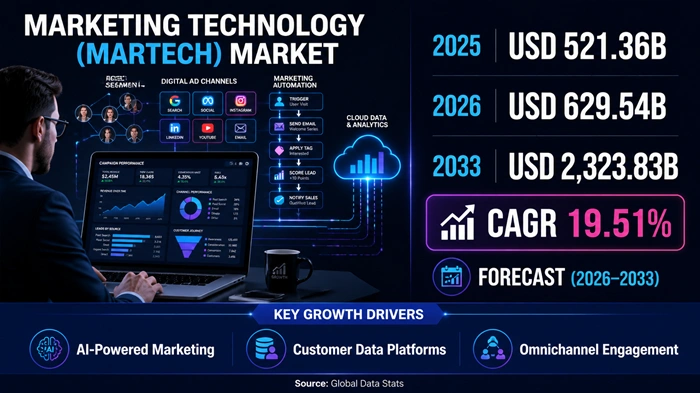
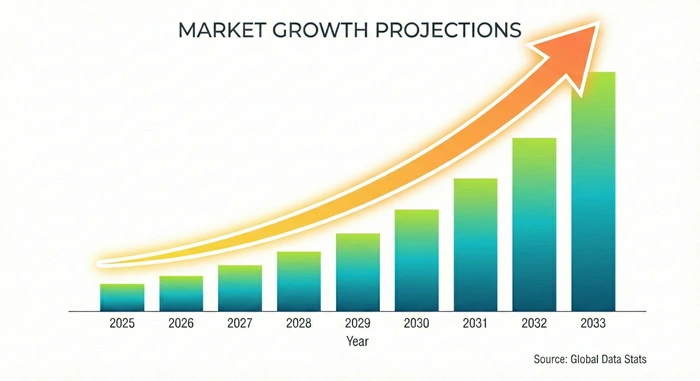
The global Marketing Technology (MarTech) market size is valued at USD 521.36 billion in 2025 and is predicted to increase from USD 629.54 billion in 2026 to approximately USD 2323.83 billion by 2033, growing at a CAGR of 19.51% from 2026 to 2033.
Marketing technology encompasses a diverse range of software platforms, tools, and systems that enable organizations to plan, execute, measure, and optimize marketing campaigns across multiple digital and traditional channels. These comprehensive solutions include social media management platforms, content marketing tools, marketing automation systems, customer relationship management software, analytics platforms, and advertising technology that collectively empower marketers to deliver personalized experiences at scale.
The Marketing Technology (MarTech) market has experienced explosive growth as organizations increasingly recognize the strategic importance of data-driven marketing strategies and customer-centric engagement models. Modern businesses leverage MarTech platforms to break down operational silos, centralize customer data, and create unified views of customer journeys across touchpoints. The accelerating pace of digital transformation across industries combined with exponential growth in e-commerce, social media adoption, and mobile commerce has intensified demand for sophisticated marketing solutions that deliver measurable return on investment. Enterprises are investing heavily in artificial intelligence, machine learning, and predictive analytics capabilities that enable real-time personalization, automated campaign optimization, and advanced customer segmentation. The proliferation of customer touchpoints and communication channels has created unprecedented complexity in marketing operations, driving adoption of integrated MarTech stacks that streamline workflows and improve collaboration across marketing functions.
AI Impact on the Marketing Technology Industry
Revolutionizing Personalization and Automating Complex Marketing Workflows Through Intelligent Systems
Artificial intelligence has fundamentally transformed the Marketing Technology (MarTech) market by introducing capabilities that dramatically enhance marketing effectiveness, operational efficiency, and customer experience quality. AI-driven personalization engines analyze vast quantities of customer data including browsing behavior, purchase history, demographic information, and engagement patterns to deliver highly customized content, product recommendations, and marketing messages tailored to individual preferences. These intelligent systems operate in real-time, dynamically adjusting website content, email campaigns, and advertising creative based on current customer context and predicted intent. Predictive analytics powered by machine learning algorithms forecast customer behavior patterns, identify high-value prospects, anticipate churn risks, and recommend optimal next-best actions for marketing teams. Natural language processing technologies enable advanced sentiment analysis of social media conversations, customer reviews, and support interactions, providing marketers with emotional intelligence insights that inform messaging strategies and brand positioning. According to industry research, 92% of marketers report that AI has already impacted their roles, with one in five planning to deploy AI agents to fully automate marketing strategies.
Marketing automation has reached unprecedented sophistication levels through AI integration, with intelligent systems now handling complex multi-step workflows, content optimization, and campaign management with minimal human oversight. AI-powered content generation tools create personalized email copy, social media posts, ad creative, and landing page variations at scale, enabling marketers to test hundreds of messaging variations simultaneously. Intelligent chatbots and conversational AI platforms deliver 24/7 customer engagement, answer product questions, provide personalized recommendations, and seamlessly escalate complex inquiries to human agents. Computer vision technologies analyze visual content performance, optimize image selection, and automatically generate alt text and metadata that improve search engine visibility. Consulting firm Gartner predicts that 80% of advanced creative marketing roles will leverage generative AI to enhance their efforts by 2026, fundamentally changing skill requirements and workflow processes. AI-driven attribution modeling provides accurate measurement of marketing channel effectiveness, enabling data-driven budget allocation and ROI optimization across complex omnichannel campaigns. These technological advancements continue reshaping the Marketing Technology (MarTech) market by raising performance expectations while democratizing access to sophisticated capabilities previously available only to enterprises with substantial resources.
Growth Factors
Digital Transformation Acceleration and Omnichannel Customer Engagement Demands
The Marketing Technology (MarTech) market is experiencing robust growth fueled by the accelerating pace of digital transformation initiatives across industries as organizations prioritize customer engagement excellence and marketing effectiveness. Businesses increasingly recognize that competitive differentiation depends on delivering exceptional customer experiences, driving substantial investments in MarTech platforms that enable personalization, automation, and data-driven decision-making. The explosive growth of e-commerce has created unprecedented demand for marketing solutions that optimize digital storefronts, personalize product recommendations, streamline checkout processes, and nurture customer relationships through automated lifecycle campaigns. Organizations are adopting omnichannel marketing approaches that ensure consistent brand messaging and seamless customer experiences across websites, mobile apps, social media, email, physical stores, and emerging channels. This strategic shift requires integrated technology stacks capable of centralizing customer data, coordinating campaigns across channels, and providing unified performance analytics.
The democratization of advanced technologies through cloud-based software-as-a-service delivery models has made sophisticated MarTech capabilities accessible to organizations of all sizes. Small and medium enterprises that previously lacked resources for enterprise-grade marketing platforms now access powerful automation, analytics, and personalization tools through affordable subscription pricing models. The growing emphasis on marketing accountability and measurable return on investment has driven adoption of analytics platforms that track campaign performance, attribute revenue to specific marketing activities, and optimize budget allocation based on data-driven insights. Rising consumer expectations for personalized, relevant communications have made generic mass marketing approaches ineffective, compelling organizations to implement sophisticated segmentation, targeting, and personalization capabilities. The proliferation of customer data from diverse sources including website interactions, mobile apps, social media, point-of-sale systems, and customer service platforms has created both opportunities and challenges that MarTech platforms address through data unification and activation capabilities. Increasing regulatory requirements surrounding data privacy and consumer protection are driving investments in compliance-focused MarTech solutions that ensure responsible data handling while enabling effective marketing. These converging factors position the Marketing Technology (MarTech) market for sustained expansion throughout the forecast period.
Market Outlook
Consolidation Trends and AI-Driven Innovation Reshape Competitive Landscape
The Marketing Technology (MarTech) market outlook remains exceptionally positive as technological innovation accelerates and organizations deepen their commitments to customer-centric digital strategies. The marketing technology landscape has expanded to encompass over 11,000 distinct solutions across multiple categories, reflecting both the diversity of marketing needs and the entrepreneurial energy driving innovation within the sector. However, this expansion has created complexity challenges prompting organizations to consolidate their technology stacks around integrated platforms that reduce vendor management overhead and eliminate data silos. Unified marketing platforms that combine multiple capabilities including marketing automation, customer data management, content management, and analytics are gaining market share as enterprises seek simplification without sacrificing functionality. Mergers and acquisitions activity within the MarTech space continues at a rapid pace as larger vendors acquire specialized point solutions to expand platform capabilities and market coverage.
Artificial intelligence is transitioning from experimental technology to core infrastructure requirement within marketing operations. Autonomous AI agents representing the next evolution of marketing automation are emerging to handle optimization tasks, reporting functions, and operational workflows with minimal human supervision. These intelligent systems continuously learn from performance data, automatically adjusting campaigns, content, and targeting parameters to maximize defined business objectives. First-party data strategies have become critical priorities as privacy regulations restrict third-party cookie usage and consumer expectations around data transparency increase. Organizations are implementing customer data platforms and data warehouses that centralize first-party information collected through owned channels, creating proprietary customer intelligence assets that competitive advantage. The retail and e-commerce segment is projected to experience the fastest growth with CAGR exceeding 23% through 2033, driven by intense competition, thin profit margins, and direct dependence on marketing effectiveness for revenue generation. Asia-Pacific is emerging as the fastest-growing geographic market, fueled by rapid digital adoption, expanding middle classes, and aggressive e-commerce expansion across China, India, and Southeast Asian nations. These dynamic trends position the Marketing Technology (MarTech) market for continued innovation and robust growth throughout the forecast period.
Expert Speaks
-
Satya Nadella, CEO of Microsoft emphasized in a 2025 technology summit that "Marketing technology powered by AI and cloud computing is fundamentally transforming customer engagement, enabling organizations to deliver personalized experiences at unprecedented scale while driving measurable business outcomes through data-driven insights and intelligent automation."
-
Marc Benioff, CEO of Salesforce stated during a recent industry conference that "The future of marketing lies in unified customer data platforms that break down silos and enable real-time personalization across every touchpoint, with AI serving as the connective tissue that transforms fragmented customer information into actionable intelligence and automated engagement."
-
Sundar Pichai, CEO of Google noted in early 2026 that "Measurement, privacy, and automation represent the three pillars reshaping marketing technology, as organizations balance consumer expectations for data transparency with business imperatives for personalization, all while leveraging AI to optimize campaign performance and maximize marketing ROI."
Key Report Takeaways
-
North America dominates the Marketing Technology (MarTech) market with a commanding 33% revenue share in 2025, driven by early technology adoption, mature digital marketing ecosystems, substantial enterprise investments in customer experience, and concentration of leading MarTech vendors including Adobe, Salesforce, Oracle, and HubSpot
-
Asia-Pacific emerges as the fastest-growing region with exceptional projected CAGR approaching 22% from 2026 to 2033, fueled by rapid digital transformation, expanding internet penetration, explosive e-commerce growth, increasing smartphone adoption, and aggressive MarTech implementation across China, India, Japan, and Southeast Asian markets
-
Social media tools segment leads product categories capturing over 23% of market revenue in 2025, driven by the central role of social platforms in digital marketing strategies, demand for management and analytics capabilities, influencer marketing growth, and continuous platform feature evolution requiring specialized tools
-
Digital marketing segment dominates by type accounting for approximately 63% of market share in 2025, reflecting ongoing shift of marketing budgets from traditional channels to digital advertising, content marketing, search engine optimization, email campaigns, and social media initiatives
-
Healthcare application leads market adoption representing the largest application segment in 2025 with substantial revenue share, driven by patient-centric marketing emphasis, telehealth expansion, strict compliance requirements, and competitive pressures compelling healthcare organizations to implement sophisticated engagement platforms
-
Retail and e-commerce application demonstrates fastest growth projected to expand at CAGR exceeding 23% from 2026 to 2033, propelled by intense competition, direct revenue dependence on marketing effectiveness, personalization demands, and need for sophisticated analytics to optimize customer acquisition and lifetime value
Market Scope
| Report Coverage | Details |
|---|---|
| Market Size by 2033 | USD 2323.83 Billion |
| Market Size by 2025 | USD 521.36 Billion |
| Market Size by 2026 | USD 629.54 Billion |
| Market Growth Rate from 2026 to 2033 | CAGR of 19.51% |
| Dominating Region | North America |
| Fastest Growing Region | Asia-Pacific |
| Base Year | 2025 |
| Forecast Period | 2026 to 2033 |
| Segments Covered | Product, Type, Application, Region |
| Regions Covered | North America, Europe, Asia-Pacific, Latin America, Middle East & Africa |
Market Dynamics
Driver Impact Analysis
Omnichannel Marketing Proliferation and Customer Experience Imperatives
| Impact Factor | Details |
|---|---|
| ≈ Impact on CAGR Forecast | +4.2% to +5.8% |
| Geographic Relevance | Global, with strongest impact in North America, Europe, and Asia-Pacific |
| Impact Timeline | 2026-2033 |
The Marketing Technology (MarTech) market is experiencing accelerated growth as organizations embrace omnichannel marketing strategies that deliver consistent, personalized customer experiences across all touchpoints and communication channels. Modern consumers expect seamless interactions whether engaging through websites, mobile applications, social media platforms, email, physical stores, or customer service channels, creating complexity that requires sophisticated technology orchestration. Research demonstrates that organizations implementing omnichannel marketing strategies achieve 91% greater year-over-year customer retention rates compared to companies using single-channel approaches, providing compelling business justification for MarTech investments. Omnichannel campaigns deliver 287% higher purchase rates than isolated channel initiatives, demonstrating the multiplicative value of coordinated marketing execution. However, executing effective omnichannel strategies requires centralized customer data platforms that unify information from disparate sources, marketing automation systems that coordinate campaigns across channels, and analytics platforms that measure performance holistically.
The growing emphasis on customer experience as the primary competitive differentiator is driving substantial MarTech adoption across industries. Organizations recognize that product quality and pricing parity have made customer experience the critical factor influencing purchasing decisions and brand loyalty. Marketing technology enables businesses to understand customer preferences through data analysis, deliver personalized content and recommendations at scale, respond to customer behavior in real-time, and continuously optimize engagement strategies based on performance feedback. The explosive growth of digital advertising combined with proliferation of marketing channels has made manual campaign management impossible, compelling adoption of automation platforms that streamline repetitive tasks and enable marketers to focus on strategic activities. Rising expectations for marketing accountability and measurable return on investment are driving investments in analytics and attribution platforms that track customer journeys, correlate marketing activities with business outcomes, and optimize budget allocation based on data-driven insights. Organizations implementing integrated MarTech stacks report improved collaboration across marketing functions, reduced time-to-market for campaigns, and enhanced ability to adapt quickly to changing market conditions. These operational benefits combined with demonstrated impact on customer acquisition, retention, and lifetime value continue fueling robust growth within the Marketing Technology (MarTech) market.
Restraints Impact Analysis
Technology Stack Complexity and Integration Challenges
| Impact Factor | Details |
|---|---|
| ≈ Impact on CAGR Forecast | -2.1% to -3.3% |
| Geographic Relevance | Global, particularly impactful for small and medium enterprises |
| Impact Timeline | 2026-2030 |
The Marketing Technology (MarTech) market faces significant adoption barriers related to the overwhelming complexity of the technology landscape and integration challenges associated with implementing multiple platforms. The MarTech ecosystem has expanded to encompass over 11,000 distinct solutions across dozens of categories, creating decision paralysis for organizations attempting to select appropriate tools for their specific needs. Marketing teams now utilize an average of four or more platforms simultaneously to execute their strategies effectively, with some enterprises managing technology stacks comprising 20 to 30 distinct solutions. This proliferation creates substantial integration challenges as organizations struggle to establish data flows between disparate systems, synchronize customer information across platforms, and maintain consistent taxonomies and definitions. Data silos emerge when platforms cannot communicate effectively, resulting in fragmented customer views, inconsistent messaging, and inability to measure holistic campaign performance.
The technical complexity of modern MarTech platforms creates steep learning curves that require significant time investments for marketing teams to achieve proficiency. Organizations must balance the need for sophisticated capabilities against practical limitations of staff technical expertise and available training resources. According to the American Marketing Association, approximately 44% of marketing teams in the United States utilize four or more tools concurrently, with integration difficulties directly impacting campaign success rates and operational efficiency. The rapid pace of technological change compounds these challenges as platforms continuously introduce new features, deprecate existing functionality, and alter user interfaces, requiring ongoing learning investments. Implementation costs extend beyond software licensing to encompass system integration services, data migration, custom development, and change management initiatives that can require substantial financial commitments. Small and medium enterprises with limited IT resources and marketing budgets often struggle to justify comprehensive MarTech investments despite recognizing strategic value, creating market segmentation where advanced capabilities remain concentrated among larger organizations with dedicated resources. Addressing these complexity and integration challenges requires ongoing vendor innovation toward unified platforms, improved interoperability standards, and user experience enhancements that democratize access to sophisticated marketing capabilities.
Opportunities Impact Analysis
Emerging Technologies and Underserved Market Segments
| Impact Factor | Details |
|---|---|
| ≈ Impact on CAGR Forecast | +3.5% to +5.1% |
| Geographic Relevance | Strong opportunities in Asia-Pacific, Latin America, and developing markets |
| Impact Timeline | 2026-2033 |
The Marketing Technology (MarTech) market presents substantial growth opportunities through adoption of emerging technologies including augmented reality, virtual reality, and extended reality that enable immersive brand experiences and interactive product demonstrations. These experiential technologies allow organizations to create memorable customer engagements that differentiate brands in crowded marketplaces, with applications spanning virtual showrooms, AR-powered product visualization, and VR event experiences. Extended reality integration within marketing campaigns enhances customer engagement metrics, improves product understanding, and creates shareable social media moments that amplify organic reach. Voice-activated marketing through smart speakers and virtual assistants represents another frontier opportunity as consumers increasingly adopt voice-enabled devices for information search, shopping, and entertainment. Marketing platforms incorporating voice optimization, conversational AI, and audio content capabilities position organizations to capture growing segments of voice-driven customer interactions.
The small and medium enterprise segment represents a massive underserved market opportunity within the Marketing Technology (MarTech) market. While large enterprises have adopted sophisticated MarTech stacks, most SMEs continue relying on basic tools or manual processes due to perceived complexity, cost barriers, and limited technical resources. However, growing awareness of marketing automation benefits combined with increasing availability of affordable, user-friendly SaaS solutions is driving rapid SME adoption rates. This segment is projected to demonstrate the fastest CAGR through 2033 as vendors develop purpose-built solutions addressing SME-specific needs including simplified interfaces, pre-built templates, and cost-effective pricing models. Emerging markets across Asia-Pacific, Latin America, Middle East, and Africa present exceptional growth potential as digital infrastructure improves, internet penetration expands, and local businesses embrace digital marketing strategies. Organizations in these regions often leapfrog legacy technologies, implementing modern cloud-based MarTech platforms without constraints of existing infrastructure investments. Government initiatives supporting digital transformation and entrepreneurship in developing economies are creating favorable regulatory environments and financial incentives that accelerate MarTech adoption. These converging opportunities position the Marketing Technology (MarTech) market for continued expansion into new geographic markets and customer segments throughout the forecast period.
Segment Analysis
By Product: Social Media Tools Segment
Platform Centrality and Influencer Marketing Drive Segment Leadership
The social media tools segment dominates the Marketing Technology (MarTech) market with commanding revenue share exceeding 23% in 2025, projected to maintain leadership throughout the forecast period driven by the central role of social platforms in modern digital marketing strategies. Social media tools encompass comprehensive capabilities including content management and scheduling, performance analytics and reporting, paid advertising campaign management, influencer collaboration platforms, social listening and sentiment analysis, and integrated content creation tools. These platforms enable marketing teams to efficiently manage presence across multiple social networks from centralized dashboards, schedule posts for optimal engagement timing, monitor brand mentions and customer conversations in real-time, and analyze performance metrics that inform strategy optimization. The integration of design capabilities, photo and video editing features, and AI-powered content generation within social media management platforms has simplified creation of high-quality visual content that drives engagement. Real-time interaction features enable brands to respond promptly to customer inquiries, participate in trending conversations, and demonstrate responsiveness that builds community relationships.
North America leads social media tools adoption within the Marketing Technology (MarTech) market, driven by mature social media ecosystems, high platform penetration rates, and sophisticated digital marketing practices across enterprises. Asia-Pacific demonstrates the fastest regional growth with CAGR exceeding 24% through 2033, fueled by explosive social media user growth, mobile-first digital behaviors, and platform innovation particularly in China where WeChat, Douyin, and Xiaohongshu dominate. Leading vendors including Hootsuite, Sprout Social, Buffer, Later, and HubSpot have established strong market positions by offering comprehensive social media management suites integrated with broader marketing automation capabilities. The segment benefits from continuous platform evolution as social networks introduce new features including live streaming, social commerce, augmented reality filters, and short-form video formats that require specialized management tools. Influencer marketing represents a rapidly growing subsegment as brands increasingly collaborate with content creators to reach targeted audiences through authentic endorsements, driving demand for influencer discovery, campaign management, and performance tracking platforms. The social media tools segment is positioned to maintain market leadership as social platforms continue expanding their roles as primary channels for customer engagement, brand building, and commerce.
By Application: Healthcare Segment
Patient-Centric Strategies and Digital Health Transformation
The healthcare segment leads application categories within the Marketing Technology (MarTech) market, capturing the largest revenue share in 2025 driven by industry-wide emphasis on patient-centric marketing and digital engagement strategies. Healthcare organizations are implementing sophisticated MarTech platforms to analyze patient data while maintaining HIPAA compliance, deliver personalized health information and appointment reminders, manage reputation across review platforms, and coordinate omnichannel patient acquisition campaigns. The explosive growth of telehealth services and digital health platforms has intensified demand for marketing technology that promotes virtual care options, educates patients about digital services, and facilitates seamless scheduling and onboarding processes. Competitive pressures among healthcare providers competing for patient volumes combined with consumer empowerment through online health information have made marketing effectiveness critical to organizational success. Healthcare marketing must navigate complex regulatory environments governing patient privacy, advertising claims, and communication practices, requiring specialized compliance capabilities within MarTech platforms.
North America dominates healthcare MarTech adoption with commanding market share driven by advanced digital health infrastructure, substantial marketing budgets among health systems, and competitive intensity within metropolitan markets. The United States represents the largest national market as healthcare organizations invest heavily in consumer-oriented marketing strategies that differentiate services and build brand loyalty. Leading healthcare marketing platforms including Salesforce Health Cloud, Veeva CRM, and Adobe Experience Cloud for Healthcare provide industry-specific capabilities addressing unique regulatory, privacy, and workflow requirements. The segment benefits from continuous innovation including AI-powered patient engagement chatbots, predictive analytics identifying high-risk populations, and marketing automation personalizing health education content based on individual conditions and demographics. However, the retail and e-commerce segment is projected to demonstrate the fastest growth at CAGR exceeding 23% from 2026 to 2033, driven by intense competition, direct revenue impact of marketing effectiveness, and sophisticated personalization requirements. The healthcare application segment is positioned for sustained growth as patient expectations for convenient, personalized healthcare experiences continue rising and providers increasingly compete on service quality and brand reputation.
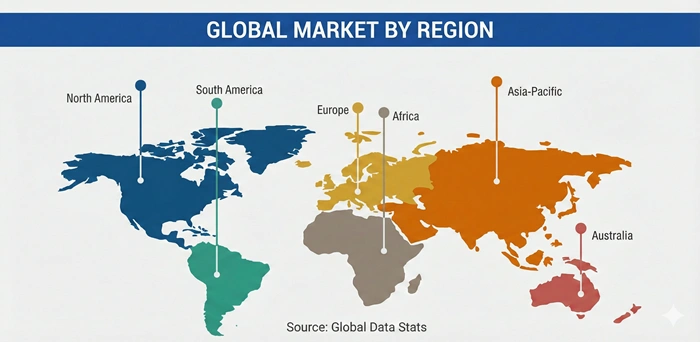
Regional Insights
North America
Technology Leadership and Mature Digital Ecosystem Drive Regional Dominance
North America maintains its position as the dominant region in the Marketing Technology (MarTech) market, capturing approximately 33% of global revenue in 2025 with projected steady growth throughout the forecast period. The United States represents the largest national market valued at USD 128.88 billion in 2025 and expected to reach USD 676.35 billion by 2034, demonstrating sustained expansion driven by widespread MarTech adoption across industries. American enterprises demonstrate early technology adoption patterns and substantial willingness to invest in innovative marketing solutions, creating a favorable environment for MarTech platform development and deployment. The region benefits from concentration of leading MarTech vendors including Adobe, Salesforce, Oracle, HubSpot, and Google who maintain significant research and development operations focused on next-generation capabilities. Robust venture capital funding supporting MarTech startups and substantial marketing budgets allocated by Fortune 500 companies create dynamic ecosystems that foster continuous innovation.
The North American Marketing Technology (MarTech) market is characterized by sophisticated digital marketing practices, data-driven decision-making cultures, and strong emphasis on measurable return on investment that drives platform adoption. Organizations across the region invest heavily in AI-powered personalization, marketing automation, customer data platforms, and advanced analytics to maintain competitive advantages. The mature e-commerce ecosystem combined with high digital advertising spending creates sustained demand for MarTech solutions that optimize online customer acquisition and retention. Canada contributes meaningfully to regional growth with thriving technology sectors concentrated in Toronto, Vancouver, and Montreal that develop innovative marketing solutions. Regulatory frameworks including data privacy legislation and industry-specific compliance requirements drive demand for MarTech platforms incorporating privacy controls and governance capabilities. Strong partnerships between MarTech vendors, advertising agencies, system integrators, and consulting firms create comprehensive service ecosystems supporting customer success. The region's leadership in marketing innovation, technology development, and best practice establishment positions North America to maintain market dominance throughout the forecast period.
Asia-Pacific
Rapid Digitalization and E-Commerce Explosion Fuel Regional Growth
The Asia-Pacific region emerges as the fastest-growing segment of the global Marketing Technology (MarTech) market, projected to expand at exceptional CAGR approaching 22% from 2026 to 2033, driven by rapid digital transformation, explosive e-commerce growth, and accelerating smartphone adoption. The region's massive population combined with expanding middle classes creates enormous addressable markets for digital products and services, compelling businesses to implement sophisticated marketing technologies that enable customer acquisition at scale. Rising internet penetration rates particularly across India, Indonesia, Vietnam, and other developing markets are bringing hundreds of millions of new consumers online annually, creating unprecedented opportunities for digital marketing. Mobile-first digital behaviors dominate regional patterns as smartphone adoption outpaces desktop computing, driving demand for mobile-optimized MarTech solutions including app engagement platforms, mobile advertising tools, and location-based marketing technologies.
China represents the largest and most dynamic national market within the Asia-Pacific Marketing Technology (MarTech) market, characterized by unique digital ecosystem dominated by domestic platforms including WeChat, Douyin, Alibaba, and Baidu. Chinese organizations implement sophisticated MarTech stacks leveraging social commerce, live-stream shopping, mini-programs, and integrated payment ecosystems that blur distinctions between social media, e-commerce, and customer service. India demonstrates exceptional growth potential driven by government digital initiatives, expanding startup ecosystem, and massive youth population entering digital economy as consumers and entrepreneurs. Japan contributes technological innovation and early adoption of emerging technologies including AI, robotics, and immersive experiences that push MarTech capabilities forward. Leading global MarTech vendors including Adobe, Salesforce, Oracle, and HubSpot have established substantial regional operations while local providers including Alibaba Cloud, Tencent, and numerous specialized platforms serve domestic markets. Government support through favorable regulations, digital infrastructure investments, and startup funding programs creates conducive environments for MarTech adoption. The convergence of demographic trends, economic development, and technological advancement positions Asia-Pacific as the primary growth engine for the global Marketing Technology (MarTech) market throughout the forecast period.
Top Key Players
-
Adobe Inc. (United States)
-
Salesforce Inc. (United States)
-
Oracle Corporation (United States)
-
Microsoft Corporation (United States)
-
Google LLC (United States)
-
SAP SE (Germany)
-
HubSpot Inc. (United States)
-
Amazon Web Services Inc. (United States)
-
Apple Inc. (United States)
-
IBM Corporation (United States)
-
Amdocs (United States)
-
Mailchimp (United States)
-
Hootsuite Inc. (Canada)
-
Sprout Social Inc. (United States)
-
Zendesk Inc. (United States)
-
Marketo (United States)
-
Content Grow (Singapore)
-
Buzzoole (Italy)
-
Konnect Insights (India)
-
Fullcircl (United Kingdom)
Recent Developments
-
Scorpion was named a badged TikTok Marketing Technology Partner in January 2026 under the TikTok Marketing Partners Program, strengthening capabilities to support small and mid-sized businesses with effective TikTok advertising solutions through deeper platform integration enabling streamlined campaign creation, performance optimization, and advanced reporting
-
Ignite Visibility partnered with EverConnect in October 2025 to strengthen lead generation capabilities for home services and healthcare sectors, expanding access to performance-driven marketing and lead generation technologies that enable deeper vertical expertise and scalable data-driven solutions for clients in high-growth service industries
-
Mailchimp introduced refreshed pop-up forms experience in February 2025 featuring fully customizable mobile-first designs and multiple offer formats including promotions, consultations, contests, and newsletter sign-ups that enable marketers to capture richer zero-party data directly from customers and support improved lead generation and personalization strategies
-
Google released Meridian open-source marketing mix model in January 2025, designed to empower marketers with advanced tools for budget allocation and performance measurement, offering customization and actionable insights that enable better understanding of marketing spend impact on business outcomes
-
Validity acquired email optimizer Litmus in April 2025, enabling the company to offer marketers a comprehensive platform managing entire email campaign lifecycles from creation through optimization, strengthening its position in the email marketing technology segment
Market Trends
Platform Consolidation and First-Party Data Strategies Reshape Ecosystem
The Marketing Technology (MarTech) market is experiencing fundamental shifts toward platform consolidation as organizations seek to reduce technology stack complexity and eliminate operational inefficiencies caused by fragmented point solutions. The proliferation of specialized MarTech tools has created integration challenges, data silos, and vendor management overhead that diminish marketing effectiveness and consume disproportionate resources. Unified marketing platforms combining multiple capabilities including automation, analytics, content management, and customer data unification are gaining market share as enterprises prioritize simplification without sacrificing functionality. Leading vendors are responding through organic development and aggressive acquisition strategies that expand platform breadth, with major players including Adobe, Salesforce, Oracle, and HubSpot continuously enhancing their comprehensive suites. This consolidation trend benefits customers through improved data consistency, streamlined workflows, and reduced total cost of ownership, while creating competitive pressures on specialized vendors to demonstrate unique value or risk being displaced by platform alternatives.
First-party data strategies have emerged as critical priorities within the Marketing Technology (MarTech) market as privacy regulations restrict third-party cookie usage and consumers demand greater transparency regarding data collection practices. Organizations are implementing customer data platforms, data warehouses, and identity resolution systems that centralize information collected through owned channels including websites, mobile apps, customer service interactions, and point-of-sale transactions. These unified data foundations enable sophisticated personalization, predictive analytics, and automated decision-making while ensuring compliance with evolving privacy regulations. Marketing teams increasingly focus on capturing zero-party data through interactive experiences, preference centers, and value exchanges that encourage customers to voluntarily share information. The shift toward first-party data strategies requires substantial investments in data infrastructure, governance frameworks, and consent management platforms that balance business objectives with consumer privacy expectations. Autonomous AI agents representing the next evolution of marketing automation are emerging to handle optimization, reporting, and operational tasks with minimal oversight, continuously learning from performance data and automatically adjusting campaigns to maximize objectives. These converging trends toward consolidation, first-party data, and intelligent automation continue reshaping the Marketing Technology (MarTech) market landscape.
Segments Covered in the Report
By Product
-
Social Media Tools
-
Social Media Management
-
Social Analytics
-
Social Advertising
-
Influencer Marketing
-
Social Listening
-
-
Content Marketing Tools
-
Content Creation
-
Content Distribution
-
Content Optimization
-
-
Rich Media Tools
-
Video Marketing
-
Interactive Content
-
Visual Design Tools
-
-
Automation Tools
-
Email Marketing Automation
-
Workflow Automation
-
Lead Nurturing
-
-
Data & Analytics Tools
-
Marketing Analytics
-
Attribution Modeling
-
Business Intelligence
-
Predictive Analytics
-
-
Sales Enablement Tools
-
CRM Integration
-
Sales Content Management
-
Training & Onboarding
-
By Type
-
Digital Marketing
-
Search Engine Marketing
-
Display Advertising
-
Email Marketing
-
Mobile Marketing
-
Social Media Marketing
-
-
Offline Marketing
-
Print Advertising
-
Direct Mail
-
Event Marketing
-
Outdoor Advertising
-
By Application
-
IT & Telecommunication
-
Retail & E-Commerce
-
Healthcare
-
Media & Entertainment
-
Sports & Events
-
BFSI (Banking, Financial Services, and Insurance)
-
Real Estate
-
Others
By Region
-
North America
-
United States
-
Canada
-
Mexico
-
-
Europe
-
Germany
-
United Kingdom
-
France
-
Italy
-
Spain
-
Rest of Europe
-
-
Asia-Pacific
-
China
-
Japan
-
India
-
South Korea
-
Australia
-
Southeast Asia
-
Rest of Asia-Pacific
-
-
Latin America
-
Brazil
-
Argentina
-
Rest of Latin America
-
-
Middle East & Africa
-
UAE
-
Saudi Arabia
-
South Africa
-
Rest of MEA
-
Frequently Asked Questions
Question 1: What is the projected Marketing Technology (MarTech) market size by 2033?
Answer: The global Marketing Technology (MarTech) market is projected to reach USD 2323.83 billion by 2033, growing from USD 629.54 billion in 2026. The market is expanding at a CAGR of 19.51% during the 2026-2033 forecast period driven by digital transformation, AI integration, and omnichannel marketing adoption.
Question 2: Which region dominates the Marketing Technology (MarTech) market currently?
Answer: North America dominates the Marketing Technology (MarTech) market with approximately 33% revenue share in 2025, supported by early technology adoption and mature ecosystems. However, Asia-Pacific is the fastest-growing region with CAGR approaching 22% from 2026 to 2033.
Question 3: What are the key applications driving Marketing Technology (MarTech) market growth?
Answer: Healthcare leads the Marketing Technology (MarTech) market applications with the largest revenue share in 2025, driven by patient-centric strategies and digital health expansion. Retail and e-commerce demonstrates the fastest growth at CAGR exceeding 23% through 2033.
Question 4: How is artificial intelligence impacting the Marketing Technology (MarTech) market?
Answer: Artificial intelligence is transforming the Marketing Technology (MarTech) market through predictive analytics, automated personalization, and intelligent campaign optimization that dramatically improve marketing effectiveness. Research shows 92% of marketers report AI has already impacted their roles significantly.
Question 5: Which product segment leads the Marketing Technology (MarTech) market?
Answer: Social media tools dominate the Marketing Technology (MarTech) market with over 23% revenue share in 2025, driven by central role of social platforms in digital strategies. Sales enablement tools are projected to demonstrate substantial growth as organizations enhance sales-marketing alignment.